
767 Total Views
Vrindavan’s famous street food starts from a rule most visitors don’t expect: nothing here contains onion or garlic. The town follows a Satvik, Vaishnava dietary tradition tied directly to its identity as Krishna’s childhood home—alliums are considered too “heating,” too likely to stir passion and restlessness, and too likely to belong in food meant to keep the mind calm and devotional. Every dish below is built around that constraint rather than despite it, and it changes the flavor of everything from a simple kachori to a bowl of chaat. Famous street food in Vrindavan reflects this distinctive culinary tradition in every bite.
The Satvik Tradition Behind Famous Street Food in Vrindavan
Vrindavan Street Food and the Satvik Tradition Behind It
Understanding Vrindavan street food starts with understanding what’s missing from it. Onions, garlic, and mushrooms fall under what Ayurvedic and Vaishnava tradition calls tamasic and rajasic foods—categories believed to cloud the mind and stir up passion rather than support spiritual calm, which is why they’re excluded from food offered to Krishna and, by extension, from most kitchens in town. [STAT: Vrindavan’s satvik food tradition excludes onion, garlic, and mushrooms, categorized in Vaishnava dietary practice as foods that disturb spiritual calm.] Asafoetida (hing) does most of the work that onion and garlic would otherwise handle, providing a similar savory depth without the exclusion. The result isn’t bland — Vrindavan’s cooks have had centuries to perfect flavor without alliums — but it is genuinely different from the onion-garlic-heavy street food most Indian cities serve, and it’s worth knowing before you go looking for a taste you’re used to elsewhere.
Street Food in Vrindavan: Kachori-Sabzi and Bedai for Breakfast

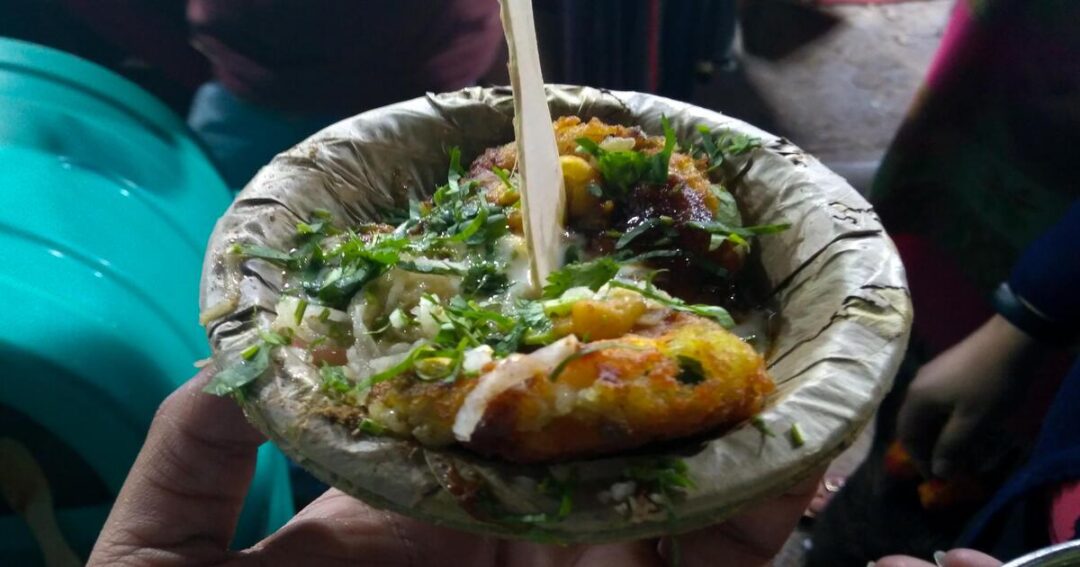
Mornings are when the best street food in Vrindavan actually happens, roughly 6-10 AM, built around one dish above all others: kachori stuffed with spiced urad dal, deep-fried until crisp, served with a spiced potato sabzi (aloo subji) on the side. A close relative, bedai, follows the same basic format with its own texture and proportions, and both come with a rotating cast of chutneys—tamarind, mint, and sometimes a green chili version—depending on the vendor. This is the meal locals and pilgrims alike treat as non-negotiable, and it disappears from most stalls well before lunchtime, so morning really does mean morning here.
Also read: Places to Visit in Mathura: The Complete Guide to Krishna’s Birthplace and Braj Bhoomi
Best Street Food in Vrindavan: Chaat, Lassi, and Peda
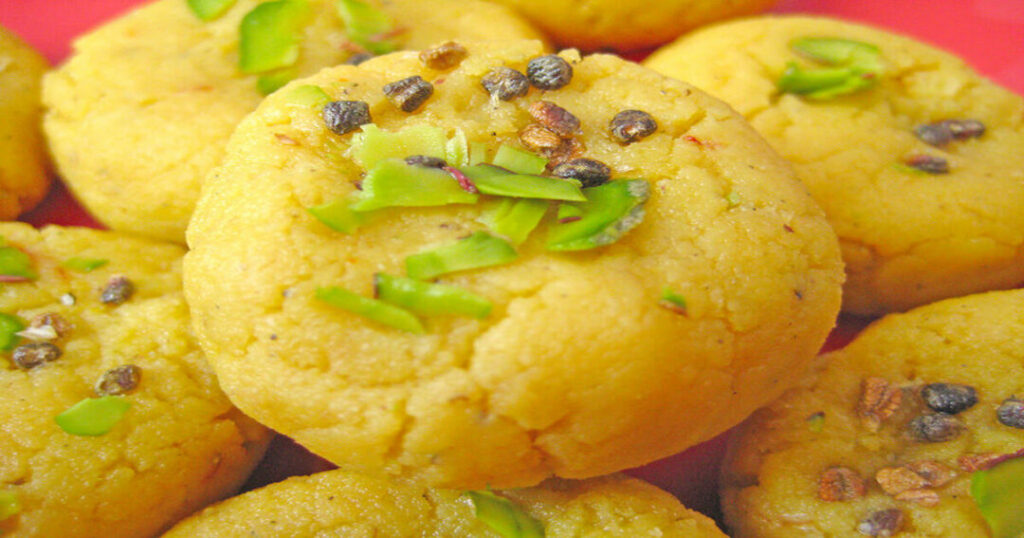
For the best street food in Vrindavan outside the breakfast window, three things dominate: chaat in the evening, lassi any time of day, and peda as the sweet to carry home. Lassi here is typically served in kulhads (clay cups), thick with cream and often topped with dry fruits—cold, filling, and a reasonable answer to Vrindavan’s midday heat for much of the year. Peda, Mathura-Vrindavan’s most famous sweet export, is a dense, milk-based confection made from khoya, and while variations exist across the region, the classic khoya peda remains the version most visitors end up buying by the box to take home.
Best Chaat in Vrindavan: Aloo Tikki, Dahi Bhalla, and Gol Gappe
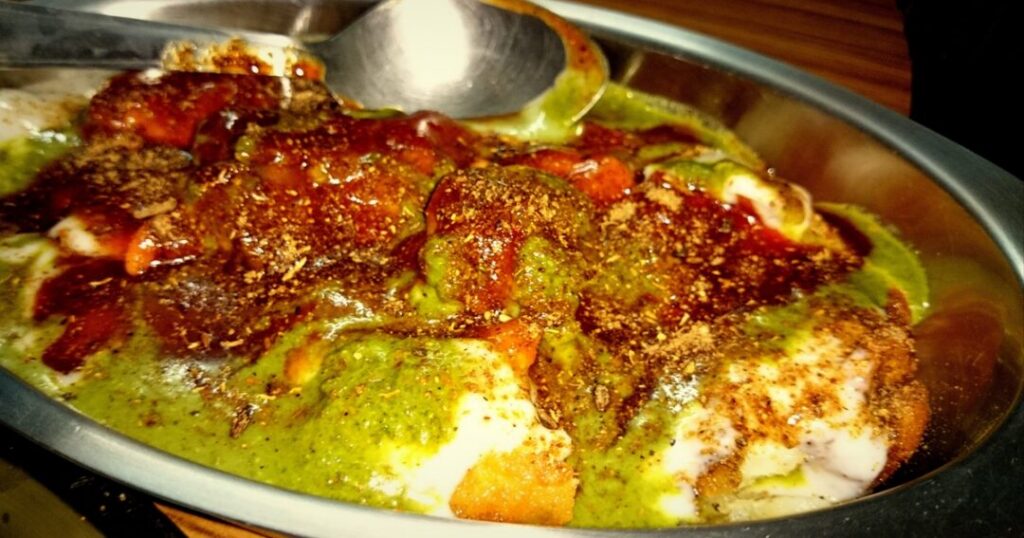
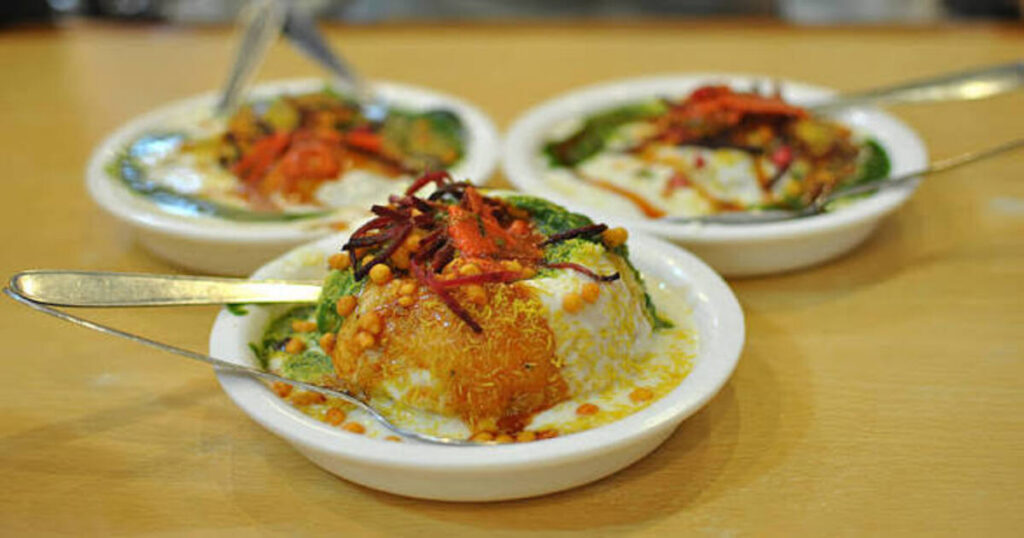
Evenings, roughly 5-8 PM, are when the best chaat in Vrindavan comes out—aloo tikki (crisp potato patties topped with chutneys and yogurt), dahi bhalla (lentil dumplings soaked in seasoned curd), and gol gappe (the crisp hollow shells filled with spiced water, known elsewhere as pani puri or golgappa). All of it follows the same satvik rule as everything else in town, which means the tang and heat come entirely from tamarind, chili, and spice blends rather than any onion-based topping—a genuinely different chaat experience if you’re used to the onion-heavy version served in most other Indian cities.
Also read: Top 10 Holy Places in India Beyond Varanasi: Temple Towns Worth the Journey
Malaiyo: Vrindavan’s Rare Winter-Morning Dessert
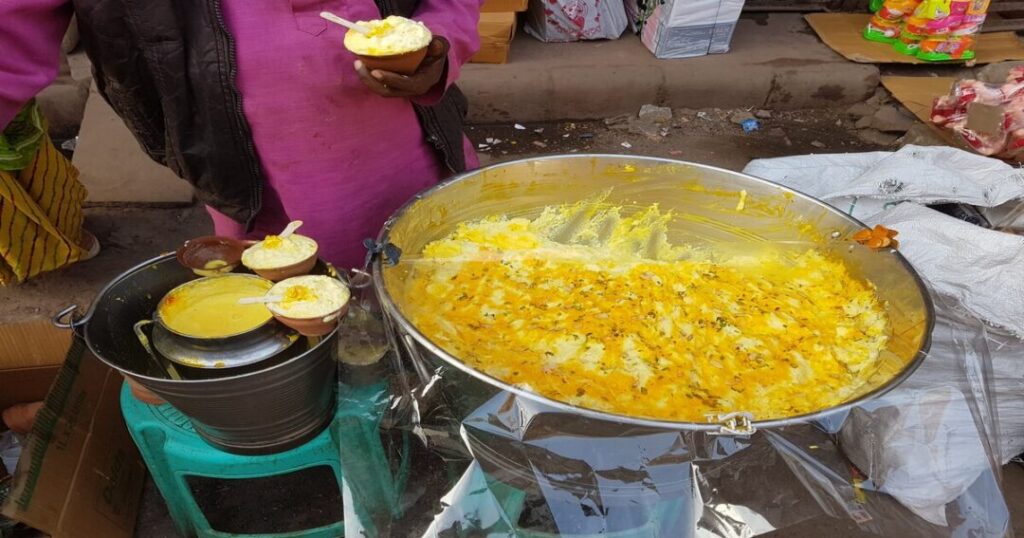
If you’re visiting between November and February, Malaiyo is worth planning your morning around. It’s an extraordinarily light, foam-textured milk dessert made by boiling full-cream milk, enriching it with fresh cream, and leaving it outdoors overnight to be “kissed by” dew—the cold night air is what whips it into its signature airy texture. [STAT: Malaiyo is prepared by leaving enriched milk outdoors overnight to be aerated by cold winter dew, a process that cannot be replicated in warmer months.] Saffron, cardamom, and slivers of pistachio and almond finish it off, served in a small kulhad. The catch: it has to be eaten fresh, and the delicate foam collapses within hours, which is why most vendors sell out by mid-morning. Worth knowing—the same dish appears across North India under different names (Malaiyo or Nimish in Varanasi, Daulat ki Chaat in Delhi), so Vrindavan’s version is a regional specialty rather than something unique to the town alone, but it’s genuinely one of the more remarkable things you can eat here if the timing lines up.
Temple Bhog and Prasad: The Food Tradition Behind the Street Food
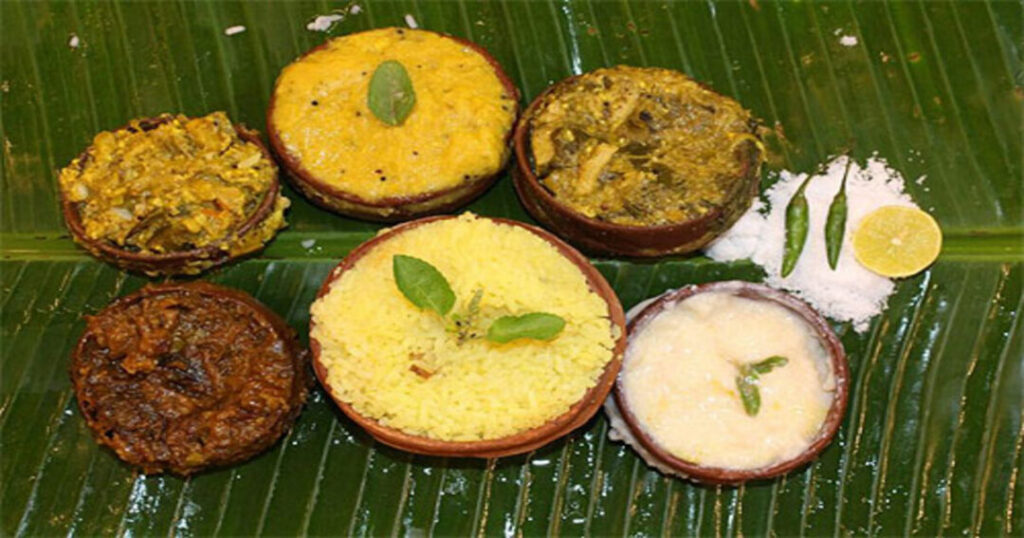
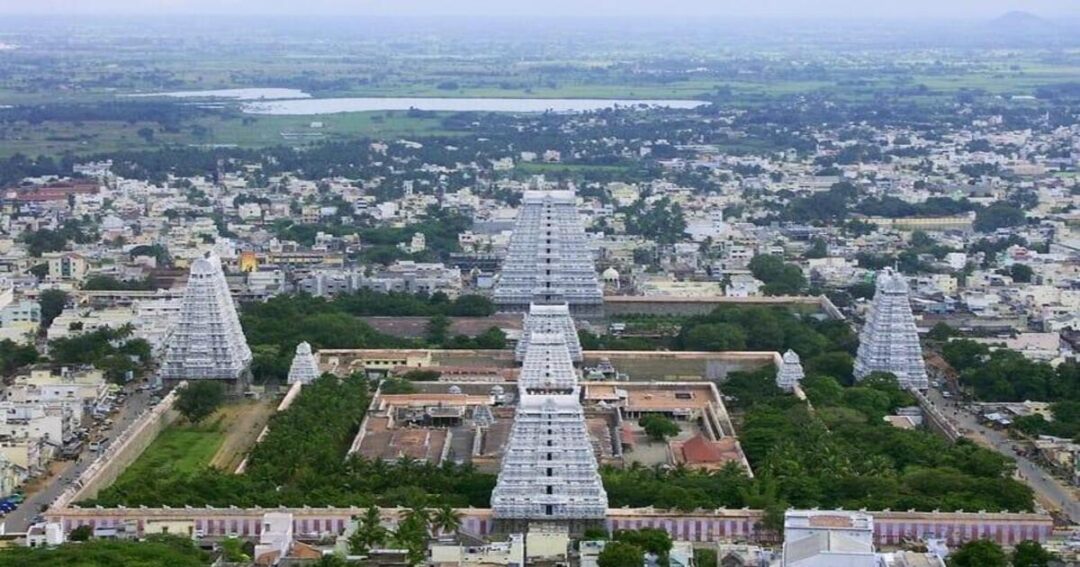
Vrindavan’s street food doesn’t exist in isolation from its temple culture, and the Banke Bihari Temple’s bhog tradition is the clearest example of that connection. The temple treats its deity as a child, with food offered according to a daily rhythm — a morning Shringar Darshan, a midday Rajbhog Darshan where an elaborate spread (traditionally described as a Chappan Bhog, or 56-item offering, prepared by the temple’s Goswami family) is presented, and an evening Shayan Darshan as the day winds down. Devotees regularly bring sweets and offerings to be presented during these ceremonies, and the resulting prasad—food that’s been offered and blessed—circulates back to visitors as a genuinely different category of eating from anything bought at a street stall, even when the dish itself (a sweet, a fruit) looks similar.
Best Places to Eat Street Food in Vrindavan: Loi Bazaar and the Lanes Near Banke Bihari
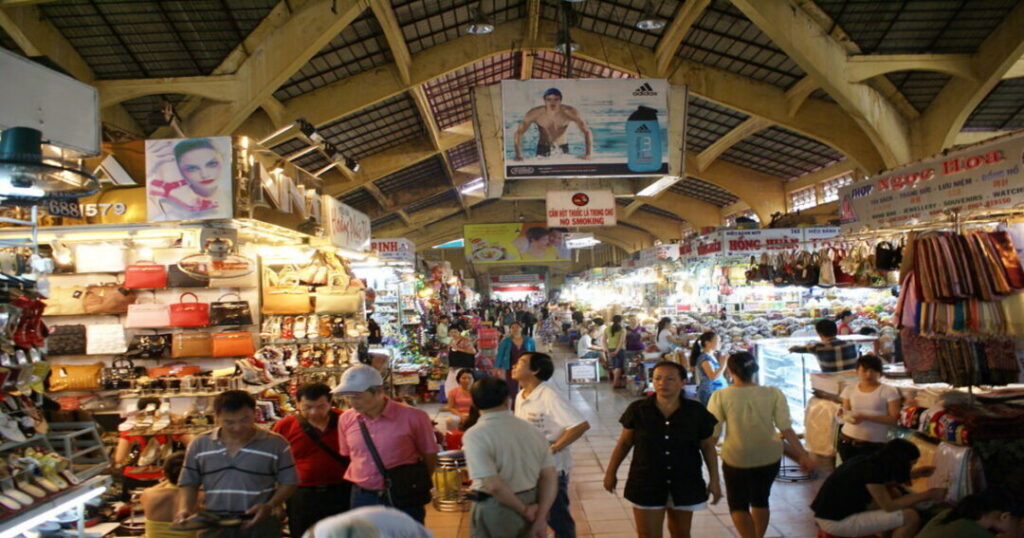
Rather than pointing to specific shop names, the more reliable way to find the best places to eat street food in Vrindavan is by area. Loi Bazaar is the town’s main market street, known as much for devotional items and handicrafts as for the food stalls tucked between them, and the lanes immediately around Banke Bihari Temple fill with vendors selling everything from kachori to jalebi to rabri and kulfi. Following the crowd (and the smell) through these two areas covers most of what’s worth trying without needing to track down a specific address.
Also read: Budget Tour Packages Under 5000 From Delhi: Real Weekend Trip Ideas
Famous Restaurants in Vrindavan: What “Restaurant” Means in a Satvik Town
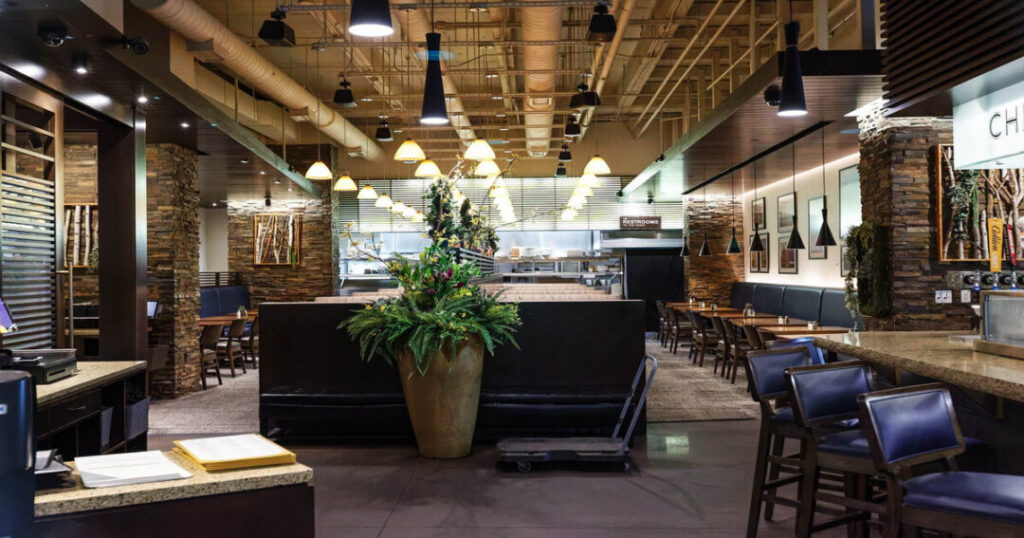
Worth resetting expectations here: famous restaurants in Vrindavan mostly aren’t restaurants in the conventional sense—they’re satvik thali establishments and sweet shops built around temple-adjacent foot traffic rather than a conventional dining-out culture. Most serve simple vegetarian thalis built around dal, sabzi, roti, and rice, all onion-and-garlic-free, and the better ones tend to cluster in the same Loi Bazaar and Banke Bihari-adjacent areas as the street food. If you’re looking for a sit-down meal rather than street eating, this is the model to expect rather than a Western-style restaurant scene.
Famous Street Food in Vrindavan: Best Time to Try Each Dish
Timing genuinely matters more here than in most food cities, so treat this as a rough schedule for Vrindavan’s famous food places to eat: kachori, bedai, and jalebi belong to the morning window (roughly 6-10 AM), chaat and evening snacks take over from about 5-8 PM, and Malaiyo, if you’re visiting in winter, needs to be caught before it sells out by mid-morning. Lassi and peda are the exceptions—both available throughout the day—making them the easiest additions to work around whatever else you’re doing.
Conclusion: Famous Street Food in Vrindavan
Famous street food in Vrindavan works differently from anywhere else in India—no onion, no garlic, and a rhythm built around morning kachori, evening chaat, and a winter dessert that has to be eaten before it disappears. Save the dishes you want to track down to your Explurger Bucket List, and let your Automatic Travelogue keep the whole Braj Bhoomi food trail mapped as you go. Let the Explurger app help you time your Vrindavan food trip right.
FAQs About Famous Street Food in Vrindavan
2. Why is there no onion or garlic in Vrindavan food?
Vrindavan follows a satvik, Vaishnava dietary tradition that excludes onion, garlic, and mushrooms as foods believed to disturb spiritual calm—asafoetida (hing) provides similar savory depth instead.
3. What is Malaiyo and when can you get it?
A rare, foam-textured winter milk dessert made by aerating enriched milk in cold overnight dew, available only November-February and typically sold out by mid-morning each day.
4. Where is the best area to find street food in Vrindavan?
Loi Bazaar and the lanes surrounding Banke Bihari Temple are the two most reliable areas, packed with vendors selling everything from kachori to rabri and kulfi.
5. What is the best chaat to try in Vrindavan?
Aloo tikki, dahi bhalla, and gol gappe are the standouts, all made without onion — the tang comes entirely from tamarind and spice rather than any allium-based topping.
6. Are there proper restaurants in Vrindavan, or is it mostly street food?
Both exist, but "restaurant" here usually means a satvik thali establishment rather than a conventional dining-out venue—expect simple vegetarian thalis rather than a Western-style restaurant scene.
7. What is Chappan Bhog?
A traditional 56-item food offering presented to the deity at Banke Bihari Temple during the midday Rajbhog Darshan, prepared by the temple's Goswami family.
8. What is the best time of day to eat in Vrindavan?
Morning (6-10 AM) for kachori, bedai, and jalebi; evening (5-8 PM) for chaat; and, in winter, as early as possible for Malaiyo before it sells out.