
39 Total Views
Most travelers know Incheon only as the city with South Korea’s main international airport, but about 3 million people live here, and it has a port district that opened in 1883, the country’s only official Chinatown, a futuristic district built on reclaimed land and an island with dolmens and temples. This guide to places to visit in Incheon covers five top stops, then the best places by traveler type, history and museums, parks and islands, food and markets, evening spots and a fees-and-hours list, plus when to go and how to get there from Seoul. Prices and hours come from several sources and differ by location, so check them before you travel.
Top Places to Visit in Incheon: Five Not to Miss
These five are our own selection from the sources, chosen to cover history, sea views, modern Incheon, an island and food.
1. Incheon Chinatown and the Open Port Area
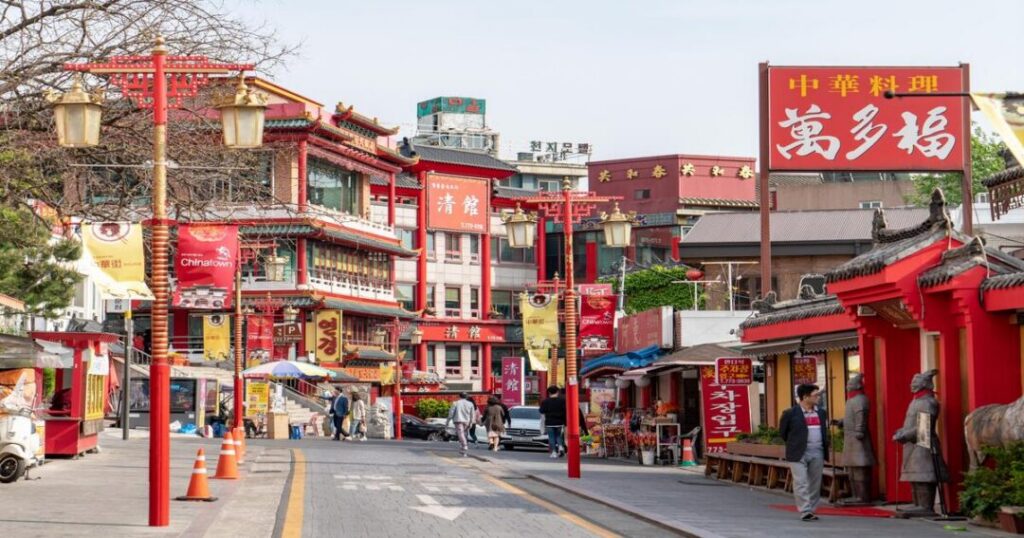
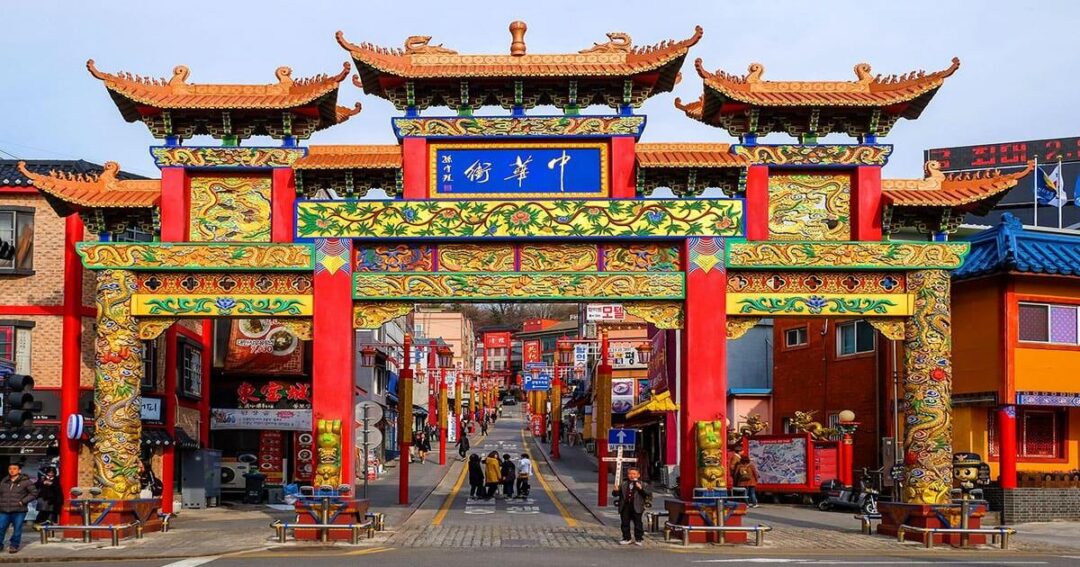
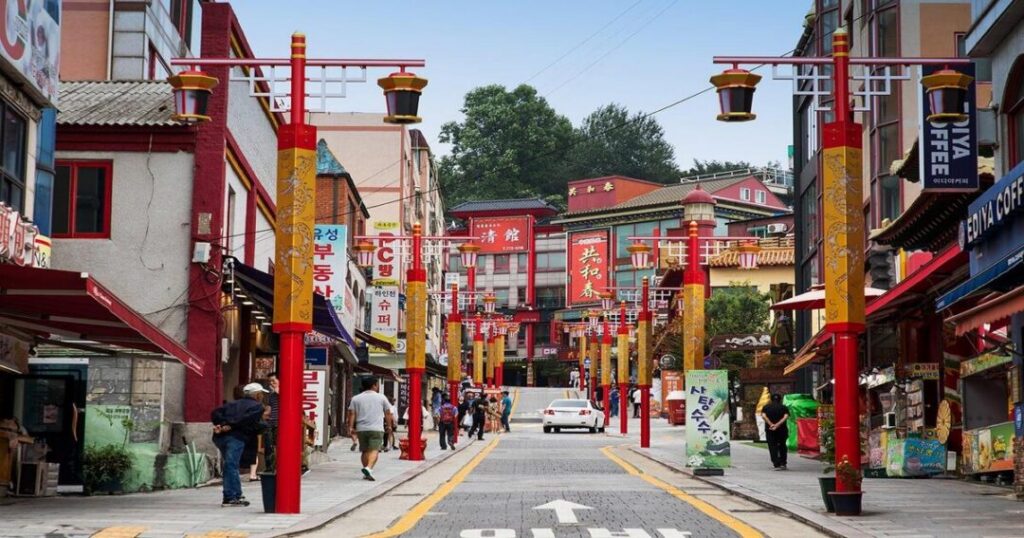
Wikipedia says Chinatown formed in 1884 after the port opened in 1883 and calls it the only official Chinatown on the Korean peninsula. A Chinese-style gate about 11 m high marks the area. Former Chinese restaurant Gonghwachun, operating around 1905 to 1983, is now the Jjajangmyeon Museum, and Wikipedia notes that it is considered the first restaurant to serve jajangmyeon in Korea, although a restaurant of the same name that opened in 2004 has a disputed claim to its legacy. The Soul of Seoul says to take Line 1 to Incheon Station, exits 1 to 3.
2. Wolmido Island and the Wolmi Sea Train
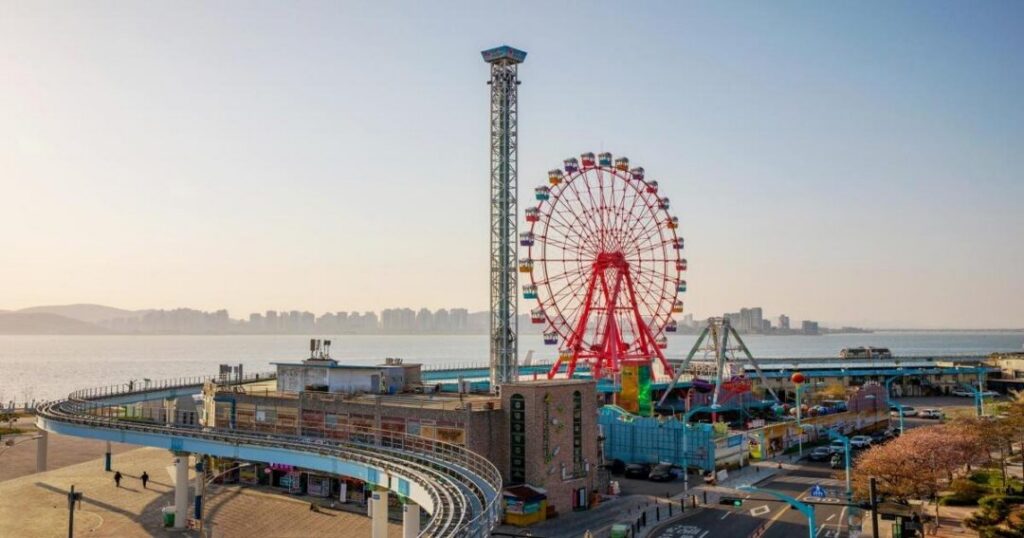
The Soul of Seoul describes a 6.1 km elevated monorail loop taking 35 minutes, with four stops, while the Korean government’s KOREA webzine says about 42 minutes. Wolmi Theme Park has a 115 m Ferris wheel and entry is free, with paid rides, according to the same blog. The silos nearby carry a mural that the blog says is recorded by Guinness as the largest outdoor mural, at 23,688.7 m², completed in 2018.
3. Songdo Central Park and Songdo International City
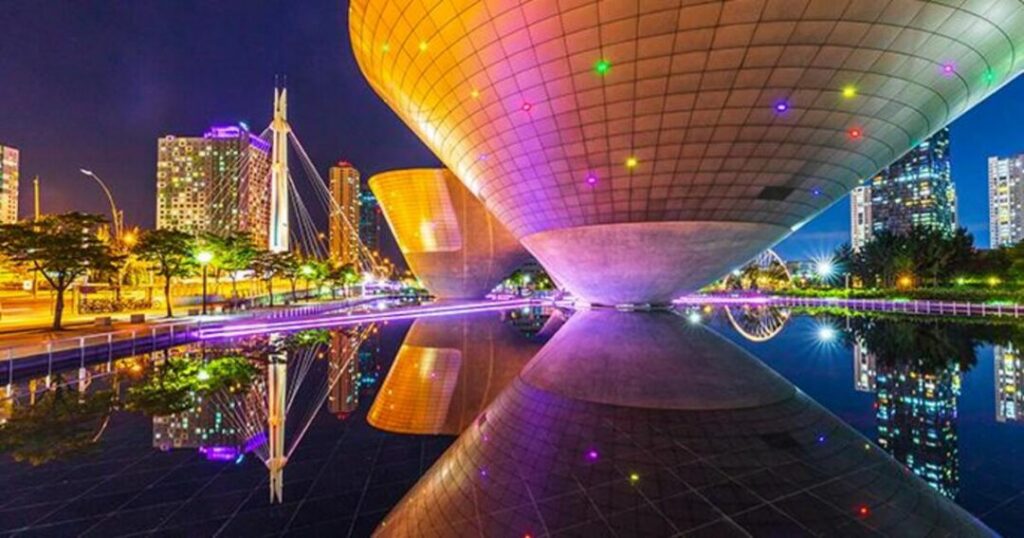
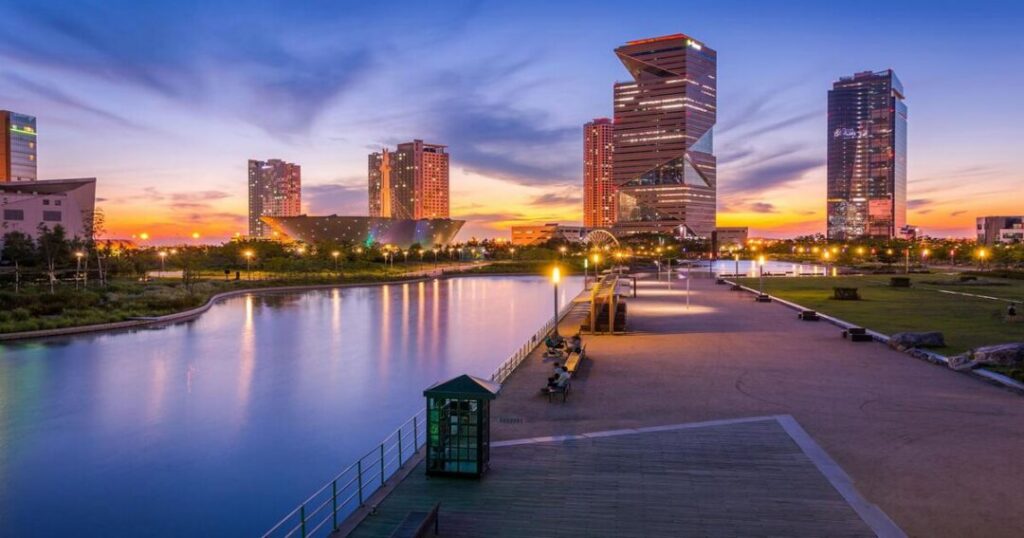
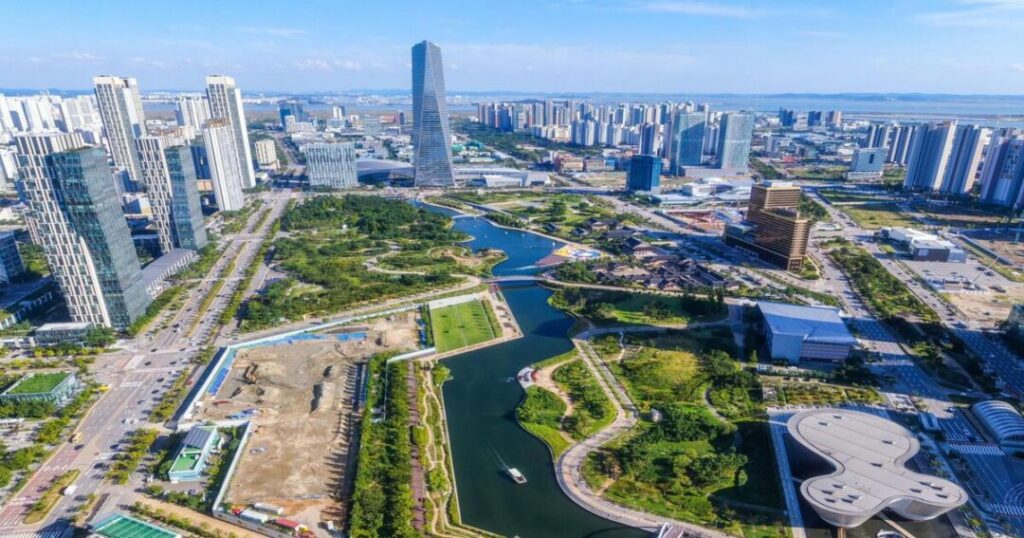
Wikipedia says Songdo is built on about 600 ha reclaimed from the Yellow Sea, with construction starting in 2003. KOREA webzine describes Central Park with a seawater waterway, kayak rentals at the East Boathouse and a free observation deck. Reach it by subway to Central Park Station, exit 3, per The Soul of Seoul.
4. Ganghwa Island
Wikipedia says the island covers about 302 km², is South Korea’s fourth-largest and has stone tombs that are part of the Gochang, Hwasun and Ganghwa Dolmen Sites World Heritage listing. Cathay Pacific’s guide says it is about 45 minutes by car and mentions Jeondeungsa Temple, which it calls the oldest existing Buddhist temple in South Korea, a claim we could not verify.
5. Sinpo International Market
The Soul of Seoul lists about 140 vendors and dakgangjeong, a sweet fried chicken, and Cathay Pacific says it dates to the late 19th century and is about a 15-minute walk from Chinatown. Use Sinpo Market Station, exit 4.
Best Places to Visit in Incheon for Different Travelers
The best places to visit in Incheon depend on who is travelling. Our own suggestions, from the sources below:
- Families: Wolmido’s theme park and Sea Train, and the Songdo Central Park boats.
- History fans: Chinatown, the Open Port area and the Incheon Art Platform, then Ganghwa’s dolmens and temple.
- Food lovers: Sinpo Market, Chinatown’s jajangmyeon and the fish markets.
- Nature seekers: Ganghwa’s walking trails, Sorae Marsh Ecology Park and the beaches on Yeongjong Island.
- Layover travelers: The Soul of Seoul says the Wolmi Sea Train is about 30 minutes from the airport by taxi, so Wolmido is the easiest short outing.
Incheon Best Place to Visit: A Pick by How Much Time You Have
If you want one Incheon best place to visit rather than a list, our own pick depends on your time:
- A few hours: Wolmido, for the Sea Train, sunset and seafood restaurants.
- Half a day: Chinatown, Jayu Park and Sinpo Market, which are within walking distance of one another per the sources.
- A full day: Chinatown and the Open Port area in the morning and Songdo in the afternoon.
- Two days or more: Add Ganghwa Island. Cathay Pacific’s sponsored guide recommends at least two nights in Incheon, which we treat as a marketing suggestion.
Incheon Tourist Attractions: History and Museums
For Incheon tourist attractions with history, the Open Port area is the core. The sources describe:
- The Open Port: Incheon had about 4,700 residents when it became an international port in 1883, per Wikipedia.
- Daebul Hotel Exhibition Hall: KOREA webzine says it restores Korea’s first Western-style lodging, opened in 1885, and that an adjoining hall recreates 1960s and 1970s daily life.
- Jjajangmyeon Museum: On the site of Gonghwachun, as above.
- Incheon Art Platform: KOREA webzine describes restored buildings from the late 1800s to 1948, with exhibitions, a bookstore and artist residencies.
- Jayu Park: Wikipedia says it was established in 1888 as Korea’s first Western-style park and has a statue of Douglas MacArthur, and Wikipedia dates the Allied landing at Incheon to September 1950.
- Museums in Songdo and elsewhere: The Soul of Seoul lists the National Museum of World Writing Systems, free, Tuesday to Sunday from 10:00 to 18:00, and the Sudoguksan Museum of Housing and Living for a small fee.
Incheon Korea Tourist Spots: Parks, Islands and Beaches
The outdoor Incheon korea tourist spots are mostly in the islands and the west of the city:
- Ganghwa Island: Wikipedia lists the Ganghwa Nadeulgil walking trails, the 16 km Seongmodo trail, the 469 m Manisan and the Goryeogung palace site. Cathay Pacific says its trails are especially striking in autumn.
- Yeongjong Island beaches: The Soul of Seoul lists Eulwangni, Wangsan and Seonnyeo Rock beaches and warns that tides recede sharply in the afternoon. The Culture Trip describes Eurwangni as a white sand beach near the airport.
- Muuido and Hanagae Beach: A ₩2,000 adult fee that may be waived, via Unseo Station exit 2 and bus 6-1, per The Soul of Seoul.
- Sorae Marsh Ecology Park: A former salt farm with mudflats and Dutch-style windmills, per The Soul of Seoul.
- Dream Park: Flower fields on a former landfill, open Monday to Saturday from 9:00 to 18:00 and closed Sundays and public holidays.
- Incheon Grand Park: The Culture Trip (2017) describes 727 acres of hiking, botanical garden and lakes, so confirm its current facilities.
Incheon Place to Visit for Food: Markets and Local Dishes
For food, an Incheon place to visit is usually a market or Chinatown restaurant. The sources point to:
- Jajangmyeon in Chinatown: Cathay Pacific advises arriving before 11 am at Sinseung Banjeom to avoid long queues.
- Sinpo International Market: Dakgangjeong, with street snacks such as tteokbokki and kimbap per The Culture Trip.
- Incheon Complex Fish Market: Cathay Pacific calls it Korea’s largest fish market, where seafood is cooked on the spot, and notes few vendors speak English but prices are displayed.
- Sorae Pogu Fish Market: The Culture Trip (2017) recommends going early for blue swimming crabs.
- Moraenae Market: Opened in 1982, reached via Incheon Line 2 to Moraenae Market Station, exit 3, per The Soul of Seoul.
Incheon Places to Go in the Evening and Modern Incheon
For Incheon places to go after the sights close, modern Incheon gives these options:
- Wolmi Culture Street: A 600 m seaside promenade with restaurants and cafes, per The Soul of Seoul, with buskers in the evening per Cathay Pacific.
- Songdo Central Park water activities: Paddle boats ₩10,000 for 50 minutes, canoes ₩25,000 and a ₩4,000 water taxi, per The Soul of Seoul.
- G Tower observatory: A free 33rd-floor observatory, weekdays 10:00 to 20:00 and weekends 10:00 to 18:00, per The Soul of Seoul.
- Canal Walk: A themed street mall behind G Tower, per KOREA webzine.
- Paradise City and Cosmo 40: Paradise City has over 3,000 artworks and can be toured without booking a room, and Cosmo 40 is a former chemical factory turned art and cafe complex open into the evening, per The Soul of Seoul.
- Pentaport Rock Festival: KOREA webzine says the 2026 edition ran from July 31 to August 2 at Songdo Moonlight Festival Park with 66 acts. We did not confirm 2027 dates.
Also Read: Things to Do in South Korea for First-Time Visitors: The Ultimate Travel Guide
Incheon South Korea Tourist Attractions: Fees and Hours at a Glance
For practical planning, these Incheon South korea tourist attractions figures come from The Soul of Seoul (updated October 2026) unless noted:
- Wolmi Sea Train: Adults ₩11,000 to ₩14,000 and children ₩7,000 to ₩8,000, Tuesday to Thursday 10:00 to 18:00 and Friday to Sunday 10:00 to 19:00, closed Mondays. An older post of the same blog lists adults at ₩8,000, so the fare has apparently risen.
- Wolmi Theme Park: Entry is free with paid rides, or ₩5,000 for adults on individual tickets.
- National Museum of World Writing Systems: Free, Tuesday to Sunday 10:00 to 18:00.
- Ara Maru skywalk: Open daily 9:00 to 22:00.
- Dream Park: Monday to Saturday 9:00 to 18:00.
- Sudoguksan Museum of Housing and Living: ₩500 for adults, Tuesday to Sunday 9:00 to 18:00.
Also Read: A Complete Guide to Great Migration, Safari, Budget, Itinerary, Vaccines, Visas, and More.
What is the Best Time to Visit Incheon?
Wikipedia describes a humid subtropical climate with four distinct seasons and a strong urban heat island effect, and says July averages about 338 mm of rain, the wettest month. The Soul of Seoul and Cathay Pacific point to spring cherry blossoms at Jayu Park and Wolmi Park and autumn on Ganghwa’s trails. Our own suggestion is spring or autumn, and a rain plan in summer.
How to Reach Incheon?
The Soul of Seoul says Seoul Subway Line 1 runs to Incheon Station and Dongincheon Station, about an hour from central Seoul, and Cathay Pacific says the trip can take over an hour. Songdo is on Incheon Subway Line 1, and Wikipedia says the 12.3 km Incheon Bridge links Songdo to Incheon International Airport. Many Incheon sights are close to Incheon Station, so Line 1 is a good base.
Timing note: Some fees, hours and tickets may have changed. The Soul of Seoul warns that its fees and hours may have changed since writing, and Sea Train timings shift by season. Check each attraction’s official page before you go.
Must Read: Visa-Free Countries for Indians in 2026 | Budget International Travel Guide for Young Explorers
Conclusion: More Than an Airport City
The best places to visit in Incheon range from the cobbled Open Port and Chinatown to Wolmido’s Sea Train, Songdo’s waterways, Ganghwa Island’s dolmens and the city’s markets. Plan around Line 1, aim for spring or autumn, and treat all fees and hours as approximate.
Heading to Incheon? Open the Explurger app to find travelers with the same layover or itinerary and share the cost of the airport transfer.
FAQs About places to visit in Incheon
2. How far is Incheon from Seoul?
Subway Line 1 takes about an hour from central Seoul to Incheon Station, per The Soul of Seoul.
3. Is Incheon Chinatown worth visiting?
Wikipedia calls it the only official Chinatown on the Korean peninsula, formed in 1884, and it is the site of the Jjajangmyeon Museum.
4. How much is the Wolmi Sea Train?
The Soul of Seoul lists adults at ₩11,000 to ₩14,000 and children at ₩7,000 to ₩8,000, closed Mondays. Confirm the fare before you go.
5. What is there to do on Ganghwa Island?
Wikipedia lists UNESCO-listed dolmens, walking trails, the Goryeogung palace site and Manisan. Cathay Pacific mentions Jeondeungsa Temple and temple stays.
6. Is Songdo Central Park free?
We found no entry fee. Boat and canoe rentals cost extra, with paddle boats at ₩10,000 for 50 minutes per The Soul of Seoul.