
1,936 Total Views
Tucked inside the Great Himalayan National Park ecosystem, Sainj valley is still one of the few regions in Himachal that hasn’t been overrun by mass tourism. While most itineraries stick to the same handful of locations, there’s a deeper layer to Sainj valley Himachal that rewards slower, more intentional travel.
This guide focuses on lesser-known places to visit in Sainj valley, with clear on-ground information so you can actually plan, not just scroll.
5 Offbeat Places to Visit in Sainj Valley (Beyond the Usual Trails)
1. Deori (or Deohari) Village
Deori is one of the quietest settlements in Sainj valley, located deeper than most accessible villages. It sits along the Sainj River and acts as a base for exploring surrounding forest trails. The village has traditional wooden houses and minimal commercial activity.
What makes Deori stand out is its proximity to untouched forest patches within the Sainj valley Himachal Pradesh region. It’s ideal for slow travel, especially if you want to stay in a homestay and observe local life without tourist interference.
What to do:
- Riverside walks along the Sainj River
- Short forest hikes toward nearby hamlets
- Interact with locals and observe traditional architecture
2. Raila Village
Raila is a mid-altitude village in Sainj valley known for its terraced farms and wide valley views. It’s less visited compared to Shangarh but offers a similar landscape without crowds.
The village provides a vantage point to understand how agriculture functions in Sainj valley Himachal. You’ll find apple orchards, traditional irrigation systems, and seasonal farming activity.
What to do:
- Walk through terraced farms
- Photography of valley landscapes
- Stay in a homestay
3. Shakti Village
Shakti is a small settlement that acts as a transitional point between accessible villages and deeper forest zones in Sainj valley. It’s not on most itineraries, which keeps it relatively empty.
The area around Shakti has dense forest cover, making it a good entry point for longer hikes within Sainj valley Himachal Pradesh. It’s more functional than scenic, but valuable for exploration.
What to do:
Shakti Maror Trek: 2-3 days, river side stays, spot waterfalls, temple visit, animal sightings and more.
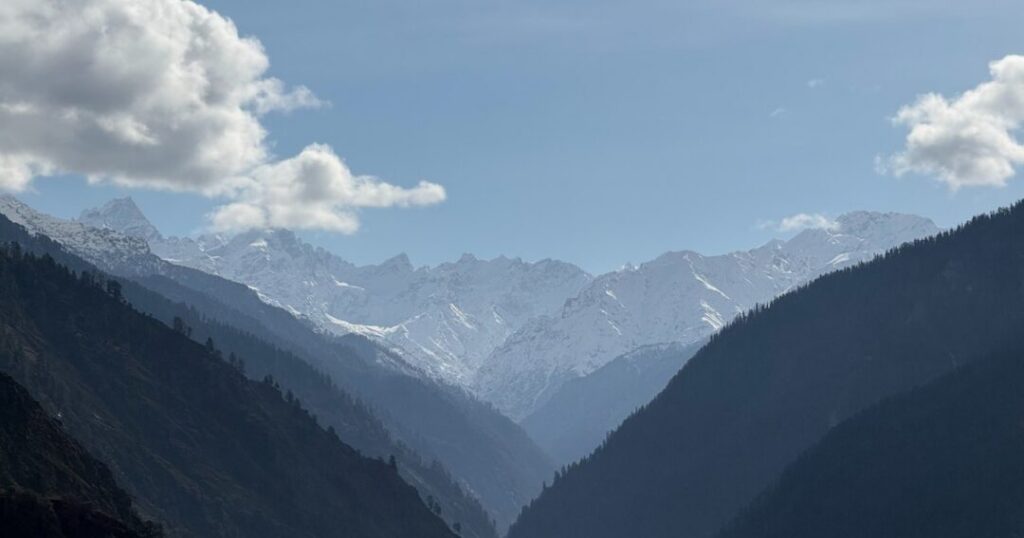
Maror is a lesser-known viewpoint in Sainj valley that offers a clear line of sight across multiple ridges. It’s not developed as a tourist spot, which is why it remains uncrowded. Unlike structured viewpoints, Maror gives a raw landscape experience. It’s useful for understanding the terrain of Sainj valley places to visit, especially if you’re mapping hikes.
4. Dhel Thach
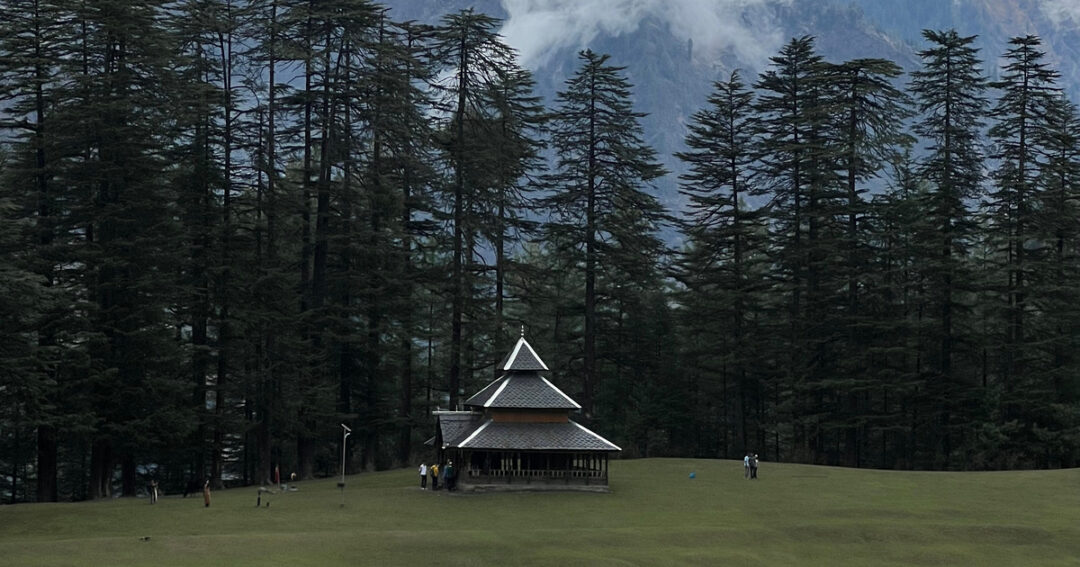
Dhel Thach is a meadow located above the main settlements of Sainj valley. It’s not a mainstream trekking destination, which keeps it quiet.
The meadow opens up after a forest climb, offering clear views and open space. Among places to visit in Sainj valley, this is ideal for short overnight hikes.
What to do:
- Trekking
- Camping
- Stargazing
5. Ropa Village
Ropa is one of the entry points to the Great Himalayan National Park from Sainj valley. It’s more functional than scenic but important if you want to explore deeper routes. The village acts as a base for longer treks and is one of the more remote places to visit in Sainj valley. Expect basic facilities and minimal connectivity.
What to do:
- Start GHNP treks
- Camping
- River crossing experiences
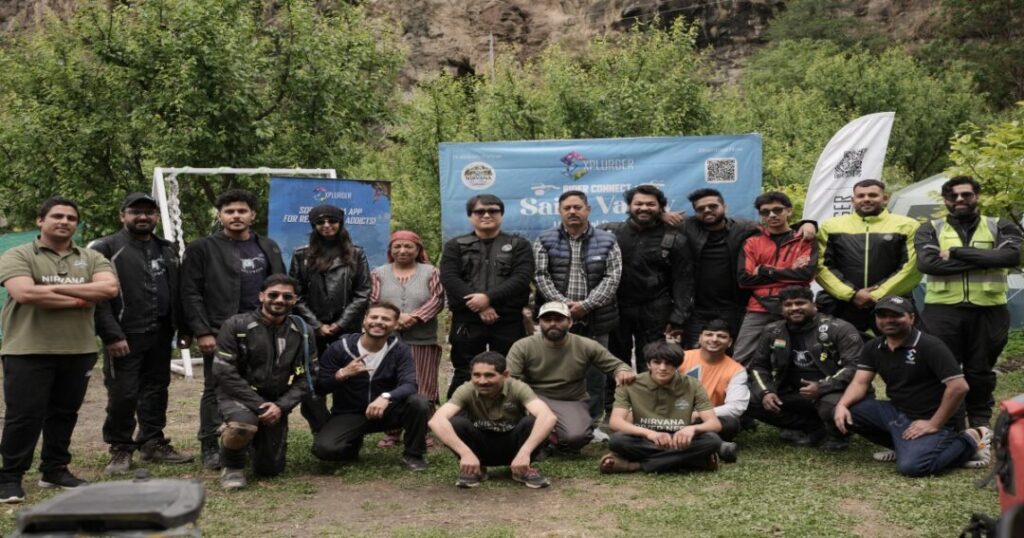
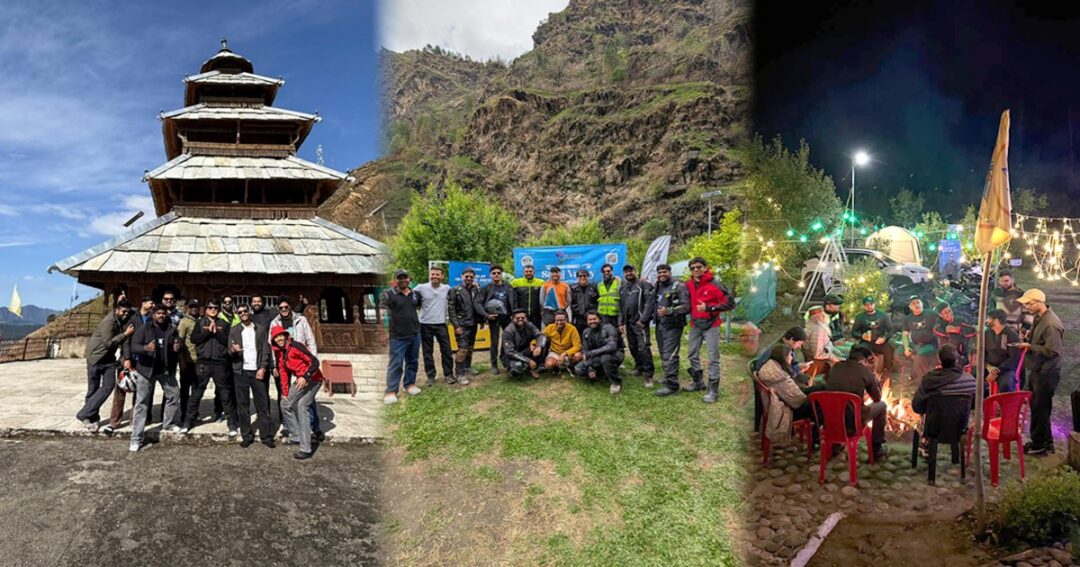
Also Read: EXPLURGER RIDER CONNECT | SAINJ VALLEY |Riders, Roads, and Real Connections
How to reach Sainj Valley?
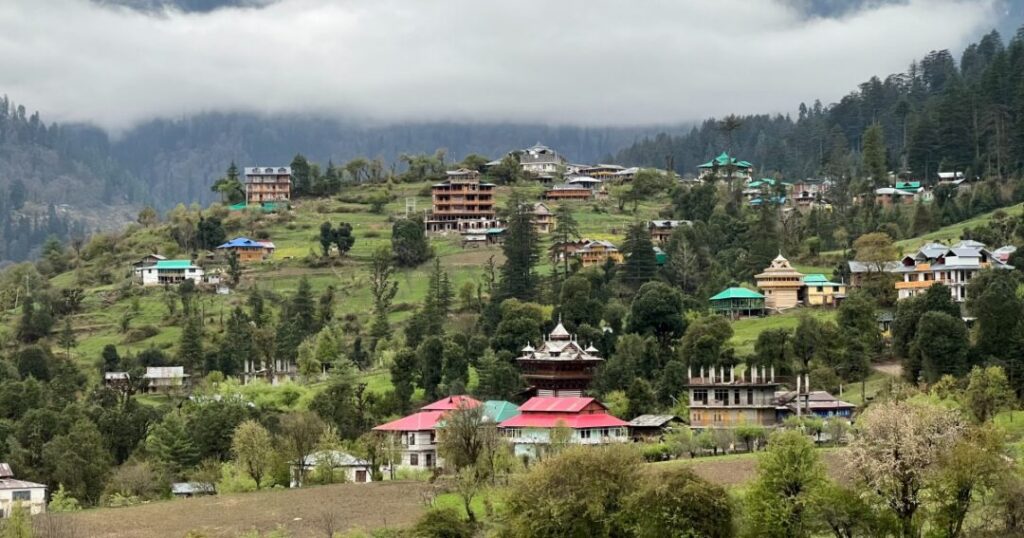
Sainj valley is located in the Kullu district of Himachal Pradesh, running parallel to the more popular Tirthan Valley. It falls within the ecozone of the Great Himalayan National Park, which is a UNESCO World Heritage Site. When people refer to Sainj valley Himachal, they are typically talking about a cluster of villages connected by a single road that follows the Sainj River upstream.
There are no large towns or commercial centers here. Instead, the valley is defined by homestays, local agriculture, and its proximity to protected forest land. Most places to visit in Sainj valley are spread out, so getting there and moving within the valley requires some planning.
By Road:
Take an overnight Volvo from Delhi and arrive at Aut (10-12 hrs), then take a private or shared taxi till Sainj (2-3 hrs from Aut). If you plan to cover multiple Sainj valley places to visit, it’s best to either have your own vehicle or pre-arrange local transport.
Where to Stay in Sainj Valley?
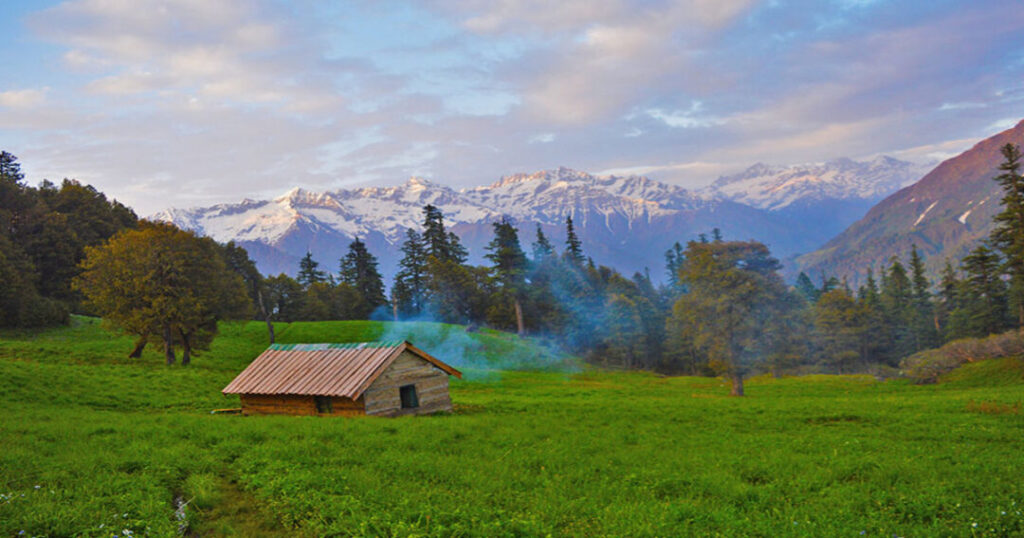
Accommodation in Sainj valley is not hotel-driven. Most options are homestays run by local families, which means facilities are basic but functional. You’ll find rooms with simple bedding, home-cooked meals, and limited network connectivity. This is consistent across Sainj valley Himachal, where tourism is still community-led rather than commercial.
- Homestays over hotels
- Local Himachali meals (dal, rice, vegetables, seasonal produce)
- Limited Wi-Fi or mobile network
- Hot water availability may be time-based
Great Himalayan National Park (GHNP) and Treks in Sainj Valley
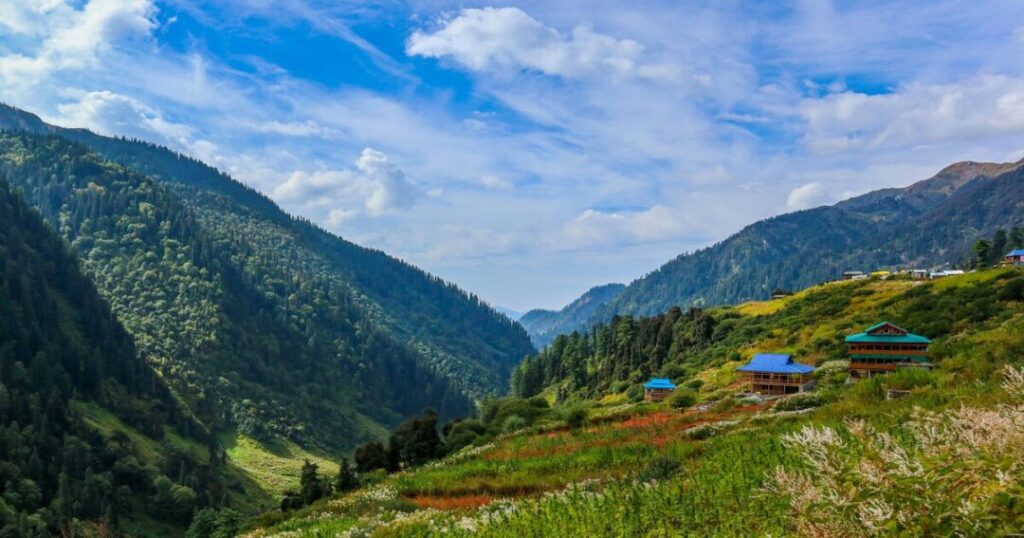
The Great Himalayan National Park (GHNP) is one of the core reasons Sainj valley remains ecologically intact. A large portion of Sainj valley Himachal Pradesh falls within the park’s ecozone, which restricts commercial construction and mass tourism. This is why the landscape here is less altered compared to other parts of Himachal.
GHNP is a UNESCO World Heritage Site known for its biodiversity, alpine meadows, and undisturbed forest systems. It spans 1171 sq km and supports numerous flora and fauna. The park sits at the ecological transition zone between the Indomalayan and Palearctic biogeographic realms, which is why the biodiversity here is unusually dense for a compact region
From the Sainj valley Himachal side, entry points like Neuli and Ropa provide access to trekking routes that range from short day hikes to multi-day expeditions. Unlike curated treks in commercial regions, treks here are route-based and require permits, local guides, and basic planning.
Key Trekking Routes from GHNP
- Rolla Trek
- Rangthar Trek
- Shilt hut and Rakhundi trek
- Marahni and Kundri trek
- Ookhal Thach trek
- Dhel and Gumtrao trek
Permits and Guidelines
- Entry permits are required for GHNP core zone treks
- Guides are mandatory for longer routes
- Camping is regulated to protect the ecosystem
- Plastic usage is restricted
Conclusion
Sainj Valley is not built for checklist tourism. The experience here comes from moving between villages, taking short trails, and spending time in places that don’t have defined “attractions.” That’s also why the Sainj valley, Himachal Pradesh, still feels relatively untouched.
If you’re planning a trip, focus less on quantity and more on how you move through the region. The real value of the Sainj valley places to visit lies in the transitions between them, not just the locations themselves. With basic planning, you can cover multiple places to visit in the Sainj valley without rushing, which is how the region is meant to be experienced.
FAQs about the Sainj Valley
2. Is Sainj valley and Shangarh the same?
No, Shangarh is a village within Sainj valley, not a separate destination.
3. Which river flows in Sainj valley?”
The Sainj River, a tributary of the Beas River flows through Sainj valley.
4. What is the best time to visit Sainj valley?
March to June and October to November offer the most stable weather.
2. Is Sainj valley suitable for beginners?
Yes, but stick to accessible villages and short treks.
3. Do I need permits for all areas in Sainj valley?
Permits are only required for GHNP core zone treks.
4. How many days are enough for Sainj valley?
3 to 5 days is enough to cover key Sainj valley places to visit.
5. Is there network connectivity in Sainj valley?
Limited, with better connectivity near Sainj town and weaker signals deeper in the valley.