
818 Total Views
Coonoor doesn’t announce itself the way some hill stations do. There’s no single postcard landmark holding the whole town together — instead, there’s a rack-and-pinion railway that took British engineers 45 years to agree on building, a botanical garden that was once a private pleasure ground for colonial officials, and tea estates growing on slopes that were smuggled saplings from China only a few generations ago. The attractions in Coonoor reward patience more than a checklist mentality.
This guide covers the town’s colonial-era history alongside its viewpoints, waterfalls, and tea culture, in enough depth to actually understand why each place looks the way it does. Save the ones that catch your eye to your Explurger Bucket List before you go.
Coonoor’s Colonial Origins: From Tribal Hills to Tea Paradise
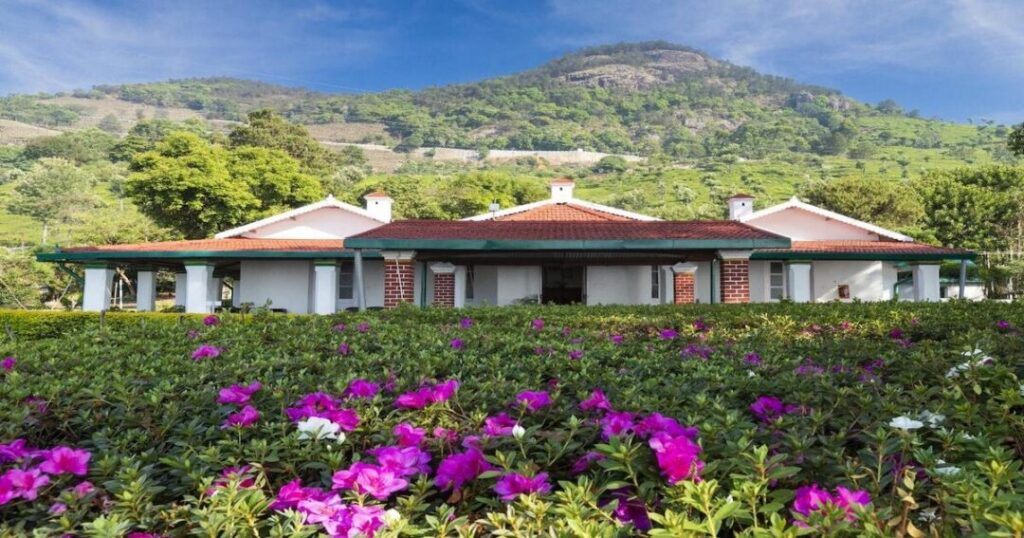
Before it was a hill station, this stretch of the Nilgiris belonged to indigenous communities who’d lived across these slopes for generations, largely undisturbed by the plains below. That changed between 1804 and 1818, when a series of British explorers, led by John Sullivan, the Commissioner of Coimbatore, pushed up the steep terrain and reported something remarkable back to their superiors: a tableland with a genuinely European climate, cool enough to offer real relief from the punishing heat of the plains.
What turned Coonoor from a scenic retreat into an economic engine was tea. In the 1830s, British planters began experimenting with tea cultivation across the Nilgiris, determined to break China’s monopoly on the crop. The breakthrough came through planter Henry Mann, who sourced tea seeds connected to the Scottish botanist Robert Fortune — famous for having smuggled tea plants out of China — and established Coonoor Tea Estate in 1854, generally considered the first tea plantation in these hills. [STAT: Coonoor Tea Estate, established in 1854 using tea stock connected to plants smuggled out of China by botanist Robert Fortune, is widely considered the first tea plantation in the Nilgiris.] By the 1850s, tea had become the region’s dominant commercial crop, a status it never really lost.
The Nilgiri Mountain Railway: A UNESCO Engineering Marvel Through Coonoor
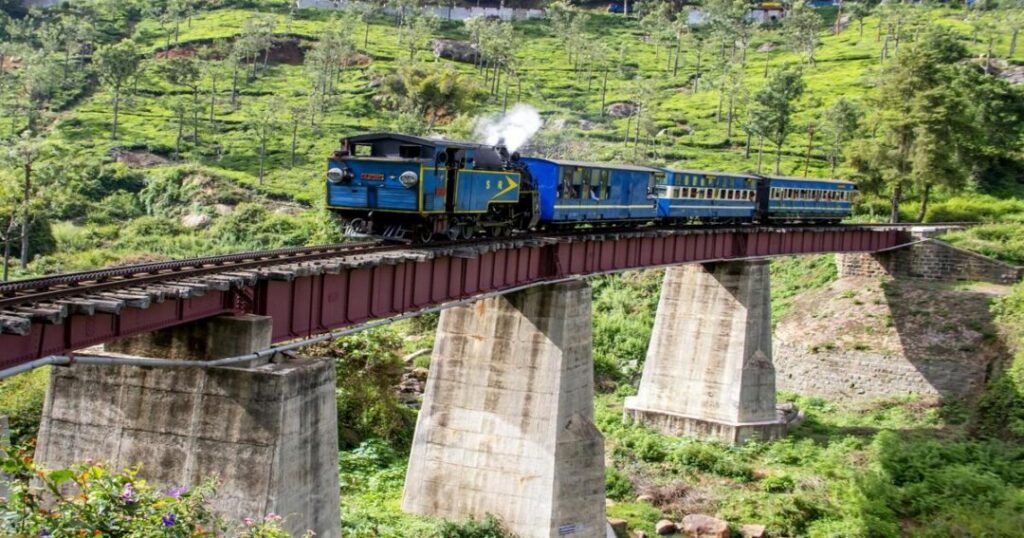
If there’s one thing that defines a visit to Coonoor, it’s arriving — or at least riding through — on the Nilgiri Mountain Railway, and the story behind this railway is genuinely worth knowing before you board.
British engineers first proposed a railway up these hills in 1854. For the next 45 years, through repeated surveys, committees, and rejected engineering plans, the answer kept coming back some version of no — the gradients were simply too severe for a conventional line. Construction finally began in 1891 under chief engineer W.J. Weightman, who solved the gradient problem by adopting the Abt rack-and-pinion system for the steepest stretches, where slopes reached as sharp as 1-in-12.5. In this system, two parallel racks with deliberately offset teeth engage alternating teeth on the train’s pinion wheel, letting it grip the track securely enough to climb terrain a standard locomotive simply couldn’t handle. [STAT: The Nilgiri Mountain Railway uses the Abt rack-and-pinion system to climb gradients as steep as 1-in-12.5, making it the only rack railway in India and the steepest railway line in Asia.]
The line opened in stages: Mettupalayam to Coonoor in June 1899, and the remaining stretch from Coonoor through Fernhill to Udagamandalam (Ooty) by October 1908. Along the full route between Mettupalayam and the hills, the railway crosses 16 tunnels, 257 bridges, and 209 curves — numbers that make clear just how much engineering was packed into a relatively short mountain stretch. In 2005, UNESCO recognized the line as a World Heritage Site, grouped alongside the Darjeeling-Himalayan Railway and the Kalka-Shimla Railway under the collective title “Mountain Railways of India.” Riding it today, slow and rattling through eucalyptus and tea slopes, is as much a piece of working history as it is a scenic ride.
Also Read: Things to Do in Ooty: Top 15 Experiences for Every Traveller
Sim’s Park: A Victorian Garden Frozen in Time
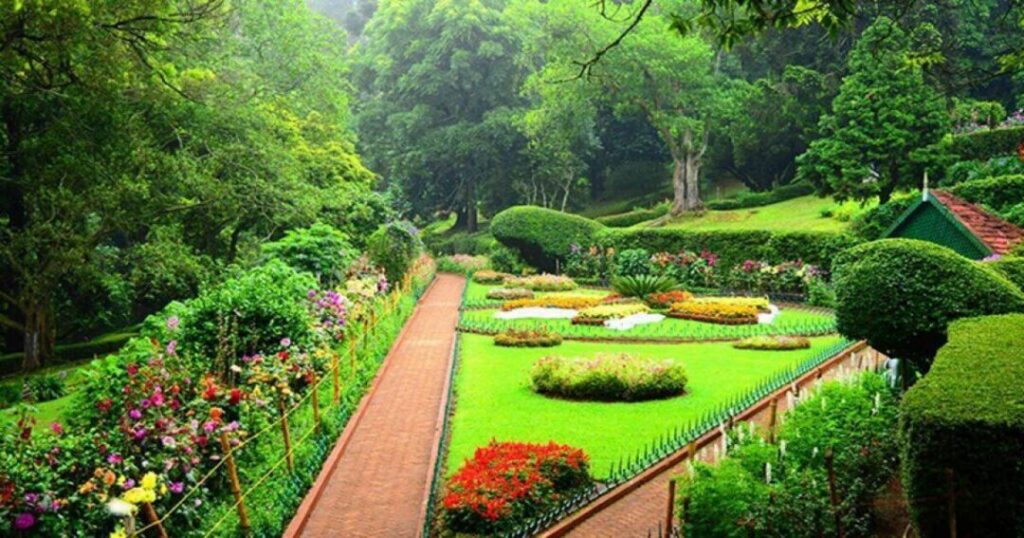
Sim’s Park is Coonoor’s most cultivated green space, and its origin story is thoroughly colonial: established in 1874 through the efforts of J.D. Sim, then Secretary to the Government, and Major Murray, acting Superintendent of the Nilgiris forests, it was designed initially as a pleasure resort exclusively for the British community living in the hills.
Spread across roughly 12 hectares at an elevation of about 1,780 metres, the park’s layout borrows directly from English garden traditions — terraced flower beds, manicured lawns, and rockeries, developed carefully around the land’s natural contours rather than flattened to fit a rigid plan. Today it holds over 1,000 plant species, including a dedicated Rose Garden, a Fern House, and an Arboretum, with imported foliage from around the world growing alongside native Nilgiri species — a genuinely literal record of the colonial botanical exchange that shaped so much of this region’s landscape.
Also Read: Places to Visit in Mangalore — Beaches, Temples & Local Food]
Dolphin’s Nose and Lamb’s Rock: Coonoor’s Signature Viewpoints
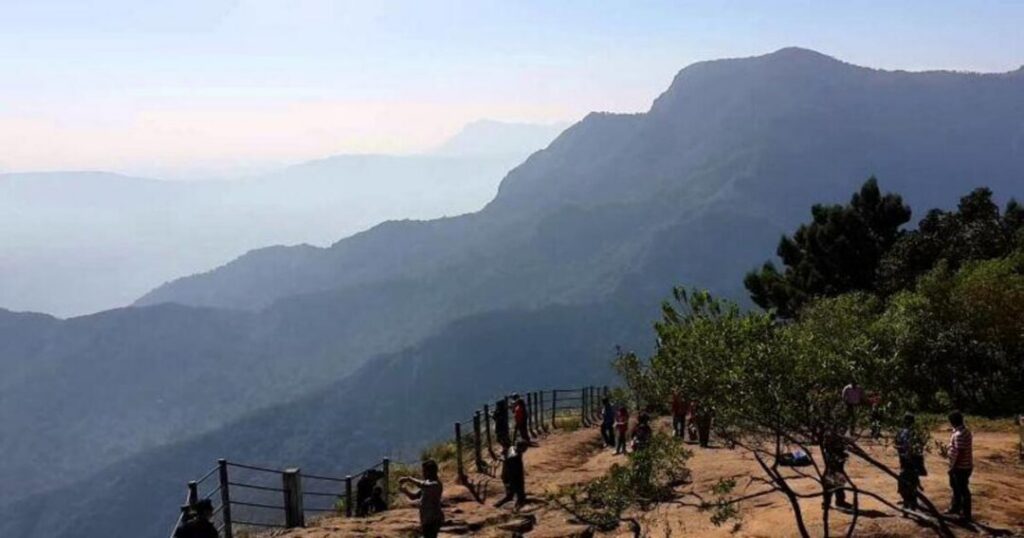
Named for its curved silhouette resembling a dolphin’s snout, Dolphin’s Nose sits at roughly 1,550 metres and delivers one of the most complete panoramic views in the area, taking in the Nilgiri Hills alongside a distant view of Catherine Falls below. It’s a popular sunrise and sunset spot precisely because the light at those hours catches the layered valleys particularly well.
En route sits Lamb’s Rock, named after Captain Lamb, who is credited with cutting the original path to the viewpoint. It offers its own sweeping vista over the valley and surrounding tea estates, and its easier accessibility compared to Dolphin’s Nose makes it a popular picnic stop for visitors who want the view without committing to the full trip further out.
Catherine Falls: A Waterfall Named for a Planter’s Wife
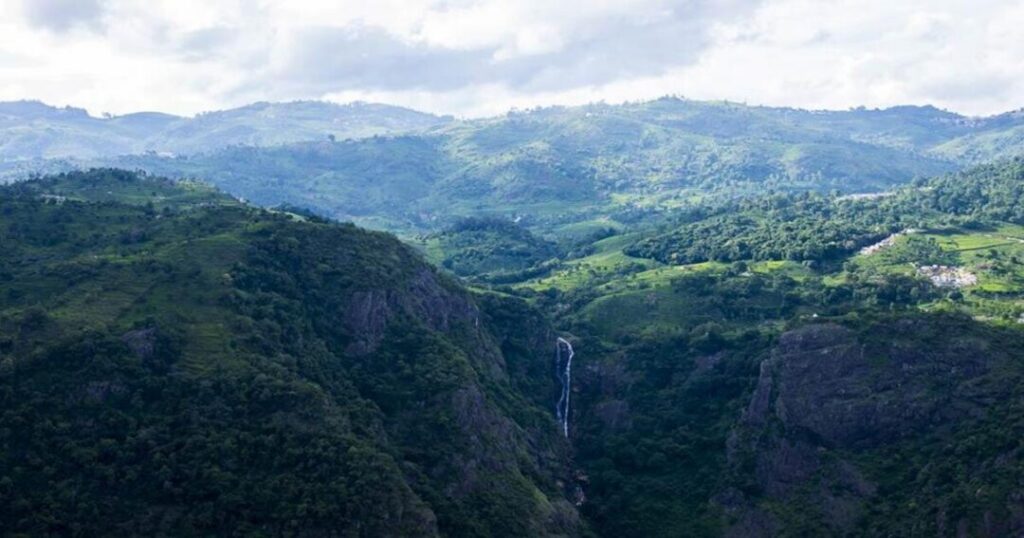
Catherine Falls carries one of the more quietly personal stories among Coonoor’s attractions — it’s named after Catherine, wife of M.D. Cockburn, a coffee planter active in the area during the colonial period. The falls themselves form a dramatic double cascade, dropping a combined 250 feet through dense forest on Coonoor’s outskirts. It’s best visited during or shortly after the monsoon, when water volume is at its fullest and the surrounding greenery is at its most vivid.
Droog Fort: Tipu Sultan’s Mountain Outpost
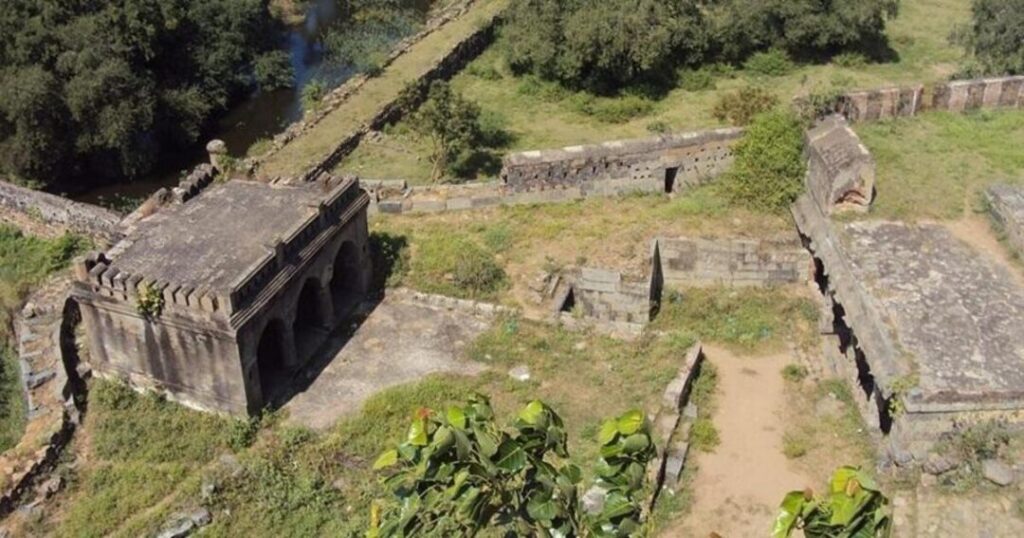
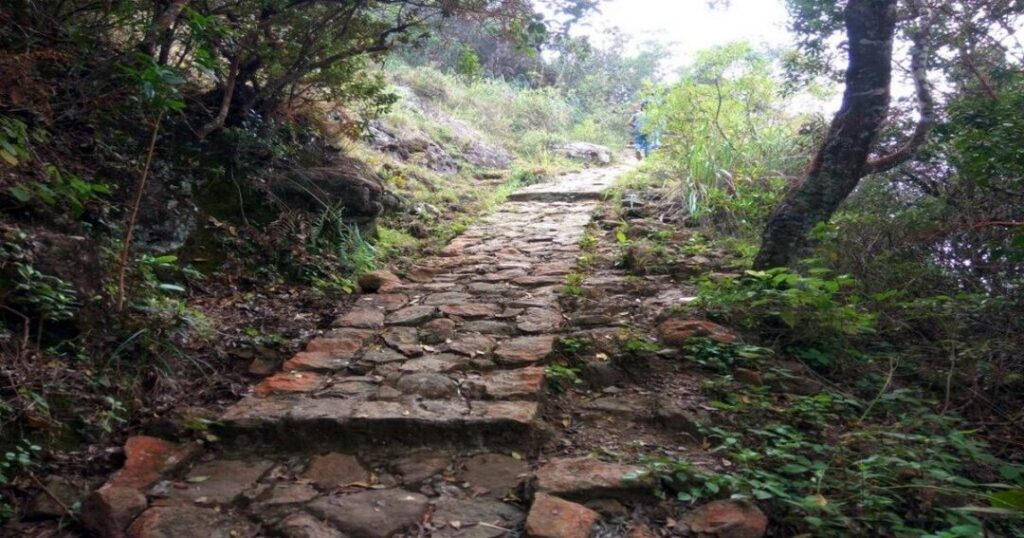
Also known as Bakasura Malai, Droog Fort sits roughly 15 km from central Coonoor at an altitude of around 6,000 feet, and its history predates the British hill station entirely. Built in the late 18th century, the fort is believed to have served as a military outpost for Tipu Sultan, the Sultan of Mysore, long before British planters ever set foot in these hills. Today, little remains beyond ruins and sweeping panoramic views, but that history adds real weight to what would otherwise be just another scenic overlook — this was a strategic military position centuries before it became a trekking and camping destination.
Tea Estates and Factory Tours in Coonoor
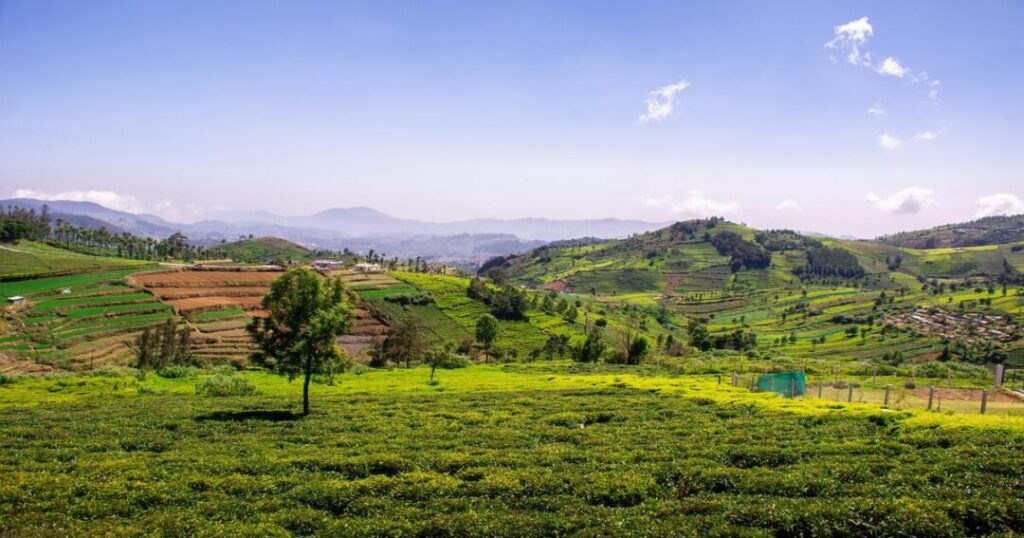
Given how central tea is to Coonoor’s identity, a visit to a working tea estate rounds out the picture in a way sightseeing alone can’t. Highfield Tea Factory, roughly 50 years old, offers visitors a look at the actual tea-making process — withering, rolling, oxidation, and drying — followed by tasting sessions and the chance to buy tea, herbal oils, and other estate-made products directly. Walking through an active factory floor, rather than a museum reconstruction, makes the region’s tea history feel considerably less abstract than reading about Robert Fortune’s smuggled saplings alone.
Also Read: Top 10 Places to Visit in India in May 2026 (Underrated, Scenic & Perfect for Long Weekends)
What is the Best Time to Visit Coonoor?
Winter, from October through March, is the most reliable window, with temperatures generally between 17°C and 25°C — comfortable enough for extended walking between viewpoints and gardens. Summer, March through May, runs a little warmer at 20°C to 30°C and remains a good stretch specifically for visiting the tea gardens, when the plantations are especially lush. Monsoon season, June through September, brings heavy and unpredictable rainfall with limited visibility at the higher viewpoints, though it’s also when Catherine Falls runs at its fullest and the landscape turns its deepest green.
Trying to fit Coonoor into a wider Nilgiris itinerary and not sure how much time each stop deserves? NIVU AI inside the Explurger app can help you weigh the railway ride, the viewpoints, and the tea estates against how much time you actually have.
How to Reach Coonoor?
The most memorable route is also the most practical one: take a train to Mettupalayam, then board the Nilgiri Mountain Railway toy train, which typically departs around 7:10 AM and reaches Coonoor by roughly 10:30 AM, climbing through tunnels and switchbacks along the way. Alternatively, government buses run from Coimbatore, and taxis offer a faster, more direct road route for travelers who’d rather skip the train entirely. However you arrive, most of Coonoor’s core attractions — Sims Park, the railway station, and the town center — sit close enough together to explore on foot, while the outer viewpoints and Droog Fort are more comfortably reached by taxi or auto.
Also Read: Kodachadri Trek: Complete Guide to the Trail, Jeep Ride & Nature Camp
Conclusion About Attractions in Coonoor
Coonoor’s real appeal isn’t a single landmark — it’s the layered history behind a rack-and-pinion railway, a Victorian pleasure garden, and tea slopes that trace back to smuggled Chinese saplings, all still functioning rather than preserved behind glass. Save the attractions in Coonoor that stand out to you to your Explurger Bucket List, and once you’ve made the trip, log it as an Explurge-in — your Automatic Travelogue will keep it mapped alongside every other hill station you’ve explored. Plan your Coonoor trip with Explurger, from the toy train to the last cup of tea.
FAQs About Attractions in Coonoor
2. What makes the Nilgiri Mountain Railway special?
It's the only rack-and-pinion railway in India and the steepest railway line in Asia, using the Abt system to climb gradients as steep as 1-in-12.5. Built between 1891 and 1908, it crosses 16 tunnels, 257 bridges, and 209 curves along its route, and was declared a UNESCO World Heritage Site in 2005 as part of the "Mountain Railways of India" group.
3. What is the history of Sim's Park in Coonoor?
Sim's Park was established in 1874 by J.D. Sim, then Secretary to the Government, and Major Murray, the acting Superintendent of the Nilgiris forests, originally as a pleasure resort for the British community living in the hills. Spread across roughly 12 hectares, it now holds over 1,000 plant species laid out in an English garden style, including a Rose Garden, Fern House, and Arboretum.
4. How did tea become central to Coonoor's history?
British planters began experimenting with tea cultivation across the Nilgiris in the 1830s. Planter Henry Mann established Coonoor Tea Estate in 1854 using tea stock connected to plants smuggled out of China by botanist Robert Fortune, generally considered the region's first tea plantation. By the 1850s, tea had become the Nilgiris' dominant commercial crop.
5. What is the story behind Droog Fort?
Droog Fort, also called Bakasura Malai, predates Coonoor's colonial hill-station history entirely. Built in the late 18th century, it's believed to have served as a military outpost for Tipu Sultan, the Sultan of Mysore, roughly 15 km from central Coonoor at around 6,000 feet altitude. Today it offers panoramic views and is popular for trekking and camping.
6. Why is Catherine Falls named the way it is?
The falls are named after Catherine, wife of M.D. Cockburn, a coffee planter active in the area during the colonial period. The falls form a double cascade dropping a combined 250 feet, and are most dramatic during and shortly after the monsoon season when water volume peaks.