
1,018 Total Views
Most “best kept secret destinations” lists aren’t secret at all — they’re just last year’s viral spot with a new caption. Hallstatt, Santorini, and increasingly Albania’s Ksamil have all been run through the same cycle: quiet village, influencer discovery, sold-out guesthouses, sheep-trampling headlines. This list applies a stricter bar. Every destination below is genuinely under-visited right now, verified against current tourism data rather than five-year-old blog posts, and picked with actual adventurers and off-the-grid travelers in mind, not families looking for a safe resort with a nicer view.
Save the ones that genuinely pull at you to your Explurger Bucket List — and maybe don’t post the geotag the second you land.
Svaneti, Georgia — Europe’s Wildest Mountain Frontier
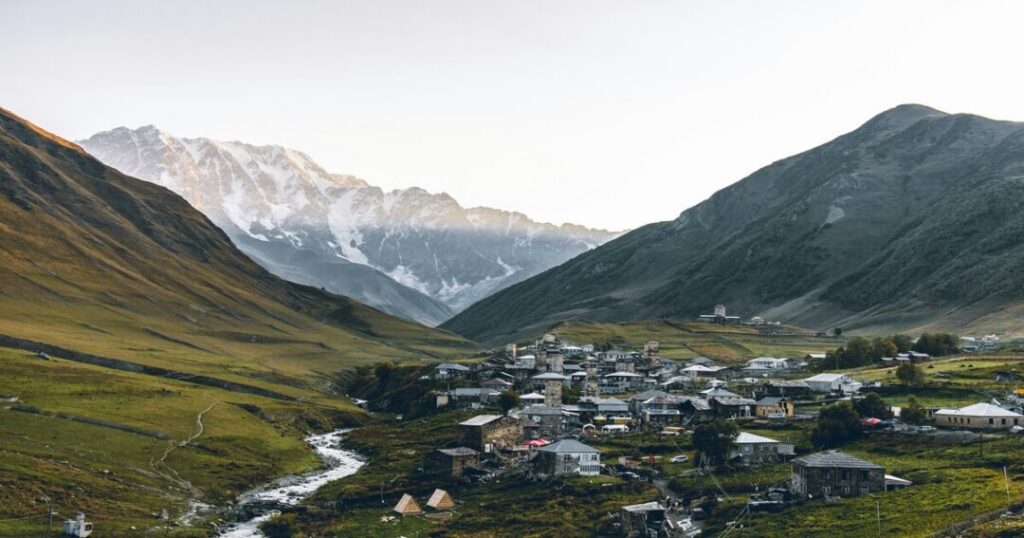
Tucked in Georgia’s Greater Caucasus, Svaneti is dotted with hundreds of koshkebi — medieval stone watchtowers built between the 9th and 12th centuries, still standing over villages that have barely changed shape in that time. [STAT: Svaneti’s medieval defensive watchtowers, known locally as koshkebi, were built between the 9th and 12th centuries and still stand across the region’s villages today.] Mestia, the regional hub, sits at 1,700 metres and serves as the jumping-off point for multi-day treks through the Enguri Valley toward Mount Shkhara, or the shorter but no less dramatic hike to the Koruldi Lakes at 2,850 metres.
Push further and you reach Ushguli — Europe’s highest permanently inhabited settlement at 2,100 metres, a cluster of stone towers where daily life still runs on its own remote logic. This is genuinely a best kept secret travel destination in the strictest sense: it requires effort to reach (roughly 450 km from Tbilisi, or 240 km from Kutaisi International Airport), and that effort is exactly what’s kept it from being flattened into a photo-op circuit.
Also Read: Georgia: A Land of Wine, Ancient Churches, and Surprisingly Few Tourist Crowds
Åland Islands, Finland — The Autonomous Archipelago Nobody Talks About
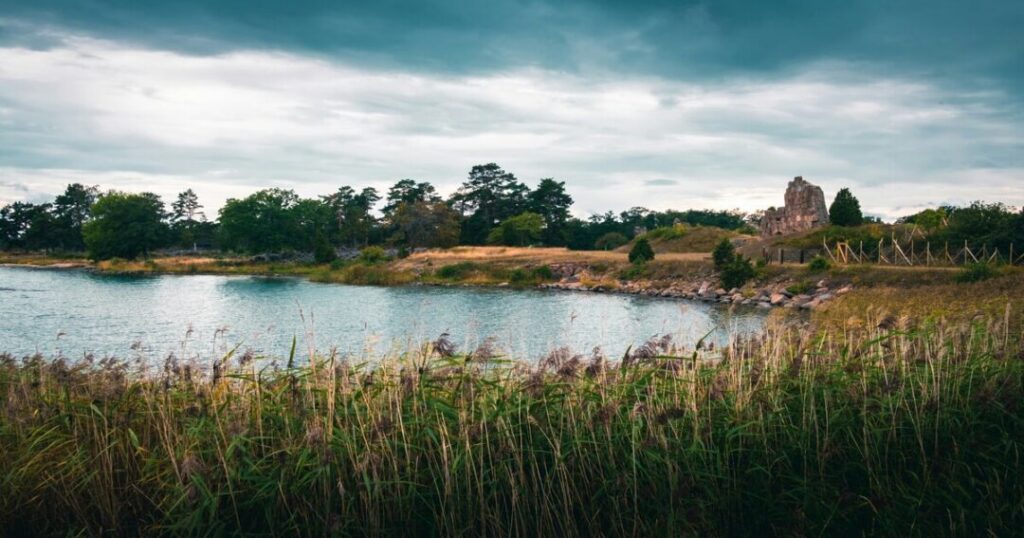
Between Sweden and Finland sits an autonomous archipelago that most travelers to either country never think to visit: the Åland Islands, a Swedish-speaking, self-governing region with its own flag and its own quiet cycling culture. The main island spans only about 50 km end to end, making it genuinely easy to explore slowly by bike, with dedicated cycle paths connecting villages and free inter-island ferries linking the outer archipelago together.
What makes Åland a real find rather than a trendy alternative is its total lack of a tourist circuit — there’s no single “must-see” landmark drawing crowds, just an unhurried scatter of fishing villages, red-granite coastlines, and islands you reach one small ferry at a time. Reach it by overnight ferry from Turku or Helsinki (often included as a free stopover on Viking Line and Tallink Silja routes), and plan for June through August if cycling and long daylight hours matter to your trip.
Also Read: Europe’s Most Spectacular Driving Routes: 10 Road Trips Every Traveler Should Experience
Maramureș, Romania — Living History in Europe’s Last Rural Idyll
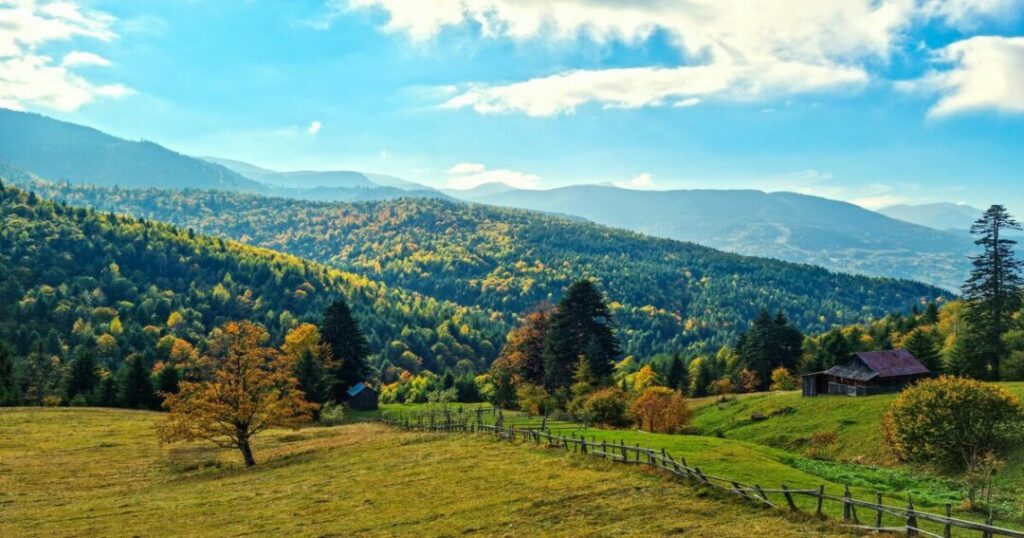
In Romania’s far north, right up against the Ukrainian border, Maramureș functions almost like an open-air museum of pre-industrial rural life — except nobody’s performing for tourists here, they’re just living the way this region always has. Nearly 100 wooden churches survive across the district, eight of them UNESCO-listed, built entirely from solid wood using dovetail joints rather than metal nails, with towers that defy what you’d expect from timber construction — the tallest, at Surdești, reaches 54 metres, the tallest wooden church tower in all of Europe. [STAT: The wooden church tower at Surdești in Maramureș reaches 54 metres, making it the tallest wooden church tower in Europe.]
These aren’t preserved relics behind glass — services still run every Sunday, and visitors are expected to treat that with real respect rather than treating the churches purely as photo backdrops. Base yourself in Baia Mare or Sighetu Marmației to reach the wider village network, and expect horse carts on the roads to be a genuine transportation method here, not a staged tourist attraction.
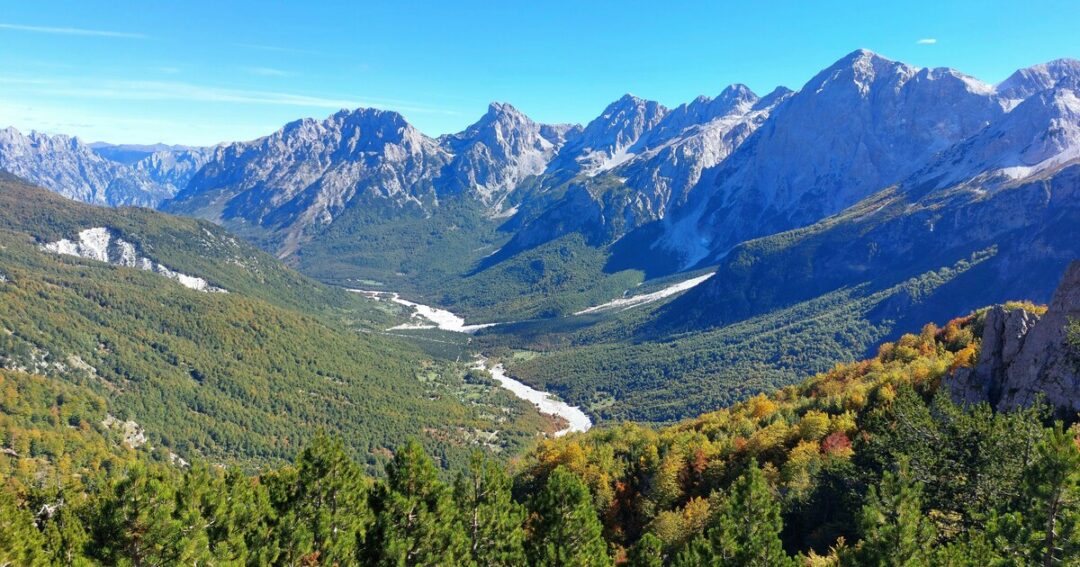
Theth and the Albanian Alps — Off-Grid Trekking in the Accursed Mountains
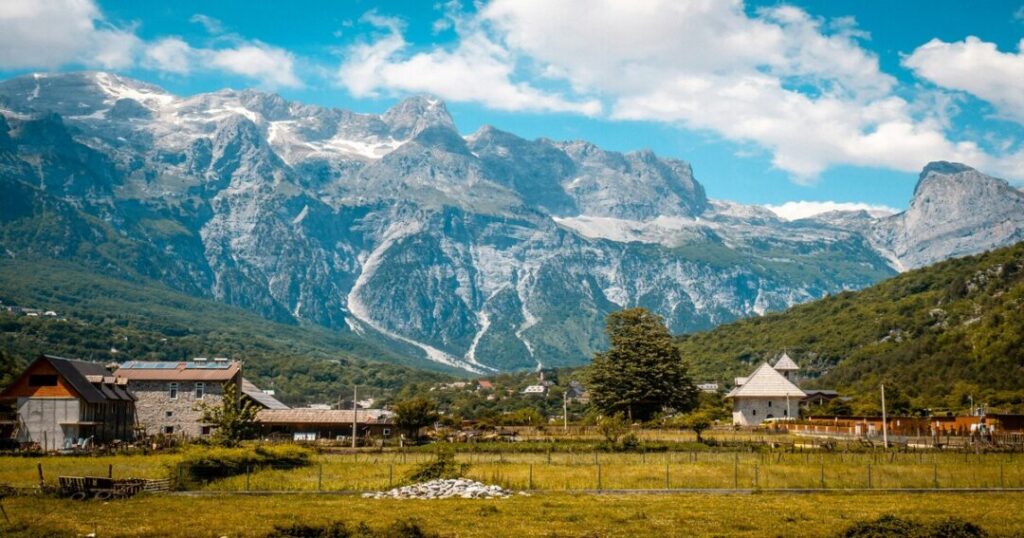
It’s worth being direct about something here: Albania’s coastal Riviera, especially Ksamil, has already gone viral as “the Maldives of Europe” and it shows — overloaded beaches, wall-to-wall sunbeds, and infrastructure that hasn’t caught up with the sudden crowds. This list deliberately points you inland instead, to the Albanian Alps — locally called the Accursed Mountains — where none of that pressure has arrived yet.
Theth, commonly cited as Albania’s most remote village, is reachable only by foot or horse along certain approaches, sitting inside a landscape of grey limestone walls rising 2,000 metres above green valleys. The Theth–Valbona trail, crossing the 1,811-metre Valbona Pass, takes a moderate 6–8 hours and connects the region’s two main alpine hubs, while longer routes like the Peaks of the Balkans trail put you in basic, genuinely off-grid shepherd huts overnight. Wildlife here includes lynx, chamois, wolf, and golden eagles — a reminder that this remains real wilderness, not a curated backdrop.
Europe’s Secret East Coast: The Curonian Spit, Lithuania
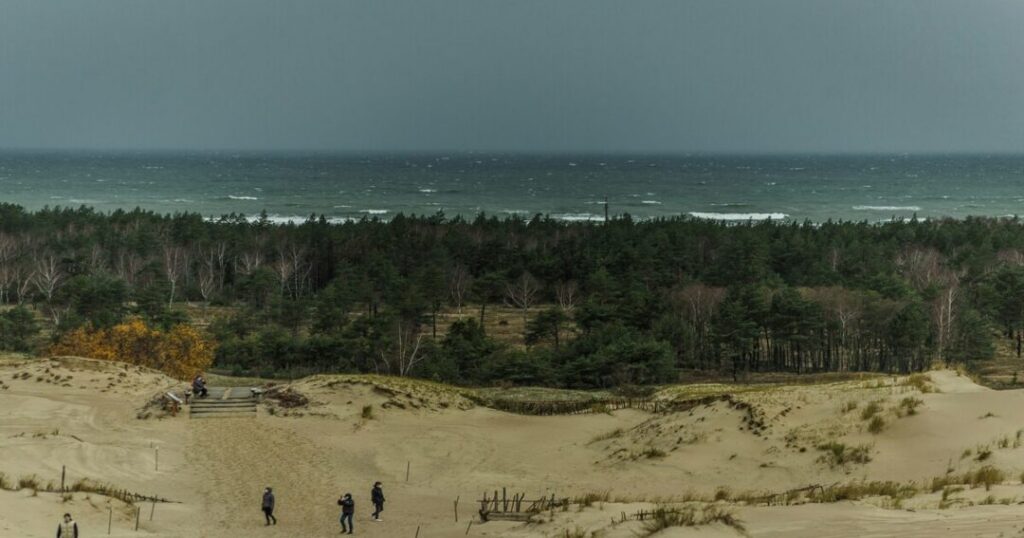
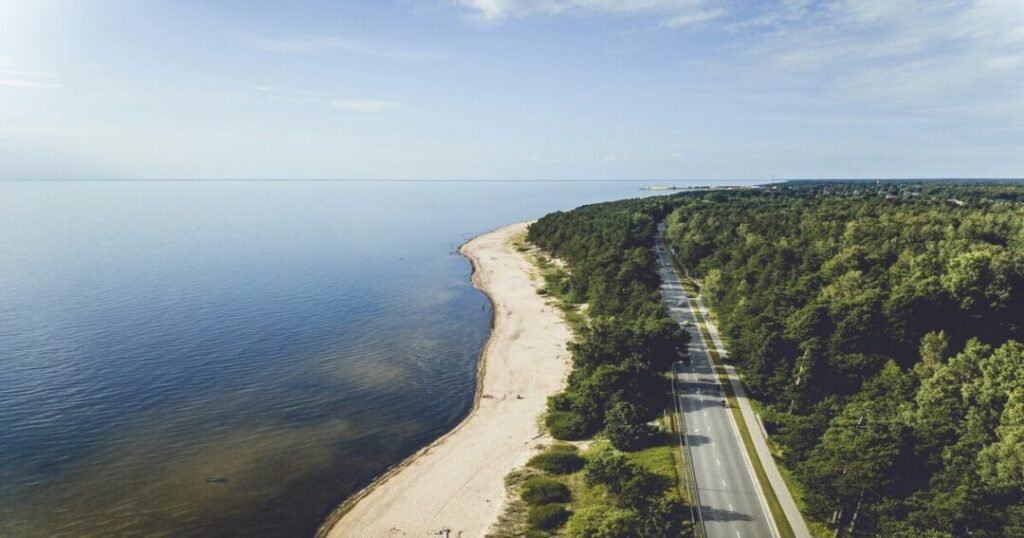
If you came here looking for best kept secret vacation spots east coast, here’s Europe’s own answer: the Curonian Spit, a UNESCO-protected sand-dune peninsula stretching 98 km along the Baltic Sea’s eastern shore, separating the sea from the Curonian Lagoon. At its narrowest point it’s just 400 metres wide; at its widest, about 4 km — a genuinely strange, shifting landscape of dunes, pine forest, and old fishing villages that feels closer to a desert than a European beach.
Reaching it takes some commitment: a bus or train from Vilnius to Klaipėda runs 3–3.5 hours, followed by a short ferry crossing and a further bus ride to Nida, the main village — a full journey of 5–6 hours from the capital. The reward is the Nagliai Nature Reserve trail, winding from Juodkrantė to Pervalka before ending at the White Dunes, where the path genuinely turns to open sand. June and September offer the best balance of warm weather and lighter crowds, since July and August draw the bulk of Lithuania’s own domestic beachgoers.
Tartu, Estonia — Europe’s Best-Kept Secret Christmas Destination
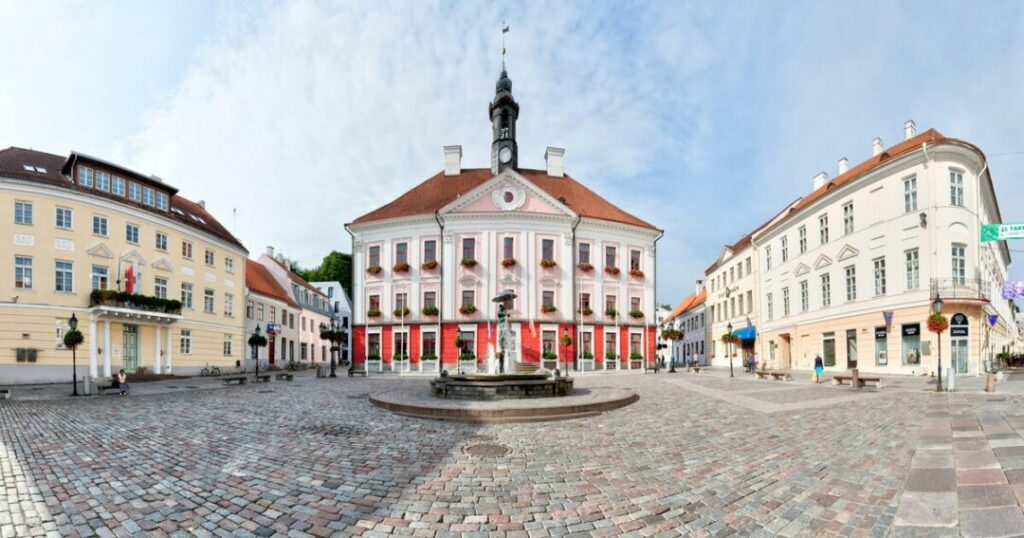
Every “hidden Christmas market” list eventually points you to Vienna, Prague, or Strasbourg — none of which are remotely hidden. Tartu, Estonia’s second city and a university town roughly three hours south of Tallinn, is the genuine alternative among best kept secret Christmas destinations.
Its market sets up on Raekoja Plats, right in front of the city’s neoclassical town hall, mixing traditional wooden stalls with glass pavilions that shelter visitors from the cold while hosting cafés and small exhibitions — one filled with straw for kids to play in, another set up for writing postcards to send home. Around 200 merchants sell regional food, handmade gifts, and winter drinks, and the square adds an ice rink, sleigh rides, and a wooden carousel once the season opens on the first Sunday of Advent. It’s charming in exactly the way Tallinn’s market is now too crowded to feel anymore.
Best Kept Secret Vacation Spots: How to Actually Keep Them That Way?
A genuine best kept secret holiday destination stays that way only if visitors treat it with some restraint — and a few habits make a real difference: avoid geotagging exact locations (especially small, ecologically fragile spots like Svaneti’s remote villages or the Curonian Spit’s dune trails), travel in shoulder season rather than peak weeks, and spend money with small local operators rather than the first big-name booking platform that shows up. If you came here searching for best kept secret family vacation spots specifically, it’s worth being upfront: most of the destinations on this list lean toward independent, physically demanding travel rather than an easy family week, so weigh that honestly against who you’re actually traveling with before booking anything.
Trying to figure out which of these actually fits your travel style and timeline? NIVU AI inside the Explurger app can weigh your own pace and interests against a list like this rather than just handing you the most photogenic option.
Best Time to Visit Each of These Destinations
Timing varies meaningfully across this list. Svaneti’s trekking season runs roughly June through September, once mountain passes clear. Åland is best June through August for cycling and long daylight. Maramureș works comfortably spring through autumn, avoiding harsh winter road conditions. Theth and the Albanian Alps are typically accessible June through September, with the Peaks of the Balkans route closing outside that window. The Curonian Spit peaks in July and August for swimmable Baltic waters, though June and September offer a quieter, still-warm alternative. Tartu’s Christmas market runs from the first Sunday of Advent through the holiday season.
Conclusion About the best kept secret destination
The real test of a best-kept secret destination isn’t how few people have heard of it — it’s whether it’s still standing on its own terms the next time you check. Svaneti, Åland, Maramureș, Theth, the Curonian Spit, and Tartu all pass that test right now, but that status isn’t permanent, so travel thoughtfully while it lasts. Save the ones that fit your pace to your Explurger Bucket List, and once you’ve been, log each stop as an Explurge-in — your Automatic Travelogue will keep them mapped long after they’ve inevitably started showing up on everyone else’s feed too. Find Europe’s next real secret with Explurger, before everyone else does.
FAQs About the Best-Kept Secret Destination
2. Is the Faroe Islands still an off-the-beaten-path destination?
Not really anymore. The Faroe Islands have shifted from a relatively unknown destination to one facing genuine overtourism pressure — sites like Gásadalur and Saksun are now among the most photographed spots in the islands, to the point where locals have had to regulate tourist behavior to protect grazing land. It's a useful example of how quickly a "secret" destination can stop being one.
3. Where can I find a genuinely secret Christmas market in Europe?
Tartu, Estonia's second city, offers one of the more overlooked Christmas markets in Europe. Its market at Raekoja Plats combines traditional wooden stalls with glass pavilions, an ice rink, sleigh rides, and around 200 merchants selling regional food and crafts — all without the overwhelming crowds that now define markets in Vienna, Prague, or Strasbourg.
4. Is Albania's coast still a hidden gem?
Not anymore, particularly Ksamil, which has been marketed heavily as "the Maldives of Europe" and now deals with overcrowded beaches and infrastructure strain during peak season. The genuine alternative is inland: the Albanian Alps, particularly Theth, which remains remote and largely untouched by the coastal tourism boom.
5. What is Europe's version of a secret east coast destination?
The Curonian Spit in Lithuania is a strong answer — a UNESCO-protected, 98km sand-dune peninsula along the Baltic Sea's eastern shore, reachable via a multi-stage journey from Vilnius involving a train, a ferry, and a bus. Its shifting dunes and pine forests feel closer to a desert landscape than a typical European beach destination.
6. What is the best time to visit Svaneti, Georgia?
Roughly June through September, once the high mountain passes clear of snow. This window covers the main trekking season, including routes to the Koruldi Lakes and toward Mount Shkhara, as well as access to Ushguli, Europe's highest permanently inhabited settlement.