


Travel is often reduced to itineraries, bucket lists, and Instagram checklists. But the truth is far more layered. Not everyone travels to “find themselves.” Some travel to escape, some to observe, some to confront reality, and some simply to exist in a different rhythm. Cinema, in particular, has a way of unsettling this reduction. It resists the neatness of itineraries and instead presents travel as something far more unstable, layered, and at times, disquieting.
The Best Travel Films does not function as inspiration in the conventional sense. It does not persuade you to visit a place, it complicates your understanding of why you would go at all. Across different cinematic traditions, travel emerges not as spectacle but as a condition. A space where identities shift, where social and political realities become unavoidable, where the distance between observer and participant begins to collapse. These films are not concerned with destinations. They are concerned with perception, with what it means to encounter a world that does not align with your expectations.
Here are our top picks for the Best Travel Films.
The Drifter: You Travel Without a Fixed Purpose
1. Nomadland (2020, Dir. Chloé Zhao)

There is a certain kind of traveler who does not relate to vacations. Hotels feel temporary, but so does everything else. For them, travel is not a break from life, it is life.
Nomadland follows Fern, a woman who chooses the road not out of rebellion, but out of necessity that slowly becomes identity. The American West stretches endlessly around her, but this is not the cinematic, romantic version of open roads. It is quiet. Sometimes harsh. Often lonely.
What makes this the best travel film for drifters is its honesty. It doesn’t glamorize van life. It shows the economics of it, the fragility of it, the community that quietly exists within it. People who meet, help each other, and move on. No promises, no permanence.
If you’ve ever felt like staying in one place feels unnatural, this film will feel less like a story and more like recognition.
Why watch it:
Because it asks a difficult question, is freedom still freedom if it comes from losing everything else?
- Genre: Drama
- Where to watch: Disney+ Hotstar / Prime Video
- Accolades: Academy Award for Best Picture, Director, Actress
The Observer
2. Lost in Translation (2003, Dir. Sofia Coppola)
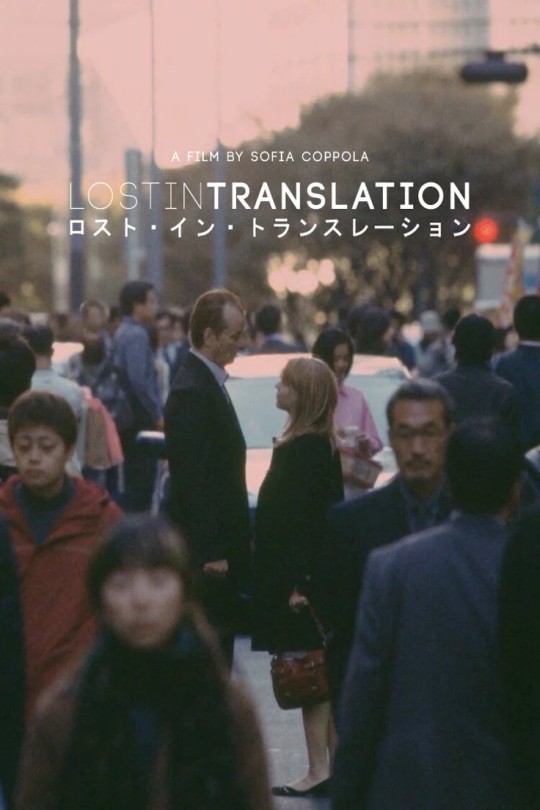
Not all travelers are explorers. Some are observers.
Lost in Translation places you in Tokyo, but it never forces you to understand it. Instead, it lets you feel what it’s like to exist in a place where everything is unfamiliar, language, culture, even social cues. There is no checklist of places to see. No urgency to “do” anything. The city hums in the background while two strangers drift through it, disconnected from their own lives, yet briefly connected to each other.
This is the best travel film for those who have experienced that strange loneliness in a new place. Where you are surrounded by people, yet feel completely removed.
It reminds you that sometimes travel heightens isolation before it creates connection.
Why watch it:
Because it captures the emotional reality of being elsewhere, not the aesthetic version of it.
- Genre: Drama / Romance
- Where to watch: Netflix / Prime Video
- Accolades: Academy Award for Best Original Screenplay
The Seeker
3. Taste of Cherry (1997, Dir. Abbas Kiarostami)
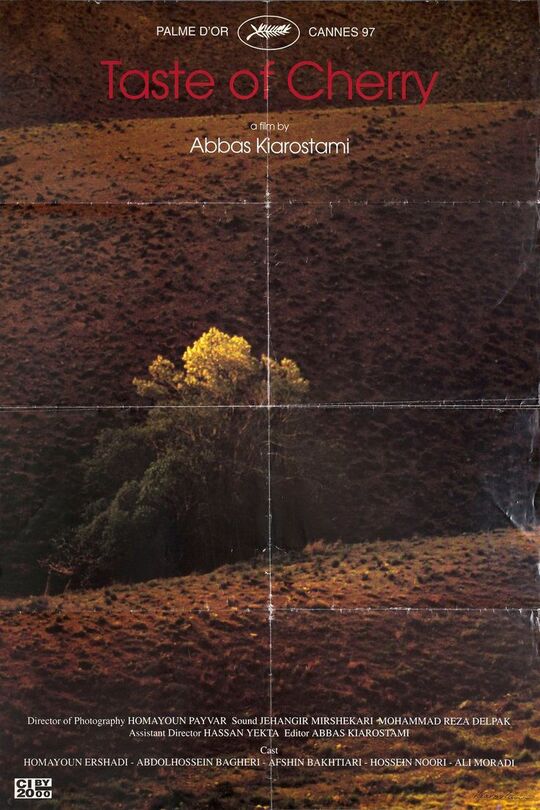
Some journeys are quiet on the surface but turbulent underneath. In Taste of Cherry, a man drives through dusty roads on the outskirts of Tehran, speaking to strangers, asking for help with something you don’t fully understand at first. The film moves slowly, deliberately. Conversations repeat. Landscapes blur.
And yet, every interaction carries weight. This is not a journey toward a destination. It is a journey toward a decision. As a film about travel, it challenges everything you associate with movement. There are no scenic montages, no emotional crescendos. Just stillness, and the uncomfortable space it creates.
If you are the kind of traveler who looks for meaning rather than experience, this film will stay with you long after it ends.
Why watch it:
Because it turns a simple drive into one of cinema’s most profound explorations of existence.
- Genre: Drama
- Where to watch: MUBI / Criterion
- Accolades: Palme d’Or, Cannes
The Awakener
4. The Motorcycle Diaries (2004, Dir. Walter Salles)

Before the iconography, before the posters, before the reductive mythology of revolution, there was movement. Not ideological yet, not fully formed, but restless. The Motorcycle Diaries situates our darling, our beloved political fighter, Che Guevara at that precise threshold, where travel is not escape but exposure, and exposure begins to calcify into political consciousness.
Salles constructs the film with a quiet dialectic. Early sequences carry the looseness of youth, humor, desire, misadventure. But gradually, the tone hardens. The journey ceases to be about movement and becomes about witnessing. The body travels, but the mind begins to reorganize itself in response to what it encounters. This is where the film transcends the conventional film about travel. It becomes a study in ideological formation.
For a literature or political theory reader, the film resonates with the tradition of the bildungsroman, but stripped of romanticism. It aligns more closely with a Marxist reading of consciousness emerging from material conditions. The journey is not inward. It is outward, and in that outward movement, the self is reconstituted.
Why watch it:
Because it reframes travel as a political act, where witnessing injustice is not passive, it is the beginning of responsibility.
- Genre: Biographical Drama
- Where to watch: Netflix / Prime Video
- Accolades: Oscar for Best Original Song
The Witness
5. Baraka (1992, Dir. Ron Fricke)

There are travelers who do not need stories. They just need to see. Baraka removes everything we usually rely on in cinema. No dialogue. No narrative. No explanation. Just images. Temples, factories, rituals, cities, faces.
You are not guided. You are not told what to feel. And that is precisely why it becomes the best travel film for those who want to experience the world without interpretation. It overwhelms you in the way travel sometimes does. Too much to process. Too much to fully understand. Yet impossible to ignore.
Why watch it:
Because it reminds you that the world exists beyond your perspective.
- Genre: Documentary
- Where to watch: Prime Video / Apple TV
- Accolades: Renowned for groundbreaking cinematography
The Pilgrim
6. The Way (2010, Dir. Emilio Estevez)

Some journeys begin with loss. In The Way, a father walks the Camino de Santiago, a pilgrimage route in Spain, initially for someone else, but gradually for himself. Along the way, he meets people carrying their own burdens. They walk together. They argue. They share stories. And slowly, something shifts.
This is the best travel film for those who believe that the people you meet shape your journey more than the places you visit. It captures the rhythm of long-distance travel. The repetition of steps. The unexpected intimacy of strangers.
Why watch it:
Because it shows that healing is rarely a solitary process.
- Genre: Drama
- Where to watch: Prime Video
- Accolades: Audience awards at multiple festivals
The Dreamer
7. Uncle Boonmee Who Can Recall His Past Lives (2010, Dir. Apichatpong Weerasethakul)

Not all travel is linear. This film moves through forests, memories, spirits, and time itself. A man nearing the end of his life begins to encounter fragments of his past, some real, some imagined. The boundaries between places dissolve.
This is the best travel film for those who experience travel as something intangible. Not just physical movement, but emotional and spiritual shifts. It asks you to let go of structure, of logic, of expectation.
Why watch it:
Because it expands your idea of what a journey can be.
- Genre: Fantasy / Drama
- Where to watch: MUBI
- Accolades: Palme d’Or, Cannes
The Night Wanderer
8. Victoria (2015, Dir. Sebastian Schipper)

There is a version of travel that exists only at night. It starts casually. A conversation. A walk. A sense of openness that only comes from being in a new place with no obligations. And then, suddenly, everything changes.
Shot in a single take, Victoria unfolds in real time, pulling you into the unpredictability of a city you don’t fully understand. This is the best travel film for those who chase spontaneity. The ones who say yes without knowing what comes next.
Why watch it:
Because it captures how quickly travel can shift from freedom to chaos.
- Genre: Crime / Drama
- Where to watch: Netflix / Prime Video
- Accolades: Berlin Film Festival wins
The Absurdist
9. A Pigeon Sat on a Branch Reflecting on Existence (2014, Dir. Roy Andersson)
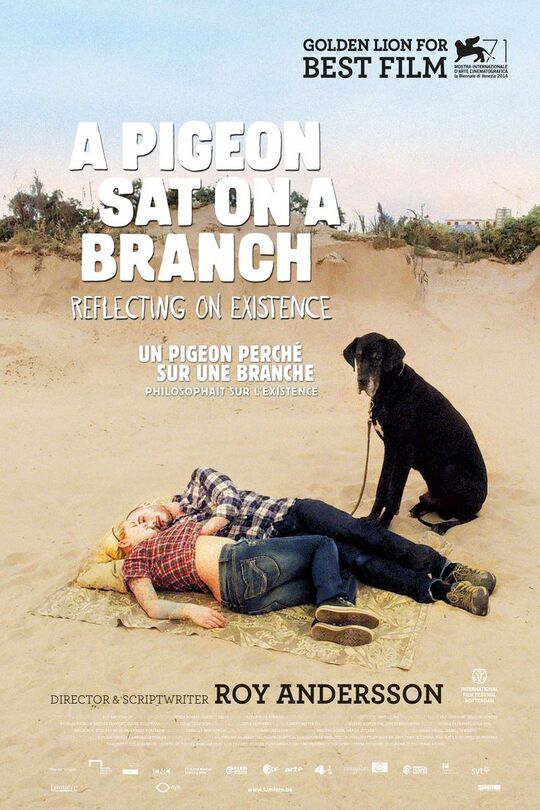
Some travelers don’t look for meaning. They notice absurdity. This film unfolds through disconnected scenes where people move, interact, and exist in ways that feel both mundane and surreal.
There is travel, but it is stripped of purpose. This is the best travel film for those who observe rather than engage. Who find interest in the strange, the uncomfortable, the quietly ridiculous.
Why watch it:
Because it reflects the randomness of human experience, regardless of place.
- Genre: Dark Comedy / Experimental
- Where to watch: MUBI
- Accolades: Golden Lion, Venice
The Harmonizer
10. Honeyland (2019, Dir. Tamara Kotevska & Ljubomir Stefanov)

There are travelers who seek balance. Honeyland introduces you to a woman living in harmony with nature, following a simple rule: take half, leave half. Her life is deeply connected to her environment.
When that balance is disrupted, everything begins to unravel. This is a rare film about travel that asks you to slow down, observe, and respect.
Why watch it:
Because it shows that travel is not about taking, it is about understanding.
- Genre: Documentary
- Where to watch: Hulu / Prime Video
- Accolades: Oscar-nominated (Documentary & International Feature)
The Companion of Nature
11. Dersu Uzala (1975, Dir. Akira Kurosawa)

What does it mean to truly understand a place? In Dersu Uzala, a Russian explorer meets a hunter who reads the land in ways that feel almost otherworldly. The forest is not terrain, it is language. Through their relationship, the film reveals a different way of traveling. One that is rooted in respect, awareness, and coexistence.
It stands among the best travel films of all time because it shifts the hierarchy. Humans are not above nature. They are part of it.
Why watch it:
Because it teaches you how to belong, not just arrive.
- Genre: Adventure / Drama
- Where to watch: Criterion Channel
- Accolades: Academy Award for Best Foreign Language Film
How Does Cinema Help?
Imagine walking through Tokyo or Lima with a checklist in hand, chasing landmarks and curated experiences, while remaining indifferent to the deeper currents that shape these places, the labor that sustains their economies, the histories of occupation and resistance, the quiet negotiations of class, identity, and power playing out in everyday life. At that point, travel reduces itself to surface-level consumption, an engagement with aesthetics that deliberately avoids the political realities embedded in the landscape.
This is where cinema becomes essential. It expands travel beyond geography and into experience, ideology, and emotion. The best travel film lingers not because of where it takes you, but because of how it alters the way you see movement itself. What follows is not a list of places, but a set of perspectives. Each film offers a different relationship to travel, not as a singular act, but as a spectrum of ways of being in the world.
Closing Thought
There is no single definition of travel. And there shouldn’t be. The best travel films on Netflix or anywhere else will show you places. But films like these show you perspectives.
And somewhere between all of them, you begin to recognize yourself.
The drifter.
The observer.
The seeker.
The wanderer.
Or maybe, all of them at once. Because the best travel film doesn’t tell you where to go.
It tells you what kind of traveler you already are.
FAQs About Best Travel Films
2. Which is a good travel film for self-discovery?
Taste of Cherry is a powerful choice for introspective and philosophical journey
3. Are there good non-English travel films?
Yes, many of the best travel films like Uncle Boonmee Who Can Recall His Past Lives and Honeyland come from global cinema.
4.Where can I watch the best travel films online?
You can find many best travel films on Netflix, Prime Video, and MUBI depending on availability.
5. What is a good travel film for nature lovers?
Honeyland and Dersu Uzala beautifully explore human connection with nature.