
3,572 Total Views
Dussehra is one of the few Indian festivals that means genuinely different things depending on where you’re standing — a Ravana effigy going up in flames in Delhi, a goddess idol being carried into the river in Kolkata, and a jewel-lit palace procession in Mysuru all happen on the same day, all under the same name. The dussehra festival ties together myth, harvest, and regional identity in a way few single festivals do. This guide covers the core traditions behind it, how it plays out differently across India, what “Dasara” actually refers to, why the festival is celebrated at all, its close relationship with Navratri, and the exact 2026 date.
Famous Dussehra Festival 2026
Beneath the regional differences, a handful of rituals repeat across most of India’s Dussehra celebrations, even if the specifics shift from state to state.
1. Ravana Dahan and Ramlila
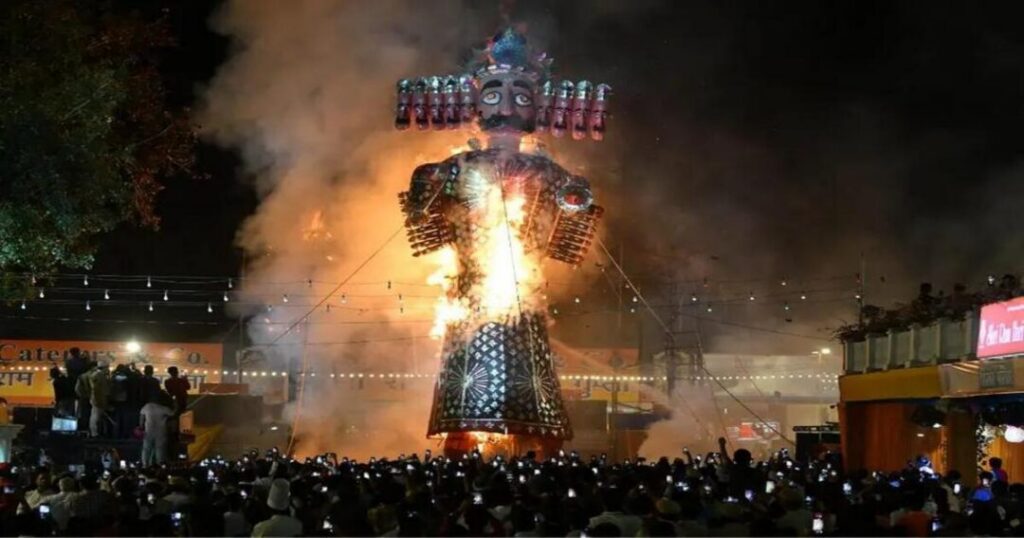
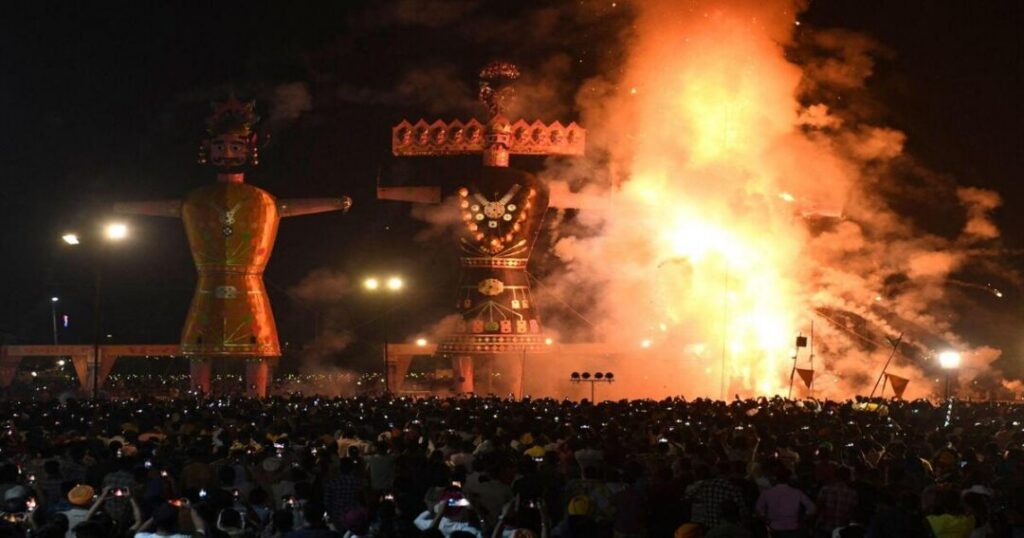
The most visually recognizable Dussehra tradition is Ravana Dahan — the burning of giant effigies of the ten-headed demon king Ravana, usually alongside his son Meghanada and brother Kumbhakarna, at dusk on Vijayadashami. In North India especially, this follows weeks of Ramlila, dramatic open-air performances re-enacting the Ramayana that build up to Ravana’s defeat; Ramlila is significant enough as a living tradition that it’s recognized by UNESCO as an element of the Intangible Cultural Heritage of Humanity, with Delhi’s Ramlila grounds among the most famous venues for it.
2. Shami Tree Worship and Ayudha Puja
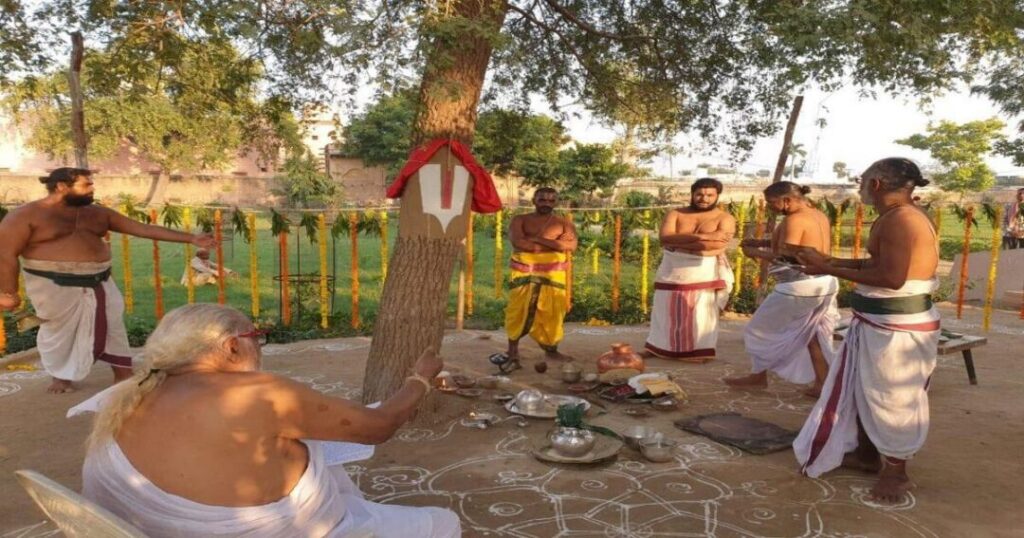
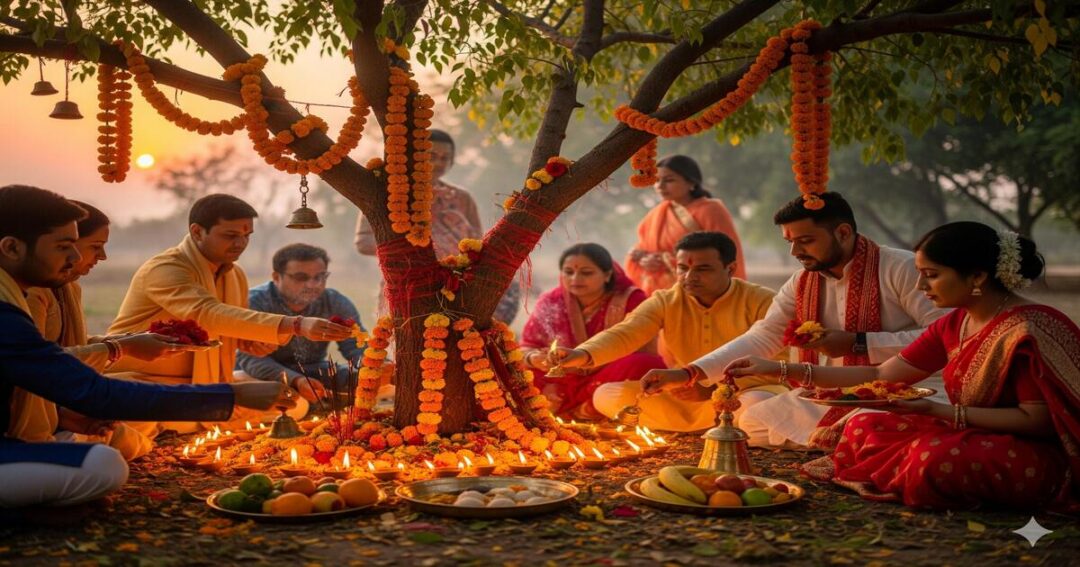
Many communities mark Vijayadashami by worshipping the Shami tree (known as the banni tree in parts of South India), a ritual tied to a Mahabharata-era legend in which the Pandavas hid their weapons in one during their exile. Closely related is Ayudha Puja, observed especially in South India, where tools, vehicles, machinery, and instruments of trade are cleaned and ritually worshipped in gratitude — a practice that extends to Saraswati Puja for books and learning tools, including Vidyarambham ceremonies in parts of the south that formally initiate young children into writing and education on this day.
3. Durga Visarjan
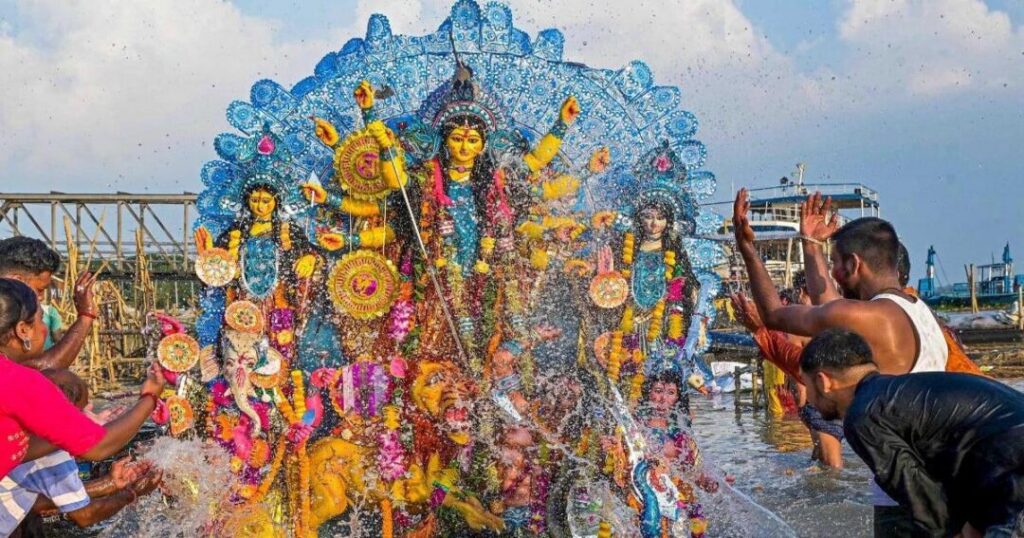
In Bengal and much of eastern India, Dussehra is inseparable from Durga Puja, and the day is marked by Durga Visarjan — the immersion of elaborately crafted Durga idols in rivers or other water bodies, accompanied by processions, drumming, and vermillion-smearing rituals among women (sindoor khela) before the goddess is bid farewell for the year.
Dussehra Celebrations Across India
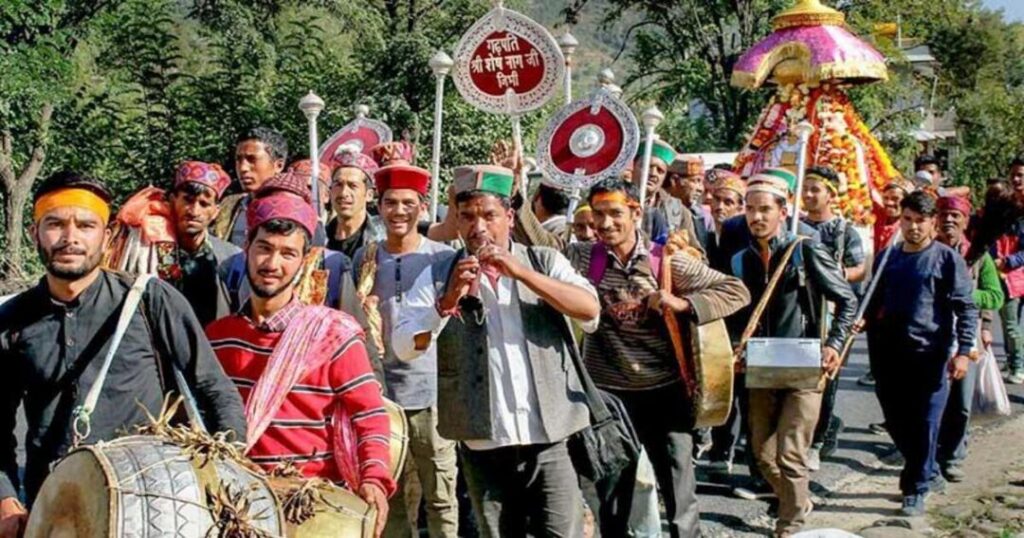
The dussehra celebrations — or dussehra celebration in the singular, since both phrasings point to the same question — look different enough by region that it’s worth walking through a few specifically, beyond the ritual overview above.
- Kullu, Himachal Pradesh: Kullu Dussehra does the opposite of everywhere else — it begins on Vijayadashami, just as other celebrations are ending, and runs for a full week afterward. Hundreds of local deities from surrounding villages are carried down on palanquins in procession to Dhalpur Maidan, joining the ruling deity Lord Raghunath (established in the 17th century by King Jagat Singh) for a week-long gathering of gods that draws visitors from well beyond Himachal Pradesh.
- Delhi and North India: Ramlila grounds across northern cities host the season’s biggest Ravana Dahan events, with towering effigies — sometimes well over 100 feet tall — set alight before enormous crowds, making Delhi’s Ramlila Maidan one of the most-attended single Dussehra gatherings in the country.
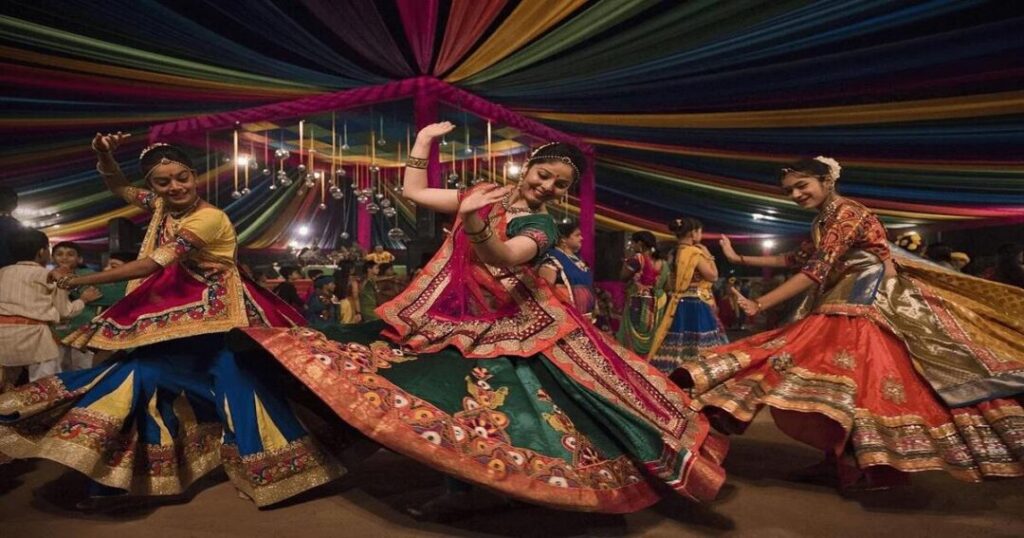
- Gujarat: The nine nights leading into Dussehra are dominated by Garba and Dandiya Raas, circular folk dances performed nightly in the run-up to Vijayadashami, turning the whole Navratri-to-Dussehra window into one of the state’s biggest cultural seasons.
Karnataka’s own version of this — Mysuru Dasara — is significant enough to deserve its own full section, which follows next.
Dasara Celebration: What’s in a Name?
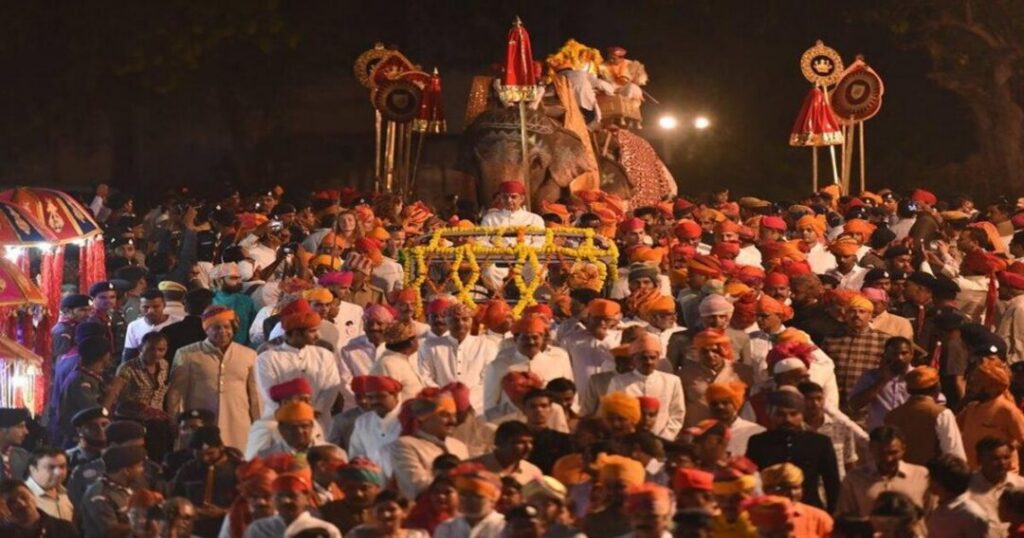
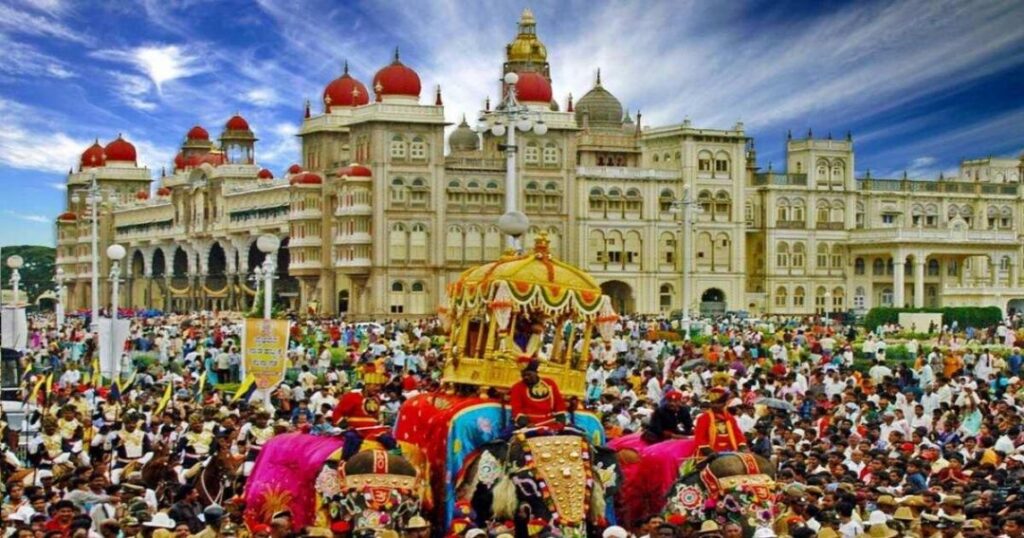
If you’ve come across a dasara celebration or you’re looking for more detail about dasara festival specifically, “Dasara” is simply the regional name for Dussehra used across much of South India — most famously in Karnataka, where Mysuru Dasara is the official state festival, or Nadahabba. Its roots trace back to Raja Wodeyar I, who began celebrations in Srirangapatna in 1610, with the tradition of a royal durbar at Mysore Palace added under Krishnaraja Wodeyar III in 1805. The festival’s mythological anchor here is distinct from the Rama-Ravana story: it commemorates the goddess Chamundeshwari, a form of Durga, slaying the demon Mahishasura — a legend so tied to the city that Mysuru is said to take its name from the demon himself.
Mysuru Dasara runs the full ten days — nine nights of Navaratri followed by Vijayadashami — with the Mysore Palace lit by close to 100,000 bulbs every evening, plus exhibitions running since 1880, music and dance concerts, and wrestling competitions. It culminates on Vijayadashami with the Jamboo Savari procession, in which an idol of Chamundeshwari is carried through the city on a decorated elephant, ending at Bannimantap for banni (Shami) tree worship and a torch-light parade after dark.
Dussehra 2026: Date and Significance
Anyone searching dussehra 2026 for planning purposes: Dussehra falls on Tuesday, October 20, 2026, as the tenth and final day of that year’s Navratri, which begins around October 11. As with every year, the exact date shifts because Dussehra follows the Hindu lunisolar calendar rather than a fixed Gregorian date, landing on the tenth day (Vijayadashami) of the bright fortnight of the month of Ashwin — usually somewhere between late September and mid-October depending on the year.
Also Read: WHERE TO GO: DIWALI 2026 EDITION (ULTIMATE GUIDE FOR FESTIVE VIBES)
Dussehra: Why We Celebrate?
The core answer to dussehra why we celebrate it comes down to one recurring theme told through two different stories: the victory of good over evil. In the pan-India telling rooted in the Ramayana, Dussehra marks Lord Rama’s defeat of the ten-headed demon king Ravana, who had abducted Rama’s wife Sita — the effigy-burning tradition exists specifically to dramatize this victory. In the version more prominent in Bengal, Karnataka, and much of eastern and southern India, the festival instead marks the goddess Durga’s defeat of the shape-shifting demon Mahishasura, a battle that Navratri’s nine nights are built around honoring. The name Vijayadashami itself translates roughly to “victory on the tenth day,” a title broad enough to hold both stories at once — which is a large part of why the festival looks so different depending on which part of India you’re in, while still being recognizably the same occasion everywhere.
Also Read: Festivals in India: A Complete Guide to the Country’s Most Celebrated Festivals
The relationship behind navratri and dussehra is sequential rather than separate: Navratri’s nine nights of worshipping the goddess Durga in her various forms lead directly into Dussehra on the tenth day. One popular telling of the connection ties directly back to the Ramayana — before his battle with Ravana, Rama is said to have prayed to Durga for nine days seeking the strength to defeat the demon king, with his victory on the tenth day becoming Dussehra itself. How those nine nights are spent varies enormously by region: Gujarat fills them with nightly Garba and Dandiya, Bengal builds toward the elaborate Durga Puja pandals and idol immersion covered earlier, and North India spends them watching Ramlila performances build toward the Ravana Dahan that closes the festival on the tenth night.
Also Read: Here is Why Durga Puja 2025 is Something You Shouldn’t Miss
Conclusion: One Festival, Many Stories
Whether it’s an effigy going up in flames, a goddess returning to the river, or a palace lit up for royal processions, the dussehra festival tells the same story of good triumphing over evil in as many different regional voices as India has. Knowing which version you’re walking into — and checking the year’s exact date against the lunar calendar — makes all the difference in actually experiencing it.
Planning a trip around Dussehra or Navratri? Let the Explurger app help you time it against the festival calendar wherever you’re headed.
FAQs About Dussehra Festival
2. When is Dussehra in 2026?
Dussehra falls on Tuesday, October 20, 2026, as the tenth day following that year's Navratri, which begins around October 11; the exact date shifts yearly with the Hindu lunisolar calendar.
3. What is the difference between Dasara and Dussehra?
They're the same festival — "Dasara" is simply the name commonly used in South India, most notably for Mysuru Dasara, Karnataka's state festival, which centers on the goddess Chamundeshwari's victory over the demon Mahishasura rather than the Rama-Ravana story.
4. How is Dussehra related to Navratri?
Dussehra falls on the tenth day, immediately following Navratri's nine nights of worshipping the goddess Durga; one popular tradition holds that Rama prayed to Durga for nine days before his victory over Ravana on the tenth.
5. What is Ravana Dahan?
The ritual burning of giant effigies of the demon king Ravana, along with his son Meghanada and brother Kumbhakarna, at dusk on Dussehra — usually following weeks of Ramlila performances re-enacting the Ramayana.
6. What makes Kullu Dussehra different from other celebrations?
Kullu Dussehra begins on Vijayadashami, just as other celebrations elsewhere are ending, and continues for a full week, featuring hundreds of local deities carried in procession to join the ruling deity Lord Raghunath at Dhalpur Maidan.