
754 Total Views
Most “beginner trek” lists just slap the word “easy” on ten random names without telling you how many kilometers you’ll actually walk, which is exactly how first-timers end up stuck on a 25 km day they didn’t budget for.
This guide fixes that. Every one of these himalayan treks for beginners is ranked by real distance, altitude, and duration, not just difficulty labels, so you can pick a trail that actually matches how many kilometers you’re ready to walk. All 10 are in India, spread across Uttarakhand and Himachal Pradesh, and every single one is doable with basic fitness and zero prior trekking experience.
Himalayan Treks for Beginners in Uttarakhand: 7 Easy, Low-Distance Trails
Uttarakhand accounts for seven of our ten picks, and it’s not a coincidence — the state has more short, well-marked beginner trails than anywhere else in the Indian Himalayas.
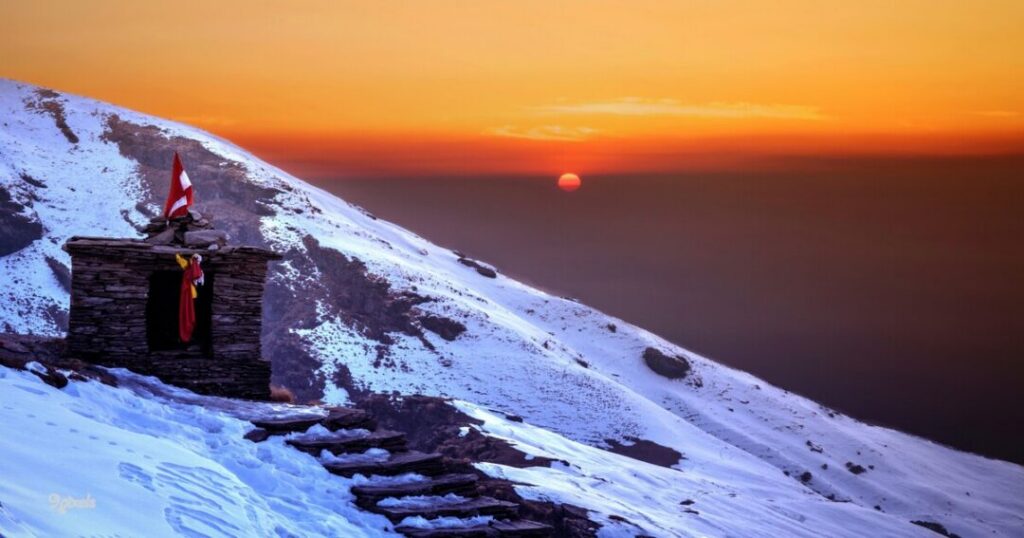
1. Chopta Chandrashila Trek (Short Route)
- Distance: Approximately 10 km round trip
- Duration: 3 days
- Altitude: Around 12,000 ft
- Difficulty: Easy
- Best Season: January–June, September–December
- Starting Point: Chopta
The shortest route on this list combines a walk through meadows often nicknamed the “Mini Switzerland” of Uttarakhand with a stop at Tungnath, the world’s highest Shiva temple. From there, a short additional climb reaches Chandrashila, where Nanda Devi, Kedarnath, and Chaukhamba fill the skyline.
- Well-paved trail with minimal elevation gain per day
- A rare mix of temple visit and summit view in a single short trek
- Manageable for trekkers with only light hiking experience
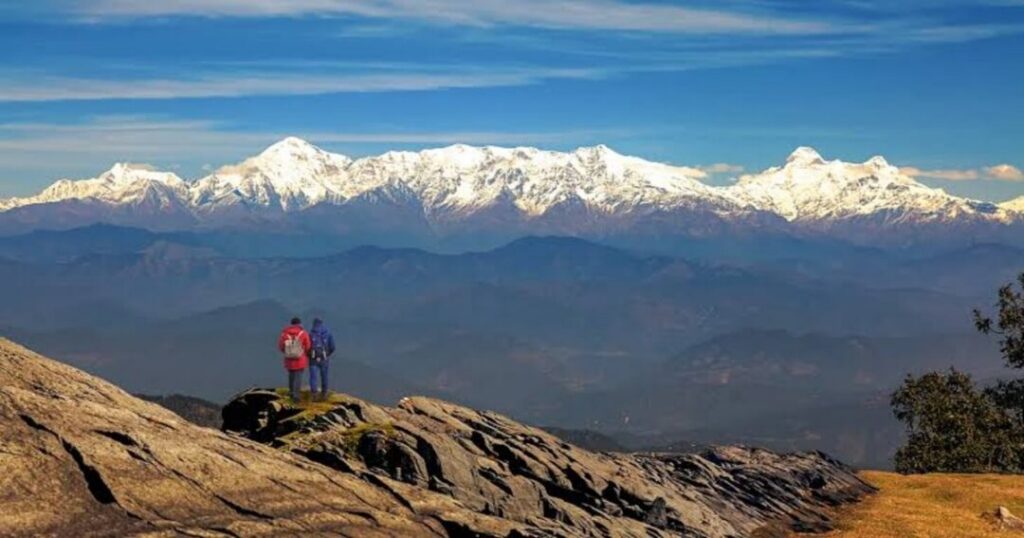
2. Binsar Weekend Trek
- Distance: Roughly 10–15 km (route-dependent; some operators cite longer variations)
- Duration: 2 days
- Altitude: Around 8,100 ft
- Difficulty: Easy
- Best Season: Nearly year-round, best January–June and September–December
- Starting Point: Binsar area, Kumaon
A genuine weekend trek, Binsar leads through dense oak and rhododendron forest into the Binsar Wildlife Sanctuary, with Kumaon Himalaya views of Nanda Devi and Trishul along the way.
- Shortest overall time commitment on this list
- Wildlife sanctuary adds a nature-spotting element beyond mountain views
- Ideal first trek for someone who’s never camped overnight before
3. Nag Tibba Trek
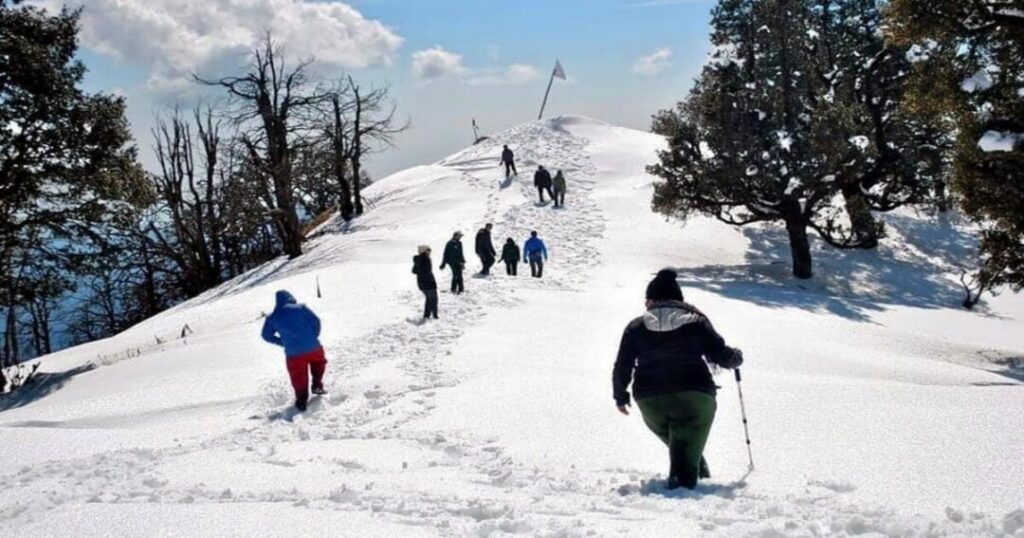
- Distance: Approximately 16 km round trip
- Duration: 2–3 days
- Altitude: Around 9,900–10,000 ft
- Difficulty: Easy
- Best Season: October–April
- Starting Point: Pantwari village
Nag Tibba’s summit ridge delivers a surprisingly wide payoff for a short trek: Bandarpoonch, Kedarnath, Gangotri, and Swargarohini are all visible from the top on a clear day.
- Doable as a genuine weekend trip from Dehradun or Mussoorie
- Oak forest trail with clear, well-trodden paths
- Short enough that even a first snow trek feels manageable
Also Read: Nag Tibba Trek: The Complete Guide to the Serpent’s Peak Weekend Trek
4. Gulabi Kantha Trek
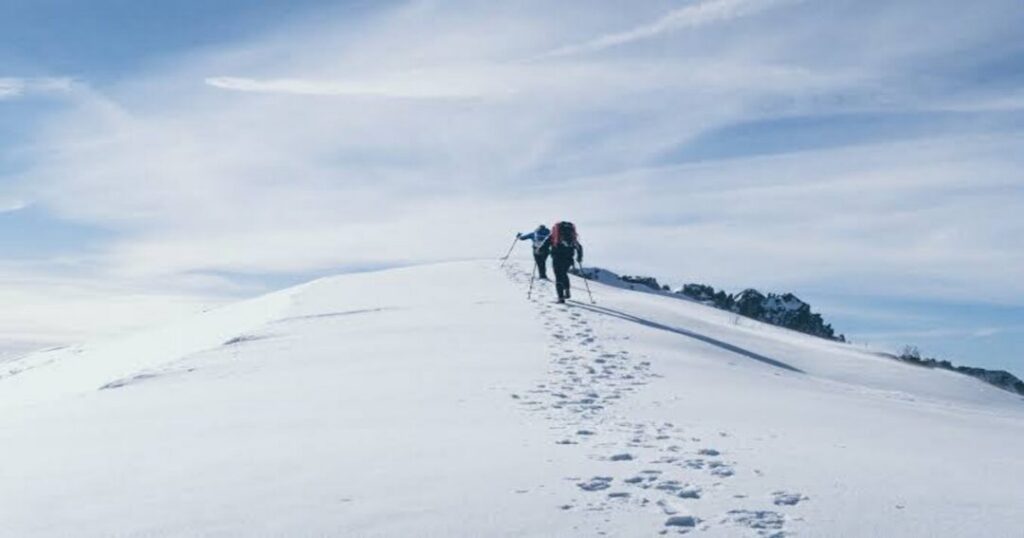
- Distance: Approximately 16 km across the full multi-day route
- Duration: 5 days
- Altitude: Around 13,200 ft
- Difficulty: Easy
- Best Season: April–June, September–November, November–February
- Starting Point: Yamuna Valley (near Nishni village)
Less crowded than most names on this list, Gulabi Kantha moves through oak, maple, and cedar forest before opening into rhododendron-lined meadows, with wide-open campsites at Seema Thatch.
- Quiet trail with far fewer trekkers than Kedarkantha or Dayara Bugyal
- Rhododendron blooms make spring especially rewarding
- Gentle daily distances despite the 5-day itinerary
5. Dayara Bugyal Trek
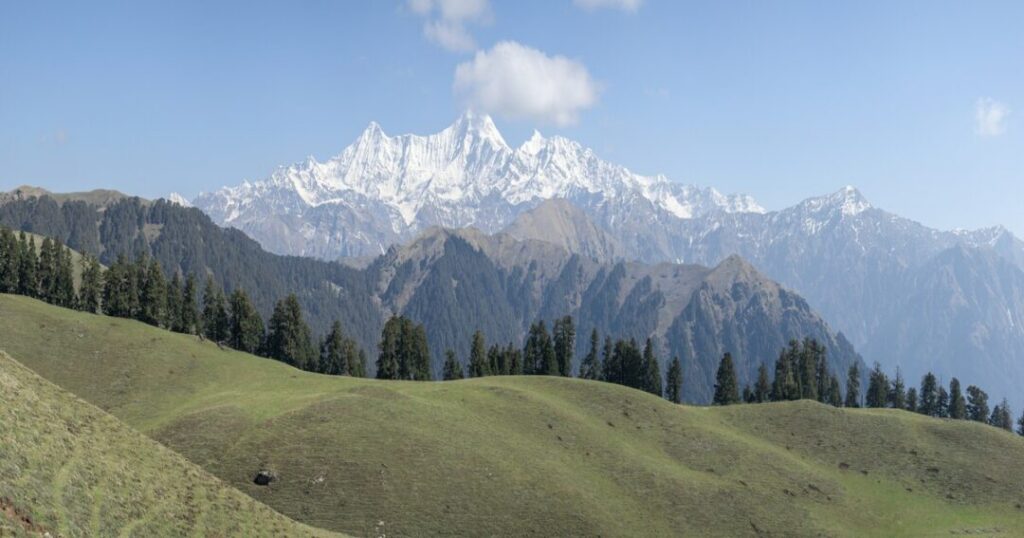
- Distance: Approximately 18–22 km round trip (sources vary on exact figure)
- Duration: 4–6 days depending on operator
- Altitude: Around 12,000–12,100 ft
- Difficulty: Easy
- Best Season: March–June, September–December
- Starting Point: Raithal
One of the most-recommended best himalayan treks for beginners in the country, Dayara Bugyal trades steep climbs for wide-open alpine meadows that turn snow-white in winter and wildflower-bright in spring.
- Among the gentlest gradients of any high-altitude meadow trek in India
- Panoramic views of Bandarpoonch, Srikanth, and the Gangotri range
- Frequently used as a first-ever trek for total beginners
6. Kedarkantha Trek
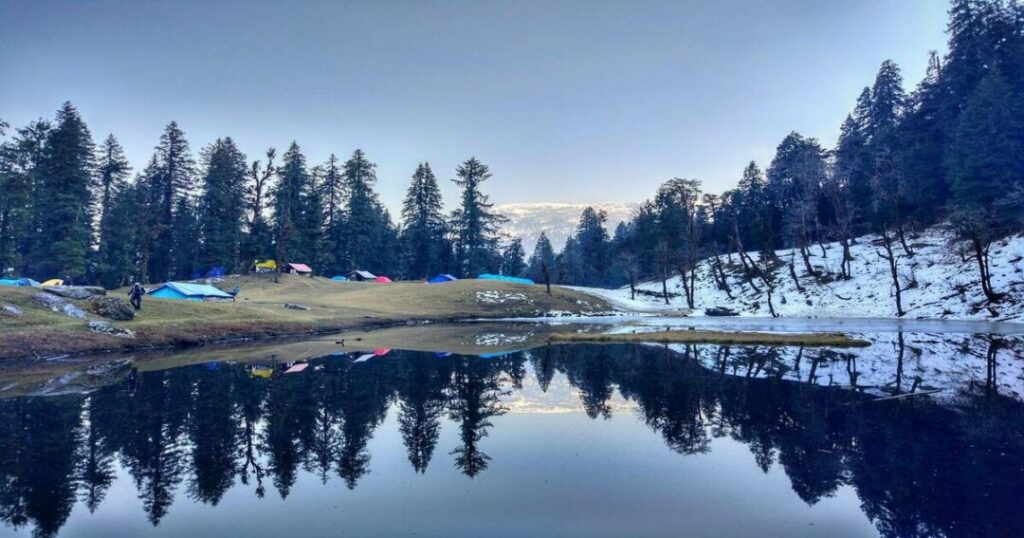
- Distance: Approximately 20–23 km round trip
- Duration: 5–6 days
- Altitude: Around 9,900–12,500 ft depending on route measurement
- Difficulty: Easy to Moderate
- Best Season: December–April
- Starting Point: Sankri
India’s most popular winter trek earns its reputation honestly: snow-covered pine forest, a genuinely achievable summit day, and views of Swargarohini, Black Peak, and Bandarpoonch that rival much harder treks.
- The most beginner-friendly way to experience proper Himalayan snow trekking
- Well-established trekking infrastructure and marked campsites
- Summit push is steep but short, not a multi-hour technical climb
7. Brahmatal Trek
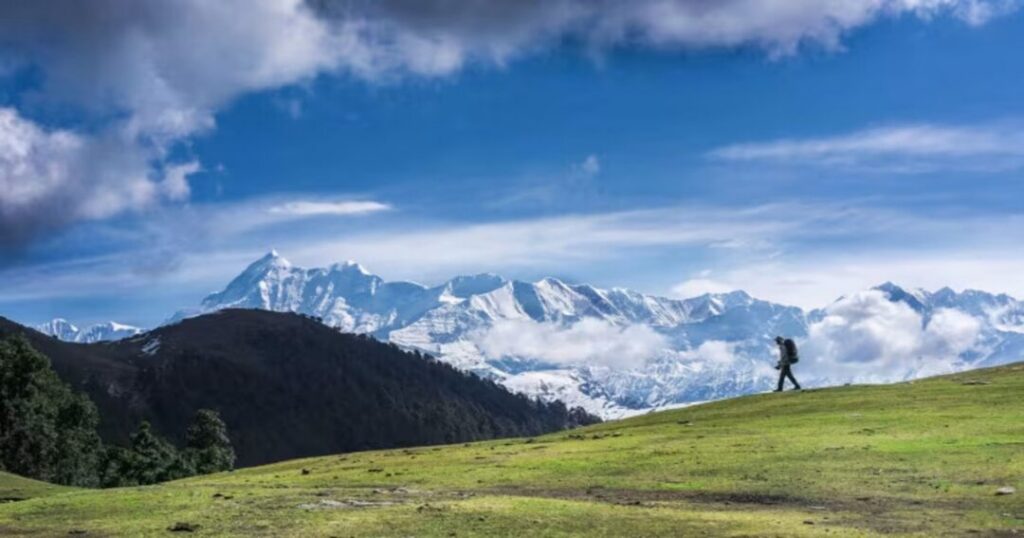
- Distance: Approximately 21.5–23 km (some routes extend to 30 km over 5 days)
- Duration: 4–6 days
- Altitude: Around 12,300 ft
- Difficulty: Easy to Moderate
- Best Season: December–April
- Starting Point: Lohajung
Brahmatal’s namesake lake, dedicated to Lord Brahma, freezes over in winter beneath Mt. Trishul and Mt. Nanda Ghunti, making this one of the better snow-and-lake combinations for a first Himalayan winter trek.
- Well-marked trail through silent snow forest
- Frozen lake adds a distinct visual payoff beyond just summit views
- Comparable difficulty to Kedarkantha, useful as a less-crowded alternative
Also Read: Kedartal Trek: Distance, Height, Best Time & Package Guide
Best Himalayan Treks for Beginners in Himachal Pradesh
Himachal rounds out the list with three trails, each built around Manali or Dharamshala as an easy access point.
8. Beas Kund Trek
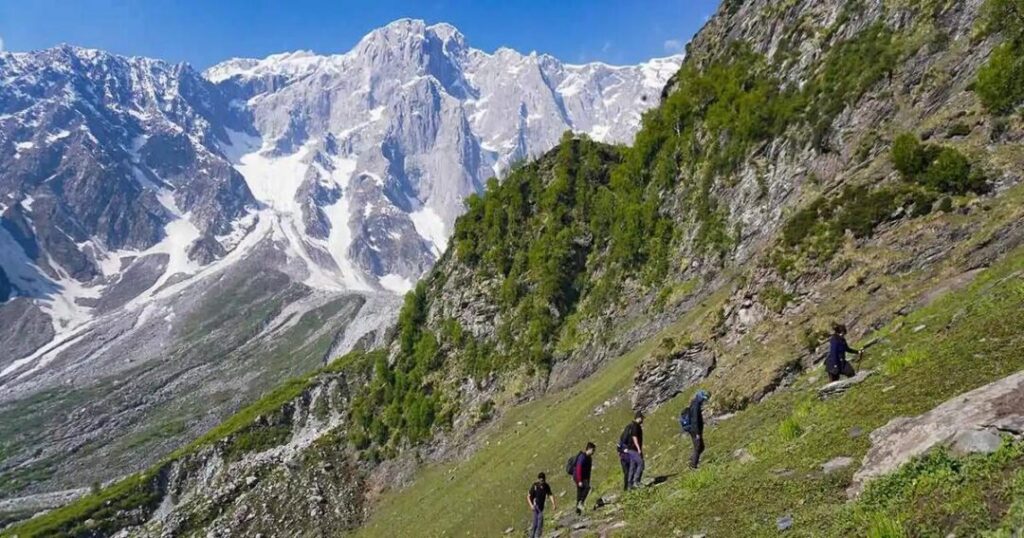
- Distance: Approximately 16–18 km round trip
- Duration: 3–4 days
- Altitude: Around 12,800 ft
- Difficulty: Easy to Moderate
- Best Season: May–October
- Starting Point: Solang Valley, Manali
Beas Kund marks the glacial source of the Beas River, and legend holds that Sage Veda Vyasa once meditated at this exact spot. The trail from Manali passes through meadows and streams before reaching the lake beneath Hanuman Tibba and Friendship Peak.
- One of the shortest routes to an actual glacial lake in the Himalayas
- Easy access directly from Manali, no long approach drive needed
- Short duration makes it ideal for trekkers with limited vacation time
9. Chandrakhani Pass Trek
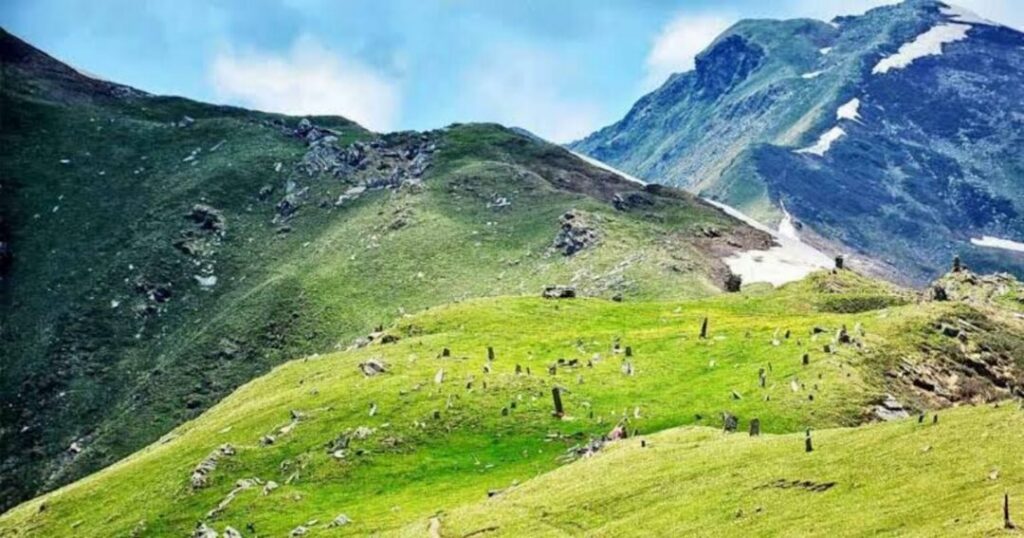
- Distance: Reported between roughly 17–26 km depending on the exact base camp and route variation
- Duration: 5 days
- Altitude: Around 12,100 ft
- Difficulty: Easy to Moderate
- Best Season: May–July
- Starting Point: Near Manali, via Rumsu or Naggar
Chandrakhani rewards trekkers with views of the Pir Panjal and Dhauladhar ranges, plus Deo Tibba, Hanuman Tibba, and Indrasan, while passing through villages with genuine old-world character.
- Quieter, more offbeat than Beas Kund or Hampta Pass
- Gentle overall gradient suited to a first multi-day trek
- Cultural stops in Himachali villages add context beyond scenery
10. Kareri Lake Trek
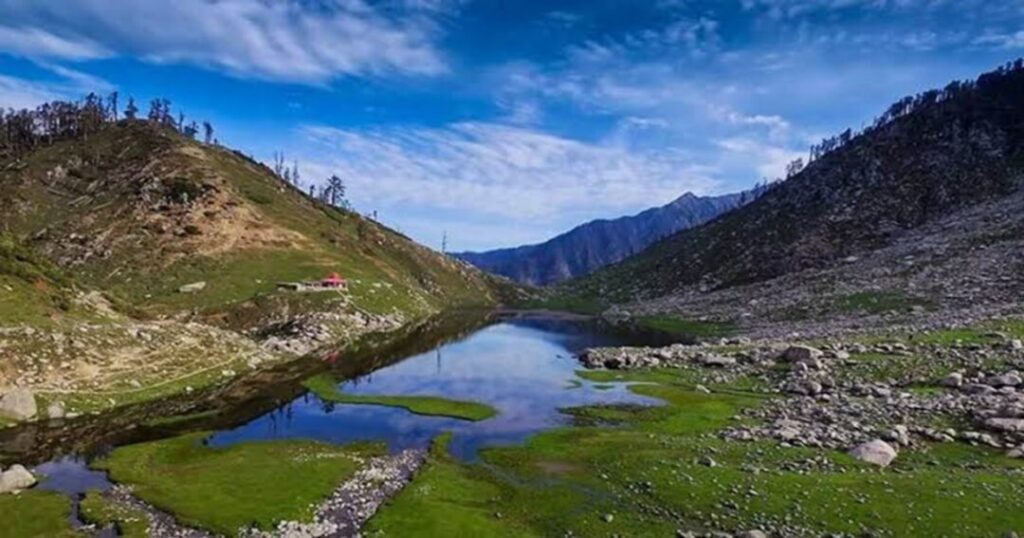
- Distance: Approximately 26 km round trip (about 13 km one way from Kareri village)
- Duration: 3 days
- Altitude: Around 9,600 ft
- Difficulty: Easy
- Best Season: April–June
- Starting Point: Kareri village, near Dharamshala
Set in the Dhauladhar range rather than the more crowded Manali corridor, Kareri Lake is a clear-water alpine lake reached through forest and stream-crossing trails, with a lower average altitude than most other entries here.
- Lower altitude reduces the risk of altitude-related discomfort for first-timers
- Dhauladhar backdrop offers a different look from Uttarakhand’s meadow treks
- Manageable single-lake destination without a technical summit push
Not sure which of these ten actually fits your fitness level and dates? Ask NIVU AI in the Explurger app to compare distance, altitude, and season across all ten and recommend the one that matches your profile.
Also Read: Karnala Fort Trek: Distance, Time, Difficulty & Entry Fee Guide
Best Himalayan Treks for Beginners: Quick Comparison Table
| Trek | Distance | Duration | Altitude | Difficulty |
| Chopta Chandrashila (Short) | ~10 km | 3 days | ~12,000 ft | Easy |
| Binsar Weekend | ~10–15 km | 2 days | ~8,100 ft | Easy |
| Nag Tibba | ~16 km | 2–3 days | ~9,900 ft | Easy |
| Gulabi Kantha | ~16 km | 5 days | ~13,200 ft | Easy |
| Beas Kund | ~16–18 km | 3–4 days | ~12,800 ft | Easy–Moderate |
| Dayara Bugyal | ~18–22 km | 4–6 days | ~12,000 ft | Easy |
| Kedarkantha | ~20–23 km | 5–6 days | ~12,500 ft | Easy–Moderate |
| Brahmatal | ~21.5–23 km | 4–6 days | ~12,300 ft | Easy–Moderate |
| Chandrakhani Pass | ~17–26 km | 5 days | ~12,100 ft | Easy–Moderate |
| Kareri Lake | ~26 km | 3 days | ~9,600 ft | Easy |
[QUOTE: “The distance number matters more than people think — a 10 km trek and a 26 km trek both get called ‘beginner-friendly,’ but they feel completely different by day three.” — suggested source: trekking guide or operator interview]
Best Himalayan Treks India Has for a Spring Start
If spring is your window, several of the best Himalayan treks India offers line up well with the March–June season.
- Dayara Bugyal and Gulabi Kantha bloom with wildflowers and rhododendrons during this stretch.
- Chandrakhani Pass and Beas Kund open up from roughly May onward, once winter snow clears from the higher sections.
- Chopta Chandrashila stays accessible from January through June, making it one of the more flexible spring options.
Best Summer Treks in Himalayas: Which of These 10 Beat the Heat
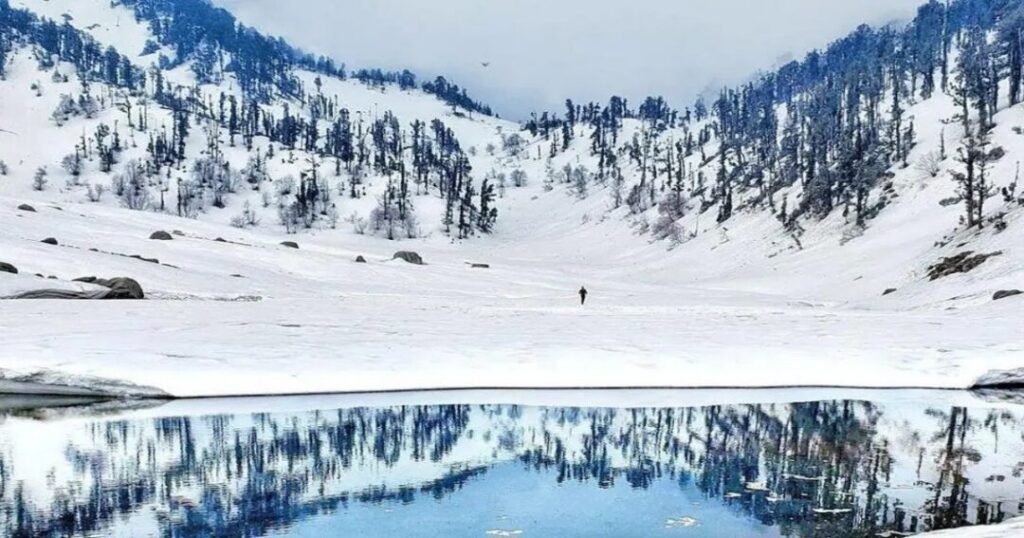
For travelers planning around the plains’ summer heat, the best summer treks in the Himalayas on this list offer a cooler alternative without requiring advanced fitness.
- Kareri Lake (April–June) and Beas Kund (May–October) both stay comfortably walkable through peak summer months.
- Chandrakhani Pass (May–July) is specifically timed for this window.
- Avoid Kedarkantha and Brahmatal in summer — both are built around winter snow conditions and lose their main appeal once the snow melts.
Best Trekking in Himalayas vs Best Trekking Places in Himalayas: How to Choose?
Deciding what counts as the best trekking in Himalayas for you personally comes down to three factors: how many kilometers you want to walk, which season you’re traveling in, and what kind of scenery pulls you in.
- Want the shortest possible first trek? Start with Chopta Chandrashila (short route) or Binsar.
- Want snow without technical difficulty? Kedarkantha and Brahmatal remain the two most beginner-proven winter options.
- Want a glacial lake with easy access? Beas Kund from Manali is hard to beat for convenience.
- Want fewer crowds? Gulabi Kantha and Chandrakhani Pass see noticeably less foot traffic than the more famous names on this list.
Among all the best trekking places in the Himalayas, what separates a good first trek from a frustrating one usually isn’t the scenery; it’s whether the daily distance matches your actual fitness, not your aspirational fitness.
Traveller’s Experience
[QUOTE: “I picked my first trek based on Instagram photos and ended up on a 26 km route on day one of ever trekking. Wish someone had shown me the distance chart first.” — suggested source: first-time trekker forum post]
Best Himalayan Treks: Trekking Tips for First-Timers
A few practical habits make the difference between a good first experience and a rough one, regardless of which of the best Himalayan treks you pick.
- Start walking or light hiking regularly for at least 2–3 weeks before departure.
- Invest in proper trekking shoes with ankle support, not regular sneakers.
- Pack in layers; Himalayan weather shifts fast even within a single day.
- Keep a slow, steady pace rather than rushing early sections.
- Trek with certified guides or established operators, especially for your first outing.
- Use the Explurger app to save trek options to your Bucket List, log completed routes on your
- Automatic Travelogue, and get personalized planning help from NIVU AI as you compare options.
Conclusion
The best first trek isn’t the one with the most dramatic photos; it’s the one whose distance, altitude, and season actually match where you are right now as a trekker. Whether that’s a 10 km weekend walk to Binsar or a snowy 20 km push to Kedarkantha’s summit, these Himalayan treks for beginners all deliver real Himalayan scenery without demanding expert-level fitness. Save your shortlist to your Explurger Bucket List, and once you’re back, your Automatic Travelogue will have the whole route mapped alongside every trek that follows.
Ready to explore? Download the Explurger app and start your journey today.
Pick the shortest trek on this list that still excites you, and let every trek after that get a little more ambitious.
FAQs About Himalayan Treks for Beginners
2. What is the best season for Himalayan trekking?
Spring (March–May) and autumn (September–November) generally offer pleasant weather, clear skies, and excellent trail conditions across most Himalayan regions.
3. Do beginners need prior trekking experience?
No. Most Himalayan treks for beginners are designed for people with good basic fitness and require no previous trekking experience.
4. What should I pack for my first Himalayan trek?
Carry layered clothing, waterproof trekking shoes, a backpack, trekking poles, a reusable water bottle, sunscreen, basic medicines, and weather-appropriate gear.
5. Are Himalayan treks for beginners safe?
Yes, when you trek with a reliable operator, follow safety guidelines, and acclimatize properly, beginner Himalayan treks are generally safe.