

There are journeys you plan, and then there are journeys that call you. The Kailash Mansarovar yatra belongs firmly in the second category. It is not just a pilgrimage or a high-altitude expedition. It is a convergence of faith, geography, endurance, and personal transformation set against one of the most remote landscapes on Earth.
For some, the Kailash Mansarovar yatra is a spiritual obligation. For others, it is an exploration of the raw Himalayas. And increasingly, for bikers and modern travelers, it has become one of the most challenging and rewarding routes to conquer.
Routes to Reach Kailash Mansarovar | Kailash Mansarover Itinerary
The Kailash Mansarovar yatra can be undertaken through multiple routes, each offering a different experience in terms of duration, comfort, and physical intensity. The Mount Kailash yatra typically spans 10 to 24 days depending on the route, while the parikrama itself takes a minimum of 3 days.
1. Government Route via India
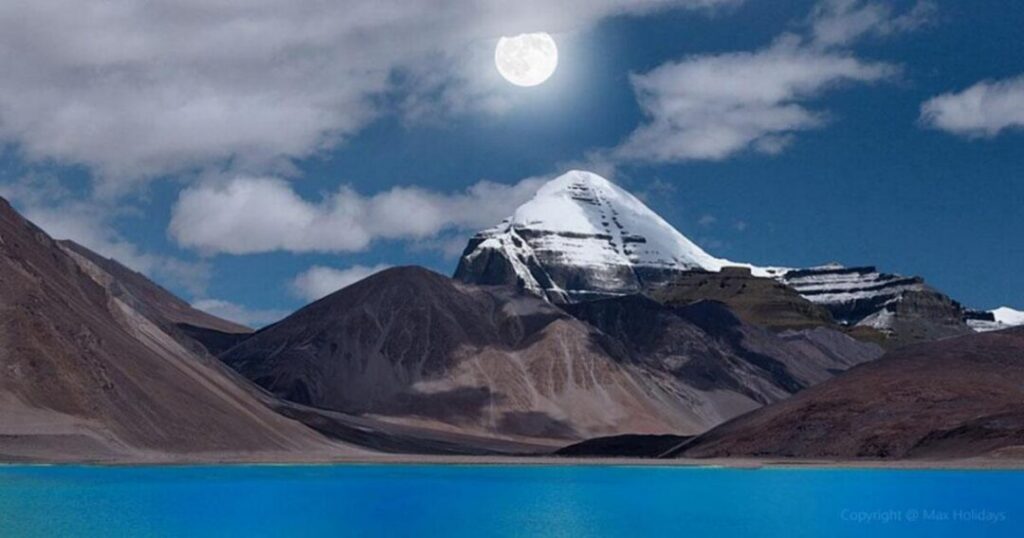
Organized by the Ministry of External Affairs, this is the most traditional way to undertake the Kailash yatra, known for its rigorous screening and structured planning.
- Lipulekh Pass (Uttarakhand) – Trek-intensive and physically demanding. Takes ~24 days.
- Nathu La Pass (Sikkim) – Largely motorable and more accessible. Takes ~20–22 days.
👉 This route is best suited for those looking for a more authentic and government-regulated mount Kailash yatra experience.
2. Nepal Overland Route (Kerung)
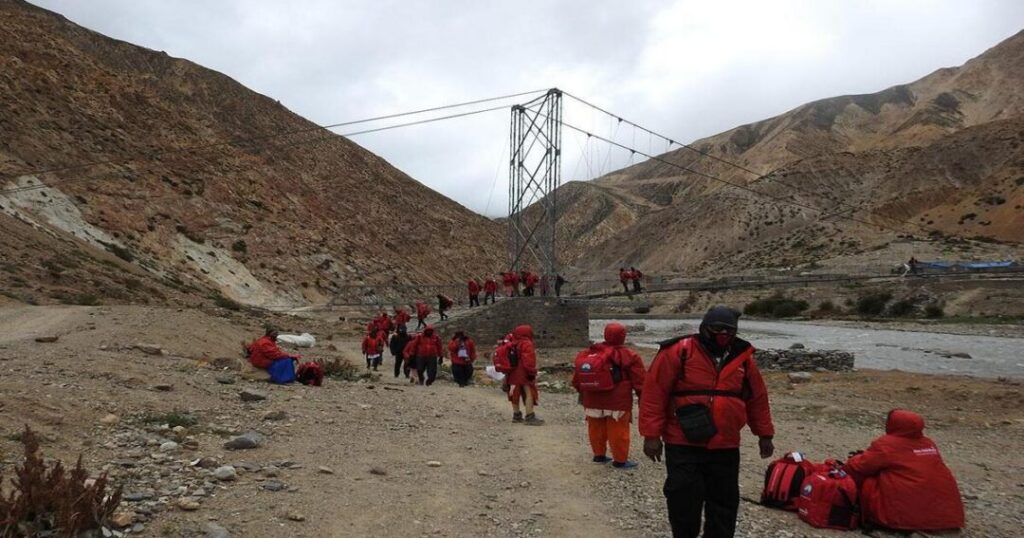
The most popular and practical option for the Kailash Mansarovar yatra, especially for travelers seeking a balance between comfort and experience. This route allows gradual acclimatization and smoother logistics.
- Travel begins in Kathmandu
- Cross into Tibet via Kerung
- Continue by road through Saga to Mansarovar and Darchen
👉 This route makes it possible to complete much of the journey by road, making the Mansarovar by road a preferred option for many travelers. Duration is typically ~14 days.
3. Nepal Helicopter Route (Simikot – Hilsa)
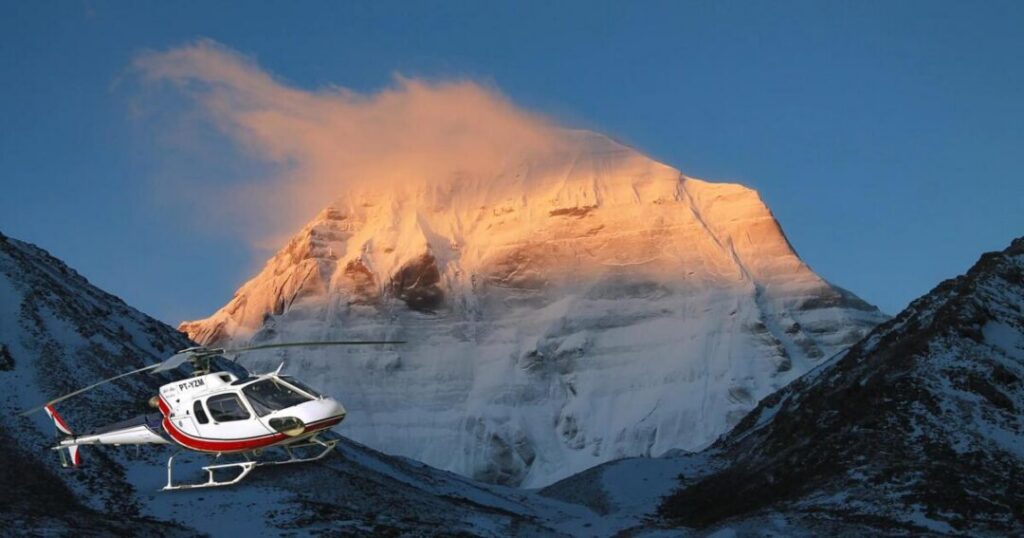
This is the fastest way to complete the Kailash Mansarovar yatra, designed for those with limited time or lower tolerance for long road journeys.
- Kathmandu → Nepalgunj → Simikot (flights)
- Simikot → Hilsa (helicopter)
- Enter Tibet → Taklakot → Mansarovar → Darchen
👉 This version reduces travel time to ~9–10 days but still requires completing the parikrama on foot.
4. Lhasa Route (Fly-in Tibet Route)
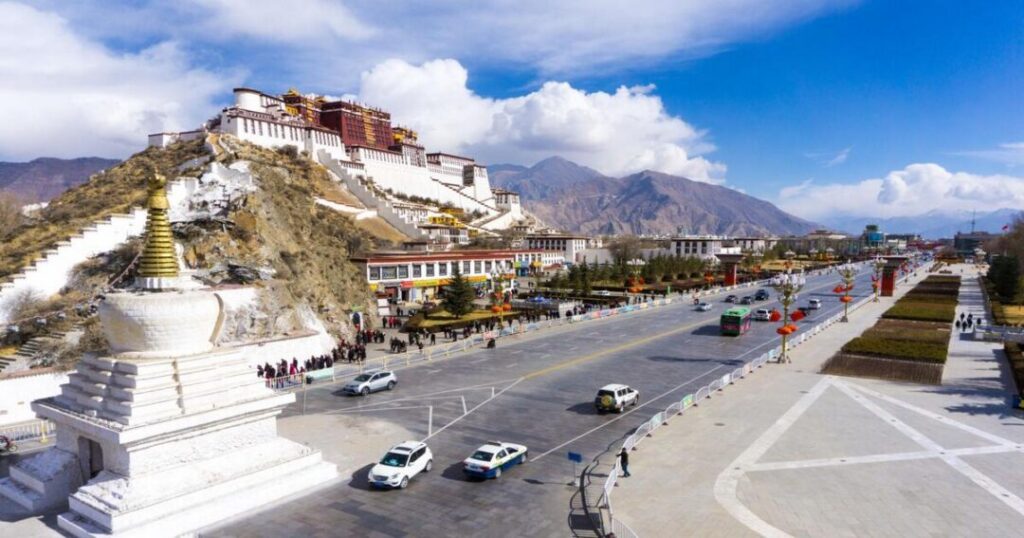
A more scenic and culturally immersive route for the Kailash Mansarovar yatra, offering gradual altitude gain and deeper exposure to Tibetan landscapes.
- Fly from Kathmandu to Lhasa
- Travel overland via Shigatse and Saga
- Reach Mansarovar and Darchen
👉 This is ideal for travelers who want a more exploratory experience through the himalaya Kailash Mansarovar region. Duration ranges from 14–16 days.
Itinerary Breakdown for India Route | Lipulekh Pass (Uttarakhand)
This version of the Kailash Mansarovar yatra typically runs 23–25 days and involves significant trekking through Uttarakhand before entering Tibet.
Delhi → Almora / Dharchula (3 days)
Dharchula → Lipulekh Pass trek (7 days)
Trek through:
- Tawaghat
- Pangu
- Gunji
- Kalapani
- Navidhang
👉 This is the most intense segment of the Kailash Mansarovar yatra, involving high-altitude trekking, basic stays, and long walking hours.
Cross Lipulekh Pass into Tibet
Taklakot → Lake Mansarovar → Darchen (3 days)
Parikrama (3 days)
Return via same route
Itinerary Breakdown for India Route | Nathu La Pass (Sikkim)
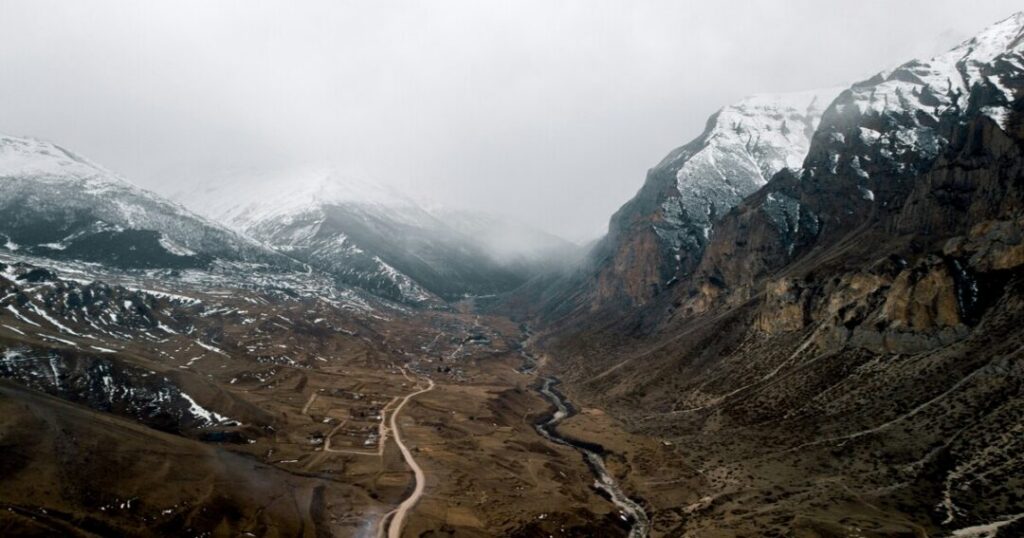
Organized by the Ministry of External Affairs, this version of the Kailash Mansarovar yatra takes 20–22 days and is largely motorable.
Delhi for medical tests
Delhi → Gangtok
Gangtok → Nathu La Pass → Tibet
👉 No trekking required to cross into Tibet during the Kailash Mansarovar yatra.
Nathu La → Lhasa / Shigatse → Saga
Saga → Lake Mansarovar → Darchen
Parikrama (3 days)
Return via same route
Itinerary Breakdown for Nepal Route
This is a flexible template, as variations exist based on operator, acclimatization, and logistics. It is widely considered the most efficient route for the Kailash Mansarovar yatra.
Arrival in Kathmandu
Kathmandu sightseeing and preparation
Kathmandu → Syabrubesi
Syabrubesi → Kerung
Kerung (Acclimatization)
Kerung → Saga
Saga → Lake Mansarovar
Mansarovar → Darchen
Kailash Parikrama (3 days):
- Dirapuk
- Dolma La Pass
- Zutulpuk
Saga → Kerung (Return)
Kerung → Kathmandu
Understanding the Spiritual and Cultural Significance|Mansarovar yatra|
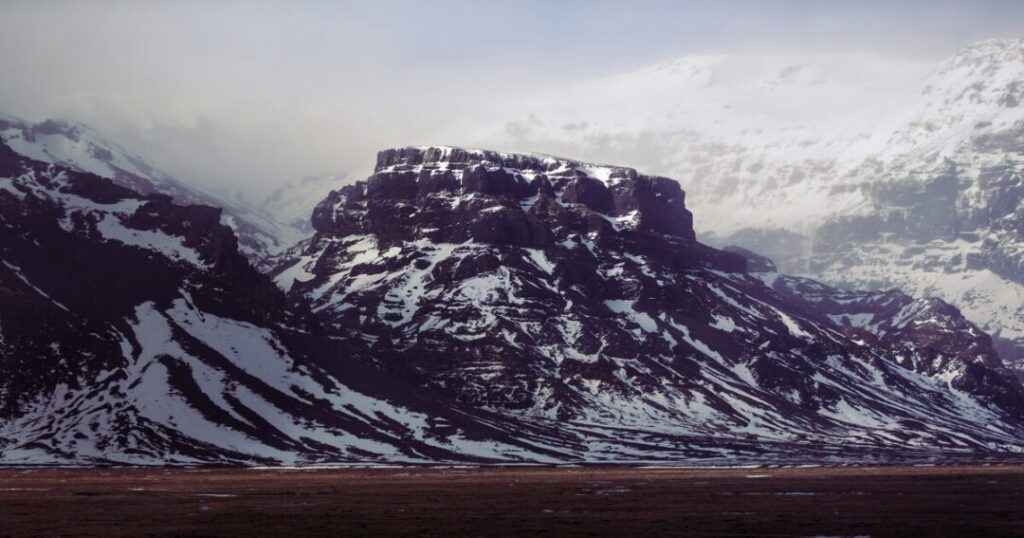
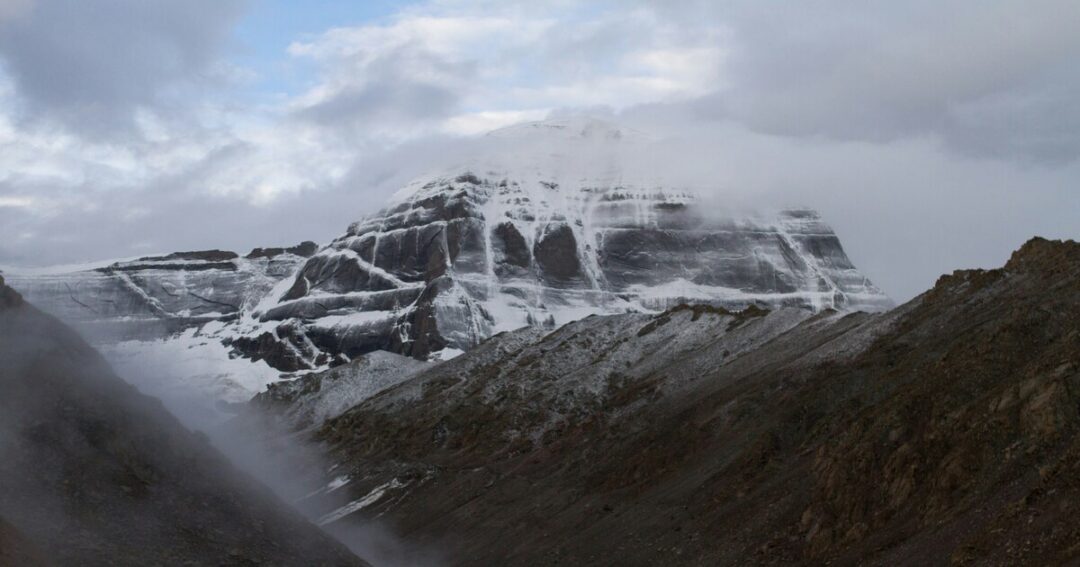
At the heart of the Kailash Mansarovar yatra lies Mount Kailash, a peak unlike any other. Despite being lower than Everest, at 6,638 meters, it remains unclimbed, not due to technical difficulty alone, but because of its sacred status across multiple religions like Hinduism, Buddhism, Jainism and the Bon religion, and of course, the formal ban by Chinese authorities.
The surrounding region, often referred to as the Kailash Himalaya, is believed to be the axis mundi, the center of the universe in many ancient cosmologies. Hindus consider it the abode of Lord Shiva, Buddhists associate it with Demchok, and Jains believe it is where Rishabhdev attained liberation.
This deep-rooted reverence is what elevates the Kailash Mansarovar yatra beyond tourism into something far more profound.
💡 Many believe the Kailash Mansarovar temple exists as a physical structure. In reality, the mountain itself is the sacred entity, and Mount Kailash darshan refers to witnessing the peak.
💡 The mt Kailash yatra is not about reaching a temple but about experiencing the energy of the landscape.
The Kailash Mansarovar Journey
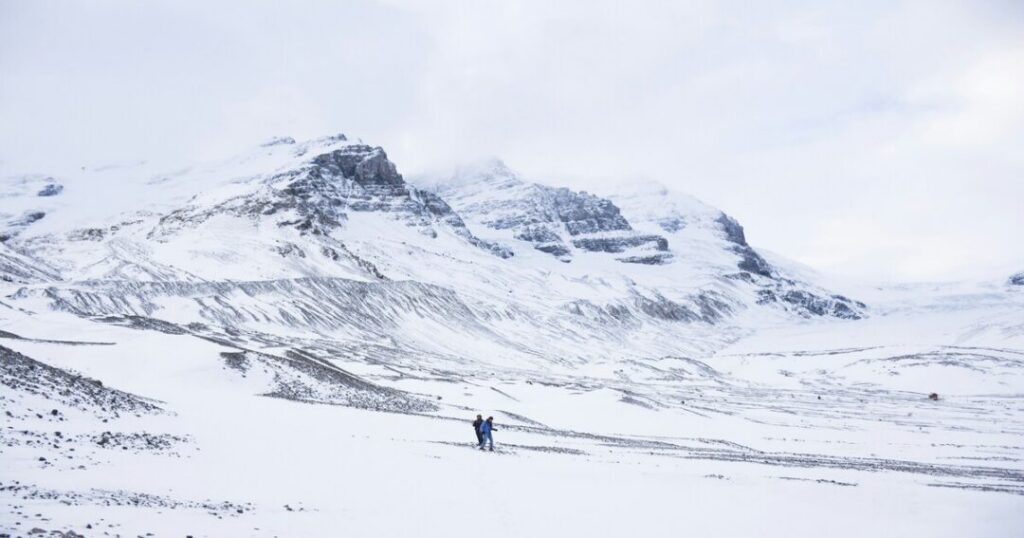
The Kailash Mansarovar yatra is a pilgrimage to Mount Kailash and the nearby Lake Mansarovar, located in the Tibet Autonomous Region of China. The journey typically involves traveling through India or Nepal, followed by entry into Tibet. The term mount Kailash Mansarovar is often used to describe the combined spiritual geography of the mountain and the lake, both of which are integral to the experience.
Pilgrims aim to complete a parikrama (circumambulation) of Mount Kailash and take a holy dip in Lake Mansarovar, believed to cleanse sins and bring spiritual liberation.
Best Time to Plan Your Kailash Mansarovar Yatra
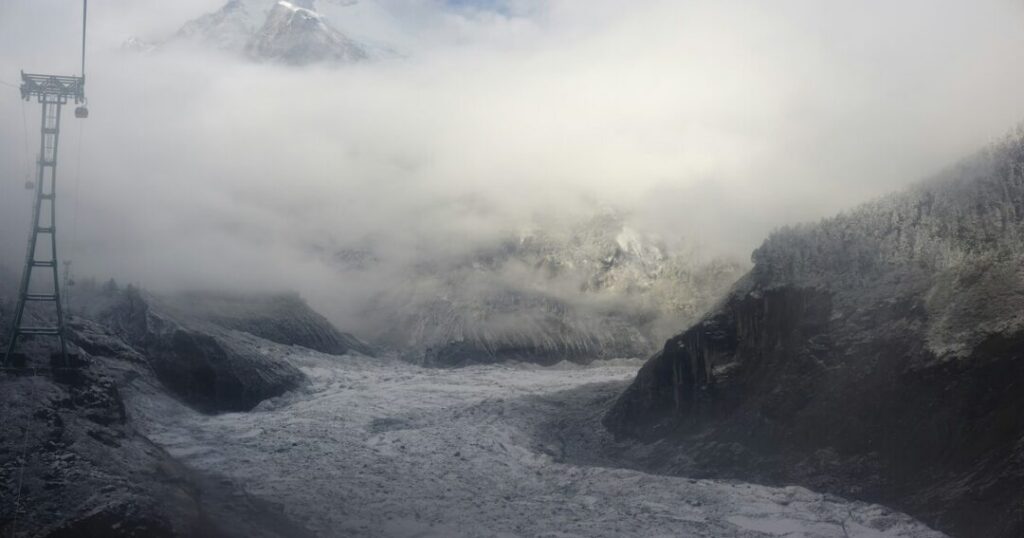
Timing plays a critical role in the success of the Kailash Mansarovar yatra.
- Ideal months: May to September
- Peak season: June to August
Weather conditions in the Himalaya Kailash Mansarovar region are unpredictable, with temperatures dropping sharply even in summer. Clear skies during peak months improve visibility for darshan and trekking conditions.
Planning your Kailash Mansarovar yatra within this window ensures safer passage and better overall experience.
Kailash Mansarovar yatra cost
The cost of the yatra can range anywhere from INR 1.75 Lac to INR 3 Lacs per person. Permits, transport, guides, accommodation, and medical support all contribute to the overall expense.
Permits and Documentation
Undertaking the Kailash Mansarovar yatra requires multiple clearances:
- Valid passport (6+ month validity)
- Chinese visa
- Tibet Travel Permit
- Medical fitness certificate including BMI
- Indemnity Bond
Due to geopolitical sensitivities, the region around Kailash Mansarovar parvat is strictly regulated. Most permits are cleared 15-60 days before. Ensuring all documentation is in place is non-negotiable.
Physical Preparation and Fitness
The Kailash Mansarovar yatra is not a casual trip. Altitude sickness is a real concern.
Preparation should include:
- Cardiovascular training (running, cycling, trekking) for a minimum of 6 months
- Strength training especially for back and legs.
- Breathing exercises and yoga
- Gradual altitude acclimatization
- Full medical checkup including ECG, blood pressure, blood sugar, cholesterol etc.
Even experienced travelers find the Kailash Mansarovar yatra physically demanding, especially during the parikrama.
What to pack for the Kailash Mansarovar yatra
Packing right can make or break your Kailash Mansarovar yatra.
Key items:
- Thermal wear and layered clothing
- Trekking gear inclusive of water and wind
- UV-protected sunglasses and sunscreen
- Personal medication including AMS
- Energy snacks
- Carry cash in INR and USD
Given the remoteness of the Kailash Mansarovar yatra, access to supplies is limited once you begin.
Adi Kailash vs Kailash Mansarovar
Some travelers consider adi Kailash as an alternative. Located in Uttarakhand, it offers a similar visual experience but lacks the cross-border complexity.
However, the spiritual and cultural depth of the Kailash Mansarovar yatra remains unmatched.
Delhi to Adi Kailash & Om Parvat Bike Ride : Ultimate Guide
Final Thoughts About the Mansarovar Yatra
The Kailash Mansarovar yatra is not designed for comfort. It strips away distractions and forces you into a space where the only constants are nature, breath, and belief. Standing before Lake Mansarovar, with the reflection of Mount Kailash shimmering in its waters, you begin to understand why this journey has endured for centuries.
The Kailash Mansarovar yatra does not promise ease. It promises perspective. And that, more than anything else, is why people return changed.
FAQs About Mansarovar Yatra
2. In which state is Kailash Mansarovar located?
Mount Kailash and Lake Mansarovar are located in the Tibet Autonomous Region of China, not within any Indian state.
3. Can an Indian passport holder go to Kailash Mansarovar?
Yes, Indian citizens can undertake the Kailash Mansarovar yatra with a valid passport, Chinese visa, Tibet permits, and mandatory medical clearance.
4. Which month is best to visit Mount Kailash?
The best time to visit Mount Kailash is between May and September, with June to August offering the most stable weather conditions.
5. Which Himalaya range is Mount Kailash part of?
Mount Kailash lies in the Trans-Himalaya region in the Kailash/ Gangdise range, which is geologically associated with the broader Himalayas system.
6. Why has no one climbed Mount Kailash?
Mount Kailash remains unclimbed due to its immense religious significance, and climbing is restricted out of respect for its sacred status.