
24 Total Views
Lithuania’s festival calendar runs on two very different clocks. Some celebrations repeat every single year, tied to the solstices and the Christian calendar the way they have for centuries; others—most famously the country’s enormous Song and Dance Celebration—only happen once every four or five years, which catches a lot of travelers planning a trip around the wrong date. The festivals in Lithuania covered here span both kinds, plus a genuinely rare event: a Students’ Song Festival returning to Vilnius in 2026 after a ten-year gap. This guide covers the country’s biggest celebrations, breaks the wider calendar down by season, and closes with the exact 2026 dates for anyone planning around them.
Best Festivals in Lithuania
These five give the clearest sense of what Lithuania actually celebrates across a calendar year, from an ancient pagan bonfire night to a UNESCO-listed song tradition.
Dainų šventė (Song and Dance Celebration)
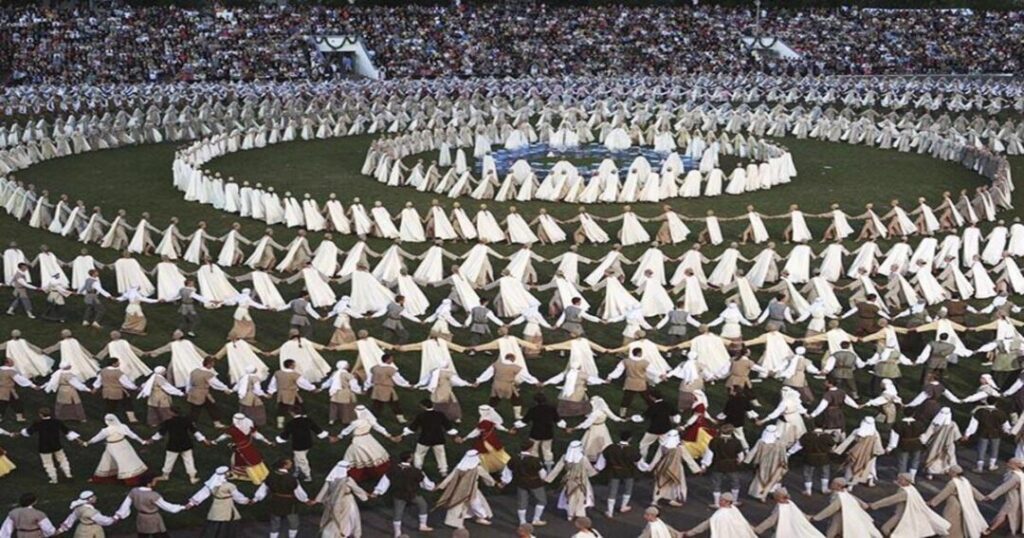
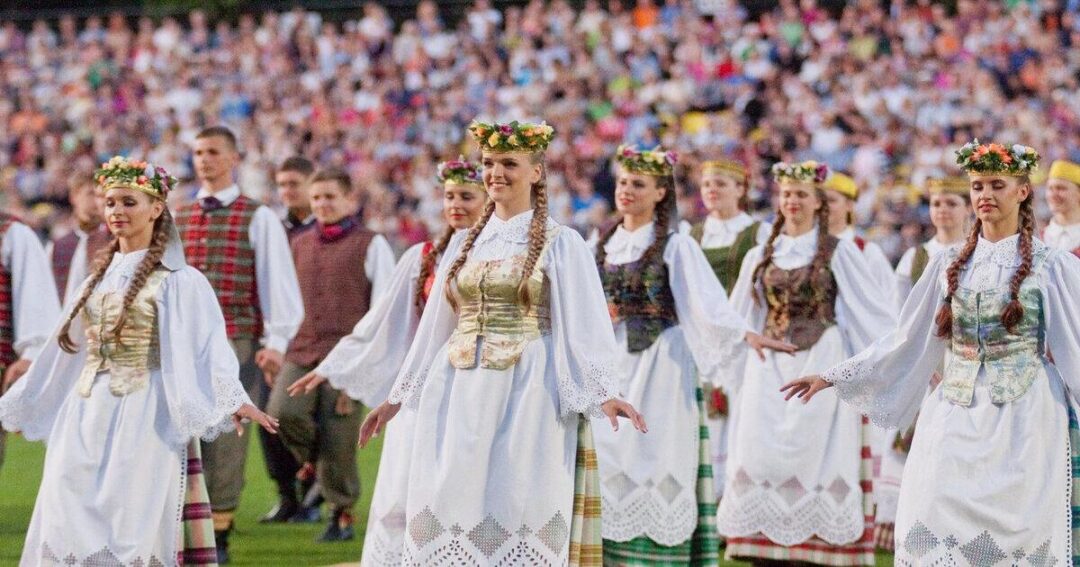
Lithuania’s grandest festival began on August 23, 1924, in Kaunas, when 77 choirs and 3,000 singers performed for 50,000 spectators at an agricultural exhibition. UNESCO recognized the wider Baltic song and dance tradition—shared with Latvia and Estonia—as a Masterpiece of Oral and Intangible Heritage in 2003, later folding it into the Intangible Cultural Heritage list in 2008. The festival now runs on a roughly five-year cycle rather than annually: the most recent edition, a centennial celebration in June-July 2024, drew more than 40,000 participants, and the next full edition isn’t scheduled until 2029—worth knowing before planning a trip around it specifically.
Joninės / Rasos (Midsummer)
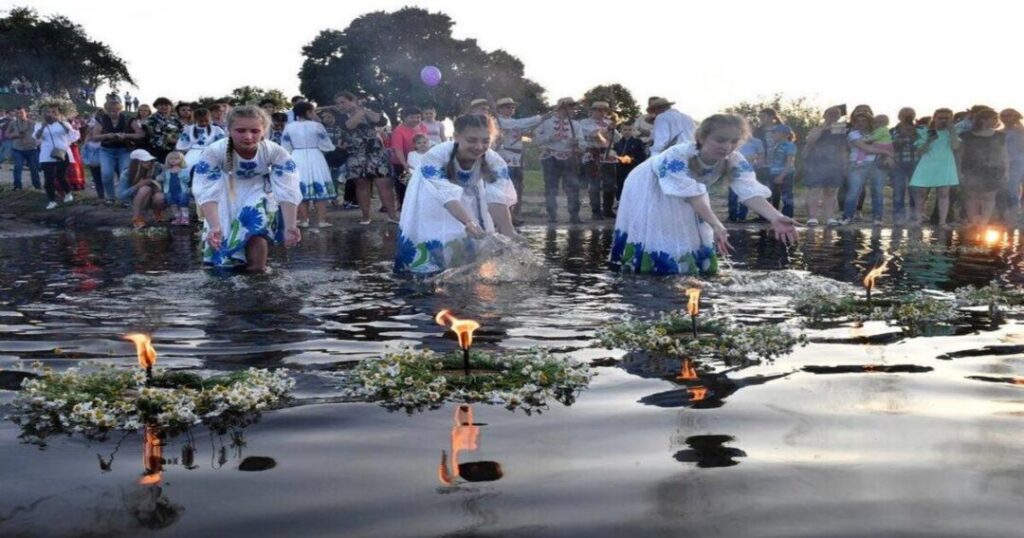
Celebrated on the fixed date of June 23-24, Joninės marks the summer solstice with roots that predate Christianity—the earliest recorded mention comes from a 1372 chronicle written by a Livonian Order chronicler documenting rituals the Teutonic Knights tried to suppress. Celebrations include flower-wreath crowns, all-night bonfires, couples jumping over the flames, and the search for a mythical fern flower said to bloom for one moment at midnight—a tradition still taken seriously enough that people genuinely go looking for it in the woods.
Also Read: Festivals in Kazakhstan: Nauryz, Music Festivals, and the Nation’s Biggest Celebrations
Užgavėnės
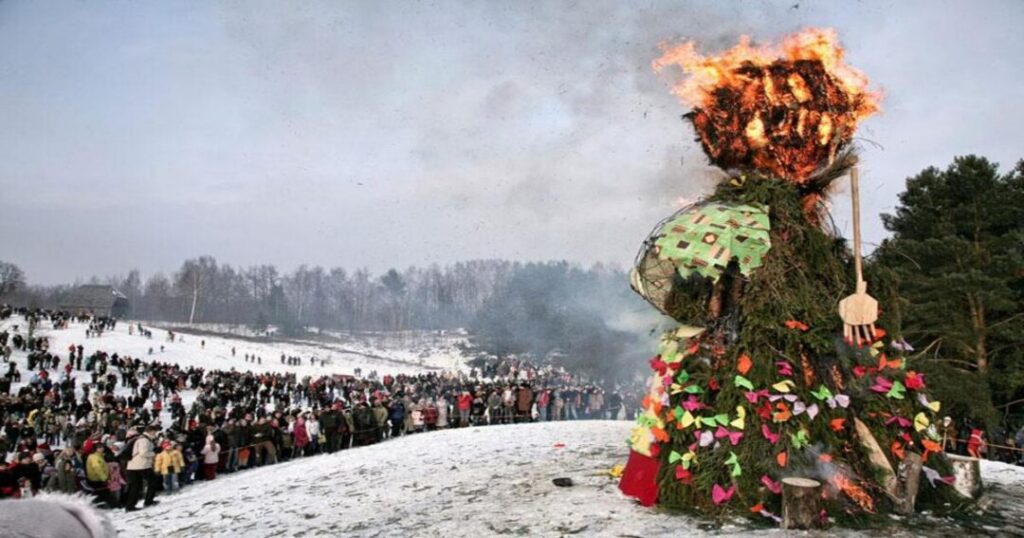
Lithuania’s answer to Mardi Gras falls on the Tuesday before Ash Wednesday, a moveable date tied to the Easter calendar. The day centers on a mock battle between Lašininis (representing winter) and Kanapinis (representing spring), the burning of a winter effigy named Morė, masked revellers dressed as devils, witches, and goats, and stacks of traditional pancakes eaten to mark the end of the eating-heavy pre-Lenten season.
Kaziuko mugė (St. Casimir’s Fair)
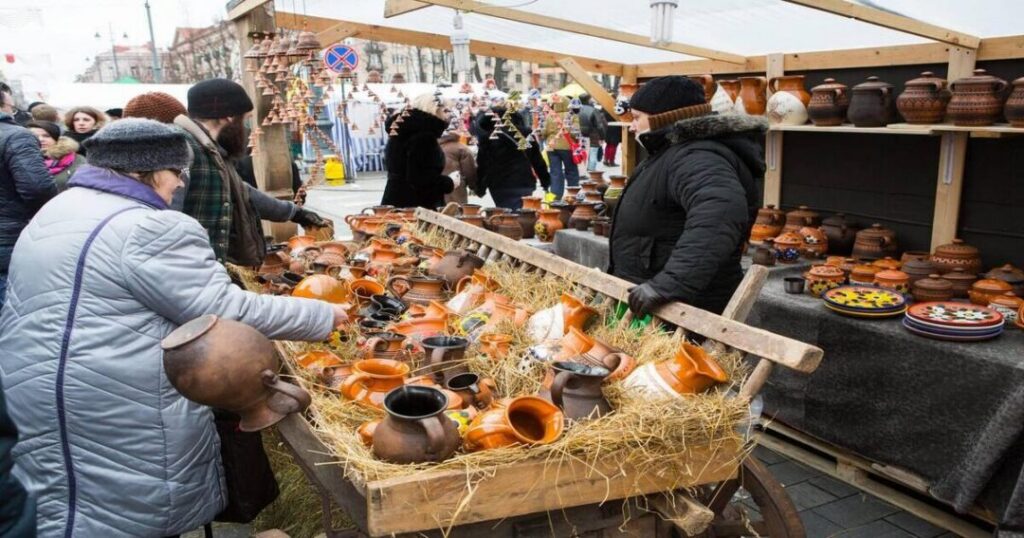
Running since the early 17th century and interrupted only by World War II, this Vilnius Old Town fair falls on the weekend nearest March 4, the feast day of Lithuania’s patron saint, Casimir. What began as a modest merchants’ gathering now draws roughly half a million visitors and 2,000 vendors over three days, selling handmade textiles, toys, and the fair’s signature items: intricately decorated verbos (dried-flower Easter palms) and heart-shaped gingerbread traditionally given as gifts.
Skamba skamba kankliai
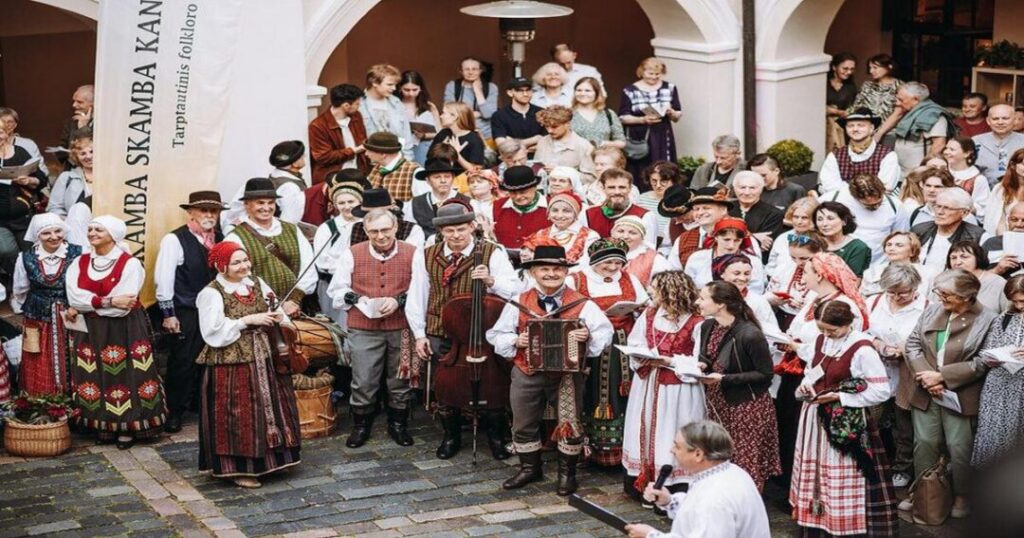
First held as a concert in October 1973 before becoming an annual festival in May 1974, Skamba skamba kankliai bills itself as one of Europe’s few genuinely authentic ethnic music festivals. Held every year on the last weekend of May across venues scattered through Vilnius Old Town—courtyards, the Bernardine Garden, St. Catherine’s Church, and the Vilnius County Public Library—it mixes traditional song and dance performances with instrumental concerts, folk art markets, and gatherings of village singers from across the country.
Also Read: Festivals in Israel: The Complete Guide
Festivals in Lithuania: Calendar by Season
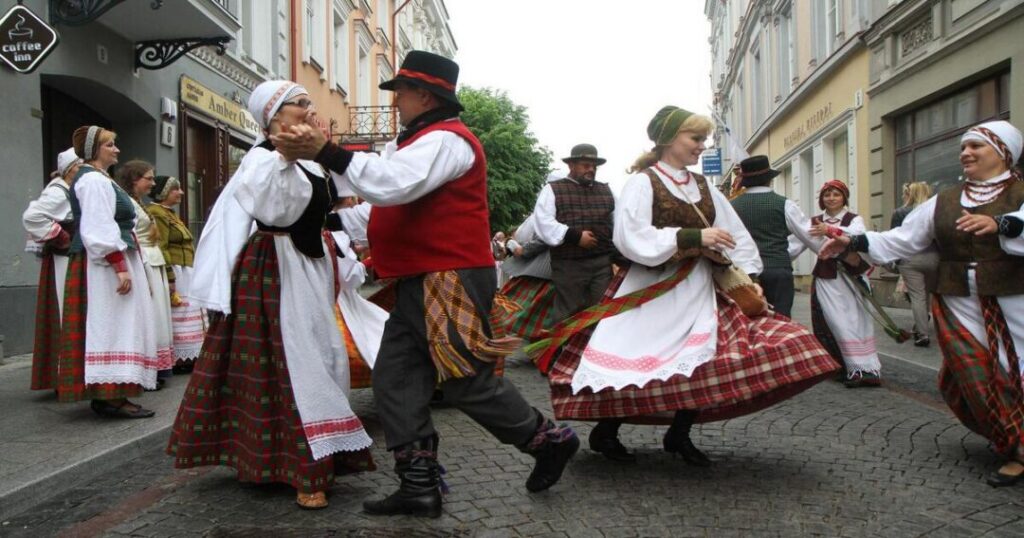
Because a Lithuania festival can mean anything from a winter carnival to a once-in-five-years song celebration, timing is everything here.
Late Winter (February-March)
Užgavėnės kicks off the year’s festival calendar, usually followed within days or weeks by Kaziuko mugė—both fall close together on the calendar most years, making late February and early March a genuinely busy stretch in Vilnius.
Late Spring (May)
Skamba skamba kankliai is the reliable annual fixture here, running every last weekend of May without the multi-year gaps that complicate planning around the bigger song festivals.
Summer (June-July)
Joninės falls on its fixed June date every year regardless of anything else on the calendar. In years when a Song and Dance Celebration or a Students’ Song Festival happens to fall—2026 among them—this stretch becomes considerably busier than usual.
Festivals in Lithuania: Key Dates for 2026
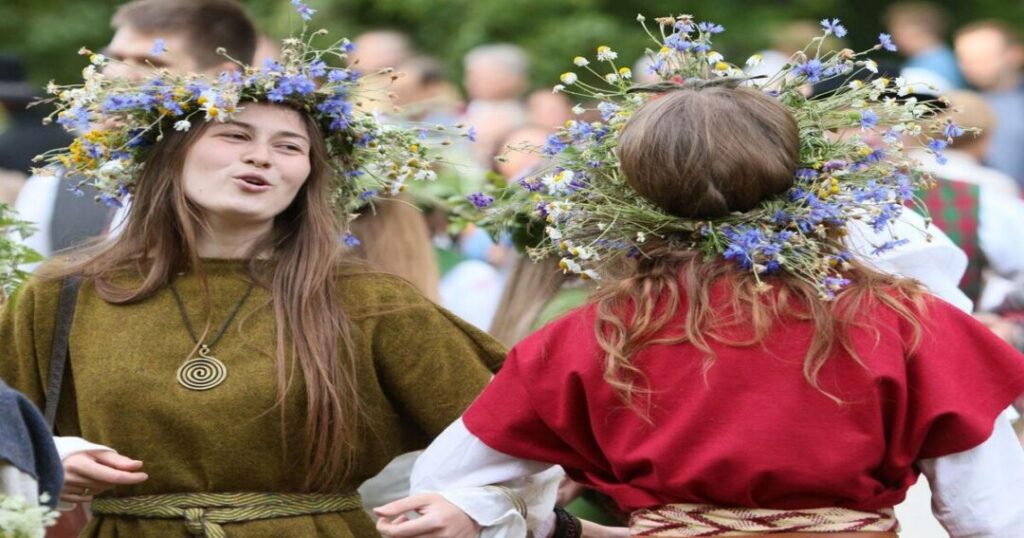
For anyone searching Lithuania Festival 2026, Lithuania Festival 2026, or Lithuanian Festival 2026, here’s the confirmed calendar:
- Užgavėnės: Tuesday, February 17, 2026.
- Kaziuko mugė: March 6-8, 2026, in Vilnius Old Town.
- Skamba skamba kankliai: May 26-31, 2026, across venues in Vilnius.
- Joninės / Rasos: June 23-24, 2026 (fixed every year).
- Lithuanian Students’ Song Festival “Laiku Ratu Kartu”: July 3-6, 2026—see below.
Note that the next full Dainų šventė (Song and Dance Celebration) is not scheduled for 2026 at all—it’s due in 2029, on its usual roughly five-year cycle.
Also Read: Festivals in Ireland: A Complete Guide to the Country’s Best Celebrations
Students’ Celebration: Festivals in Lithuania 2026
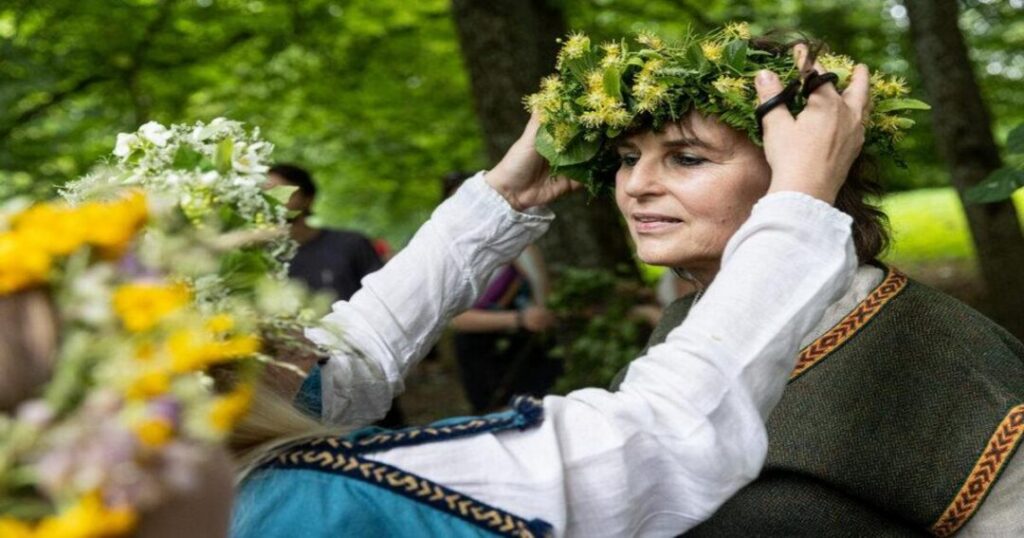
A search for a Lithuanian dance festival in 2026 could reasonably mean the main Dainų šventė—but as covered above, that’s not happening until 2029. What is genuinely happening in 2026 is something arguably just as newsworthy: the Lithuanian Students’ Song Festival, officially titled “Laiku Ratu Kartu,” returns to Vilnius from July 3-6, 2026, after a ten-year break from the national stage. The event is expected to bring around 24,000 student participants to the capital, with performances and rehearsals centered on Kalnų Park and Vingio Park and additional events at Arena Vilnius; participants get free use of Vilnius public transport for the festival’s duration.
If what you’re actually after is a reliable annual event that mixes folk dance with music rather than a once-a-decade national celebration, Skamba skamba kankliai—covered above, running every May without fail—is the better match.
Conclusion: Plan Around Festivals in Lithuania
Between a solstice bonfire that never misses a year and a song celebration that skips four or five of them, the festivals in lithuania reward exactly the kind of planning this guide is meant to save you from doing twice. Confirm which cycle a festival is on before building a trip around it, and 2026 in particular turns out to be a genuinely good year to visit Vilnius.
Planning a trip around Lithuania’s festival calendar? Let the Explurger app help you time it around Joninės, the Students’ Song Festival, or whichever celebration you don’t want to miss.
FAQs About Festivals in Lithuania
2. Is there a Lithuanian Song and Dance Festival in 2026?
Not the main national Dainų šventė, which runs on a roughly five-year cycle and isn't due again until 2029 — but a separate Lithuanian Students' Song Festival, "Laiku Ratu Kartu," does return to Vilnius from July 3-6, 2026, after a decade-long break.
3. What is Joninės in Lithuania?
It's Lithuania's Midsummer festival, celebrated June 23-24 with bonfires, flower-wreath crowns, and the search for a mythical fern flower said to bloom only at midnight — a tradition with pre-Christian roots first recorded in a 1372 chronicle.
4. What happens during Užgavėnės?
It's Lithuania's Mardi Gras equivalent, held the Tuesday before Ash Wednesday, featuring a mock battle between winter (Lašininis) and spring (Kanapinis), the burning of a winter effigy called Morė, masked costumes, and pancakes.
5. When is Kaziuko mugė in 2026?
March 6-8, 2026, in Vilnius Old Town — a fair dating to the early 17th century, known for its decorated verbos palms and heart-shaped gingerbread.
6. How often does Lithuania's Song and Dance Celebration happen?
Roughly every five years rather than annually — the most recent edition was a centennial celebration in 2024, and the next is scheduled for 2029.