

544 Total Views
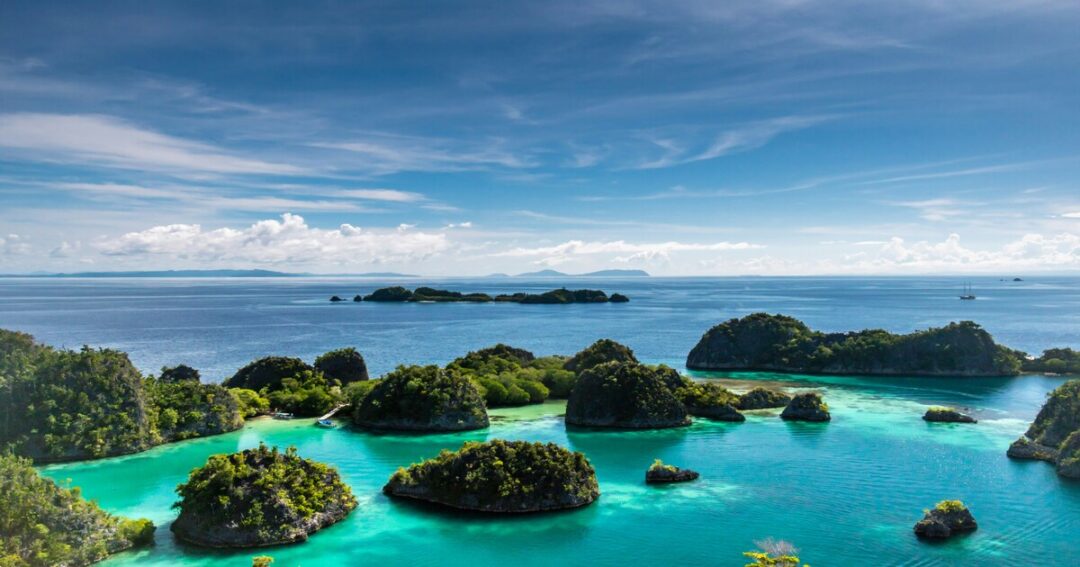
Imagine a place where emerald-green islands rise from crystal-clear turquoise waters, vibrant coral reefs stretch as far as the eye can see, and rare birds glide through untouched rainforests. Raja Ampat Island is one of the last truly wild destinations on Earth, offering breathtaking marine biodiversity, dramatic limestone landscapes, and unforgettable wildlife encounters. Whether you’re an avid diver, nature lover, or adventure traveler, Raja Ampat promises an experience unlike anywhere else.
Located in Indonesia’s West Papua province, Raja Ampat Island is often regarded as one of the most remote islands in the world, making it a dream destination for travelers seeking untouched beauty. The archipelago comprises more than 1,500 remote islands, hidden lagoons, and pristine beaches surrounded by some of the richest marine ecosystems on the planet. From legendary Raja Ampat diving sites to unforgettable Raja Ampat scuba diving experiences and serene isolated islands, this tropical paradise rewards every visitor willing to make the journey.
Where is Raja Ampat?

Raja Ampat is an archipelago located off the northwest tip of the Bird’s Head Peninsula in West Papua, Indonesia. The name translates to “Four Kings,” referring to its four major islands:
- Waigeo
- Batanta
- Salawati
- Misool
Together with hundreds of smaller islands and limestone karsts, Raja Ampat covers over 40,000 square kilometers of ocean. Its remote location has helped preserve one of the healthiest marine ecosystems in the world.
Why Raja Ampat Is So Special?

Raja Ampat is home to:
- More than 1,500 small islands
- Over 600 species of coral
- More than 1,700 species of reef fish
- Manta rays
- Reef sharks
- Sea turtles
- Dugongs
- Birds of Paradise
Scientists consider the region the heart of the Coral Triangle, making it one of the richest marine biodiversity hotspots on Earth.
Raja Ampat Diving: A World-Class Underwater Paradise
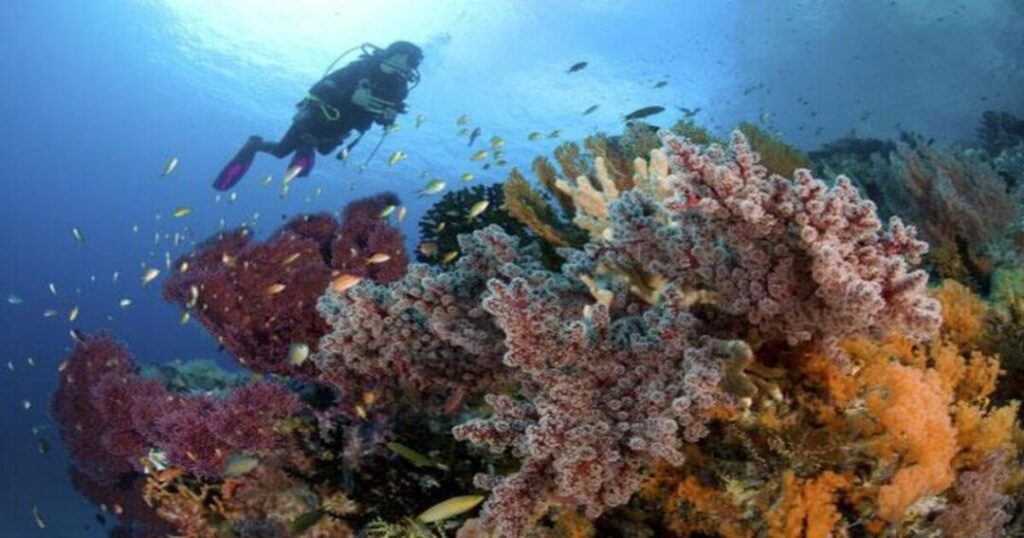
When travelers talk about Raja Ampat diving, they’re referring to one of the world’s finest underwater destinations. Whether you’re planning Raja Ampat scuba diving or simply snorkeling above the reefs, you’ll encounter exceptional visibility, vibrant coral gardens, and an astonishing variety of marine life.
Top Dive Sites
Cape Kri
One of the world’s most biodiverse dive sites, famous for record-breaking fish counts.
Blue Magic
Known for schooling fish, giant trevallies, reef sharks, and manta rays.
Manta Sandy
A popular dive site where divers can observe graceful manta rays gathering at cleaning stations.
Misool
Features dramatic underwater walls, caves, sea fans, colorful soft corals, and abundant marine life.
For experienced divers, scuba Raja Ampat is considered a bucket-list experience.
Also Read: The Great Coastal Nations: A Look At The World’s Longest Shorelines
Best Things to Do in Raja Ampat

1. Visit Piaynemo Viewpoint
Hike to one of Raja Ampat’s most iconic viewpoints for breathtaking panoramic views of limestone islands and turquoise lagoons.
Discover secluded beaches and crystal-clear lagoons accessible only by boat.
3. Snorkel the Coral Reefs
Even shallow waters are filled with colorful fish, sea turtles, and thriving coral gardens.
4. Go Birdwatching
Spot the famous Wilson’s Bird-of-Paradise and Red Bird-of-Paradise in their natural habitat.
5. Island Hopping
Explore numerous isolated islands, each offering unique landscapes, beaches, and snorkeling opportunities.
Wildlife You Can See
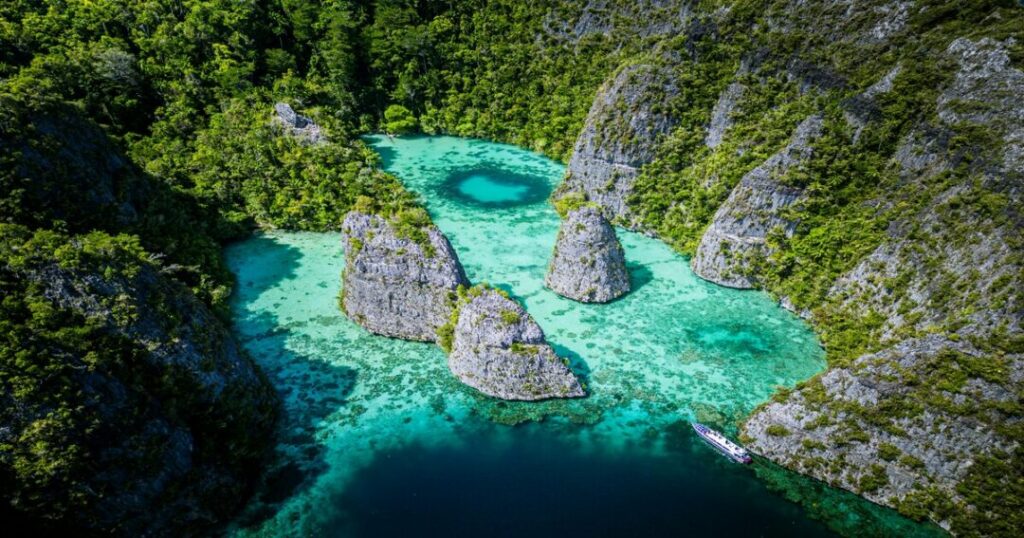
Raja Ampat is as remarkable above water as it is below.
Wildlife highlights include:
- Wilson’s Bird-of-Paradise
- Red Bird-of-Paradise
- Sea turtles
- Manta rays
- Reef sharks
- Dugongs
- Dolphins
- Flying foxes
Many of these species are endemic or rarely found elsewhere.
Also Read: Kerala in Monsoon: Best Places to Visit for the Bold & Adventure-Ready
What is the Best Time to Visit Raja Ampat?
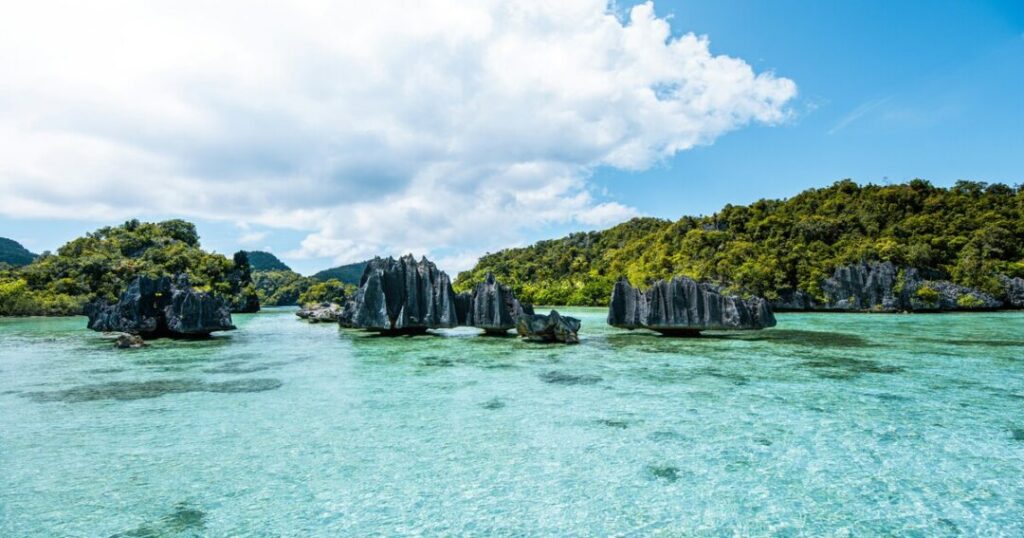
Although Raja Ampat is a year-round destination, weather conditions vary.
| Season | Weather | Best For |
| October–April | Calm seas | Diving, snorkeling, island hopping |
| May–September | Slightly rougher seas | Wildlife, photography, fewer crowds |
Underwater visibility often exceeds 30 meters.
How to Reach Raja Ampat?

Most international travelers follow this route:
- Fly to Jakarta or Bali.
- Take a connecting flight to Sorong Airport.
- Board a ferry to Waisai.
- Continue by speedboat to your island resort or homestay.
While reaching Raja Ampat requires some planning, the untouched beauty makes every mile worthwhile.
Where to Stay
Accommodation options include:
- Luxury eco-resorts
- Dive lodges
- Community-run homestays
- Liveaboard diving cruises
Many travelers combine stays across different islands for a more immersive experience.
Responsible Travel Tips
Help preserve Raja Ampat’s fragile ecosystem by:
- Never touching coral reefs
- Using reef-safe sunscreen
- Avoiding single-use plastics
- Respecting marine wildlife
- Supporting local communities
- Following responsible diving practices
Suggested 5-Day Raja Ampat Itinerary
Day 1
- Arrive in Sorong
- Ferry to Waisai
- Check into your accommodation
Day 2
- Visit Piaynemo
- Explore hidden lagoons
- Snorkeling
Day 3
- Full-day Raja Ampat islands diving
- Visit Manta Sandy
Day 4
- Birdwatching
- Village visit
- Beach relaxation
Day 5
- Sunrise kayaking
- Return to Sorong
Why Raja Ampat Should Be on Your Bucket List?
Few places combine untouched landscapes, extraordinary marine biodiversity, and world-famous diving quite like Raja Ampat. Whether you’re exploring hidden remote islands, enjoying unforgettable Raja Ampat scuba diving, or simply relaxing on pristine beaches, every moment feels like an adventure. Its isolation has preserved its natural beauty, making Raja Ampat Island one of the world’s most spectacular travel destinations for nature lovers and adventure seekers alike.
FAQs About Raja Ampat
2. Why is Raja Ampat famous?
It is renowned for its exceptional marine biodiversity, colorful coral reefs, manta rays, Birds-of-Paradise, and stunning limestone islands.
3. Is Raja Ampat good for beginners in scuba diving?
Yes. Many dive centers offer beginner-friendly certification courses as well as guided dives for experienced divers.
4. What is the best time for Raja Ampat diving?
October to April generally offers calmer seas and excellent underwater visibility, although diving is possible throughout the year.
5. How many days should I spend in Raja Ampat?
A stay of 5–7 days is ideal for exploring multiple islands, diving, snorkeling, birdwatching, and sightseeing.
6. Is Raja Ampat expensive?
Travel costs are higher than many Indonesian destinations because of its remote location, but affordable homestays and guesthouses are available.