

624 Total Views
Street food in Bangalore carries more history than its plastic-plate presentation lets on. A peanut snack named after a 1969 political split. A dosa was invented because World War II cut off the rice supply. A puffed-rice mix that costs next to nothing and has fed generations of students and laborers between meals. This isn’t a city that treats its street food as an afterthought to “real” cuisine—some of its most famous dishes were born from necessity and never left. Here are 10 of the best and the stories behind them.
Bangalore Famous Street Food: Top 10 Dishes to Know
1. Masala Puri
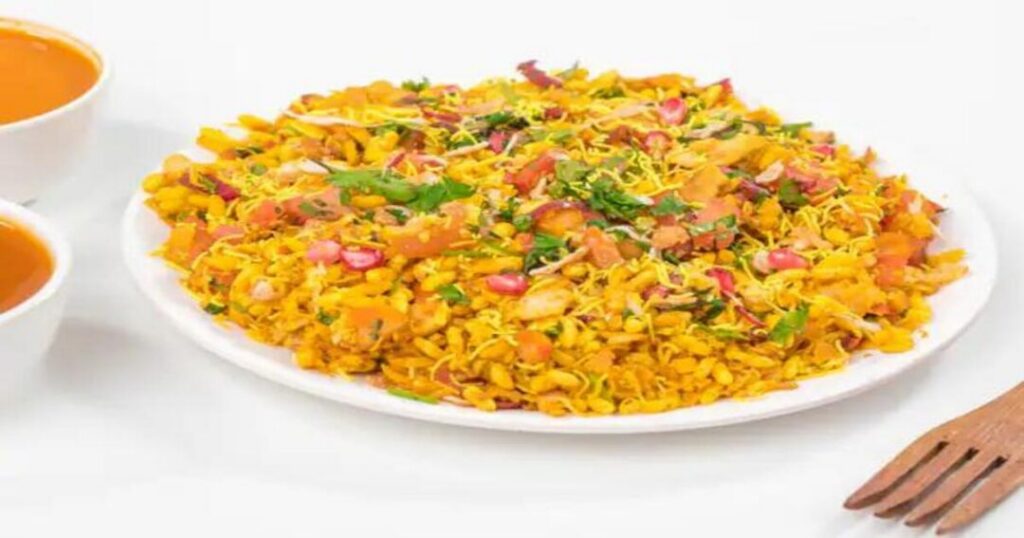
Masala puri is Bangalore’s answer to bhel puri—but wetter, spicier, and built around a ragda-style dried-pea gravy rather than a dry mixture. It took shape along the Bangalore-Mysore corridor through the mid-20th century, and stalls like the one that opened in 1975 helped standardize the now-familiar version: crushed puris drowned in spiced pea gravy, sev, onion, and tamarind-and-mint chutney. In the 1970s, it sold for as little as 40 paisa a plate—cheap enough to become a staple for students and daily-wage workers and popular enough that it never stopped being one.
2. Churumuri
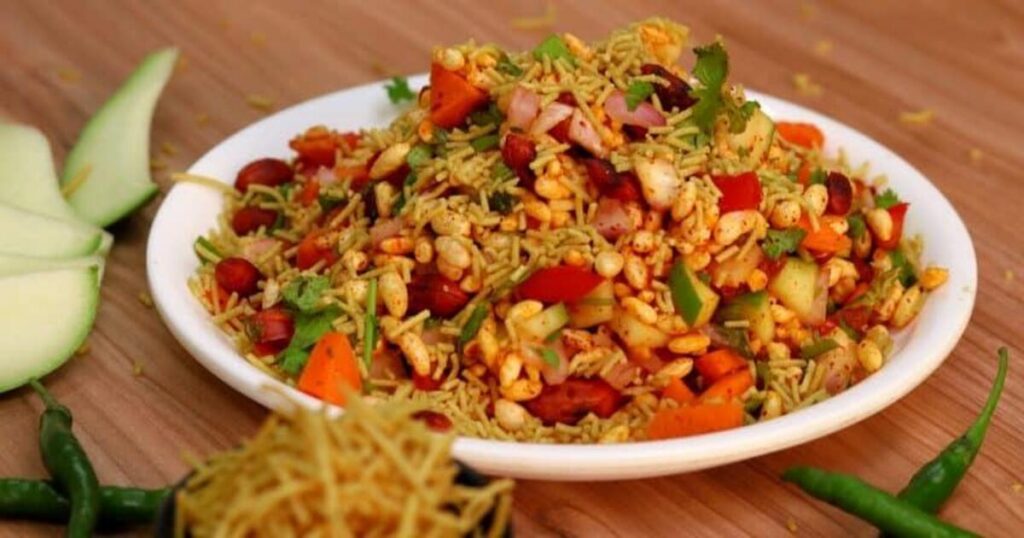
Karnataka’s cousin of Mumbai’s bhel puri and Kolkata’s jhal muri, churumuri (or churmuri) tosses puffed rice with onion, tomato, chilies, lemon juice, and a finish of coconut oil that the North Indian versions skip entirely. Nobody can pin down exactly who invented it or when—it likely goes back generations as a quick, easy-to-digest snack—but in Bangalore it’s less a dish than a five-minute ritual, sold from carts on nearly every busy street corner.
Also read: Things to Do in Bangalore: The Offbeat Guide to Namma Bengaluru
3. Congress Kadlekai
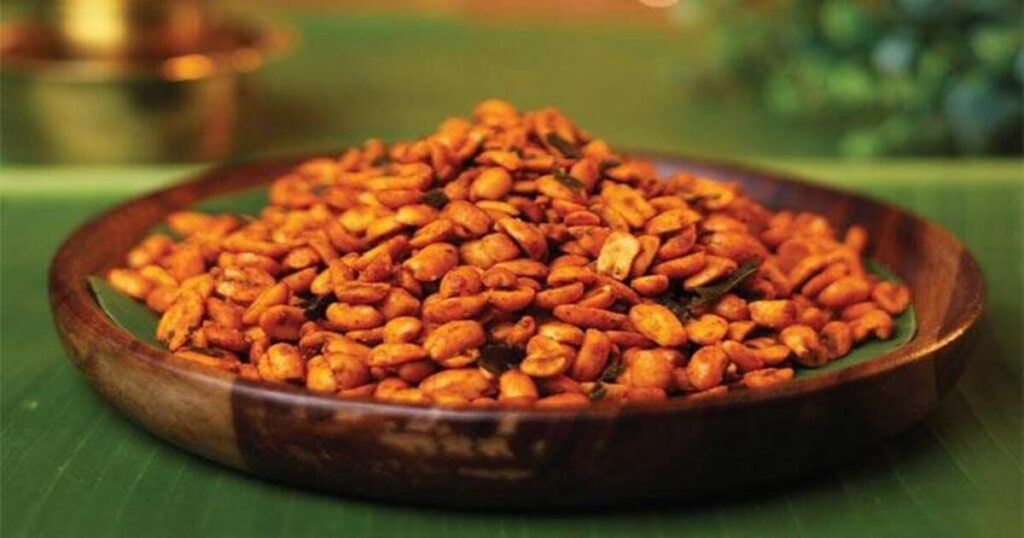
Few Bangalore snacks carry a stranger origin story. In 1969, the Indian National Congress split into two factions—and the sight of a peanut cracking cleanly in half became a local joke that stuck to the roasted, split, spice-dusted peanuts sold on the street: Congress kadlekai. Its standard recipe is credited to a Basavanagudi bakery in the 1960s, which leaned on the spicy peanuts to make up for a flour shortage hitting its usual baked goods. Six decades later, the name—and the politics behind it—is still the first thing anyone explains about the snack.
4. Rava Idli
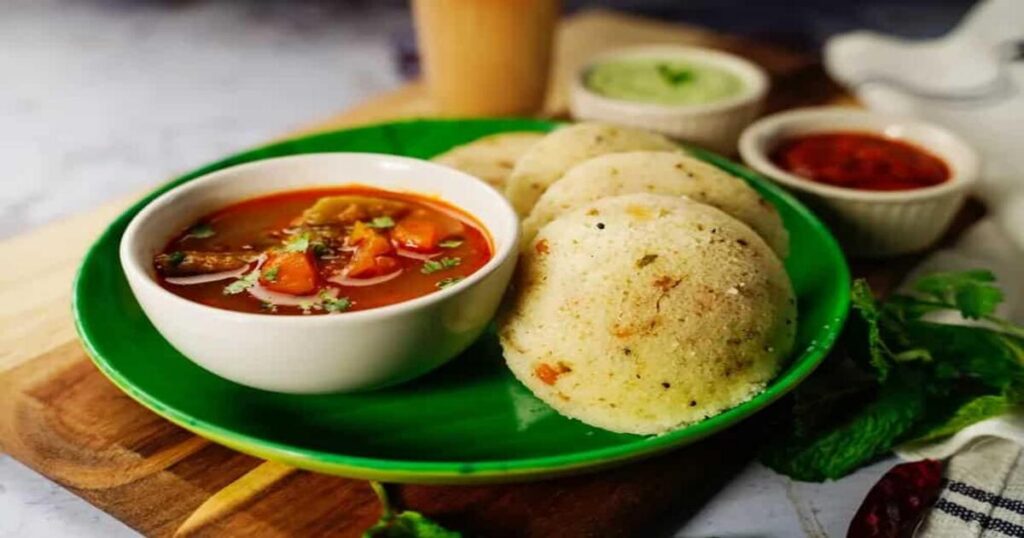
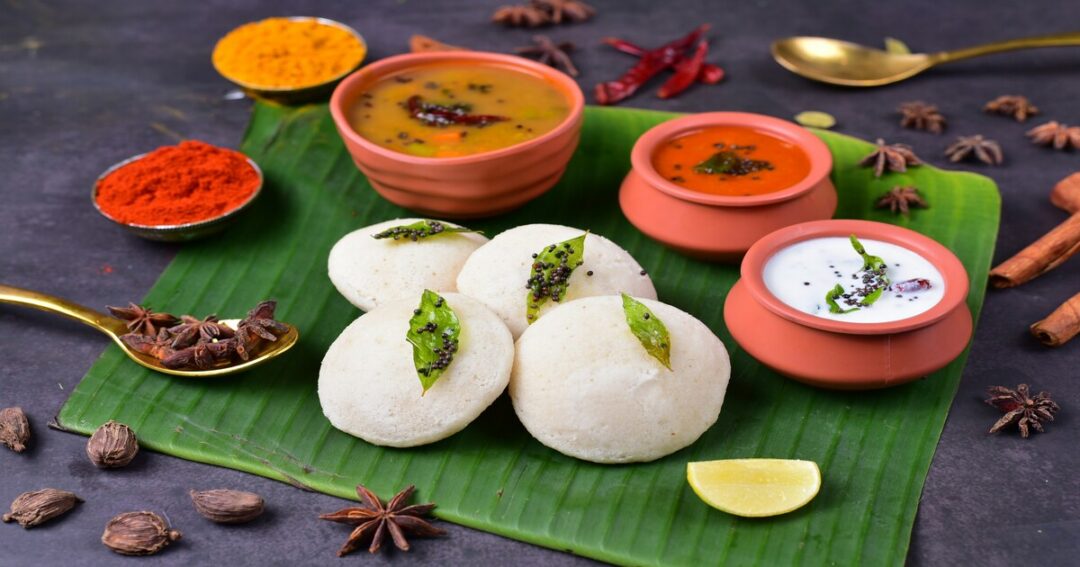
Not every Bangalore street food item started on the street. Rava idli was invented indoors, out of necessity, when World War II and Japan’s invasion of Burma cut off India’s rice supply. A Bangalore eatery later known as Mavalli Tiffin Room (MTR) swapped rice for semolina, steamed the batter the same way, and inadvertently created one of South India’s most loved breakfasts—one that spilled out of restaurant kitchens and onto street stalls across the city soon after.
5. Maddur Vade
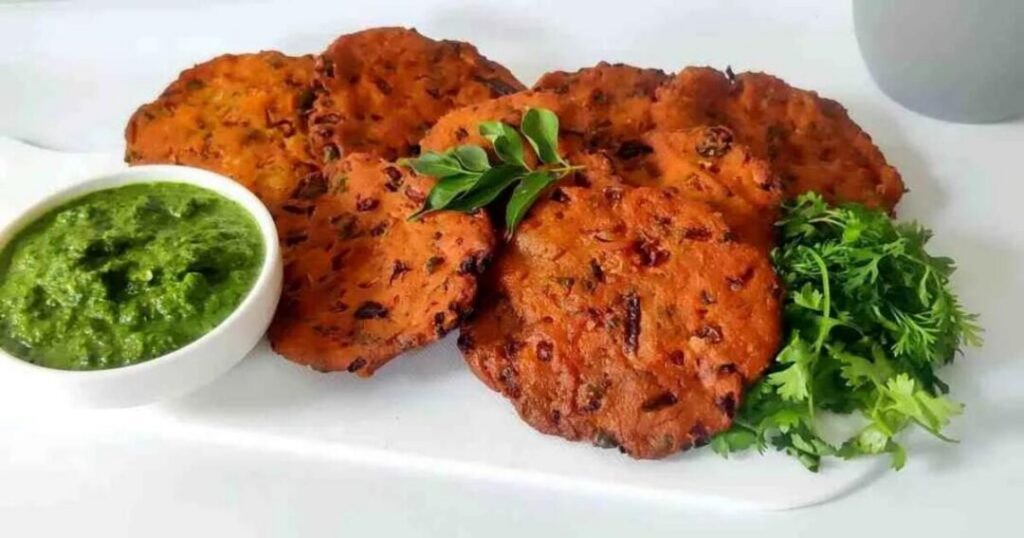
In 1917, a railway-station canteen owner at Maddur station ran short on time to shape his usual cone-fried pakoras before an early train pulled in. He flattened the dough and fried it flat instead—faster to cook and, as it turned out, better. A century later, Maddur Vade—crisp, savory, and named for the small Karnataka town where the accident happened—is sold at street stalls and railway platforms across the state.
6. Davanagere Benne Dosa
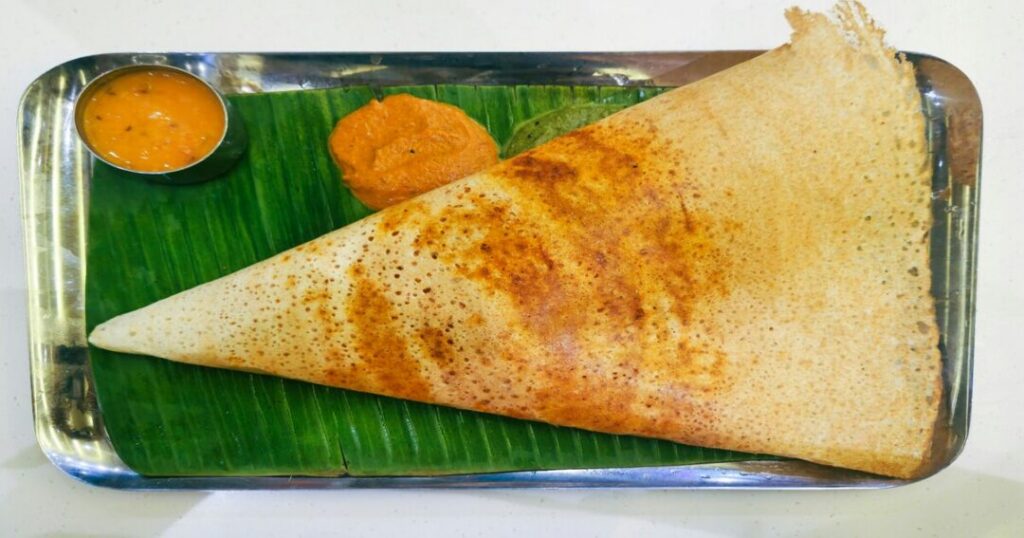
The butter-laden benne dosa traces back to a Davanagere eatery started in 1927 by a cook named Chennamma, originally using finger-millet flour. In the 1940s, her sons swapped in rice flour for easier sourcing, and the dish took off from there—smaller and softer than a regular masala dosa, finished with a generous slick of butter and served with coconut chutney.
Also read: Festivals in Bangalore: 5 Best Music Festivals & Events You Shouldn’t Miss
7. Mangalore Bajji (Goli Baje)
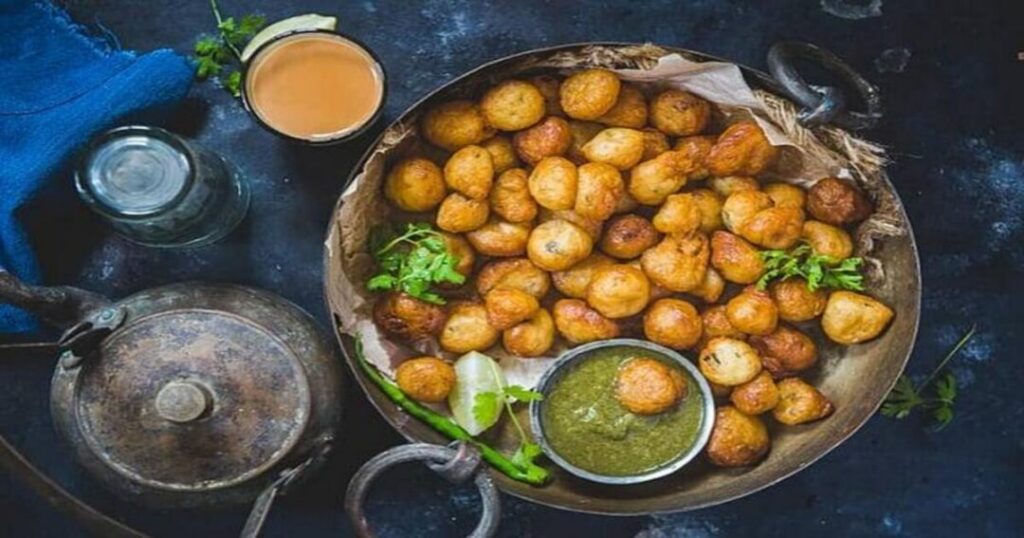
Also called Mangalore bonda, Mangalore bajji is a maida-based fritter—fermented batter deep-fried into pillowy, golden-brown balls, crisp outside and soft within. It likely descends from a broader South Indian bonda tradition documented as far back as a 12th-century royal cookery text, though the coastal Karnataka version sold across Bangalore’s street carts today is distinctly its own.
8. Akki Roti
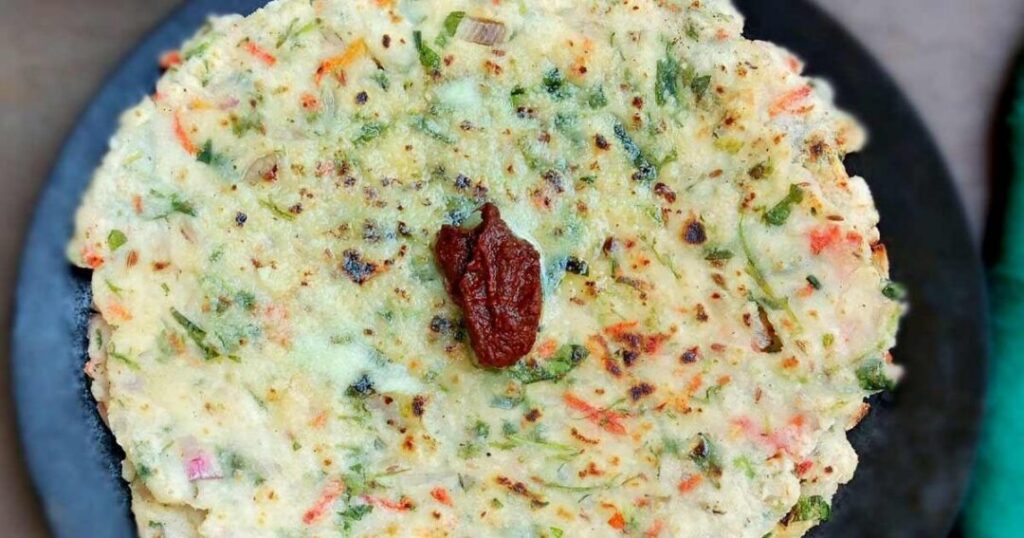
Akki roti—”rice bread” in Kannada—is a savory flatbread of rice flour, onion, carrot, coconut, and green chili, patted flat and cooked on a hot tawa. It’s a staple of Karnataka home cooking that migrated onto the street-food circuit as a filling evening snack, usually sold hot off the griddle and served with chutney or pickle.
9. Set Dosa
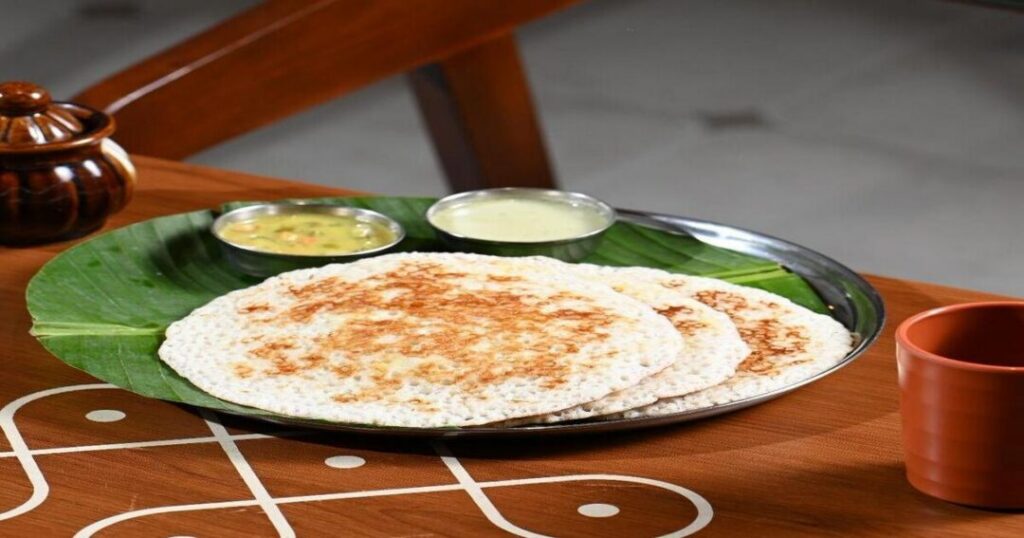
Where a regular dosa is thin and crisp, set dosa is soft and spongy and always served in a “set” of two or three—a fermented-batter breakfast dosa built for soaking up curry or chutney rather than crunching on its own. It’s a Bangalore breakfast-cart staple, usually sold alongside idli and vada rather than as its own stall’s specialty.
Also read: 5 Best Breakfast Ride Getaways From Bangalore For The Perfect Early Morning Escape
10. Dahi Puri and Chaat
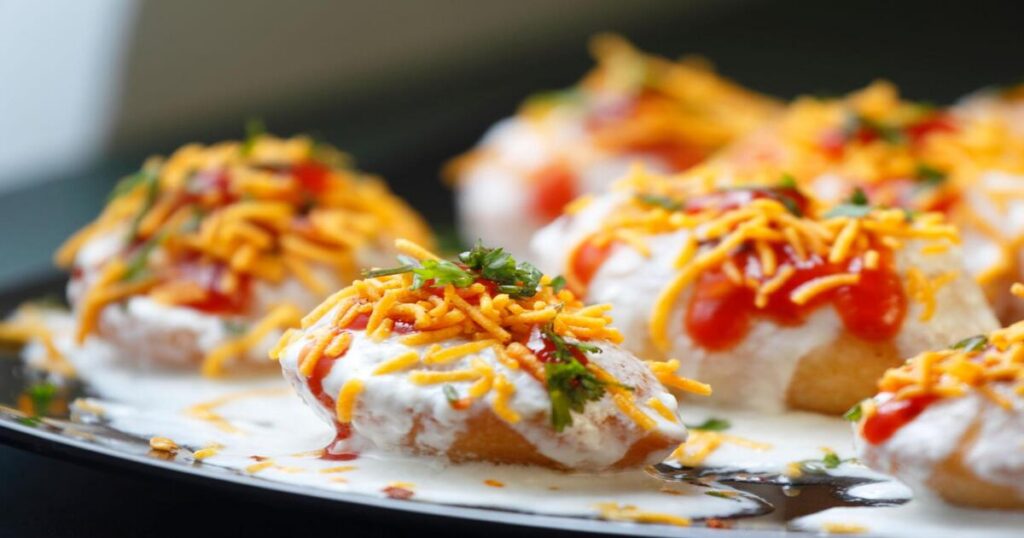
Bangalore didn’t invent chaat, but its food streets — VV Puram’s “Thindi Beedi” chief among them — have absorbed dahi puri, sev puri, and pani puri into the local street-food rotation so thoroughly that they’re now inseparable from a Bangalore food crawl. As the best food street in Bangalore, VV Puram alone can turn a single evening into a five-dish sampler.
Conclusion: Street Food in Bangalore
Street food in Bangalore turns out to be full of accidents and necessity: a dosa invented because rice ran out during a war, a vada that took its final shape because a train arrived early, a peanut snack named after a political split nobody planned around food. Quick recap:
- Masala puri & churumuri — Bangalore’s answer to bhel puri, cheap and everywhere
- Congress kadlekai — split peanuts named for a 1969 political split
- Rava idli — invented at MTR during a WWII rice shortage
- Maddur vade & benne dosa — accidental inventions turned Karnataka icons
- Mangalore bajji, akki roti & set dosa — everyday Karnataka staples gone street-side
- Dahi puri & chaat — absorbed into Bangalore’s food-street culture, VV Puram chief among them
Craving a Bangalore food crawl? Download the Explurger app and map out the city’s best street food stops before you go.
Most of these dishes exist because something went wrong first — a shortage, a split, an early train. Bangalore just kept eating anyway.
FAQs On Street Food in Bangalore
2. What makes Bangalore's street food different from other Indian cities?
Several of Bangalore's signature street foods evolved locally rather than being imported versions of dishes found elsewhere—churumuri's coconut-oil finish, masala puri's wetter ragda-style gravy, and Congress kadlekai's split-peanut joke all mark it as distinctly Karnataka street food, even where the broader dish (like chaat) exists nationwide.
3. Is rava idli really street food, or a restaurant dish?
It started as a restaurant invention—created at Bangalore's Mavalli Tiffin Room during a World War II rice shortage—but the recipe spread quickly to street stalls and home kitchens, and it's now sold as commonly from breakfast carts as from restaurant counters.
4. Why is it called Congress kadlekai?
The name references a 1969 split in the Indian National Congress into two factions. The image of a peanut cracking cleanly into two halves became a local joke tied to the political split, and the name stuck to the roasted, spiced peanuts sold on Bangalore's streets ever since.
5. Is Bangalore street food safe for tourists to try?
Generally yes, if you follow standard street-food precautions: choose stalls with visible turnover and fresh ingredients, favor freshly fried or cooked items over anything sitting out, and carry bottled water. Popular, high-footfall spots like VV Puram Food Street tend to have faster turnover, which usually means fresher food.
6. What is the best time of day to try Bangalore street food?
Evenings are the classic window, especially at dedicated food streets like VV Puram, which come alive after sunset. Breakfast items—rava idli, set dosa, and akki roti—are best sought out in the morning from dedicated breakfast carts rather than evening chaat stalls.
7. Are these street foods vegetarian?
Yes, all ten dishes here are vegetarian, reflecting Bangalore's strong vegetarian street food tradition, particularly around dishes with roots in Brahmin community cooking (Congress kadlekai, rava idli, and benne dosa among them).