
286 Total Views
The Taj Mahal is, obviously, the reason most people book a trip to Agra — and it deserves every bit of that reputation. But if you’re looking for the top 10 places to visit in Agra beyond the one everyone already knows about, the city has a genuinely deep bench: a “Baby Taj” that predates and inspired the original, an abandoned Mughal capital, and a bear rescue center all within reasonable driving distance. Here are 10 worth building a second (or third) day around.
Top 10 Places to Visit in Agra Beyond the Taj Mahal
1. Itmad-ud-Daulah’s Tomb (“Baby Taj”)
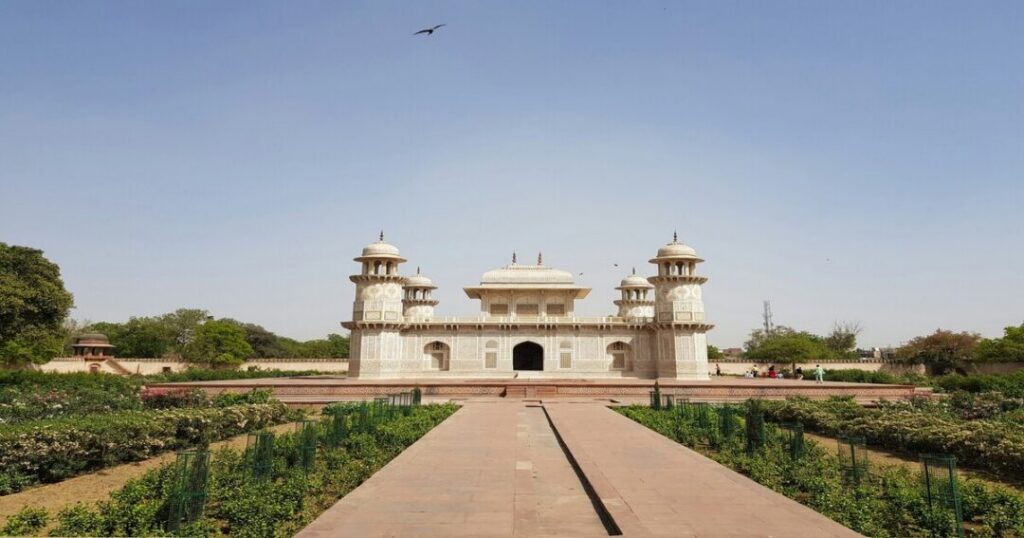
Built between 1622 and 1628 and commissioned by Empress Nur Jahan for her father Mirza Ghiyas Beg, this riverside tomb was the first Mughal structure built entirely in marble with extensive pietra dura inlay—making it a direct architectural precursor to the Taj Mahal itself, not just a nickname-alike.
2. Mehtab Bagh
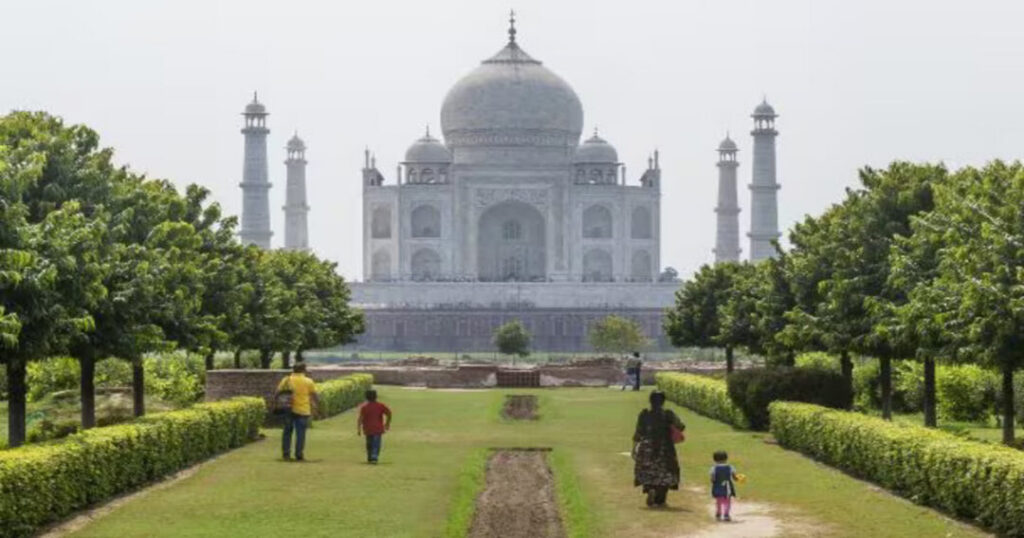
Directly across the Yamuna from the Taj, this charbagh garden was originally built under Babur in the late 16th century, predating the Taj by decades, then later enhanced by Shah Jahan specifically as a viewing point. It’s the spot for the famous “reverse Taj” photo, restored by the ASI in the 1990s using historical planting records.
Also read: Things to Do in Agra: The Complete Guide Beyond the Taj Mahal
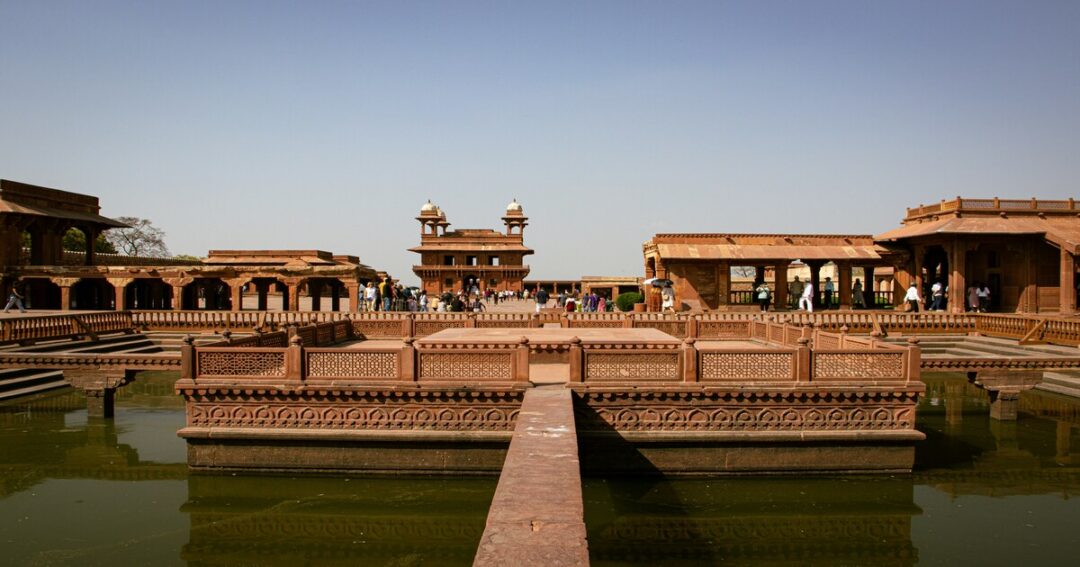
3. Fatehpur Sikri
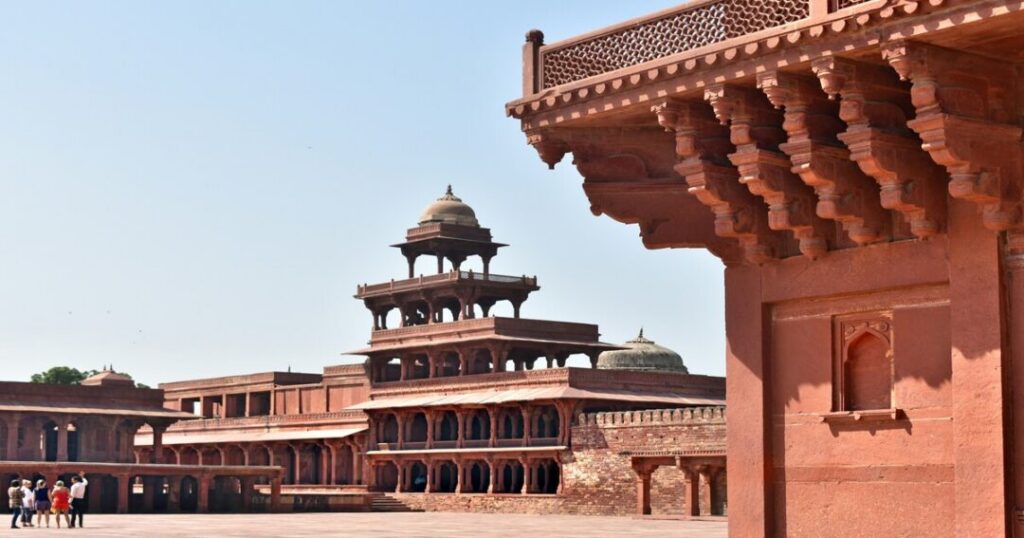
Akbar’s short-lived capital, built starting in 1571 after Sufi saint Shaikh Salim Chishti predicted the birth of his heir, was abandoned around 1585, most likely due to water scarcity. A UNESCO World Heritage Site since 1986, it sits about 37-40 km from Agra and is one of the better full-morning excursions on this list.
4. Akbar’s Tomb, Sikandra
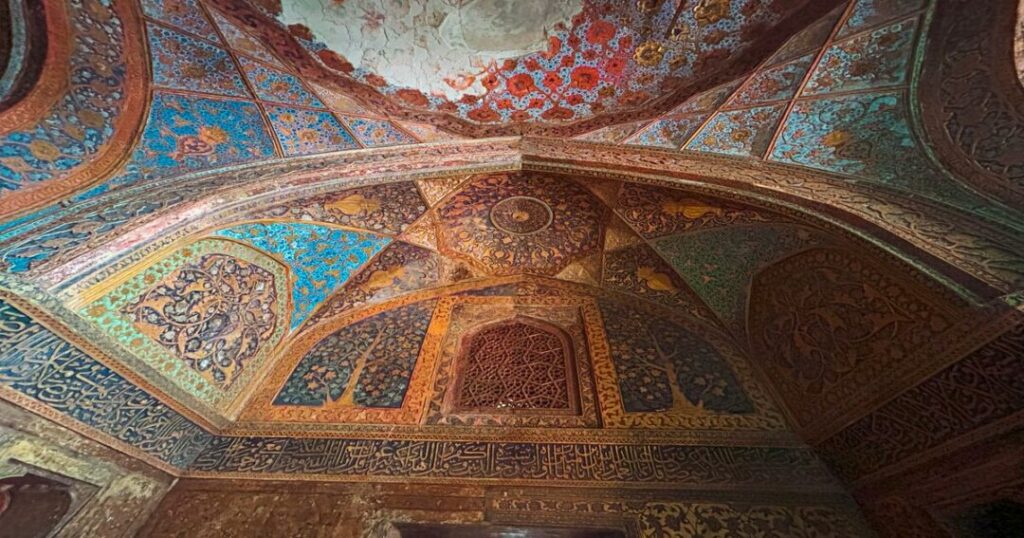
Built 1605-1613 and completed by Akbar’s son Jahangir, this five-story red sandstone and marble mausoleum spans 119 acres and uniquely faces the rising sun rather than Mecca—a detail tied to Akbar’s Sulh-e-Kul philosophy of universal religious tolerance.
5. Chini Ka Rauza
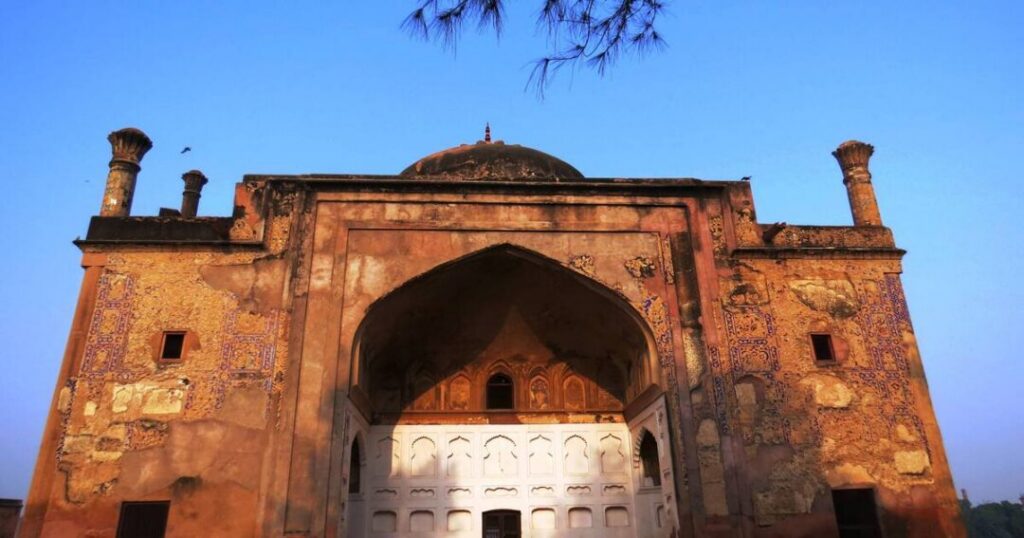
Built in 1635 as a memorial to Persian scholar and finance minister Allama Afzal Khan, this tomb is one of the earliest Mughal monuments decorated in glazed tilework imported from as far as China and Afghanistan — a genuinely different visual style from the marble-and-sandstone look that dominates the rest of Agra’s monuments.
6. Ram Bagh
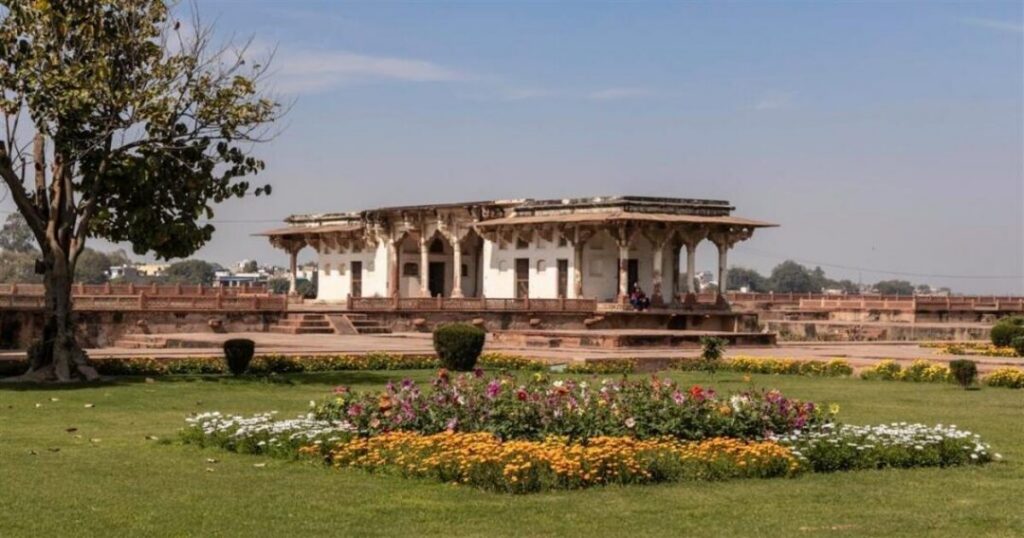
India’s oldest Mughal garden, built by Babur in 1526 (some sources say 1528) and originally named Aram Bagh (“Garden of Rest”), served as Babur’s temporary burial site for six years before his remains were moved to Kabul. It sits just 5 km from the Taj and 3 km from Agra Fort, making it an easy add-on rather than a special trip.
7. Jama Masjid Agra
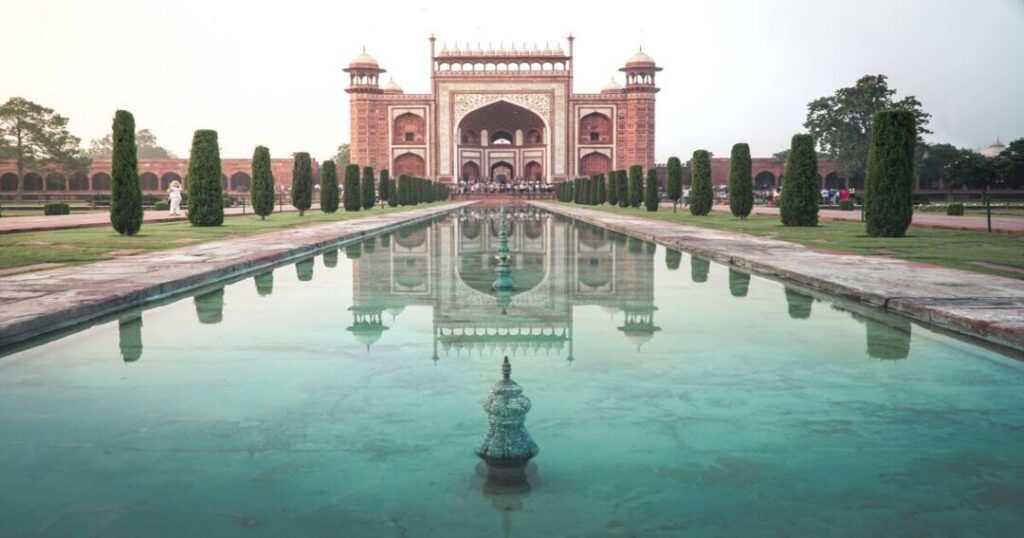
Commissioned by Shah Jahan and built between 1643 and 1648 by his eldest daughter Jahanara Begum, this red sandstone and white marble mosque is one of India’s largest, with Persian calligraphy and pietra dura work that rivals the more famous monuments nearby, minus the crowds.
8. Dayal Bagh
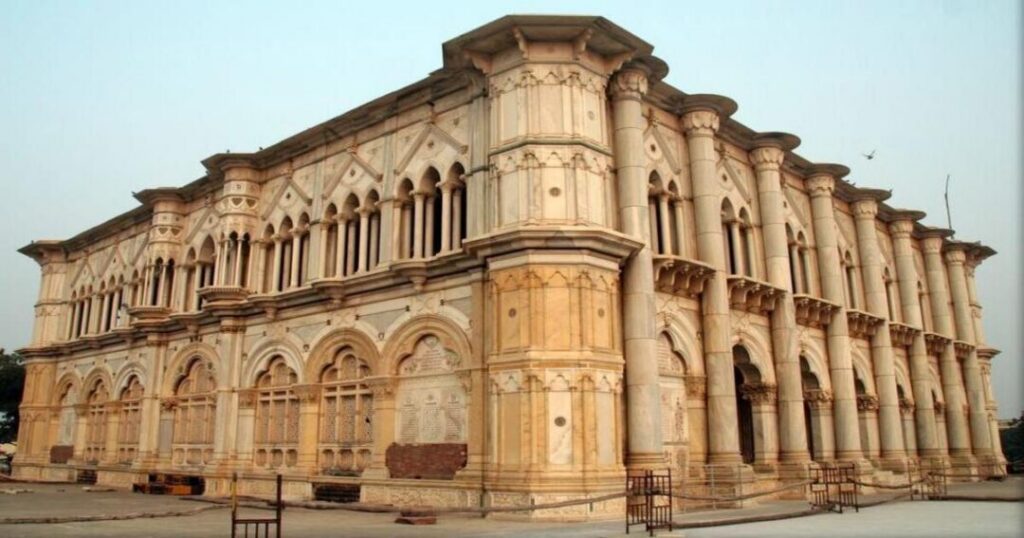
The spiritual headquarters of the Radhasoami Faith, founded in 1861, construction on this white marble temple began in 1904 and is still ongoing today—built entirely by hand, without heavy machinery, per Radhasoami tradition. It’s less a “finished monument” and more a living, generations-long construction project you can watch in progress.
9. Soor Sarovar Bird Sanctuary (Keetham Lake)
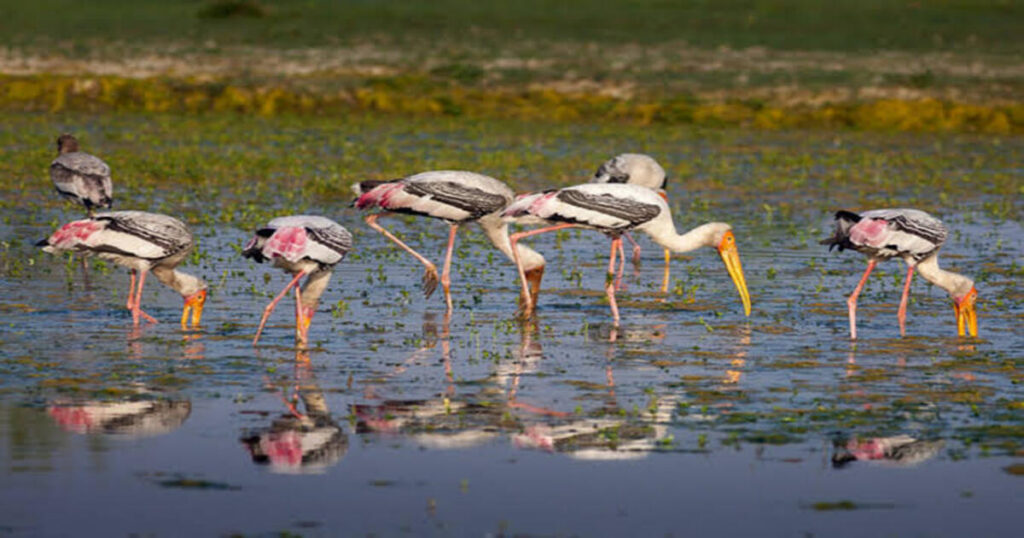
About 17 km from Agra, this sanctuary was established in 1991 around the artificial Keetham Lake and now hosts over 165 bird species, including winter migrants like Siberian cranes and flamingos, alongside a notable population of around 300 pythons. November to February is peak birdwatching season.
10. Wildlife SOS Elephant Conservation and Care Centre

Established in 2010, this facility rehabilitates elephants rescued from abuse—former begging, temple, and circus elephants now living out retirement with proper veterinary care, including access to India’s first dedicated elephant hospital. It sits near Soor Sarovar, on the Agra-Mathura side, and pairs naturally with a bird sanctuary visit on the same day.
Also read: 10 Hidden Places That Could Be the Next Architectural Wonder of the World
Best Time for the Top 10 Places in Agra
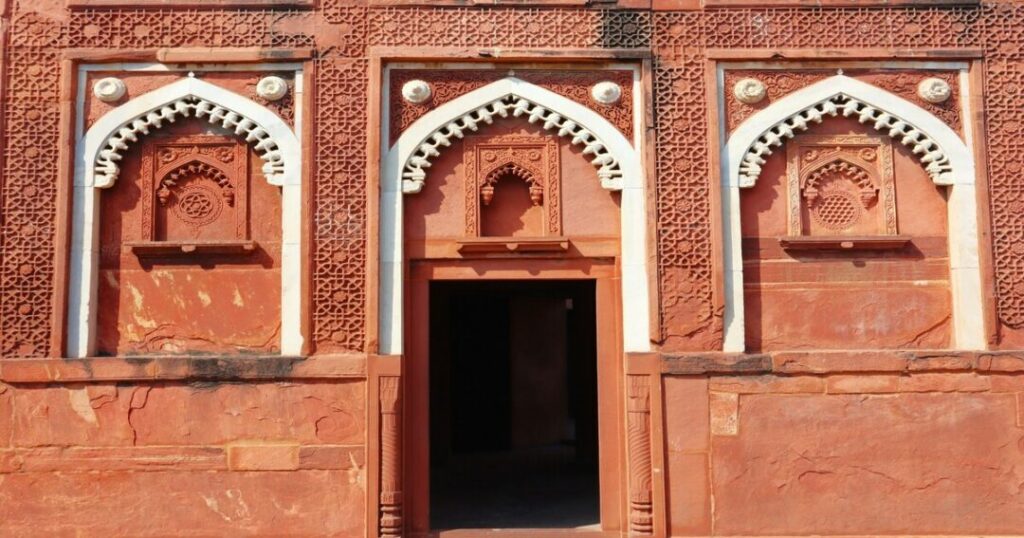
October through March is the clear window, with cooler, more comfortable temperatures for walking between monuments. Winter mornings (November-February) also happen to be peak season for Soor Sarovar’s migratory birds, so if wildlife is on your list, that overlap works in your favor. Summers get brutally hot for extended outdoor sightseeing, and the monsoon (July-September) brings humidity that makes long walking days between sites less appealing.
How to Reach Agra?
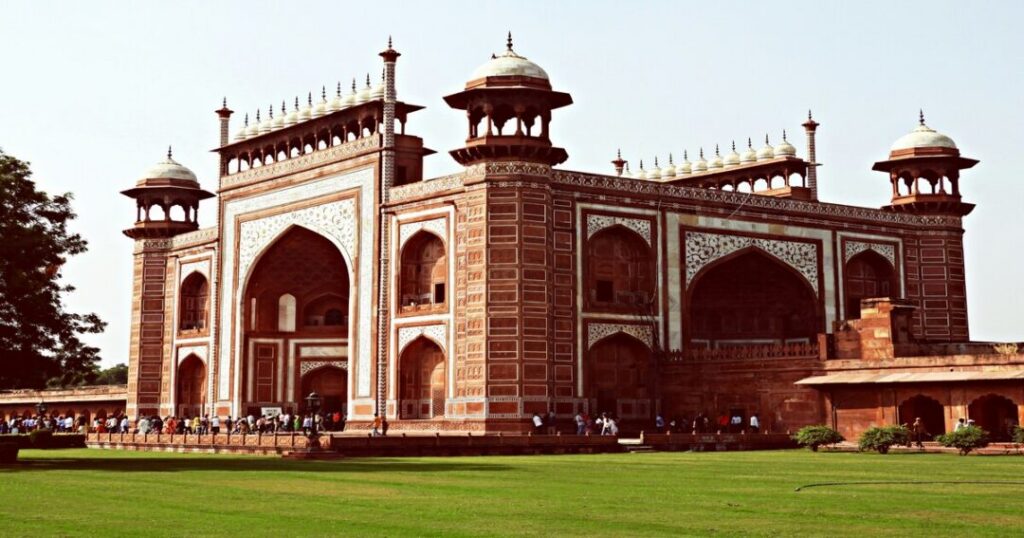
Agra is well connected by train from Delhi (as little as 2 hours on the fastest services) and by road via the Yamuna Expressway, making it an easy day trip or overnight from the capital. Kheria Airport in Agra has limited flights, so most travelers arrive by rail or road rather than flying in directly. Once in Agra, most of the sites on this list—except Fatehpur Sikri—are within a 20-30 minute drive of each other, making a hired car or taxi for the day the most practical way to cover several stops.
Conclusion: Top 10 Places to Visit in Agra
The Taj Mahal will always be Agra’s headline act, but the top 10 places to visit in Agra beyond it tell a fuller story—the tomb that inspired it, the capital Akbar walked away from, and a modern conservation project undoing decades of animal cruelty. Give yourself two or three extra days beyond the Taj itself, time it for the October-to-March window, and this list will round out an Agra trip that most visitors only see half of.
FAQs on the Top 10 Places to Visit in Agra
2. What are the top 5 tourist places in Agra overall, including the Taj?
Most lists agree on the Taj Mahal, Agra Fort, Fatehpur Sikri, Itmad-ud-Daulah's tomb, and Akbar's tomb as the core five—this post deliberately focuses on the next tier beyond that well-established group.
3. What are some fun places in Agra for families or kids?
The Wildlife SOS Elephant Conservation Centre and Soor Sarovar Bird Sanctuary are the two most kid-friendly options on this list, offering a break from monument-heavy sightseeing with actual animals to see.
4. How much time do I need to see these 10 hidden gems?
Realistically 2-3 additional days beyond your Taj Mahal visit: one day for the closer cluster (Itmad-ud-Daulah, Ram Bagh, Mehtab Bagh, Chini Ka Rauza, Jama Masjid, Dayal Bagh), a half-day for Fatehpur Sikri, and a half-day for the wildlife sites near Keetham Lake.
5. What are the best places to visit in Agra in one day besides the Taj?
If you're restricted to one extra day, Itmad-ud-Daulah's Tomb, Ram Bagh, and Agra Fort form a tight, geographically close loop that doesn't require much backtracking.
6. Is Fatehpur Sikri worth the extra travel time from Agra?
Yes, if you have a spare half-day—it's a genuinely different experience from Agra's riverside monuments, being an entire abandoned city rather than a single building, though the 37-40 km distance means it's not a quick add-on.