
736 Total Views
Ask for places to visit in Ujjain, and most lists stop at Mahakaleshwar Temple, Ram Ghat, Kal Bhairav, and Harsiddhi — all genuinely worth visiting and already covered in detail elsewhere. What most guides skip is that Ujjain spent centuries as the reference point ancient Indian astronomers used to calculate time and longitude for the entire subcontinent and still holds a working 18th-century observatory, a cave complex tied to a poet-king who gave up his throne, and an ashram where Krishna is said to have studied. This is the rest of Ujjain.
Places to Visit in Ujjain: Temples, Ghats & Sacred Sites
Ujjain Tourist Places Beyond Mahakaleshwar: The Vedh Shala Observatory
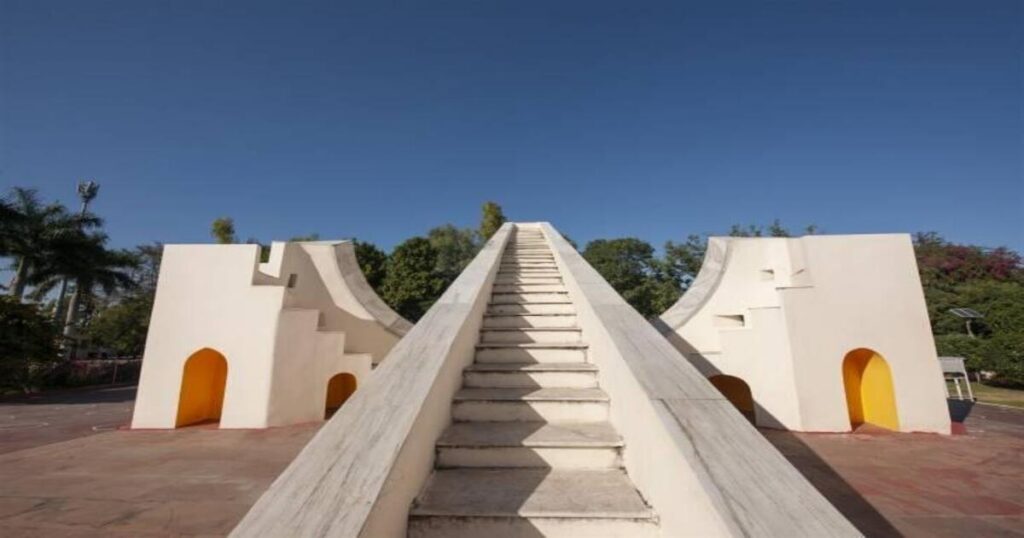
Among Ujjain’s tourist places that rarely make the standard list, the Vedh Shala — also known as Jantar Mantar — deserves far more attention than it gets. Built in the 18th century by Maharaja Jai Singh II, it’s one of only five Jantar Mantars in India and one of the oldest, designed to track planetary positions and calculate time using nothing but stone instruments and geometry. [STAT: Ujjain’s Vedh Shala, built in the 18th century, remains one of only five Jantar Mantar observatories constructed across India.] Walking through it gives a genuinely different sense of the city than the temple circuit does — Ujjain as a centre of scientific observation, not just pilgrimage.
Ujjain Places to Visit for Mythology: Sandipani Ashram and Mangalnath Temple
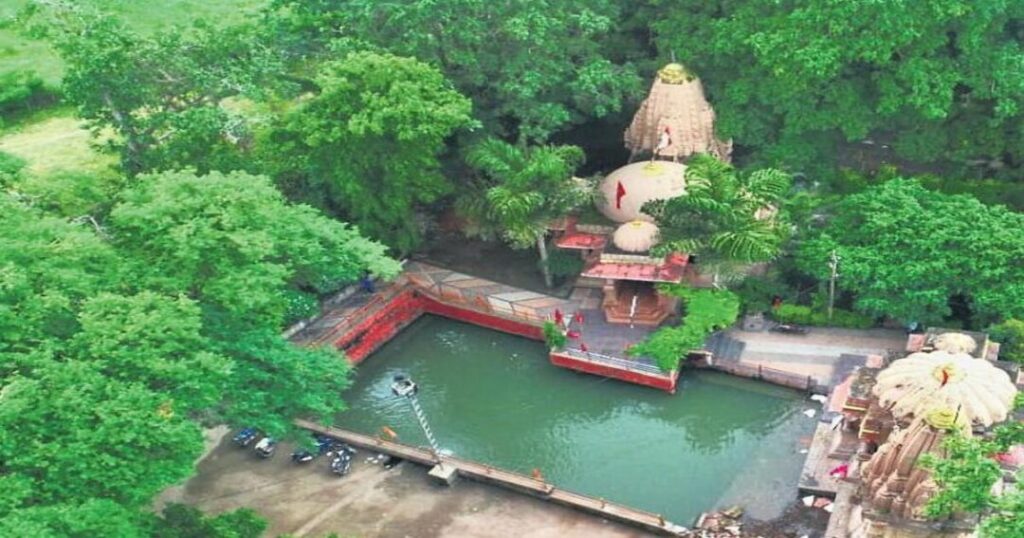
Two of the more interesting Ujjain places to visit for anyone into the mythology behind the city are Sandipani Ashram and Mangalnath temple. According to the Bhagavata Purana, Krishna, his brother Balaram, and his friend Sudama studied under Guru Sandipani at this ashram, reportedly mastering 64 arts in 64 days – a site more about the story than grand architecture but a meaningful stop for anyone tracing Krishna-related pilgrimage sites. Mangalnath Temple, on the other side of the city, is traditionally held to be the birthplace of the planet Mars (Mangal) in Hindu astrology, which makes it a genuine destination for anyone seeking Kuja Dosha remedial rituals rather than just sightseeing.
Also read: Top 10 Holy Places in India Beyond Varanasi: Temple Towns Worth the Journey
Attractions in Ujjain for History Lovers: Bhartrihari Caves
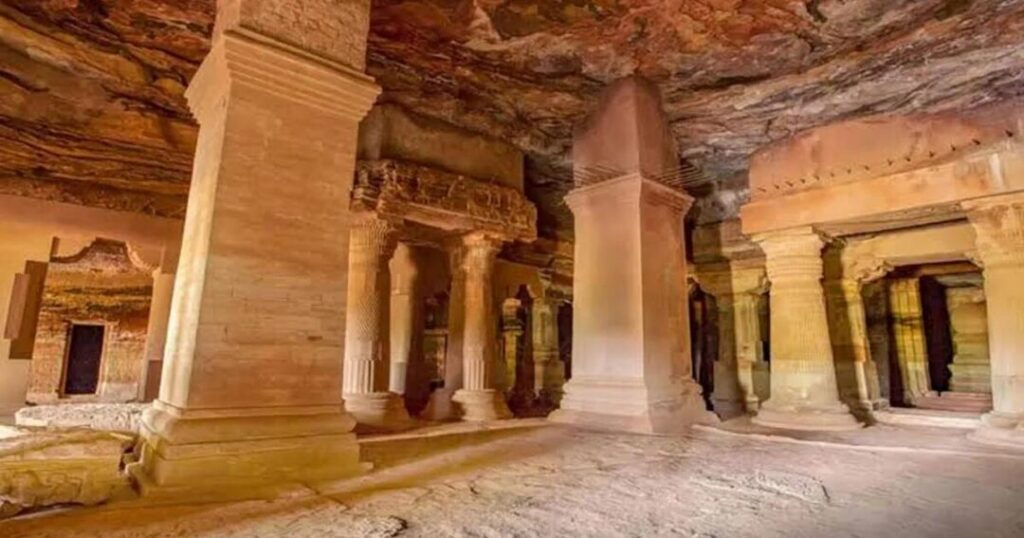
For attractions in Ujjain with a stronger historical pull, Bhartrihari Caves sit about 6 km from the city centre and are linked to the legendary poet-king Bhartrihari, who is said to have renounced his throne and retreated here. The caves are dated to around the 11th century and are considered a strong example of rock-cut architecture from that period – a quieter, less-visited stop than the ghats and a good one for travellers who want Ujjain’s history without the crowds.
Places in Ujjain That Explain Its Ancient Prime Meridian Status
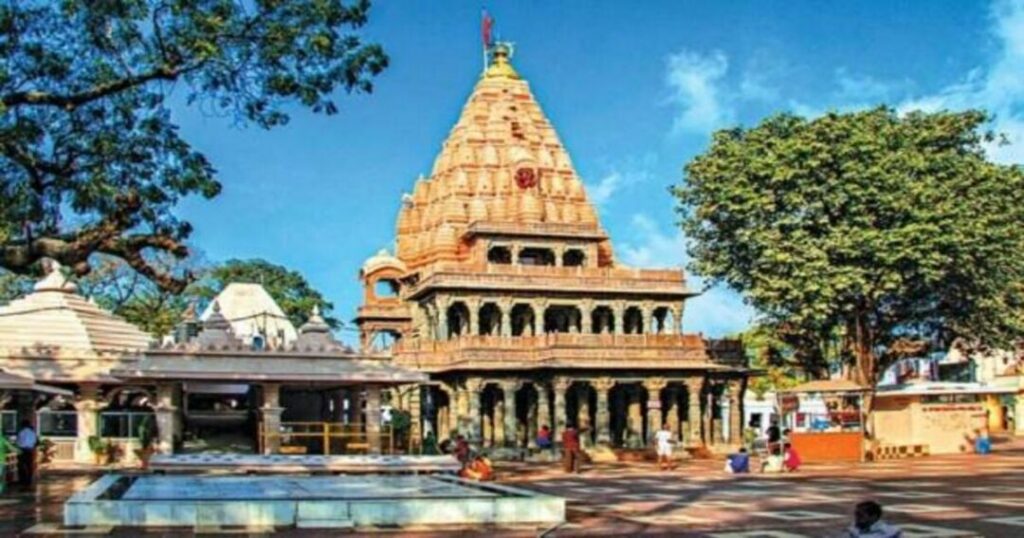
It’s easy to miss, but one of the most interesting places in Ujjain isn’t really a single site — it’s a fact that reshapes how you see the whole city. Long before Greenwich became the world’s standard reference point in 1884, Ujjain functioned as ancient India’s prime meridian. [STAT: The Surya Siddhanta, a Sanskrit astronomical treatise written between the 4th and 8th centuries CE, established Ujjain as the reference meridian for longitude calculations, a role it held for roughly 1,600-1,700 years before Greenwich.] Every major Indian astronomical text of the period — the Surya Siddhanta, the Aryabhatiya, the Brahmasphutasiddhanta, and Bhaskara II’s Siddhanta Shiromani — calculated longitude relative to Ujjain. The Vedh Shala observatory exists precisely because of this legacy, which makes visiting it with that context in mind a genuinely different experience than just checking off another old building.
Places of Interest in Ujjain: The Vikramaditya-Era Legacy
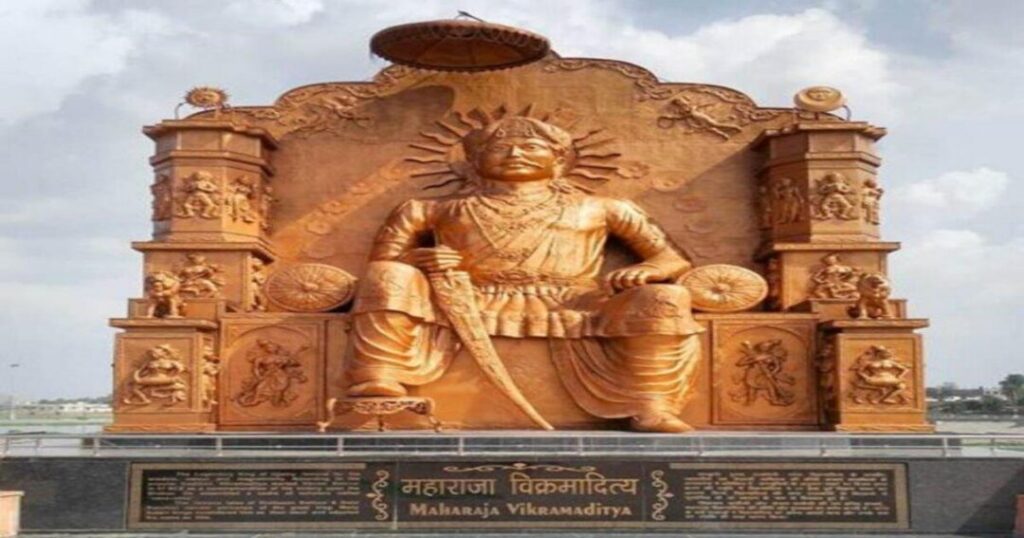
Among the places of interest in Ujjain connected to its ancient identity, the city’s history as Avantika – capital of the Avanti kingdom and later the court of King Vikramaditya – is worth knowing before you visit rather than after. Vikramaditya’s court reportedly included nine legendary scholars (the Navratnas), among them the poet Kalidasa, and Ujjain has maintained a continuous urban history stretching back roughly 2,700 years, making it one of India’s oldest continuously inhabited cities. That depth of history is part of why the city carries a different weight than most Indian pilgrimage towns — it was a capital and a centre of learning long before it became primarily known for its temples.
Also read: 10 Best Tourist Places Near Indore for Your Next Weekend Getaway
Places to Go in Ujjain During Simhastha 2028
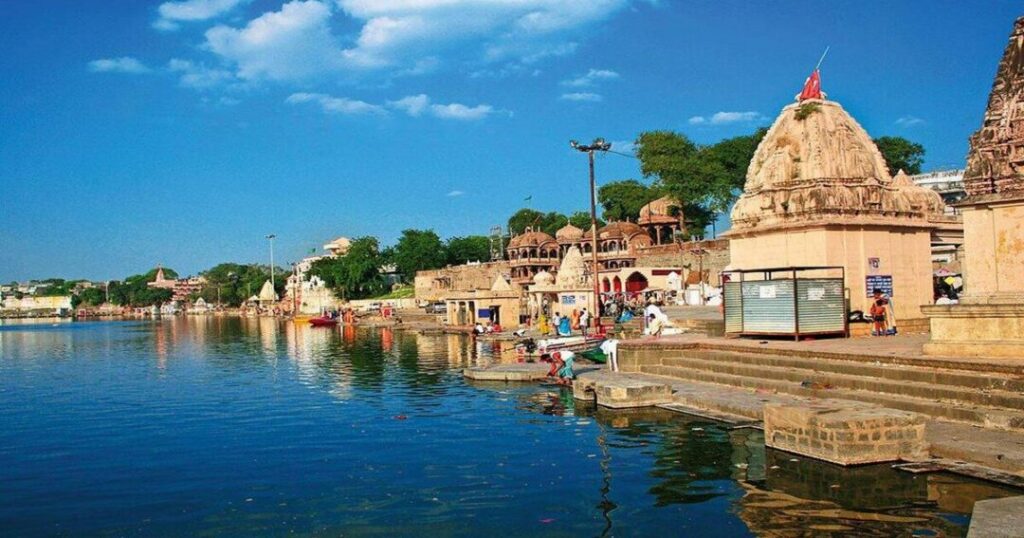
If timing allows, one of the most significant places to go in Ujjain experiences isn’t a fixed site at all: Simhastha, Ujjain’s version of the Kumbh Mela, held once every 12 years on the banks of the Kshipra River when Jupiter enters Leo. The next edition is confirmed for March 27 to May 27, 2028, with the main Shahi Snan bathing dates falling on April 9, April 23, and May 8. [STAT: Simhastha 2028 in Ujjain is scheduled to run from March 27 to May 27, 2028, with major Shahi Snan bathing dates on April 9, April 23, and May 8.] It’s a genuinely different way to experience the city than a standard visit, though it also means significantly heavier crowds and infrastructure demand during that window.
Also read: Madhya Pradesh Heritage Circuit: Discover India’s Timeless Legacy
Places to Visit in Ujjain: What to Know Before You Go
For places to see in Ujjain on a standard trip, the well-known core — Mahakaleshwar Temple, Ram Ghat, Kal Bhairav Temple, and Harsiddhi Temple — is genuinely worth the visit and already covered in depth in our Indore getaways and Jyotirlinga guides linked above. Pairing those with even two or three of the lesser-known sites here — the Vedh Shala, Sandipani Ashram, or Bhartrihari Caves — gives a noticeably fuller picture of the city than the temple circuit alone.
Conclusion: Places to Visit in Ujjain
Between its ancient observatory, its mythology-rich ashrams, and a Kumbh Mela of its own, places to visit in Ujjain stretch well beyond the temple circuit most guides stop at. Save the ones that interest you to your Explurger bucket list, and let your automatic travelogue map the fuller Ujjain trip once you’re there. Let the Explurger app help you see the Ujjain most visitors miss.
FAQs About Places to Visit in Ujjain
2. What is the Vedh Shala in Ujjain?
An 18th-century astronomical observatory (Jantar Mantar), one of only five in India, built to track planetary positions and calculate time.
3. Why is Ujjain called India's ancient prime meridian?
Because major Sanskrit astronomical texts, starting with the Surya Siddhanta, used Ujjain as their reference point for longitude calculations for roughly 1,600-1,700 years before Greenwich became the global standard in 1884.
4. What is Sandipani Ashram known for?
It's traditionally held to be where Krishna, Balaram, and Sudama studied under Guru Sandipani, mastering 64 arts in 64 days according to the Bhagavata Purana.
5. When is the next Simhastha Kumbh Mela in Ujjain?
March 27 to May 27, 2028, with major Shahi Snan bathing dates on April 9, April 23, and May 8.
6. What are the Bhartrihari Caves?
An 11th-century rock-cut cave complex about 6 km from Ujjain's city centre, linked to the legendary poet-king Bhartrihari.
7. Is Mangalnath Temple worth visiting in Ujjain?
Yes, particularly for anyone interested in Vedic astrology – it's traditionally considered the birthplace of the planet Mars and a site for Kuja Dosha rituals.
8. How old is Ujjain as a city?
Roughly 2,700 years of continuous urban history, making it one of India's oldest continuously inhabited cities, dating back to around 700 BCE as the ancient capital of Avanti.