
81 Total Views
Jabalpur doesn’t get the attention. Madhya Pradesh’s bigger names do, but it holds one of India’s more striking natural sights—marble cliffs that glow under moonlight, a waterfall named for the smoke-like mist it throws up, and a fort built by a queen who became a symbol of resistance against the Mughals. Working through the things to do in Jabalpur that actually justify a visit means mixing that geology with the city’s Gond-dynasty history. This guide covers the essential sights, lays out a practical three-day itinerary, and finishes with a quick-reference list of everything else worth knowing about.
Best Things to Do in Jabalpur
These five anchor almost every Jabalpur itinerary, from its signature river gorge to its hilltop fort.
Bhedaghat: Marble Rocks and Dhuandhar Falls
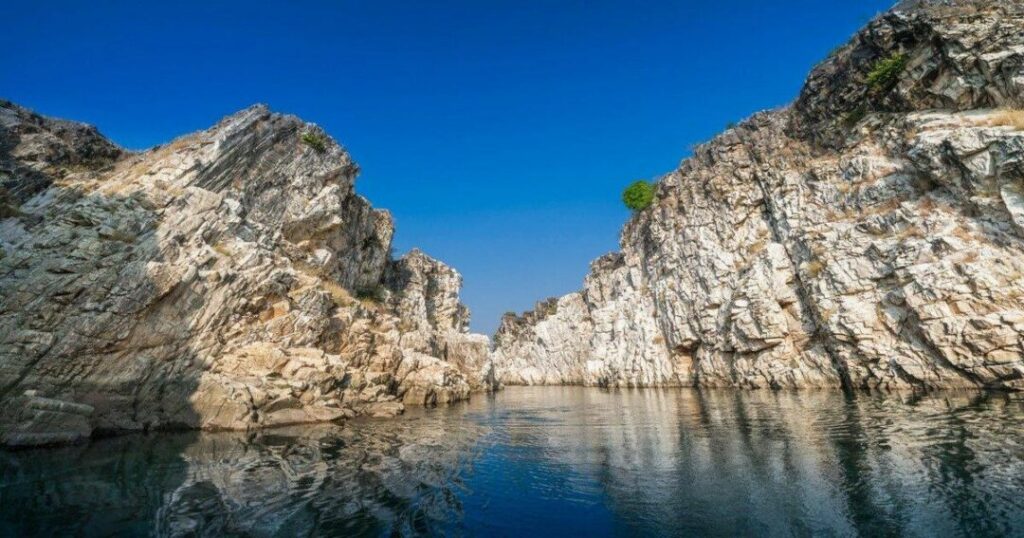
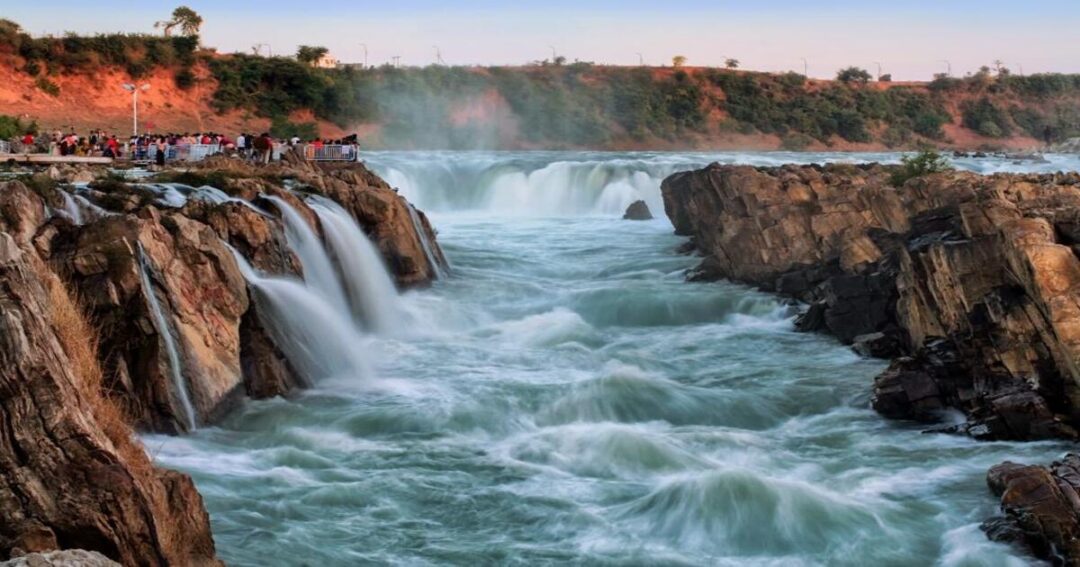
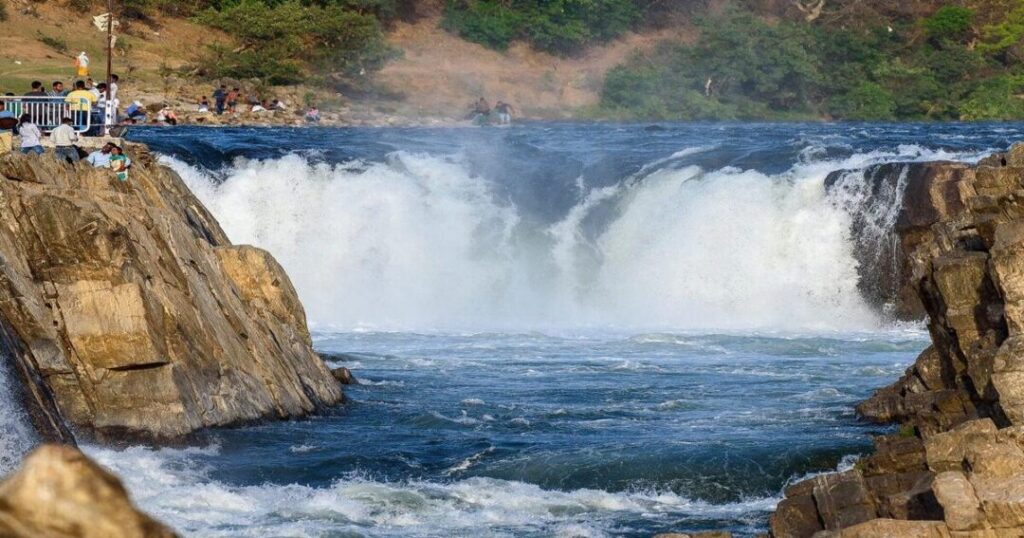
Bhedaghat is Jabalpur’s headline attraction—a stretch of the Narmada River flanked by towering marble cliffs that boat operators row visitors through, with the rock face genuinely appearing to glow under moonlight, a phenomenon locals and boatmen alike point out on evening rides. The gorge narrows, and the river drops about 30 meters at Dhuandhar Falls, a name that combines the Hindi words for smoke and flow, describing the thick mist the plunge throws into the air. A ropeway now carries visitors across the river from bank to bank for a different vantage point on the falls, alongside the traditional boat rides through the marble stretch itself.
Also Read: Madhya Pradesh Heritage Circuit: Discover India’s Timeless Legacy
Chausath Yogini Temple
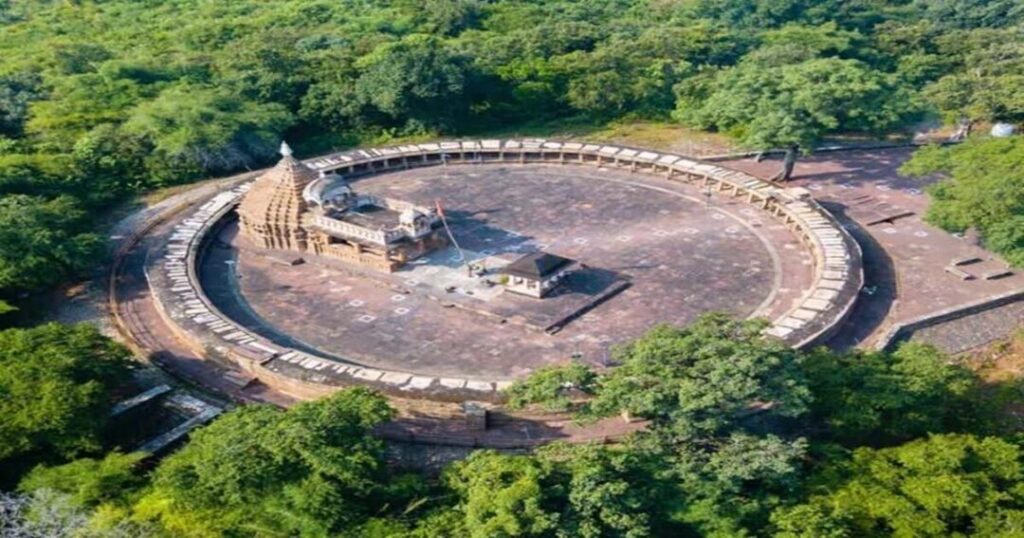
Perched on a hilltop above the Narmada at Bhedaghat, this temple was built in the early 11th century by King Yuvaraja II of the Kalachuri dynasty, whose capital sat just across the river. Despite its name—chausath means 64 in Hindi—the temple actually contains 81 shrine niches in a circular walkway roughly 125 feet across, making it the largest of India’s circular yogini temples; the extra niches beyond 64 are considered a mark of royal patronage. A later Gauri-Shankar shrine was added at the center around 1155 CE, and the site remains an atmospheric, uncrowded counterpoint to the boat rides below.
Madan Mahal Fort
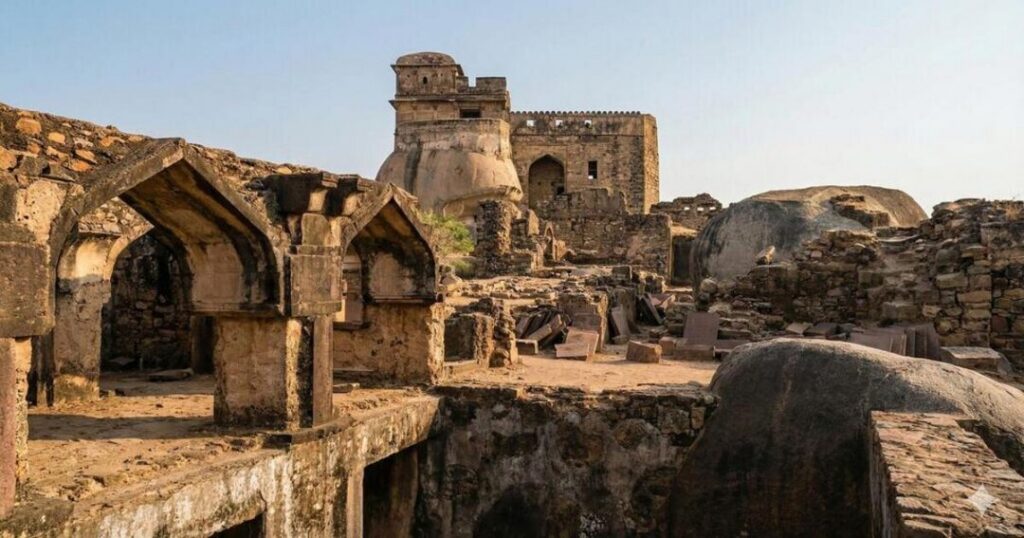
Built in the 11th century and closely associated with Rani Durgavati—the Gond queen who died fighting Mughal forces and is remembered as a martyr in Indian history—Madan Mahal Fort sits atop a hill roughly 500 meters up, giving it a clear vantage point that once served as a watchpost for approaching invaders. It’s not an ornate palace so much as a functional stronghold, with a stable, war rooms, a small reservoir, and a pleasure chamber still visible today, and it remains tied to local legends about hidden tunnels and treasure, even if those specific claims haven’t been verified.
Balancing Rock
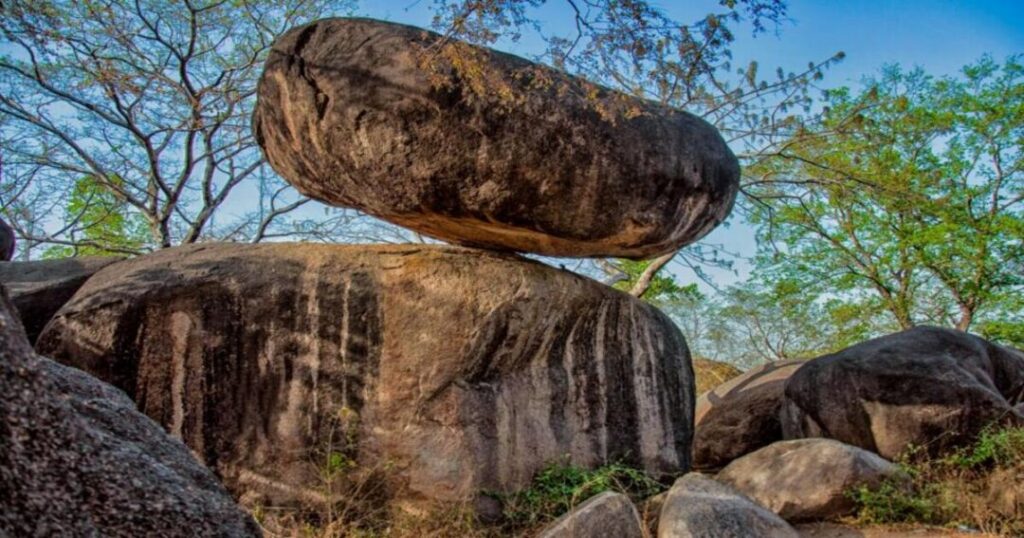
On the route up to Madan Mahal Fort sits Balancing Rock, a genuinely unusual geological formation where a massive boulder rests on a narrower base in a way that looks like it shouldn’t hold—a natural counterpart to the fort’s man-made history and an easy stop on the same trip up the hill.
Dumna Nature Reserve
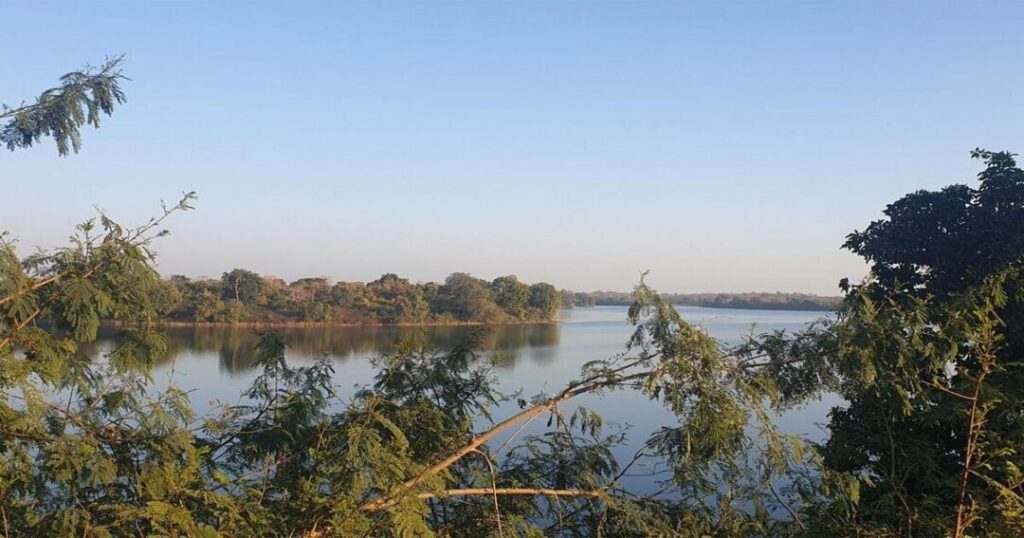
About 10 km from the city and right next to Jabalpur’s airport, Dumna Nature Reserve covers roughly 1,800 acres of dry deciduous forest, woodland, grassland, and wetland, home to nine resident leopards, around 2,000 deer across multiple species, and more than 300 recorded bird species. Visitor facilities include a hanging bridge, a toy train, boating, and nature trails, though swimming is off-limits given the resident crocodile population—it’s a genuinely different pace from the temple and fort circuit, worth a half-day for anyone who wants nature over history for an afternoon.
Also Read: Places to Visit in Bhopal: Top Attractions in the City of Lakes
A First-Timer’s Guide to Things to Do in Jabalpur
Rather than repeating the list above, here’s how to actually sequence jabalpur attractions across a first visit of about three days.
Day 1: City Heritage
Start at Madan Mahal Fort in the morning, when the climb is cooler and the views clearer, stopping at Balancing Rock on the way up. In the afternoon, head to the Rani Durgawati Museum downtown to put the fort’s history in context before the light fades.
Day 2: Bhedaghat
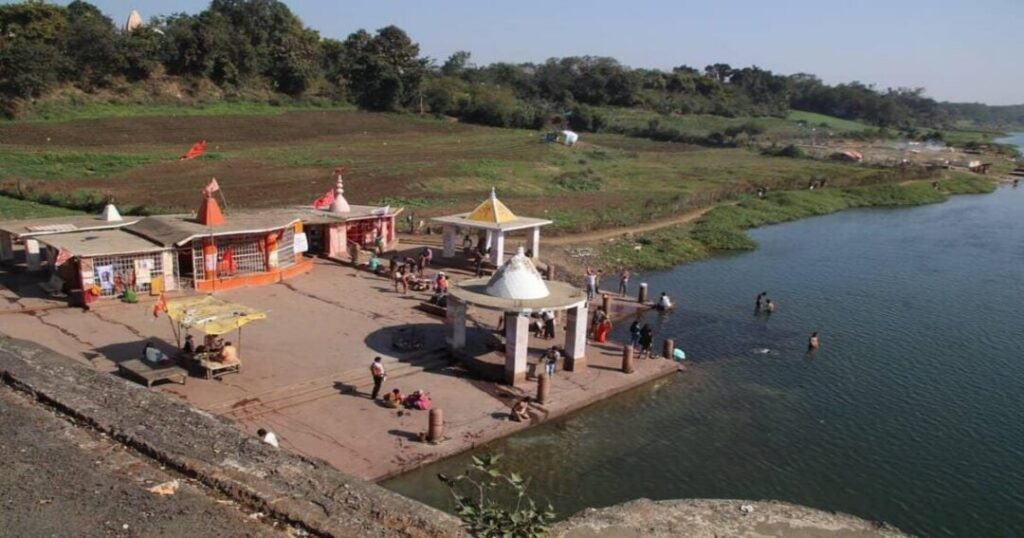
Dedicate a full day to Bhedaghat: take a morning boat ride through the Marble Rocks before the water gets busy, walk over on the ropeway for a different view of Dhuandhar Falls, and finish at the Chausath Yogini Temple on the hilltop above—it’s a short, easy walk up and makes a naturally quiet close to the day’s sightseeing.
Day 3: Nature and Water
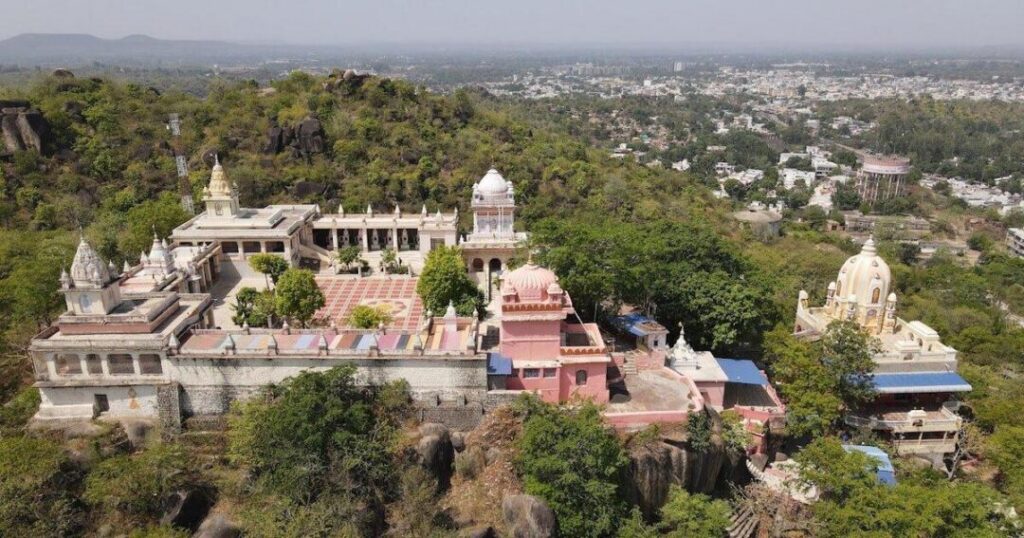
Spend the morning at Dumna Nature Reserve, ideally arriving early when wildlife sightings are most likely, then head out to Bargi Dam in the afternoon for the Narmada backwaters—a genuinely different landscape from the marble gorge and a relaxed way to close out a Jabalpur trip before an evening flight or train.
Also Read: Places to Visit in Ujjain: Beyond Mahakaleshwar and the Big Four
More Places to See: Things to Do in Jabalpur
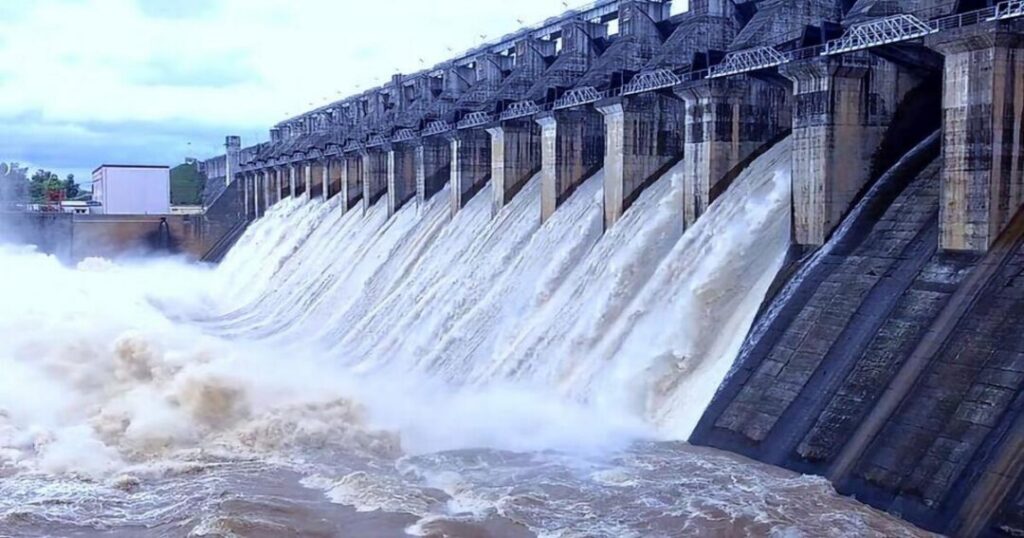
- Bargi Dam: Completed in 1988 after construction began in 1975, this 69.8-meter dam holds back a Narmada reservoir stretching up to 75 km long, and its backwaters have become a popular boating and picnic spot distinct from anything else in the area.
- Rani Durgawati Museum: Established in 1976 and dedicated to the memory of the Gond queen, this museum houses sculptures, inscriptions, and prehistoric relics from the region—a useful stop for context before or after visiting Madan Mahal Fort.
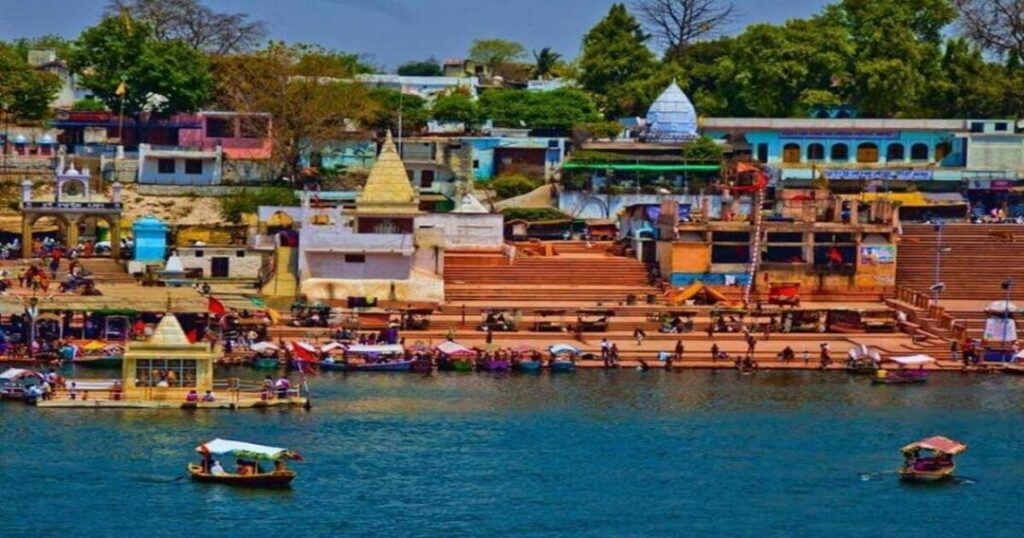
- Tilwara Ghat: One of several ghats along the Narmada in Jabalpur, notable as the site where Mahatma Gandhi’s ashes were immersed—quietest and most atmospheric early in the morning.
Best Time to Visit Jabalpur
October through February is Jabalpur’s best window, with winter temperatures ranging from a cool 8°C to a comfortable 27°C—ideal for boat rides at Bhedaghat and the climb up to Madan Mahal Fort. Summer, from March to May, gets genuinely harsh, with temperatures climbing as high as 45°C and outdoor sightseeing becoming difficult by late spring; the monsoon from June to September brings heavy, frequent rain that can make outdoor activities impractical even though the Marble Rocks and waterfall both look dramatic with higher water levels.
How to Reach Jabalpur
Jabalpur’s Dumna Airport sits about 20 km from the city center and connects to several major Indian cities by air. Jabalpur Junction, an important station on the West Central Railway, gives the city strong rail connectivity to much of India, and National Highway 7 runs directly through Jabalpur, making it a straightforward stop by road for anyone traveling between central and northern India.
Conclusion: Things to Do in Jabalpur
Between glowing marble cliffs, a smoke-throwing waterfall, and a fort tied to one of India’s most remembered queens, the things to do in Jabalpur reward exactly the kind of unhurried trip the city rarely gets credit for. Time the Bhedaghat boat ride for morning or evening light, and the rest of the city tends to move at a genuinely relaxed pace around it.
Planning a Jabalpur trip? Let the Explurger app help you sequence the marble rocks, the forts, and the nature reserves right.
FAQs About Things to Do in Jabalpur
2. How many days do you need in Jabalpur?
Three days works well — one for the city's forts and museum, one dedicated fully to Bhedaghat, and one for Dumna Nature Reserve and Bargi Dam.
3. What is special about Bhedaghat Marble Rocks?
The Narmada River cuts through towering marble cliffs that appear to glow under moonlight, before narrowing and dropping about 30 metres at Dhuandhar Falls — best experienced by boat ride through the gorge and, separately, the ropeway over the falls.
4. What is the Chausath Yogini Temple known for?
Built in the early 11th century by the Kalachuri king Yuvaraja II, it's the largest circular yogini temple in India despite its name — it actually holds 81 shrine niches rather than 64, a detail considered a mark of royal patronage.
5. Who built Madan Mahal Fort?
It dates to the 11th century and is closely associated with Rani Durgavati, the Gond queen who died fighting Mughal forces and is remembered as a martyr in Indian history.
6. What is the best time to visit Jabalpur?
October through February, when winter temperatures stay between roughly 8°C and 27°C, is ideal; summers get uncomfortably hot and the monsoon brings heavy rain that can disrupt outdoor sightseeing.