
2,168 Total Views
Places to visit in Bhopal range from a 32-square-kilometer lake at the edge of the city to a cluster of rock shelters where someone painted a rhinoceros before the wheel was invented. Madhya Pradesh’s capital doesn’t get the tourist traffic of Agra or Jaipur, which is exactly why it rewards a slower look: a mosque built by a female ruler, a 1,100-meter-tall memorial to soldiers, and a museum of tribal art that most visitors to India never hear about. This guide covers the best tourist places in Bhopal, how to get to each one, and when to go.
Best Places to Visit in Bhopal in 2026
Upper Lake and Van Vihar: Bhopal’s City of Lakes Identity
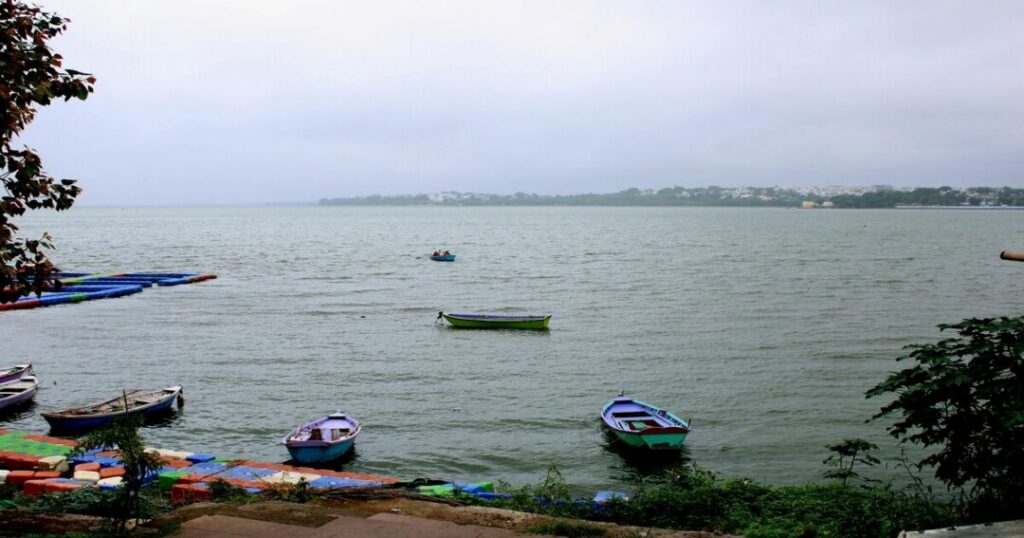
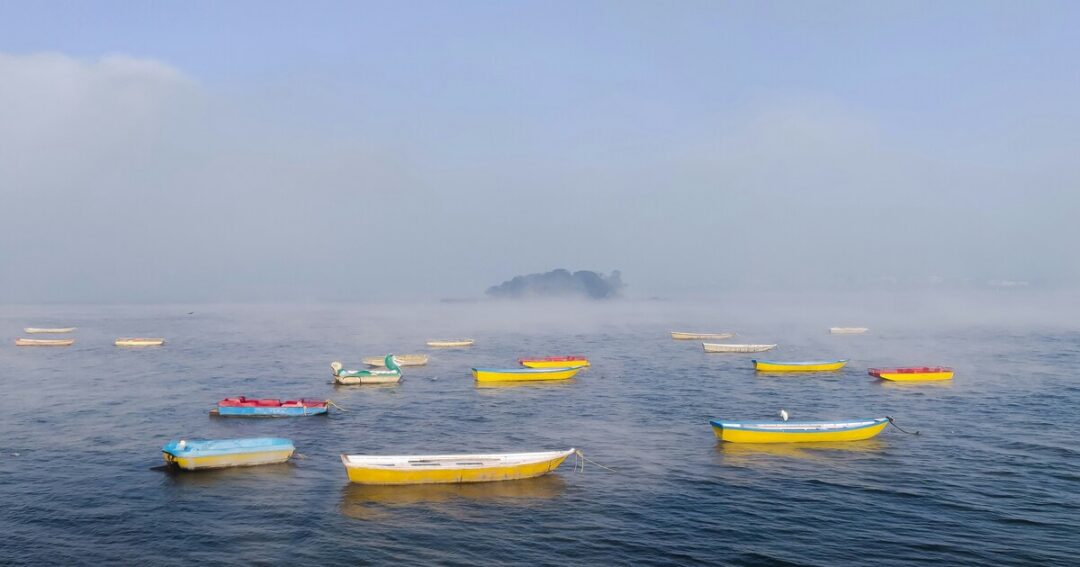
Bhopal earns its nickname “City of Lakes” mainly from two water bodies: the Upper Lake (also called the Bhoj Wetland) and the smaller Lower Lake, separated by a stone bridge. The Upper Lake supplies much of the city’s drinking water and remains its most popular evening spot, with boat rides, a promenade, and sunset views over the water.
- Van Vihar National Park sits directly on the Upper Lake’s southern shore—a compact wildlife sanctuary within city limits, home to tigers, leopards, and deer in enclosures modelled on their natural habitat.
- A boat ride on the Upper Lake, particularly near dusk, is one of the more reliable places of interest in Bhopal for families and couples alike.
- The city’s Fish Aquarium, established in 1977, sits nearby and makes an easy add-on for a lakeside afternoon.
Taj-ul-Masajid and the Legacy of the Begums of Bhopal
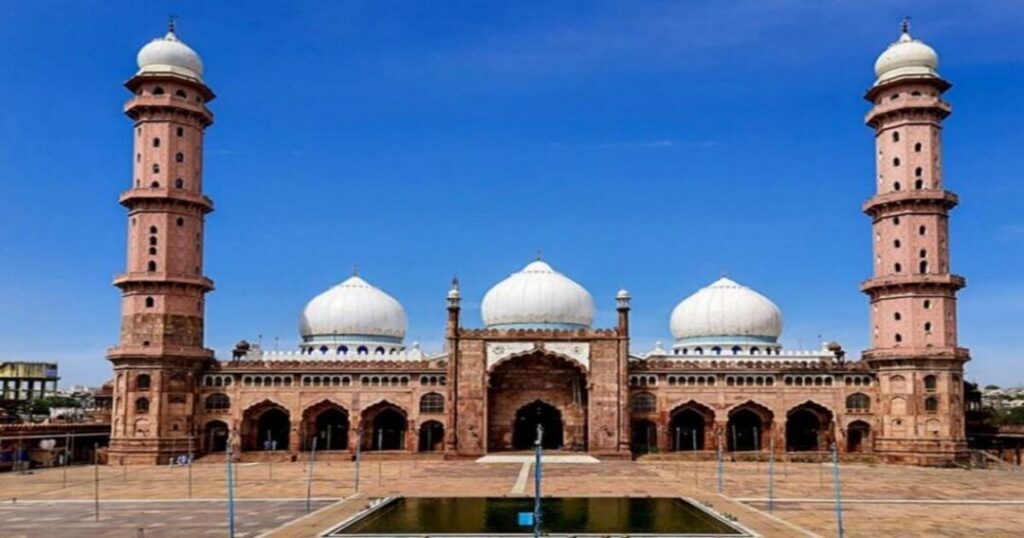
Among Bhopal’s famous places, the Taj-ul-Masajid stands out simply by scale: it’s the largest mosque in India, with pink façades, three white domes, and twin 18-story-tall minarets. Construction began during the reign of Shah Jahan Begum in the 19th century—one detail that points to a genuinely unusual chapter of the city’s history.
[STAT: four women—Qudsia Begum, Sikandar Begum, Shah Jahan Begum, and Sultan Jahan Begum—ruled the princely state of Bhopal in direct succession for almost 107 years, from 1819 to 1926—Feminism in India / Wikipedia] This is a genuinely rare run in South Asian royal history, and it shaped much of what visitors see in Bhopal’s old city today, from mosques to the palace architecture around Chowk Bazaar.
- Taj-ul-Masajid: open to visitors outside prayer times; the surrounding bazaar is one of the best places near Bhopal to visit for old-city food and handicrafts.
- Moti Masjid and Jama Masjid: smaller, older mosques from the same royal dynasty, both within easy reach of the old city.
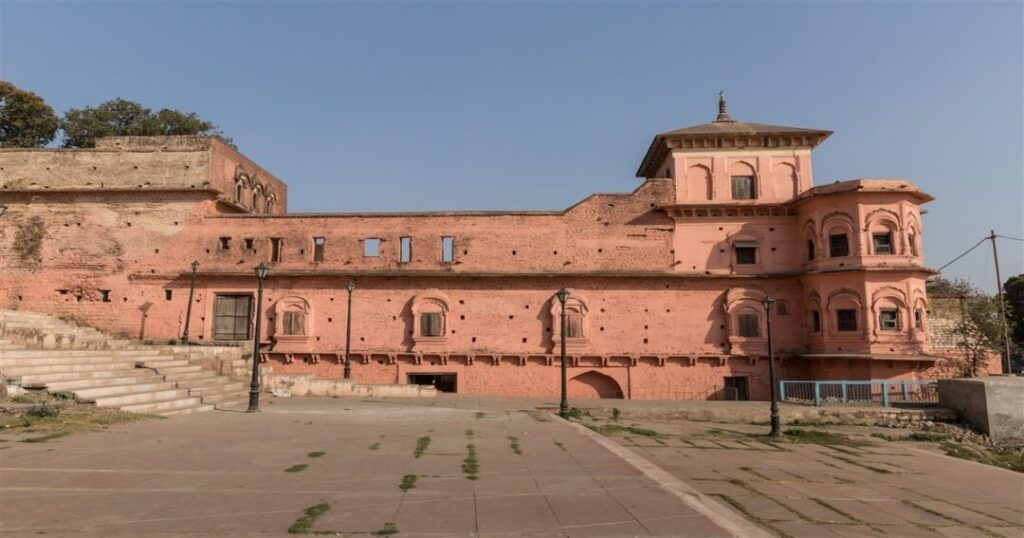
- Gohar Mahal: a riverside palace built in a mix of Hindu and Mughal architectural styles, associated with Bhopal’s ruling family.
Also Read: Madhya Pradesh Heritage Circuit: Discover India’s Timeless Legacy
Bhimbetka Rock Shelters: A UNESCO Day Trip From Bhopal
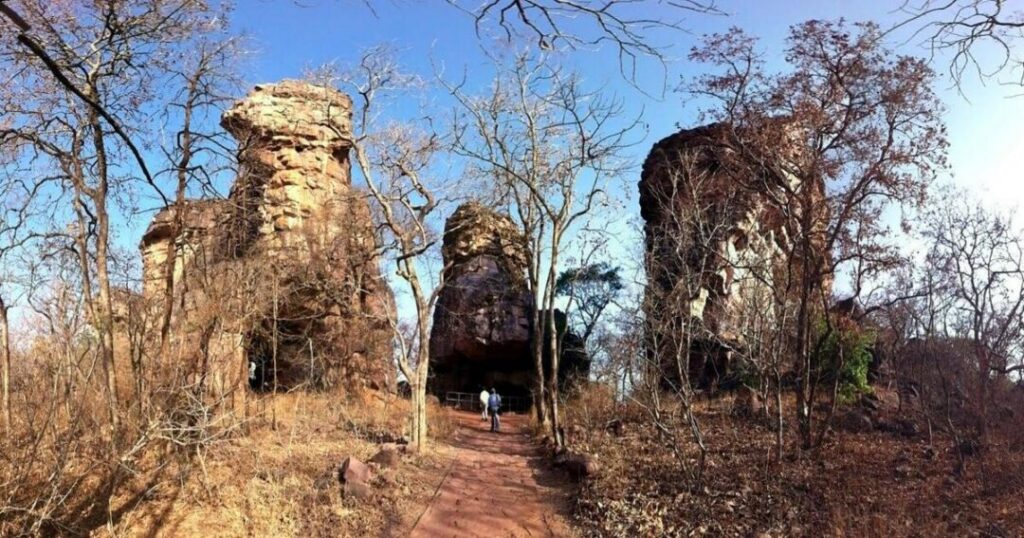
About 46 km southeast of the city, the Bhimbetka rock shelters are one of the best tourist places in Bhopal’s surrounding region for anyone interested in prehistory. [STAT: the complex holds roughly 700 rock shelters, of which 243 have been archaeologically investigated and 133 contain paintings; UNESCO inscribed the site as a World Heritage property in 2003—Britannica]
The oldest paintings date to the Late Paleolithic period and depict large linear figures of rhinoceroses and bears; later layers, from the Mesolithic and Chalcolithic periods, show hunting scenes, dancing figures, and early agricultural life. Bhimbetka is one of the world’s longest continuous records of human artistic activity, painted and repainted across tens of thousands of years.
- Best combined with Bhojpur Temple, about 28 km from Bhopal, home to one of the largest Shiva lingams in India, inside an unfinished 11th-century temple.
- A half-day taxi trip from Bhopal covers both sites comfortably; carry water and a hat, as the shelters involve some uphill walking with little shade.
Bharat Bhavan and Bhopal’s Museums: Things to Do in Bhopal Beyond Sightseeing
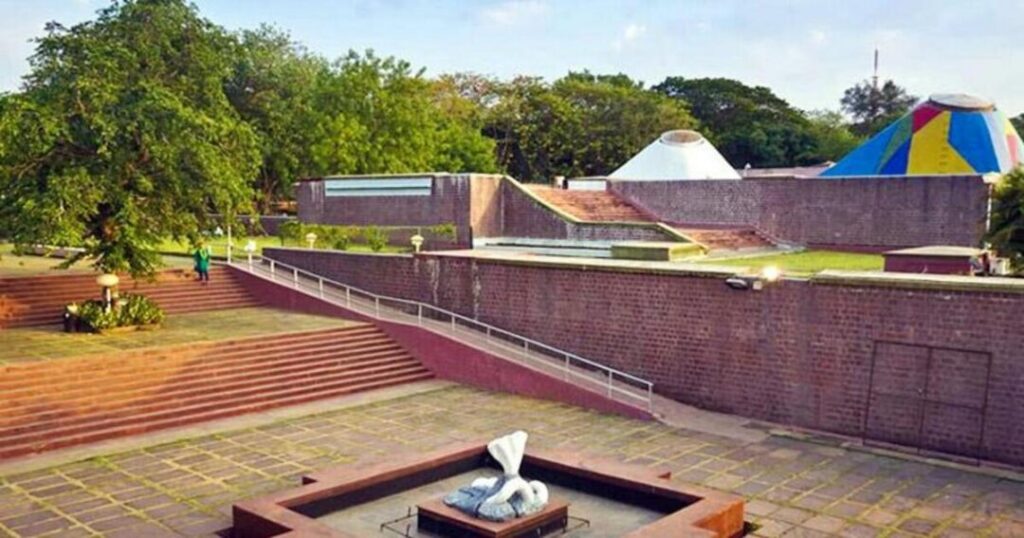
Bhopal’s cultural institutions rarely make the standard India itinerary, but they’re some of the best places to visit in Bhopal for anyone tired of monument-hopping.
- Bharat Bhavan: a multi-arts center for visual art, poetry, theater, and classical and tribal music, designed by architect Charles Correa and built partly below ground level to preserve the surrounding lake view.
- Indira Gandhi Rashtriya Manav Sangrahalaya (Museum of Mankind): an open-air anthropology museum with full-scale tribal dwellings from across India.
- Regional Science Centre: hands-on science exhibits and a planetarium, popular with families travelling with children.
- State Museum: houses sculpture, manuscripts, and coins spanning Bhopal’s pre-Islamic and princely-era history.
Shaurya Smarak and Birla Mandir: Bhopal’s Skyline Landmarks
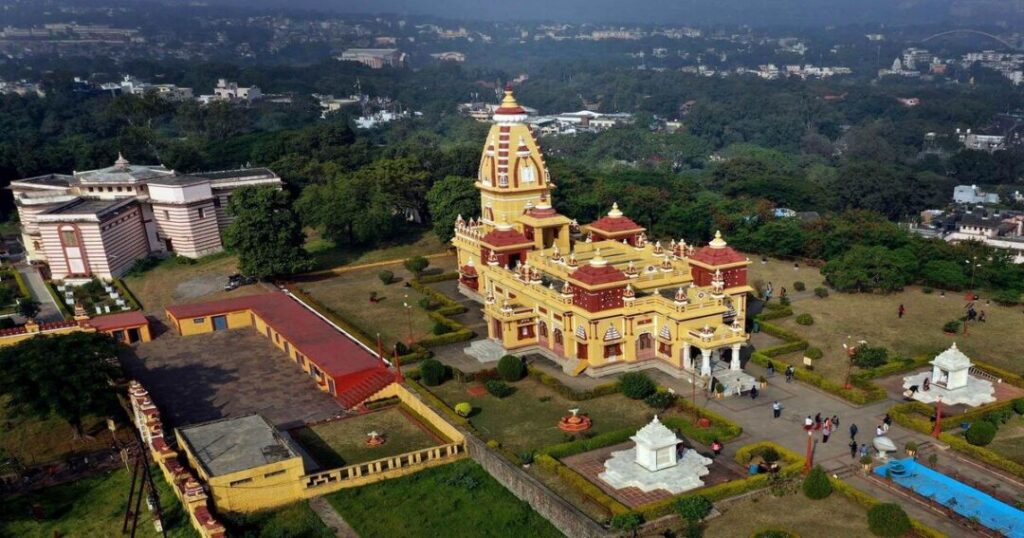
[STAT: Shaurya Smarak, a war memorial spread across roughly 12 acres, was inaugurated by Prime Minister Narendra Modi on 14 October 2016—Bhopal District administration.] Built on a hilltop, it honors Indian soldiers and doubles as one of the better viewpoints over the city and Upper Lake.
- Birla Mandir (Lakshmi Narayan Temple): sits at one of Bhopal’s highest points, dedicated to the goddess Lakshmi, and offers wide views over the old and new city.
- Both sites are easy add-ons to an Upper Lake evening, since they sit within a short drive of the lakefront.
Also Read: 10 Best Tourist Places Near Indore for Your Next Weekend Getaway
Best Time for Places to Visit in Bhopal
October to March is the best stretch to visit, when daytime temperatures settle into the mild low-30s°C and drop further by December and January. Summers (April to June) push past 40°C and are best avoided for sightseeing, while the monsoon (July to September) fills Bhopal’s lakes beautifully but makes boating and outdoor walks unpredictable.
How to Reach Places to Visit in Bhopal
- By Air: Raja Bhoj Airport is about 15 km from the city center, with direct flights from Delhi, Mumbai, Bengaluru, Hyderabad, and other major cities.
- By Rail: Bhopal Junction is one of India’s major railway hubs, sitting right within the city, with fast connections on the Delhi–Chennai and Delhi–Mumbai main lines.
- By Road: Bhopal is well connected by national highway—about 192 km from Indore, 197 km from Ujjain, 300 km from Jabalpur, and 576 km from Delhi via Agra.
Also Read: More Than Just Tigers: Places to Visit in Madhya Pradesh
Traveller’s Experience: Planning Places to Visit in Bhopal
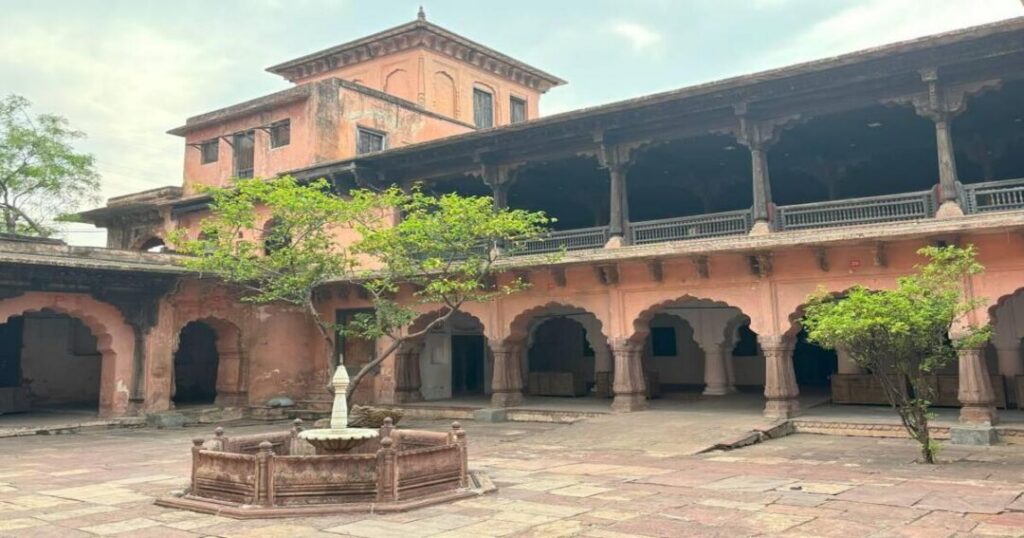
Most visitors base themselves near the Upper Lake or the New Market area and use Bhopal as a two-night stop: one day for the city’s lakes, mosques, and museums, and a second for the Bhimbetka–Bhojpur day trip. Because Bhopal Junction sits centrally and the airport is only 15 km out, it’s also a workable base for reaching Sanchi’s Buddhist stupas, roughly two hours away by road—a common add-on for travellers who want to turn a Bhopal weekend into a longer Madhya Pradesh loop.
Conclusion: Places to Visit in Bhopal
From the Upper Lake’s evening boat rides to the 250,000-year timeline painted onto Bhimbetka’s rock walls, places to visit in Bhopal cover a wider range than most travellers expect from a state capital. Between the Begums’ mosques, a genuinely world-class tribal art museum, and an easy day trip to a UNESCO site, two to three days here works comfortably even without extending into the rest of Madhya Pradesh.
Ready to explore? Download the Explurger app and start planning your Bhopal trip today.
Whichever combination of lakes, mosques, and museums you pick, book your stay early around October–March, when the city is at its most comfortable for walking.
FAQs About Places to Visit in Bhopal
2. What is Bhopal famous for?
Bhopal is famous as the 'City of Lakes,' anchored by the Upper Lake and Lower Lake, and for the Taj-ul-Masajid, India's largest mosque. It's also historically notable as the seat of the Begums of Bhopal, four women who ruled the princely state in direct succession for nearly 107 years, and for its proximity to the UNESCO-listed Bhimbetka rock shelters.
3. How many days are enough to visit Bhopal?
Two to three days are enough to cover Bhopal's main sights comfortably. One day suits the Upper Lake, Van Vihar, Taj-ul-Masajid and the old city, a second day covers Bharat Bhavan and the museums, and a third can be used for the Bhimbetka and Bhojpur Temple day trip, roughly 28 to 46 km outside the city.
4. What are the best places near Bhopal to visit?
The most popular places near Bhopal to visit are the Bhimbetka rock shelters (about 46 km away) and Bhojpur Temple (about 28 km away), both reachable on a single half-day trip. Sanchi, home to some of India's oldest Buddhist stupas, is roughly two hours away by road and is a common extension for travellers with an extra day to spare.
5. Is Bhimbetka worth visiting from Bhopal?
Yes. Bhimbetka is a UNESCO World Heritage Site with roughly 700 rock shelters, of which about 133 contain paintings spanning the Late Paleolithic period through to early historical times. It's one of the world's longest continuous records of human artistic activity, and at under an hour's drive from Bhopal, it's an easy addition to any itinerary built around the city's top 10 places to visit in Bhopal.
6. Who were the Begums of Bhopal?
The Begums of Bhopal were four women — Qudsia Begum, Sikandar Begum, Shah Jahan Begum and Sultan Jahan Begum — who ruled the princely state of Bhopal in direct succession from 1819 to 1926, a span of almost 107 years. Their rule shaped much of the old city's architecture, including the Taj-ul-Masajid, begun under Shah Jahan Begum.