

54 Total Views
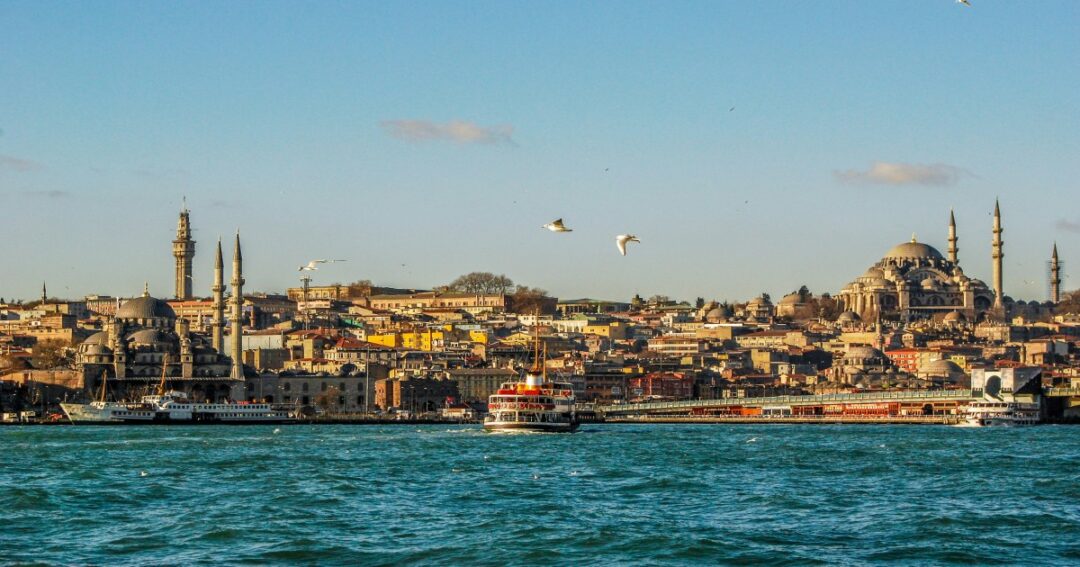
Everyone who visits Istanbul sees the Blue Mosque — it’s hard not to, given it faces Hagia Sophia across the same square and anchors nearly every tourist photo of the skyline. But a proper Istanbul mosque tour goes further: the city has more than 3,000 mosques, and a handful of them are genuinely overlooked. Yet Istanbul’s story doesn’t end with its domes and minarets. Beyond its mosques, you’ll find colourful neighbourhoods, historic churches, bustling bazaars, waterfront promenades, grand palaces and atmospheric streets waiting to be explored. This guide covers five mosques worth your time, goes deep on the Blue Mosque itself — including its history, photos and tour logistics — clears up a common misconception about Süleymaniye’s “tickets” and highlights some of the best places to see beyond the city’s famous religious landmarks, with practical notes on timing and getting into the city.
Best Istanbul Mosque Tour: Five Mosques Worth Your Time
These five span four centuries of Ottoman architecture, from the city’s most photographed skyline to two mosques most visitors walk straight past.
Blue Mosque (Sultan Ahmed Mosque)
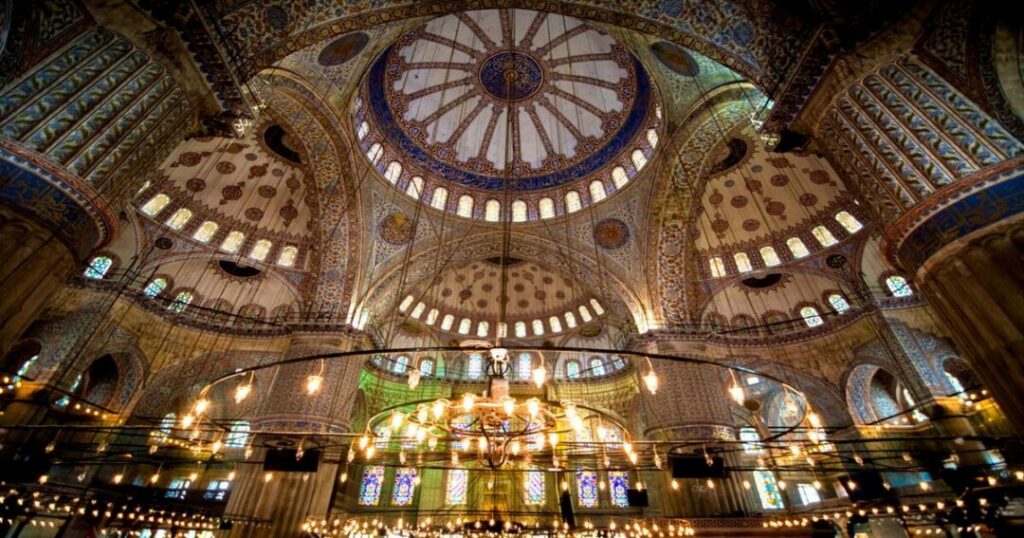
Istanbul’s most iconic mosque, built 1609-1617 and covered in more detail below — the obvious first stop on any mosque tour, and the one every other mosque on this list gets compared to.
Hagia Sophia
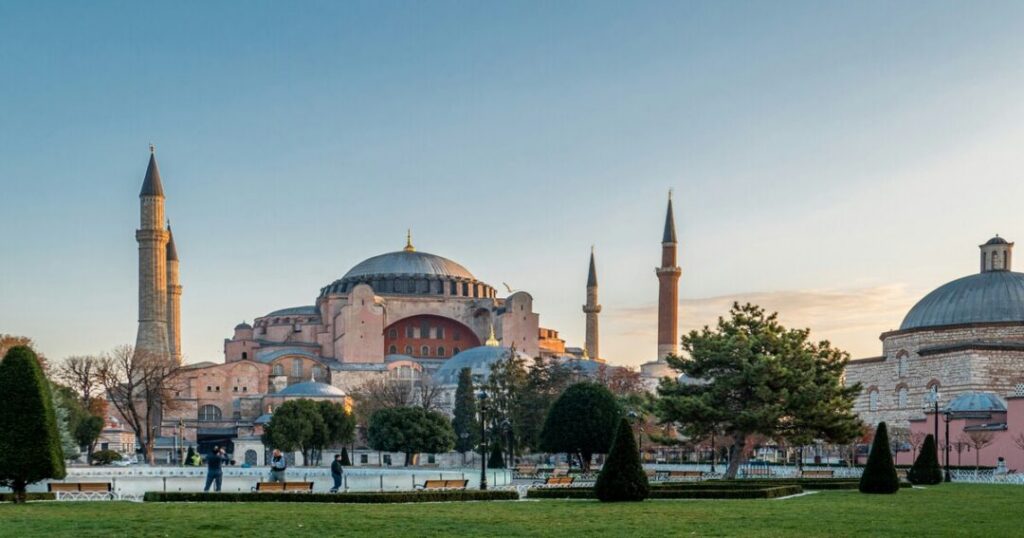
Built as a Byzantine cathedral in the 6th century, converted to a mosque after the 1453 Ottoman conquest, turned into a museum in 1935, and reconverted back into a functioning mosque in July 2020, Hagia Sophia is now an active place of worship directly across the square from the Blue Mosque — meaning the same dress code and prayer-time etiquette apply here as anywhere else on this list.
Also Read: Top 10 Places to Visit in Istanbul (2026 Edition) for Cultural Travellers & Literature Lovers
Süleymaniye Mosque
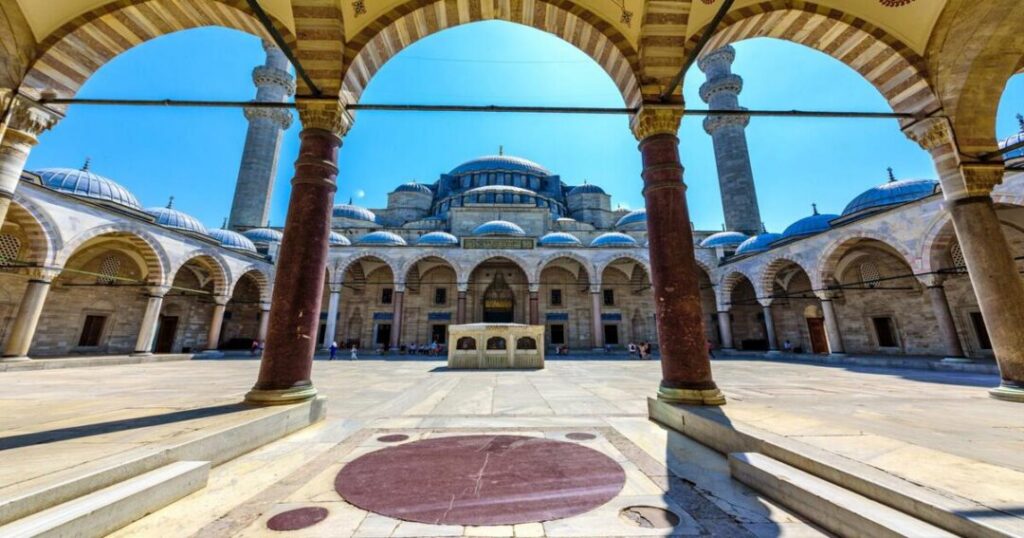
Mimar Sinan’s mid-career masterpiece on one of Istanbul’s seven hills, covered in full below, including the ticket question that brings a lot of people to this page.
Rüstem Pasha Mosque
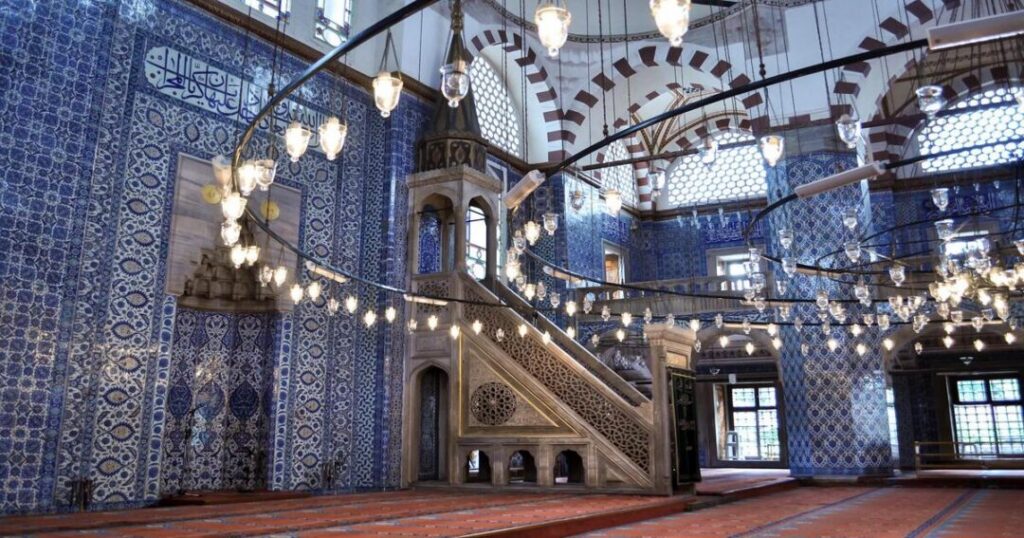
Tucked above a row of shops in the Eminönü market district, this small mosque is easy to walk past entirely — which is exactly why it counts as a hidden gem. Designed by Sinan for Grand Vizier Rüstem Pasha, it’s known among those who do find it for having one of the densest and most striking collections of İznik tilework of any Istanbul mosque, arguably rivalling the Blue Mosque’s tiles in quality while drawing a tiny fraction of the foot traffic.
Şehzade Mosque
Commissioned by Süleyman the Magnificent to memorialise his son, Şehzade Mehmed, who died in 1543 returning from a military campaign in Hungary, this was Sinan’s first major imperial commission, built 1545-1548. Sinan himself reportedly considered it his “apprentice” work and was never fully satisfied with it, never repeating its exact layout — but the symmetrical dome-and-four-half-dome design he worked out here went on to influence the Blue Mosque and even the Mosque of Muhammad Ali in Cairo, making this a genuinely interesting stop for anyone who’s already seen the mosques it inspired.
Blue Mosque Guide: Istanbul Mosque Tour, Photos & Tips
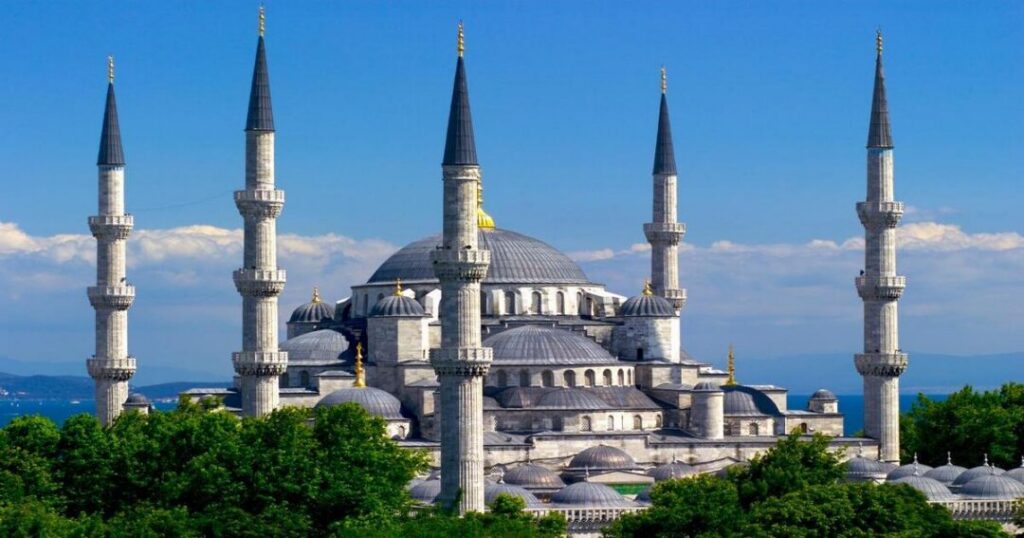
For anyone who landed here searching for the blue Mosque or Istanbul blue Mosque — both point to the same place, the Blue Mosque (formerly the Sultan Ahmed Mosque) — here’s what actually matters for visiting.
History and the Six-Minaret Legend
Sultan Ahmed I commissioned the mosque in his late teens, built between 1609 and 1617, partly as a prestige project after an unfavourable treaty with the Habsburgs. Its six minarets are famous enough to have generated a popular legend: that the architect misheard the sultan’s request for gold (“altın”) as “six” (“altı”). Historians treat this as a legend rather than a documented fact, but it’s worth knowing either way, since at the time only the Great Mosque of Mecca had six minarets — a seventh was later added there to preserve its unique status.
Also Read: 10 Best Places to Visit in Japan Beyond Tokyo
The Tiles That Give It Its Name
The mosque’s English nickname comes from its interior: restoration documentation counts 21,043 hand-painted İznik tiles featuring more than 50 tulip, carnation, and cypress designs, making this the largest single collection of İznik tilework assembled in one building anywhere.
Blue Mosque Tour Logistics
A proper blue mosque in Istanbul tour costs nothing to arrange on your own: entry is free for everyone, since it’s an active mosque rather than a ticketed monument, and no advance booking is required. Shoulders and knees need to be covered, women must cover their hair (free headscarves are provided at the entrance), and shoes come off at the door. The mosque closes to visitors for roughly 60-90 minutes around each of the five daily prayers, with Friday’s midday prayer keeping it closed longer into the early afternoon — work around these windows rather than against them.
Best Spots for Pictures of the Blue Mosque
For the best pictures of the Blue Mosque in Istanbul, Turkey, searches turn up; late morning is when sunlight reaches the upper windows and lights up the tiled interior most directly, while an early visit around the 8:30am opening avoids the worst of the crowds for both interior and exterior shots. Sultanahmet Park, directly between the Blue Mosque and Hagia Sophia, remains the classic spot for the wide exterior shot with both landmarks visible.
Süleymaniye Mosque Tickets: Istanbul Mosque Tour Essentials
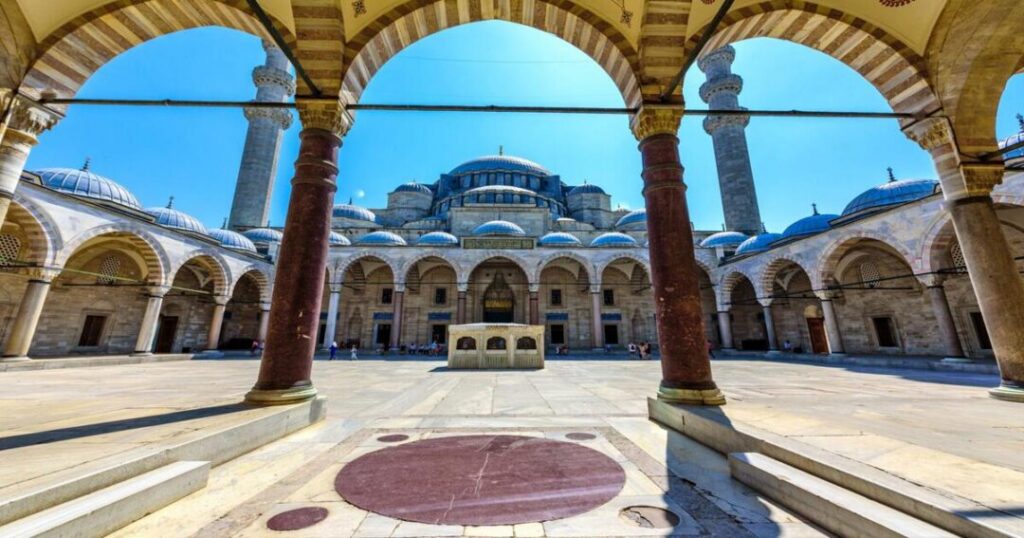
Here’s the short version of the Suleymaniye Mosque tickets: there aren’t any. Süleymaniye is a free, active mosque — no ticket exists, no pass applies, and no booking is needed, the same as every other working mosque on this list. If a tour operator or resale site is charging specifically for “Süleymaniye Mosque tickets”, that charge is for a guided tour or bundled itinerary, not for entry to the mosque itself.
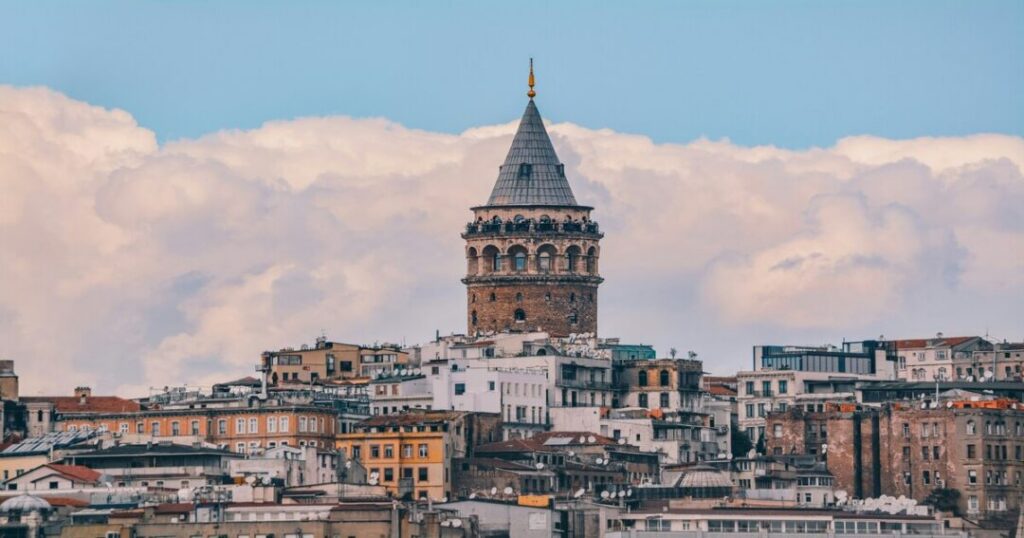
What is worth knowing: Sinan designed Süleymaniye in his sixties for Süleyman the Magnificent, completing it in 1557 as one of his most accomplished works, built around a single dome supported by four massive piers. The garden behind the mosque holds the tombs of Süleyman and his wife Hürrem Sultan (Roxelana), with Sinan’s own, much smaller tomb tucked into a corner of the complex — all free to visit alongside the mosque. The northern courtyard wall looks out over the Golden Horn toward Galata and the bridges, a view many visitors rate above paid rooftop alternatives nearby since it takes in the Galata Tower as well. Mid-morning or the hour before sunset are the best times for both light and relative quiet; avoid Friday midday, when the mosque fills for the week’s main communal prayer.
Istanbul Beyond the Usual: Istanbul Mosque Tour & Unique Places
Balat
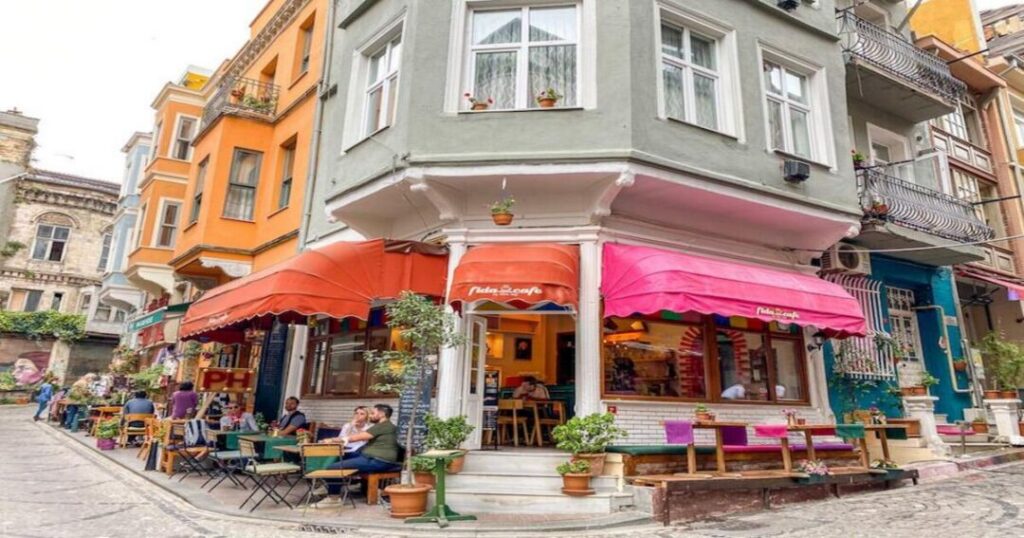
Balat is one of Istanbul’s most atmospheric neighbourhoods. Its steep lanes are lined with colourful historic houses, cafés, antique shops and workshops. The area also reflects Istanbul’s multicultural past, with landmarks connected to Greek Orthodox, Jewish, Armenian and other communities.
Spend a few hours walking through its streets, photographing the old façades and stopping at a neighbourhood café.
Don’t miss: Fener Greek Orthodox Patriarchate, the colourful houses and the nearby Bulgarian St. Stephen Church.
Also Read: Places to Visit in Bangkok: The Complete Guide Beyond the Grand Palace
Camondo Stairs
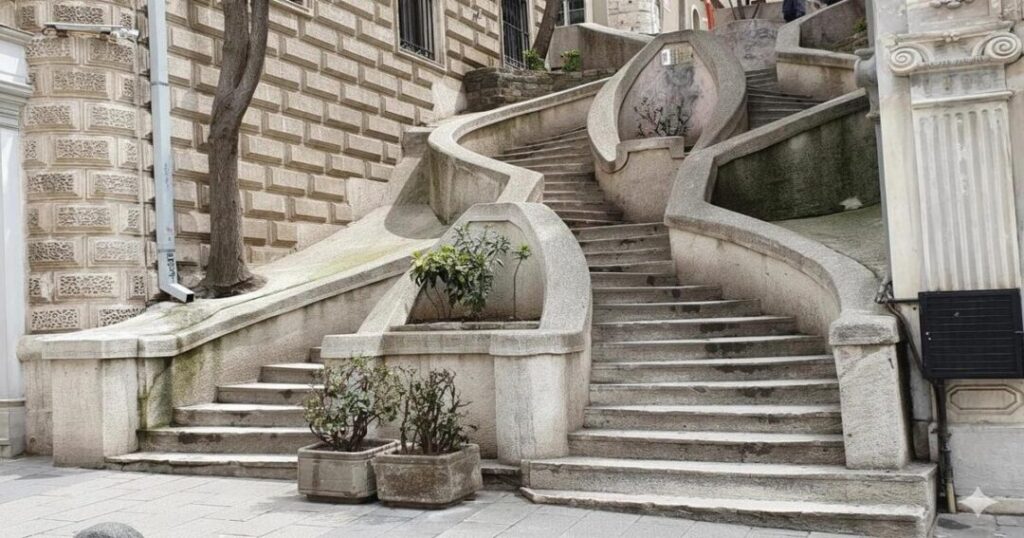
Hidden among the streets of Karaköy, the Camondo Stairs are an architectural gem with an unusual curved design. Built in the 19th century by the Camondo family, the staircase once provided a practical connection between the family’s commercial and residential areas.
Today, its flowing design makes it one of Istanbul’s most distinctive photography spots.
Best for: Architecture, photography and a quick stop while exploring Karaköy and Galata.
Pierre Loti Hill
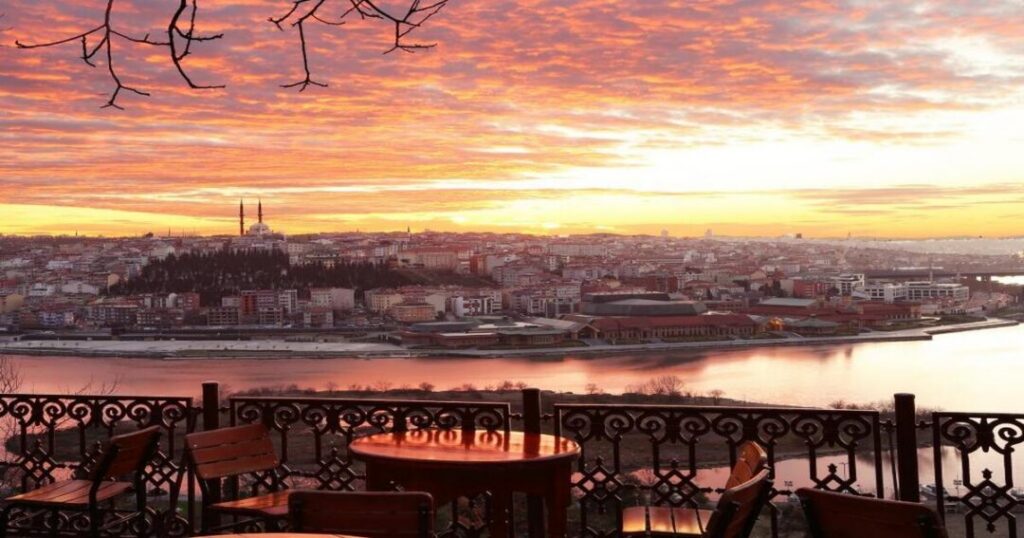
For a different perspective of Istanbul, head towards Pierre Loti Hill in Eyüp. The hill overlooks the Golden Horn and offers sweeping views across the historic city. It is a good place to slow down, enjoy Turkish tea and watch Istanbul’s skyline from above.
Best time to visit: late afternoon, when the changing light creates beautiful views over the Golden Horn.
Kuzguncuk
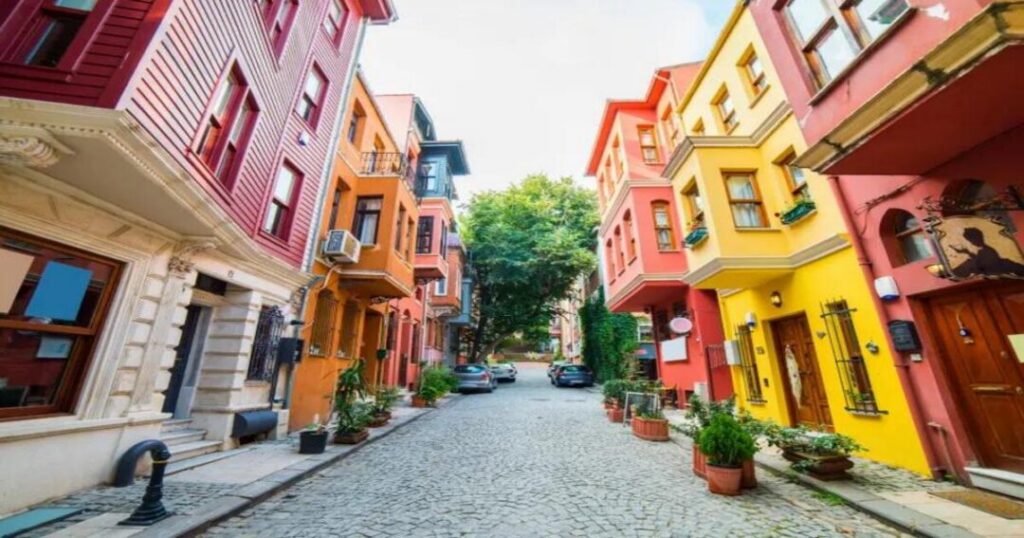
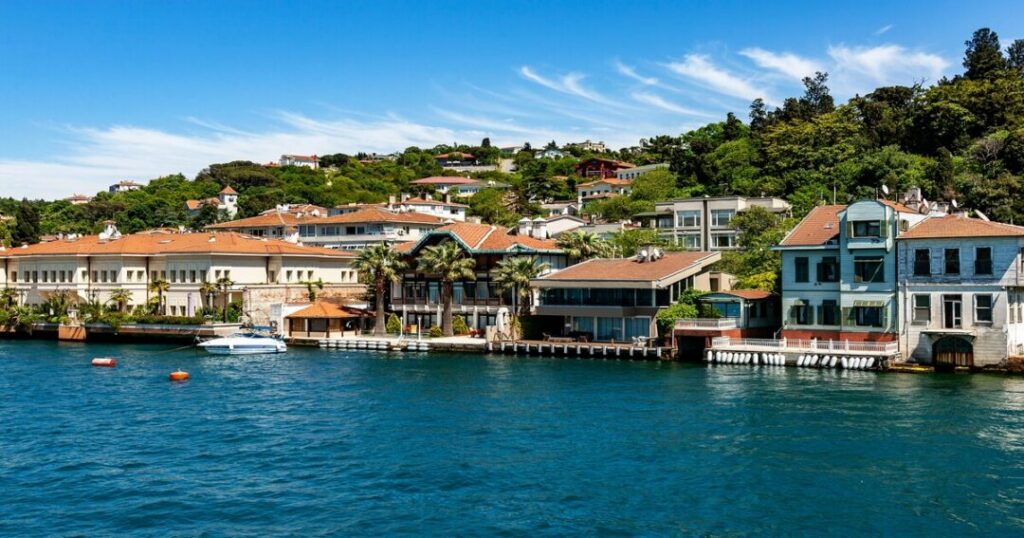
Cross over to Istanbul’s Asian side and explore Kuzguncuk, a peaceful neighbourhood along the Bosphorus. Its tree-lined streets, historic wooden houses, cafés and small shops offer a slower-paced experience compared with the busy Historic Peninsula.
Why visit: It is ideal for travellers looking to experience Istanbul’s neighbourhood character
Bulgarian St Stephen Church
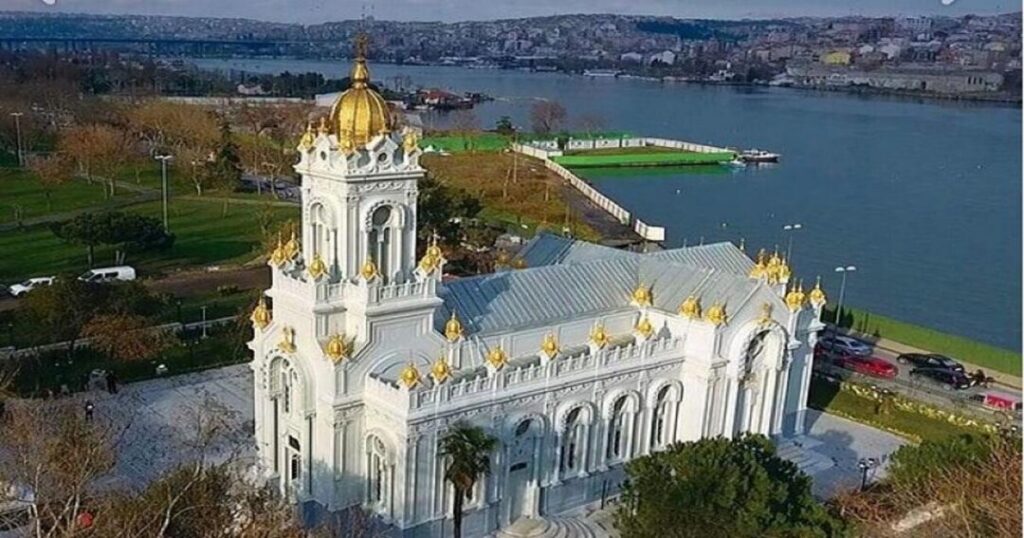
Continue through Fener to see the striking Bulgarian St Stephen Church, famous for its distinctive iron construction and waterfront location. Together with Balat, Fener reveals the multicultural history that has shaped Istanbul over centuries.
Ideal Seasons: Istanbul Mosque Tour Planning
September and October are widely considered the sweet spot, with temperatures around 18-26°C and clear, warm light that photographs especially well against the tilework and domes. April and May run a close second, cooler at 15-21°C with thinner crowds as the main season builds. Summer (June-August) brings the heaviest crowds and heat into the 30s, though long daylight hours suit an evening Bosphorus cruise. Winter is quieter and cheaper but colder and wetter — workable for mosque visits specifically, since the main draw is indoors, but less pleasant for walking between them.
Reaching Istanbul: Mosque Tour Information
Most international flights land at Istanbul Airport (IST) on the European side, connected to the historic Sultanahmet district by the Havaist shuttle bus (roughly 60-90 minutes) or a cheaper metro-plus-tram combination (90-120 minutes); private transfers and taxis run 50-70 minutes depending on traffic. Budget carriers more often use Sabiha Gökçen Airport (SAW) on the Asian side, roughly 40 km from the historic peninsula — more convenient if staying in Kadıköy or Üsküdar, less so for a mosque-focused itinerary centred on Sultanahmet. Whichever airport, insist taxi drivers run the meter, since it’s legally required but not always followed without a reminder.
Conclusion: Istanbul Mosque Tour
A complete Istanbul mosque tour doesn’t mean skipping the Blue Mosque — it’s genuinely worth the crowds. It means not stopping there: Rüstem Pasha’s tiles and Şehzade’s awkward, influential first draft of a design the Blue Mosque later perfected are a ten-minute detour from the main tourist circuit, and most visitors never make it.
Planning an Istanbul trip built around its mosques and historic architecture? Let the Explurger app help you time it around prayer hours, light, and the stops most itineraries miss.
FAQs About Istanbul Mosque Tour
2. Is the Blue Mosque free to enter?
Yes — entry is free for everyone, since it's an active mosque rather than a ticketed monument; no booking or tickets are required, though donations are welcome.
3. Do I need to buy Süleymaniye Mosque tickets?
No — Süleymaniye is completely free to visit, with no ticket or pass of any kind; any charge you see for "Süleymaniye tickets" is actually for a guided tour or bundled itinerary, not entry to the mosque.
4. Why does the Blue Mosque have six minarets?
A popular legend says the architect misheard the sultan's request for "gold" (altın) as "six" (altı); historians treat this as legend rather than documented fact, but at the time only Mecca's mosque had six minarets, prompting a seventh to be added there.
5. What is the best time of day to photograph the Blue Mosque?
Late morning, when sunlight reaches the upper windows and lights the İznik tile interior most directly; an early visit around the 8:30am opening also avoids the heaviest crowds for exterior shots.
6. What are some hidden gem mosques in Istanbul?
Rüstem Pasha Mosque, tucked above a row of shops in Eminönü with an exceptionally dense collection of İznik tilework, and Şehzade Mosque, Sinan's first major imperial commission and the design template for later mosques including the Blue Mosque.