
111 Total Views
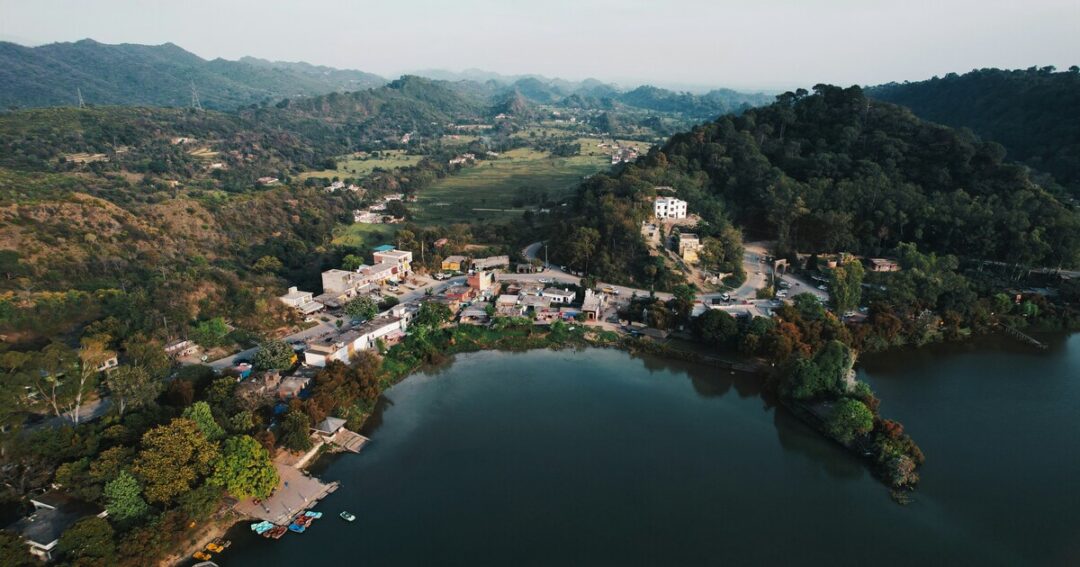
Jammu is often treated as a stopover on the way to Vaishno Devi or Kashmir, which undersells it. Sitting on the Tawi river among the Shivalik hills, the old city is full of Dogra-era temples, palaces and a hilltop fort, and its day trips reach lakes, caves and snow. This guide lists the best things to do in Jammu: five places to start with, a one-day city route, the main temples, museums, nature stops, day trips and food, plus when to go and how to get there. Where sources disagree on hours, fees or distances, the post says so.
Best Things to Do in Jammu
These five sights are the core of a city visit. Opening hours differ between sources, so check them locally.
1. Raghunath Temple
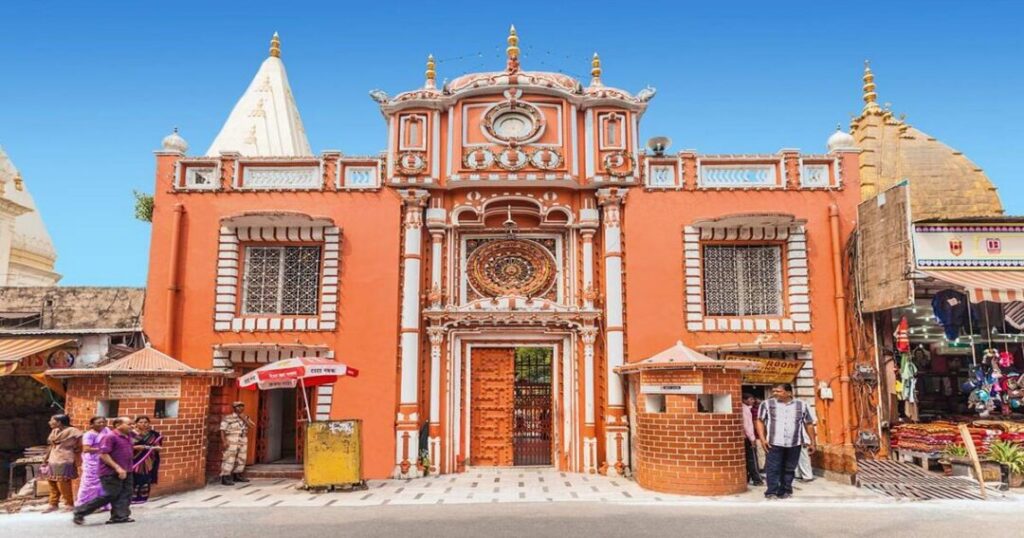
A complex of seven shrines dedicated to Lord Rama in the old city, Raghunath Temple was begun in 1835 under Maharaja Gulab Singh and finished in 1860 under Ranbir Singh. A 2024 itinerary lists its hours as 6 am to 8 pm. The bazaars around it are a good place to stop for snacks and tea.
2. Bahu Fort and Bagh-e-Bahu
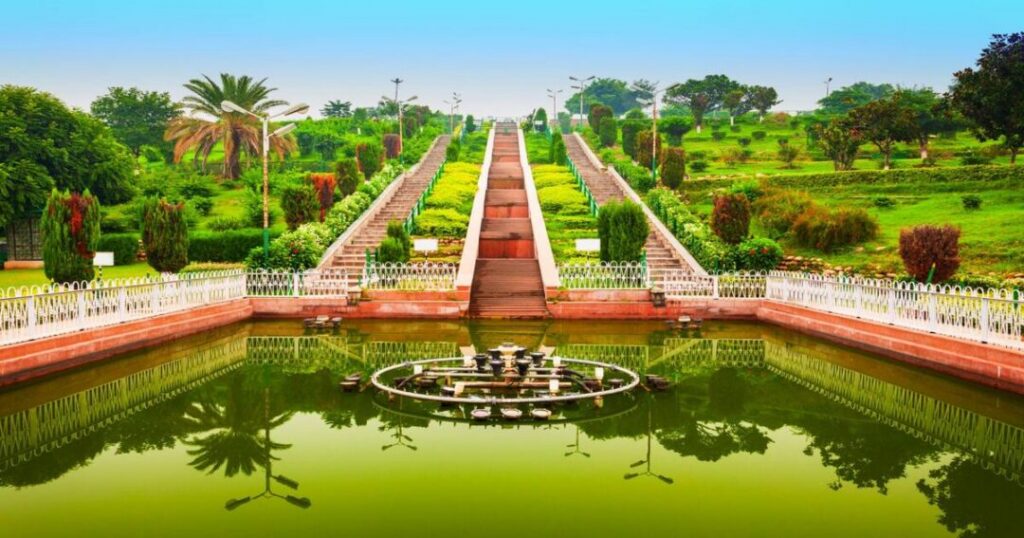
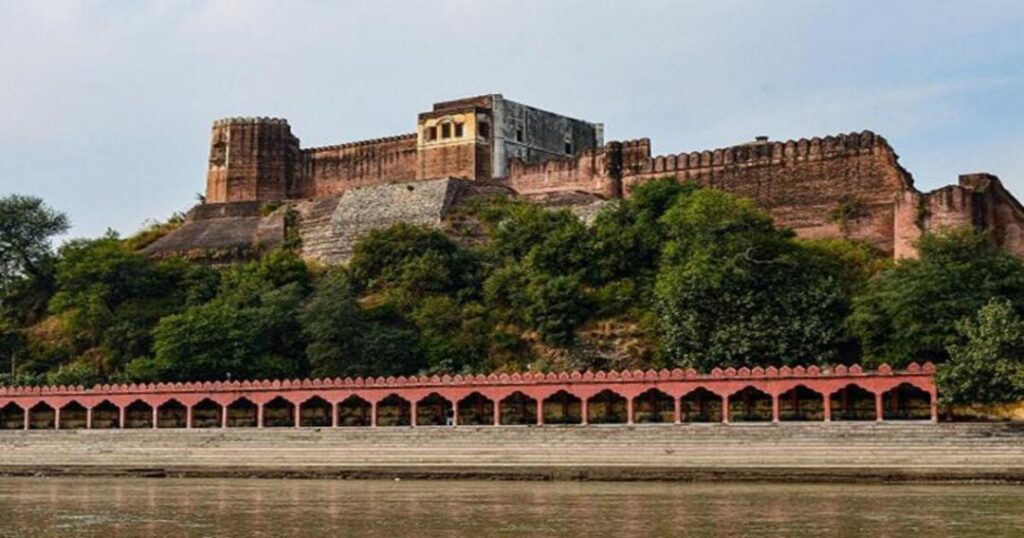
The fort stands on a plateau above the Tawi, roughly 4 to 5 km from the city centre depending on the source. Legend credits Raja Bahulochan, but Wikipedia says the surviving structure was rebuilt in 1585 and reconstructed in the 19th century under Maharaja Gulab Singh. Inside is the Bawe Wali Mata temple, busiest on Tuesdays and Sundays, and a terraced garden, Bagh-e-Bahu, spreads below with views over the city. Rhesus monkeys live in the grounds, so keep food out of sight. Whether a ropeway to the fort is running is unclear, because one guide says it connects the city while Wikipedia calls it proposed.
3. Mubarak Mandi Palace and the Dogra Art Museum
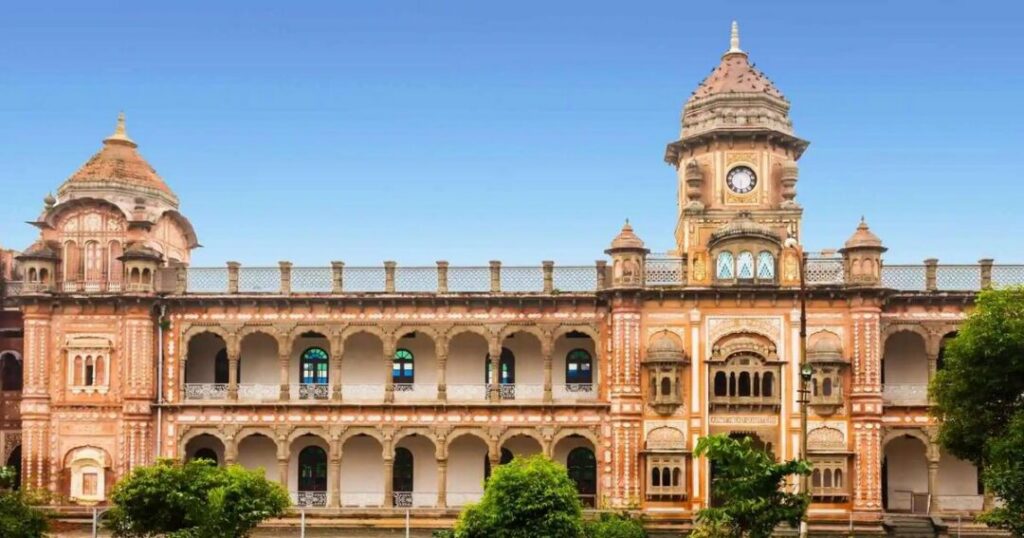
The old royal complex was the main seat of the Dogra Maharajas until 1925, when Hari Singh moved to Hari Niwas Palace. Its style blends Rajasthani and Mughal influences, and its Pink Hall houses the Dogra Art Museum, which displays miniature paintings of the Kangra, Jammu and Basholi schools. Jammu’s official tourism page gives museum hours of 10:30 am to 4:30 pm in winter and 8 am to 1:30 pm in summer, closed on Mondays.
4. Amar Mahal Palace Museum
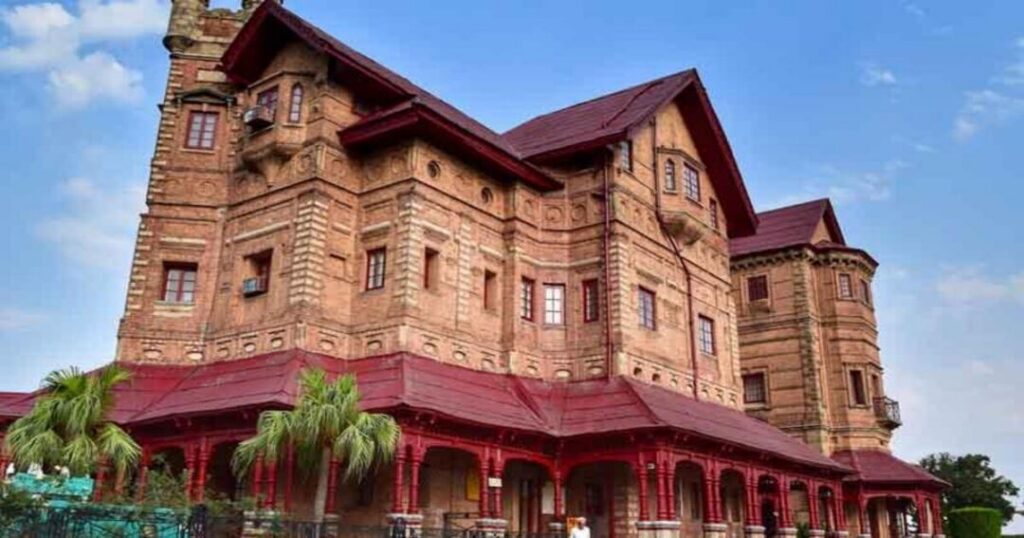
Built in the 1890s on the banks of the Tawi, this red sandstone palace was the last official residence of the Dogra dynasty and is styled like a French chateau. Highlights include a 120 kg golden throne, Pahari miniature paintings, works by M.F. Hussain and G.R. Santosh, and a library of about 25,000 rare books. Incredible India lists entry at Rs 10 for adults, Rs 5 for children and Rs 50 for foreign nationals, open 9 am to 5 pm in summer and 10 am to 5 pm in winter, closed on Mondays.
5. Peer Kho Cave Temple
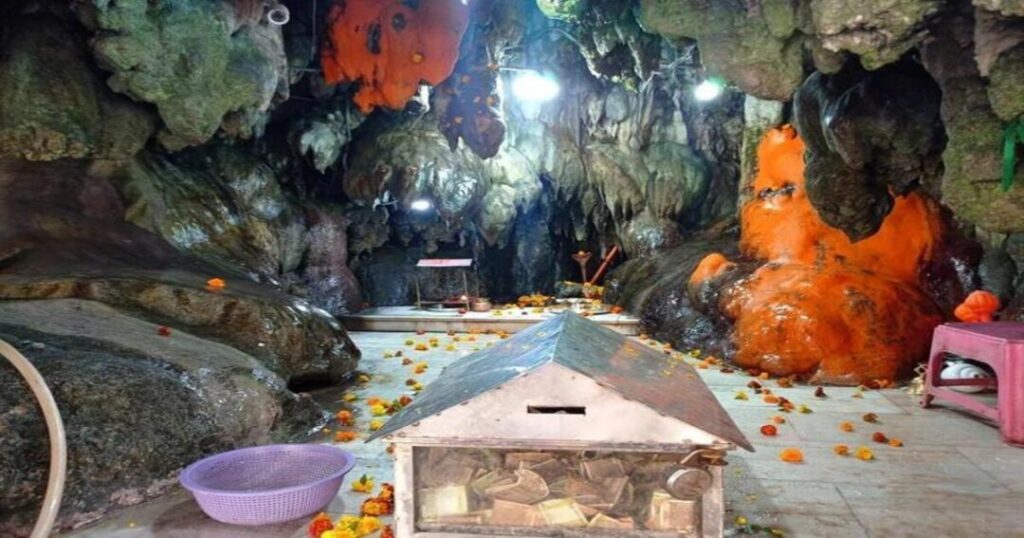
A Shiva shrine inside a cave on Circular Road, about 1.5 km from Mubarak Mandi, Peer Kho is traditionally linked to Jamvant from the Ramayana. Travel guides describe the cave as 20 to 30 feet deep and list hours of 5 am to 7 pm. The depth and hours come from a single blog and a single itinerary, so confirm on site.
Things to Do in Jammu City: A One-Day Walk
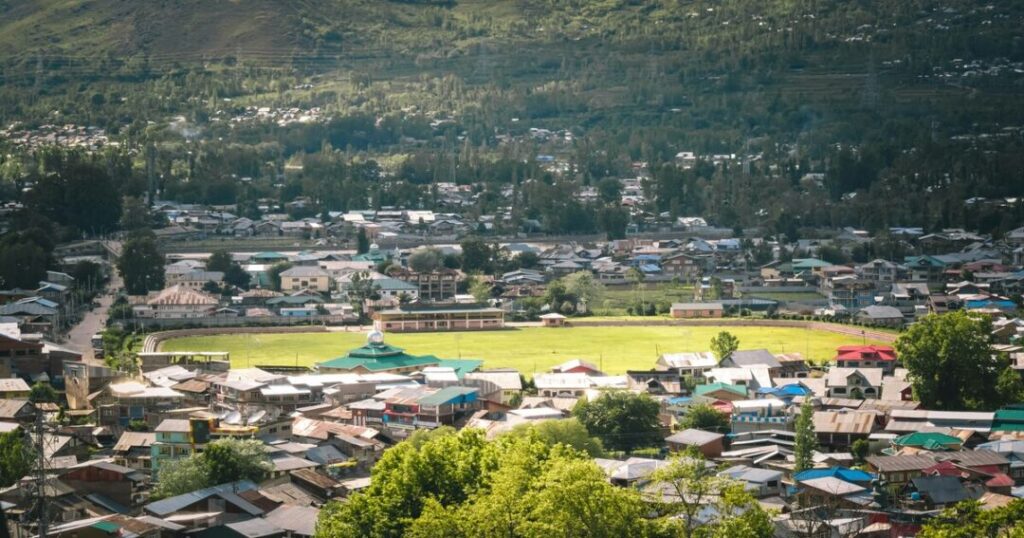
A first visit to things to do in jammu city fits comfortably into one day. This route is our own suggestion, ordered around the museum hours above, so adjust it if you visit in summer or winter.
- Early morning, Raghunath Temple: Visit before the day gets busy, then walk the old bazaars.
- Mid-morning, Mubarak Mandi Palace: See the Dogra Art Museum first, because its summer hours end at 1:30 pm.
- Midday, Peer Kho Cave Temple: A short stop about 1.5 km from the palace.
- Afternoon, Amar Mahal Museum: Open until 5 pm, with the throne and miniature galleries.
- Late afternoon, Bahu Fort and Bagh-e-Bahu: Finish with the views over the Tawi, as one 2017 article suggests early mornings or evenings for the light.
Jammu Tourist Attractions: Temples and Shrines
Jammu calls itself the City of Temples, and the best Jammu tourist attractions for devotees and architecture lovers are its shrines:
- Raghunath Temple: Seven shrines to Rama in the old city.
- Ranbireshwar Temple: Built in 1883 by Maharaja Ranbir Singh on Shalimar Road, and noted for an 8-foot Shivalinga and 12 crystal Shivalingas, according to one travel blog.
- Bawe Wali Mata Temple: A small white marble shrine to Kali inside Bahu Fort, where devotees offer a sweet pudding called kadah.
- Peer Kho Cave Temple: A Shiva cave shrine beside the Tawi.
- Vaishno Devi, near Katra: The region’s best-known pilgrimage, covered below under day trips.
Places of Interest in Jammu: A Short History
Understanding the places of interest in Jammu is easier with a little background. Local tradition names the city after Raja Jambulochan, who is believed to have ruled in the 9th century, though Wikipedia notes that historians do not support the claim that the city is 3,000 years old. The Dogra dynasty later built much of what visitors see, including palaces, temples and educational institutions. The old city lies on the north bank of the Tawi, newer neighbourhoods on the south bank, and Jammu serves as the winter capital of Jammu and Kashmir from November to April. The 2011 census counted 502,197 people in the city.
Jammu Places to See: Museums and Palaces in Detail
Of all the Jammu places to see, the two palaces suit art lovers best. Mubarak Mandi’s Dogra Art Museum is known for hill miniature paintings, and Amar Mahal holds a Nala Damayanti set of 47 miniature paintings, Maharani Tara Devi’s preserved private quarters and a collection of modern works. A 2024 itinerary lists different hours for both, with the Dogra Art Museum open 9 am to 6 pm and Amar Mahal open 9 am to 1 pm and 2 pm to 5 pm. Because the official pages and the itinerary disagree, plan for the shorter hours and confirm locally.
Jammu Sightseeing Places: Lakes, Hills and Gardens
For nature, the jammu sightseeing places worth the drive are these:
- Mansar Lake: About 62 km from Jammu in Samba district, a lake about 645 m wide and 38 m deep that is sacred to Hindus and has a shrine to Shesha on its eastern bank. Boating is run by the Tourism Department, and a nearby wildlife sanctuary has spotted deer, nilgai, cranes and ducks.
- Surinsar Lake: Paired with Mansar as the Surinsar-Mansar Ramsar wetland, designated in 2005, and described by one guide as quieter and good for birdwatching.
- Patnitop: A hill resort about 112 km away at roughly 2,024 m, known for winter snow activities, with the Sanasar meadow about 19 km further.
- Bagh-e-Bahu: The terraced garden below Bahu Fort, which Wikipedia says includes fountains and a small boating lake.
Also Read: Places to Visit in Pahalgam: The Complete Guide to Kashmir’s Valley of Shepherds
Places to See in Jammu Beyond the City: Day Trips
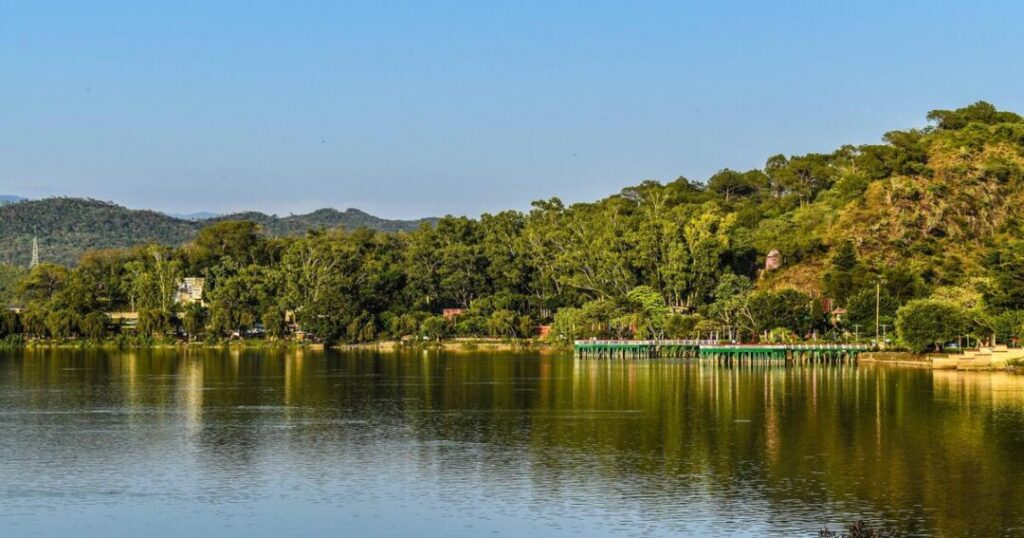
Several of the best places to see in Jammu lie outside the city. Distances below come from a July 2026 travel blog unless stated.
- Akhnoor Fort, about 28 km: A Mughal-era fort on the Chenab river.
- Purmandal, about 39 km: Ancient Shiva temples on the Devika river, crowded during Shivratri.
- Vaishno Devi, Katra base, about 50 km: Incredible India says pilgrims must register at Katra’s registration centres or on the Shrine Board’s website, and puts the walk to the shrine at 12 km. Helicopters run from Katra to Sanjhi Chhat, leaving a 2.5 km walk. The official page also says daily numbers are usually capped and waiting slips are issued in peak seasons.
- Shiv Khori, about 80 km: A cave temple with a naturally formed Shivalinga.
- Mansar and Patnitop: See the nature section above.
Also Read: Festivals in Jammu & Kashmir: A Journey Through Culture & Tradition
Places to Go in Jammu for Food
Food is one of the most underrated places to go in Jammu. Kaladi kulcha, a street food made by shallow-frying kalari cheese between kulcha bread, is the local signature. Kalari is a semi-soft cheese developed by the Dogras and is indigenous to Ramnagar in Udhampur district. Jammu’s tourism development corporation also lists rajma with rice, khatta mutton, madra (a lentil dish cooked in curd), the festive wazwan and street snacks such as gol gappas and gulgule. A 2017 article named Khana Khazana for Dogri thali, Amar Vaishno Dhaba near the old city and the restaurant at Jammu Residency, but that article is dated, so confirm they are still open.
What is the Best Time to Visit Jammu?
Jammu is humid subtropical. Wikipedia gives an average summer temperature of 29.6°C and winter of 17.7°C, with June the hottest month at an average high of 40.6°C and a record high of 47.4°C. Most rain falls from June to September. One 2017 article recommends November to March, and a commercial guide suggests early December to mid-May, with March and April cleaner in air quality than January. Autumn and winter therefore suit sightseeing best, while summer visits need early starts. Winter also coincides with Jammu’s period as the winter capital.
How to Reach Jammu?
By air, Jammu Airport sits within the city and, according to Wikipedia, has direct flights to Srinagar, Delhi, Amritsar, Chandigarh, Leh, Mumbai and Bengaluru, though routes change. By rail, Jammu Tawi (JAT) is the main station. A Vande Bharat Express between Jammu Tawi and Srinagar was launched on April 30, 2026, with regular service from May 2, calling at Katra, Reasi and Banihal and running six days a week with no service on Tuesdays, per a news report. Reported timings are 6:20 am to 11:10 am and 1:20 pm to 6:00 pm from Jammu, and 8:00 am and 2:00 pm from Srinagar, but confirm current timings with Indian Railways. By road, NH-44 reaches the city, and Katra is about 50 km away.
Also Read: Places to Visit in Jammu: The Complete Guide to the City of Temples
Conclusion: Start in the Old City, Then Go Further
The best things to do in Jammu begin in the old city with Raghunath Temple, Mubarak Mandi, Amar Mahal and Bahu Fort, then branch out to Mansar Lake, Vaishno Devi or Patnitop. Visit in the cooler months, confirm opening hours before you go and leave room for kaladi kulcha.
Planning a Jammu trip? Open the Explurger app to meet travelers who want to explore the City of Temples together.
FAQs About things to do in Jammu
2. How many days do you need in Jammu?
One day covers the old-city sights in our own suggested route. Adding Mansar Lake takes a second day, and Vaishno Devi or Patnitop each need their own day. Needs vary with how early you start and the opening hours.
3. What is the best time to visit Jammu?
Autumn and winter suit sightseeing best, with one source recommending November to March and another early December to mid-May. Summers are hot, with June averaging a high of 40.6°C, and most rain falls from June to September.
4. Which museums are in Jammu?
The Dogra Art Museum in Mubarak Mandi Palace and the Amar Mahal Palace Museum. Official tourism pages list both as closed on Mondays, with Amar Mahal entry at Rs 10 for adults, Rs 5 for children and Rs 50 for foreign nationals. Confirm hours before visiting.
5. How far is Vaishno Devi from Jammu?
Katra, the base town, is about 50 km from Jammu, and the official tourism page puts the walk to the shrine at 12 km. Pilgrims must register at Katra's centres or online with the Shrine Board before starting, and helicopters run from Katra to Sanjhi Chhat.
6. How do I reach Jammu?
Jammu Airport has direct flights to several cities, Jammu Tawi is the main railway station and NH-44 serves road travellers. A Vande Bharat to Srinagar began regular service on May 2, 2026, so check current timings with Indian Railways.