

1,330 Total Views
Ranthambore National Park is India’s most famous wildlife destination and one of the best places on the planet to see majestic Bengal tigers in their natural habitat. Located in the Sawai Madhopur district of Rajasthan, this iconic reserve draws wildlife lovers, photographers, and nature travelers throughout its open season each year. In this 2026 travel guide, we’ll walk you through how to plan your trip, safari information, ticketing, timings, wildlife highlights, conservation efforts, where to stay, how to reach, and more — all you need to make your Ranthambore adventure smooth and rewarding.
Also see: Underrated Wildlife Sanctuaries in India That Need to be on Your 2026 Bucket List
About Ranthambore National Park
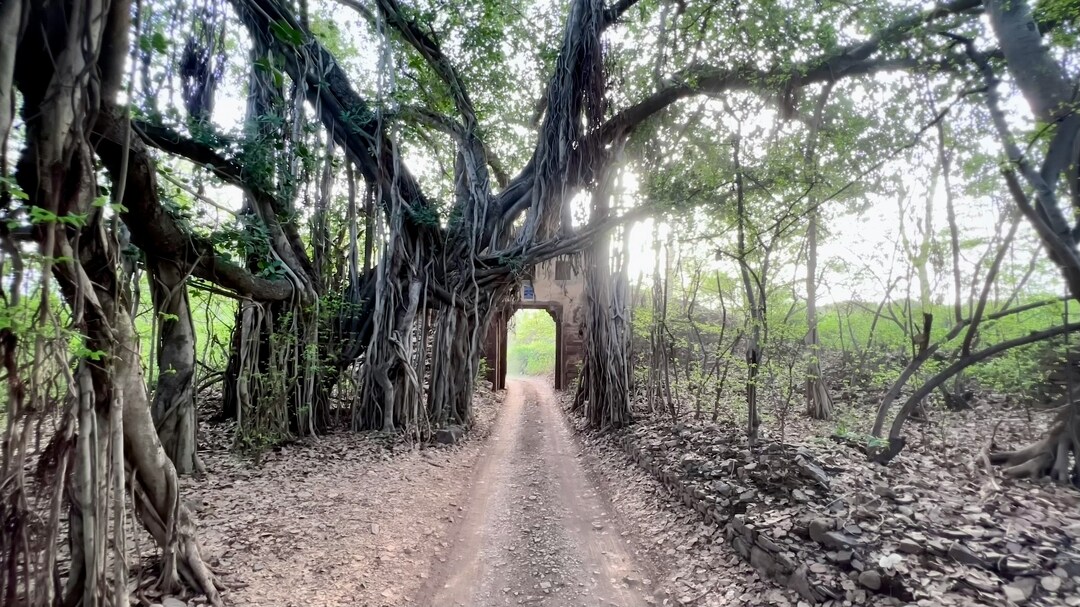
Ranthambore National Park is a tiger reserve and protected area spanning roughly 1,334 square kilometres, nestled between the Aravalli and Vindhya hill ranges in Rajasthan. It is part of Project Tiger, India’s premier conservation program focused on protecting the endangered Bengal tiger. Ranthambore’s landscape is a mix of scrub woodland, rocky outcrops, lakes, and grasslands — ideal habitat for big cats and other wildlife. The park’s terrain and history combine nature and culture, with the 10th-century Ranthambore Fort standing as a dramatic backdrop to wildlife scenes and offering additional exploration opportunities.
The park is divided into 10 safari zones — Zones 1 to 5 are considered core zones with higher chances of tiger sightings, while Zones 6 to 10 are comparatively quieter buffer zones.
Best Time to Visit Ranthambore National Park
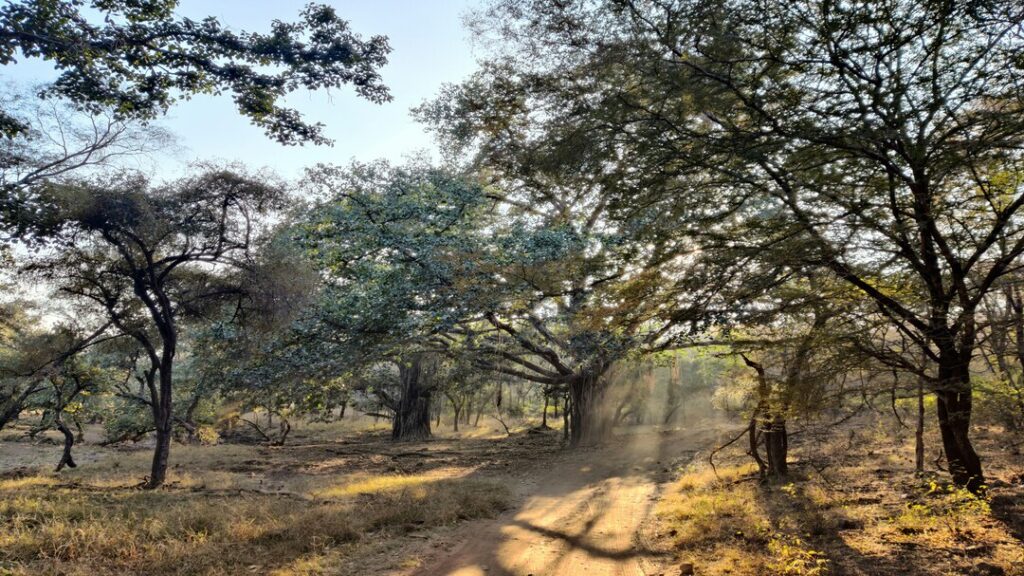
- Open Season: October – June
- Closed Season a.k.a. Monsoons: July – September
- Peak Wildlife Viewing: Winter through late spring (November to May). Early mornings and late afternoons provide the coolest conditions for wildlife movement — ideal times to book your safari
Also see: Palace on Wheels: All You Need to Know About India’s Original Luxury Heritage Train
Safari Experience at Ranthambore National Park
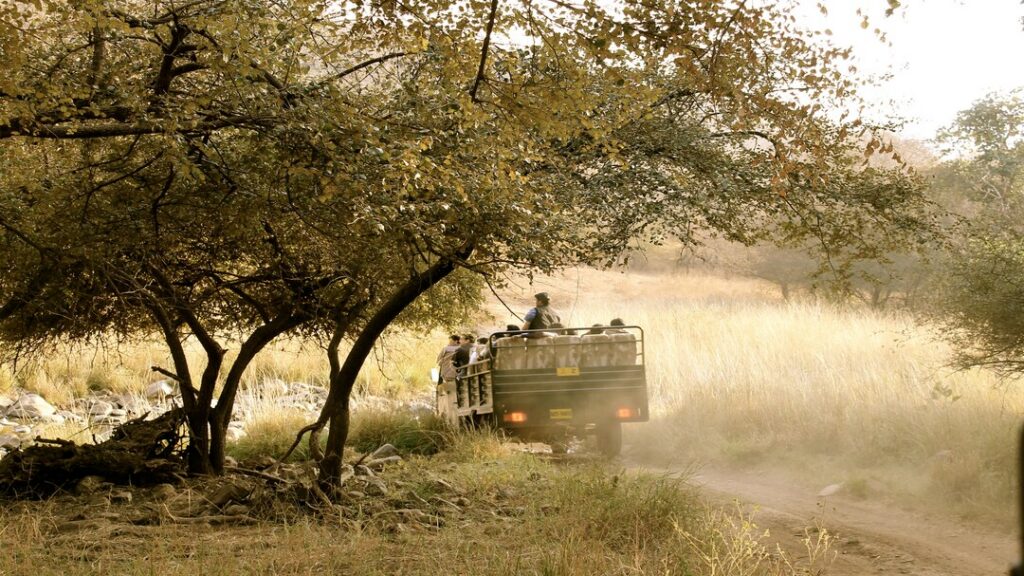
There are two primary safari formats available in Ranthambore National Park:
- Jeep / Gypsy Safari – Small, open jeeps seating up to about 6 people, offering flexibility to move through terrain. They cost around 2000 INR for Indians.
- Canter Safari – Larger, covered vehicles seating 20 visitors, ideal for groups, families, or travelers wanting a community safari experience. They cost less, around 1500 INR for Indians.
Each safari is accompanied by a trained driver and forest guide who knows terrain, wildlife behavior, and best sighting strategies. Ranthambore safari ticket price vary according to nationality.
Safari Timings: Safaris operate twice daily:
- Morning Safari: roughly 6:00 AM to 9:30 AM
- Evening Safari: roughly 3:00 PM to 7:00 PM
Exact times may vary slightly with season, daylight hours and park regulations.
Taking both morning and evening safaris greatly increases your chance of sightings, as many animals are more active during cooler periods.
Booking Your Ranthambore Safari
You can book safaris online via the Ranthambore safari official website or through the Ranthambore national park safari booking government website to ensure authenticity and avoid scams.
Note: There are many third-party sites that offer Ranthambore safari tickets, but using the official channels prevents overcharging and ticket fraud.
Ranthambore safari booking: Here is the link to the Official Govt Site for booking tickets.
How Far in Advance to Book a Safari?
The earlier you book your Ranthambore safari, the better the chances of securing preferred dates, zones, and times — especially in peak season. Bookings open well in advance (for example, tickets for October-December may open as early as the summer prior). Plan 30–60 days ahead if possible, and even earlier for peak months.
Why Ranthambore National Park Matters?
Tiger Conservation
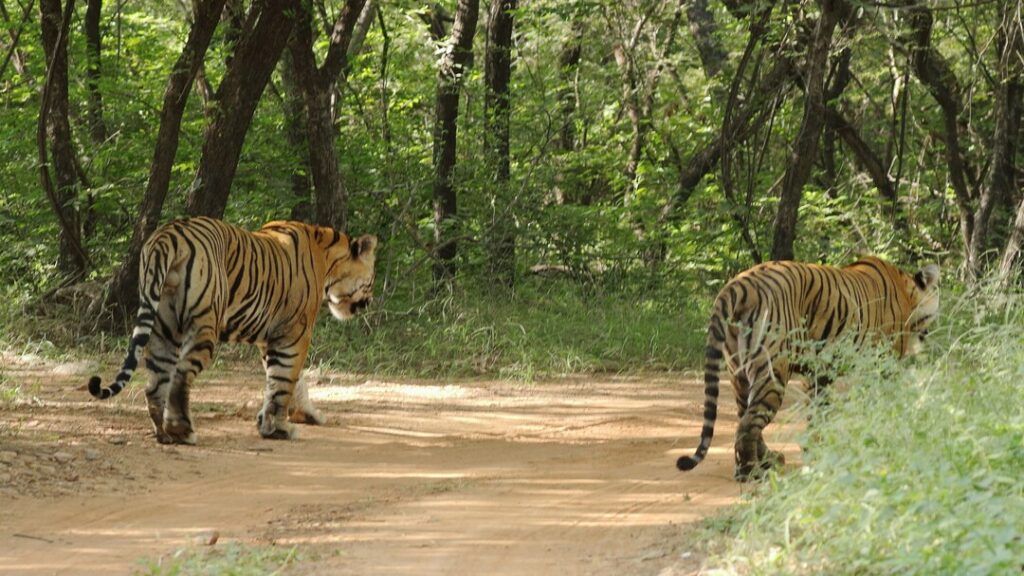
Ranthambore is not just a tourist destination — it plays a critical role in saving one of the world’s most iconic predators. Tigers were once on the brink of extinction in India, but thanks to Project Tiger and sustained conservation work, populations have been steadily recovering. Ranthambore’s protected and managed habitat allows tigers to breed and thrive, contributing to the overall health of the species across India.
Biodiversity Beyond Tigers
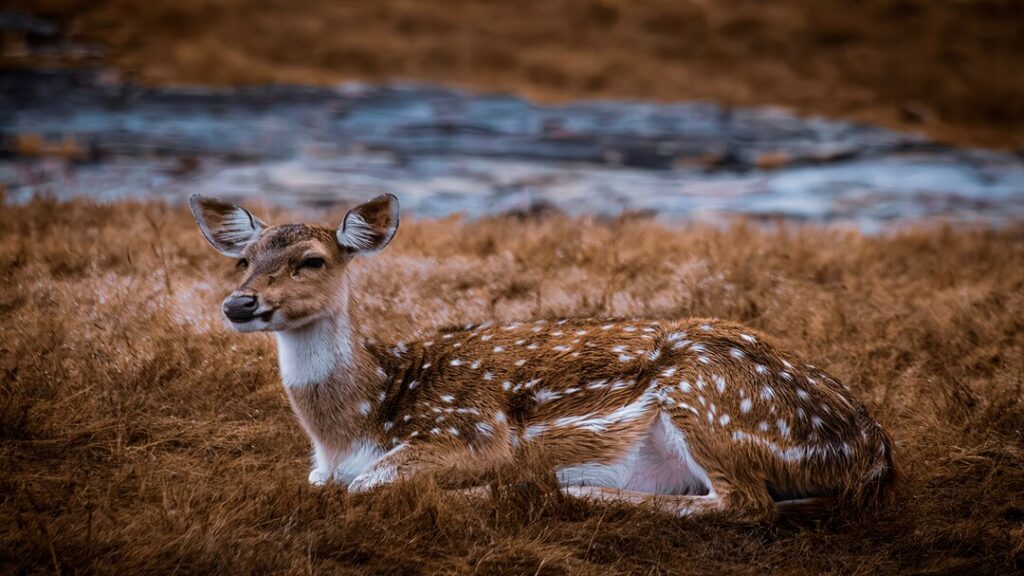
You can also spot Leopards, Sloth bears, Hyenas, Wild boar, Sambar deer, Chital (spotted deer), Marsh crocodiles, Monitor lizards and a variety of bird species.
Other Travel Logistics
How to Reach?
- By Air: Closest airport is Jaipur International Airport.
- By Train: Sawai Madhopur Junction is the nearest rail station, well-connected to major cities.
- By Road: Regular taxis, buses, and private cars serve from Jaipur, Delhi, Agra and Kota.
Also see: TOP 10 OFFBEAT PLACES TO VISIT IN RAJASTHAN
Nearby Attractions
- Ranthambore Fort: UNESCO site, ancient fortification within the reserve area.
- Trinetra Ganesh Temple: historic temple with panoramic views of the park.
- Padam Lake & Jogi Mahal: scenic spots for nature walks and birdwatching.
Visit Ranthambore National Park in 2026!
Ranthambore National Park is one of India’s most important wildlife reserves, known for offering a rare combination of strong tiger conservation, accessible safaris, and a dramatic natural setting. What sets Ranthambore apart is how openly animals move through the landscape. Tigers are often seen during daylight hours, walking along forest tracks, resting near water bodies, or marking territory against ancient ruins. So don’t wait up, plan your trip today!
FAQs About Ranthambore National Park
2. What are the safari timings at Ranthambore National Park?
Safaris operate twice daily — morning (about 6:00 AM – 9:30 AM) and evening (about 3:00 PM – 7:00 PM). Timings vary slightly with the season.
3. How much is a Ranthambore safari ticket?
Rates depend on vehicle type and nationality — roughly ₹1300+ for canter and ₹1900+ for jeep safaris for Indian nationals (higher for foreign tourists).