
2,373 Total Views
The Amarnath Yatra 2026 is one of the most sacred pilgrimages in India, attracting thousands of devotees every year. Set in the majestic Himalayas, this spiritual journey is not just about devotion but also about endurance, preparation, and self-discovery.
With Amarnath Yatra registration starting from April 15, 2026, now is the right time to plan your यात्रा carefully.
What is the Amarnath Yatra
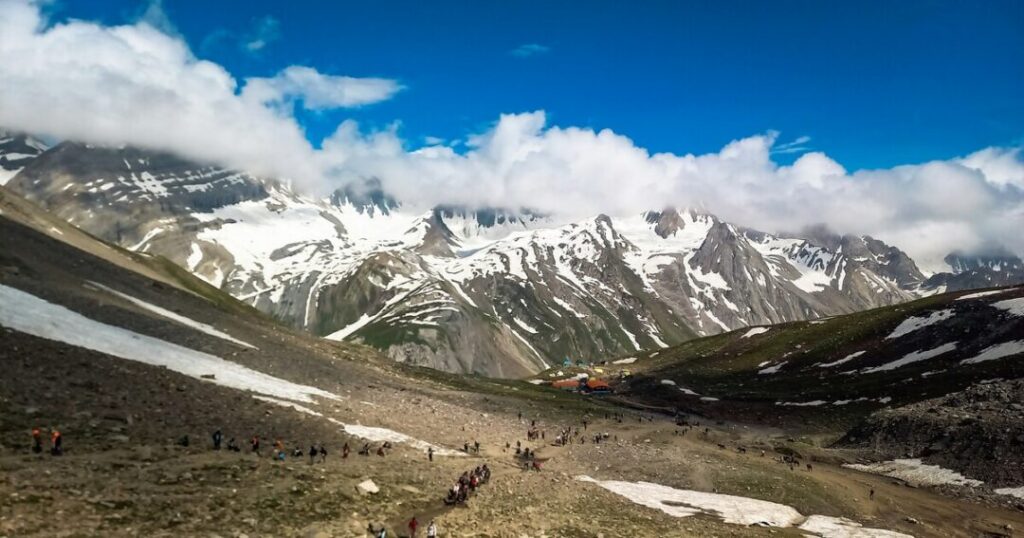
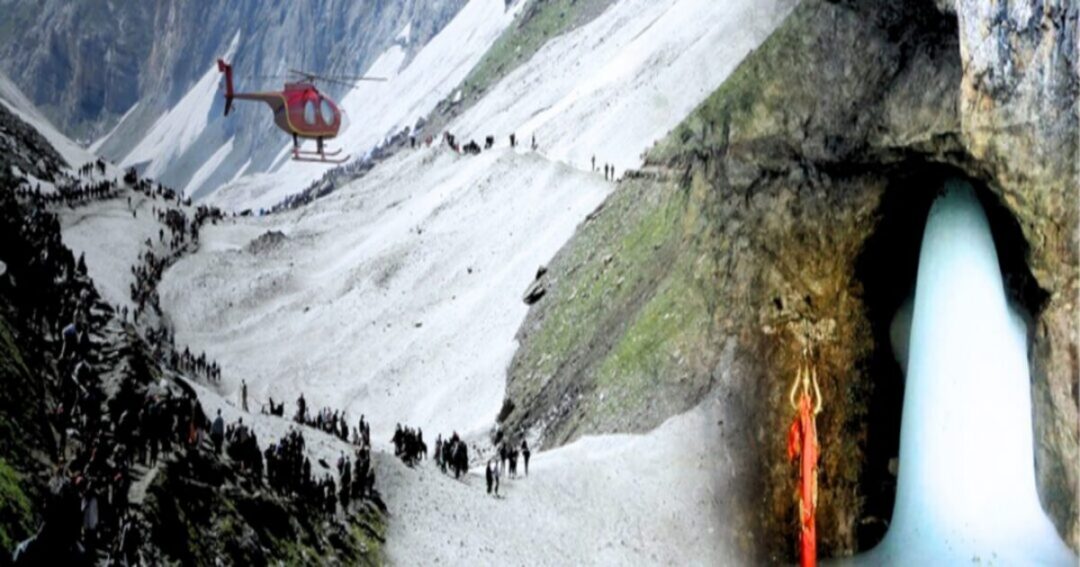
The Amarnath Yatra is an annual pilgrimage to the holy cave shrine of Lord Shiva, located at an altitude of around 3,888 meters in Jammu and Kashmir. Inside the cave, a naturally forming ice Shiva Lingam is worshipped by devotees.
According to Hindu mythology, this is the place where Lord Shiva revealed the secret of immortality (Amar Katha) to Goddess Parvati. This spiritual significance makes the Amarnath cave one of the most unique religious sites in India.
Every year, lakhs of pilgrims undertake this challenging journey, making it one of the most important religious yatras in the country.
Also Read: Amarnath Yatra 2026: Registration, Routes, Dates & Essential Travel Guide for Pilgrims
Amarnath Yatra 2026 Dates and Duration
The Amarnath Yatra 2026 is scheduled to begin from 3rd July 2026 and will continue till August (around Raksha Bandhan).
- Duration: Approximately 55 to 60 days
- Location: Pahalgam region, Anantnag district, Jammu and Kashmir
Since daily pilgrim slots are limited, early planning is highly recommended.
Amarnath Yatra Registration 2026
Completing Amarnath Yatra registration is mandatory for all pilgrims.
- Registration Start Date: 15 April 2026
- Includes: RFID tracking card (compulsory)
Without registration, entry to the yatra is not allowed.
How to Apply for Amarnath Yatra Registration
Online Registration
- Visit the official Shri Afamarnathji Shrine Board website
- Fill personal and travel details
- Upload Compulsory Health Certificate (CHC)
- Select preferred date and route
- Download your permit
Offline Registration
- Available at 500+ bank branches across India
- Submit ID proof, application form, and CHC
Eligibility Criteria for Amarnath Yatra
Due to high-altitude conditions, strict eligibility rules apply:
- Age: 13 to 70 years
- Mandatory Compulsory Health Certificate
- Physically fit for trekking
- Pregnant women (beyond 6 weeks) are not allowed
Routes for Amarnath Yatra
There are two main routes to reach the holy cave:
Pahalgam Route (Traditional Route)
- Route: Pahalgam → Chandanwari → Pissu Top → Sheshnag → Mahagunas Pass → Panchtarni → Cave
- Distance: 36–48 km
- Difficulty: Moderate
- Best for: First-time pilgrims
This route offers better acclimatization and scenic beauty.
Baltal Route (Short Route)
- Route: Baltal → Domel → Barari → Sangam → Cave
- Distance: ~14 km
- Difficulty: High (steep climb)
- Best for: Experienced or time-limited travellers
Facilities During Amarnath Yatra
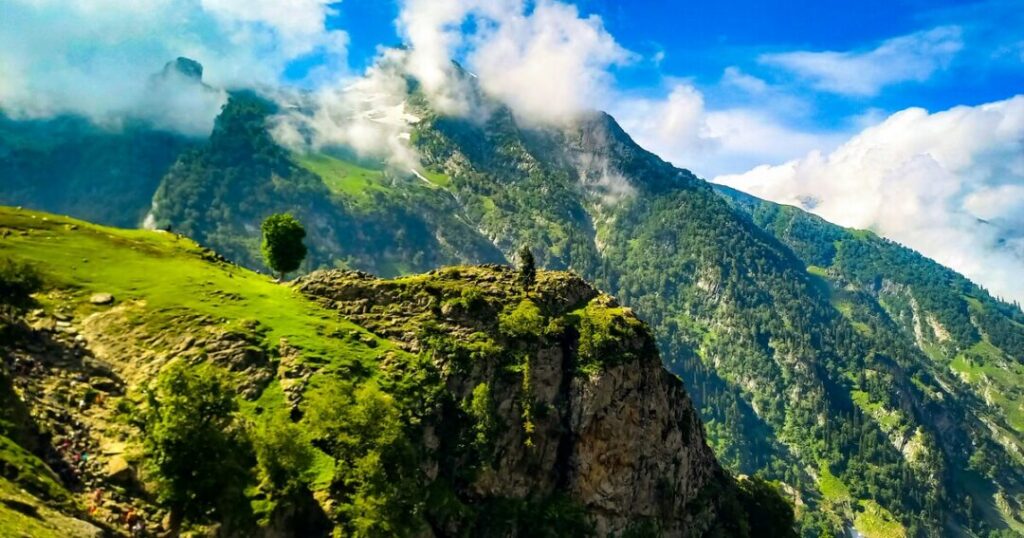
Despite the challenging terrain, facilities have improved significantly:
- Medical camps and oxygen booths
- Free food services (Langars)
- Tent accommodations
- Security checkpoints
- Helicopter services from Baltal and Pahalgam
Packing Checklist for Amarnath Yatra
Packing smart is crucial for a safe journey.
Clothing Essentials
- Thermal wear (2 sets)
- Fleece jacket / woolen sweater
- Waterproof jacket and raincoat
- Trekking pants and woolen socks
- Gloves, cap, scarf
Footwear
- Waterproof trekking shoes
- Extra socks
- Slippers for camps
Important Documents
- Yatra permit
- Government ID
- Medical certificate
- Cash
Health and Safety
- Personal medicines
- First aid kit
- ORS and energy drinks
- Sunscreen and lip balm
Trekking Gear
- Walking stick
- Torch/headlamp
- Power bank
- Sunglasses
👉 Tip: Pack light but don’t skip essentials.
Tips for First-Time Travellers
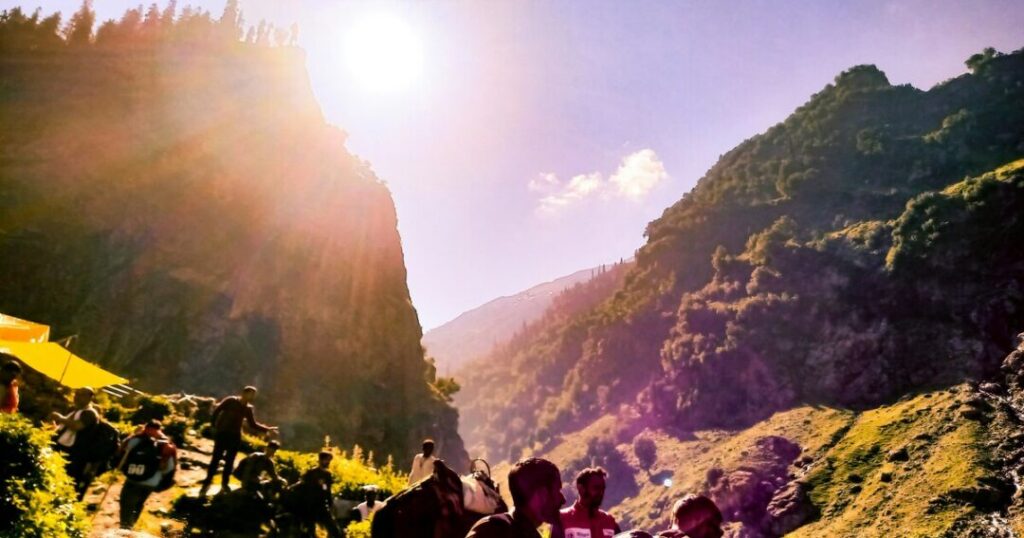
For those undertaking the Amarnath yatra for the first time, preparation extends beyond packing and logistics. Physical readiness is a critical factor, as the trek demands endurance and the ability to adapt to high-altitude conditions. It is recommended that individuals begin light exercise routines, such as walking or cardiovascular training, several weeks prior to the journey. This helps the body adjust and reduces the likelihood of fatigue or altitude sickness during the climb.
Equally important is the need to pace oneself during the trek. Attempting to rush through the journey can lead to exhaustion and health complications. Instead, pilgrims should maintain a steady pace, take regular breaks, and remain attentive to their physical condition. Hydration is essential, but it should be balanced carefully to avoid overexertion. Weather conditions in the region can change rapidly, so staying informed and prepared for sudden shifts is crucial. Lastly, travelers must respect the fragile ecosystem surrounding the Amarnath cave in kashmir by avoiding littering and adhering to guidelines set by authorities. A mindful approach ensures not only personal safety but also the preservation of this sacred environment.
Why People Still Do the Amarnath Yatra
The enduring appeal of the Amarnath yatra lies in its ability to offer an experience that goes far beyond conventional travel. Unlike typical tourist journeys, this pilgrimage demands both physical effort and mental resilience, creating a sense of accomplishment that is deeply personal. For many, the journey to the Amar nath temple kashmir is not merely about reaching a destination, but about engaging in a process of self-reflection and devotion.
The shared experience of walking alongside thousands of fellow pilgrims fosters a unique sense of community, where individuals support and encourage one another despite the challenges. The simplicity of life during the yatra—marked by basic accommodations, limited connectivity, and immersion in nature—allows travelers to disconnect from everyday distractions and focus inward. Upon finally reaching the Amarnath temple, the sense of fulfillment is profound, shaped as much by the journey itself as by the spiritual significance of the site. It is this combination of devotion, endurance, and collective energy that continues to draw people to the Amarnath yatra year after year.
The journey itself becomes as meaningful as reaching the destination.
Final Thoughts
The Amarnath Yatra 2026 requires proper planning, fitness, and awareness. From registration to route selection and packing, every step matters.
While reaching the holy cave is the ultimate goal, it is the journey—filled with challenges, faith, and reflection—that leaves a lasting impact on every pilgrim.
FAQs About Amarnath Yatra 2026
2. How many kilometres do we have to walk for Amarnath Yatra?
Pilgrims walk approximately 14 km via Baltal or 36–48 km via the Pahalgam route during the Amarnath yatra.
3. What is the total cost of Amarnath Yatra?
The total cost of the Amarnath yatra can range from ₹15,000 to ₹55,000 depending on travel, accommodation, and transport choices.
4. Which month does Amarnath Yatra open?
The Amarnath yatra usually opens between late June and early July each year.
5. In which state is Amarnath Temple?
The Amarnath temple is located in Jammu and Kashmir, India.
6. Where exactly is Amarnath Temple located?
The Amarnath temple is situated in the Himalayas of Jammu and Kashmir at an altitude of around 3,888 meters.