
1,760 Total Views
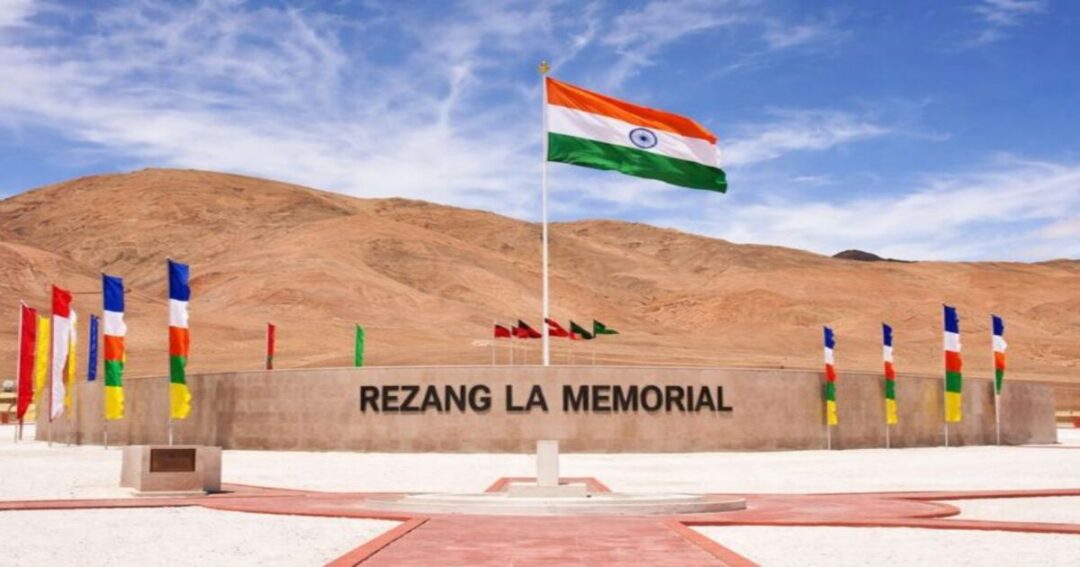
High in the cold desert of Ladakh, far from the typical tourist circuit of monasteries and lakes, lies a place that demands a different kind of attention. The Rezang La War Memorial is not just another stop on a Ladakh itinerary. It is a site where history, memory, and geography intersect in a way that few places in India can offer.
For cultural travellers, the Rezang La War Memorial represents more than a military landmark. It offers insight into India’s modern history, the realities of high-altitude warfare, and the human stories that define national identity. Visiting the Rezang La War Memorial is less about sightseeing and more about understanding context, sacrifice, and landscape.
Where is Rezang La War Memorial Located?
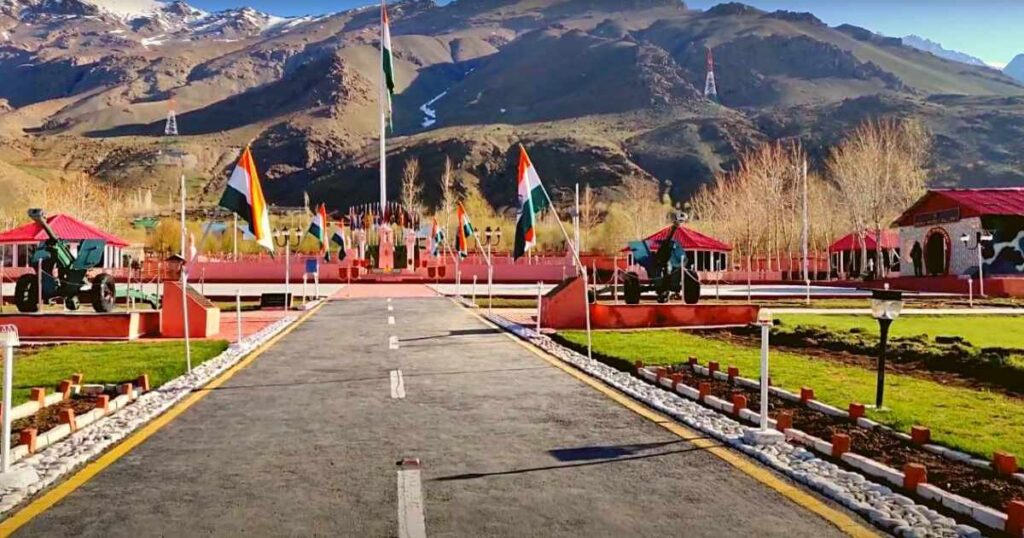
The Rezang La War Memorial is located in the Chushul sector of eastern Ladakh, close to the Line of Actual Control (LAC) between India and China. Sitting at an altitude of over 15,000 feet, the Rezang La War Memorial Ladakh is surrounded by vast, barren plains and rugged mountain ridges.
This region is geographically significant. It lies near the strategic Chushul Valley, which has historically acted as a gateway into Leh. The remoteness of the Rezang La War Memorial is part of its identity. Unlike popular destinations like Pangong Lake, reaching the Rezang La War Memorial Ladakh requires planning, permits, and a willingness to travel into one of the most sensitive border areas in India.
For travellers, this isolation adds depth. You are not just visiting a memorial. You are entering a landscape that shaped the course of a war.
The History Behind Rezang La War Memorial
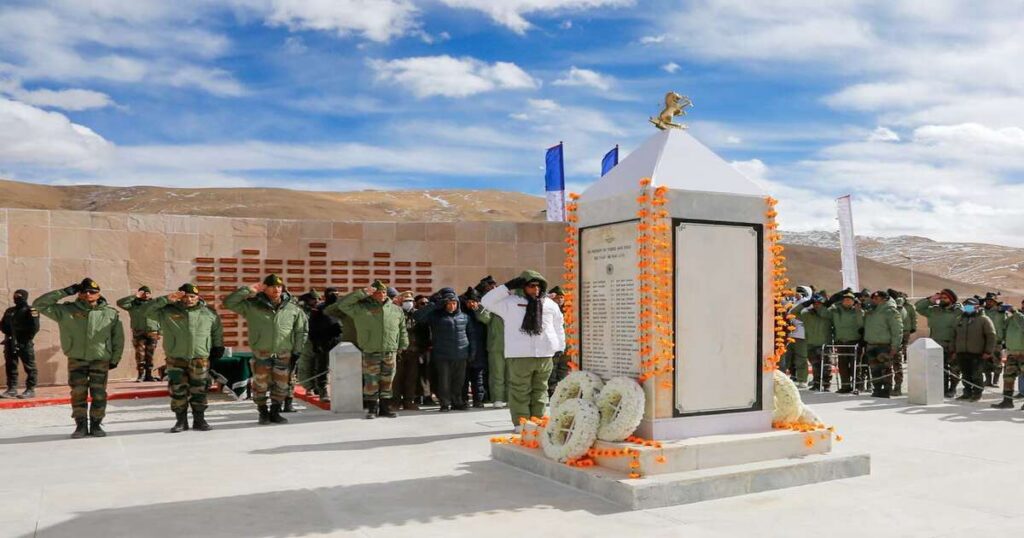
To understand the Rezang La War Memorial, you need to go back to 18 November 1962, during the Sino-Indian War. This is where one of the most extraordinary last stands in military history took place. At Rezang La pass, around 120 soldiers of Charlie Company, 13 Kumaon Regiment, led by Major Shaitan Singh, defended their position against a much larger Chinese force. Fighting in extreme cold, without artillery support and with limited resources, the soldiers held their ground. Out of these, 113 soldiers were killed in action. The battle is often described as a “last man, last bullet” defense, a rare instance where an entire company chose to fight to the end rather than retreat.
The Rezang La War Memorial was built in 1963 near the battlefield to honour these soldiers. Today, when you visit the Rezang La War Memorial, you are standing close to the actual site where this battle unfolded. For cultural travellers, this context transforms the visit. The Rezang La War Memorial is not symbolic. It is geographically and historically exact.
Why Rezang La War Memorial Matters?
The significance of the Rezang La War Memorial goes beyond military history. It sits at the intersection of national identity, regional memory, and cultural storytelling.
- First, the battle played a critical role in preventing further advances into Ladakh. By holding their position, the soldiers protected strategic access routes toward Leh.
- Second, the Rezang La War Memorial highlights the role of specific communities in India’s armed forces. Many soldiers in the unit belonged to the Ahir community, and the memorial is also known as “Ahir Dham,” reflecting its cultural dimension.
- Third, the Rezang La War Memorial Ladakh is part of a growing concept of battlefield tourism in India. The Indian Army and tourism bodies have actively promoted such sites to help travellers engage with history beyond textbooks.
How to Reach Rezang La War Memorial?
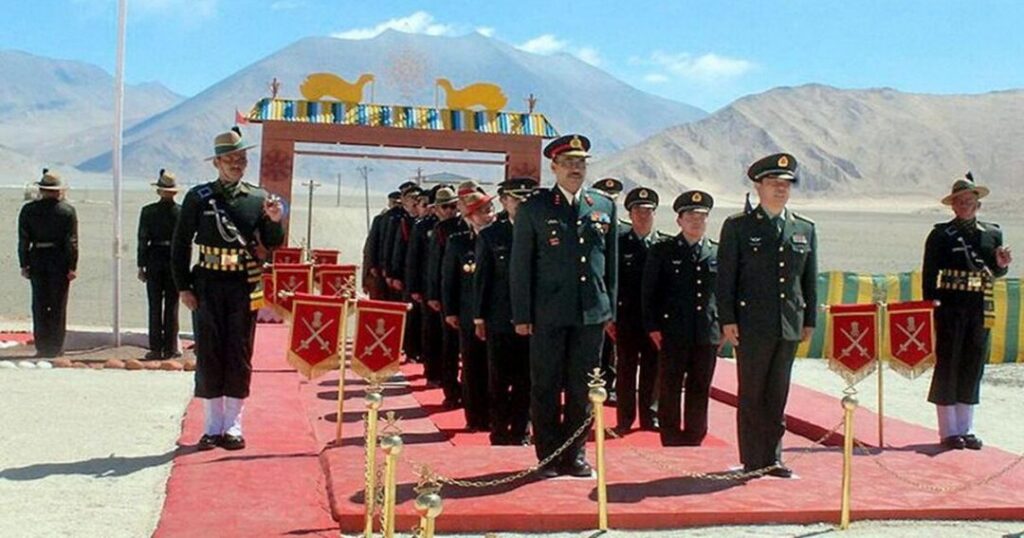
Reaching the Rezang La War Memorial requires planning due to its location in a sensitive border area.
Route
The most common route is:
Leh – Karu – Sakti – Chang La – Tangtse – Pangong – Chushul – Rezang La
Permits
You will need Inner Line Permits (ILP) to visit the Rezang La War Memorial. These can be arranged in Leh.
Road Conditions
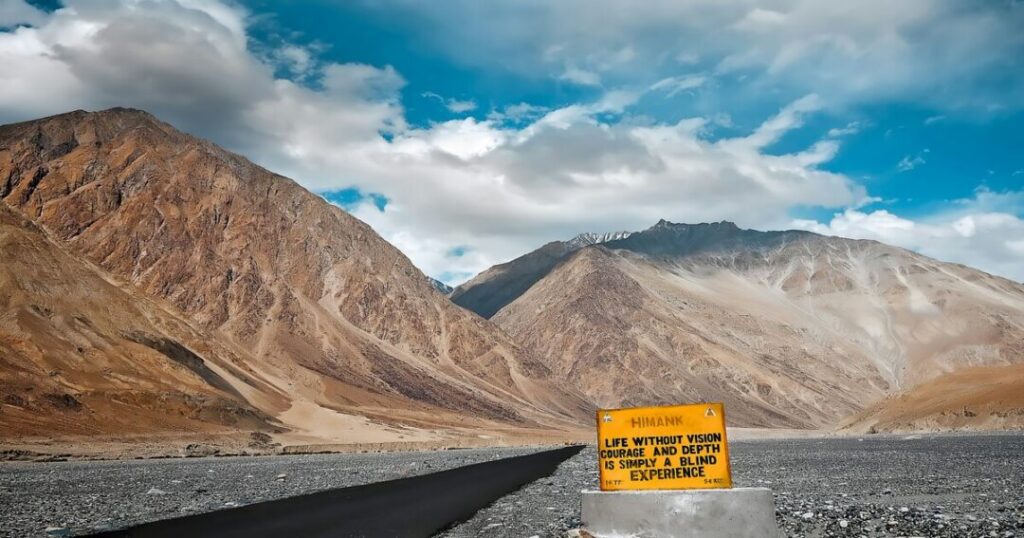
The journey to the Rezang La War Memorial involves high-altitude roads, some of which may be rough or seasonally inaccessible. Also do remember that public transport is not available here. You’ll need a private car, preferably a 4X4.
Best Time to Visit
The best time to visit the Rezang La War Memorial is between May and September. During winter, heavy snowfall and extreme temperatures can make access difficult or impossible. Even in summer, the Rezang La War Memorial Ladakh experiences cold winds and sudden weather changes. For travellers, acclimatization is essential. Spend at least 2–3 days in Leh before heading toward the Rezang La War Memorial.
Travel Tips for Visiting Rezang La War Memorial
- Acclimatize properly before visiting the Rezang La War Memorial
- Carry sufficient fuel and supplies as facilities are limited
- Respect military regulations and photography restrictions
- Avoid rushing the visit; this is a place that requires time
Best Places to Visit near Rezang La War Memorial
While planning a trip to the Rezang La War Memorial, you can include:
Pangong Lake
Located a few hours from the Rezang La War Memorial, Pangong Lake is one of Ladakh’s most iconic high-altitude lakes, stretching from India into Tibet. Known for its shifting shades of blue, the lake sits at over 14,000 feet and offers a striking contrast to the stark battlefield terrain around the Rezang La War Memorial. For travellers, it provides a visual and emotional balance to the intensity of visiting the Rezang La War Memorial Ladakh, making it a natural addition to the itinerary.
Chushul Village
Chushul village is the closest civilian settlement to the Rezang La War Memorial and plays a crucial role in accessing the region. Historically significant during the 1962 war, this quiet village sits in a wide valley surrounded by mountains and military outposts. Visiting Chushul while heading to the Rezang La War Memorial offers insight into life in one of India’s most remote border areas and helps contextualize the strategic importance of the Rezang La War Memorial Ladakh.
Spanggur Gap
Spanggur Gap is a mountain pass located near the India-China border and was a key strategic point during the 1962 conflict. Its wide, flat terrain makes it geographically distinct and militarily important. When visiting the Rezang La War Memorial, understanding nearby locations like Spanggur Gap adds depth to the experience, as it highlights the broader battlefield geography surrounding the Rezang La War Memorial Ladakh.
Tsaga La
Tsaga La is a lesser-known high-altitude pass in eastern Ladakh, often included in extended routes toward Chushul. The terrain here is rugged, remote, and sparsely visited, offering a raw glimpse into Ladakh’s frontier landscape. For travellers heading toward the Rezang La War Memorial, Tsaga La enhances the journey by showcasing the kind of terrain soldiers had to navigate, reinforcing the realities behind the history of the Rezang La War Memorial Ladakh.
Hanle
Hanle is a remote village known for housing one of the world’s highest astronomical observatories. Located further southeast from the Rezang La War Memorial, it is ideal for travellers interested in combining cultural exploration with science and stargazing. The isolation and clarity of the skies here mirror the remoteness experienced at the Rezang La War Memorial Ladakh, making it a compelling extension for those exploring this region deeply.
Chushul War Memorial
Separate from the Rezang La War Memorial, the Chushul War Memorial commemorates other soldiers who lost their lives in the same sector during the 1962 war. Visiting both memorials provides a more comprehensive understanding of the conflict and its impact on the region. For travellers, pairing this with the Rezang La War Memorial Ladakh creates a more complete narrative of the battles fought in eastern Ladakh.
Conclusion
The Rezang La War Memorial stands apart from typical travel destinations in Ladakh. It is not defined by architecture or aesthetics but by the story it preserves. For cultural travellers, the Rezang La War Memorial offers something rare. It allows you to engage with a specific moment in history, in the exact place where it happened. The landscape, the memorial, and the silence work together to create an experience that is both educational and deeply grounded.
Visiting the Rezang La War Memorial Ladakh is ultimately about perspective. It shifts your understanding of travel from seeing places to understanding them.
FAQs About Rezang La War Memorial
2. Where is Rezang La War Memorial located?
It is in the Chushul sector of eastern Ladakh near the India-China border.
3. Do you need permits to visit Rezang La War Memorial?
Yes, Inner Line Permits are required.
4. What is the best time to visit Rezang La War Memorial?
May to September offers the most accessible conditions.
5. Why is Rezang La War Memorial important?
It marks one of the most significant last stands in Indian military history.
6. How many bodies were found in Rezang La?
After the snow melted months later, 114 bodies of Indian soldiers were recovered near the battlefield, many still in their fighting positions.