
726 Total Views
Things to do in Cambodia span far more than Angkor Wat, even though that’s usually the reason people book the trip. Between jungle-swallowed temples, island beaches with glowing plankton, a capital carrying both royal grandeur and a brutal recent history, and highland treks with rescued elephants, Cambodia covers a lot of ground for a country its size. Here are the 10 Cambodia places to visit worth building an itinerary around.
Things to Do in Cambodia: Top 10 Attractions to Visit
1. Angkor Wat
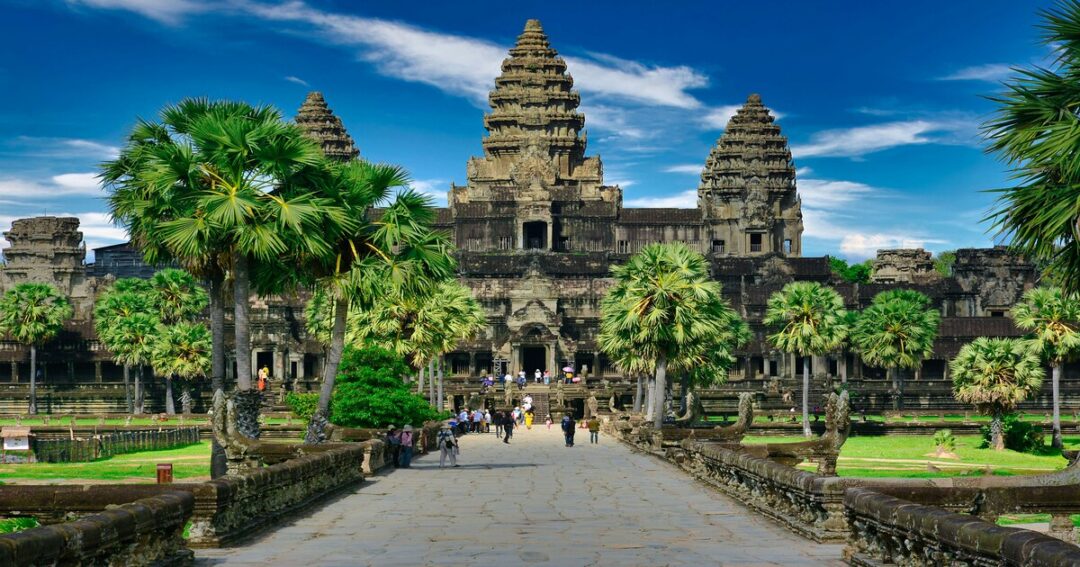
The world’s largest religious structure, built over roughly 35 years starting around 1113 CE under King Suryavarman II. Originally dedicated to Vishnu, it became a Buddhist site by the century’s end—its unusual westward orientation is widely read as evidence it doubled as the king’s funerary temple. A UNESCO World Heritage Site since 1992.
2. Ta Prohm
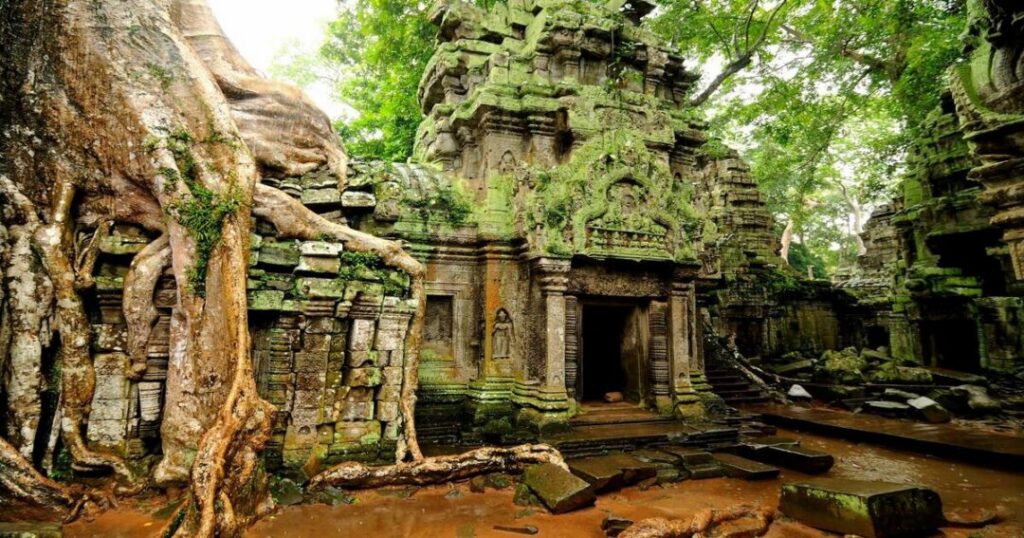
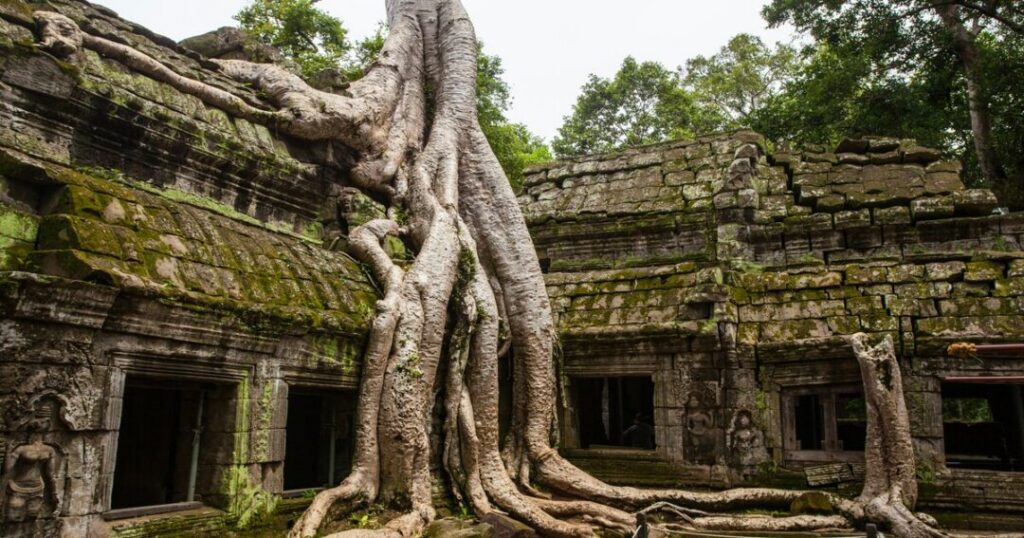
Angkor’s “jungle temple,” built in 1186 as a Buddhist monastery under Jayavarman VII and once staffed by nearly 80,000 people. Restorers deliberately left its massive silk-cotton and strangler-fig roots wound through the stonework rather than clearing them, which is exactly why it later became known as the “Tomb Raider Temple” after the 2001 film.
Also read: 10 Lost Cities Around the World Every Traveler Should Visit
3. Bayon Temple
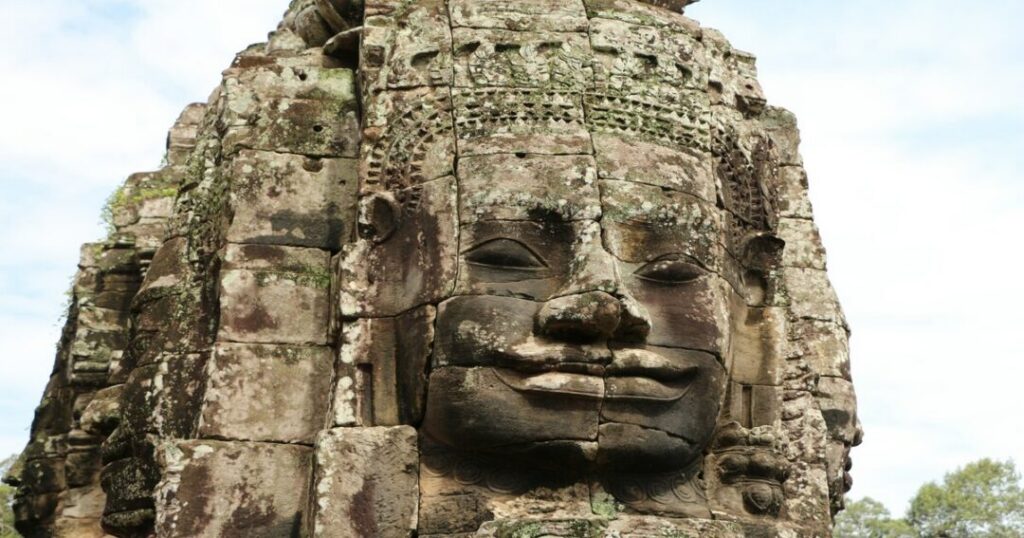
At the center of Angkor Thom, Bayon is famous for dozens of towers carved with giant serene stone faces—most likely Jayavarman VII himself, blended with the bodhisattva of compassion. It was Angkor’s last state temple and the only one built primarily for Buddhist worship, later altered as later kings shifted between Buddhism and Hinduism.
4. Koh Rong
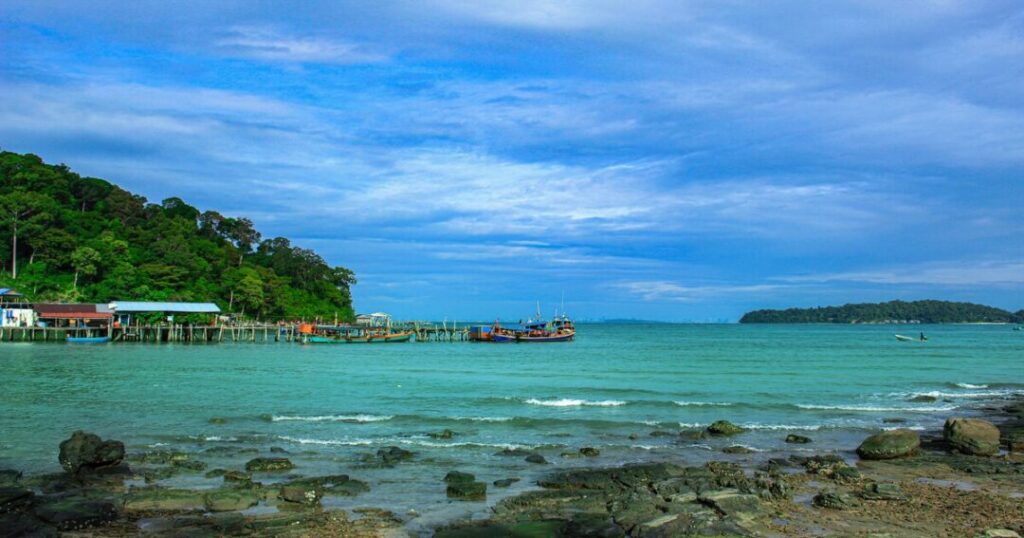
Cambodia’s most popular island getaway off Sihanoukville, known for white-sand beaches, warm water, and a livelier backpacker scene than its quieter neighbor. It’s also one of the best places in the country to see bioluminescent plankton glow in the water after dark.
5. Koh Rong Samloem
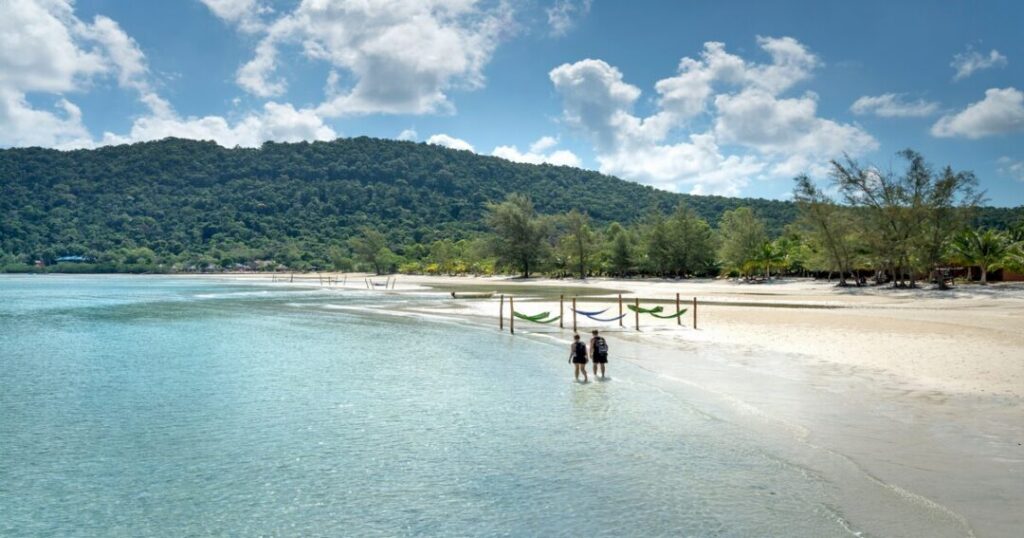
Quieter and less developed than Koh Rong, this sister island is the more reliable spot for the bioluminescent plankton show—best on a moonless night, away from beach lighting, and usually visited on an evening boat trip from Coconut Beach or Sunset Beach.
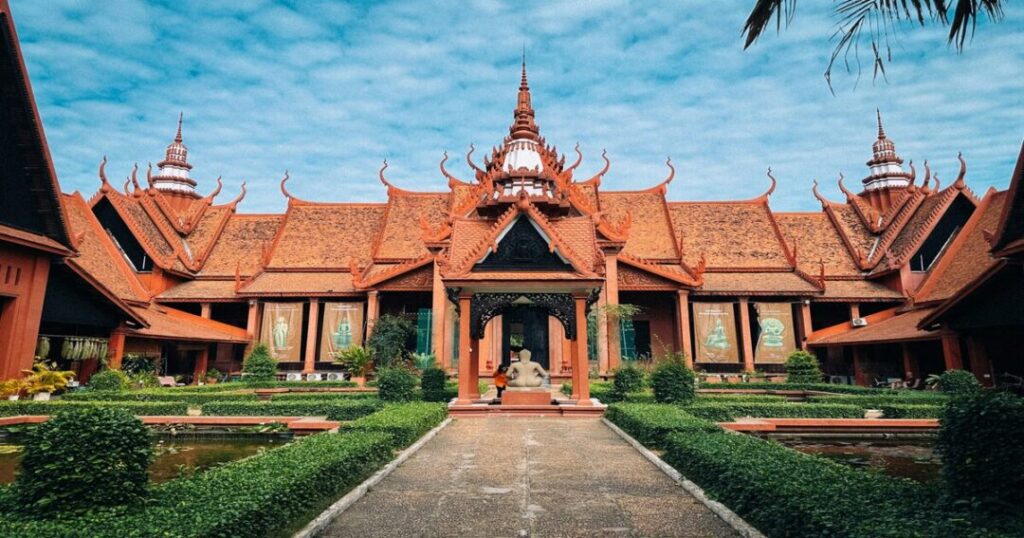
6. Royal Palace & Silver Pagoda
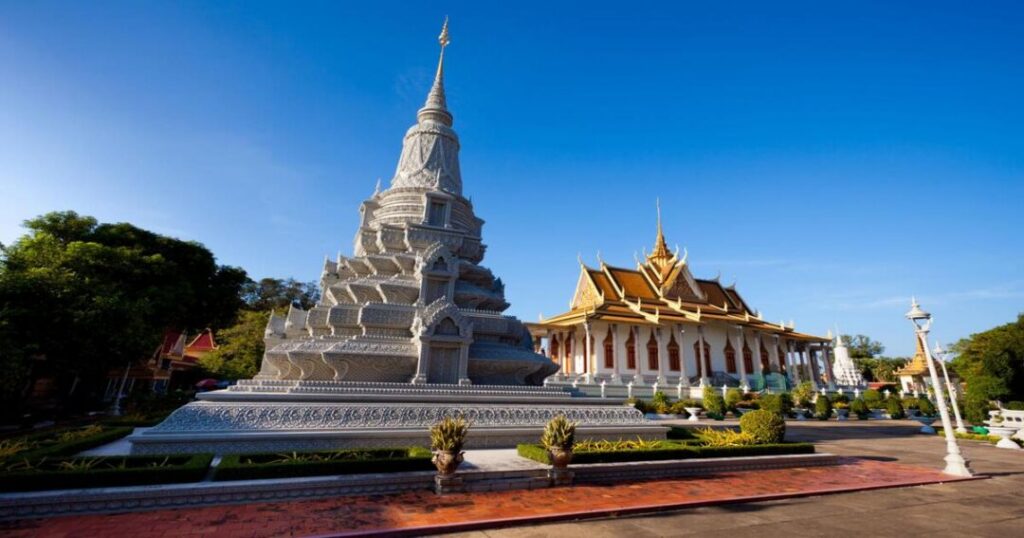
Phnom Penh’s Royal Palace has served as the residence of Cambodia’s kings since its completion in 1870 under King Norodom. Inside its grounds, the Silver Pagoda — floored with five tonnes of silver tiles and home to a crystal Buddha and a gold Buddha studded with nearly 10,000 diamonds — is one of the only Cambodian temples to survive the Khmer Rouge era intact.
7. Tuol Sleng & Choeung Ek
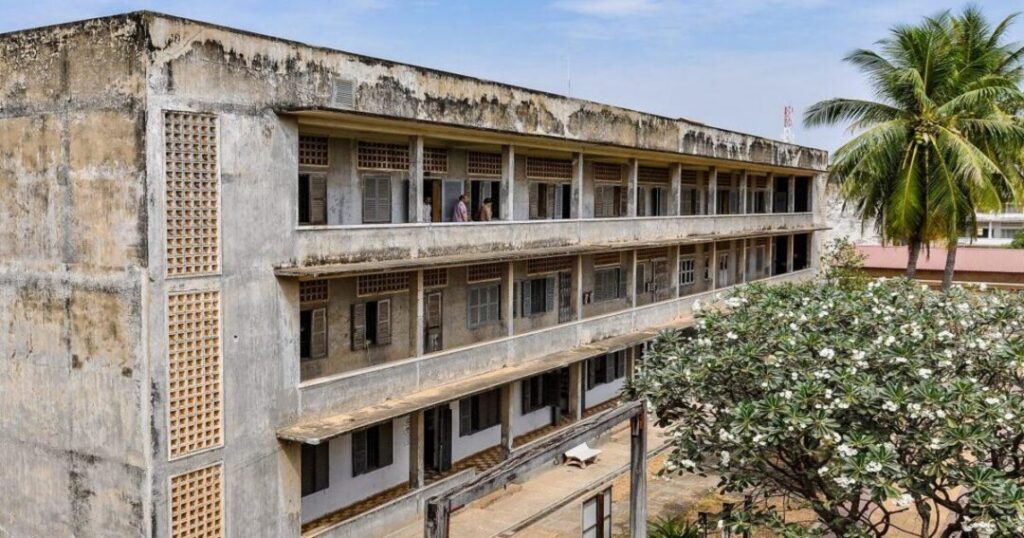
A former high school turned into Security Prison 21 (S-21) under the Khmer Rouge between 1975 and 1979; Tuol Sleng held an estimated 20,000 prisoners—only a handful survived. Choeung Ek, once an orchard, became one of the “killing fields” where prisoners were executed. Both are preserved today as memorials, and most visitors find them sobering rather than easy sightseeing—worth visiting with that in mind and with a guide who can provide context.
Also read: e-Visa for Indians: Your Complete Guide to Visa-Free, Visa on Arrival & e-Visa Travel
8. Cardamom Mountains
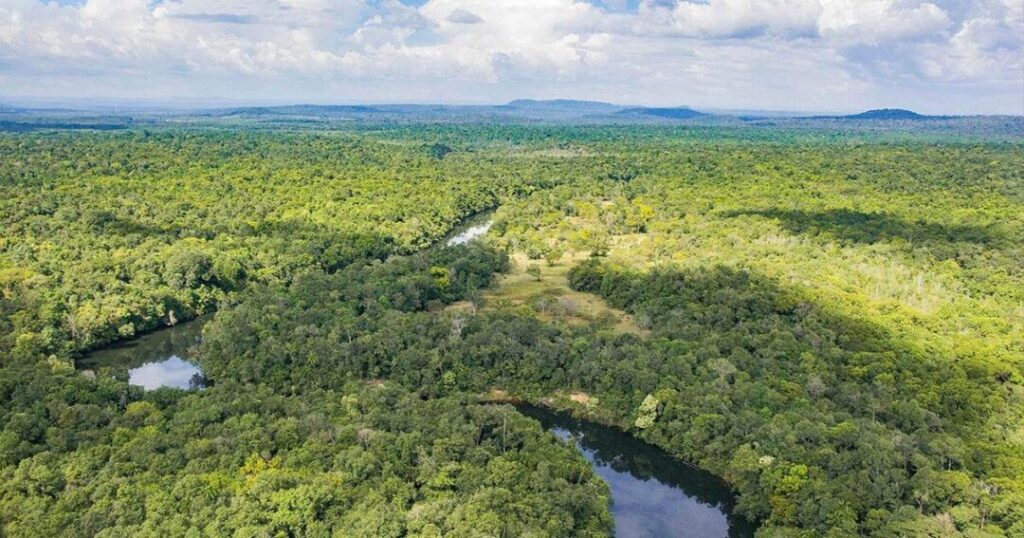
A remote, heavily forested range in southwest Cambodia, home to some of the country’s last wild elephant populations alongside multi-day trekking, kayaking, and mountain-biking routes through the Areng Valley. This is Cambodia’s least-visited major region, which is part of the appeal for travelers wanting to get well off the temple circuit.
9. Mondulkiri
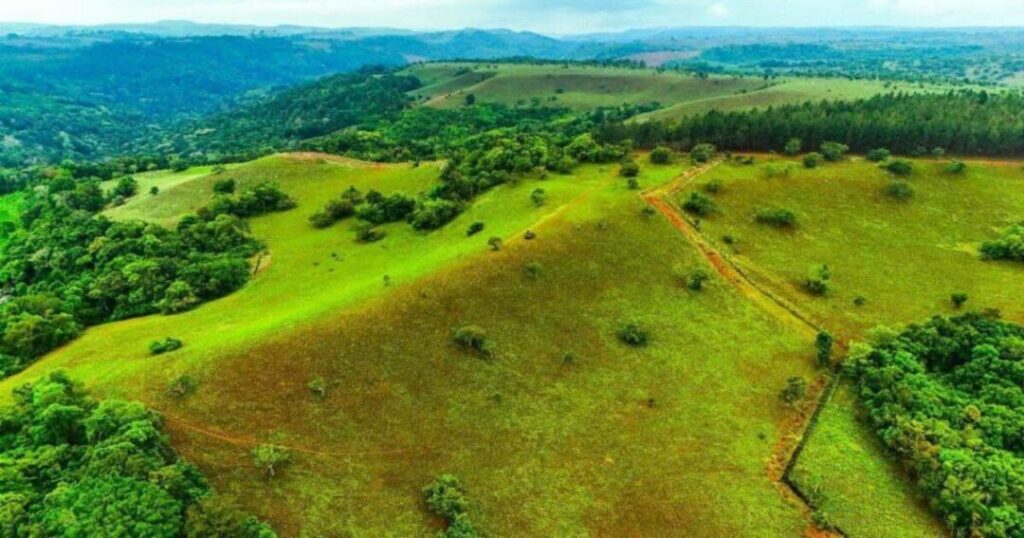
Cambodia’s remote eastern highlands, centered on the hill town of Sen Monorom at around 800 m elevation—noticeably cooler than the lowlands. Ethical elephant sanctuaries here, run in partnership with the local Indigenous Bunong community, let visitors walk alongside rescued elephants and hike to jungle waterfalls without riding them.
10. Kampot & Bokor Hill Station
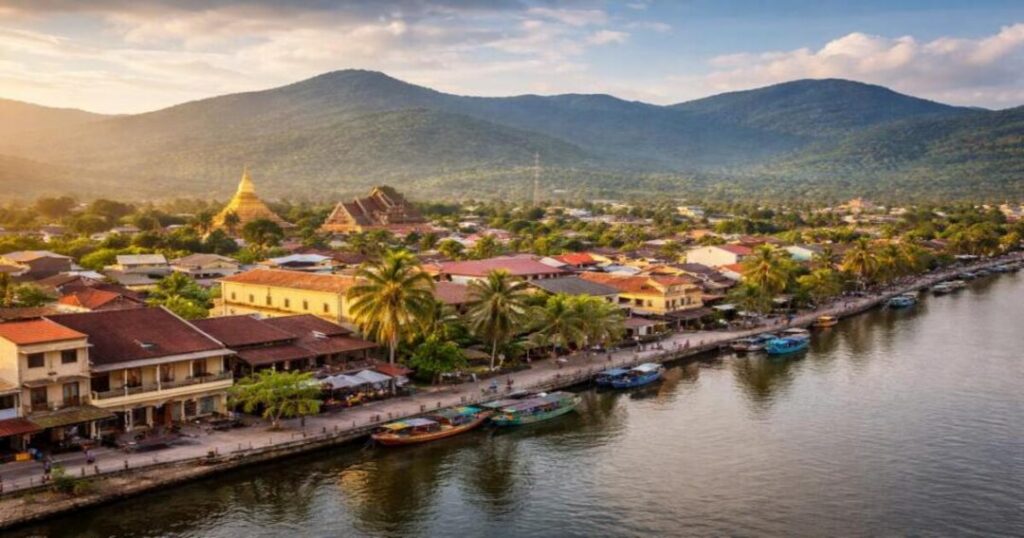
A laid-back riverside town famous for its pepper farms, Kampot also serves as the gateway to Bokor Hill Station—a French colonial hill resort built in the 1920s, complete with an abandoned grand hotel and church, now sitting in ruins above the clouds. The road and buildings reportedly cost hundreds of forced-labor workers’ lives during construction, a history worth knowing before visiting.
Best Time for Things to Do in Cambodia
November through February is the most comfortable window, with cooler, drier weather across the country and good conditions for both temple visits and island time. March to May turns hot and humid; the monsoon (roughly June to October) brings heavy rain and higher humidity, though Angkor’s moats and the Cardamom Mountains’ forests are at their greenest then.
Also read: Visa-Free Countries for Indians in 2026 | Budget International Travel Guide for Young Explorers
Travel Guide to Things to Do in Cambodia
Phnom Penh and Siem Reap both have international airports with regular regional connections from Bangkok, Singapore, and other Southeast Asian hubs. Overland entry from Thailand or Vietnam is straightforward via several land border crossings, and e-visas are available online in advance for many nationalities. Domestic buses and flights connect Siem Reap (for Angkor), Phnom Penh (for the capital’s sites), and Sihanoukville (gateway to Koh Rong and Koh Rong Samloem).
Conclusion: Things to do in Cambodia
Things to do in Cambodia run from sunrise over Angkor’s towers to glowing plankton off Koh Rong Samloem, from Phnom Penh’s royal history to its most difficult modern history, and from Mondulkiri’s rescued elephants to the Cardamom Mountains’ near-empty trails.
Quick recap:
- Temples — Angkor Wat, Ta Prohm, Bayon
- Islands — Koh Rong, Koh Rong Samloem
- Culture & history — Royal Palace & Silver Pagoda, Tuol Sleng & Choeung Ek, Kampot & Bokor Hill Station
- Adventure — Cardamom Mountains, Mondulkiri
Planning a Cambodia trip? Download the Explurger app and build your itinerary around temples, islands, culture, and adventure.
Few countries pack in this much range in one trip—Cambodia rewards slowing down enough to see more than just the temples.
FAQs on Things to do in Cambodia
2. What are the top Cambodia attractions for first-time visitors?
Most first-time visitors prioritize the Angkor temple complex (Angkor Wat, Ta Prohm, Bayon) and Phnom Penh's Royal Palace and Silver Pagoda. Those with extra time typically add either an island stop at Koh Rong or Koh Rong Samloem or a highland detour to Mondulkiri or the Cardamom Mountains, depending on whether beaches or jungle trekking appeals more.
3. Is Angkor Wat worth the hype?
Yes—it's the world's largest religious structure and one of Southeast Asia's most significant architectural achievements, built over roughly 35 years in the 12th century. Visiting at sunrise is the classic experience, though Ta Prohm and Bayon, both a short distance away within the same Angkor Archaeological Park, are just as worth the visit and see fewer crowds.
4. Is it appropriate to visit Tuol Sleng and Choeung Ek as a tourist?
Yes, both are preserved specifically as memorials and educational sites, and Cambodian guides generally welcome visitors who engage respectfully. They're heavier experiences than typical sightseeing, so many travelers visit with a guide who can provide historical context and treat photography and behavior on-site with appropriate restraint.
5. Which Cambodian island should I choose — Koh Rong or Koh Rong Samloem?
Koh Rong has a livelier backpacker scene with more bars, beach parties, and budget accommodation. Koh Rong Samloem is quieter and less developed, generally considered the better choice for a more relaxed stay and for reliably viewing bioluminescent plankton away from beach lighting.
6. How many days do I need to see Cambodia's highlights?
Ten to fourteen days covers the country well: three to four days around Siem Reap for the Angkor temples, two to three days in Phnom Penh, and the remainder split between an island stay (Koh Rong or Koh Rong Samloem) and a highland or jungle add-on (Mondulkiri or the Cardamom Mountains), depending on your interests.