
3,113 Total Views
Festivals in France aren’t a side note to a trip — for a lot of travellers, they’re the whole reason to book one. A single country somehow hosts the world’s most-watched film festival, its oldest theatre festival, a metal pilgrimage that fills a small wine town with 60,000 fans a day, and a national holiday with a military parade down its most famous avenue. The problem is that most calendars either drown you in 40 tiny local fêtes or skip the ones that actually shape a trip. Below are 12 that are worth building an itinerary around, grouped by why you’d actually go.
Famous Festivals in France Picks Every First-Time Visitor Should Know
If you only have room for a handful of events on a first trip, this is the famous festival in France shortlist — the ones that show up on international news and shift hotel prices for miles around.
Cannes Film Festival — Where Cinema’s Biggest Names Walk the Croisette
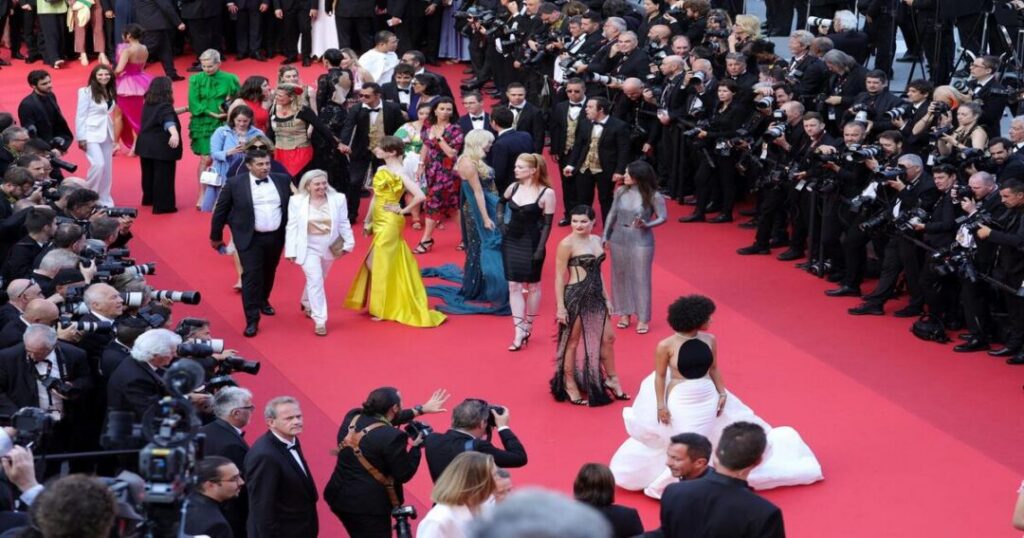
The Cannes Film Festival was founded in 1946, partly as a response to Venice’s festival being manipulated by fascist governments in the years before World War II. It’s now the invitation-only event that awards the Palme d’Or, and it’s held every May at the Palais des Festivals et des Congrès on the Croisette.
- When: Mid-to-late May, over roughly two weeks
- Where: Cannes, French Riviera
- Getting there: Nice Côte d’Azur Airport is the nearest international gateway, with a direct rail and coach connection into Cannes
- Good to know: Screenings themselves are industry- and press-only, but the Croisette, the red-carpet arrivals, and the Marché du Film buzz are very much a public spectacle
Fête des Lumières — Lyon’s December Nights of Light
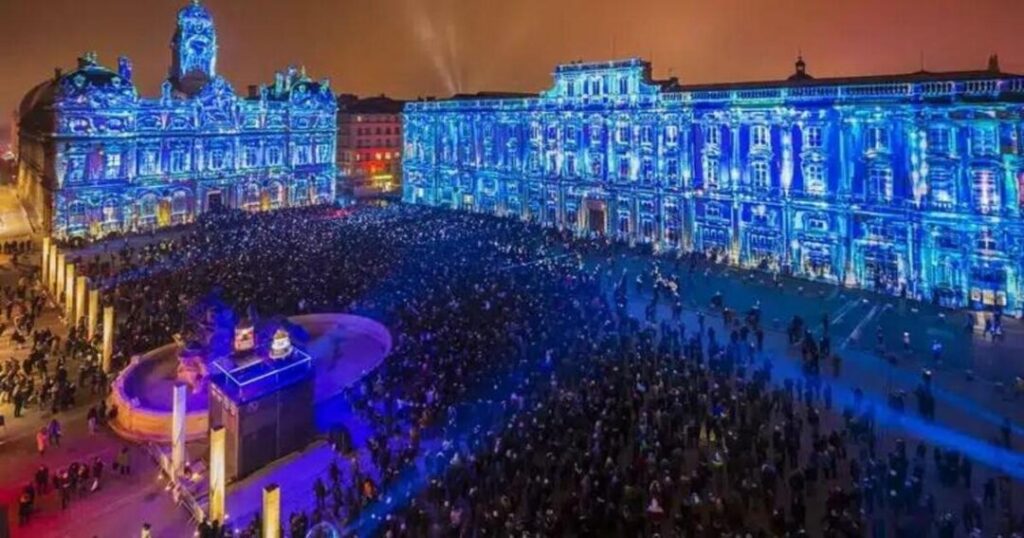
Lyon’s Fête des Lumières traces back to 1852, when a statue of the Virgin Mary was installed above the city and residents lit candles in their windows in celebration — a gesture rooted in a vow the city made during a 17th-century plague. Today it’s a four-night light festival every December 8, with large-scale light shows projected onto the Basilica of Fourvière and Place des Terreaux.
- When: Four nights around December 8
- Where: Lyon, Auvergne-Rhône-Alpes
- Getting there: Lyon–Saint-Exupéry Airport connects internationally; the TGV from Paris takes under two hours
- Good to know: It’s free, outdoors, and extremely crowded — book accommodation early if you’re planning around it
Nice Carnival — Flower Battles and Giant Floats on the Riviera
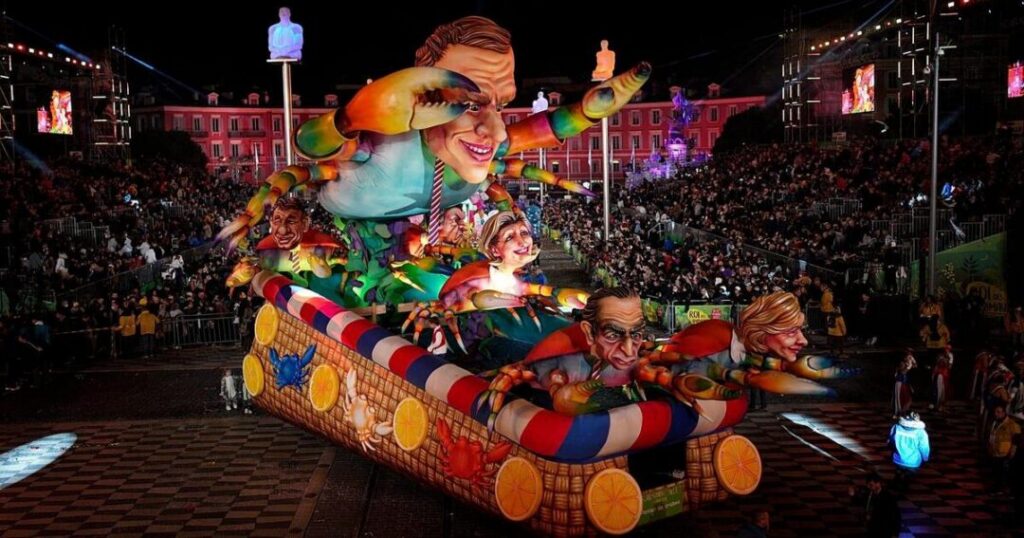
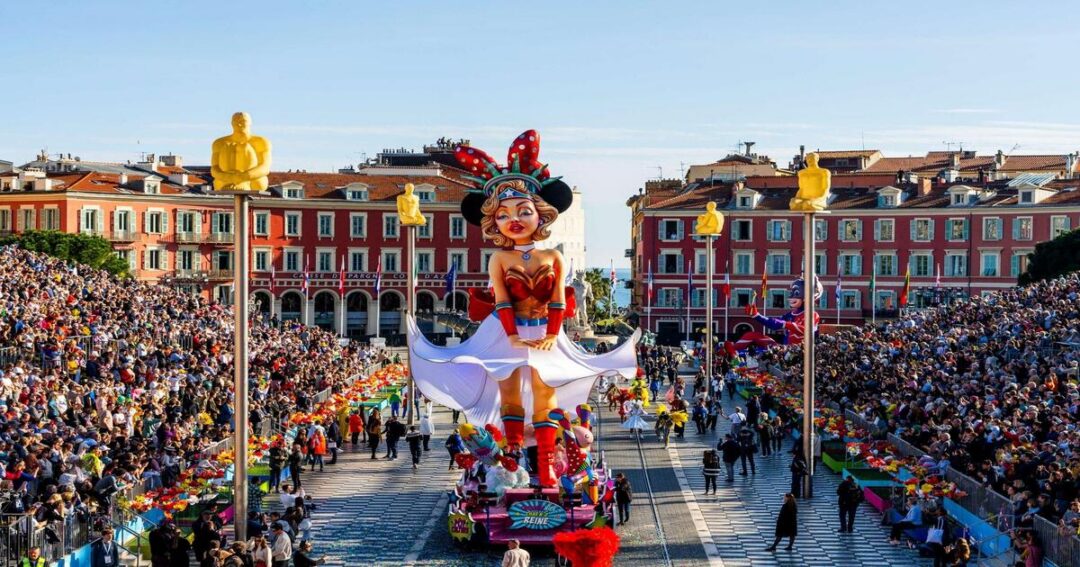
The Nice Carnival has documentation going back to 1294, when the Count of Provence wrote about passing through “the joyous days of carnival” in the city. It was reorganised into the parade format we’d recognise today in 1873, and now runs for two weeks every February, drawing over a million visitors for its papier-mâché floats and flower battles along the Promenade du Paillon.
- When: February into early March (dates shift with the Christian carnival calendar)
- Where: Nice, French Riviera
- Getting there: Nice Côte d’Azur Airport sits just a few kilometres from the parade route
- Good to know: Grab a seat for the “Bataille de Fleurs” (flower battle) — performers throw thousands of real flowers into the crowd
Also Read: European Music Festivals: 8 Best Events to Experience in 2026
Popular Festivals in France for Music Lovers, Foodies, and Bargain Hunters
Away from the red carpets, these are the popular festivals in France that locals actually build their year around — loud, messy, and full of regional character.
Hellfest — Clisson’s Metal Pilgrimage
Hellfest started in 2006 in the small Loire-Atlantique town of Clisson, growing out of an earlier local event called Fury Fest. The first edition drew 22,000 people; by 2022 it was pulling around 60,000 fans a day across a week-long run with roughly 350 bands on six stages.
- When: Mid-June
- Where: Clisson, near Nantes
- Getting there: Nantes Atlantique Airport is the closest hub, with shuttle buses running to the festival site
- Good to know: It’s one of Europe’s biggest metal and hard rock festivals — expect the town’s population to multiply many times over for the week
Fête du Citron — Menton’s Citrus Spectacle
Menton’s Fête du Citron started life as a hotel’s citrus and flower exhibition in 1928 and became an official annual festival in 1934, back when Menton was Europe’s top lemon-growing region. Floats and sculptures built almost entirely from lemons and oranges parade through town every February, with a different theme chosen each year since 1959.
- When: Mid-February through early March
- Where: Menton, French Riviera, near the Italian border
- Getting there: Nice Côte d’Azur Airport, with a train connection along the coast to Menton
- Good to know: [STAT: exact annual citrus tonnage used for the floats is reported inconsistently across sources — treat any specific figure with caution]
Braderie de Lille — Europe’s Biggest Flea Market
The Braderie de Lille has roots as a trading fair dating back to the 12th century, and it’s now billed as the largest flea market in Europe, pulling close to three million visitors over one weekend. Streets fill with roughly 100 kilometres of stalls, and the unofficial tradition is eating moules-frites — mussels and fries — with the empty shells piled up outside restaurants as a badge of honour.
- When: First weekend of September
- Where: Lille, Hauts-de-France
- Getting there: Lille Airport (Lesquin) is 10 minutes from the centre; Eurostar and TGV links make it an easy day trip from Paris, London, or Brussels
- Good to know: Bring cash and comfortable shoes — this is a market to dig through, not browse
National Festivals of France Every Traveller Should Plan Around
These aren’t tourist events first — they’re the national festivals of France that shape train schedules, shop hours, and street life in every town, whether you’re in Paris or a village of 800 people.
Bastille Day (14 juillet) — France’s Biggest Civic Celebration
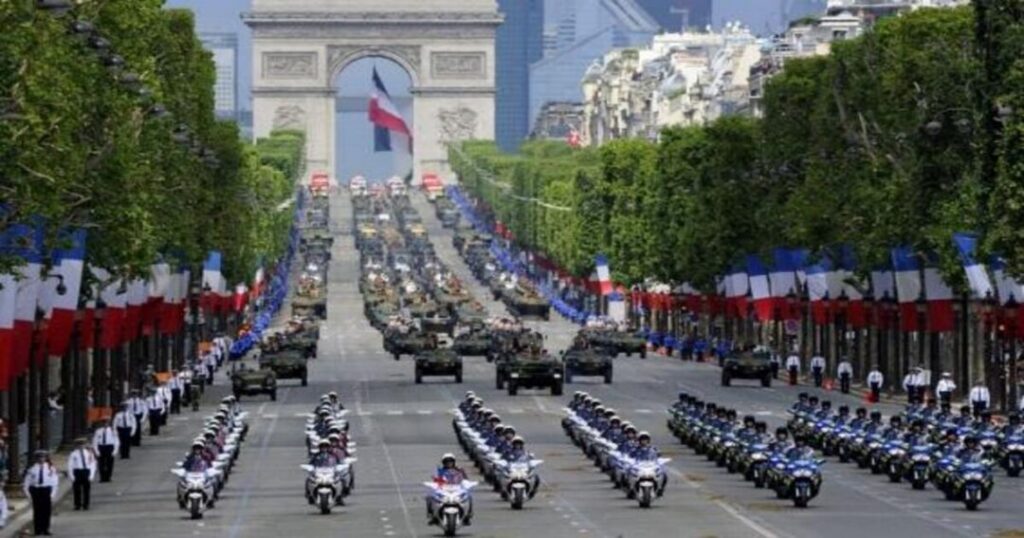
Bastille Day commemorates the storming of the Bastille prison on 14 July 1789, an event that helped ignite the French Revolution, along with the Fête de la Fédération held a year later. It only became an official national holiday through legislation passed in 1880. The centrepiece today is a military parade down the Champs-Élysées in Paris — described as the oldest and largest regular military parade in Europe — followed by fireworks over the Eiffel Tower after dark.
- When: July 14, every year, nationwide
- Where: Biggest events in Paris; every town holds its own version with local fireworks and dances
- Good to know: Expect closures on transport and shops nationwide — this is a public holiday, not just a spectacle
Fête de la Musique — Free Concerts in Every Town
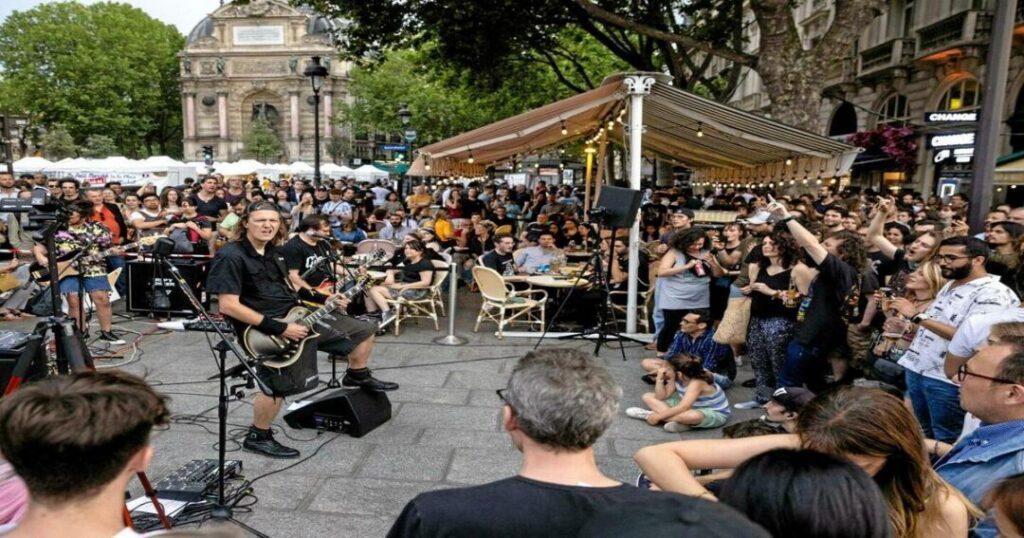
Fête de la Musique began in 1982, created by then-Culture Minister Jack Lang and Maurice Fleuret after a government study found that around five million French people played an instrument. Held every June 21 (the summer solstice), it invites amateur and professional musicians alike to perform for free in streets, squares, and public spaces. It has since spread well beyond France — by 2019, over 1,000 cities across some 120 countries were taking part.
- When: June 21, nationwide
- Where: Every French town and city; Paris has the densest concentration of street performances
- Good to know: It’s genuinely free and genre-agnostic — jazz, techno, brass bands, and classical quartets all share the same streets
Also Read: Festivals in England: A Genre-by-Genre Guide, Including 2026’s Big Changes
Art Festival France Highlights: The Avignon Art Festival and Beyond
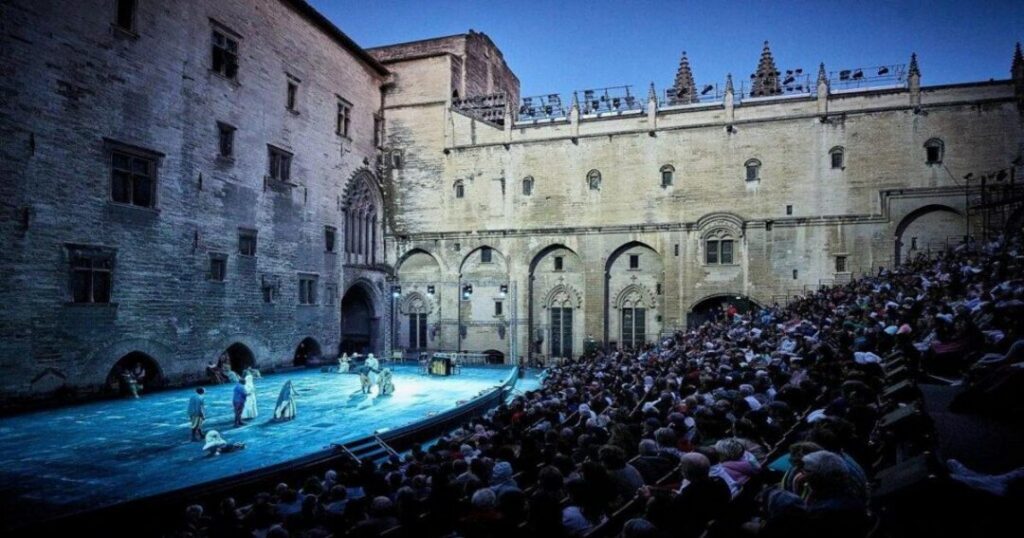
For anyone chasing culture over crowds, this is where the art festival France conversation really starts — led by the Avignon art festival and a handful of equally serious rivals.
Avignon Art Festival — Theatre in the Palais des Papes Courtyard
The Avignon Art Festival, formally the Festival d’Avignon, was founded in 1947 by actor-director Jean Vilar, making it the oldest continuously running festival in France. Its main stage is the Cour d’Honneur — the courtyard of the Palais des Papes — with an official “In” programme running alongside the independent, much larger “Off” festival organised by touring theatre companies across the city’s other venues.
- When: Three weeks in July
- Where: Avignon, Provence
- Getting there: Avignon TGV station puts Paris under three hours away; Marseille Provence Airport is roughly an hour’s drive
- Good to know: The Off festival alone can stage several hundred shows in a single edition, so book accommodation and reserve tickets well ahead of the season
Chorégies d’Orange — Opera Inside a 2,000-Year-Old Roman Theatre
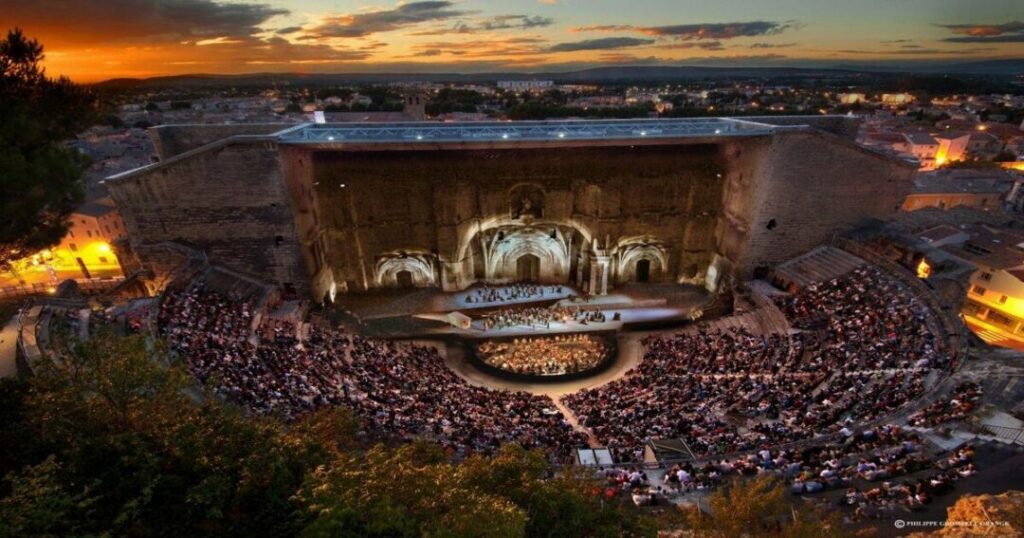
The Chorégies d’Orange trace back to 1860, took their current name in 1902, and shifted to an all-opera programme in 1969, making them one of the oldest continuously running festivals in the country. Performances happen inside the Roman Theatre of Orange, where the original stage wall still stands and creates a 9,000-seat auditorium with famously good acoustics.
- When: Throughout August
- Where: Orange, Provence, close to Avignon
- Getting there: Combine easily with an Avignon trip via a short regional train ride
- Good to know: Sarah Bernhardt herself performed here in 1903 — this is genuinely one of France’s oldest stages still in active use
Nuit Blanche — Paris’s All-Night Art Crawl
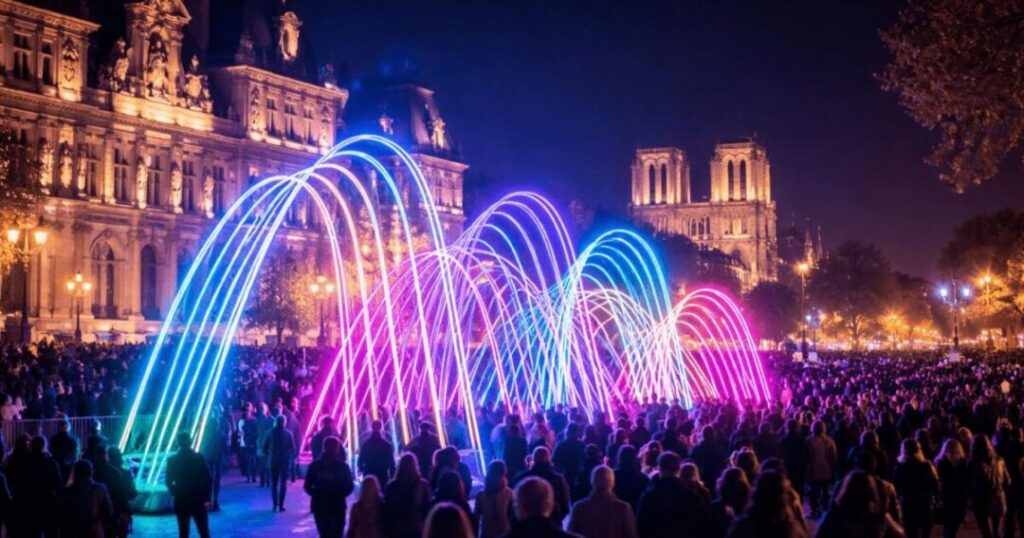
Nuit Blanche launched in Paris in 2002, turning museums, galleries, and public spaces across the city into a free, all-night contemporary art event. The concept proved influential enough that other cities — including Leeds’ “Light Night,” launched in 2005 — built their own versions of the format.
- When: One night, early October
- Where: Paris, with installations spread across multiple arrondissements
- Good to know: Wear comfortable shoes and expect long queues at the most talked-about installations after midnight
Also Read: Festivals in America: The Complete Guide to the USA’s Most Famous Celebrations
More Festival French Traditions Worth Knowing
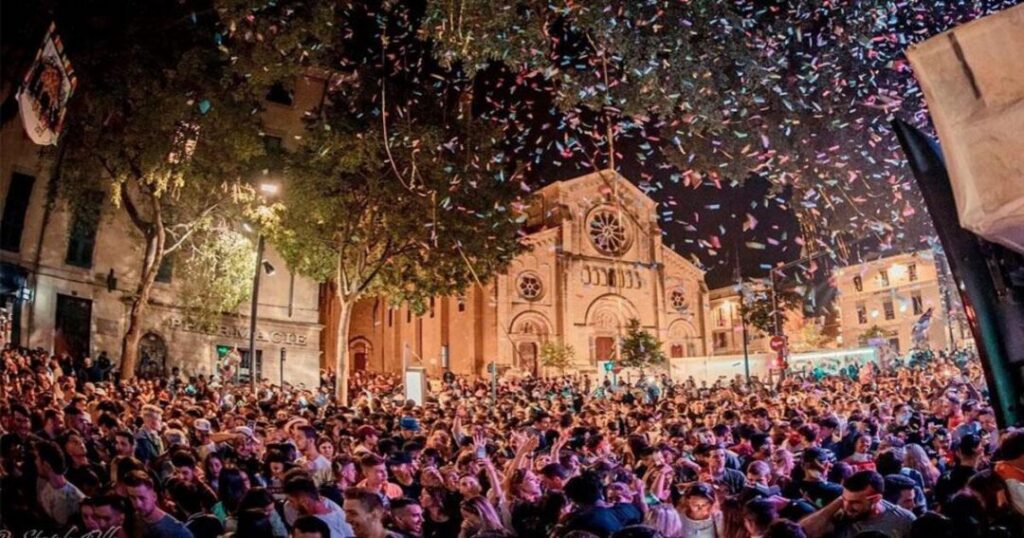
Beyond the headline names, plenty of smaller-scale French festival traditions are worth building a day around if you’re already in the region.
Fête des Vendanges de Montmartre — Paris’s Own Grape Harvest
The Fête des Vendanges de Montmartre began in 1934, after artist Francisque Poulbot and a group of friends petitioned to save a small plot of land from development — the city planted vines on it instead, and Clos Montmartre has been harvested every October since. The modern festival now runs alongside a “taste trail” of roughly 100 French producers, plus parades, concerts, and street performances across the 18th arrondissement.
- When: Five days in early-to-mid October
- Where: Montmartre, Paris
- Good to know: [QUOTE: a traveller or local vigneron on what the harvest weekend feels like on the Butte — to be sourced from a first-person account or Explurger community post]
Festivals in France by Season: A Quick Planning Table
Use this as a fast reference once you know roughly when you’re travelling.
| Season | Festival | Location | Typical Dates |
| Winter | Fête du Citron | Menton | Mid-Feb–early Mar |
| Winter | Nice Carnival | Nice | Feb–early Mar |
| Spring | Cannes Film Festival | Cannes | May |
| Summer | Fête de la Musique | Nationwide | June 21 |
| Summer | Hellfest | Clisson | Mid-June |
| Summer | Festival d’Avignon | Avignon | July |
| Summer | Bastille Day | Nationwide | July 14 |
| Summer | Chorégies d’Orange | Orange | August |
| Autumn | Braderie de Lille | Lille | Early September |
| Autumn | Nuit Blanche | Paris | Early October |
| Autumn | Fête des Vendanges de Montmartre | Paris | Mid-October |
| Winter | Fête des Lumières | Lyon | December 8 |
Conclusion About Festivals in France
However you plan a trip, festivals in France give you a reason to pick a very specific week rather than “sometime in summer.” A few things worth keeping in mind:
- Riviera festivals (Nice, Menton) cluster in February; Cannes and Avignon dominate May–July; Paris and Lyon peak in autumn and December
- National dates like Bastille Day and Fête de la Musique affect the whole country, not just one city — plan transport and hotel bookings accordingly
- The genuinely oldest festivals (Avignon, Chorégies d’Orange) are also some of the least crowded compared to Cannes or Bastille Day, if you’re avoiding peak tourist density
Ready to build your own festival calendar? Download the Explurger app and start planning your France trip today.
Whichever date you pick, book accommodation early — this is a country where an entire town’s population can multiply for a single weekend.
FAQs About Festivals in France
2. What is the national festival of France?
France's official national day is Bastille Day, held every July 14 to commemorate the 1789 storming of the Bastille prison, an early flashpoint of the French Revolution. It became a legally recognised public holiday in 1880 and is marked nationwide with a military parade in Paris, fireworks, and local celebrations in towns of every size.
3. When is the best time to visit France for festivals?
There's no single best month, since French festivals run all year: February brings carnival and citrus celebrations on the Riviera, May and July cover Cannes and Avignon, June 21 is Fête de la Musique, and December 8 is Lyon's Fête des Lumières. Decide which type of event matters most to you, then build your trip dates around that specific festival.
4. What is the biggest music festival in France?
Hellfest, held in Clisson each June, is one of the largest, drawing around 60,000 attendees a day across a week-long run with hundreds of bands. Fête de la Musique technically involves far more total performances and participating cities nationwide, but it's a free, distributed street event rather than a single ticketed festival site.
5. What is the Avignon Art Festival known for?
The Avignon Art Festival, founded in 1947 by Jean Vilar, is known for staging major theatre productions in the Cour d'Honneur of the Palais des Papes, alongside a much larger independent "Off" programme of hundreds of shows across the city. It's the oldest continuously running festival in France and remains one of Europe's most important theatre events.
6. How long does the Fête des Lumières last in Lyon?
The Fête des Lumières runs for four nights centred on December 8 each year, with large-scale light installations and projections at landmarks including the Basilica of Fourvière and Place des Terreaux. The tradition dates back to 1852, when residents first placed candles in their windows to mark the installation of a Marian statue above the city.