
274 Total Views
Russia’s festival calendar is shaped by two things: an Orthodox church year and a northern climate that swings from endless summer twilight to deep winter. The country’s Festivals in Russia range from a week of pancakes and bonfires before Lent to the glowing “white nights” of St. Petersburg to a Tatar farming festival with wrestling and horse racing. This guide covers the best-known celebrations, goes deep on the White Nights and the Russian winter season, explains what is left of the 2026 calendar, and — importantly — opens with the travel context readers need to know before planning any trip.
Before you plan: Governments are blunt about travel to Russia at present. The United States lists Russia at Level 4, “Do Not Travel,” citing risks including arbitrary detention of US citizens and very limited consular capacity; the UK advises against all travel; and Australia’s Smartraveller advice is “Do not travel.” These are warnings rather than legal bans, and tourists do still enter, but you should read your own government’s current advice and check travel-insurance terms before committing.
A travel blog updated in August 2026 also notes practical issues that affect festival trips: foreign-issued Visa and Mastercard cards have not worked in Russia since 2022, drone alerts can suspend flights at Moscow airports for hours, some messaging apps and social networks are blocked, and public criticism of the armed forces can be prosecuted. It describes Moscow, St. Petersburg, the Golden Ring and Kazan as outside the regions it advises avoiding. Treat these as reasons to plan carefully, not as a substitute for official advice.
Best Festivals in Russia
These five show the range of Russian celebration, from folk tradition to national commemoration. Dates are for 2026 and 2027 where known.
1. Maslenitsa: The Pancake Week Before Lent
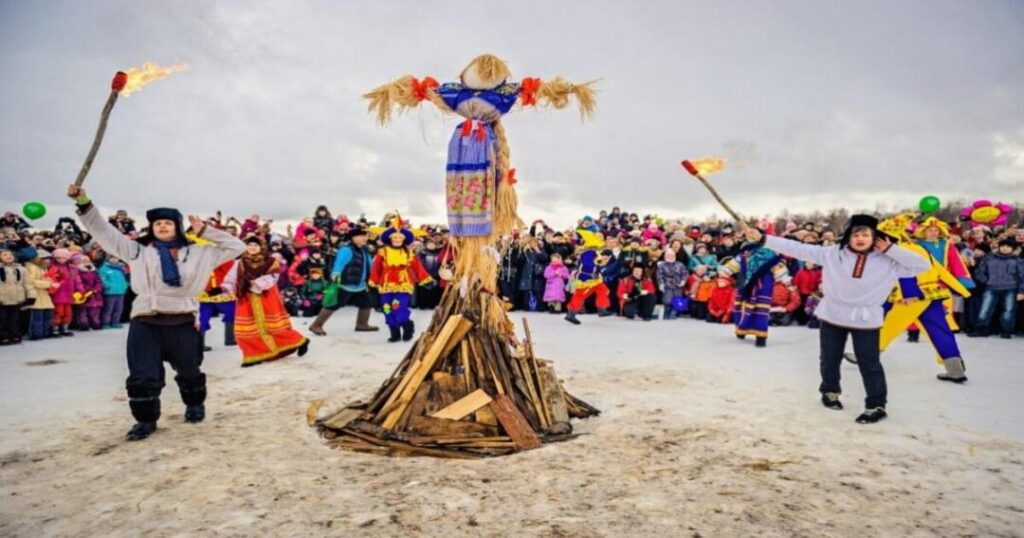
Maslenitsa is an Eastern Slavic folk and religious holiday marking the last week before Great Lent, and archaeological evidence suggests it may be the oldest surviving Slavic holiday. Each day has a theme: the week opens with welcoming “Lady Maslenitsa” and baking the first pancakes, midweek brings visits and parties, Thursday is for sledding and skating, and Forgiveness Sunday ends with people asking each other’s forgiveness and burning the effigy on a bonfire. It ran from February 16 to 22 in 2026. The 2027 week is March 8 to 14, based on Orthodox Easter falling on May 2, 2027.
2. Orthodox Christmas and New Year
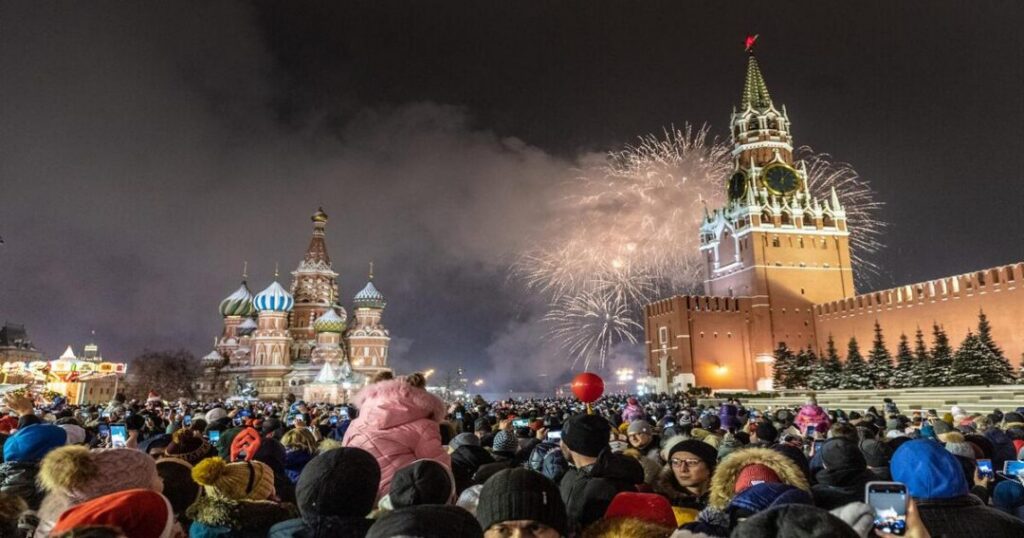
New Year is the major family holiday, with the decorated yolka tree, Ded Moroz (Father Frost) and his granddaughter Snegurochka, and a feast that typically includes Olivier salad and pelmeni. Orthodox Christmas follows on January 7 under the Julian calendar, with a holy supper and church services on the eve, and an informal “Old New Year” is marked on the night of January 13 to 14. The official break runs from January 1 to 8. The town of Veliky Ustyug is promoted as Ded Moroz’s home.
3. Victory Day (May 9)
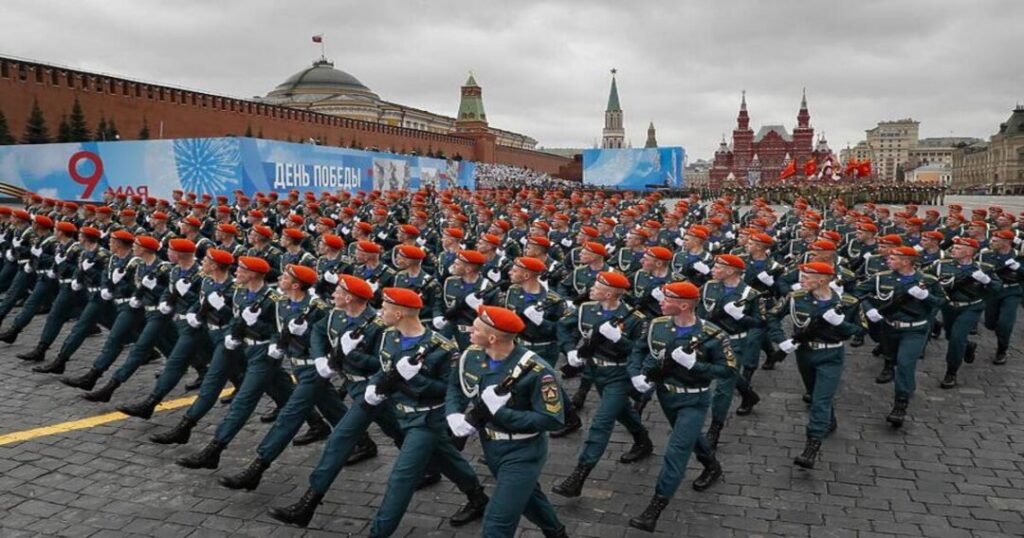
Victory Day commemorates the 1945 victory over Nazi Germany and is marked by parades, the Immortal Regiment procession and evening fireworks, with the biggest event in Moscow’s Red Square and a parade also held in St. Petersburg’s Palace Square. It is a solemn national commemoration rather than a festival in the party sense, and visitors should expect security checks at large events.
4. Sabantuy: The Tatar Summer Festival
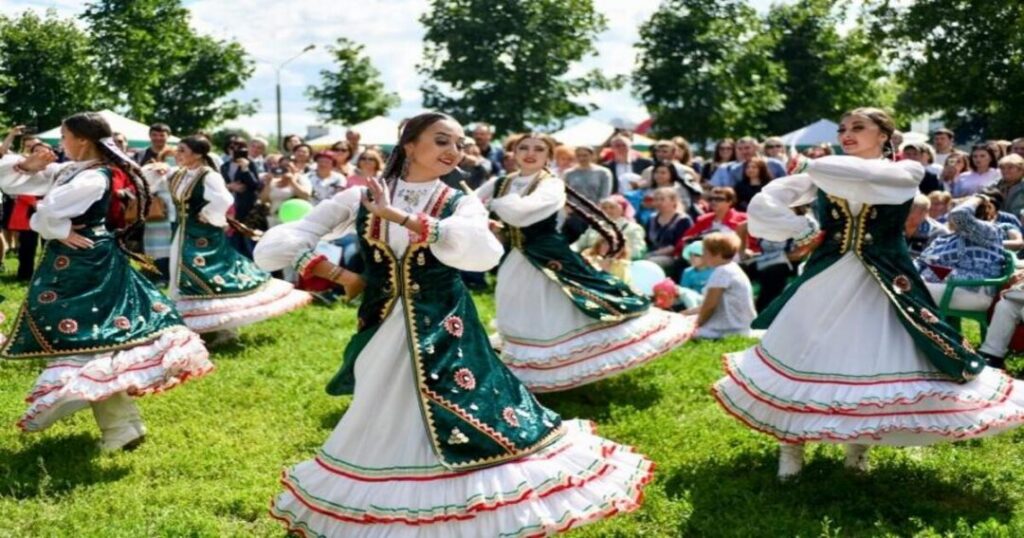
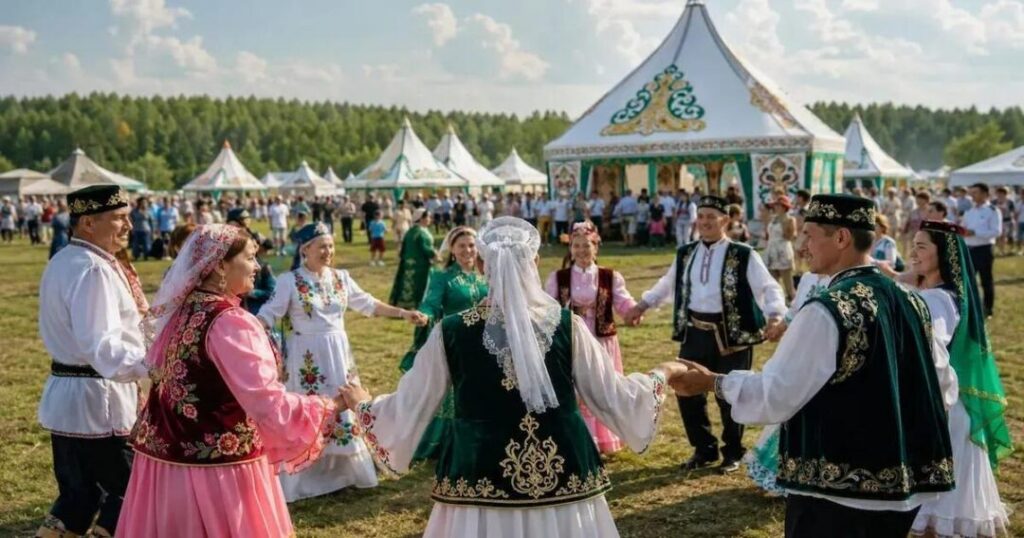
Sabantuy is a summer festival of Tatars, Bashkirs and other peoples, with roots in the Volga Bulgar era and now celebrated widely, including in cities. It is centred on Tatarstan and Bashkortostan and usually falls between about June 15 and July 1, often on a Sunday. Contests take place on a mäydan, an open field at the edge of a forest, and include köräş (Tatar wrestling), horse racing, sack races and pole climbing; the winner of the wrestling final becomes the batır, the festival’s hero. Kazan hosts the last Sabantuy of the season.
5. Ivan Kupala Night: Midsummer Fire and Flowers
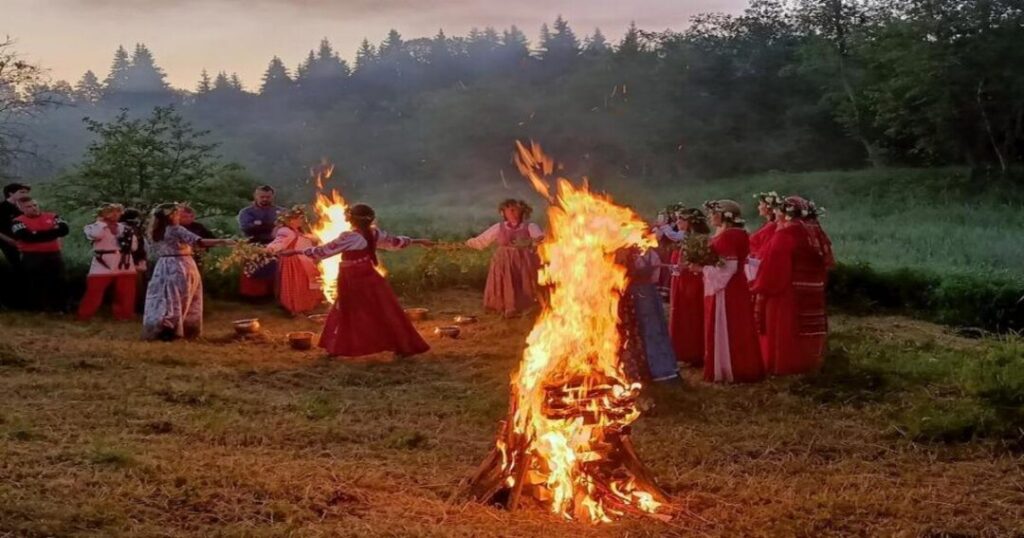
Ivan Kupala Night is a summer solstice celebration linked to John the Baptist, in which girls float flower wreaths with candles on the water, people jump over bonfires, and some search for a flowering fern. It is more of a rural and folk tradition than a headline city event.
White Nights Festival Russia: Summer in St. Petersburg
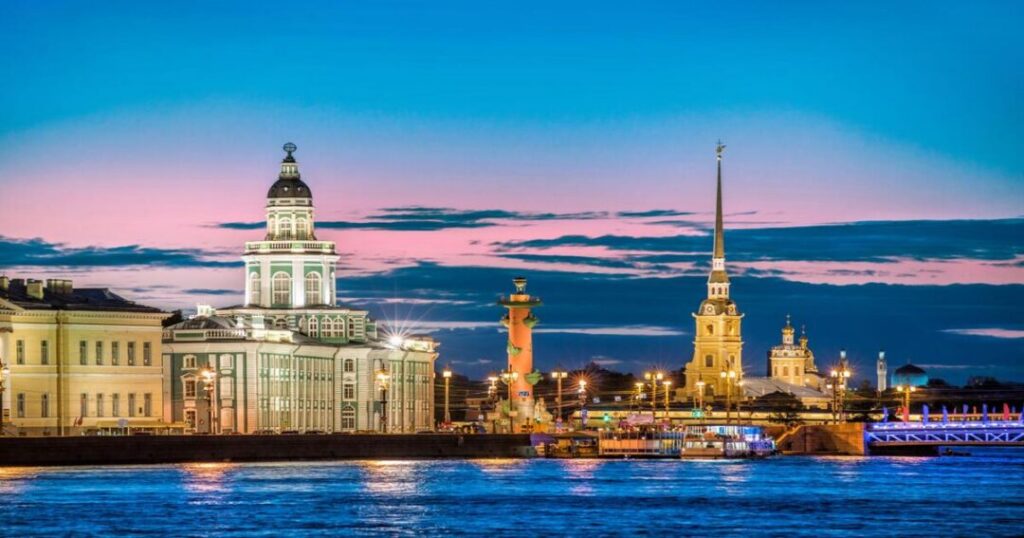
The White Nights Festival Russia is the cultural season built around St. Petersburg’s midnight twilight. The city sits at about 59°57′ N, right at the edge of where the phenomenon occurs, so around the summer solstice the sun never fully sets. The most intense period in 2026 ran from June 11 to July 2, with the peak on the night of June 21-22, when sunset is around 22:25 and sunrise around 4:25. Broader definitions stretch the white nights from late April to late August.
Stars of the White Nights
The core of the festival is the Mariinsky Theatre’s “Stars of the White Nights” music festival, run by artistic director Valery Gergiev. It has been held annually since 1993, started by the city’s first mayor, Anatoly Sobchak. The 34th edition ran from May 29 to July 24, 2026, opening with a Tchaikovsky ballet and a new opera production at the Mariinsky II. The 2027 dates had not been announced in the sources consulted.
Scarlet Sails
Scarlet Sails is the largest public event of the White Nights season, a celebration on the Neva River built around a tall ship with scarlet sails, inspired by Alexander Grin’s 1923 novel. It was first held in 1968, and attendance reached 3 million in 2010. It is tied to the end of the school year. For 2026 it was expected on the night of June 27-28, but the city confirms the date only about a month ahead, so the exact date should be checked each year. It is never held on June 22, the anniversary of the 1941 invasion.
Bridge Openings and Practical Tips
During the navigation season, which runs from April 10 to November 30, the Neva’s bridges are raised at night. Schedules change with weather and shipping, so check the official schedule rather than relying on a printed time. Book accommodation three to six months ahead, buy Mariinsky tickets online, bring a sleep mask for the bright nights, and pack layers: June averages 15-22 °C.
Russian Winter Festival: Moscow’s Season of Troikas and Christmas
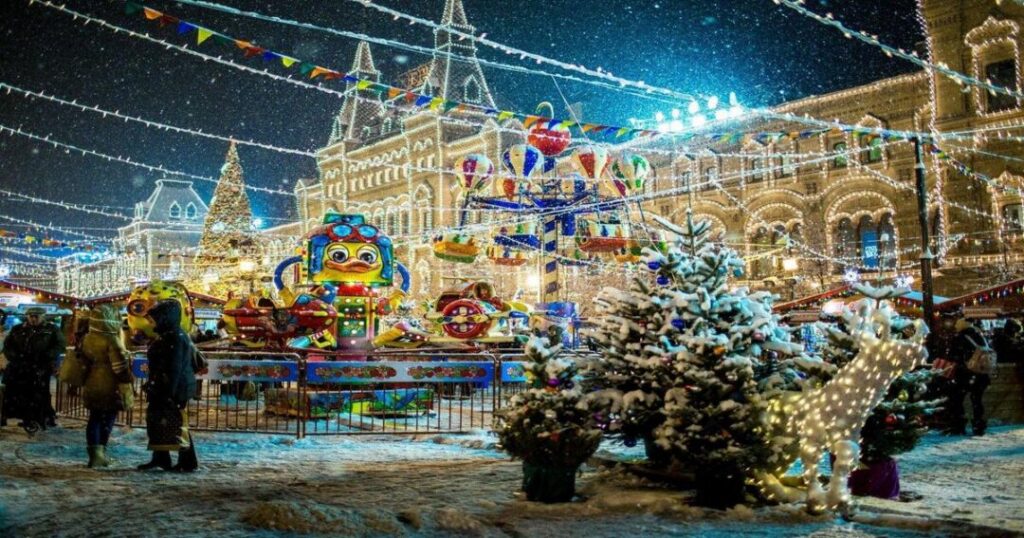
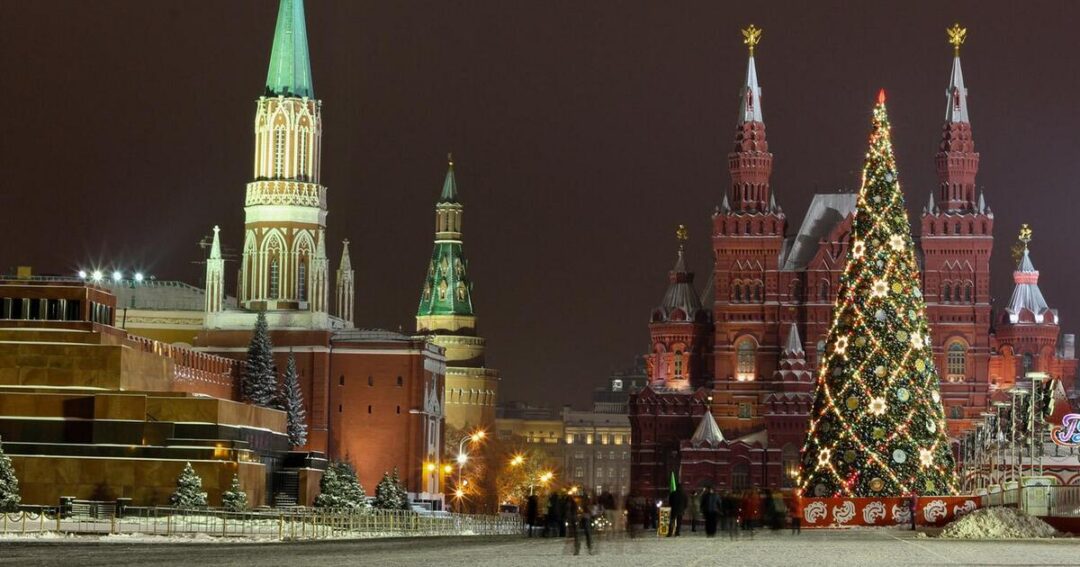
Travellers searching for the Russian Winter Festival are usually thinking of Moscow’s seasonal celebration, which one hotel guide dates from December 25 to January 5 and which overlaps with Christmas, New Year and Svyatki, the Orthodox Christmastide. It is less a single event than a citywide programme.
What to Expect
- Revolution Square Christmas Village: Stalls selling crafts, traditional clothing, ornaments, food and drink, including handmade valenki (felt winter boots).
- Izmailovo Park: Folk dancing and concerts, an ice rink, sledging and troika rides in three-horse sleighs, with appearances by Ded Moroz and Snegurochka.
- Gorky Park: An ice rink for skating or hockey, cross-country skiing when there is snow, and ice sculptures by professional artists.
Also Read: Places to Visit in Phnom Penh: Explore Cambodia’s Capital
Maslenitsa as the Winter Finale
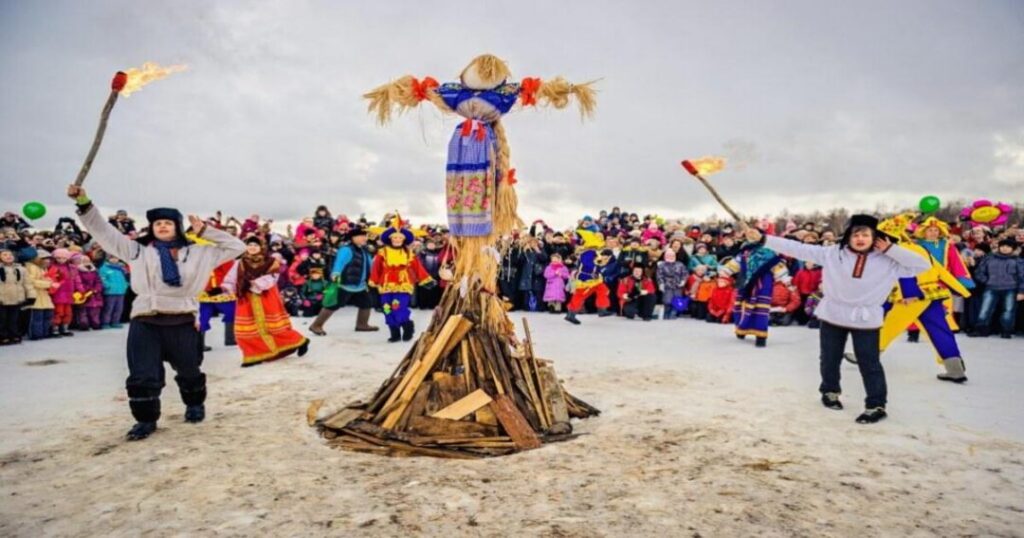
Winter’s festival season closes with Maslenitsa in February or March, when blini, bonfires, sleigh rides and the burning of the effigy mark the turn toward spring. Tatyana’s Day on January 25, billed as Russian Students’ Day, is a smaller seasonal celebration with university balls.
Annual programmes for the winter festival are published late, and conditions in 2026-27 may differ from past years, so confirm locations and dates with official Moscow tourism channels before relying on any listing.
Also Read: e-Visa for Indians: Your Complete Guide to Visa-Free, Visa on Arrival & e-Visa Travel
Russian Festival 2026: What Has Passed and What Is Left
Anyone searching for a Russian Festival 2026 in October 2026 should know that most of the year’s headline celebrations are already over. Here is the picture:
Already Over
Maslenitsa (February 16-22), Defender of the Fatherland Day (February 23), Victory Day (May 9), St. Petersburg’s City Day (May 27), Russia Day (June 12), the Stars of the White Nights festival (May 29 to July 24), and the Sabantuy and Scarlet Sails season in June.
Still Ahead in 2026
- National Unity Day, November 4: A single public holiday on Wednesday in 2026, usually marked with events in Moscow, including near Red Square.
- New Year and Orthodox Christmas: The New Year break runs December 31 to January 8, with Orthodox Christmas on January 7, 2027.
- Moscow’s winter festival: Traditionally December 25 to January 5; confirm the programme.
Looking to 2027
Maslenitsa returns on March 8-14, 2027, and Orthodox Easter falls on May 2, 2027. Victory Day is on a Sunday in 2027 and Unity Day becomes a four-day break from November 4 to 7, though the 2027 calendar was still a draft awaiting government approval in the source consulted.
Also Read: Festivals in Kazakhstan: Nauryz, Music Festivals, and the Nation’s Biggest Celebrations
Conclusion: Match the Festival to the Season, and Check the Advice First
The most memorable Festivals in Russia follow the seasons: Maslenitsa’s bonfires at the end of winter, the white nights of June, Sabantuy’s wrestling fields in summer, and the New Year and Christmas season in the dark of December. They are rewarding to read about and plan around, but with most governments currently advising against travel to Russia, anyone considering a trip should start with their own government’s advice, insurance terms and payment arrangements before looking at dates.
Researching festival destinations worldwide? Use the Explurger app to explore celebrations by season and plan around official travel advice.
FAQs About Festivals in Russia
2. When are the White Nights in St. Petersburg?
The most intense period in 2026 ran from June 11 to July 2, with the peak on June 21-22. The Stars of the White Nights festival ran from May 29 to July 24, 2026, and broader definitions of white nights stretch from late April to late August.
3. When is Maslenitsa in 2027?
March 8 to 14, 2027, the week before Great Lent, based on Orthodox Easter on May 2, 2027. Maslenitsa 2026 was February 16 to 22.
4. When is Orthodox Christmas in Russia?
January 7, following the Julian calendar. Many Russians also celebrate an informal "Old New Year" on the night of January 13 to 14.
5. What is Scarlet Sails?
A large celebration on the Neva River in St. Petersburg built around a ship with scarlet sails, inspired by Alexander Grin's 1923 novel and first held in 1968. It is linked to the end of the school year and takes place during the white nights.
6. What is the Russian winter festival?
Moscow's seasonal celebration, dated by one hotel guide from December 25 to January 5, with Christmas markets, troika rides, ice rinks and folk performances in places like Izmailovo Park and Gorky Park. Check the annual programme.