
172 Total Views
Sri Lanka’s ghost stories are layered: colonial bungalows with a lady in a locked room, a waterfall that locals avoid after dark, a Dutch hospital with noises in the attic and an older tradition of spirits and demons that exorcism rituals still address. This guide covers the best-known Haunted places in Sri Lanka: five to start with, what keeps recurring, the Nuwara Eliya bungalows, the hotels that carry ghost stories and the folklore behind them. None of these hauntings has been verified. They are legends, local belief and retold anecdotes, and several of the places are working hotels, offices or private homes, so the guide ends with how to visit respectfully.
Top Haunted Places in Sri Lanka
These five appear most often in the sources reviewed. Each story below is attributed to where it was found, and none is confirmed.
1. Lover’s Leap Falls, Nuwara Eliya
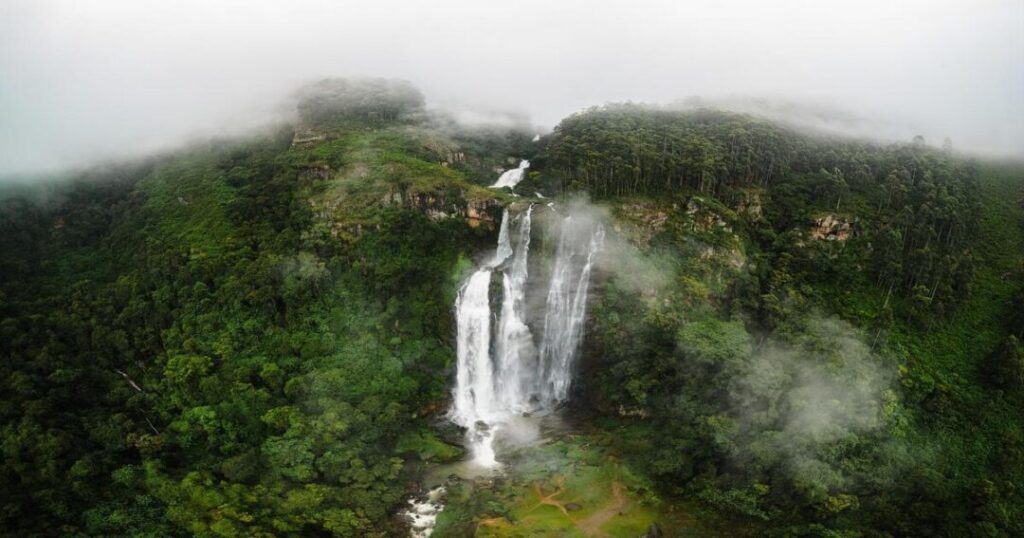
The falls sit just outside Nuwara Eliya town and are about 98 feet high, fed by streams from Pidurutalagala, according to Travel Lanka Compass. The legend is that a prince, lost while hunting, was rescued by a young woman he fell in love with, and that the couple, opposed by their families, jumped from the cliff. Versions differ on whether she was a commoner, a damsel or a village girl. A Sunday Times Funday feature on waterfalls says superstitious villagers avoid the falls at night, and a folklore writer adds that locals say they hear screams and that some visitors feel pushed near the edge. Treat the cliff edge with respect whatever you believe.
2. General’s House, Nuwara Eliya
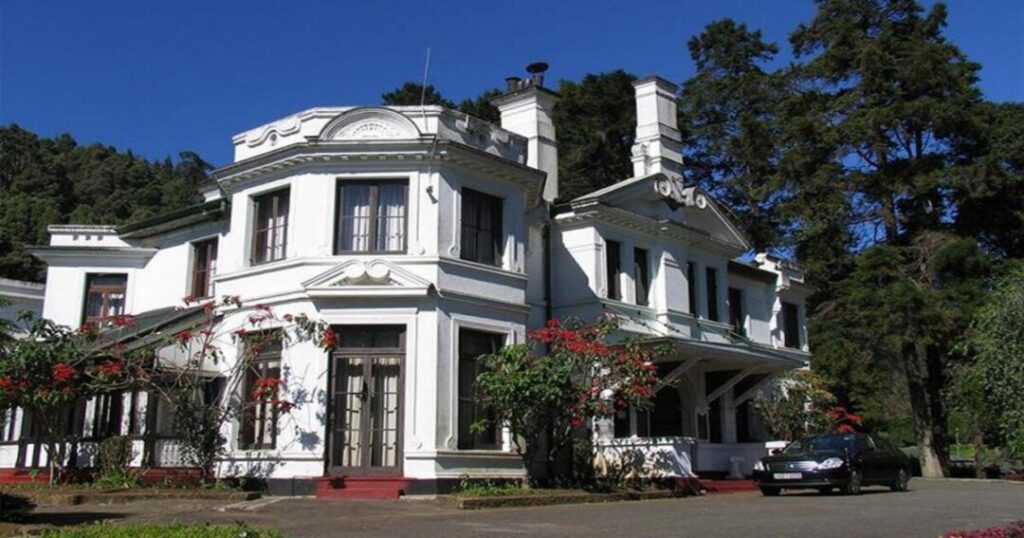
A 19-room bungalow on Grand Hotel Drive beside The Hill Club, General’s House was built by the British for the General Officer Commanding Ceylon and is now a country residence for Members of Parliament. Wikipedia says it is “said to be haunted by the ghost of an English lady” who was found dead in one of its rooms in mysterious circumstances. A travel writer retells a story, with no date, of a Member of Parliament who felt a shove in the night and fell. Use is restricted to MPs and their families, so it is not a place a visitor can book.
3. The Dutch Hospital, Colombo Fort
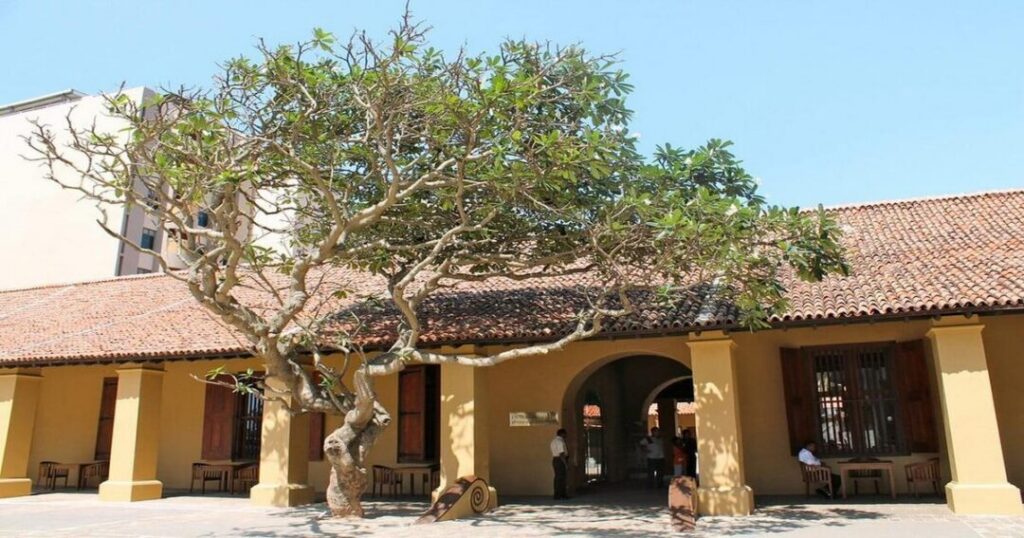
This 17th-century building in Fort was re-purposed in 2011 as a dining and shopping precinct. The Sunday Times reported in 2018 that staff described tapping, thuds and movement in the attic above the front wing, believed to be the doctor’s quarters, and that a cleaner reported seeing a black figure crouching in a corner. These are staff accounts in a newspaper feature, not investigated findings.
4. Arcade Independence Square, Colombo
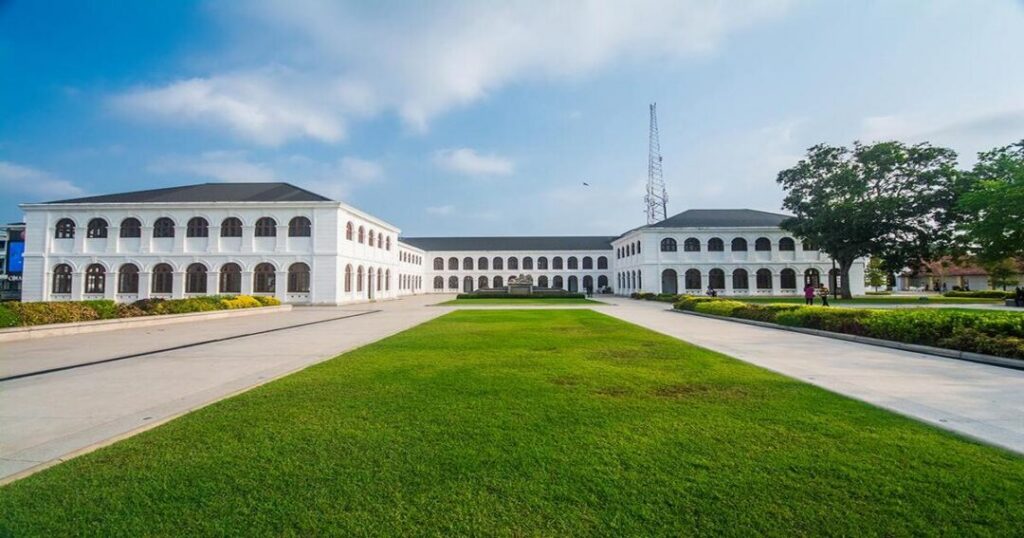
The shopping arcade stands on the site of the old Cinnamon Gardens or Jawatte Asylum, founded in the late 19th century and closed by the mid-1920s, according to the Sunday Times, which became an arcade in 2012. Guards there told the paper they sometimes hear strange sounds at night but usually ignore them. Other travel sites repeat a belief that medical staff once experimented on patients, which is unsourced, and they disagree on when patients were moved, giving 1917 in one place.
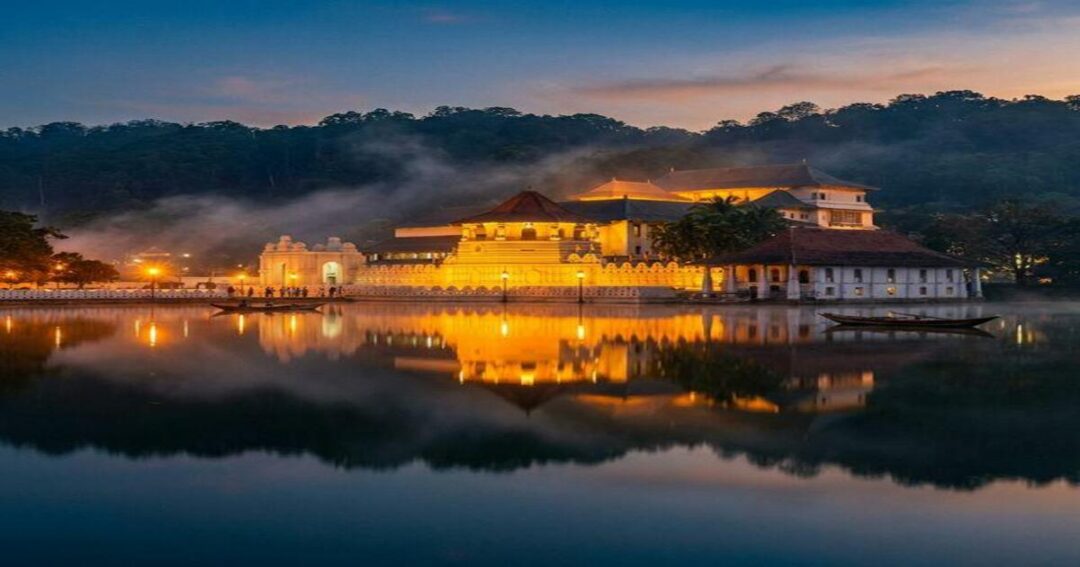
5. Helga’s Folly, Kandy
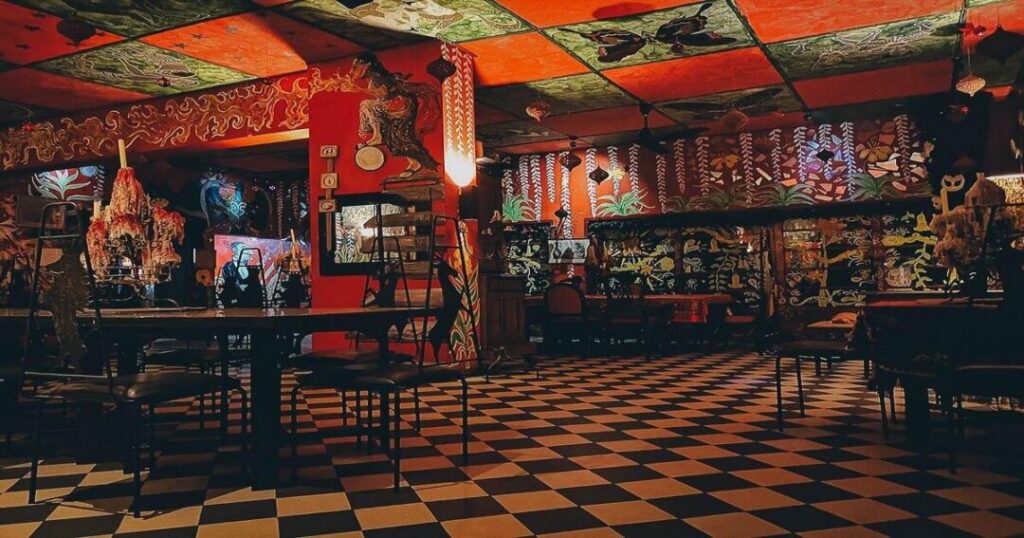
This Art Nouveau boutique hotel was the de Silva family home before opening as a hotel in the 1960s, and was renamed Helga’s Folly in the mid-1990s, according to Wikipedia, which makes no ghost claims. Travel blogs say a ghost lives on the top floor and makes itself known to overnight guests, without dates or named witnesses.
Most Haunted Places in Sri Lanka: What Keeps Coming Up?
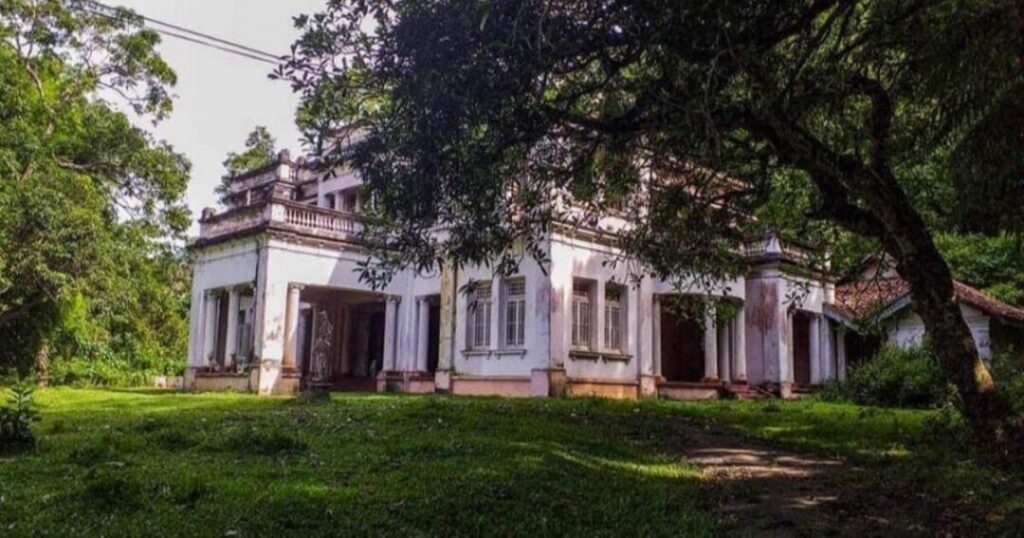
There is no official ranking of the most haunted places in Sri Lanka, so the best measure is which sites recur across independent write-ups. These do, based on the pages reviewed for this guide:
- Lover’s Leap Falls: Named by travel blogs, a folklore writer and a 2005 Sunday Times feature.
- General’s House: Named by Wikipedia, a travel-booking blog and a storytelling blog.
- Helga’s Folly: Named by two travel blogs and a storytelling blog, but not by Wikipedia.
- Arcade Independence Square, the old Jawatte Asylum: Named by two travel blogs and the Sunday Times.
- The Dutch Hospital: Named by the Sunday Times and a storytelling blog.
Frequency is not proof. Sites that appear in many lists often do so because the lists copy one another.
Haunted Bungalows in Nuwara Eliya: General’s House and Beyond
Nuwara Eliya, the colonial-era hill station, is where the haunted bungalows in Nuwara Eliya are most talked about, and General’s House is the one that appears in reference sources. A storytelling blog places its ghost in Room 16 of the old wing, but that detail appears in only one place. Sources also disagree on its age. Wikipedia calls it late 19th century in one place and gives 1904 and 1906 for the authorisation and funding of the site in another.
Beyond General’s House, no other Nuwara Eliya bungalow with a documented ghost story was found, so avoid claims about specific tea-estate bungalows. Wikipedia pages for The Hill Club (founded in 1876, according to the page) and the Grand Hotel (originally Barnes Hall, built in 1828) mention no ghost stories. One 2011 guest review of The Hill Club says guests “almost expect to see ghost in the hallways,” which is a comment on atmosphere, not a haunting report.
Also Read: Things to Do in Galle: A Complete Sri Lanka Travel Guide
Haunted Hotels in Sri Lanka: Legends and Facts
Stories about haunted hotels in sri lanka are mostly retellings, and the hotels themselves do not promote them. These are the ones that come up, with what the reference sources say:
- Helga’s Folly, Kandy: A top-floor ghost in blog accounts, no ghost claim on Wikipedia, and it is not clear from the sources whether it is operating today.
- Mount Lavinia Hotel: Wikipedia says Governor Thomas Maitland began building the residence in 1806 and that a legend links him to a dancer named Lovina Aponsuwa, with a secret tunnel. A storytelling blog adds that her spirit is said to be heard as dance music and cries near the hotel. Wikipedia makes no ghost claim.
- Galle Face Hotel, Colombo: A storytelling blog says the ghost is an English soldier who died in World War II, with no further detail.
- The Hill Club and the Grand Hotel, Nuwara Eliya: Historic but without documented ghost claims in the reference pages reviewed.
The Folklore Behind the Ghost Stories
Many stories draw on older beliefs. According to Wikipedia, Sinhalese folklore holds that demons, called yakshas, are ruled by a king, Wesamuni, who has forbidden them to attack humans directly, so they are said to inflict disease and suffering instead. Rituals such as the Sanni Yakuma, a long exorcism with dancers dressed as demons and drums, are performed when someone is believed to be affected. The spirits below come up most often, mainly in retellings by writers rather than academic sources:
- Mohini: A woman in white who appears to travellers on roadsides, often holding a baby that she asks them to hold, then vanishes. A 1925 account places her near Teldeniya.
- Bodilima: A banshee-like spirit of a woman who died while pregnant, said to wail around houses at night. A written account dates to 1885.
- Maha Sona: Described by a folklore writer as the most feared evil spirit, said to haunt graveyards, large rocks and three-way junctions.
- Reeri Yakseya: One of the most feared demons, believed capable of causing every kind of disease.
- Goni Billa: A sack-carrying bogeyman parents use to discipline children, which the same writer links to Portuguese colonial influence.
Also Read: Sri Lankan Street Food: Kottu Roti, Hoppers, and What to Order After Dark
Visiting Haunted Places Respectfully
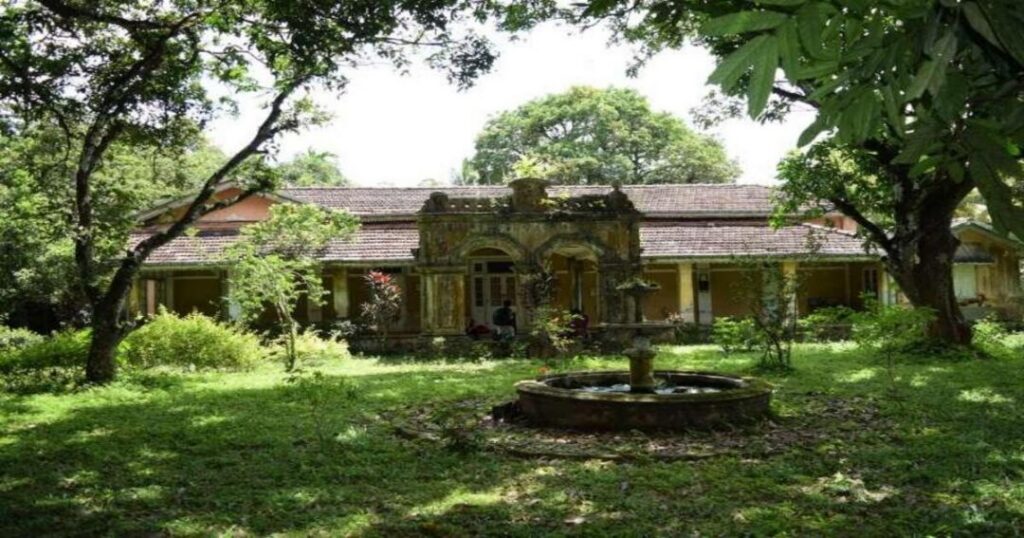
These tips are our own suggestions, based on what the sources say about each site:
- Go in daylight: Lover’s Leap is a cliff edge, and locals avoid it after dark.
- Check access first: General’s House is restricted to Members of Parliament and their families, and the Dutch Hospital and Arcade Independence Square are shopping and dining areas with working staff.
- Do not trespass: Newspaper accounts mention private houses in Mount Lavinia and Thimbirigasyaya. Do not seek out private homes.
- Treat memorials and churches with care: Places such as Wolvendaal Church in Pettah are active or historic sites. One blog retells a ghost story there, while another travel site says only that visitors may feel watched.
- Do not ask hotels to confirm ghosts: They are working businesses, and the stories are unverified.
Season note: No seasonal information was found for these sites, and no organised ghost tours were researched. Check the weather, especially near waterfalls, before a visit.
Also Read: Places to Visit in Sri Lanka: 7-Day Itinerary & Gems
Conclusion: Enjoy the Stories, Respect the Places
The best-known haunted places in Sri Lanka are a mix of colonial buildings, a waterfall legend and folklore older than the hotels. Read them as stories, visit in daylight and check access first, since several sites are restricted, private or working premises.
Heading to the hill country or Colombo? Open the Explurger app to find travelers who want to explore Sri Lanka’s legends together.
FAQs About Haunted places in Sri Lanka
2. Is General's House in Nuwara Eliya haunted?
Wikipedia says it is said to be haunted by the ghost of an English lady found dead in one of its rooms. That is a legend. The house is a residence for Members of Parliament and their families and is not open to general booking.
3. What is the legend of Lover's Leap Falls?
A prince lost while hunting was rescued by a young woman he fell in love with, and the couple, opposed by their families, are said to have jumped from the cliff. Versions differ on her background, and locals are said to avoid the falls at night.
4. Are there haunted hotels in Sri Lanka?
Stories attach to Helga's Folly in Kandy, Mount Lavinia Hotel and Galle Face Hotel in Colombo, but they come from blogs and storytellers. Reference pages for these hotels mention no ghosts, so treat them as folklore.
5. Who is Mohini?
Mohini is a spirit of Sri Lankan folklore, usually a woman in white who appears to lone travellers at night and asks them to hold a baby. Accounts of her go back at least to a 1925 article, and the legend has many versions.
6. What is Sanni Yakuma?
It is a traditional exorcism ritual, not a demon, performed when someone is believed to be affected by demons. Wikipedia describes long rituals with dancers dressed as demons, drums and offerings.