
939 Total Views
Most people planning Sri Lanka’s south coast end up staring at a map wondering where to actually start. There’s a 400-year-old fort, a coastline dotted with beaches, and only so many hours in a day. Picking the right things to do in Galle makes the difference between a rushed half-day detour and one of the highlights of your whole trip.
Get it wrong and you’ll either spend your entire visit wandering the same three streets inside the fort, or skip the historic core altogether for the beaches. Neither does Galle justice. This guide lays out exactly what’s worth your time — from colonial landmarks to hidden coves — so you can plan a visit that actually fits your pace and interests.
Things to Do in Galle Fort: Where History Meets the Sea
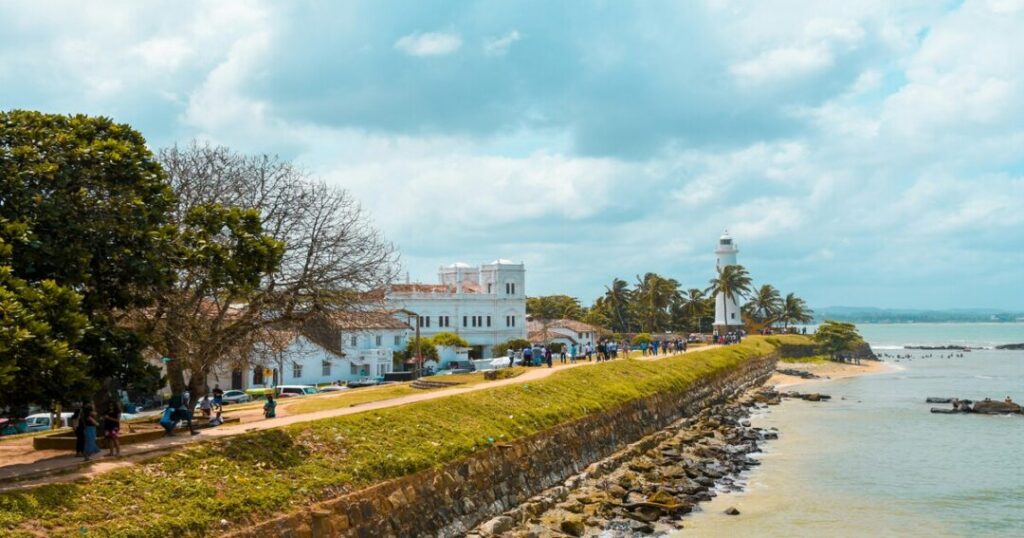
The Galle Fort is the town’s beating heart and the reason Galle appears on nearly every Sri Lanka itinerary. Originally built in 1588 by the Portuguese and then massively reinforced by the Dutch from 1649 onward, the fort was recognised as a UNESCO World Heritage Site in 1988 for how well it preserves the blend of European and South Asian architectural styles.
Walk the Ramparts and 14 Bastions
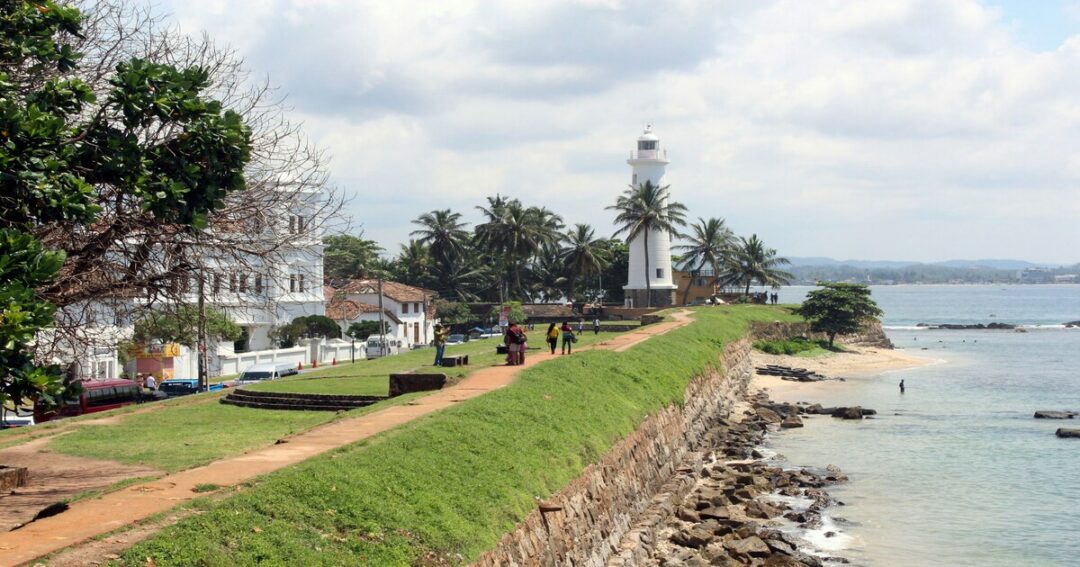
The ramparts circling the 52-hectare fort are free to walk and arguably the single best activity in town.
- Start near Flag Rock and walk the full loop for sweeping ocean views
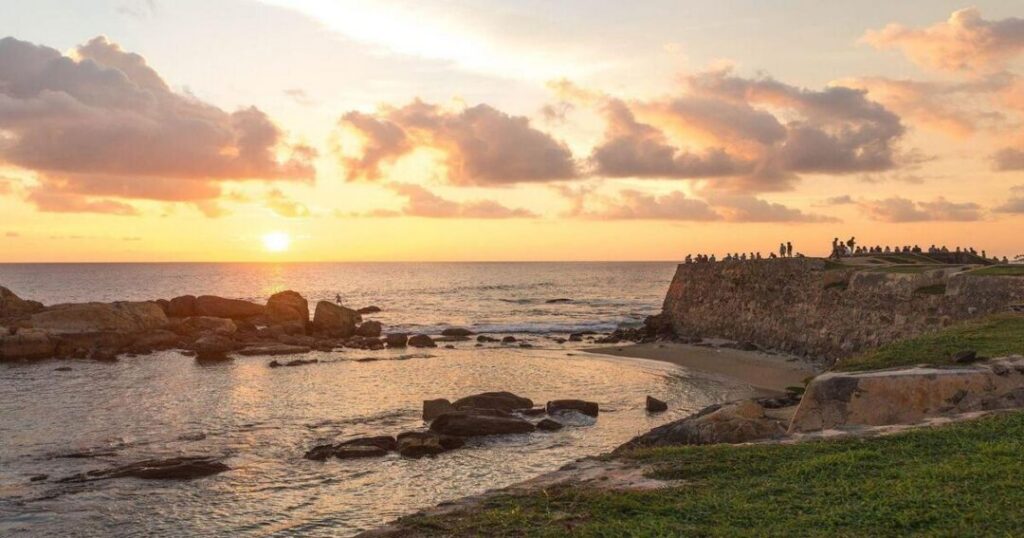
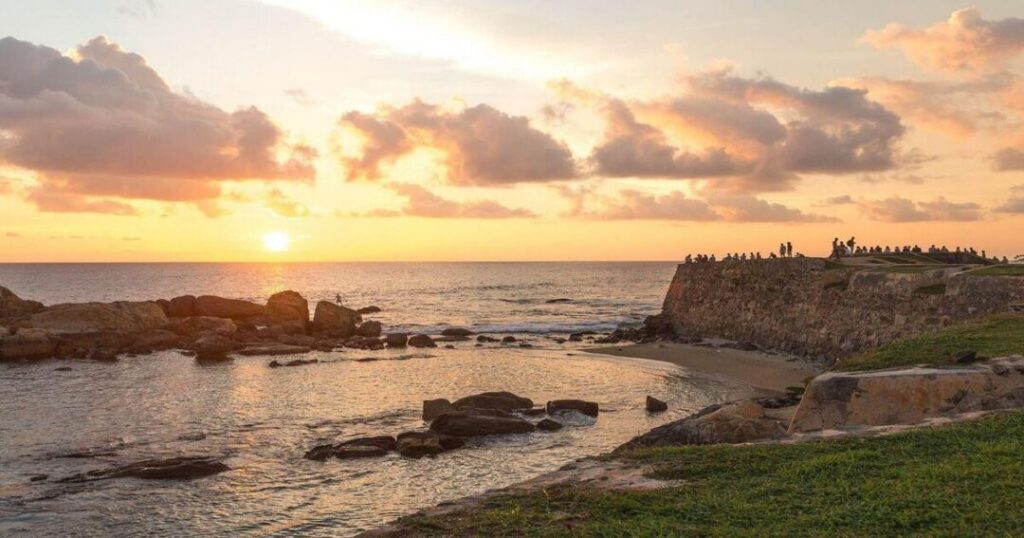
- Time it for sunset, when locals gather along the walls
- Look out for all 14 named bastions, including Sun, Moon, and Star Bastion
Climb Up to Galle Lighthouse
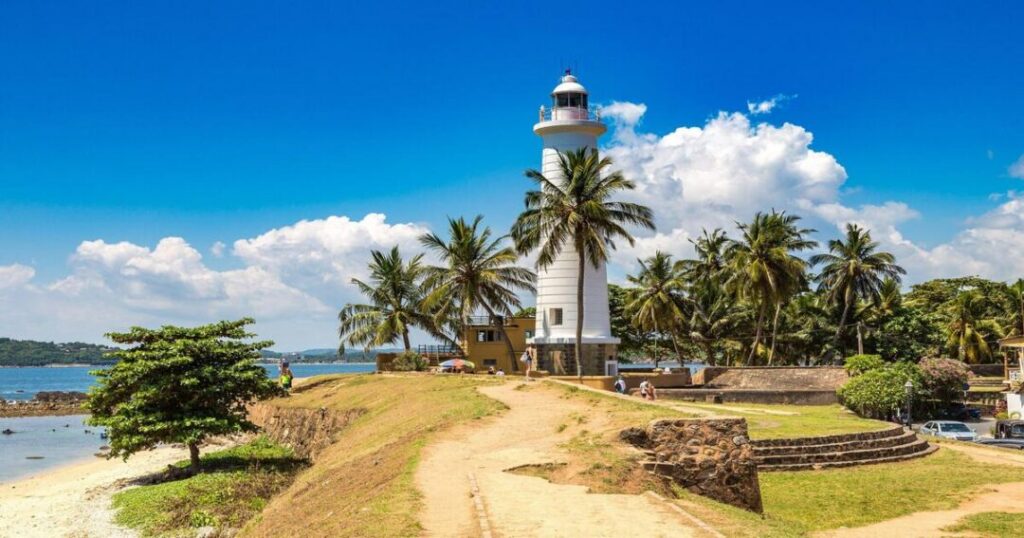
Sri Lanka’s oldest lighthouse site sits at the fort’s southern tip. The current structure dates to the late 1930s after fire damaged an earlier tower, and while you can’t go inside, it’s a favourite photo stop and a good landmark for orienting yourself around the fort.
Step Inside the Dutch Reformed Church & Historical Mansion Museum
- Dutch Reformed Church (built 1640s onward): tombstones repurposed as flooring and a pipe organ dating back centuries
- Historical Mansion Museum: a privately run collection of colonial-era artefacts, coins, and furniture housed in a restored mansion
Also Read: Places to Visit in Sri Lanka: 7 Day Itinerary, Hidden Gems, Things to Do, Cuisine and Much More!
Browse the National Maritime Museum
Set inside a converted Dutch warehouse, this small museum covers Galle’s seafaring history, including shipwreck artefacts recovered from the surrounding waters — a nice stop if you need shade during the midday heat.
Top Attractions in Galle Beyond the Fort Walls
Once you’ve covered the ramparts, there’s a longer list of attractions in Galle worth building into your itinerary.
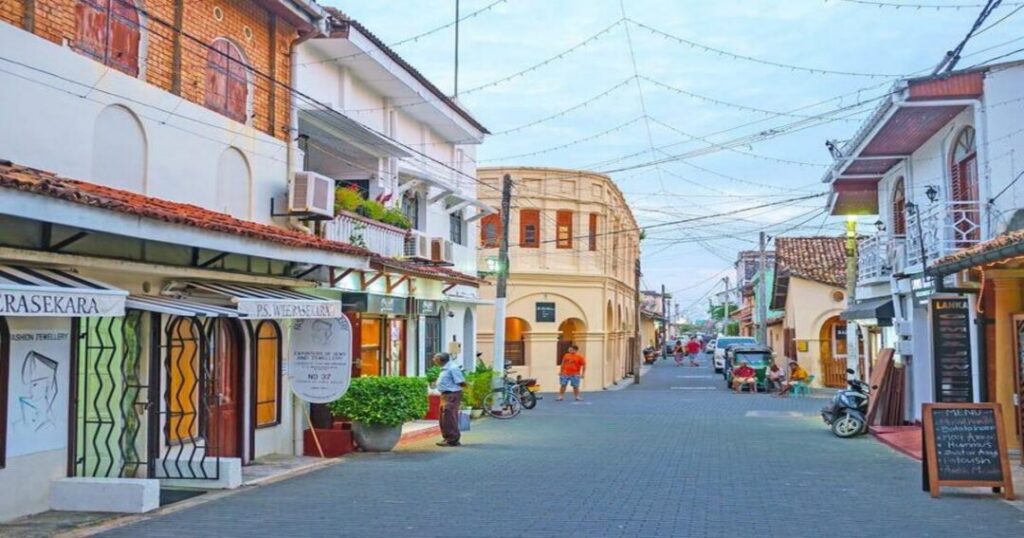
- Old Dutch Hospital Precinct — a restored 17th-century hospital building now home to boutique stores, cafés, and restaurants with courtyard seating
- Galle International Cricket Stadium — one of the most scenic cricket grounds in the world, with the fort ramparts visible just beyond the boundary; check ahead if a match is scheduled during your visit
- Meeran Jumma Mosque & Sudharmalaya Temple — two working places of worship that reflect Galle’s multicultural population of Sinhalese, Moor, Dutch-descended, and other communities
- Flag Rock — the fort’s most photographed sunset viewpoint, where a small cannon still marks the spot once used to signal incoming ships
Best Beaches Near Galle for Sun, Surf & Snorkelling
No list of things to visit in Galle is complete without the coastline just outside the fort walls. This is where the pace slows down considerably.
Unawatuna Beach
A short tuk-tuk ride from the fort, Unawatuna is Galle’s most popular beach — a curved bay with calm, swimmable water for most of the year, beachfront cafés, and enough space to escape the crowds if you walk to either end.
Jungle Beach & Rumassala Nature Trail
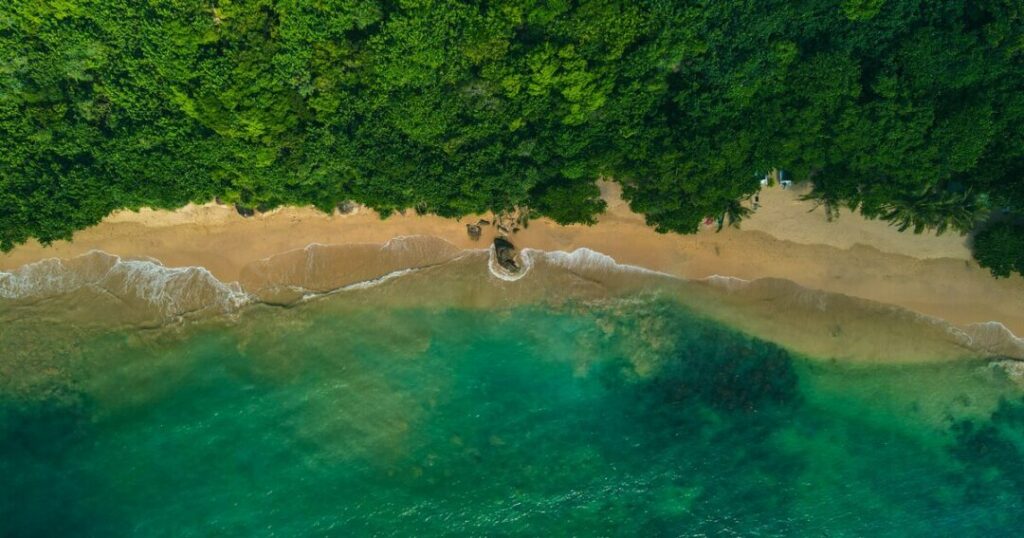
Tucked behind the Rumassala headland, Jungle Beach is smaller and quieter than Unawatuna, reached via a short forested trail. The Rumassala hill itself is a protected sanctuary and a good spot for an early-morning walk before the day heats up.
Koggala Lake and the Stilt Fishermen
A short drive east, Koggala Lake offers boat rides through mangroves and past small islands with a Buddhist temple and cinnamon plantation. Along the coast nearby, you may still spot Sri Lanka’s iconic stilt fishermen — though the tradition has become rarer and more tourist-oriented in recent years.
Habaraduwa Turtle Hatchery
Several conservation-focused hatcheries near Habaraduwa work to protect sea turtle eggs and release hatchlings; many welcome visitors for a small donation that supports their work.
[STAT: Galle district’s south coast beaches see a significant seasonal tourism spike between December and March — source: Sri Lanka Tourism Development Authority]
Galle Things to See Off the Tourist Trail
Beyond the headline sights, these are the details that make repeat visitors fall for Galle.
- Boutique lanes & antique shops — Pedlar Street and Leyn Baan Street inside the fort are lined with independent stores selling batik, handloom textiles, and antiques
- Street food and café culture — try short eats, king coconut, and fresh seafood at the small stalls just outside the fort’s main gate
- [INTERNAL LINK: Best cafés in Sri Lanka’s south coast → South Coast Café Guide]
- Galle Literary Festival — held every January, this event draws international authors and turns the fort into a hub of talks and readings
[QUOTE: “Galle is one of the few places where you can genuinely feel history under your feet while still being five minutes from a beach.” — suggested source: a Sri Lanka-based travel writer or long-term expat]
Traveller’s Experience: Why Galle Sri Lanka Attractions Stand Out?
Ask travellers who’ve done a full Sri Lanka loop — Kandy, Ella, Yala, the north — and Galle often comes up as the place they wished they’d given an extra day. Part of it is walkability: unlike many heritage sites, the fort’s attractions are close enough to cover on foot without a guide or vehicle.
The other part is variety. Few towns let you tour a 400-year-old colonial fort, watch a cricket match with ocean views, snorkel a coral reef, and eat dinner overlooking the ramparts, all within the same few square kilometres.
Also Read: Things to Do in Colombo: A Complete Guide to Sri Lanka’s Capital
What is the Best Time to Visit Galle?
The best time to visit Galle is between December and March, when the southwest monsoon has passed and rainfall drops to its lowest levels of the year.
- December–March: Driest months, average temperatures around 30–32°C, ideal for beach days and walking the ramparts
- February: Typically the driest single month, with the fewest rainy days
- April, May, November: Shoulder seasons — fewer crowds and lower prices, but a higher chance of showers
- May–September: The Yala monsoon brings heavier, more frequent rain, particularly in July and August
If your trip lines up with January, consider timing it around the Galle Literary Festival for a cultural bonus.
How to Reach Galle?
Galle is well-connected to Colombo and the rest of the south coast, whether you’re arriving by air, rail, or road.
By Air
- The nearest international gateway is Bandaranaike International Airport (CMB) near Colombo, roughly 150–160 km from Galle
- The drive takes approximately 2.5–3 hours via the E01 Southern Expressway
- Private transfers and airport taxis are the most common option; some travellers also connect via a short domestic flight to nearby Koggala Airport
By Rail
- Galle Railway Station sits right beside the fort, within easy walking distance of the main entrance
- Trains run along Sri Lanka’s scenic coastal line from Colombo Fort Station, with the journey taking roughly 2.5 hours depending on the service
- This route is consistently rated one of the most scenic train rides in South Asia, hugging the coastline for much of the way
By Road/Bus
- The Southern Expressway (E01) connects Colombo to Galle in under two hours by car or private taxi
- Frequent public and semi-luxury buses run from Colombo’s main bus terminals for a budget-friendly option
Final Thoughts About things to do in Galle
Galle rewards travellers who give it more than a rushed afternoon. Between the fort’s ramparts and museums, the beaches just beyond town, and the food and shopping tucked into its old streets, there’s enough here to fill two unhurried days without ever feeling repetitive. Whether you’re drawn in by the colonial history, the coastline, or both, the range of things to do in Galle makes it one of the most well-rounded stops on Sri Lanka’s south coast.
Ready to explore? Download the Explurger app and start planning your Galle itinerary today.
Use this guide as your starting point, then build out the rest of your south coast route around it — Galle has a way of turning a quick stopover into the highlight of the trip.
FAQs About things to do in Galle
Is Galle worth visiting on a Sri Lanka trip?
Yes. Galle combines a UNESCO World Heritage fort, walkable colonial architecture, and easy access to some of the south coast's best beaches, making it one of the more efficient stops on a Sri Lanka itinerary. Its central location also makes it a convenient base for exploring the wider south coast.
3. What is Galle famous for?
Galle is best known for the Galle Fort, a 16th-century Portuguese-built and later Dutch-fortified structure recognised as a UNESCO World Heritage Site since 1988. It's also known for its lighthouse, colonial-era churches and mosques, scenic cricket stadium, and proximity to popular south coast beaches.
4. Is Galle Fort free to visit?
Yes, walking around the Galle Fort ramparts and through its streets is free. Some individual sites inside the fort, such as certain museums, charge a small entry fee, so it's worth carrying some local currency in small denominations.
5. Can you visit Galle as a day trip from Colombo?
Yes, Galle can be visited as a day trip from Colombo, since the drive takes roughly 2–2.5 hours each way via the Southern Expressway. However, an overnight stay is recommended if you want time for both the fort and the nearby beaches without feeling rushed.
6. What is the best way to get around Galle once you arrive?
Most of the fort's attractions are within comfortable walking distance of each other, so it doesn't require transport. For trips beyond the fort walls, such as to Unawatuna or Jungle Beach, tuk-tuks are the most common and affordable way to get around.