
798 Total Views
Let’s be upfront about something most “trek” write-ups skip: the Jalori Pass trek isn’t really a trek in the multi-day, technical sense — it’s a short, easy hike, and treating it as anything more sets the wrong expectations. What makes the area worth a trip is everything around the pass: a legend-wrapped alpine lake, a 12,000-foot fort ruin, and two genuinely lovable base villages, Shoja and Jibhi, that turn a half-day hike into a proper few-day trip.
Jalori Pass: The Hike Itself
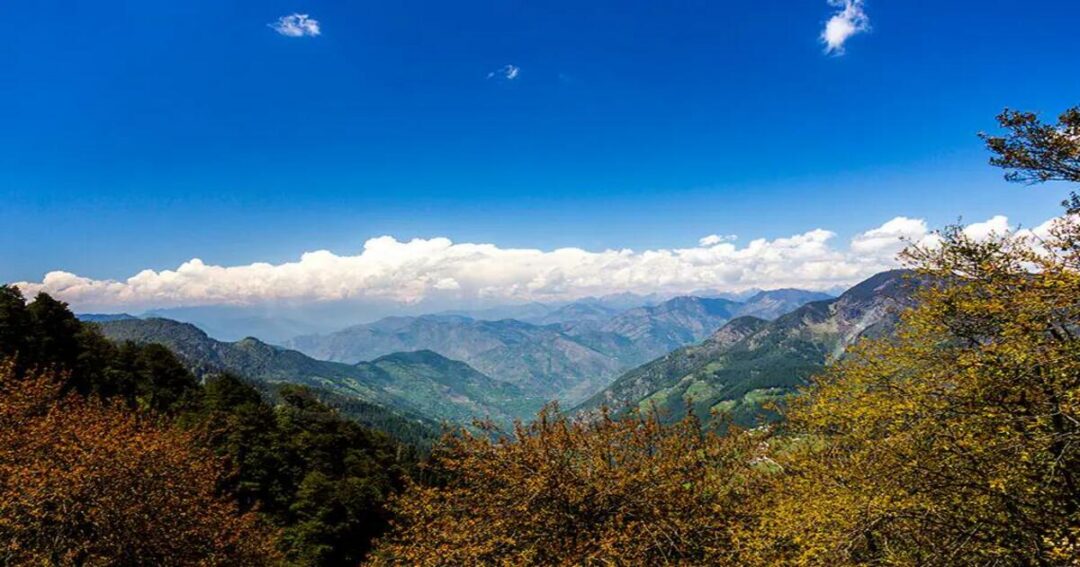
Jalori Pass sits at 3,115 meters (about 10,800 ft), connecting Himachal’s Kullu and Shimla districts. The hike up to the pass viewpoint proper is short — around 1 km one-way from the road, easy enough for most fitness levels — which is why it gets sold as a “trek” more for the surrounding extensions than for the pass climb itself. It’s the kind of spot where you drive most of the way, walk the last short stretch, and spend your energy on the longer add-on hikes instead.
Jalori Pass Trek Distance and Weather
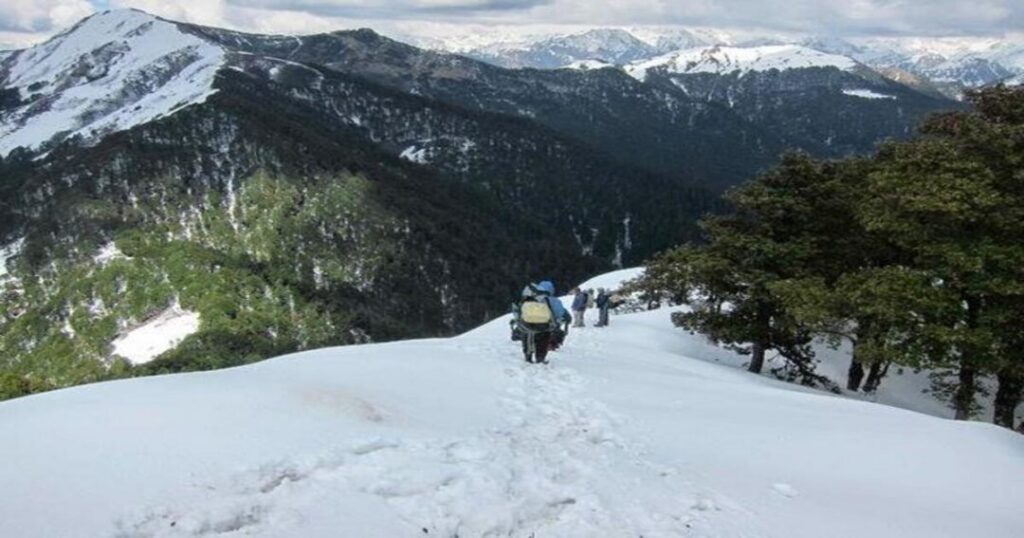
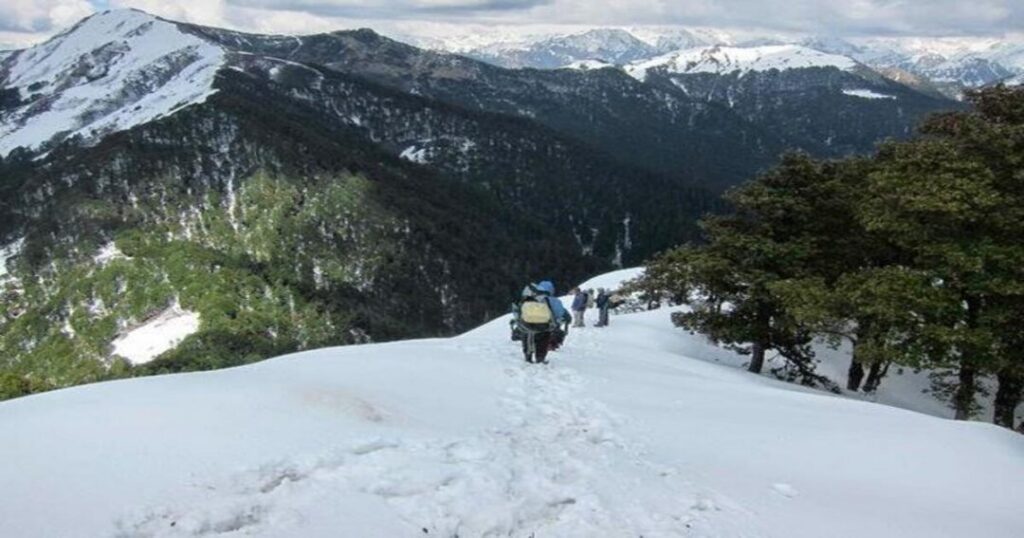
The pass road itself is drivable, so the actual “trek distance” most people mean is one of the extension hikes: Serolsar Lake (5-6 km from the pass, roughly 1.5-2 hours each way) or Raghupur Fort (about 3 km, under two hours). Weather-wise, late May through early October is your window — expect 10-15°C and pleasant, clear conditions in peak season, with July-August monsoon rains bringing landslide risk on the approach roads. Snow closes the pass entirely from around November to April, with the exact reopening date (mid-March in light snow years, into April in heavy ones) genuinely dependent on that year’s snowfall — so if you’re planning a winter or early-spring trip, call ahead rather than assume the road is open.
Also Read: Things to Do in Chail: Explore Himachal Pradesh’s Peaceful Hill Retreat
Serolsar Lake: The Nearby Trek Everyone Adds On
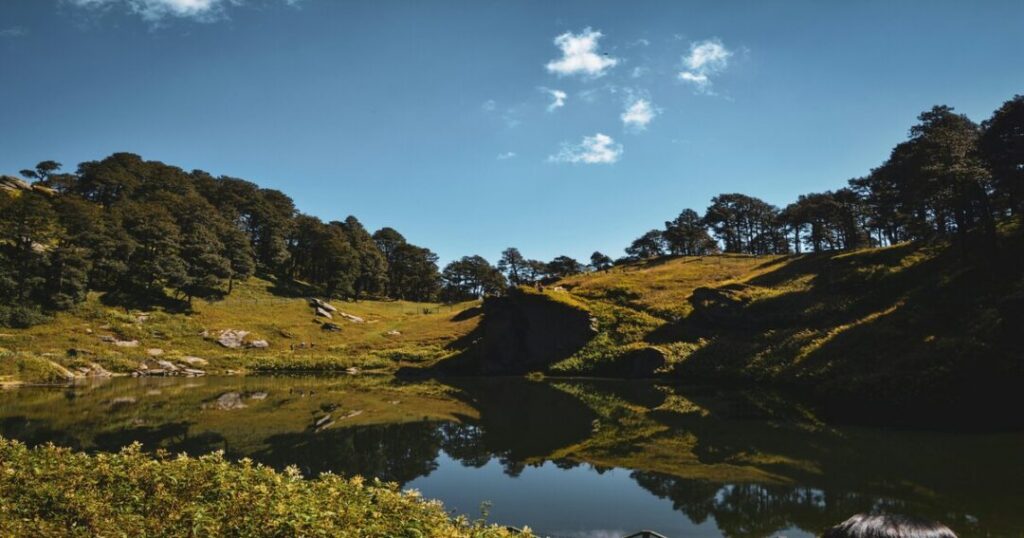
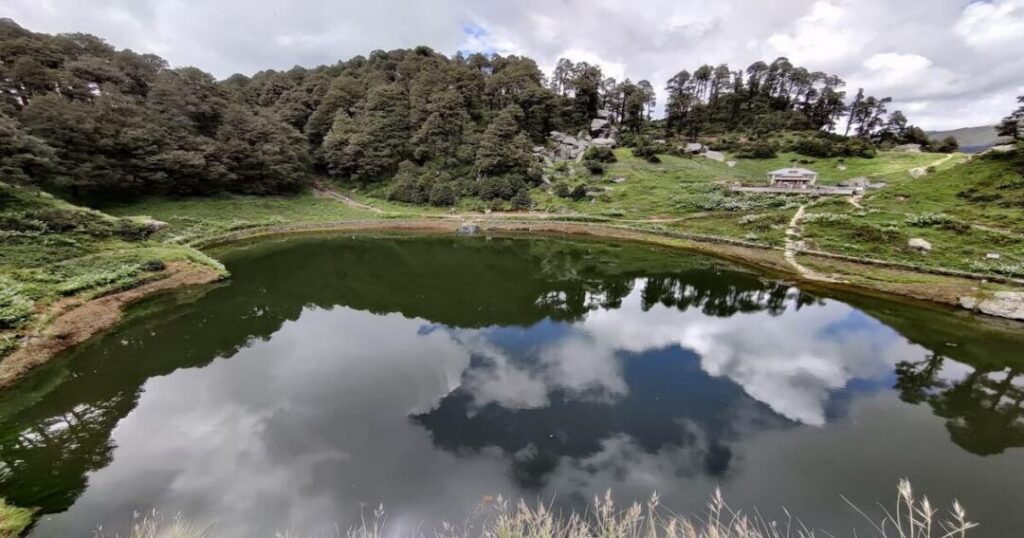
About 5-6 km from Jalori Pass through a forest trail, Serolsar Lake is the area’s most-photographed extension — a small, still lake said to be the home of Budhi Nagin, the “mother of all Nag deities” in Himachali folklore. Local legend has it that no leaf is ever allowed to float on the lake’s surface, and a small temple sits right at the water’s edge. It’s an easy, well-marked trail and probably the single most common addition to a Jalori Pass day out.
Also Read: 20 Offbeat Places to Visit in Himachal Pradesh’s Underrated & Unseen Destinations
Raghupur Fort: The Steeper, Higher Add-On
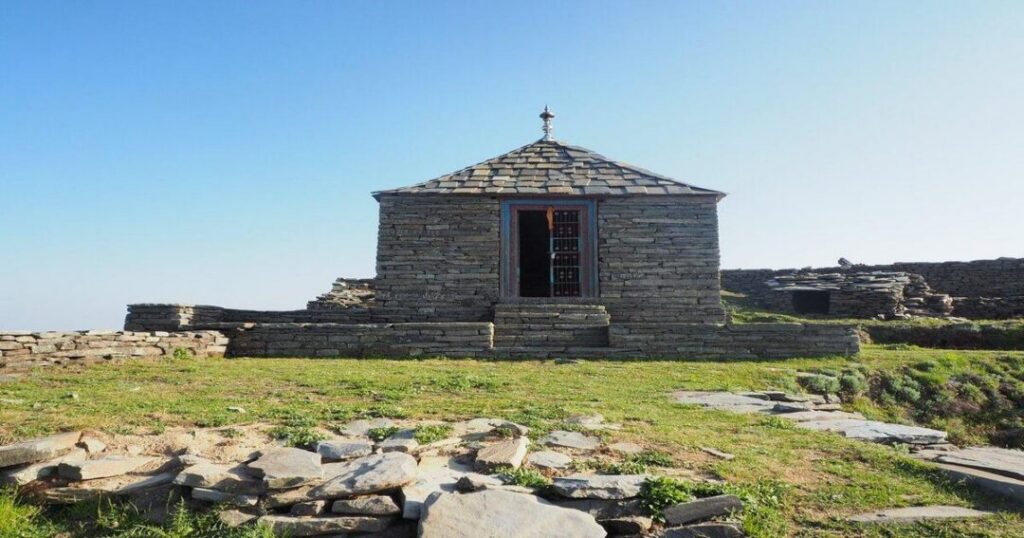
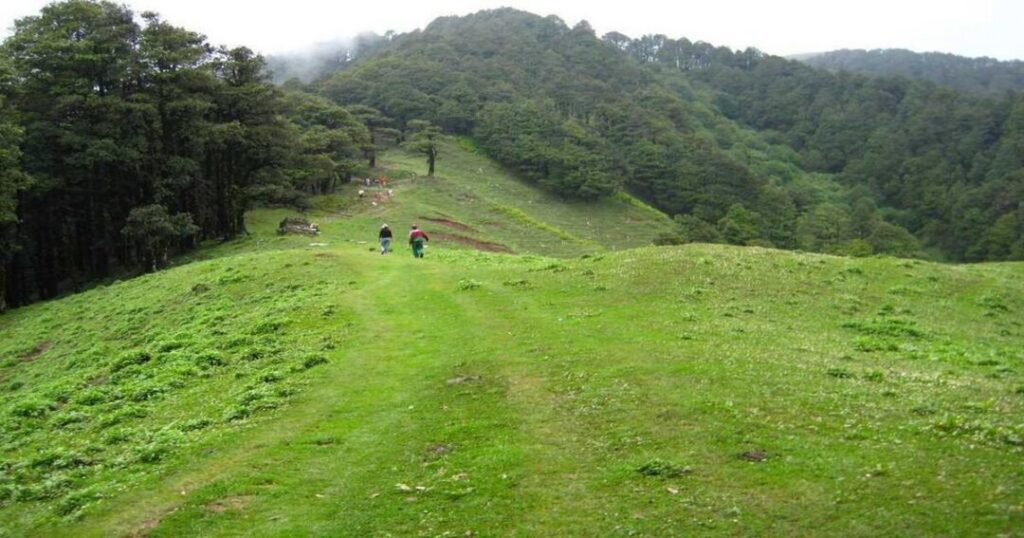
If you want more elevation and a proper view, Raghupur Fort is the better pick — a roughly 3 km climb from the pass, gaining ground up to about 12,000 ft through oak and rhododendron forest before opening into meadow near the top. The fort itself, believed to date to the 17th century under Mandi’s rulers, is mostly ruins now, but the payoff is a 360-degree view over the Seraj Valley, with Himalayan peaks visible on clear days. It’s steeper than the Serolsar walk and takes a bit under two hours up, but it’s the stronger choice if photos and views are your main goal.
Where to Base Yourself: Shoja or Jibhi
Shoja sits right near the pass itself, small and quiet, and works well if you want to be walking distance from the Jalori road with minimal driving each morning. Jibhi, about 12 km from the pass and 7 km from Shoja, has grown into the area’s more developed base — more homestays and cafés, and a better jumping-off point if you’re also exploring Tirthan Valley. Neither is objectively better; Shoja suits people who want to be close to the hike itself, Jibhi suits people building a longer multi-day stay around the wider area.
Also Read: Top 10 Must Visit Valleys in India
Beyond the Hike: Tirthan Valley, GHNP, and Tandi
Tirthan Valley, about 30 km from Shoja, is worth the extra drive for its clear rivers, trout fishing, and riverside picnic spots. The Great Himalayan National Park, a UNESCO World Heritage Site at the meeting point of the Tirthan, Parvati, Sainj, and Jiwa Nal valleys, borders the same area and is a genuinely different kind of experience — dense forest and wildlife rather than open mountain views. Tandi, a small village about 10 km from Jibhi at the confluence of the Tirthan and Parvati rivers, has become known locally as the “Tree House Village,” with solar-powered stays built from local materials and easy access to trout fishing and the old Sheshnag Temple — a quieter, less-visited stop worth adding if you have an extra day.
Also Read: Bhrigu Lake Trek: Complete Guide to Trek Distance, Height, Best Time & Packages
How to Reach?
The nearest major access point is Aut, on National Highway 305, reachable from Chandigarh in roughly 8-10 hours (about 280 km) via the Aut Tunnel, Banjar, Jibhi, and Shoja. From Aut, local taxis and buses cover the remaining stretch up to the pass. If you’re coming from Manali, expect a longer drive down through Kullu rather than a direct mountain route.
A Note on “Trek Packages”
Several operators sell a bundled “Jalori Pass trek package” that combines the pass, Serolsar Lake, and often Raghupur Fort into a 2-3 day itinerary with camping included. That’s a reasonable way to do it if you want the logistics handled, but don’t expect a demanding multi-day trek — you’re paying mostly for transport, camping gear, and a guide across what is, individually, a set of short, easy-to-moderate day hikes.
Conclusion About Jalori Pass trek
The Jalori Pass trek works best when you stop calling it a trek and start treating it as what it actually is: a short, easy hike that opens the door to a much richer area — Serolsar Lake’s folklore, Raghupur Fort’s views, and the quiet villages of Shoja, Jibhi, and Tandi around it. Base yourself in Shoja or Jibhi depending on how much else you want to explore, time it for late May through October, and give yourself at least two or three days rather than treating the pass as a single quick stop.
FAQs About the Jalori Pass trek
2. What is the actual Jalori Pass trek distance?
The pass hike itself is short, around 1 km one-way from the road. If you're asking about the full day out including extensions, Serolsar Lake adds 5-6 km round trip and Raghupur Fort adds about 3 km one-way.
3. When is the best time for Jalori Pass trek weather?
Late May to early October, with September-November giving the clearest skies for photos. Avoid July-August if possible due to monsoon landslide risk on the approach roads, and note the pass is snowed shut roughly November through April.
4. Should I base in Shoja or Jibhi for this trip?
Shoja if you want to be right next to the pass with minimal daily driving; Jibhi if you want more amenities and easier access to Tirthan Valley and Tandi as well.
5. Is Serolsar Lake or Raghupur Fort the better add-on hike?
Serolsar Lake is easier and more about atmosphere and folklore; Raghupur Fort is steeper but rewards you with better 360-degree views and more elevation, so pick based on whether you want a gentle walk or a proper climb.
6. Are Jalori Pass trek packages worth booking, or is it easy to DIY?
It's easy enough to do independently if you're comfortable arranging your own transport and accommodation in Shoja or Jibhi; a package mainly adds convenience (transport, camping gear, a guide) rather than access to anything you couldn't otherwise reach on your own.