
89 Total Views
Kerala draws millions of visitors every year: in 2023 the state recorded 21,871,641 tourist arrivals, almost all of them domestic. The state’s best-known names are only part of what it offers, and the kerala tourist attractions that are less often on the itinerary include a hill station at about 1,100 to 1,200 metres known as the Scotland of Asia, a forest eco-tourism project with canoeing and night safaris, India’s first planned eco-tourism destination, a 17th-century fort that appears to rise from the sea, and a cluster of islets where a lake meets a river. This guide leads with those, then looks at Wayanad with care for the 2024 landslides, and finishes with the famous circuit, a big-picture view of the state and a few sample routes.
Best Kerala Tourist Attractions Off the Beaten Path
These five sit away from the main houseboat-and-hill-station route but are well worth a detour.
1. Vagamon: The Scotland of Asia
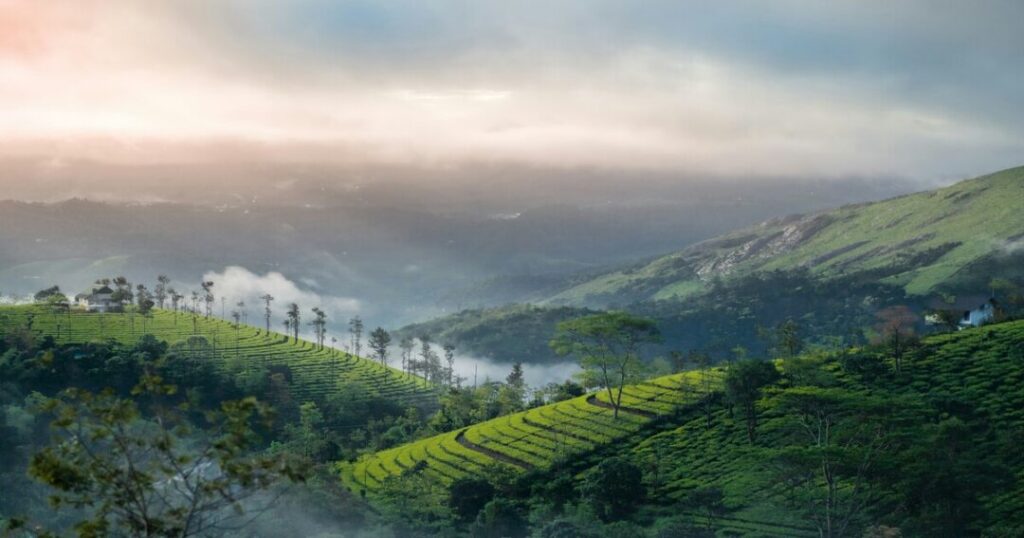
Vagamon is a hill station in the Western Ghats on the border of Idukki and Kottayam districts, about 25 km east of Erattupetta, at roughly 1,100 to 1,200 metres. Midday summer temperatures are about 10 to 23°C. The area is known for its meadows and pine forests, and a glass bridge described as the longest cantilever glass bridge in India. Kurisumala Ashram, a Trappist monastery founded in 1955, is also here, and Thangal Para, a Muslim pilgrimage centre, lies about 5 km outside town. Tea plantations in the area date to 1926, when Walter Duncan and Company started them, and ecotourism now includes hiking, rock climbing and paragliding.
2. Gavi: Forest Eco-Tourism in the Periyar Tiger Reserve
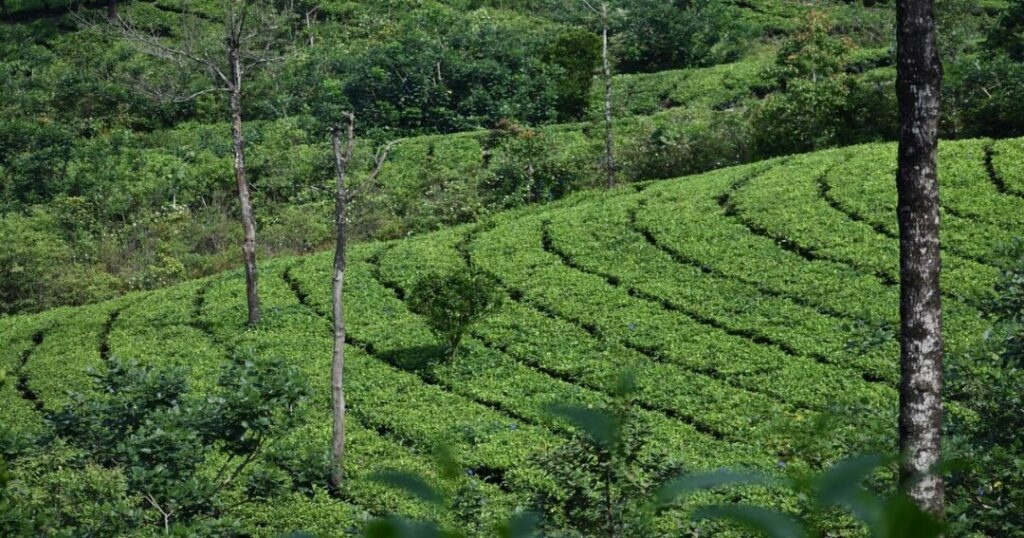
Gavi, in Pathanamthitta district, is an eco-tourism project of the Kerala Forest Development Corporation within the Periyar Tiger Reserve. Activities include trekking with trained local guides, canoeing on Gavi Lake, night safaris, camping in specially built tents and stays in an eco-lodge and tree houses. More than 260 bird species have been recorded, and wildlife includes the Nilgiri tahr and lion-tailed macaque. The road in passes tea plantations, and the landscape also includes cardamom plantations, grasslands, sholas and waterfalls.
3. Thenmala: India’s First Planned Eco-Tourism Destination
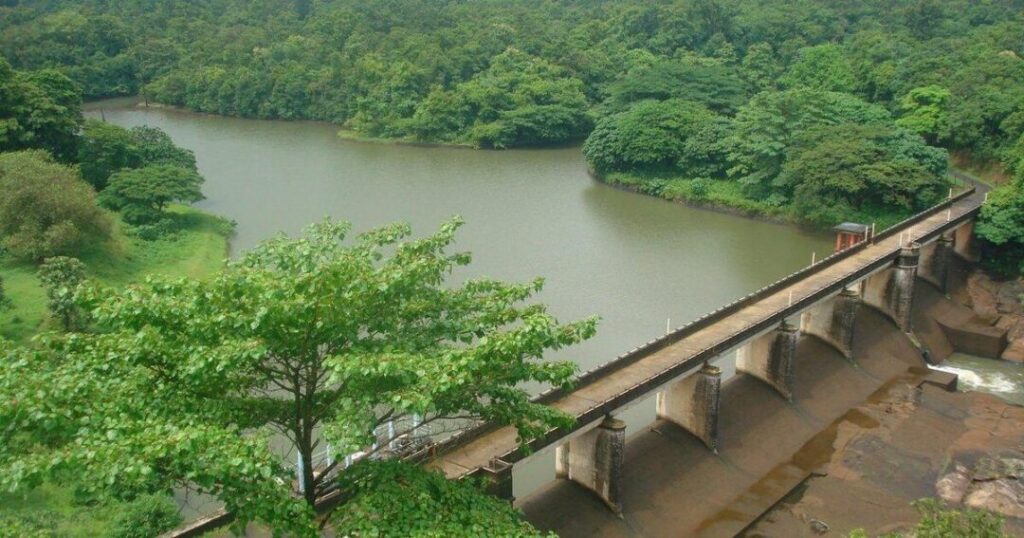
Thenmala, in eastern Kollam district, is described as India’s first planned eco-tourism destination. Its name means honey hill. It is about 66 km from Kollam city and 69 km from Thiruvananthapuram. Attractions include the Thenmala Dam, which impounds the largest reservoir in Kerala, Asia’s first butterfly safari park (about 125 species, established in 2001), boating, a rope bridge, trekking and a musical fountain. Nearby are Palaruvi Falls and the Punalur suspension bridge.
4. Bekal Fort: Kerala’s Largest Fort
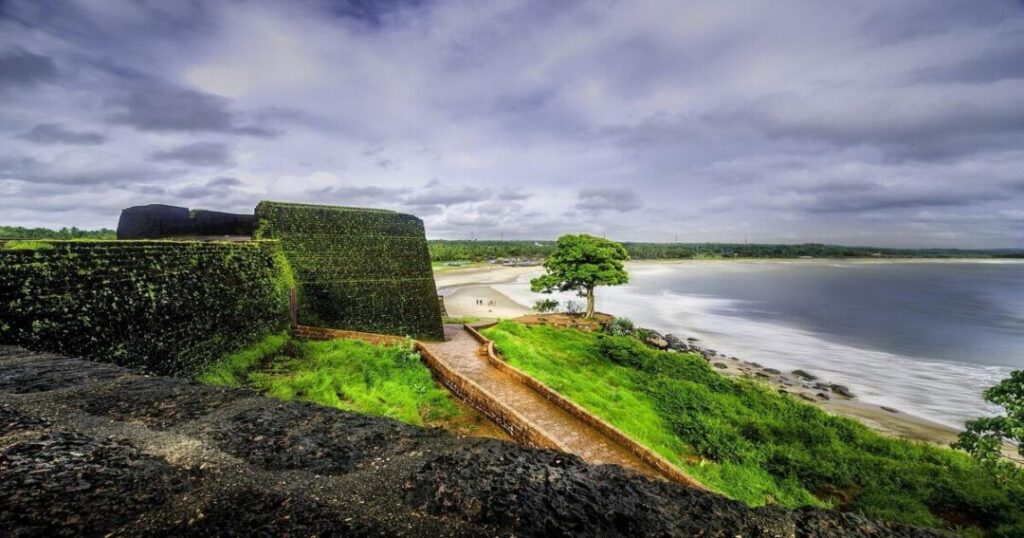
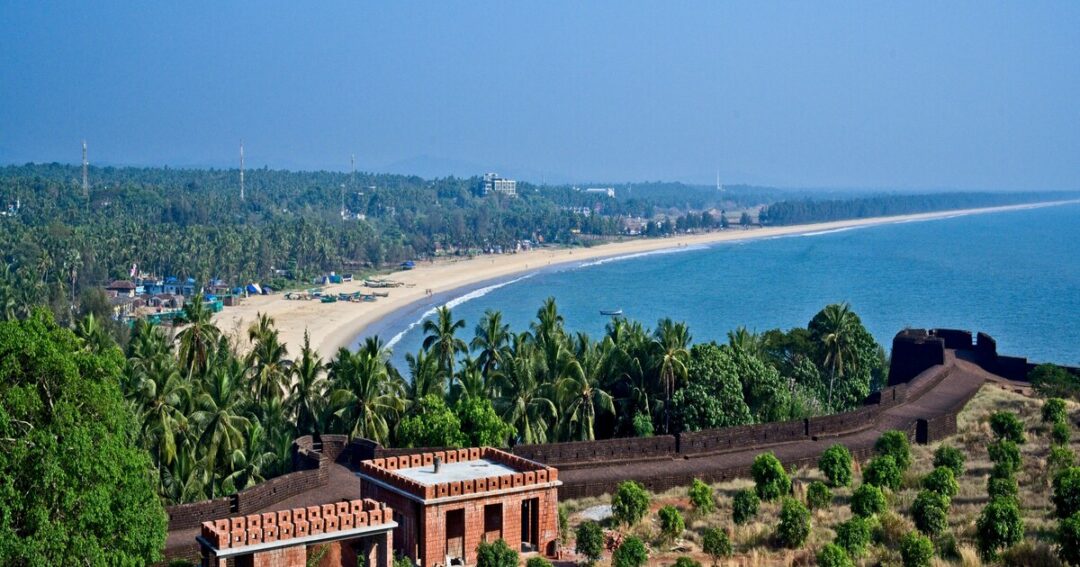
Bekal Fort in Kasaragod district is described as the largest fort in Kerala, covering about 40 acres. It was begun by Hiriya Venkatappa Nayaka and completed by Shivappa Nayaka of the Keladi Nayakas in 1650. Almost three-quarters of its exterior touches water, so it seems to rise from the sea. Inside are a zigzag entrance, gun holes at different heights, a water tank, a magazine and steps to an observation tower built by Tipu Sultan, with views of the coast. The song Uyire from the 1995 film Bombay was shot here.
5. Munroe Island: Where the Lake Meets the River
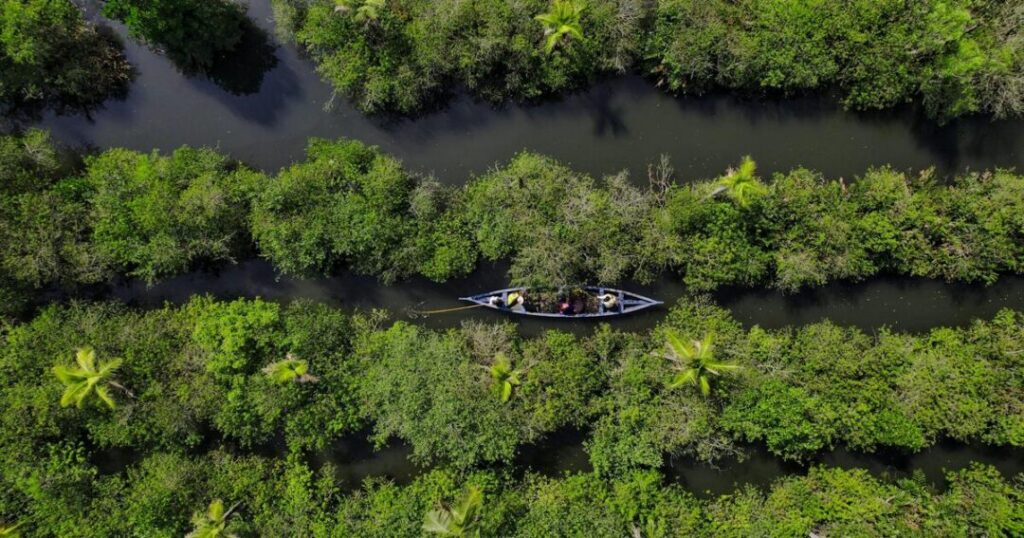
Munroe Island, or Mundrothuruthu, is a group of eight small islets where Ashtamudi Lake meets the Kallada River, about 25 km from Kollam city. It is named for Colonel John Munro, a British Resident of Travancore. Visitors can see coir retting and weaving, fishing, mangroves and birdwatching, and the Dutch-built red-brick church of 1878 blends Dutch and Kerala styles. It is sometimes called the Sinking Island of Kerala, but a 2017 to 2019 study by the National Centre for Earth Science Studies found it is not subsiding overall, although some heavy structures and railway infrastructure have sunk.
Kerala Tourist Spot Guide: Where to Go by Region
Picking a kerala tourist spot is easier once you group them by where they are. The districts below follow the places described in this guide.
North: Kasaragod and Wayanad
Bekal Fort in Kasaragod is the northern coastal highlight, while Wayanad, in the northeast, is the state’s only plateau, with altitudes ranging from about 700 to 2,100 metres. Both are far from the southern backwater belt, so treat the north as its own trip.
Central Hills: Idukki, Kottayam and Pathanamthitta
Munnar, Vagamon, Periyar and Gavi cluster in the Western Ghats. Munnar and Vagamon are both hill stations dominated by tea, Periyar is a tiger reserve of about 925 sq km with about 40 tigers counted in 2017, and Gavi sits inside the same reserve’s wider landscape.
Backwaters: Alappuzha and Kollam
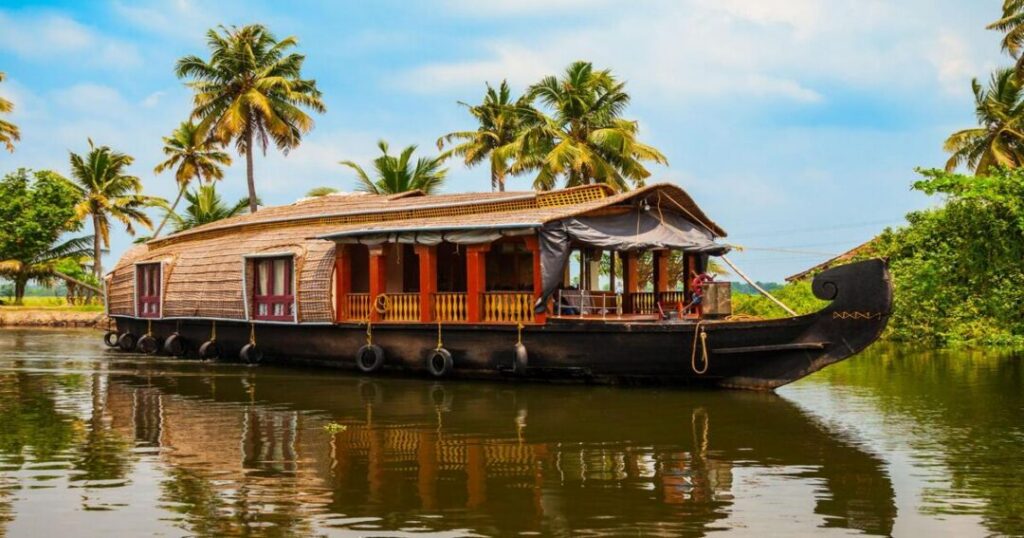
The backwater belt includes Alleppey, Kumarakom, Ashtamudi Lake and Vembanad, with about 1,500 km of canals. Munroe Island fits here, and houseboat rides are a major attraction.
South: Kollam, Thiruvananthapuram
Thenmala sits in eastern Kollam, between the coast and the Tamil Nadu border, and the beaches of Kovalam and Varkala lie further south.
Wayanad Tourist Places: What to Know Before You Go?
Wayanad is a hill district in Kerala’s northeast, and the wayanad tourist places are spread through forest, plateau and reservoir country. The district headquarters is Kalpetta, and the area covers 2,132 sq km.
Caves, Dam and Peaks
The Edakkal Caves, near Sultan Bathery at about 1,200 metres, are technically a rock shelter formed by a split in the rock, about 29 by 6.7 metres with a fissure roughly 9.1 metres deep, and hold Neolithic petroglyphs believed to date to at least 6000 BCE. Banasura Sagar Dam at Padinjarathara, about 20 km from Kalpetta, is described as the largest earth dam in India and offers boating, with Banasura Hill nearby for hikes. Chembra Peak, at about 2,100 metres, is a popular trekking destination, and the Muthanga and wider Wayanad Wildlife Sanctuary protect the forests.
After the 2024 Landslides
Landslides in Wayanad in 2024, centred on Mundakkai and Chooralmala, killed at least 336 people according to one report, and hit tourism hard. In the weeks after, several sites reopened: Edakkal Caves, Pazhassi Park and Pancharakolli reopened after an entry ban of July 21, followed by Pookode Lake, Karalad Lake and other sites from August 15, and Banasura Sagar had reopened by late August. At that time, the Kuruva Islands, Soochipara and Meenmutti waterfalls, Chembra Peak, Tholpetty and Muthanga were closed or awaiting approval. Edakkal Caves was reported as admitting up to 1,920 visitors a day. These are 2024 reports, and I could not find their present status, so check with the District Tourism Promotion Council before you plan.
Travelling Responsibly
Wayanad has about 5,000 resorts, homestays and hotels, and many local businesses depend on tourism. A “Visit Wayanad” campaign was launched by the District Tourism Promotion Council, tourism organisations and entrepreneurs to bring visitors back. Staying locally, booking open sites and respecting any closures is the most useful thing a visitor can do.
Also Read: Places to Visit in Alleppey: A Complete Travel Guide to Kerala’s Backwater Paradise
Kerala Main Tourist Places: The Famous Circuit
Any search for inside kerala tourist places will surface the same handful of names, and they are famous for good reason. The kerala main tourist places are:
- Munnar: A town in Idukki district in the Western Ghats, dominated by the tea industry. Eravikulam National Park nearby protects threatened species such as the Nilgiri tahr, and the neelakurinji blossoms only once in twelve years.
- Alleppey (Alappuzha): Known as the Venice of the East, with houseboats on Vembanad Lake. Kuttanad nearby is one of the few places in the world where farming happens below sea level.
- Thekkady (Periyar): A tiger reserve about 4 km from Kumily, with Asian elephants and a 31 sq km lake created by the Mullaperiyar Dam in 1895.
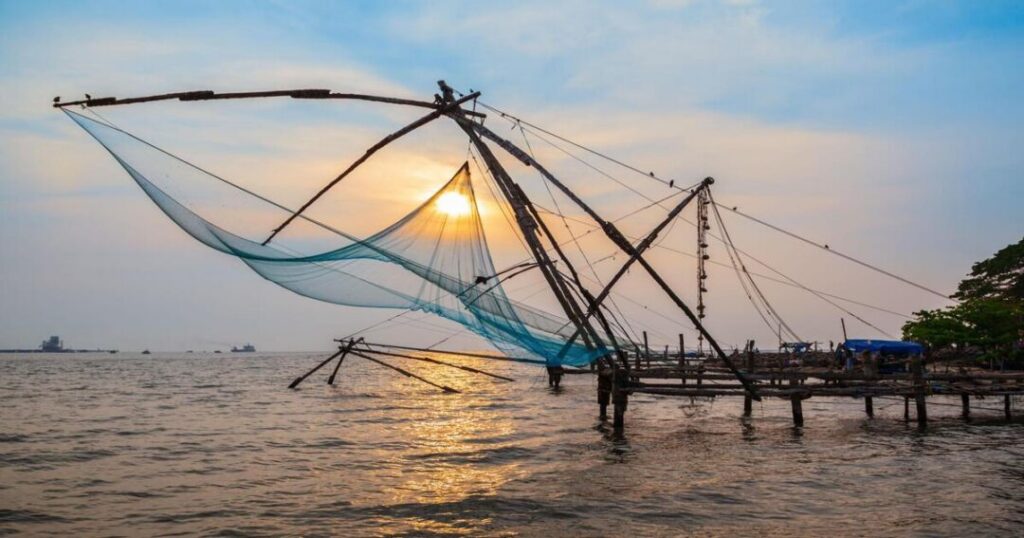
- Kochi and Fort Kochi: Mattancherry Palace and Fort Kochi are the heritage draws, and the Kochi-Muziris Biennale, first held in 2012 to 2013, is described as the largest art exhibition in India.
- Kovalam and Varkala: Kovalam was among the first of the state’s beaches to attract tourists, and Varkala is also among the state’s listed beaches.
Also Read: Places to Visit in Ernakulam: 15 Heritage Sites, Beaches & Day Trips in Kerala’s Port City
Kerala India’s Tourist Attractions and Places: The Big Picture
The full range of kerala india tourist attractions is broader than the postcard images suggest. Of the 21.87 million arrivals in 2023, about 21.2 million were domestic and 649,057 were international, and the top source countries in 2019 were the United Kingdom, the United States and France. Among the kerala india tourist places are beaches (Kovalam, Varkala, Bekal, Kappad and Marari), backwaters, hill stations, wildlife parks and heritage sites such as Padmanabhapuram Palace and Mattancherry Palace. Muzhappilangad and Thikkodi are described as the only two drive-in beaches in India.
The state is also known for Ayurveda and medical tourism, and its festival calendar is anchored by Onam, with Thrissur Pooram and Attukal Pongala among the notable temple festivals. The Kerala Tourism Development Corporation was established in 1966, and a dedicated Tourist Police Unit supports visitor safety. Pilgrimage destinations include Guruvayur, Sabarimala and the Paradesi Synagogue.
Also Read: Places to Visit in Kollam: Kerala’s Quieter Answer to Alleppey
Kerala Tour Destinations: Sample Routes
If you are shortlisting kerala tour destinations, it helps to think in routes rather than lists. The three below are our own suggestions based on the regions above, and road times between stops were not researched, so check them before booking.
Hills and Wildlife Route
Link Munnar, Vagamon, Thekkady and Gavi, all in the central Western Ghats. This route suits anyone who wants tea country, forest and a tiger reserve in one trip.
Backwaters and Eco-Tourism Route
Pair Alleppey’s houseboats with Munroe Island’s islets and Thenmala’s eco-tourism project, all in the Alappuzha, Kollam and southern belt.
North Malabar Route
Combine Bekal Fort with Wayanad, subject to which Wayanad sites are open.
A note on timing: the southwest monsoon (Edavappathy) runs from June to September and the northeast monsoon (Thulavarsham) from October to December, so a trip this month falls in the second. Whether you start from a list of kerala tour places to visit, a page of kerala places tourist suggestions or an overview of tourism in kerala places, check each stop against the rain and any closures. Bring rain gear, umbrellas and waterproof shoes.
Also Read: Top Wayanad Tourist Places: Nature & Wildlife
Conclusion: Take One Famous Stop and One Quiet One
The best way to see the kerala tourist attractions is to combine them: take one famous stop such as Munnar or Alleppey, then add a quieter place such as Vagamon, Gavi, Thenmala, Bekal or Munroe Island. Check the weather, confirm that any Wayanad site is open, and leave room to stay somewhere locally owned.
Planning a Kerala trip? Use the Explurger app to build your route and meet fellow travelers heading to hill stations, backwaters and forest camps.
FAQs About Kerala Tourist Attractions
2. What are the lesser-known places to visit in Kerala?
Vagamon, a hill station at about 1,100 to 1,200 metres; Gavi, a forest eco-tourism project in the Periyar Tiger Reserve; Thenmala, India's first planned eco-tourism destination; Bekal Fort in Kasaragod; and Munroe Island near Kollam.
3. Is Wayanad open for tourists?
Many sites reopened after the 2024 landslides, including Edakkal Caves, Pookode Lake and Banasura Sagar, but others were closed at the time and their current status was not found. Check with the District Tourism Promotion Council before planning.
4. How many tourists visit Kerala?
In 2023, Kerala recorded 21,871,641 tourist arrivals, including 21,222,584 domestic and 649,057 international visitors.
5. What is Thenmala known for?
It is described as India's first planned eco-tourism destination, in eastern Kollam district. Attractions include the Thenmala Dam, a butterfly safari park, boating, a rope bridge and a musical fountain.
6. What is Bekal Fort known for?
It is described as the largest fort in Kerala, completed in 1650, with about three-quarters of its exterior touching water. An observation tower inside built by Tipu Sultan offers coastal views.