
799 Total Views
Most travellers treat Ernakulam as a layover between airports and houseboat jetties. That’s a significant miscalculation. The district that contains Kochi is one of the most historically dense port cities in Asia — five centuries of Portuguese, Dutch, British, Jewish, Chinese, and Arab contact left architecture, institutions, and food cultures that are still functioning, not museumified. A 1503 church, a 1568 synagogue, a palace decorated floor to ceiling in some of the finest Hindu murals in the country, and India’s first eco-tourism village are all within the same district. If you’re looking for places to visit in Ernakulam that go beyond a ferry photo and a sunset, this guide covers the full range — heritage, backwaters, beaches, museums, and day trips — organised by type so you can actually plan around it.
Places to Visit in Ernakulam — Fort Kochi’s Colonial Heritage Circuit
Fort Kochi is a neighbourhood within the Ernakulam district and its most concentrated heritage zone. Most of it is walkable. Start here.
1. St. Francis Church
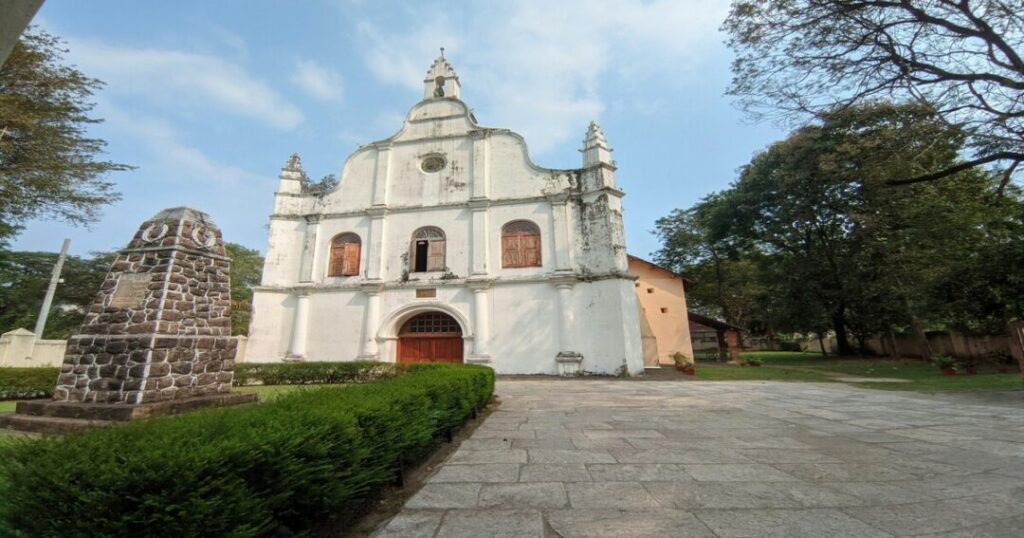
Originally built in 1503 by Portuguese Franciscan friars, St. Francis Church is one of the oldest European-built churches in India. It has passed through Portuguese, Dutch, and British control over the centuries and is currently administered by the Church of South India. The reason most visitors stop: Vasco da Gama, who died in Kochi in 1524 on his third visit to India, was originally buried inside this church. His remains were exhumed and relocated to Lisbon fourteen years later — to the Jerónimos Monastery, where they remain — but the marked burial spot on the church floor stays. The gabled tiled roof, stepped pinnacles, and British-era punkah fans (manually operated, still in use) make the interior worth time beyond the tombstone.
- Entry: Free
- Timings: 8:30 AM – 5 PM weekdays; 1 PM – 5 PM Sunday
Note: Photography restrictions may apply inside; confirm at the door.
2. Chinese Fishing Nets (Cheena Vala)
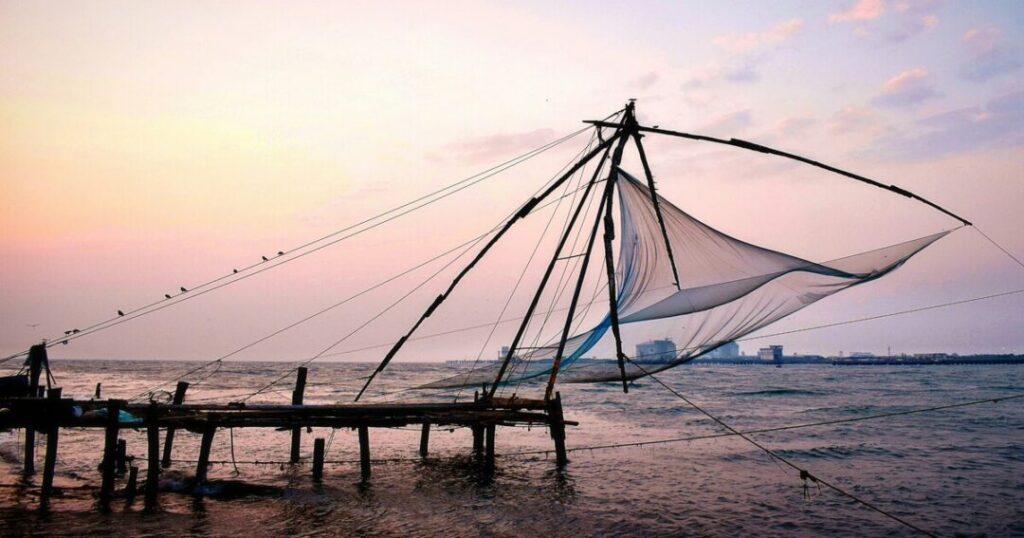
The cantilevered fishing nets along the Fort Kochi waterfront are the most photographed sight in the Ernakulam district. Their origin is genuinely debated: Wikipedia attributes them to Chinese explorer Zheng He, who is believed to have introduced the technology to the Malabar Coast between 1350 and 1450; some historians credit Portuguese settlers from Macau. What is agreed upon: these shore-operated lift nets are found in India almost exclusively along the coasts of Kochi and Kollam, requiring teams of up to six fishermen to operate. The best time to see them working is early morning. At sunset, the silhouette against the water is the defining visual of the city.
3. Mattancherry Palace (Dutch Palace)
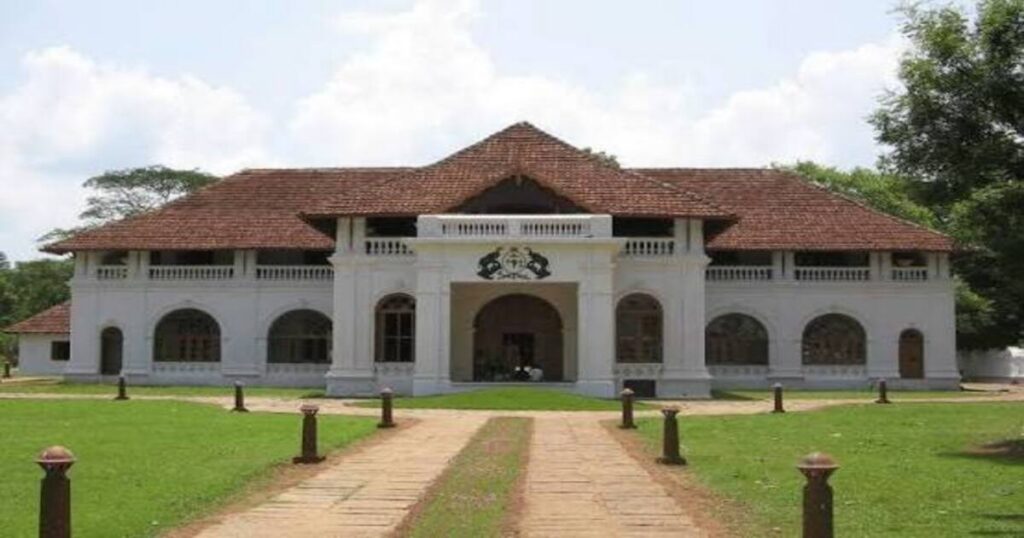
Built around 1555 by the Portuguese and gifted to Raja Veera Kerala Varma of Kochi — reportedly as compensation for plundering a nearby temple — the Mattancherry Palace was renovated by the Dutch in 1663, which is why it is commonly called the Dutch Palace. The exterior is colonial; the interior is entirely Kerala. The walls carry some of the finest Hindu murals in India, depicting scenes from the Ramayana, Mahabharata, and Puranas in natural pigments. The royal bedchamber alone covers approximately 100 square metres of Ramayana mural painting. The former Coronation Hall houses a portrait gallery of the Kochi Rajas from 1864 onwards.
- Timings: 10 AM – 5 PM (closed Fridays and national holidays)
- Photography: Not permitted inside
- Entry: Nominal fee
4. Paradesi Synagogue and Jew Town
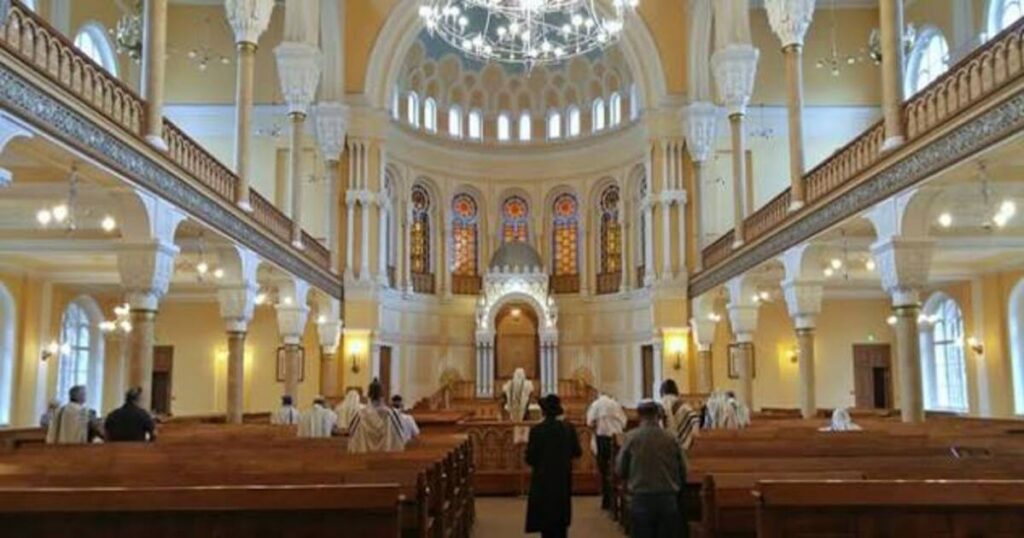
Built in 1568 on land granted by the Raja of Kochi, the Paradesi Synagogue is the oldest active synagogue in the Commonwealth of Nations. The interior holds Belgian crystal chandeliers, hand-painted Chinese willow-pattern floor tiles brought from Canton in the 18th century (each unique, no two the same), and copper plates inscribed with royal privileges granted to Kochi’s Jewish community. The surrounding Jew Town lane — antique dealers, spice merchants, old shophouses — is one of the most atmospheric streets in the district.
- Timings: 10 AM – Noon and 3 PM – 5 PM (closed Fridays, Saturdays, and Jewish holidays)
- Entry: Small fee; remove footwear
5. Santa Cruz Basilica
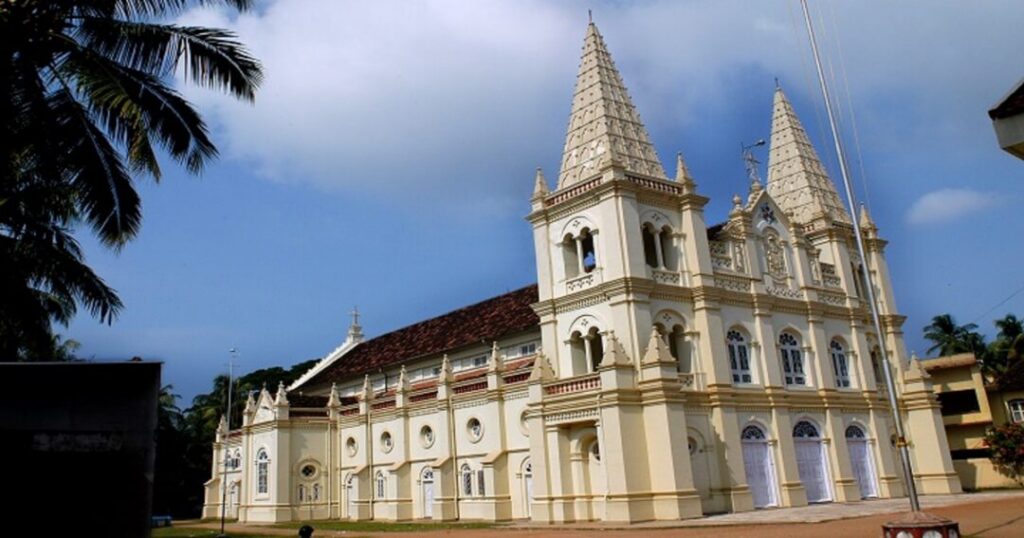
Built originally by the Portuguese in 1505 — the foundation stone was laid on 3 May 1505 — Santa Cruz was elevated to a cathedral by Pope Paul IV in 1558. The British demolished it in 1806. Reconstruction was commissioned in 1887 by Bishop João Gomes Ferreira; the rebuilt structure was consecrated on 19 November 1905. Pope John Paul II elevated it to a basilica in 1984. The interior has ornate pastel frescoes, vaulted ceilings, and a Gothic architectural style unusual for Kerala. A ten-minute walk from St. Francis Church — cover both in a single morning.
Also Read: Places to Visit in Kochi: Your Complete Travel Guide
Ernakulam Tourist Attractions — Waterfront, Backwaters & Islands
6. Marine Drive
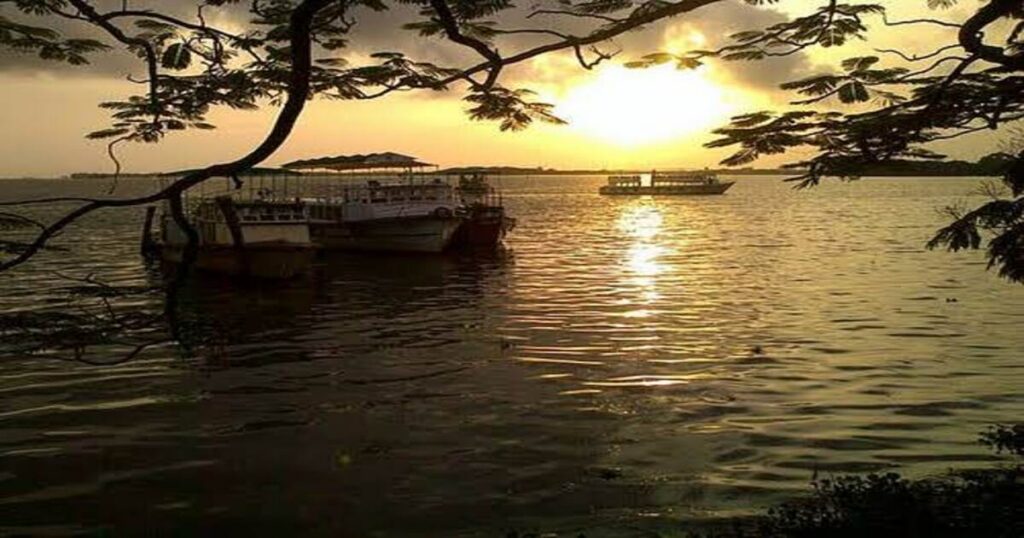
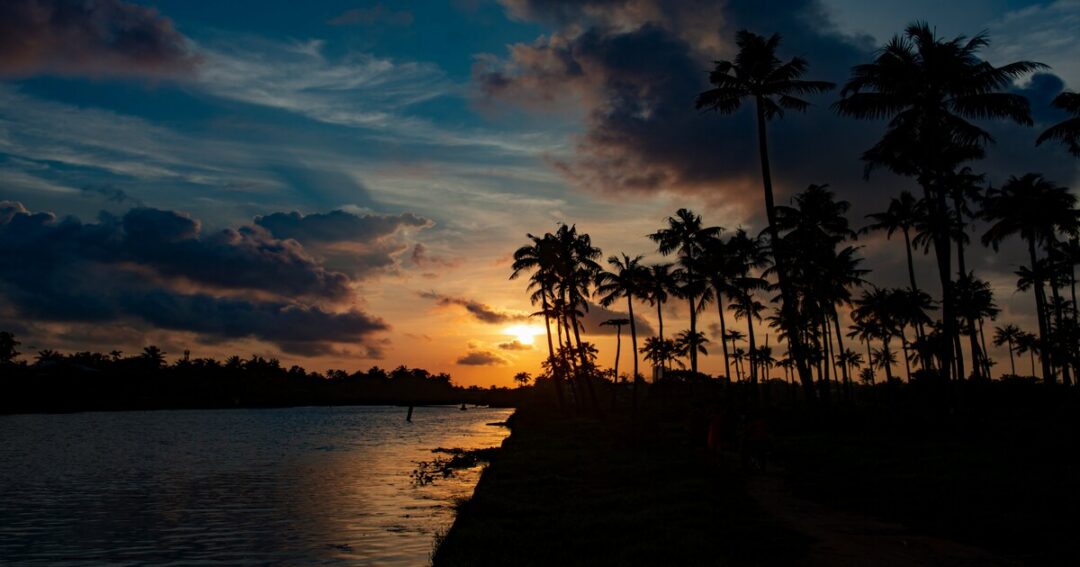
A three-kilometre promenade facing the Vembanad Lake backwaters, Marine Drive is Ernakulam city’s primary evening space. The Rainbow Bridge and the Houseboat Bridge are its well-known features. The walkway connects boat jetties, food stalls, and open sitting areas, and works best at dusk when city lights begin to reflect off the water. The Kochi Water Metro now runs from Marine Drive, connecting Ernakulam with Bolgatty Island, Fort Kochi, Vypeen, and other harbour points — one of the most useful ways to navigate the district.
7. Bolgatty Palace
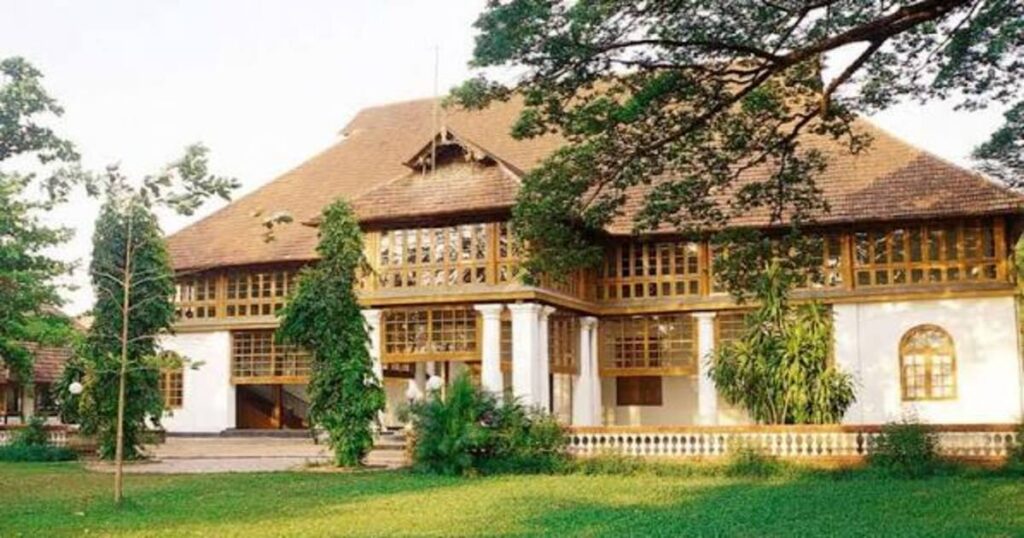
Built in 1744 by Dutch traders on Bolgatty Island, Bolgatty Palace is one of the oldest surviving Dutch palaces outside the Netherlands. It served as the residence of British Governors after the King of Kochi leased it to the British in 1909, and has since been converted into a heritage hotel managed by KTDC. Accessible from Ernakulam by ferry or Water Metro. The grounds face the Vembanad Lake backwaters; the combination of colonial architecture and waterfront setting makes it worthwhile even if you’re not staying.
8. Kumbalangi Eco-Tourism Village
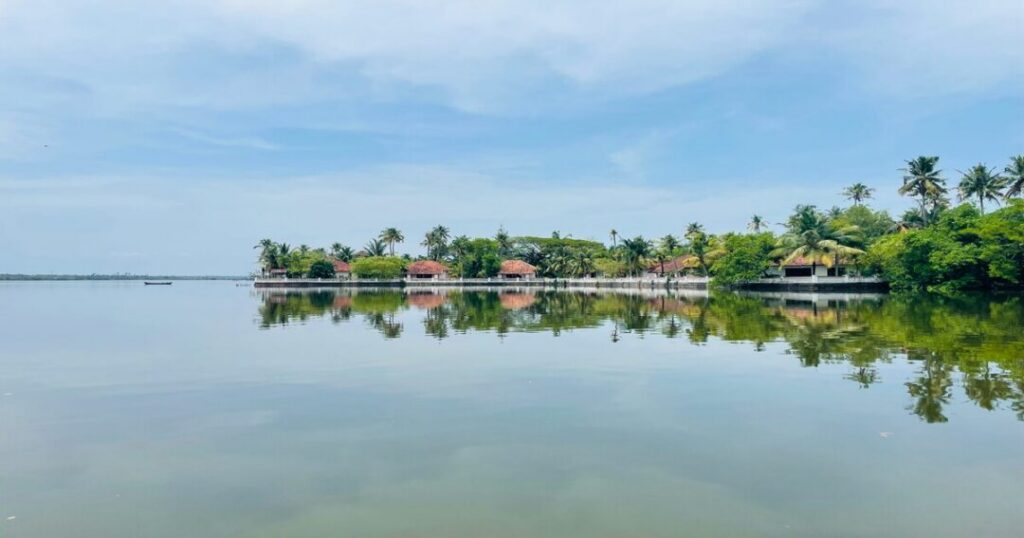
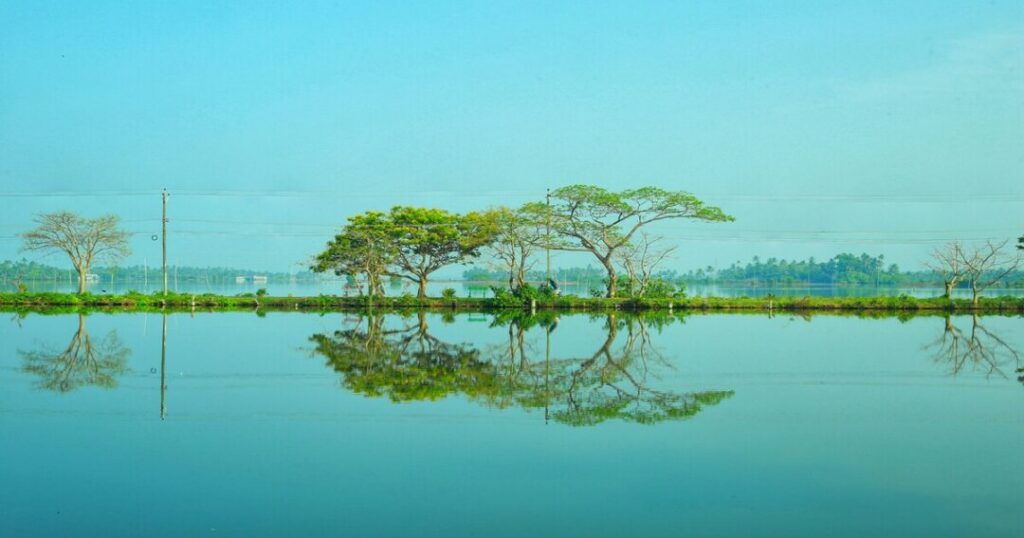
About 12–15 km from Ernakulam city, Kumbalangi is India’s first eco-tourism village — designated by the Kerala government in 2003 under its Integrated Tourism Village project. The island village is a working fishing community with Chinese fishing nets on the backwaters, mangrove forests, coir-making, crab farming, toddy-tapping, and bioluminescence (locally called kavaru, best seen September–October) in the backwater channels. The tourism model is built around real village life, not a staged recreation of it. Homestays are available; the food court at the village park serves authentic Kerala coastal preparations. One of the most genuinely useful half-day trips from Ernakulam on any itinerary.
Also Read: Places to Visit in Alleppey: A Complete Travel Guide to Kerala’s Backwater Paradise
Ernakulam Sightseeing Places — Temples, Museums & Cultural Landmarks
9. Hill Palace Museum, Tripunithura
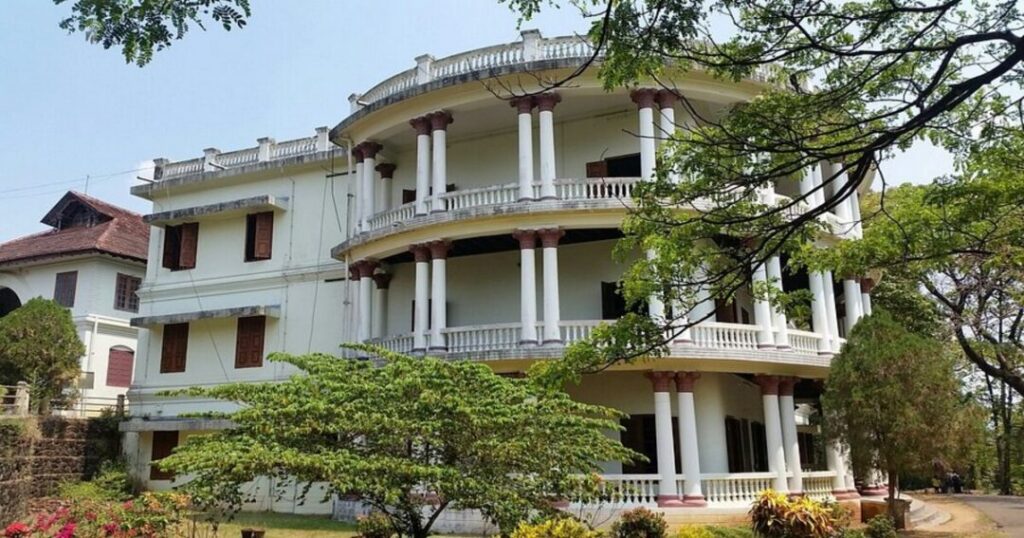
About 10–12 km from Ernakulam city, Hill Palace is Kerala’s largest archaeological museum and the former imperial residence and administrative office of the Cochin royal family. Built in 1865, the complex consists of 49 buildings spread across 54 acres and houses royal portraits, rare sculptures, ancient manuscripts, coins, weapons, ivory artefacts, and ceremonial regalia across 14 gallery categories. The grounds include a deer park, a prehistoric park, and landscaped gardens. One of the most substantive Ernakulam sightseeing places for history, and consistently less crowded than the Fort Kochi circuit.
- Timings: 9 AM – 5 PM (closed Mondays)
- Entry: Nominal charge; separate fee for deer park
10. Thrikkakara Vamanamoorthy Temple
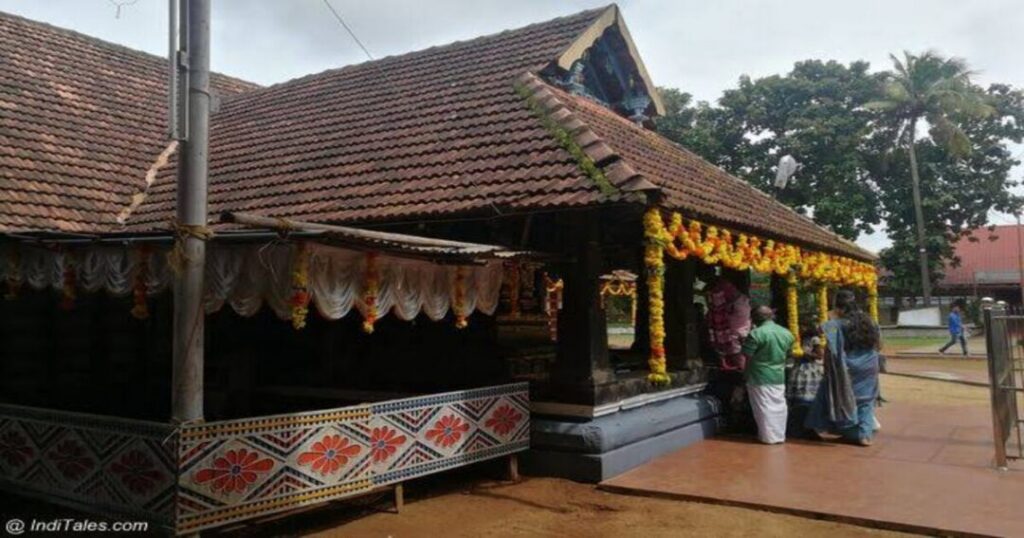
In Thrikkakara, within the Ernakulam district, this Vamana temple is one of the most historically significant in Kerala and is considered the origin point of the Onam festival. According to tradition, it is here that King Mahabali was sent to the netherworld by Vamana, making it the most important Onam pilgrimage site in the state. The Thrikkakara celebrations during Chingam month (typically August–September) are among the largest in Kerala. The temple’s stone architecture and inscribed records are of considerable historical interest.
11. Cherai Beach
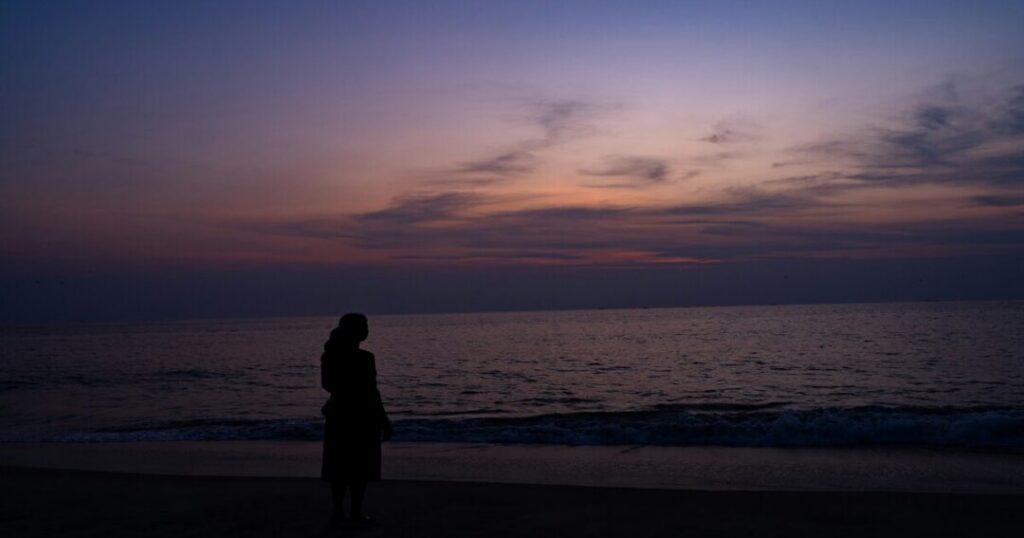
About 25 km from Ernakulam city on the northern tip of Vypeen Island, Cherai Beach is the most visited beach in the district — a wide stretch backed by coconut groves, with backwaters running close to the shoreline on the inland side. The confluence of sea and backwater creates a visual character specific to this beach. Dolphin sightings are occasionally reported. Chinese fishing nets along the shoreline are an added draw. Water sports including parasailing are available seasonally.
- Best time: October – March
- Access: Ferry from Ernakulam to Vypeen, then road; or via the Goshree Bridge by road
Places to Visit in and Around Ernakulam — Day Trips Worth Planning
12. Athirapally and Vazhachal Waterfalls
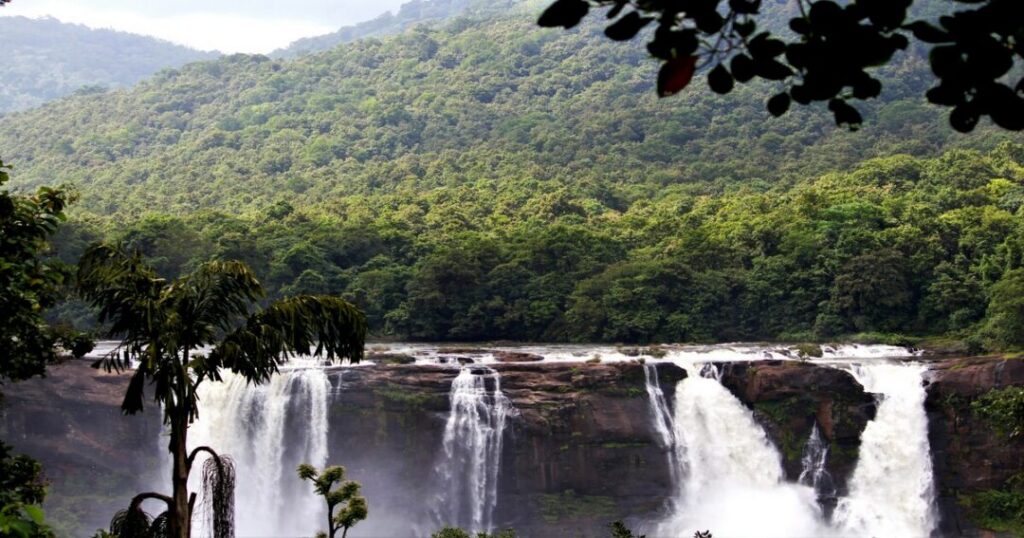
About 70 km from Ernakulam, Athirapally Falls on the Chalakudy river is the largest waterfall in Kerala — dropping approximately 24 metres (80 feet) and spanning a width of up to roughly 100 metres during peak monsoon flow. The surrounding Sholayar forest reserve adds significant scenic weight to the drive. Vazhachal Falls is a short distance upstream and typically covered in the same trip. Best visited between October and January; the falls are most dramatic in monsoon but road access can be disrupted.
13. Kaladi — Birthplace of Adi Shankaracharya
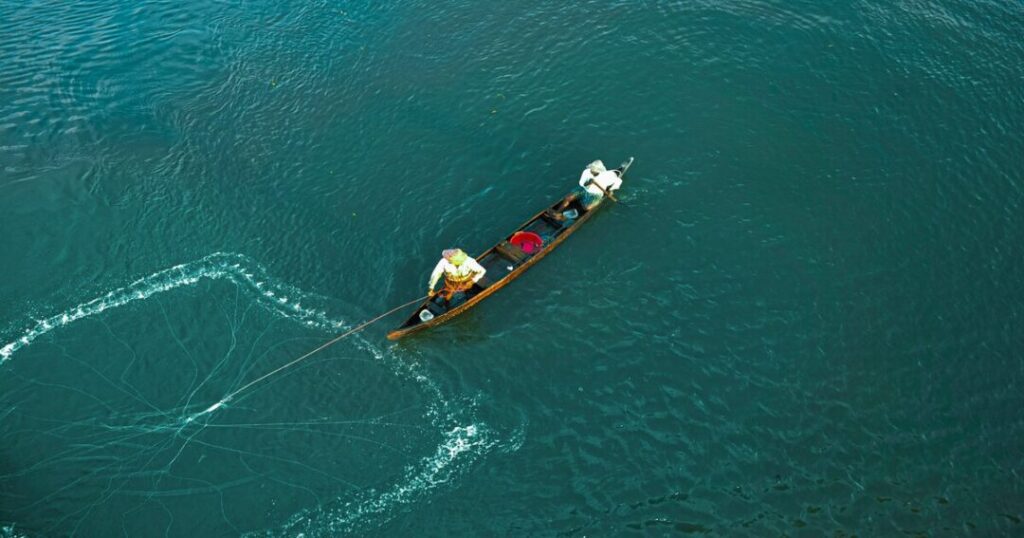
About 45 km from Ernakulam, Kaladi on the banks of the Periyar river is the birthplace of Adi Shankaracharya, the 8th-century philosopher who founded the Advaita Vedanta school of Hindu philosophy. The Sringeri Math maintains a commemorative temple complex here, including the Sharada Peetham and a nine-storey Adi Shankaracharya Kirti Stambham. One of the most intellectually substantive tourist places in and around Ernakulam and consistently uncrowded.
14. Alappuzha (Alleppey) Backwaters
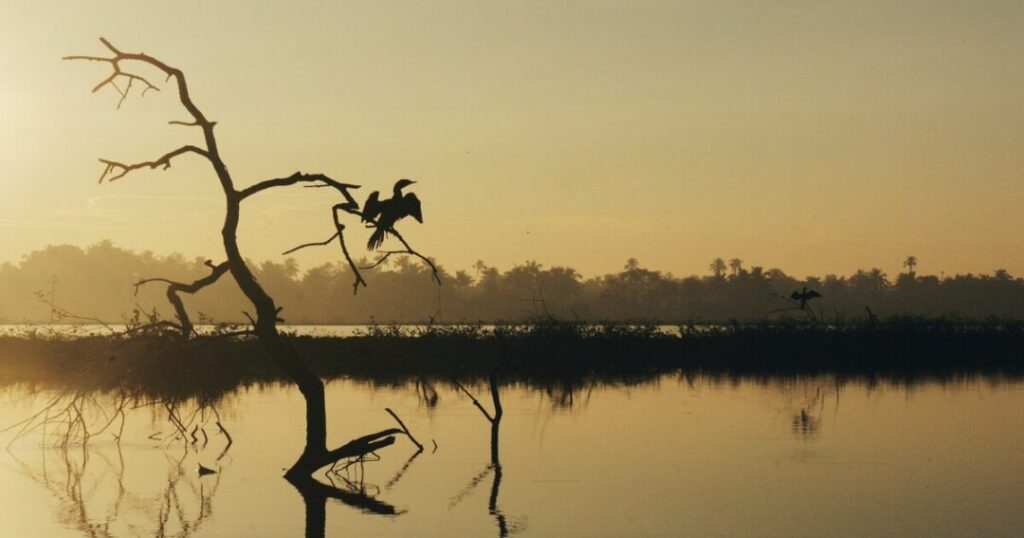
About 55 km from Ernakulam, Alappuzha is Kerala’s most famous backwater destination — a network of canals, lagoons, and Vembanad Lake, best experienced on a houseboat or day cruise. Snake boat races during Onam season (August–September) are a significant draw. While Alappuzha is a separate district, it works cleanly as a day trip from Ernakulam or as a natural extension of a Kochi itinerary.
15. Chembra Peak and Wayanad (Extended Day Trip)
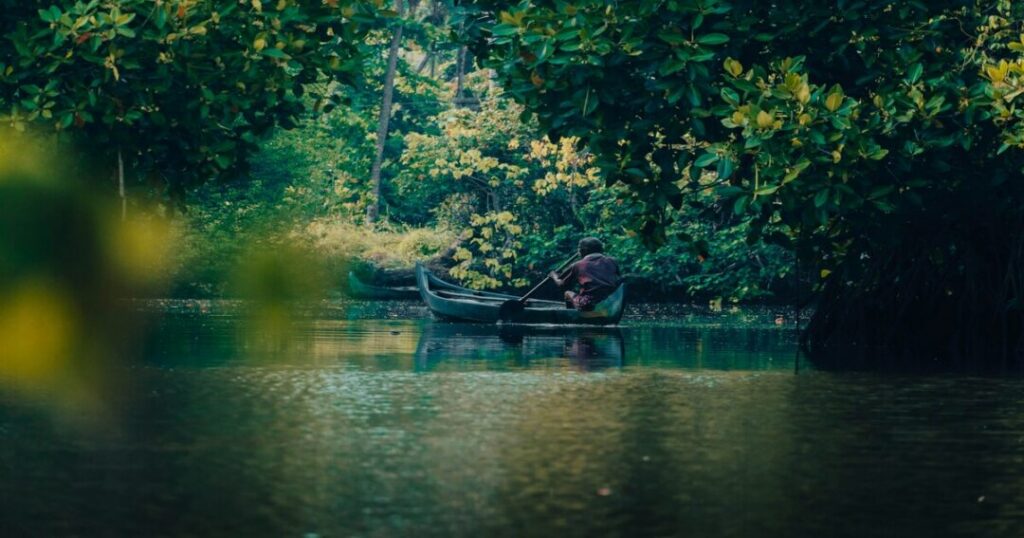
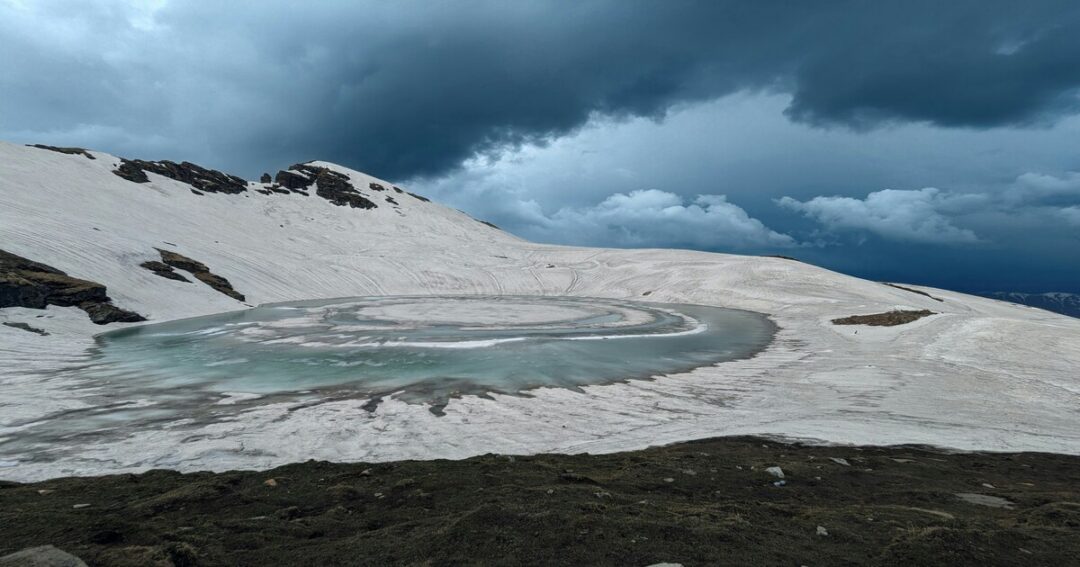
For those willing to drive further, Wayanad district is approximately 150 km north of Ernakulam — roughly 3.5–4 hours. The landscape shifts completely: coffee and tea estates, tribal settlements, dense forest, and the Chembra Peak trek (leading to a heart-shaped lake at the summit). Best suited to an overnight rather than a strict day trip, but easily added to a Kochi-based itinerary.
Also Read: Kerala in Monsoon: Best Places to Visit for the Bold & Adventure-Ready
What is the Best Time to Visit Ernakulam?
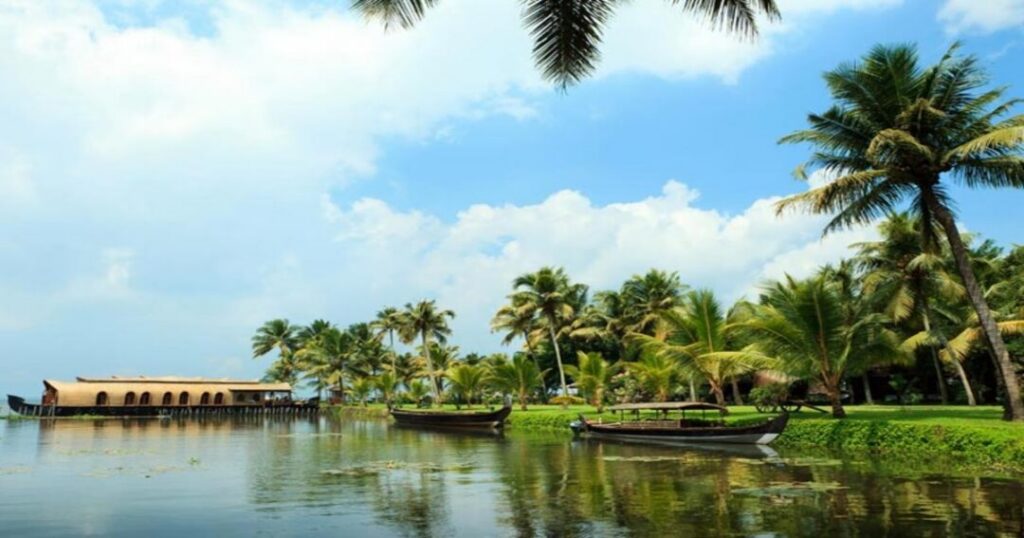
| Season | Months | Conditions |
| Winter | November – February | Best overall; 22°C–32°C; low humidity; ideal for all outdoor sightseeing, heritage walks, and beach visits |
| Summer | March – May | Hot and humid; workable for indoor attractions and early-morning sightseeing |
| Monsoon | June – September | Heavy rainfall; Athirapally Falls at peak volume; backwaters full and lush; Onam festival in August–September |
| Post-monsoon | October – November | Pleasant and transitional; good visibility; bioluminescence at Kumbalangi in September–October |
Best months overall: November to February. For Onam — Thrikkakara temple celebrations and Alappuzha snake boat races — plan specifically for August–September.
How to Reach Ernakulam?
By Air
Cochin International Airport is approximately 27–30 km from Ernakulam city centre, about 45 minutes to an hour by road. Well-connected to major Indian cities and international destinations including the Gulf, Southeast Asia, and Europe.
By Train
Ernakulam has two major railway stations — Ernakulam Junction (South) and Ernakulam Town (North) — both well-connected to Chennai, Mumbai, Delhi, Bengaluru, and all major Kerala cities. Ernakulam Junction handles the majority of intercity trains.
By Road
- From Thiruvananthapuram: ~215 km via NH 66, approximately 4–5 hours
- From Kozhikode: ~200 km via NH 66, approximately 3.5–4 hours
- From Bengaluru: ~560 km via NH 544, approximately 9–10 hours
- KSRTC and private Volvo buses connect Ernakulam to all major Kerala cities
Getting Around
- Water Metro: Connects Ernakulam Main Jetty to Bolgatty Island, Fort Kochi, Vypeen, and Kakkanad
- Public Ferry: Ernakulam Main Jetty to Fort Kochi takes 10–15 minutes — affordable and the most enjoyable way to cross
- Auto-rickshaws and Rapido: Reliable for short distances within Ernakulam city
- Cycles and rental bikes: Available in Fort Kochi; the heritage circuit is best explored on foot or two wheels
Conclusion About places to visit in Ernakulam
The places to visit in Ernakulam span a genuinely wide range — a 1503 Portuguese church that held Vasco da Gama’s remains for fourteen years, a 1568 synagogue still in active use, a Dutch palace on a backwater island, royal murals in a gifted colonial palace, India’s first eco-tourism village, and the largest waterfall in Kerala within day-trip distance. The district earns at least three nights of serious attention rather than a transit stop between better-known Kerala destinations.
Download the Explurger app to log your Ernakulam and Fort Kochi stops, discover what other travellers are exploring across Kerala, and build a trip that does full justice to the district.
Take the ferry from Ernakulam Main Jetty — Fort Kochi across the water is the best first impression the district makes.
FAQs About places to visit in Ernakulam
2. Is Ernakulam the same as Kochi?
Ernakulam is both a district and the name of the commercial mainland city. Kochi refers to the broader metropolitan area including Ernakulam city, Fort Kochi, Mattancherry, Vypeen Island, and several surrounding areas. The heritage sites most people associate with Kochi — Fort Kochi, Jew Town, Mattancherry — are within the Ernakulam district but geographically separate from Ernakulam city, accessible by ferry or road.
3. How many days are enough to cover Ernakulam sightseeing places?
Two full days cover the main attractions comfortably: one day for the Fort Kochi heritage circuit (St. Francis Church, Mattancherry Palace, Jew Town, Chinese fishing nets); one day for Hill Palace Museum, Marine Drive, and Cherai Beach or Kumbalangi. A third day is needed for a day trip — Athirapally Falls or Alappuzha backwaters.
4. What is the best time to visit Ernakulam Kerala?
November through February is the most comfortable period — cooler temperatures, low humidity, no rain disruption — and suits heritage walks, beach visits, and outdoor sightseeing equally well. For the Onam festival, August–September is the window to plan around.
5. Which is the best beach near Ernakulam?
Cherai Beach on Vypeen Island, about 25 km from Ernakulam city, is consistently rated the best in the district — known for its wide shoreline, coconut grove backdrop, and the backwater-meets-sea geography. For something quieter, Munambam Beach further north on Vypeen sees far fewer visitors.
6. What are the best tourist places in and around Ernakulam for a day trip?
Athirapally Falls (~70 km) is the strongest nature day trip; Kaladi (~45 km, birthplace of Adi Shankaracharya) for a historical and cultural stop; and Alappuzha backwaters (~55 km) for a backwater experience. All three are accessible within a day from Ernakulam.