
1,380 Total Views
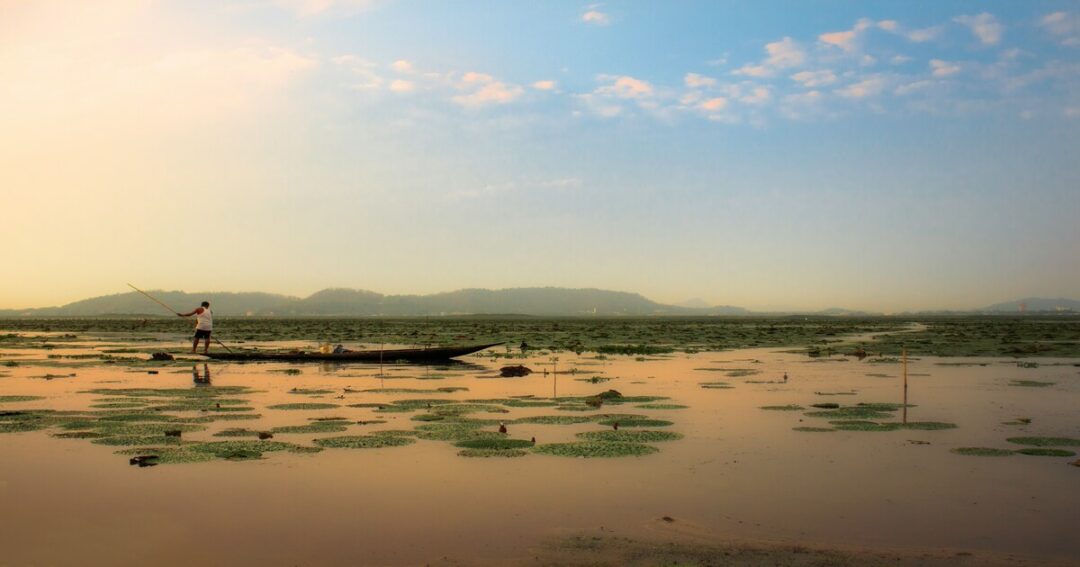
Most travellers reach Assam for tea gardens or Kaziranga’s rhinos and never hear about the river island an hour from Jorhat. Majuli Island sits in the middle of the Brahmaputra, holds Guinness recognition as the world’s largest river island, and functions as the spiritual home of Assamese Vaishnavism — all while quietly losing land to the river every single year. This guide covers the satras, the culture, the erosion story, and exactly how to get there.
Majuli Island Tourist Places: The Satras You Shouldn’t Miss
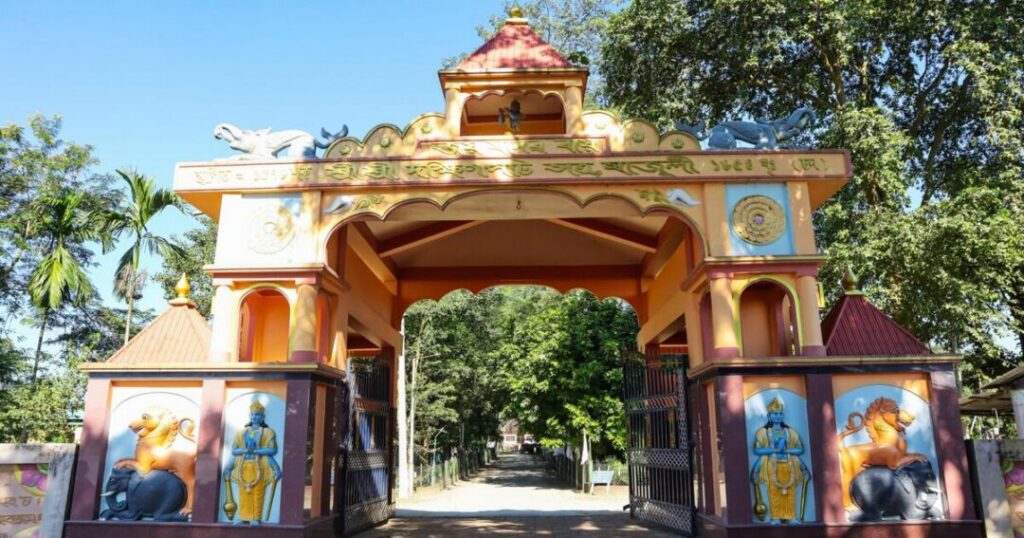
The Satras in Majuli — Vaishnavite monasteries founded in the wake of 15th-century reformer Srimanta Sankardeva — are the island’s defining feature. Of roughly 65 that once existed, about 22 remain active today.
- Samaguri Satra — founded in 1663 by Sankardeva’s grandson, this satra has produced hand-painted masks for over five centuries. Its work has been shown at the British Museum, and monks still craft masks for bhaona theatrical performances using techniques passed down through generations.
- Auniati Satra — established around 1653 and considered the most prestigious of the four “raj satras” patronized by Ahom royalty. Its museum holds roughly 150 manuscripts, royal gifts, and even the sword of Ahom general Lachit Barphukan.
- Kamalabari Satra — founded in 1673 and renowned nationally for Sattriya dance, a classical form recognized by the Sangeet Natak Akademi; entry is free for visitors.
Also Read: Mayong Assam Black Magic: India’s Most Mysterious Village Explained
Things to Do in Majuli Beyond the Satras
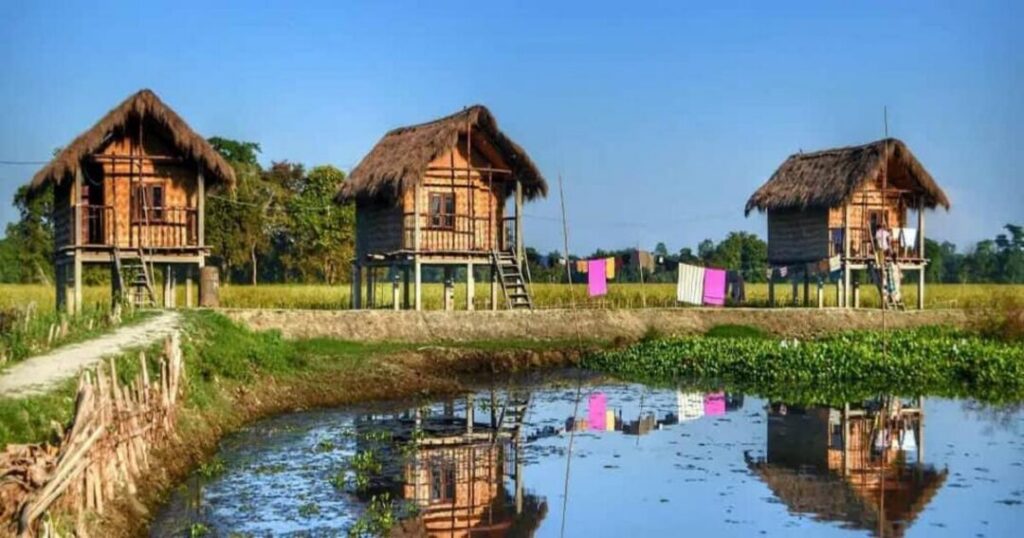
- Visit a Mishing tribal village to see chang ghar — traditional bamboo houses raised on stilts specifically to survive seasonal flooding.
- Watch pottery being made the traditional way at villages practicing Majuli’s centuries-old hand-built pottery technique, made without a wheel.
- Go birdwatching along the island’s wetlands, a seasonal stop for migratory birds drawn to the Brahmaputra floodplain.
- Rent a bicycle to explore — Majuli’s flat terrain and quiet roads make it one of the more relaxed ways to see multiple villages and satras in a day.
Majuli’s Race Against Erosion: Why This Island Keeps Shrinking?
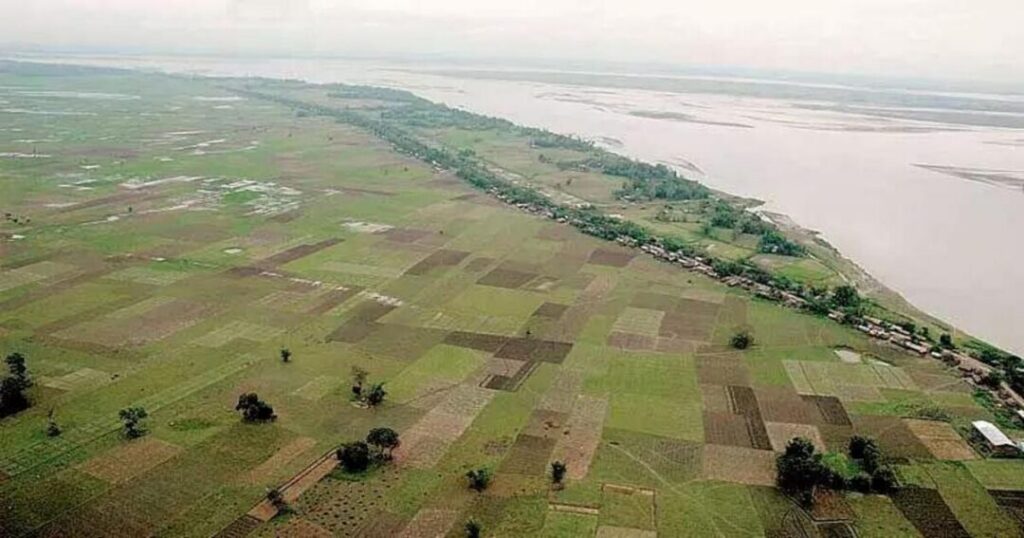
Majuli’s story isn’t only cultural — it’s also a race against the river that shapes it.
- The island has shrunk dramatically over the decades, from roughly 483 square miles to about 163 square miles today, according to researchers tracking Brahmaputra erosion.
- Around 35 villages have reportedly disappeared into the river since 1991 alone, and the number of active satras has fallen from about 65 to roughly 22 as land and communities have been lost.
- On 1 September 2016, Majuli was officially recognized by Guinness World Records as the world’s largest river island, and a week later, on 8 September 2016, it became Assam’s 35th district — milestones that arrived even as the erosion crisis continued.
- [STAT: Majuli’s land area has fallen from roughly 483 to 163 square miles due to ongoing Brahmaputra erosion]
Also Read: Best Places to Visit in Northeast India: The Region’s Most Beautiful Villages
Ras Mahotsav: Majuli’s Biggest Festival
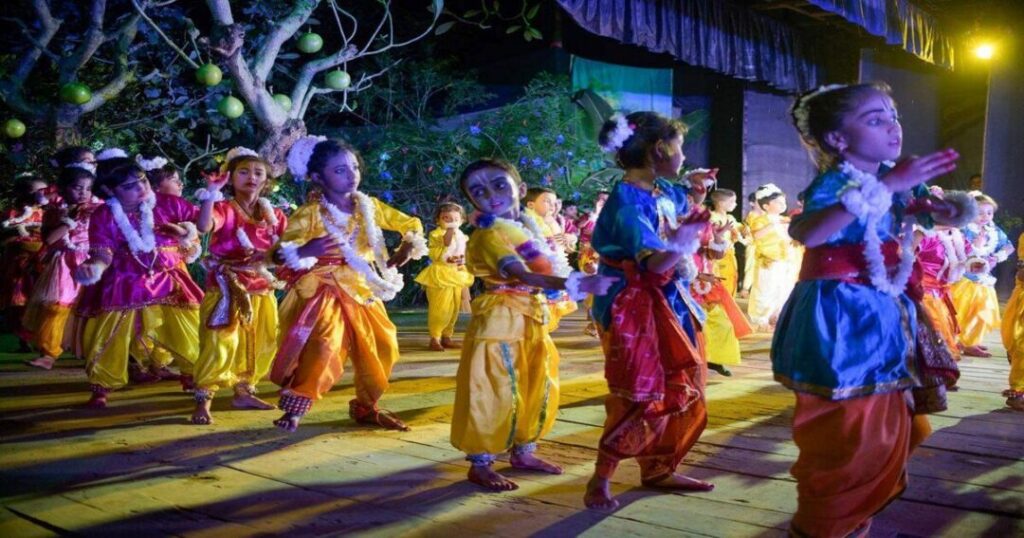
If you can time your trip around one event, make it Ras Mahotsav.
- Held on the full moon (Purnima) during Kati-Aghun, roughly October–November, the festival runs four to five days and dramatizes episodes from Krishna’s life through Raas Lila performance.
- Traditionally performed only by celibate male monks in female costume, women have participated since the 1950s and now perform the roles as a matter of course.
- The festival draws visitors from across the island and beyond, with entire villages taking part in hosting duties — one of the clearest windows into how deeply satra culture still shapes daily life here.
[QUOTE: “Ras Mahotsav is the one time of year Majuli feels like it’s performing its own history back to itself.” — Assam cultural researcher, on the festival’s community-wide participation]
Practical Tips for Visiting Majuli
- Plan around ferry timings — the last crossings back to Jorhat run in the afternoon, so day-trippers need to plan their return well before evening.
- Stay overnight if possible — Majuli’s satras and villages are spread out, and rushing them in a single day means missing most of what makes the island worth visiting.
- Bicycles and shared autos are the easiest way to get around once you’re on the island, since distances between satras and villages can be a few kilometres each.
- Respect satra etiquette — many are active monasteries, not just tourist sites, so dress modestly and follow any photography restrictions monks indicate.
Also Read: TOP 10 EXCUSES FOR YOUR NEXT VACATION: PLACES TO VISIT IN ASSAM
What is the Best Time to Visit Majuli?

- October to March is the ideal window — the monsoon has passed, floodwaters have receded, and the island’s dirt roads and ferry crossings are far more reliable.
- Time a visit for October–November specifically if you want to catch Ras Mahotsav, Majuli’s biggest cultural festival.
- Avoid the monsoon months (June–September), when heavy Brahmaputra flooding regularly cuts off villages and damages roads.
How to Reach Majuli Island?
- By air: Rowriah Airport in Jorhat is the nearest, with direct flights from Kolkata and Guwahati, about 20 km from Nimati Ghat.
- By rail: Mariani Junction, roughly 18 km south of Jorhat, is the main broad-gauge railhead connecting to long-distance trains; Jorhat Town Station handles more local traffic.
- By road and ferry: From Jorhat, it’s a 14 km, roughly 30-minute drive to Nimati Ghat, followed by a ferry crossing that takes 50–65 minutes downstream or 75–90 minutes upstream. Ferries run roughly every 45–60 minutes between 7:00 AM and 3:30 PM.
Also Read: Things to Do in Assam: Top 10 Assam Attractions
Conclusion About Majuli Island
Between centuries-old mask-making, a shrinking coastline, and a festival that still shuts down the island every autumn, Majuli Island offers a side of Assam most itineraries skip entirely — and one that may look physically different a generation from now.
Quick takeaways:
- Visit October to March, and aim for October–November if you want to catch Ras Mahotsav.
- Samaguri, Auniati, and Kamalabari satras cover mask-making, royal history, and classical dance respectively — try to see at least two.
- Stay overnight if you can; the island’s satras and villages are too spread out for a rushed day trip.
Plan your perfect trip with Explurger — download the app now.
Save this guide before your Assam trip, and give Majuli more than a passing afternoon — it rewards travellers who slow down.
FAQs About Majuli Island
2. Why is Majuli called the world's largest river island?
Majuli earned Guinness World Records recognition as the world's largest river island on 1 September 2016, and became Assam's 35th district a week later on 8 September 2016. The island sits in the middle of the Brahmaputra River, though its exact size has shrunk significantly over recent decades due to ongoing erosion.
3. How many days do I need to visit Majuli?
Most travellers need at least 2 days to properly see Majuli's satras, tribal villages, and pottery workshops without rushing, since attractions are spread across the island. A single day trip from Jorhat is possible but limits you to only one or two satras given ferry schedules and travel time between sites.
4. What is Majuli famous for?
Majuli is famous for being the world's largest river island, its Vaishnavite satras founded in the tradition of 15th-century reformer Srimanta Sankardeva, and centuries-old mask-making at Samaguri Satra. It's also known for Mishing tribal culture, traditional stilt houses called chang ghar, and the annual Ras Mahotsav festival celebrating Krishna's life.
5. How do I reach Majuli Island from Jorhat?
From Jorhat, it's a 14 km drive (about 30 minutes) to Nimati Ghat, followed by a ferry crossing across the Brahmaputra that takes 50-65 minutes downstream or 75-90 minutes upstream. Ferries run roughly every 45-60 minutes between 7:00 AM and 3:30 PM, so it's worth timing your departure around the schedule rather than arriving at the ghat unplanned.
6. Is Majuli shrinking due to erosion?
Yes, Majuli has shrunk significantly due to ongoing Brahmaputra erosion, from roughly 483 square miles historically to about 163 square miles today. Around 35 villages have reportedly been lost to the river since 1991 alone, and the number of active satras has fallen from about 65 to roughly 22 as a direct result.