
515 Total Views
Assam attractions span far more than the tea gardens most people picture first — the state holds two UNESCO World Heritage wildlife parks, the world’s largest river island, a temple town where three faiths coexist, and an amphitheatre older than most in Europe. Here are the 10 things to do in Assam worth building an itinerary around.
Best Assam Tourist Attractions: Top 10 to Visit
1. Kaziranga National Park
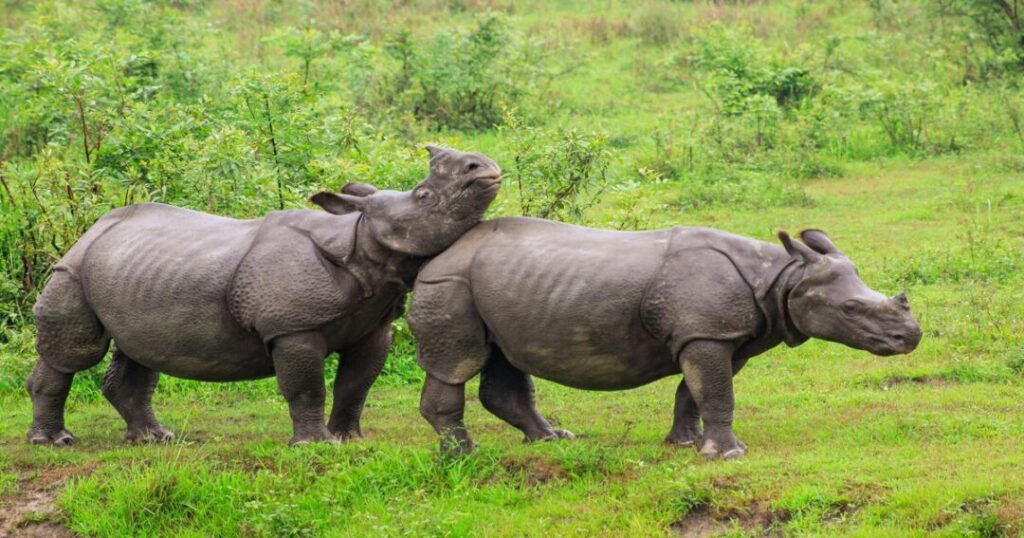
A UNESCO World Heritage Site since 1985, Kaziranga holds roughly two-thirds of the world’s wild greater one-horned rhinoceros population — about 2,613 counted in the 2022 census, up from a low of around 12 individuals in 1908. Tigers, elephants, and wild buffalo share the floodplain, best seen on jeep or elephant safari.
2. Kamakhya Temple
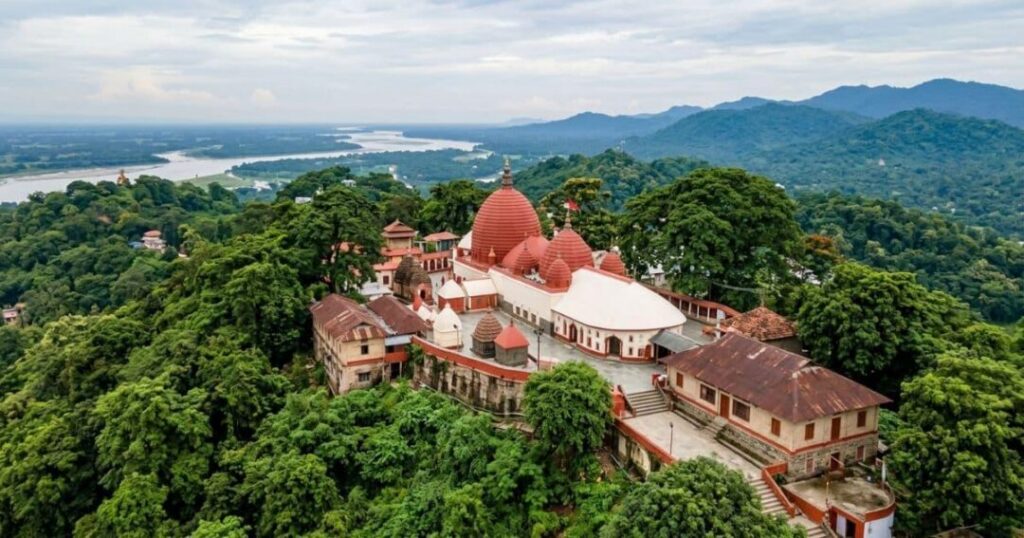
Perched on Nilachal Hill in Guwahati, Kamakhya is one of the oldest of the 51 Shakti Peethas in Shakta tradition, with origins dated to the 8th-9th century and a major rebuild by Ahom kings in the 17th century after earlier destruction. It’s the center of Assam’s tantric worship tradition and hosts the Ambubachi Mela, when the temple closes for three days each June.
3. Majuli
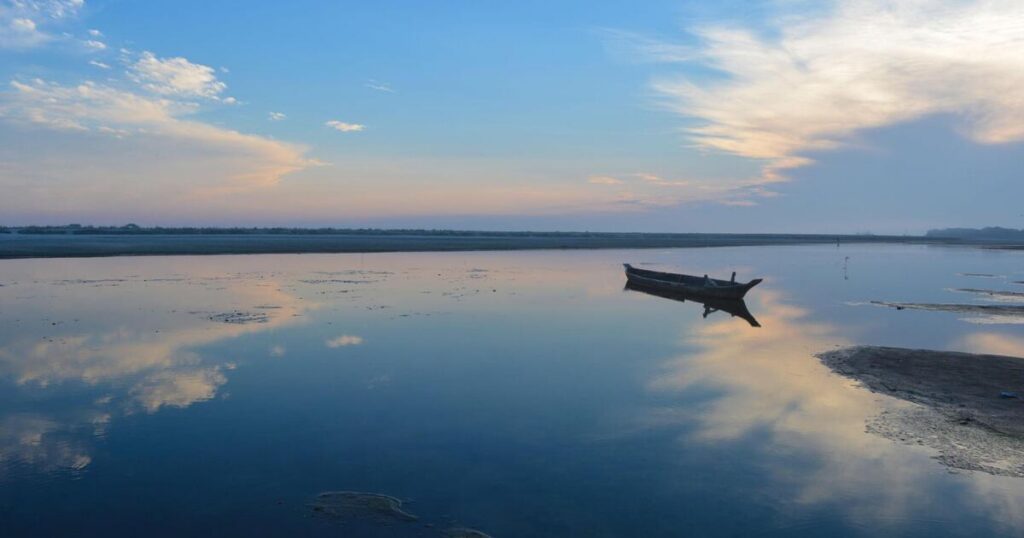
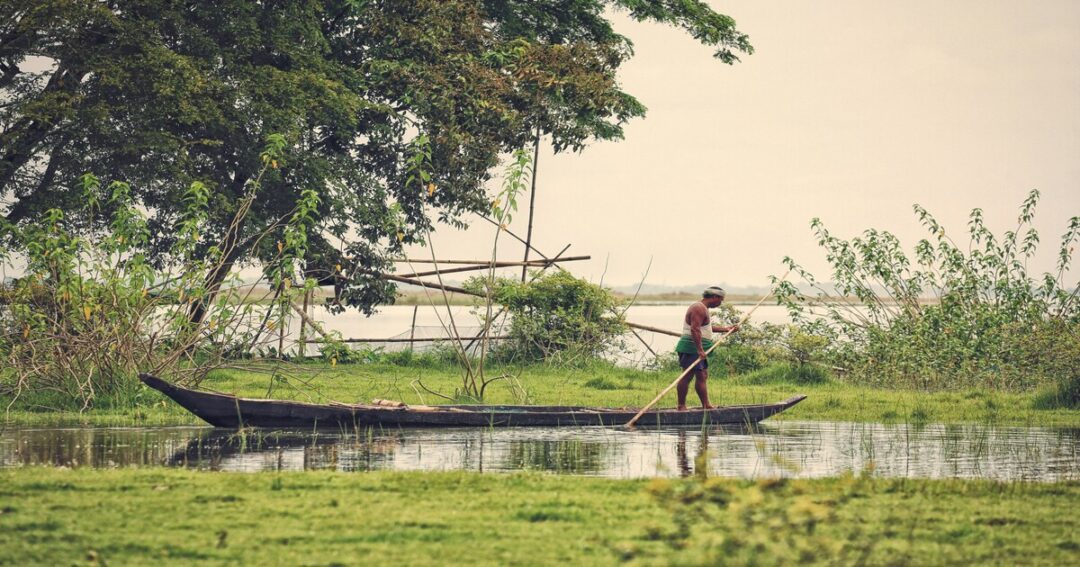
Guinness World Records recognises Majuli as the world’s largest inland river island, at 452 square kilometres on the Brahmaputra. It became Assam’s spiritual heart after 16th-century saint Srimanta Sankardev founded the first of 65 satras (Vaishnavite monasteries) here — 23 remain active, preserving Sattriya dance and mask-making traditions.
Also Read: Things to Do in Arunachal Pradesh: 15 Incredible Experiences
4. Sivasagar’s Ahom Monuments
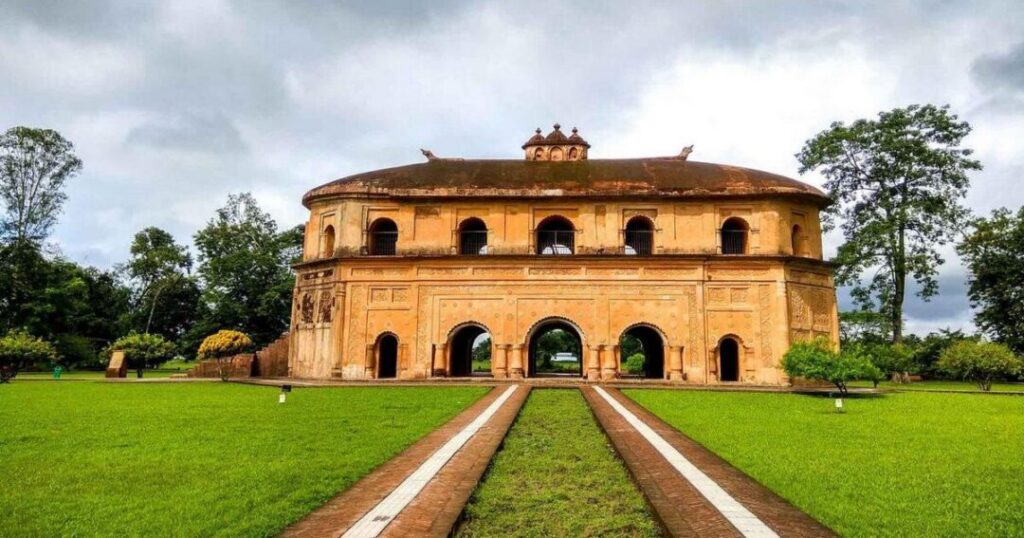
Once the Ahom dynasty’s capital, Sivasagar centres on Rang Ghar, considered one of Asia’s oldest surviving amphitheatres. Built in bamboo and wood under Rudra Singha and rebuilt in brick between 1744-1751 under Pramatta Singha, its boat-shaped roof and rice-and-egg mortar construction still stand today, alongside nearby Talatal Ghar and Sivadol.
5. Manas National Park
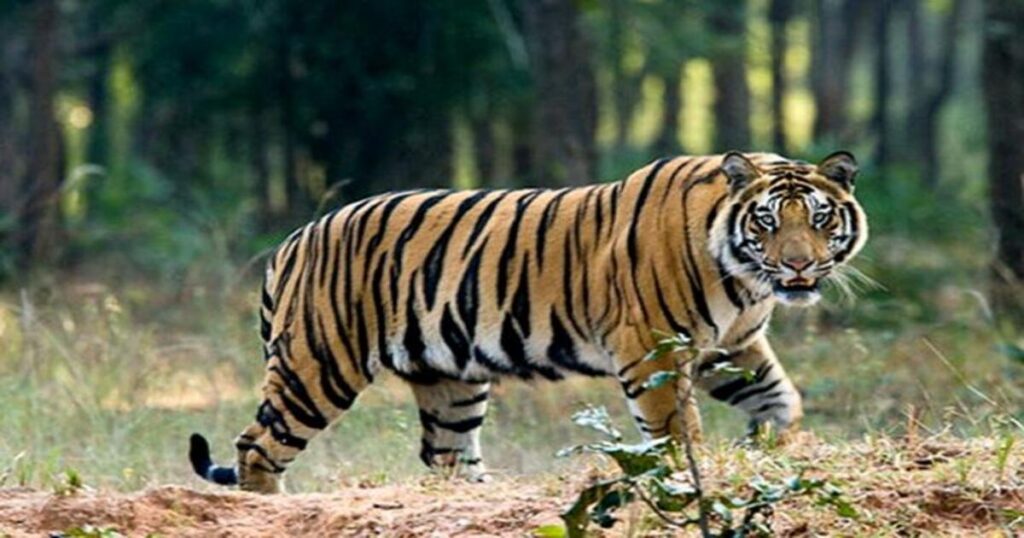
A UNESCO World Heritage Site, tiger reserve, and biosphere reserve bordering Bhutan’s own Royal Manas National Park, Manas protects rare species found almost nowhere else — the pygmy hog, golden langur, and Assam roofed turtle among them. It’s quieter and less crowded than Kaziranga, which suits visitors after a slower wildlife experience.
6. Assam’s Tea Gardens
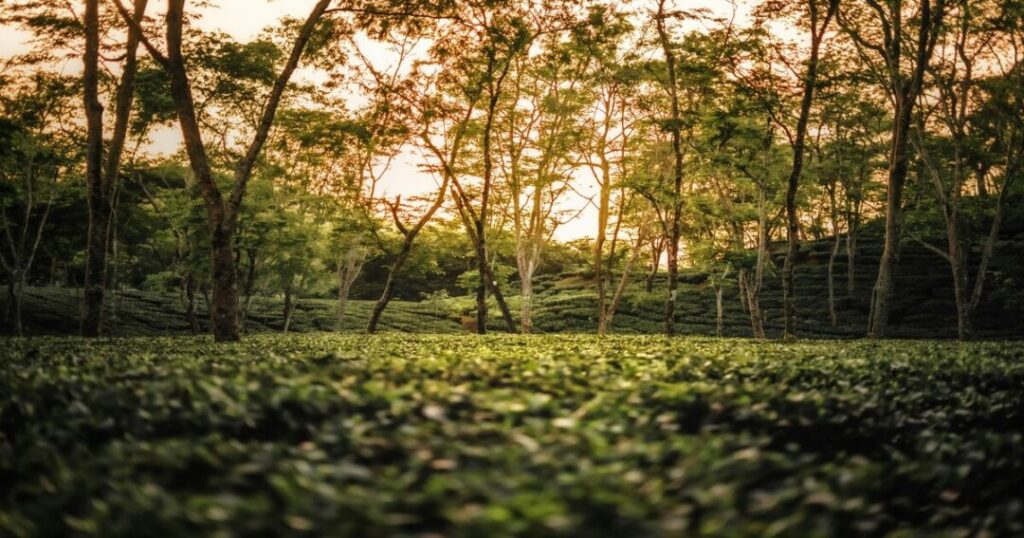
Scottish trader Robert Bruce encountered the Assam tea bush in 1823 with help from local guides; his brother Charles later confirmed it as a distinct variety, Camellia sinensis var. assamica. Commercial plantations followed from 1837, and estates around Jorhat and Dibrugarh today offer garden tours and stays through the region that still produces much of India’s tea.
Also Read: Mayong Assam Black Magic: India’s Most Mysterious Village Explained
7. Umananda Temple
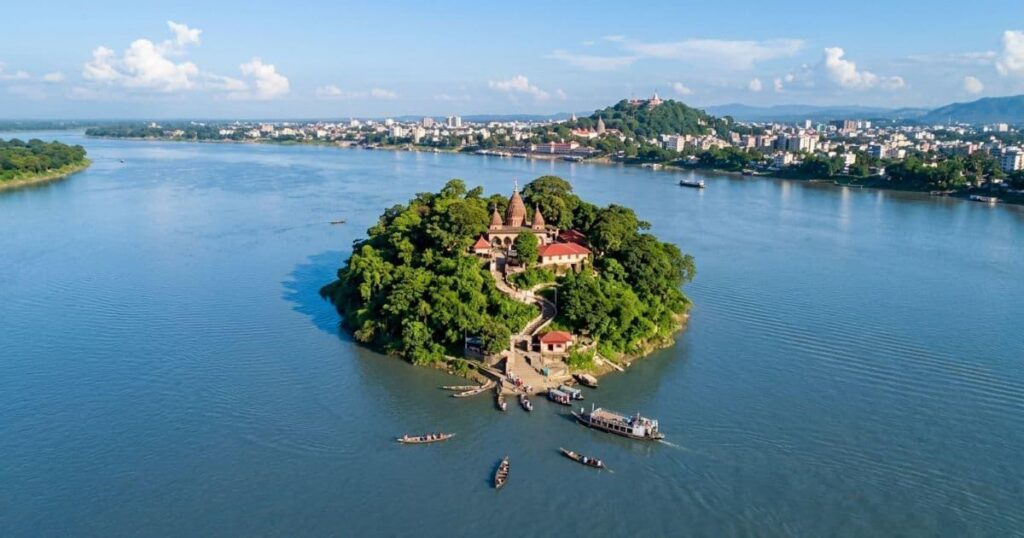
Sitting on Peacock Island — the smallest inhabited river islet in the Brahmaputra — this Shiva temple was built in 1694 by Ahom King Gadadhar Singha and damaged in the 1897 earthquake. A 10-minute ferry from Umananda Ghat near Guwahati High Court reaches the island, making it an easy half-day add to a Guwahati stay.
8. Hajo
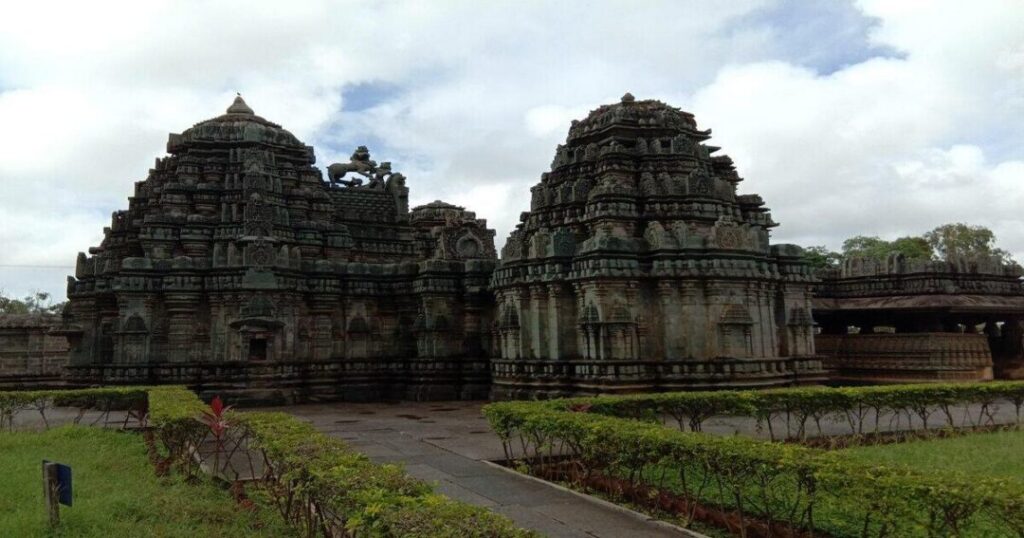
A rare multi-faith pilgrimage town: the Hayagriva Madhava Temple, with roots possibly dating to the 6th century and rebuilt in 1583 by a Koch king, is sacred to both Hindus and some Buddhists, who believe Buddha attained parinirvana here. A kilometre away, Poa Mecca’s 1657 mosque is said to grant a quarter of the merit of a Mecca pilgrimage.
9. Sualkuchi Silk Village

Known as the “Manchester of Assam,” Sualkuchi’s weaving tradition may trace back to the 11th century under the Pala dynasty and was formalised in the 17th century under Ahom administrator Momai Tamuli Barbarua. Nearly every household still runs a handloom, producing Golden Muga, White Paat, and Warm Eri silks.
10. Brahmaputra River Cruise
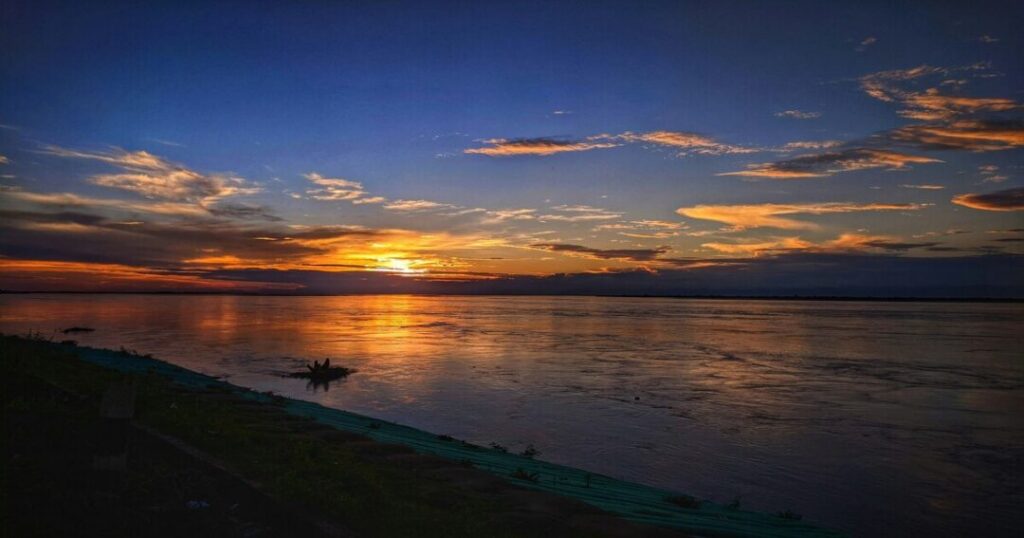
A sunset or overnight cruise on the Brahmaputra — one of the few rivers in the world officially recognised with river status — gives a different vantage on Assam’s tea estates, sandbars, and river-island villages than any road itinerary can, with Guwahati as the most common departure point.
Also Read: Places to Visit in Guwahati: 13 Must-See Attractions in Assam’s Gateway City
What is the Best Time to Visit Assam?
October through March brings the most reliable weather for road travel and wildlife safaris, with cooler, drier conditions across the state. Avoid June through September if possible — monsoon rains are heavy, roads can wash out, and several parks (including parts of Kaziranga) close seasonally, though it’s also when flight fares tend to drop.
How to Reach Assam?
Guwahati’s Lokpriya Gopinath Bordoloi International Airport is the state’s main gateway, connected to most major Indian cities and located about 25km from the city centre. Guwahati Railway Station (Guwahati Junction), in the Paltan Bazar area, links Assam to Delhi, Kolkata, Mumbai, and Chennai via express and superfast trains. From Guwahati, road and rail connections fan out to Kaziranga, Sivasagar, Majuli, and the rest of the state.
Conclusion About Assam attractions
Assam attractions cover far more ground than most visitors expect: rhinos in Kaziranga, tantric pilgrimage at Kamakhya, Sankardev’s river-island monasteries at Majuli, Ahom-era monuments in Sivasagar, and a rare three-faith pilgrimage town at Hajo. Quick recap:
- Wildlife — Kaziranga National Park, Manas National Park
- Pilgrimage — Kamakhya Temple, Umananda Temple, Hajo
- Heritage — Majuli’s satras, Sivasagar’s Ahom monuments
- Culture — Assam’s tea gardens, Sualkuchi’s silk weaving village
- Experience — a Brahmaputra river cruise
Planning a trip to Assam? Download the Explurger app and build your itinerary around the state’s wildlife, heritage, and river culture.
Rhinos, river islands, and centuries of Ahom history — Assam packs in more range than its tea-garden reputation suggests.
FAQs About Assam Attractions
2. What are the top tourist attractions in Assam?
Assam's tourist attractions split roughly into wildlife (Kaziranga, Manas), pilgrimage (Kamakhya, Umananda, Hajo), heritage (Majuli's satras, Sivasagar's Ahom monuments), and culture (tea estates, Sualkuchi's silk weaving). Most visitors combine two or three of these categories across a one- to two-week trip, since the sites are spread across the state.
3. Is Kaziranga worth visiting over Manas National Park?
Both are UNESCO World Heritage wildlife parks, but they suit different travelers. Kaziranga has the larger rhino population and more developed safari infrastructure, making it the more reliable choice for first-time visitors. Manas is quieter, borders Bhutan, and protects rarer species like the pygmy hog and golden langur — better suited to visitors prioritising a less crowded experience.
4. What is Majuli famous for?
Majuli is recognised by Guinness World Records as the world's largest inland river island and is considered Assam's cultural and spiritual heart. It's home to satras (Vaishnavite monasteries) founded by 16th-century saint Srimanta Sankardev, and its remaining active satras preserve Sattriya dance and traditional mask-making.
5. How many days do I need to see Assam's main attractions?
A week to ten days covers the core sites comfortably: two to three days for Kaziranga, a day or two around Guwahati for Kamakhya and Umananda, two days for Majuli, and a day or two for Sivasagar's monuments. Adding Manas National Park or the tea-garden belt around Jorhat and Dibrugarh is more comfortable across ten to fourteen days.
6. Is Assam safe and easy for tourists to visit?
Yes — Assam's main tourist circuit (Guwahati, Kaziranga, Sivasagar, Majuli) is well-established, with regular flights, trains, and organised tours. Guwahati serves as the state's transport hub, with good road and rail connections onward to the rest of the state.