
289 Total Views
Tucked away on a rocky plateau of the Vindhya Range, Mandu Madhya Pradesh is one of India’s most romantic and least-talked-about heritage destinations. Once known as Shadiabad, the “City of Joy,” this ancient hill fortress is home to graceful palaces, towering mosques, shimmering lakes and one of India’s most enduring love stories. If you are searching for a destination that blends history, romance and stunning architecture without the tourist crowds, this Mandu travel guide is for you.
Top 10 Places to Visit in Mandu Madhya Pradesh
Here are the must-see monuments and sights that make Mandu tourism so special.
1. Jahaz Mahal (Ship Palace)
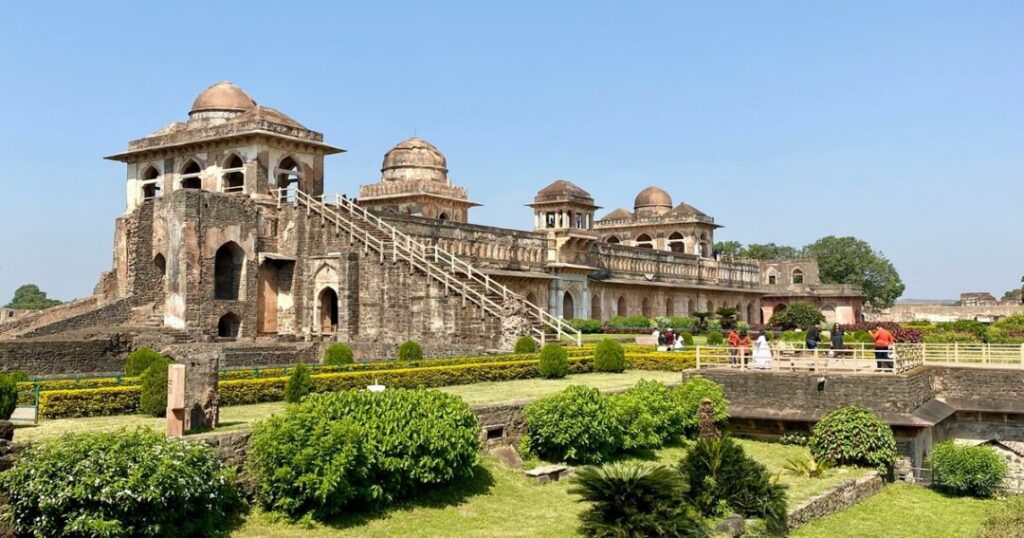
Built in the 15th century and set between two artificial lakes, Munja Talao and Kapur Talao, this long, low palace appears to float like a ship on water, especially in the monsoon. It is the most photographed landmark in Mandu and a masterpiece of Afghan-style architecture.
2. Hindola Mahal (Swinging Palace)
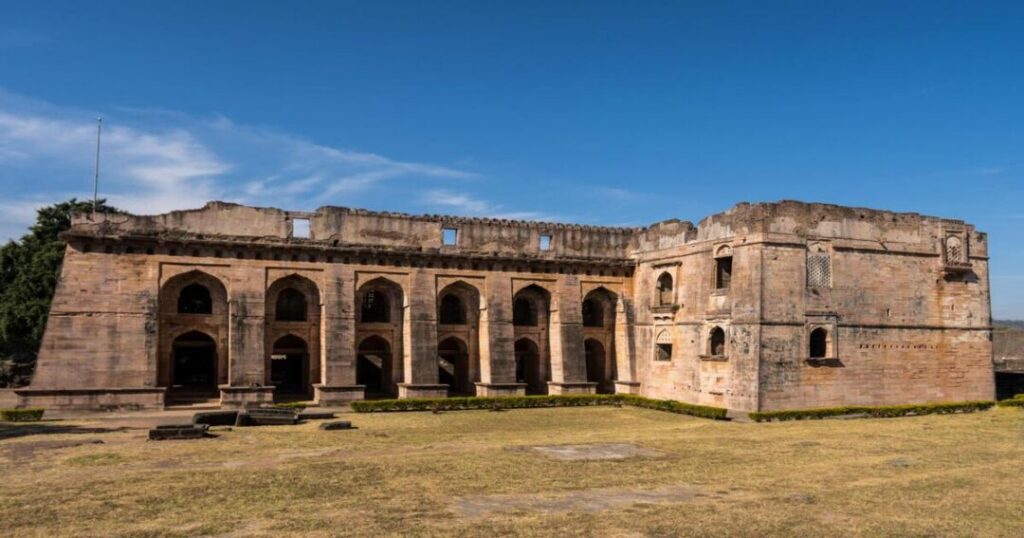
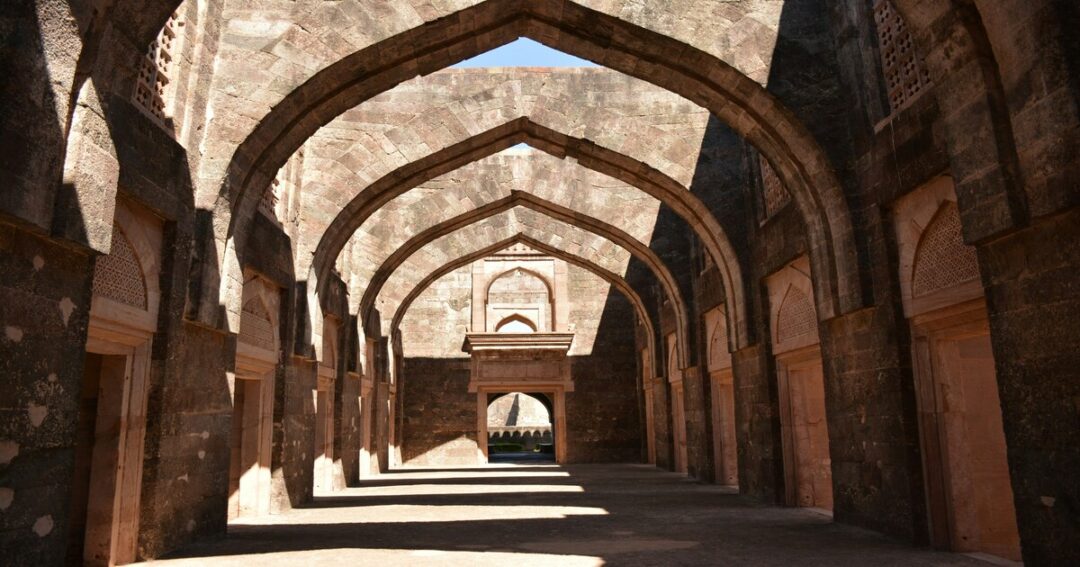
The sloping side walls of this audience hall create the illusion of a swinging motion, hence its name. Its T-shaped plan and bold, simple arches show the strength of Malwa Sultanate architecture.
3. Hoshang Shah’s Tomb
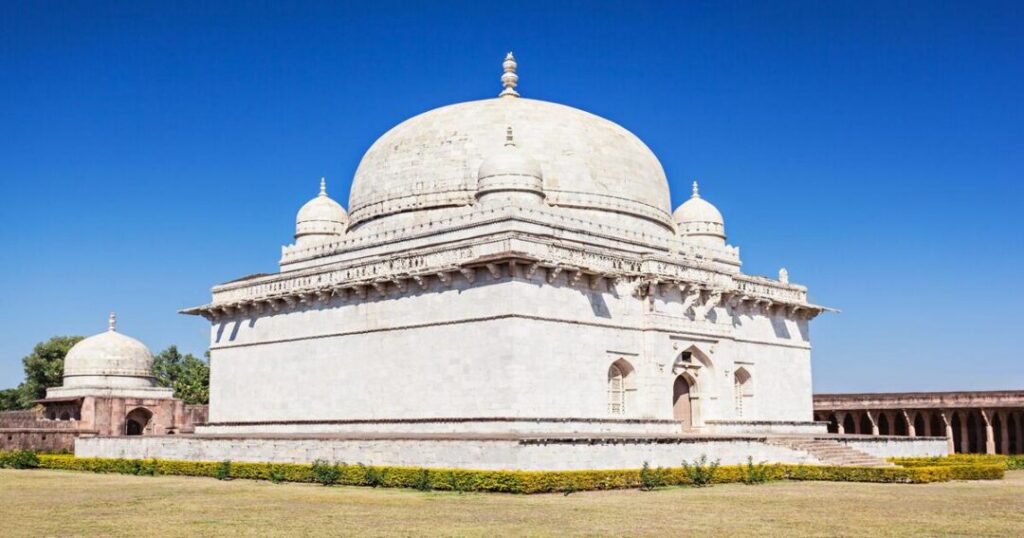
Often described as India’s first marble mosque-tomb in the Afghan style, this elegant structure features a graceful dome, intricate marble lattice work and a peaceful courtyard. Historians note its influence on later Mughal tomb design.
4. Jami Masjid
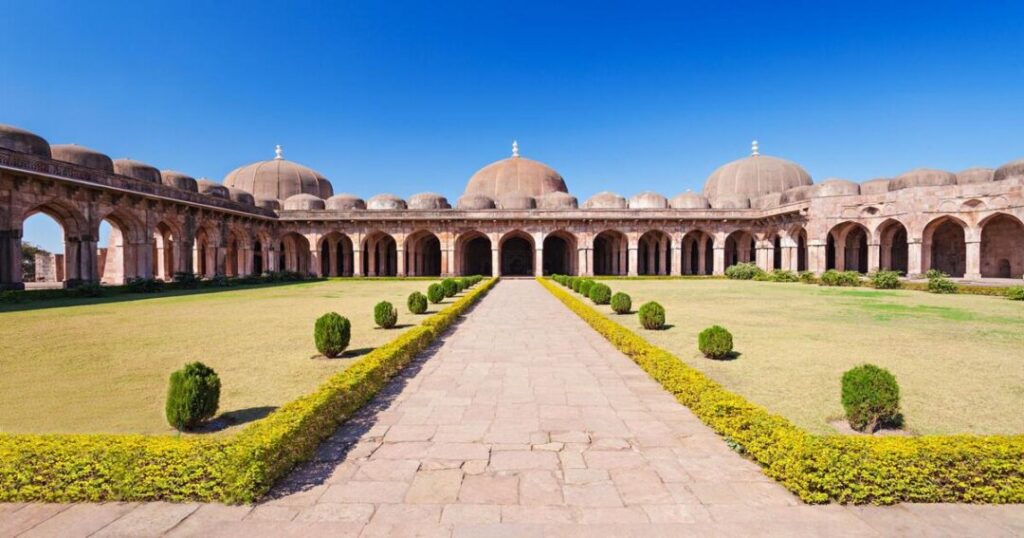
One of the grandest mosques in India, Jami Masjid rises on a high plinth with a vast courtyard, endless arcades and imposing domes. It is believed to be inspired by the great mosque of Damascus.
5. Roopmati Pavilion
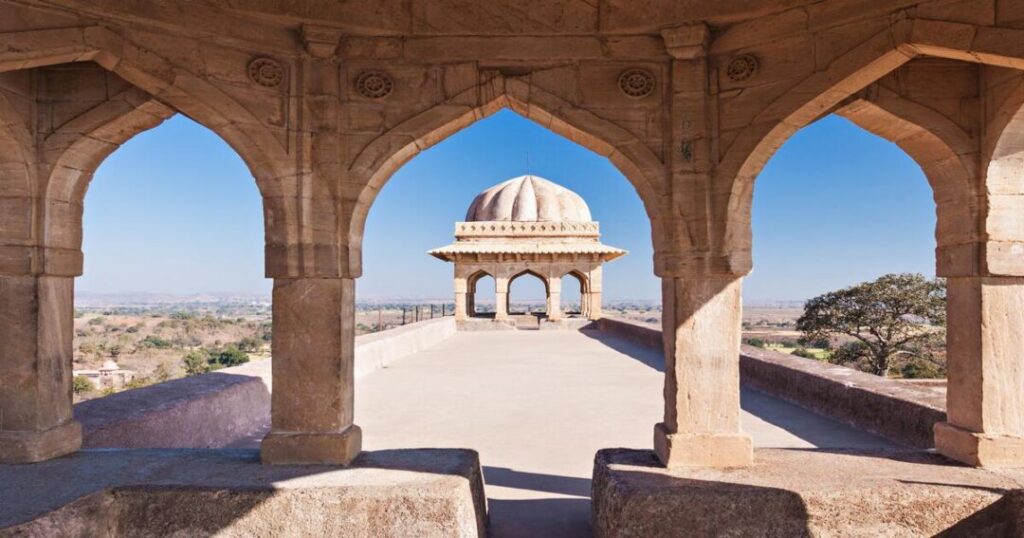
Perched on the edge of the cliff, this pavilion offers sweeping views over the Nimar plains and, on a clear day, the Narmada Valley. It is the best place in Mandu for sunrise and sunset.
6. Baz Bahadur’s Palace
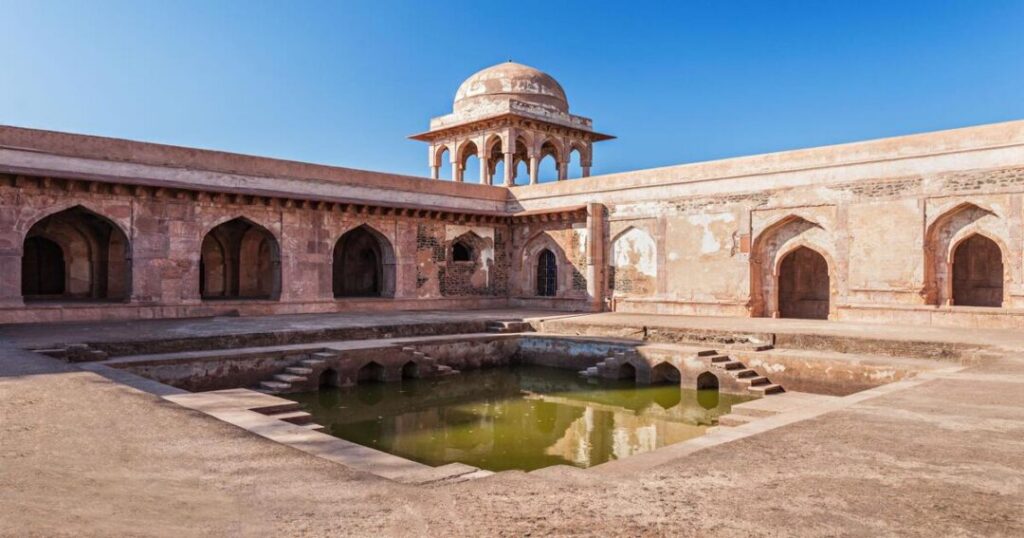
Built around a large courtyard with broad terraces and halls, this palace mixes Rajput and Mughal architectural features. It sits just below Roopmati Pavilion, so the two are easily visited together.
7. Ashrafi Mahal
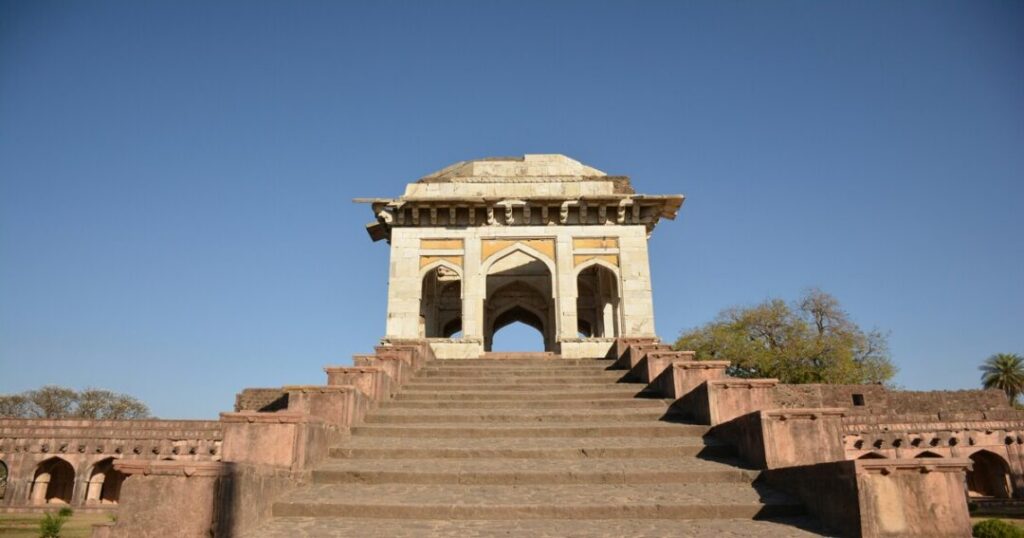
Originally built as a madrasa, this complex later gained a tomb and a tower of victory. Although much of it is in ruins, the remains still show the ambition of its builders.
8. Rewa Kund
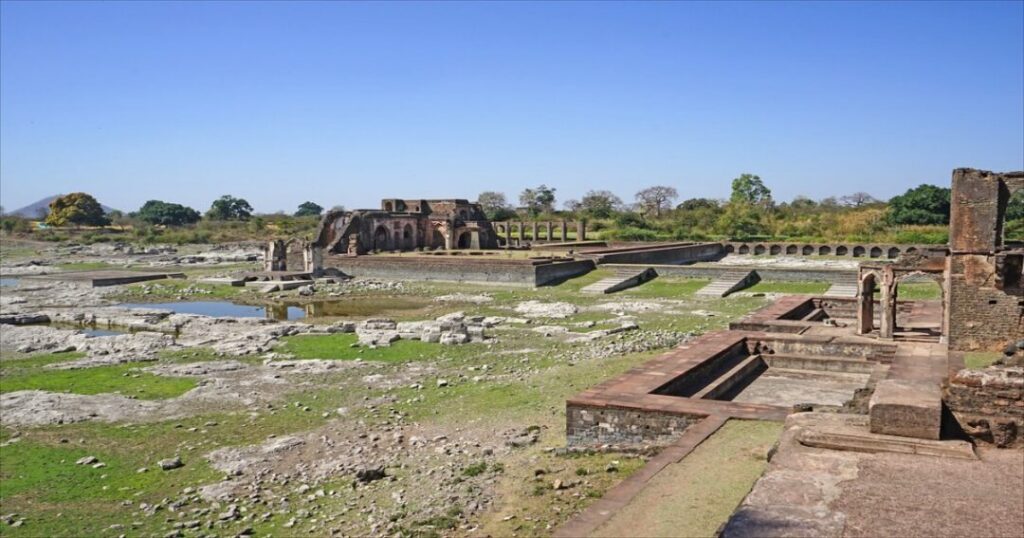
This reservoir was built to supply water to Baz Bahadur’s palace and Roopmati Pavilion. It is a great example of the advanced water management systems that supported life on the plateau.
9. Nilkanth Mahal and Temple
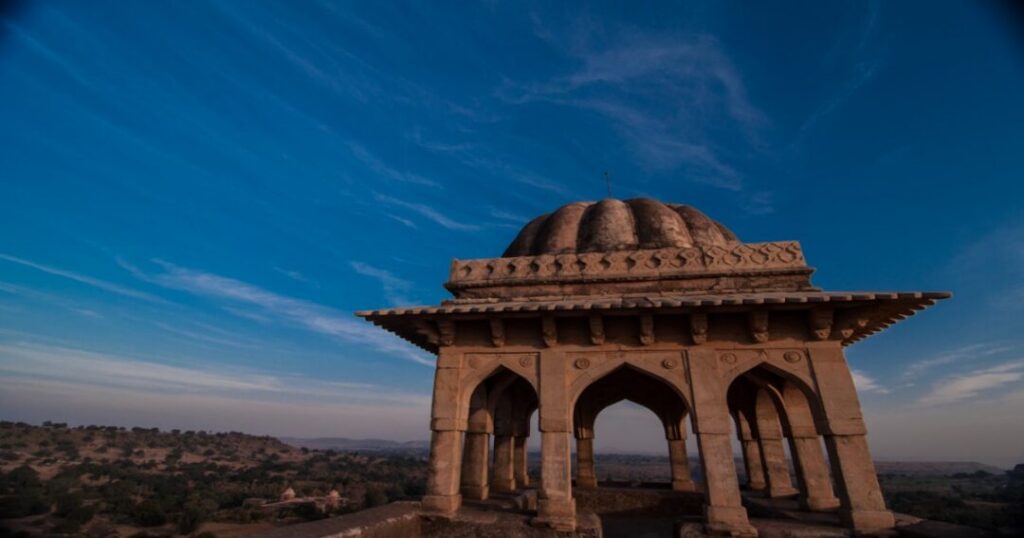
A scenic Mughal-era pleasure retreat that now doubles as a shrine to Lord Shiva. Natural springs and calm gardens make it a perfect spot for a slow, reflective stop.
10. Mandu’s Baobab Trees (Mandu Imli)
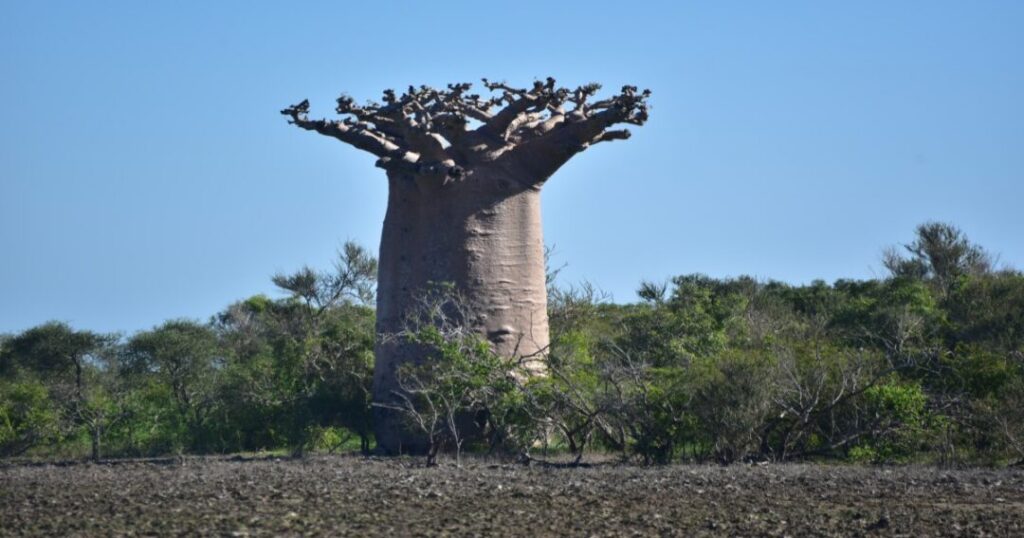
The unusual baobab trees dotting the plateau are believed to have been brought from Africa centuries ago. Their massive trunks and fruit, locally called Mandu Imli, are a unique souvenir of your visit.
Architectural Wonders of Mandu Madhya Pradesh: What Makes Them Special
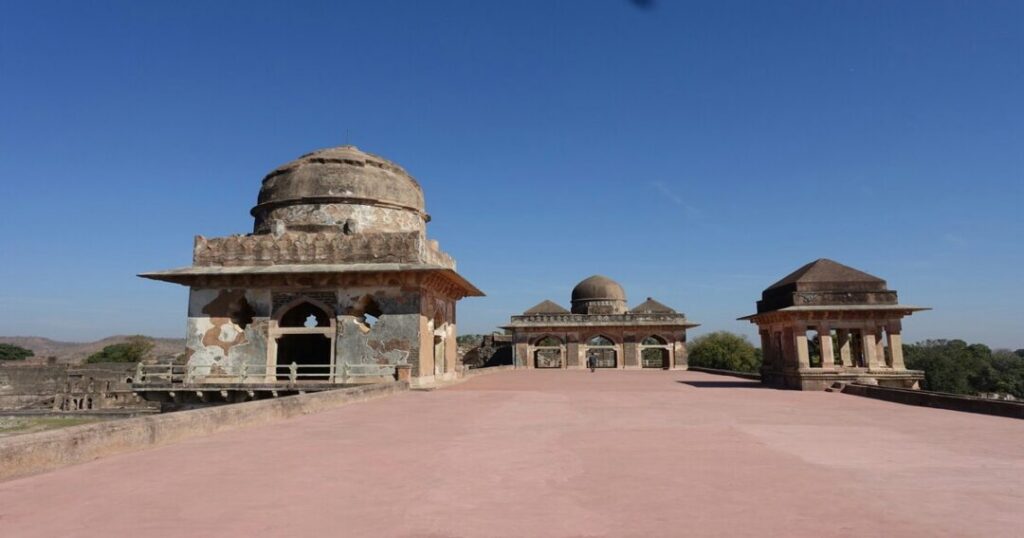
The architecture of Mandu represents the finest examples of Afghan-influenced Indo-Islamic design in central India. Several features stand out:
- Massive plinths and arcades: Monuments rise on raised platforms with long, rhythmic arches.
- Colour and texture: Red sandstone is combined with white marble and touches of glazed blue and yellow tiles.
- Water architecture: Lakes, stepped tanks, canals and baolis show an impressive understanding of water harvesting on a hilltop.
- Open-air pavilions: Palaces were designed to catch breezes and views, making them ideal retreats from the summer heat.
- Fortified gateways: Around a dozen gates, including the Delhi Darwaza, guard the outer fort walls that stretch for kilometres.
For architecture students, photographers and heritage travellers, Mandu is an open-air classroom.
The Love Story of Roopmati and Baz Bahadur: Heart of Mandu Madhya Pradesh
Also Read: Things to Do in Jabalpur: Explore Madhya Pradesh’s Hidden Gem
What is the Best Time to Visit Mandu Madhya Pradesh?
- Monsoon (July to September): The most romantic season. Waterfalls, lakes and greenery turn the plateau into a postcard. Expect mist and occasional heavy rain.
- Winter (October to February): Pleasant weather, ideal for walking and photography. This is the best overall time for sightseeing.
- Summer (March to June): Hot days, but early mornings and evenings are still enjoyable if you plan carefully.
Must Read: Madhya Pradesh Heritage Circuit: Discover India’s Timeless Legacy
How to Reach Mandu Madhya Pradesh?
- By air: The nearest major airport is Indore (Devi Ahilya Bai Holkar Airport), about 100 km away.
- By train: Indore and Ratlam are the closest major railway stations, with taxis and buses available onward.
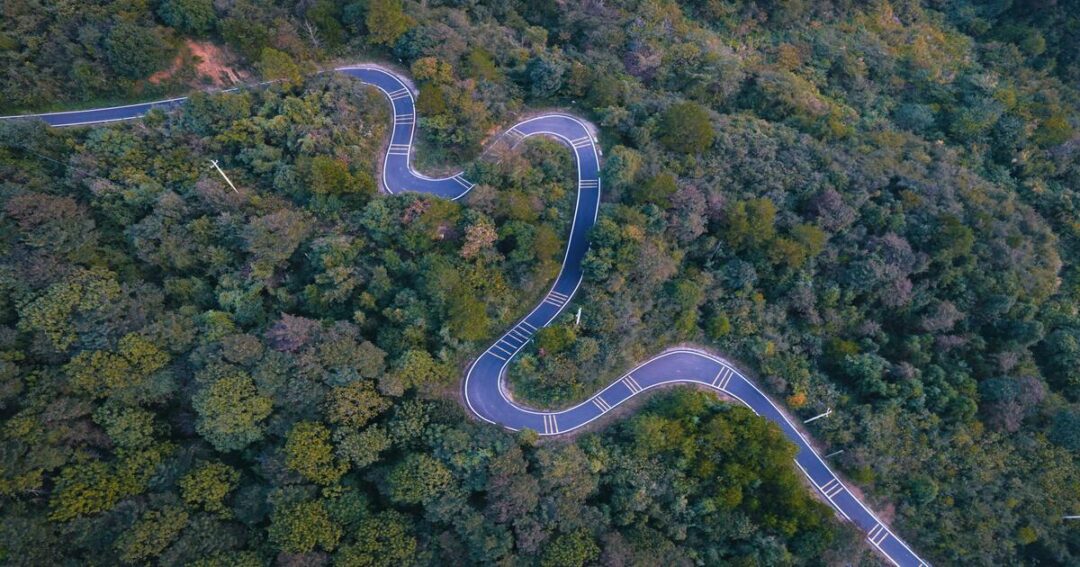
- By road: Mandu is well connected by road from Indore, Dhar and Ujjain. A self-drive or hired cab is the most comfortable option, and the drive through the Malwa countryside is scenic.
Travel Tips for Your Mandu Trip
- Plan at least two days to see the main monuments without rushing.
- Carry water, a hat and comfortable walking shoes.
- Hire a local guide to hear the stories behind the ruins.
- Visit Roopmati Pavilion at sunrise or sunset for the best views.
- Check opening hours and ticket details with local authorities before you go, as these can change.
- Book your stay in advance during winter weekends and festival periods.
Must Read: More Than Just Tigers: Places to Visit in Madhya Pradesh
Conclusion: Rediscover Mandu Madhya Pradesh
Mandu is more than a collection of ruins. It is a place where architecture, nature and legend come together in a way few Indian destinations can match. If you are looking for a peaceful, romantic and culturally rich getaway, Mandu Madhya Pradesh deserves a spot at the top of your travel list. Pack your camera, plan your route and step into the forgotten City of Love.
Planning your Mandu trip with Explurger app? Share this guide with your travel partner and start building your itinerary today.
FAQs About Mandu Madhya Pradesh
2. Why is Mandu called the City of Joy?
Mandu was known as Shadiabad, meaning the City of Joy, because the Malwa Sultans built it as a lavish pleasure capital filled with palaces, gardens and lakes.
3. What is the story of Roopmati and Baz Bahadur?
It is a legendary romance between Sultan Baz Bahadur and the singer Roopmati. He built a pavilion so she could see the Narmada river from Mandu, and their story is said to have ended in tragedy after the Mughal conquest.
4. What is Mandu most famous for?
Mandu is most famous for its Indo-Islamic architecture, especially Jahaz Mahal, Hindola Mahal, Hoshang Shah's Tomb and Jami Masjid, along with the Roopmati and Baz Bahadur legend.
5. How many days are enough for Mandu?
Two days are ideal. One full day covers the highlights, while a second day lets you explore at a relaxed pace and enjoy sunrise and sunset points.
6. What is the best time to visit Mandu Madhya Pradesh?
The monsoon season (July to September) offers lush scenery, while October to February offers the most comfortable weather for sightseeing.