
723 Total Views
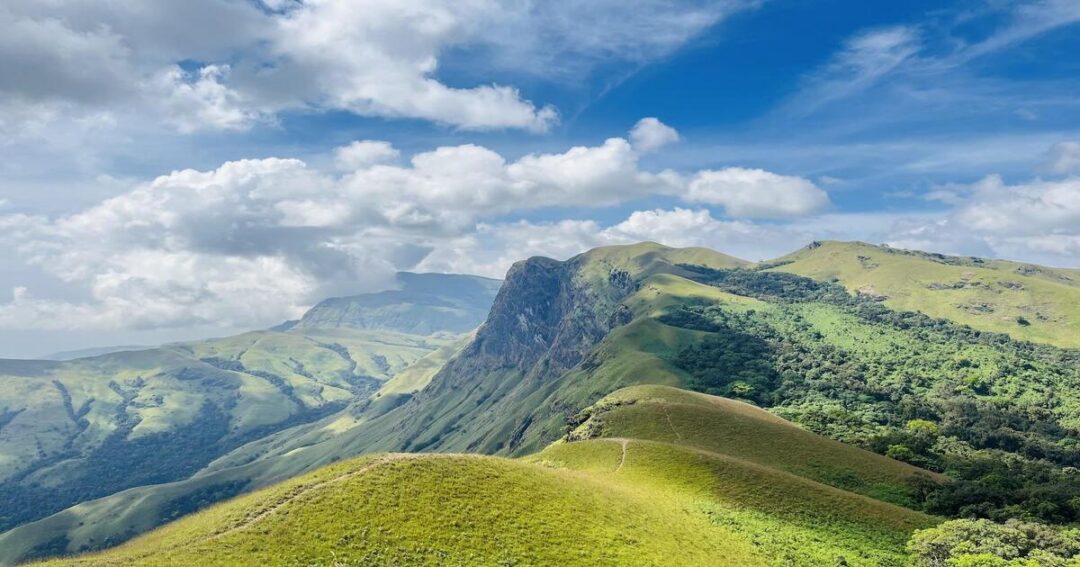
The Narasimha Parvatha trek climbs to the highest peak in Agumbe, deep in Karnataka’s Western Ghats—a route that can be done as a shorter round trip from Kigga or a longer overnight traverse from Mallandur, both requiring a forest department permit and a mandatory guide. Here’s what actually changes between the two routes, what the permit process involves, and an honest read on a seasonal opening window that different sources describe very differently.
Narasimha Parvatha Trek Distance: Mallandur’s Traverse vs. Kigga’s Round Trip
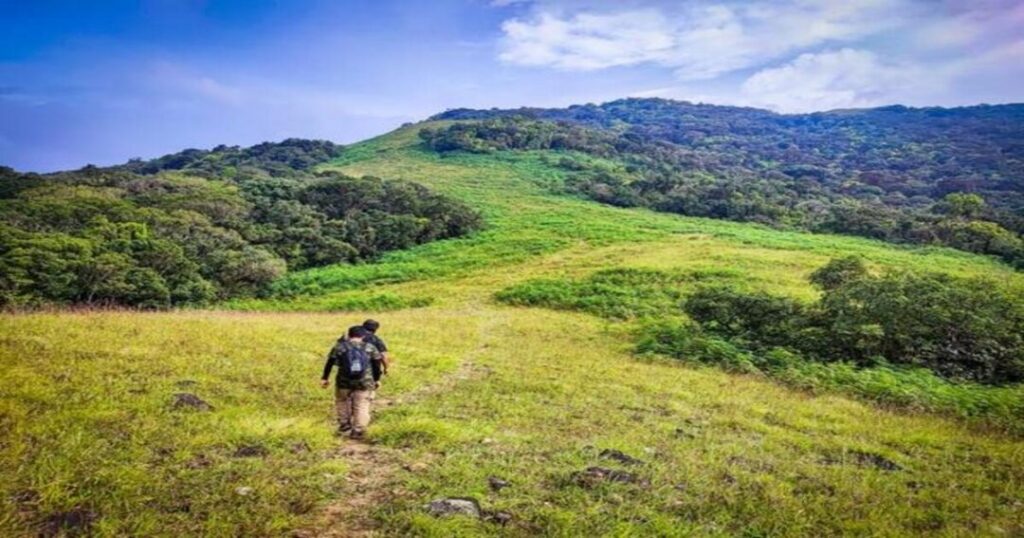
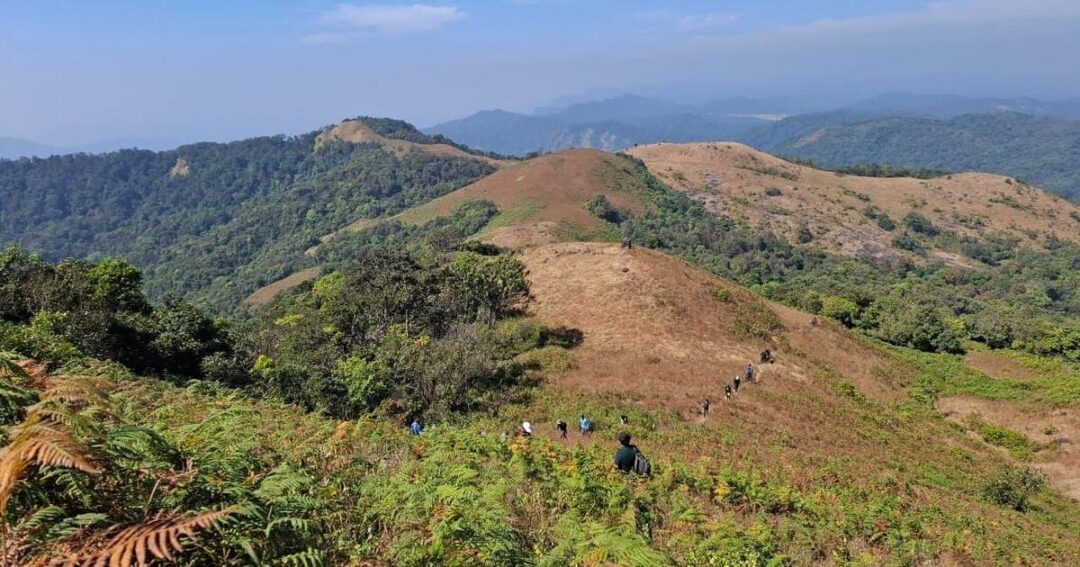
The Narasimha Parvatha trek distance depends entirely on which route you pick, and the two are genuinely different trips rather than variations on the same one. The Mallandur route starts about 6km from Agumbe and runs roughly 14-15km one-way to the peak via Barkana Falls, typically done as an overnight traverse ending in Kigga near Sringeri rather than a there-and-back trip. [STAT: The Mallandur-to-Kigga traverse covers approximately 14-15km one-way through Barkana Falls to the Narasimha Parvatha summit.] The Kigga route is shorter and simpler—about 8 km one-way from Kigga village directly to the peak and back, without needing to arrange transport at two separate endpoints. If you want the fuller experience with Barkana Falls included, Mallandur is the route; if you want a single-day round trip without logistics complications, Kigga is the more practical choice.
Narasimha Parvatha Trek Difficulty Level: What Changes Between the Two Routes
The Narasimha Parvatha trek difficulty level shifts noticeably depending on the route. From Mallandur, most guides rate it moderate to challenging—dense forest navigation, steep inclines, and a longer overall distance that genuinely tests endurance, which is part of why a local guide is mandatory rather than optional. From Kigga, the same peak is reached via an easier-to-moderate route, shorter and less technically demanding, making it the more realistic option for less experienced trekkers who still want to reach the summit. Either way, expect river crossings, thick forest sections, and terrain that’s genuinely hard to navigate without local knowledge—this isn’t a trail with clear, continuous signage.
Also read: Mullayanagiri Trek: Karnataka’s Highest Peak, Honestly Explained
Narasimha Parvatha Trek Agumbe: Getting to the Base and Barkana Falls
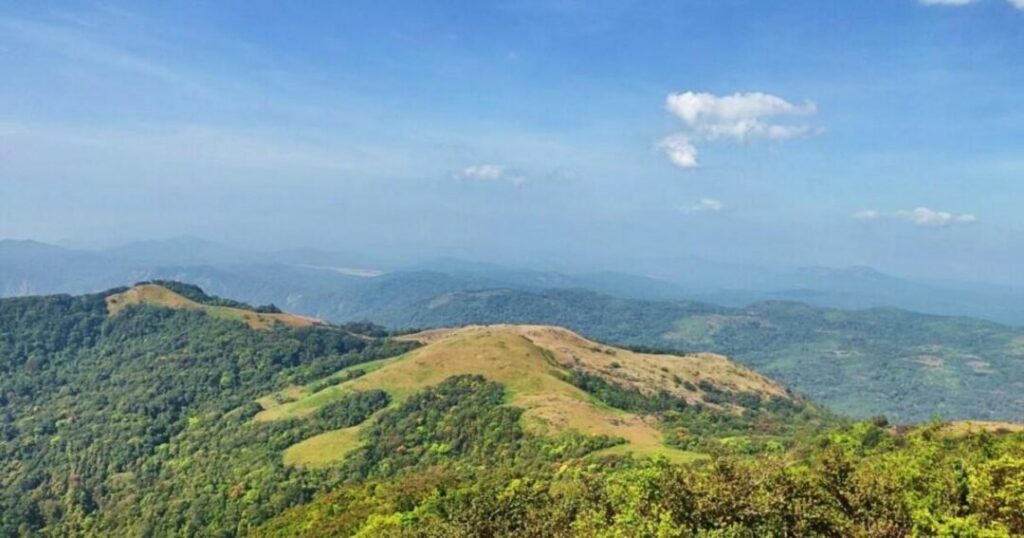
Agumbe itself is the practical starting point for the Narasimha Parvatha trek, well known on its own for heavy rainfall and dense rainforest, with direct bus connectivity from Bengaluru and other major Karnataka cities. From Agumbe, Mallandur sits about 6 km away (a roughly 1.5-hour walk, or a quick drive). Along the Mallandur route, Barkana Falls is one of the trek’s genuine highlights—formed by the Seetha River and generally cited at around 850 feet, among the taller waterfalls in India, though a few sources give considerably higher figures for its drop. [STAT: Barkana Falls, along the Mallandur route to Narasimha Parvatha, is generally documented at approximately 850 feet, ranking among India’s taller waterfalls.] It’s worth the detour, even setting the peak aside.
Narasimha Parvatha Trek Permission: Booking Through Aranya Vihara
Getting Narasimha Parvatha trek permission isn’t optional—the trek falls within Kudremukh National Park limits via the Someshwara Wildlife Sanctuary, and Karnataka’s Forest Department issues a strictly limited number of permits per day. All permits go through the Aranya Vihara online portal (aranyavihaara.karnataka.gov.in), available in English and Kannada. First-time users register with a mobile number and email, and bookings can generally be made anywhere from one day up to 15 days ahead—though given the daily cap on permits, booking at least a week in advance is the more realistic approach for a trek this specific. Permits must be booked in the trekker’s own name, require valid government ID at booking, and the same ID must be presented at the trailhead—permits are non-transferable, so showing up with someone else’s booking won’t work.
Also read: Ettina Bhuja Trek: The Complete Guide to Karnataka’s Ox-Shoulder Peak
Narasimha Parvatha Trek Guide: Why One Is Mandatory?
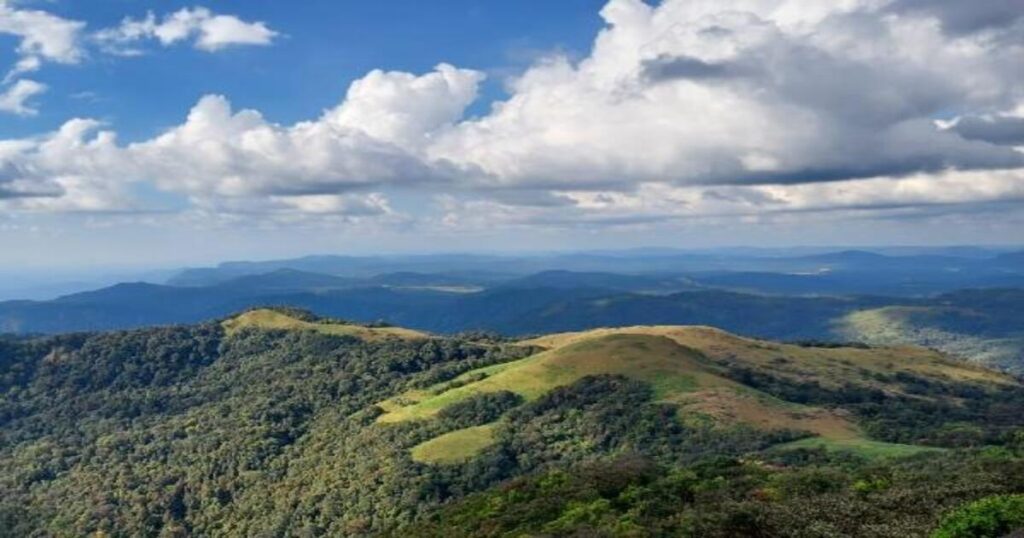
A Narasimha Parvatha trek guide isn’t a suggestion—the Forest Department requires one for this specific trek, and it’s easy to see why once you’re on the trail. Dense forest cover, unclear paths in several stretches, and the sheer distance involved (especially on the Mallandur route) make independent navigation genuinely risky, not just inconvenient. Most trek operators bundle a local guide into their packages, and the guide typically handles both the permit logistics and the on-trail navigation, which is one less thing to arrange separately if you’re booking through an organized trip rather than independently.
Narasimha Parvatha Trek Cost: What’s Included?
Budgets for the Narasimha Parvatha trek typically run around ₹4,600-4,800 per person through most operators, generally covering the forest entry fee, the mandatory guide charge, and sometimes camping arrangements if you’re doing the overnight Mallandur traverse. Costs vary by operator and by exactly what’s bundled in—some include transport from Bengaluru, others don’t—so it’s worth confirming precisely what a quoted price covers before booking rather than assuming it matches another operator’s inclusions.
Also read: Channarayana Durga Trek: The Complete Guide to Karnataka’s Hidden Fort Trek
Narasimha Parvatha Trek Opening Date: Season Guide
This is the one area where sources genuinely disagree, so it’s worth laying out plainly rather than picking a number with false confidence. Some sources describe the Narasimha Parvatha trek opening date window as June through January; others describe it as October through May. Cross-referencing what’s consistent across multiple sources suggests a more coherent pattern: the trek is closed during the monsoon (roughly June-September) due to slippery trails, swollen rivers, and leech activity, and separately restricted or closed during peak summer (February-May) due to forest fire risk. [STAT: Cross-referenced seasonal patterns suggest Narasimha Parvatha is closed during monsoon (June-September) for landslide and leech risk and restricted during peak summer (February-May) for wildfire prevention.] That leaves October through February as the more reliably open window, with October to December generally cited as the best combination of trail conditions and weather. Given how much the specific dates vary source to source—and that forest departments adjust these windows year to year based on conditions—treat this as a starting estimate and confirm current opening status directly through the Aranya Vihara portal or forest office before finalizing any booking.
Conclusion: Narasimha Parvatha Trek
Between two genuinely different routes, a mandatory permit process, and a seasonal window that depends on who you ask, the Narasimha Parvatha trek rewards a bit of upfront planning more than most Western Ghats treks. Save your route choice to your Explurger Bucket List, and let your Automatic Travelogue keep the whole Agumbe trip mapped once you’re there. Let the Explurger app help you plan the right route and season for this one.
FAQs About Narasimha Parvatha Trek
2. Is a permit required for the Narasimha Parvatha trek?
Yes—it falls within Kudremukh National Park limits, and permits must be booked through Karnataka's Aranya Vihara online portal, generally at least a week in advance given the daily permit cap.
3. When is the Narasimha Parvatha trek open?
Sources conflict, but cross-referencing suggests October-February is the more reliable window, with the trek typically closed June-September (monsoon) and restricted February-May (wildfire risk). Confirm current dates directly with the forest department before booking.
4. Is a guide mandatory for this trek?
Yes—the Forest Department requires a local guide given the dense forest, unclear trail sections, and distance involved, particularly on the Mallandur route.
5. How much does the Narasimha Parvatha trek cost?
Most operators charge around ₹4,600-4,800 per person, generally covering entry fees, the guide charge, and sometimes camping, though exact inclusions vary by operator.
6. Which route is easier, Mallandur or Kigga?
Kigga's roughly 8km round trip is rated easy-to-moderate and more manageable for less experienced trekkers, while the Mallandur traverse is longer, moderate-to-challenging, and typically done as an overnight trip.
7. What is Barkana Falls?
A waterfall formed by the Seetha River along the Mallandur route, generally documented at around 850 feet—among India's taller waterfalls, though some sources cite higher figures.
8. Can I do this trek without booking through an operator?
Technically yes, if you handle the Aranya Vihara permit and arrange a guide independently, but most trekkers find booking through an organized operator simpler since guide arrangements and permit logistics come bundled together.