

3,956 Total Views
Landing in Bangkok with no plan for where to eat usually means one of two things: you end up at the same air-conditioned restaurant every night, or you wander into a stall that isn’t worth your first meal in Thailand. Street food in Bangkok deserves better than a guess — it’s some of the best eating in the world, sold from carts and folding tables for a fraction of restaurant prices. This guide gives you the dishes, the markets, the prices, and the safety basics so you can eat like you’ve done this before.
Street Food in Bangkok: 15 Must-Try Dishes
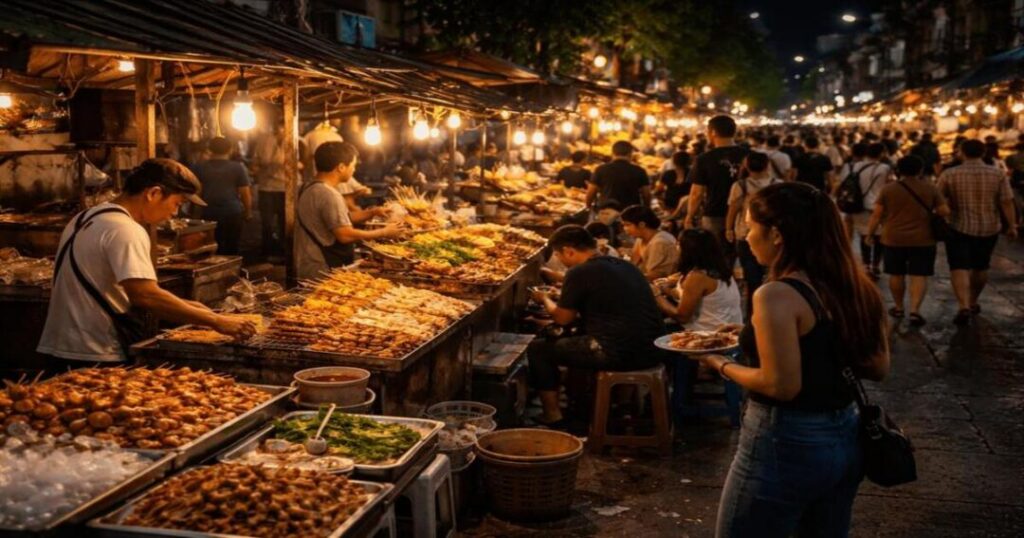
Bangkok’s stalls specialize, so most vendors do one dish exceptionally well rather than offering a full menu. Here’s what to look for.
Rice & Noodle Dishes
- Pad Thai — Thailand’s signature stir-fried noodle dish, tossed with egg, tamarind, dried shrimp, and peanuts; some of the best versions come wrapped in a thin egg omelet.
- Pad Kra Pao — Minced pork or chicken stir-fried with hot chilies and holy basil, served over rice with a fried egg on top; genuinely spicy, so order it “phet nit noi” (a little spicy) if you’re unsure.
- Khao Man Gai — Poached chicken over rice cooked in chicken fat and garlic, served with a sharp ginger-chili dipping sauce; simple, comforting, and easy on first-timers.
- Khao Kha Moo — Slow-braised pork leg over rice with a sweet-savory five-spice sauce, often topped with pickled greens and a boiled egg.
- Boat Noodles (Kuay Teow Reua) — Small, intensely flavored bowls of noodle soup, traditionally sold from boats along canals; order several rounds since each bowl is tiny.
Grilled & Skewered
- Moo Ping — Charcoal-grilled pork skewers marinated in a sweet, garlicky sauce; a common breakfast item eaten straight off the stick.
- Grilled Squid — Whole squid grilled over charcoal and served with a tangy seafood dipping sauce, especially popular at night markets near sunset.
- Sai Krok Isan — Fermented, slightly sour Isaan-style pork sausage, grilled and served with raw cabbage, ginger, and chilies.
- Satay — Skewered, marinated grilled meat served with peanut sauce and a cucumber relish; a familiar entry point if you’re new to Thai flavors.
- Kai Yang — Isaan-style grilled chicken, marinated and charred over open flame, often paired with sticky rice and som tam.
Specialty Dishes & Sweets
- Kway Chap — A peppery, dark broth soup with rolled rice noodle sheets and a choice of pork offal, egg, and tofu toppings.
- Mango Sticky Rice — Sweet coconut sticky rice served with ripe mango slices and crispy mung beans on top; arguably Thailand’s most famous dessert.
- Roti — A crispy, pan-fried flatbread folded around banana, egg, or condensed milk, cooked fresh on a griddle in front of you.
- Khanom Krok (Coconut Pancakes) — Bite-sized coconut and rice flour pancakes cooked in a special cast-iron pan, crispy outside and custardy inside.
- Thai Iced Tea — Strong black tea sweetened with condensed milk, served over ice; the essential drink to cool down between stalls.
Best Street Food Markets and Night Markets in Bangkok
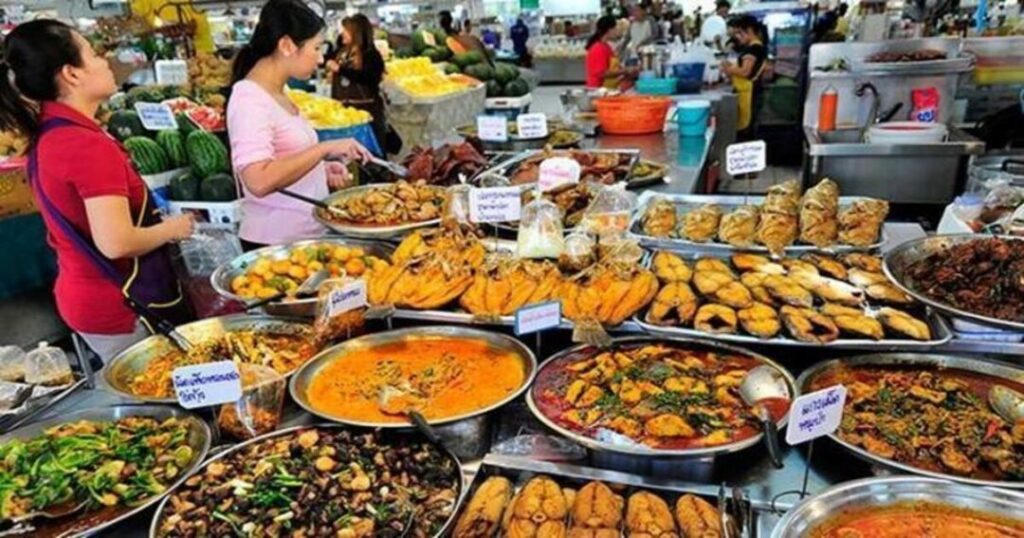
Knowing the dish is only half the job — knowing where to find the best version matters just as much.
Yaowarat (Chinatown)
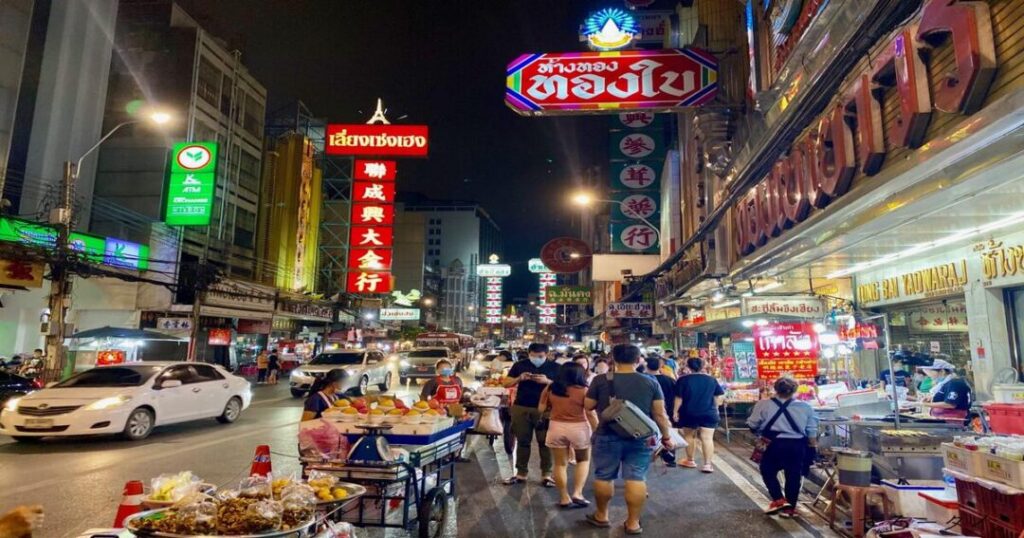
Bangkok’s most famous food street, especially lively Thursday through Sunday between 6 and 10:30 pm. Known for grilled seafood, oyster omelets, fish maw soup, and Chinese-Thai desserts like sticky rice balls.
Khao San Road & Soi Rambuttri
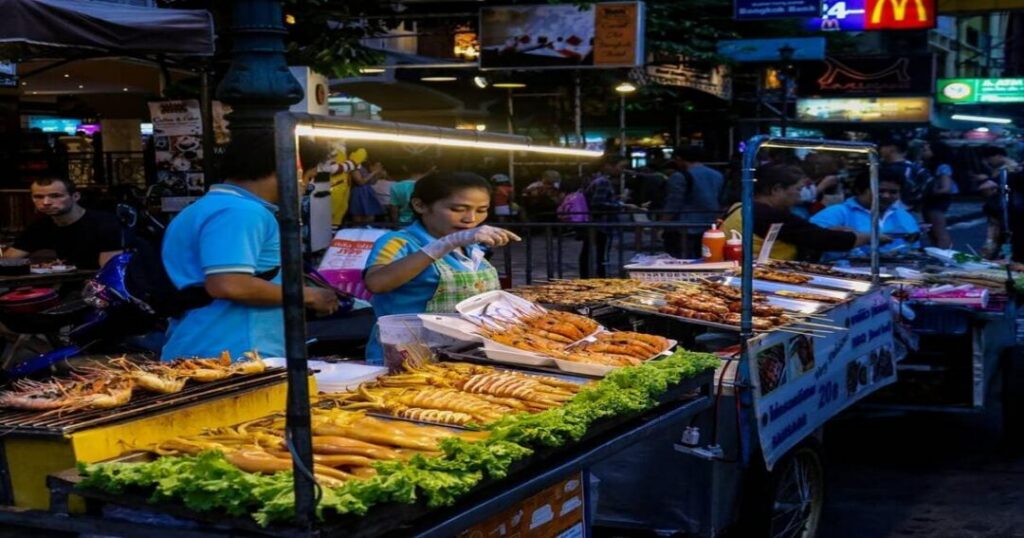
The most tourist-friendly strip, open nightly from around 6 pm into the late hours. Reliable for pad Thai, grilled skewers, and banana roti if you want familiar flavors without much searching.
Jodd Fairs (Rama 9)
A newer, trendier night market open daily from about 4 to 11 pm, known for mala skewers, oversized pork ribs, and Thai tea soft-serve alongside classic stalls.
Also Read: Festivals in Bangkok: 8 Celebrations You Shouldn’t Miss
Talad Rot Fai Srinakarin (Train Night Market)
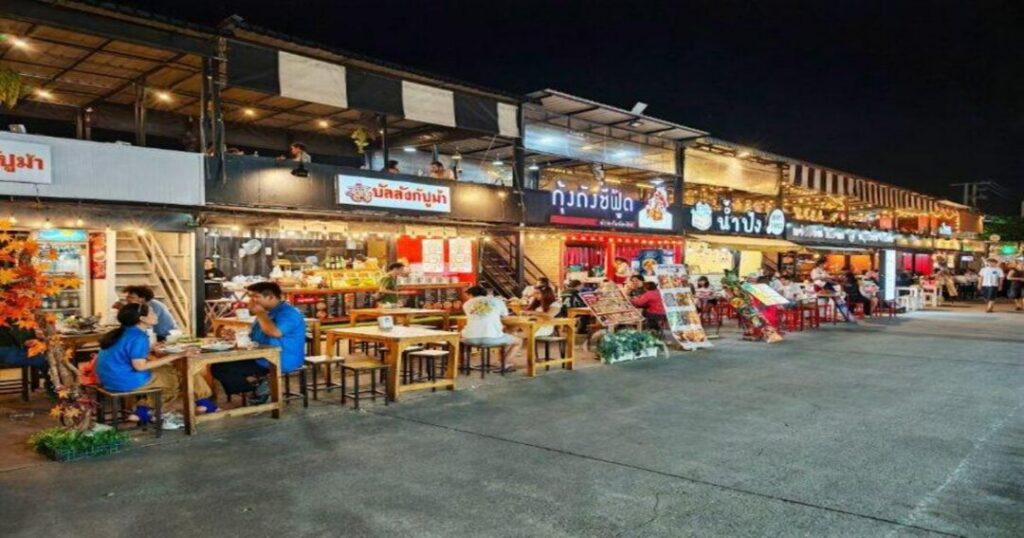
Open Thursday to Sunday from around 5 pm to midnight, with a retro, vintage atmosphere and strong Isaan food representation — go here for som tam and kai yang.
Chatuchak & Or Tor Kor Market
Chatuchak Weekend Market (Saturday and Sunday only) mixes shopping with food stalls throughout, while the nearby Or Tor Kor Market runs daily and is known for higher-end, gourmet-quality fresh produce and prepared food.
Also Read: Things to Do in Bangkok Thailand: 20 Must-See Spots, Hidden Gems & Local Experiences
How Much Does Bangkok Street Food Cost?
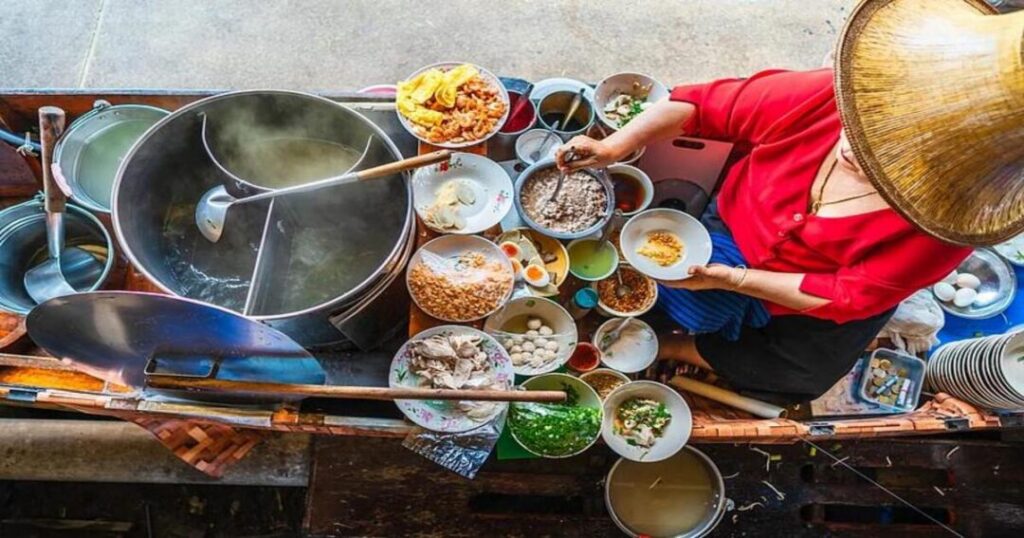
One of the best parts of planning your Bangkok street food guide is the price — even a generous food crawl rarely dents your budget.
- Stir-fries over rice (pad kra pao, pad see ew): 40–70 baht
- Pad Thai: 50–80 baht
- Khao man gai or khao kha moo: 45–70 baht
- Boat noodles: 20–30 baht per small bowl
- Moo ping (grilled pork skewers): 10–15 baht per stick
- Som tam (papaya salad): 40–70 baht
- Mango sticky rice: 60–100 baht at neighborhood stalls, 100–150 baht in tourist zones
- Thai iced tea: 25–40 baht
[STAT: Prices along Khao San Road itself typically run 10–20 baht higher than at neighborhood markets a few streets away — source: local street food price surveys]
Also Read: Pattaya Street Food: The Real Pattaya Thai Street Food Guide
Street Food Safety Tips for Bangkok
A few habits go a long way toward keeping your trip from being derailed by an upset stomach.
- Follow the queues. A long line of local office workers, taxi drivers, or students at a stall is the single best sign of high turnover and fresh ingredients.
- Check the oil and workflow. Frying oil should look light gold, not dark and tired, and raw meat shouldn’t be cut on the same board as ready-to-eat food.
- Drink sealed water only. Bottled water is cheap (10–20 baht) and widely available; for ice, stick to vendors using tongs or scoops rather than bare hands.
- Ease into the spice. Say “phet nit noi” (a little spicy) if you’re not used to Thai chilies, and carry oral rehydration salts from any pharmacy just in case.
- Eat at peak hours. Breakfast stalls, the 11:30 am–1:30 pm lunch rush, and after-dark night markets are when turnover — and freshness — is highest.
[QUOTE: “The busiest stall on the block is almost always the safest one — Thai vendors know exactly which of their neighbors people trust.” — suggested source: a Bangkok-based food tour guide]
Traveller’s Experience: Eating Like a Local in Bangkok
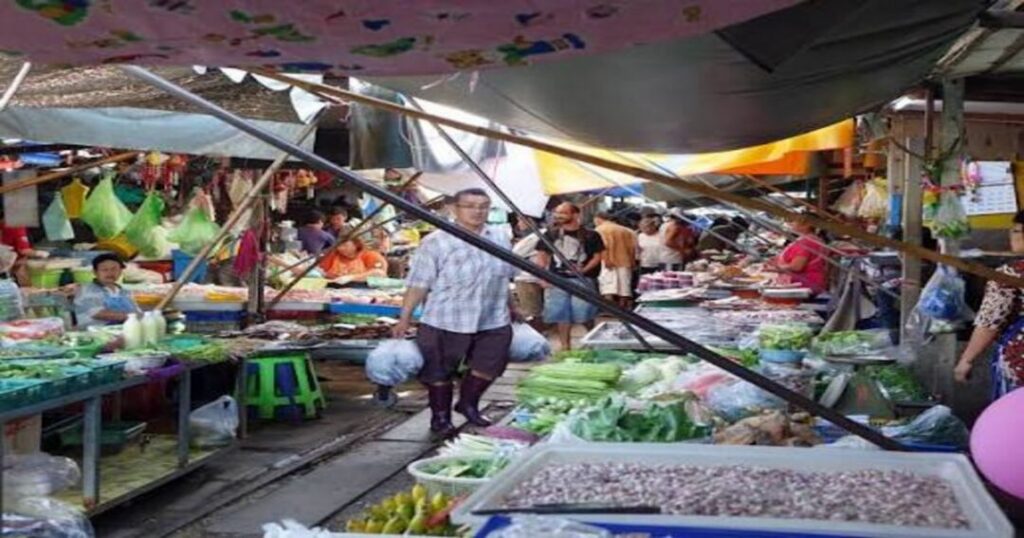
The best Bangkok street food nights rarely follow a plan. A plate of khao man gai from a stall with no English menu, a bowl of boat noodles standing at a shared metal counter, then mango sticky rice bought from a woman running a single cart near the BTS station — that’s a more honest picture of street food in Bangkok than any single “best of” list can capture. Go with an appetite and a willingness to point at whatever smells best.
Also Read: Places to Visit in Bangkok: The Complete Guide Beyond the Grand Palace
Conclusion: Planning Your Bangkok Street Food Trip
Street food in Bangkok is one of the most rewarding, affordable ways to experience the city, as long as you know roughly what to order and where to stand in line. Keep these takeaways in mind:
- Visit between November and February for the most comfortable walking-and-eating weather.
- Start with approachable dishes like khao man gai and pad Thai before working up to boat noodles or pad kra pao.
- Head to Yaowarat or Khao San Road for your first night, then branch out to Jodd Fairs or Talad Rot Fai.
- Follow the queues, stick to bottled water, and carry ORS just in case.
Plan your perfect trip with Explurger — download the app now.
Once Bangkok’s stalls are checked off, Thailand’s other night markets are just a short flight away.
FAQs About Street Food in Bangkok
2. What is the most famous street food in Bangkok?
Pad Thai is the single most internationally recognized dish, but locals are just as likely to point you toward khao man gai, pad kra pao, or boat noodles. Yaowarat in Chinatown is considered the most famous overall street food destination, drawing both tourists and Bangkok residents for its seafood and Chinese-Thai specialties.
3. How much does street food cost in Bangkok?
Most individual dishes cost between 40 and 80 baht, with grilled skewers running as low as 10 to 15 baht each. A generous meal covering a main dish, a drink, and a dessert like mango sticky rice typically totals under 200 baht, making Bangkok street food one of the cheapest ways to eat well anywhere in Southeast Asia.
4. Where is the best street food in Bangkok?
Yaowarat in Chinatown is widely considered the best overall area, especially Thursday through Sunday evenings when the street fully comes alive. Khao San Road is the easiest starting point for first-timers, while Talad Rot Fai and Jodd Fairs offer a more local, less touristy experience once you're comfortable navigating stalls.
5. Can vegetarians find street food in Bangkok?
Yes, though it takes a bit more searching since many dishes use fish sauce or shrimp paste by default. Look for stalls offering “jay” (vegan) versions, common near Chinatown and at larger night markets, and don't hesitate to ask vendors to leave out fish sauce, as many are used to the request from tourists.
6. What is the best time of day to eat Bangkok street food?
Breakfast stalls are busiest early morning with dishes like moo ping and rice porridge, while the 11:30 am to 1:30 pm lunch window sees the highest turnover for stir-fries and noodle soups. Night markets like Yaowarat and Talad Rot Fai only fully open after sunset, typically from 5 or 6 pm onward.