

1,642 Total Views
Walking along Har Ki Pauri with the Ganga rushing past, it’s easy to assume a pilgrimage town won’t have much of a food scene. That assumption doesn’t survive the first plate of kachori-sabzi. Street food in Haridwar is one of North India’s most underrated food trails — entirely vegetarian, deeply tied to the city’s identity as a holy site, and built around dishes locals have been perfecting for generations. Here are eight things worth seeking out, plus where to actually find them.
Street Food in Haridwar Is Entirely Vegetarian — Here’s Why
Before diving into dishes, it helps to understand the ground rules, since they shape everything on this list.
- Haridwar is one of Hinduism’s seven holiest cities, and its status as a pilgrimage site means meat and alcohol are officially restricted within city limits.
- In 2024, the Haridwar Municipal Corporation ordered all butcher shops removed from the municipal area, with enforcement beginning in April 2025 — roughly 100 shops were affected, with licensed ones relocated outside the city and unlicensed ones shut down.
- Everywhere beyond Jwalapur and Jagjeetpur is treated as a strict “dry zone,” where meat and alcohol sales aren’t permitted at all.
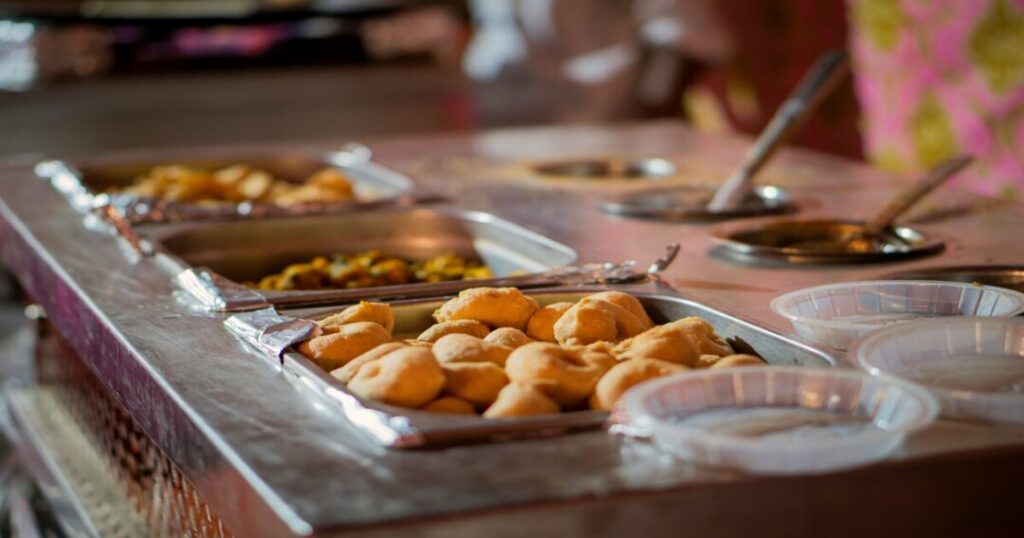
- The upshot for visitors: every stall, dhaba, and sweet shop in the main pilgrimage area serves purely vegetarian food, often prepared without onion or garlic near temple areas — which is part of why the vegetarian dishes here are so refined.
- [STAT: Roughly 100 butcher shops fell under Haridwar’s 2024 municipal order to remove non-vegetarian trade from the city’s core]
Start Your Day with Kachori-Sabzi and Aloo Puri
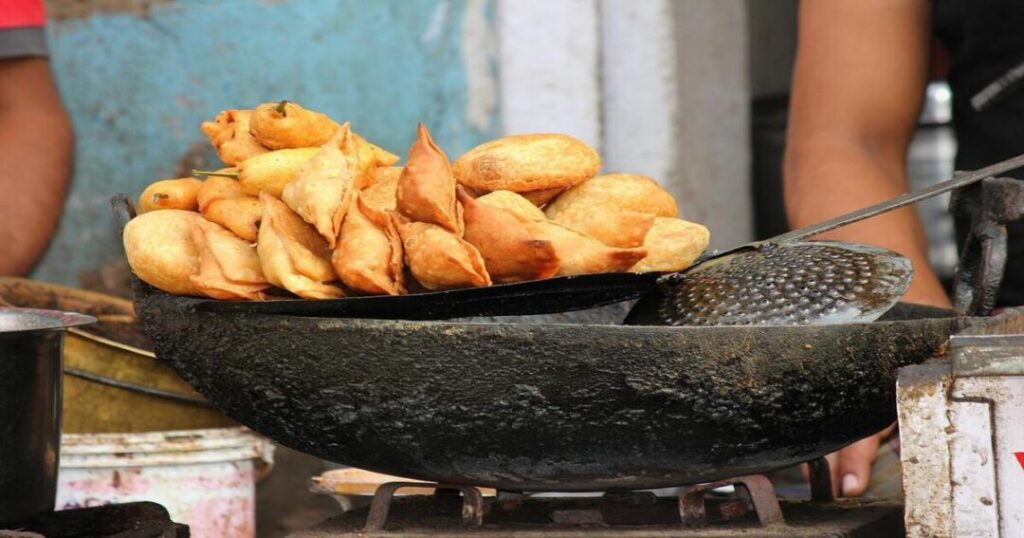
Breakfast in Haridwar means one thing above all: kachori-sabzi.
- Khasta kachori — a crisp, flaky fried bread — comes paired with a choice of sides: aloo jhol (a thin, spiced potato curry), dhaba-style chana masala, sitaphal sabzi, or a drier sukhi aloo preparation.
- Aloo puri, a softer fried bread with a milder potato curry, is the equally popular alternative for anyone wanting something less spicy first thing in the morning.
- Both come loaded with khajur-imli chutney (date and tamarind) and hara chutney (green chutney), plus a side of meetha dahi (sweetened yogurt) to balance the heat.
Also Read: Indore Street Food: The Complete Guide to India’s Street Food Capital
Cool Off with Haridwar’s Famous Lassi
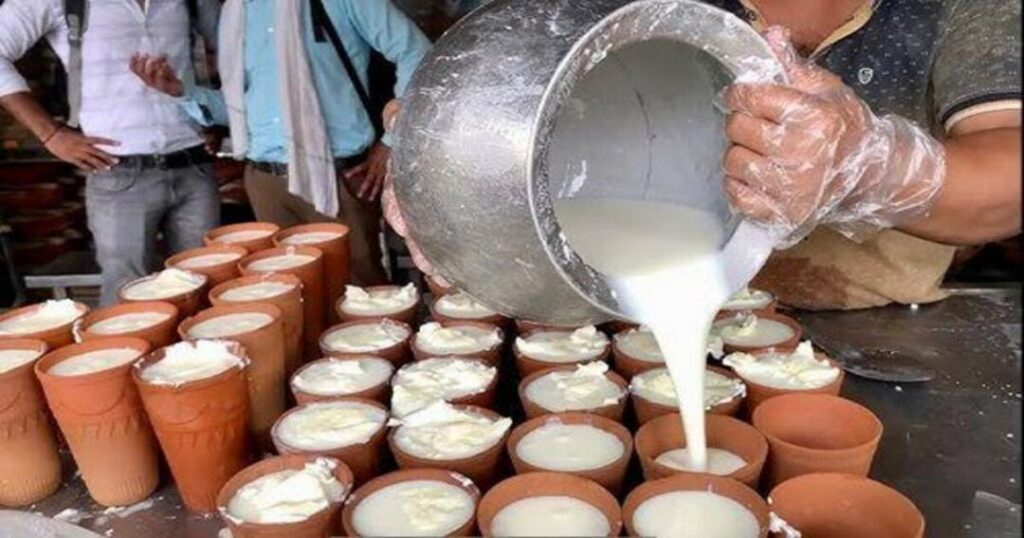
After a hot walk along the ghats, lassi is the local answer to cooling down.
- Haridwar’s version leans thick and creamy, traditionally served in clay kulhads that keep it cool and add a faint earthy flavor.
- Prakash Lassi Bhandar is one of the names travellers consistently point to for this — a long-running specialist rather than a general food stall.
- It’s sweet by default, though some vendors will offer a saltier or plain version on request for anyone who prefers it less sugary.
Chase the Chaat: Panipuri, Papdi and Dahi Chaat
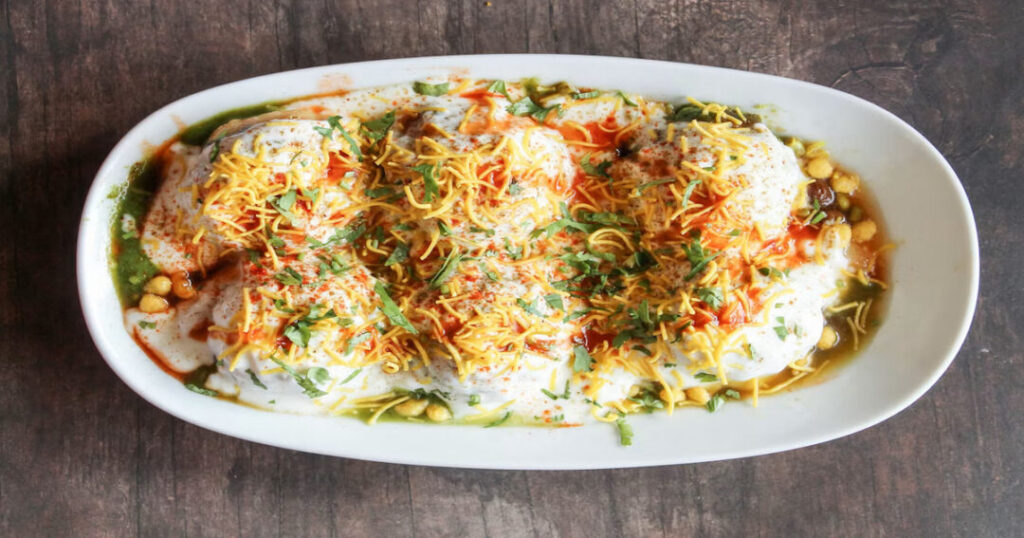
No North Indian food trail is complete without chaat, and Haridwar’s ghat-side vendors do it well.
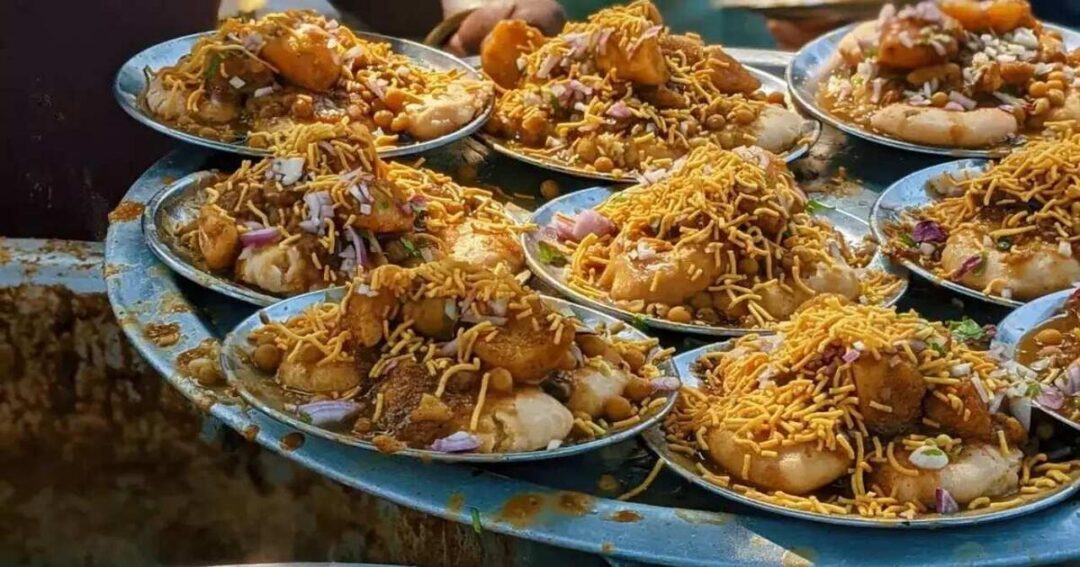
- Papdi bada dahi chaat — crisp wafers and lentil dumplings drowned in yogurt, chutneys, and spices — is the standout, and it’s genuinely hard to stop at one plate.
- Panipuri (golgappa) stalls cluster around Har Ki Pauri Ghat, often alongside simpler snacks like roasted peanuts, popcorn, and hot tea for anyone just passing through.
- Chotu ki pakode — small, addictive fried fritters — round out the savory snacking options if you want something other than chaat.
Save Room for Jalebi-Rabri and Peda
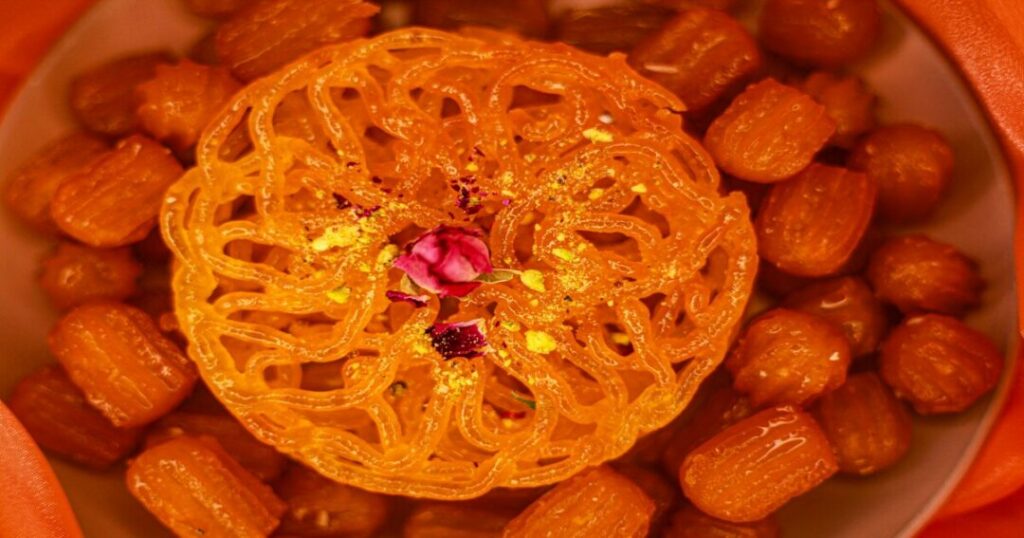
Haridwar’s sweet shops are as central to the food scene as its savory stalls, particularly along Subhash Ghat Lane.
- Jalebi-rabri — crisp, syrup-soaked jalebi paired with thickened, slow-cooked milk — is the classic pairing, usually served warm.
- Peda and laddoo round out the sweet counter, often bought in bulk by pilgrims to carry home as prasad (religious offerings) after visiting the ghats or temples.
- Thickened milk served in small kullars (clay cups) is another common dessert, similar in spirit to rabri but simpler.
Where to Eat: Haridwar’s Best Food Streets and Markets
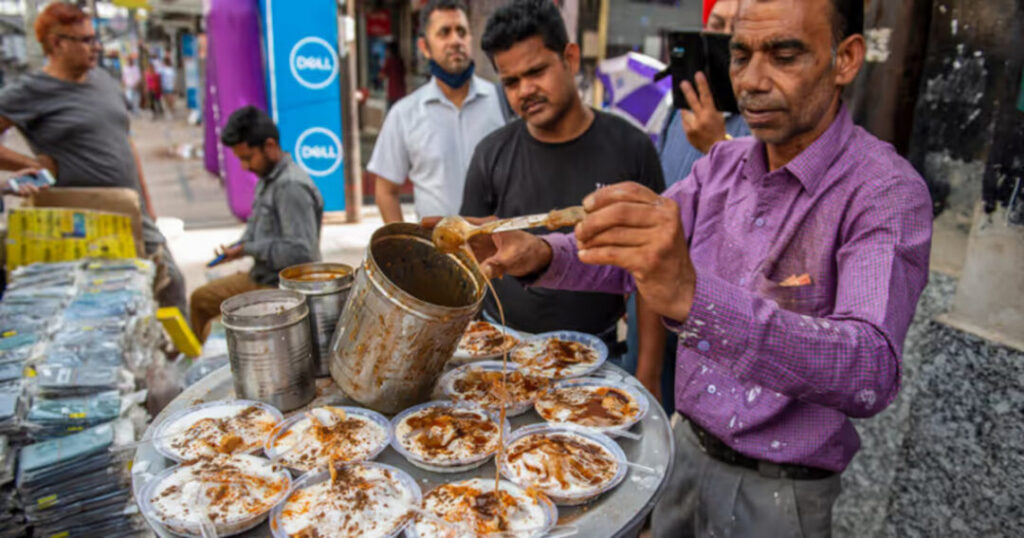
- Upper Road — a cluster of stalls serving kachori-sabzi, jalebi, and aloo tikki, good for an all-in-one snacking crawl.
- Har Ki Pauri Ghat — the obvious hub for panipuri, chaat, roasted peanuts, and tea, especially in the evening around the Ganga Aarti.
- Bara Bazaar — better known for religious items and sweets to carry home than sit-down eating, but worth a walk for the sweet shops alone.
- A Rajasthani food lane near the main market — for travellers wanting a change of pace, look for dal baati, gatte ki sabzi, mathri, and chikki alongside the more typical Haridwar snacks.
[QUOTE: “You can eat your way through Haridwar in an afternoon and still not run out of things to try.” — North India food blogger, on the Upper Road food crawl]
Also Read: Middle Eastern Street Food: Must-Try Dishes & Flavors
Practical Tips for Eating Street Food in Haridwar
- Go early for breakfast items like kachori-sabzi and aloo puri — the best stalls tend to sell out or wind down by mid-morning.
- Evenings around the Ganga Aarti at Har Ki Pauri are the busiest and best time for chaat and snacks, when the ghat area comes alive.
- Since the entire city is vegetarian by rule, there’s no need to specify — every stall you’ll encounter in the main pilgrimage area serves veg-only food.
- Carry small cash — most street stalls don’t accept cards, and having exact change speeds things up during the evening rush.
Also Read: Famous Street Food in Vrindavan: Kachori, Chaat & Winter Desserts
Conclusion: Street Food in Haridwar
From kachori-sabzi at sunrise to jalebi-rabri after the evening aarti, street food in Haridwar turns out to be one of the city’s best-kept secrets — a genuinely rich vegetarian food scene shaped by centuries of pilgrimage tradition.
Quick takeaways:
- Every stall in Haridwar’s core is vegetarian by rule, reinforced by a 2024 municipal order removing butcher shops from the city.
- Start with kachori-sabzi or aloo puri for breakfast, then chase chaat and lassi through the day.
- Upper Road and Har Ki Pauri Ghat are the two areas to prioritize if you only have one day.
Plan your perfect trip with Explurger — download the app now.
Save this guide before your next Haridwar trip, and build in time for at least one proper food crawl along the ghats.
FAQs About Street Food in Haridwar
2. Is all food in Haridwar vegetarian?
Yes, food in Haridwar's main city area is entirely vegetarian, reflecting its status as one of Hinduism's holiest pilgrimage cities. A 2024 municipal order went further, mandating the removal of all butcher shops from the city's municipal limits, with enforcement beginning in 2025, making the area beyond Jwalapur and Jagjeetpur a strict vegetarian and alcohol-free zone.
3. Where can I find the best street food in Haridwar?
Upper Road is a popular cluster of stalls for kachori-sabzi, jalebi, and aloo tikki, while Har Ki Pauri Ghat is the best spot for chaat, panipuri, and evening snacks around the Ganga Aarti. Subhash Ghat Lane is known for its sweet shops, particularly jalebi-rabri and peda, rounding out a full day of eating.
4. What sweets is Haridwar known for?
Haridwar is known for jalebi-rabri, peda, and laddoo, many of which pilgrims buy in bulk as prasad to carry home after visiting the ghats and temples. Thickened milk served in small clay kullars is another common dessert, often found alongside the more elaborate rabri preparations at sweet shops along Subhash Ghat Lane.
5. Can I get non-vegetarian food in Haridwar?
Non-vegetarian food is not available within Haridwar's main pilgrimage and municipal area, which functions as a strict vegetarian and alcohol-free zone. A 2024 municipal order specifically targeted the removal of butcher shops from the city, so travellers looking for meat would need to look well outside the core city limits, and even then, availability is limited.
6. What is the best time of day to try Haridwar's street food?
Early morning is best for breakfast items like kachori-sabzi and aloo puri, since the most popular stalls often sell out by mid-morning. Evenings, especially around the Ganga Aarti at Har Ki Pauri, are the liveliest time for chaat, panipuri, and snacks, when the ghat area fills with both pilgrims and street food vendors.