
523 Total Views
Denmark festivals cover far more ground than Roskilde: pagan bonfires, a kite gathering that fills the sky over a North Sea beach, a Scandinavian answer to Burning Man, and genre-specific music festivals for jazz, metal, and everything between. Here are the nine that matter, what each one actually is, and roughly when in the year to plan around.
Denmark Festivals: The 9 Best Traditional & Music Festivals
1. Denmark Traditional Festivals: Sankt Hans Aften’s Midsummer Bonfires
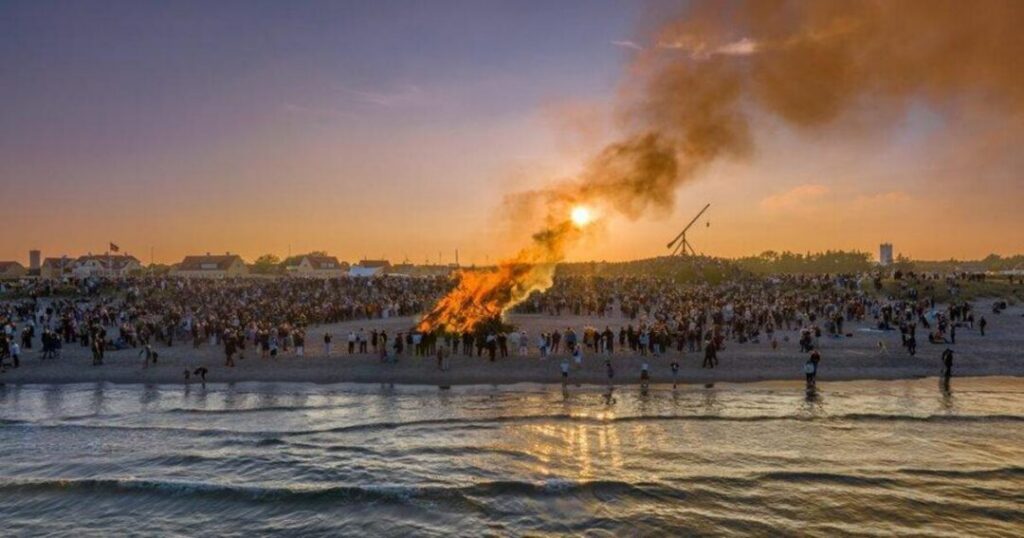
Sankt Hans Aften, held nationwide on the evening of June 23, traces back to pre-Christian midsummer solstice rites later folded into the Christian feast of John the Baptist. Communities gather around beach and park bonfires, often topped with a straw witch figure (a 1920s addition recalling historical witch trials), and sing “Vi Elsker Vort Land,” a Danish midsummer song written in 1885.
2. Kite Festival Denmark: Fanø’s 25,000-Kite Gathering
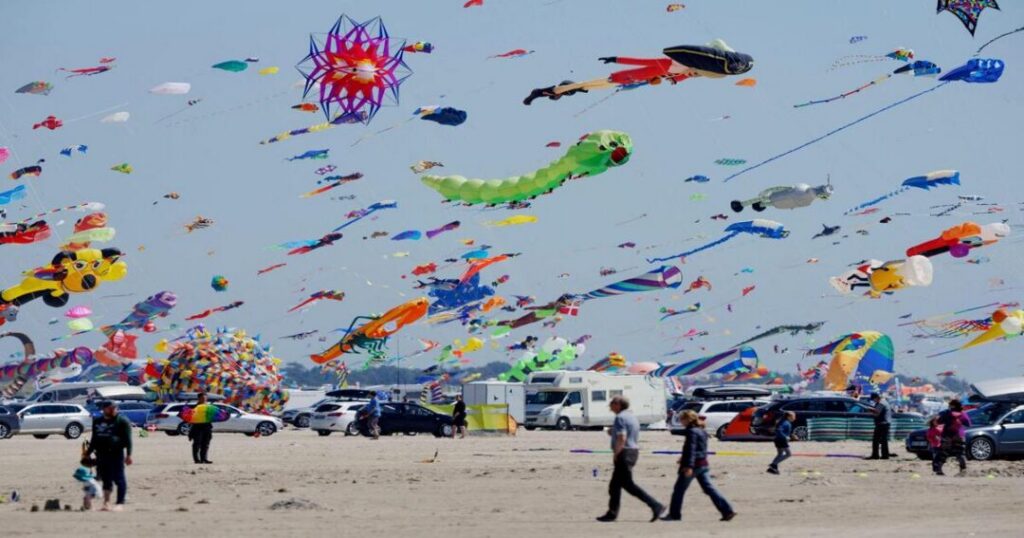
The Fanø International Kite Fliers Meeting, held each June on Rindby Beach, is billed as the world’s largest kite meeting—around 5,000 flyers from 26 countries filling the sky with roughly 25,000 kites. It began in 1985 when a Hamburg kite enthusiast returned with friends after a first visit. Blokhus Wind Festival, running since 1999 over the Pentecost weekend, is a smaller alternative on Denmark’s north coast.
Also read: European Music Festivals: 8 Best Events to Experience in 2026
3. Beer Festival Denmark: Copenhagen’s Ølfestival
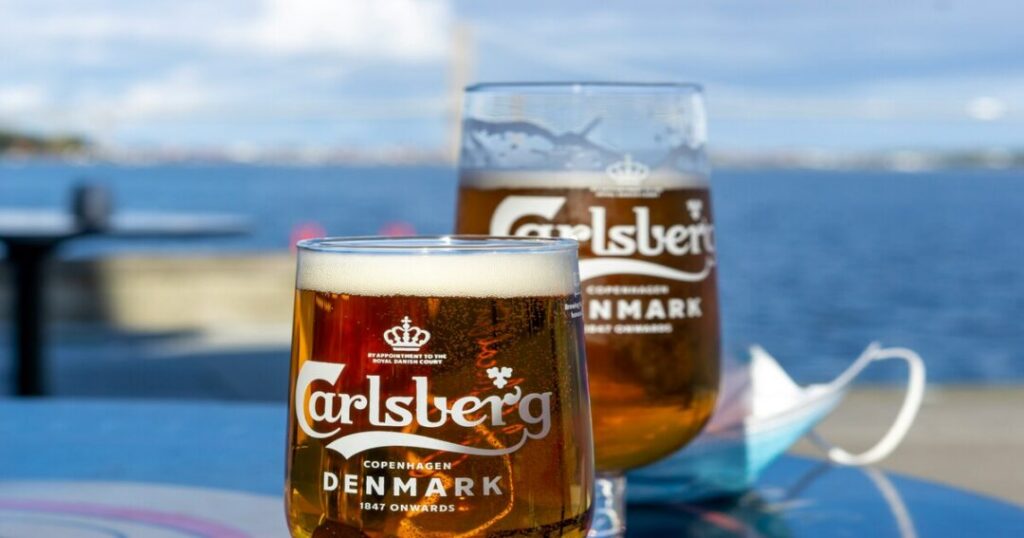
Organized by the Danish Beer Enthusiasts (Danske Ølentusiaster) since 2001, Ølfestival is held at Lokomotivværkstedet, a converted steam-engine repair hall that holds over 3,500 people. More than 1,000 beers from 70-plus local and international producers are poured across the weekend, alongside live music.
4. Burning Man Denmark: The Borderland
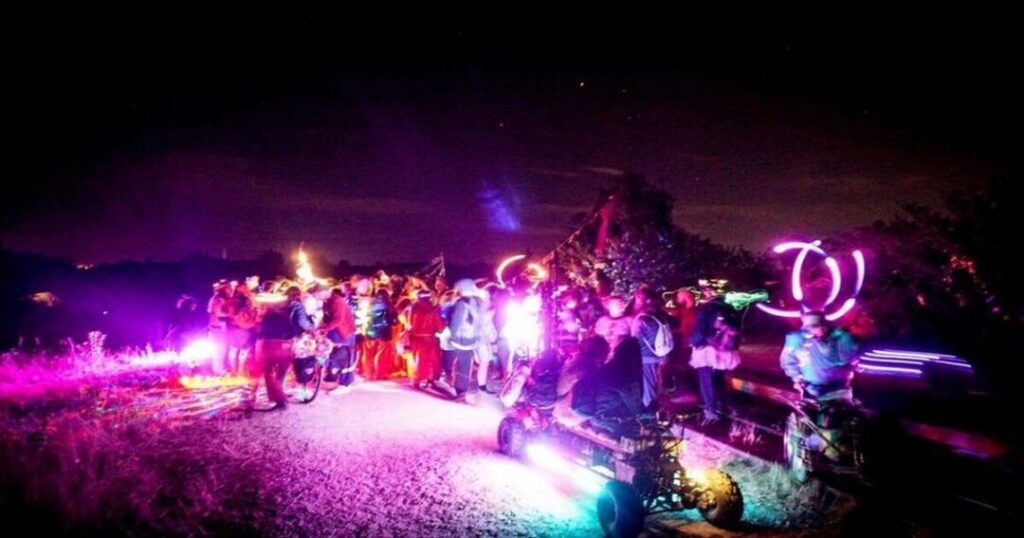
The Borderland applies Burning Man’s principles to a Scandinavian setting — participants (“co-creators”) build theme camps, art installations, and performances rather than attend as spectators. It began in Sweden in 2011 and has run in Denmark since 2015, typically in June, though the exact site can shift year to year.
5. Denmark Festival Roskilde: The Nordic Region’s Biggest Music Festival
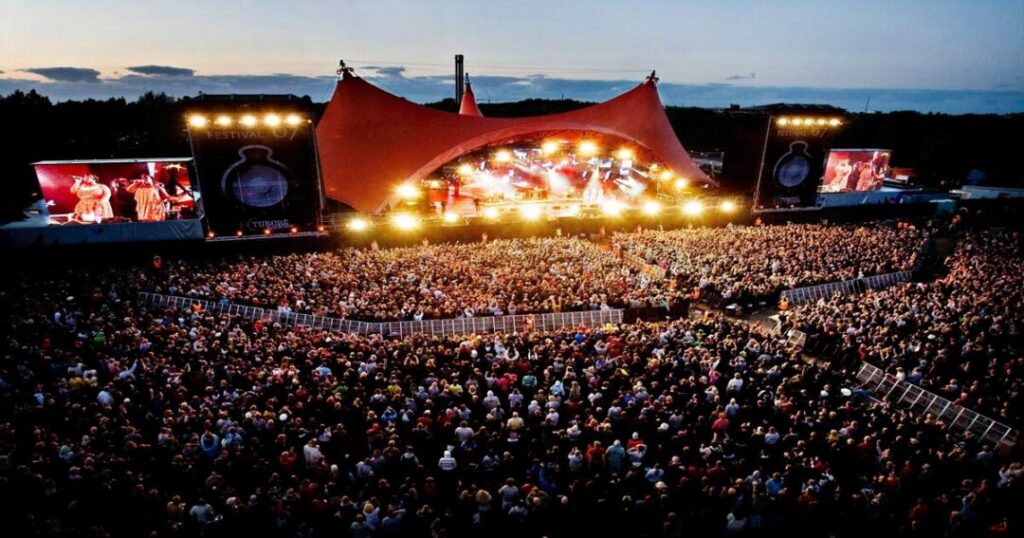
Founded in 1971 by two students and a promoter as the “Sound Festival,” Roskilde started with around 20 bands and 10,000 daily visitors. Taken over by the non-profit Roskilde Foundation in 1972, it’s grown into the largest music festival in the Nordic countries, drawing up to 130,000 attendees each late June into early July. As Denmark’s flagship Denmark music festival, its orange Canopy stage — acquired in 1978 from a former Rolling Stones tour rig — remains the festival’s visual signature.
6. Denmark Flower Festival: Gavnø Castle’s Tulip Display
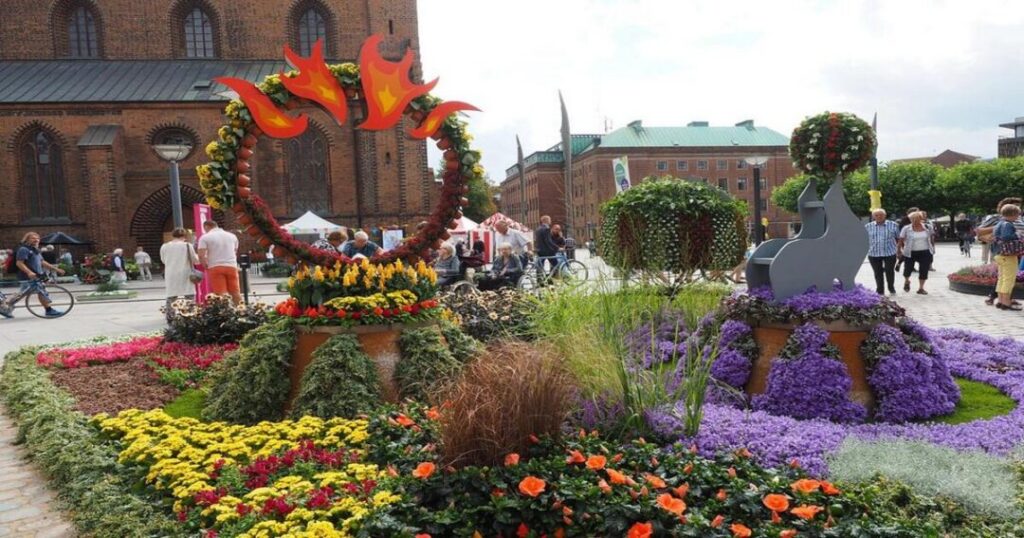
Denmark’s largest and oldest tulip festival runs from late April through May in the historic castle park at Gavnø, near Næstved, with thousands of tulips across a wide range of colors and varieties. Copenhagen’s Tivoli Gardens runs its own, smaller Garden and Flower Festival in late summer.
Also read: Festivals in August in India: The Complete Guide to August Celebrations
7. Denmark Jazz Festival: Copenhagen’s Ten-Day Celebration
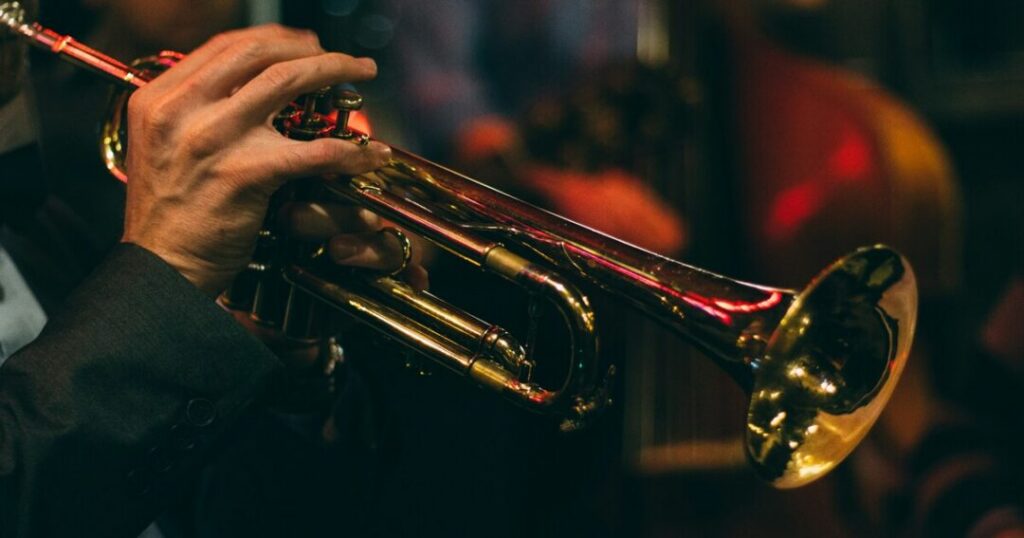
Copenhagen Jazz Festival, founded in 1979 by lawyer Poul Bjørnholt, grew out of the city’s status as a European home for American jazz musicians like Dexter Gordon and Ben Webster in the 1960s. It now spans roughly ten days each July across more than 100 venues, with over 1,000 concerts and around 260,000 attendees — one of the largest jazz events in Europe.
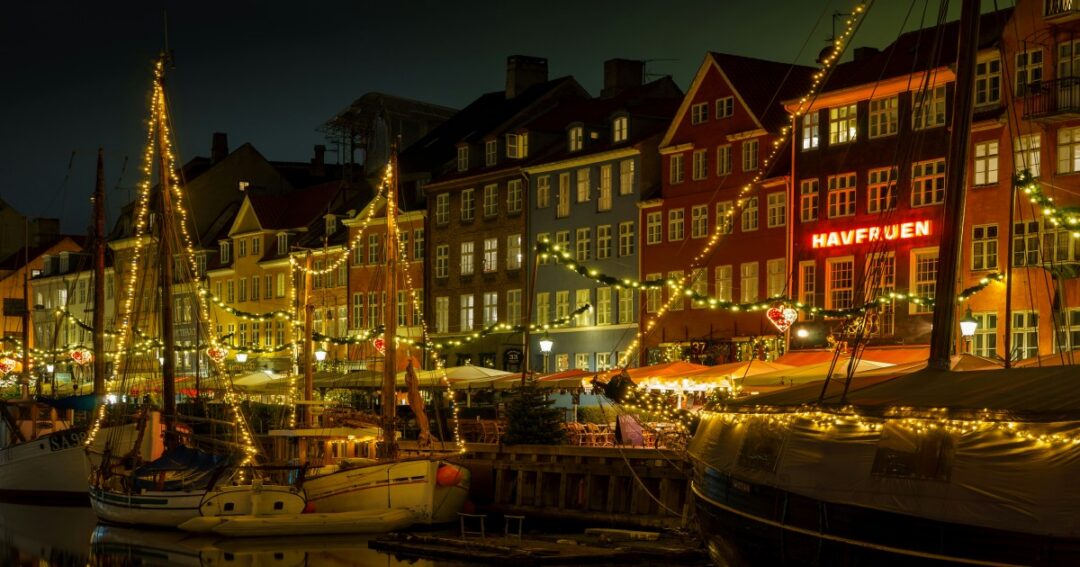
8. Denmark Light Festival: Copenhagen’s Winter Illuminations
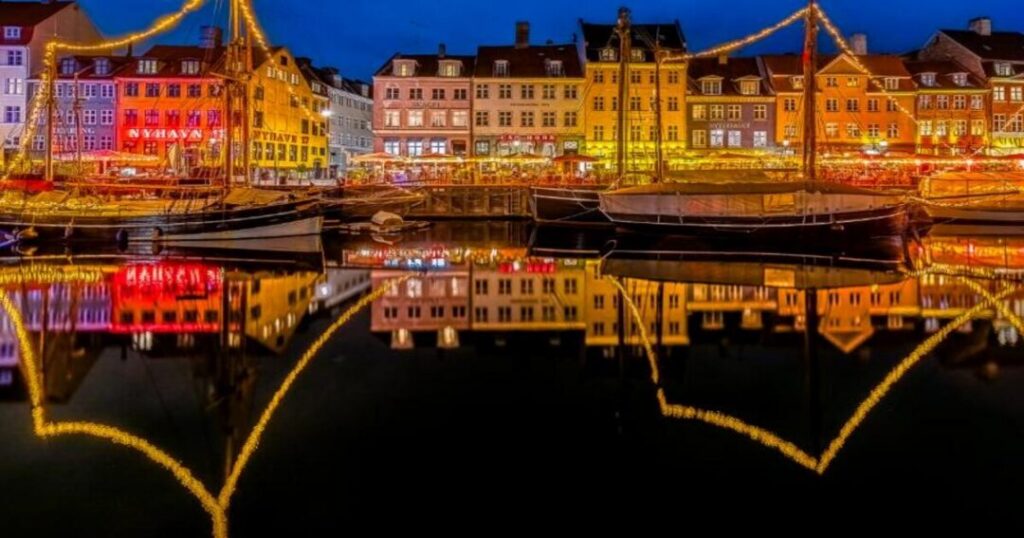
Launched in February 2018 by the City of Copenhagen, Tivoli, and the Danish Lighting Center, Copenhagen Light Festival runs free light installations through February, turning the city’s bridges, canals, and waterfront dark-season nights into an outdoor art walk. It’s since expanded to include the town of Helsingør.
Also read: Festivals in America: The Complete Guide to the USA’s Most Famous Celebrations
9. Denmark Metal Festival: Copenhell at Refshaleøen
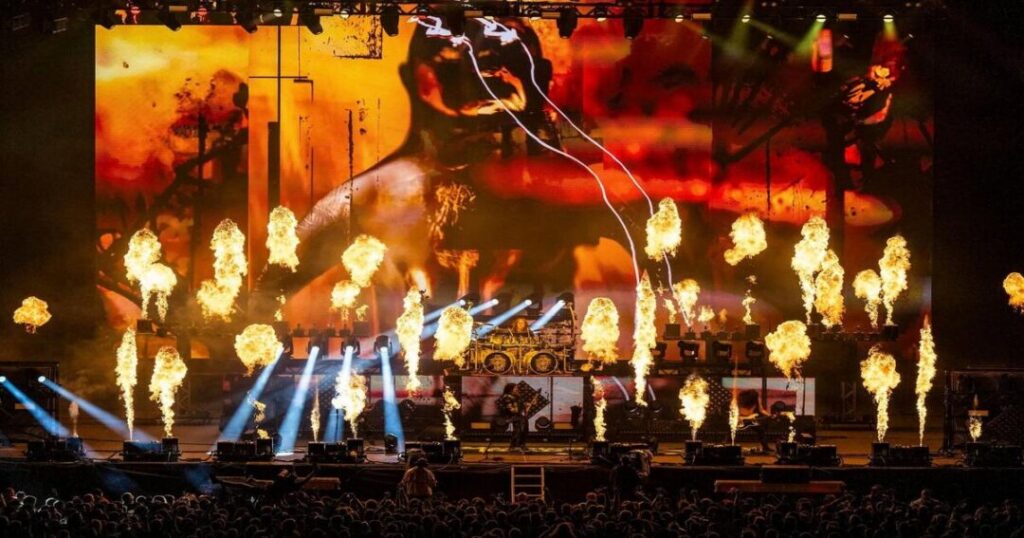
Founded in 2010 by Jeppe Nissen and Henrik “Hellboss” Øllegaard, Copenhell was Denmark’s first open-air metal festival, opening with headliners Mastodon, Deftones, Suicidal Tendencies, and Megadeth. Held each June at Refshaleøen in Copenhagen, it’s grown from two stages to several, cementing itself as Scandinavia’s leading metal festival.
Denmark Traditional Festivals: What the Country Actually Celebrates
Before the music festivals, Denmark’s oldest traditional festivals are rooted in pagan midsummer rites, not concert bills—a distinction worth knowing before assuming every festival here is about live music.
Conclusion: Denmark Festivals
Denmark festivals run from pagan bonfires to genre-specific music scenes with almost no crossover: Sankt Hans Aften’s midsummer fires, Fanø’s kite-filled skies, Ølfestival’s beer halls, the Borderland’s participatory art camps, Roskilde’s Nordic-scale lineup, Gavnø’s tulip fields, Copenhagen Jazz Festival’s ten days of clubs and concert halls, the Light Festival’s winter installations, and Copenhell’s metal stages. Quick recap:
- Sankt Hans Aften — nationwide midsummer bonfires, June 23
- Fanø Kite Festival & Ølfestival — kite gathering and beer festival, both lighter cultural events
- The Borderland — Denmark’s Burning Man-style participatory event, typically June
- Roskilde — the Nordic region’s biggest music festival, late June into July
- Gavnø Tulip Festival & Copenhagen Light Festival — seasonal, non-music experiences
- Copenhagen Jazz Festival & Copenhell — genre-specific scenes, July and June respectively
Ready to plan your Denmark festival trip? Download the Explurger app and build an itinerary around the festivals that match your season.
Nine festivals, one country, almost no genre overlap — check each one’s official channels before locking in travel dates.
FAQs on Denmark Festivals
2. When is Roskilde Festival held?
Roskilde Festival runs annually toward the end of June into early July, though exact dates shift slightly each year. Founded in 1971, it's grown from roughly 10,000 daily visitors to up to 130,000 attendees, making it the largest music festival in the Nordic countries.
3. What is Sankt Hans Aften?
Sankt Hans Aften is Denmark's traditional midsummer celebration, held nationwide on the evening of June 23. Rooted in pre-Christian solstice rituals later tied to the feast of John the Baptist, it's marked today by community bonfires, often topped with a straw witch figure, and the singing of a Danish midsummer song written in 1885.
4. Is Copenhell family-friendly?
No—Copenhell is an adult-oriented heavy metal festival with alcohol service and late-running sets, not designed for families or young children. It's best suited to metal fans specifically, distinct from broader, more general-audience events like Roskilde or the Copenhagen Light Festival.
5. What is the Fanø Kite Festival?
The Fanø International Kite Fliers Meeting is held each June on Rindby Beach on the Danish island of Fanø, drawing around 5,000 kite flyers from 26 countries and roughly 25,000 kites. Started in 1985 by a small group of enthusiasts, it's now considered the largest kite meeting in the world.
6. Is Denmark's Burning Man event open to spectators?
Not in the way a typical music festival is. The Borderland, Denmark's Burning Man-inspired event, is built around active participation — attendees ("co-creators") build theme camps, art installations, and performances rather than watch as an audience. It's a different format from ticketed music festivals like Roskilde or Copenhell.
7. What genres does Copenhagen Jazz Festival cover?
Despite the name, Copenhagen Jazz Festival's roughly ten-day July program spans well beyond traditional jazz, reflecting Copenhagen's decades-long jazz history and its role hosting touring American musicians from the 1960s onward. With over 1,000 concerts across 100-plus venues, the lineup ranges from classic and experimental jazz to closely related genres performed across clubs, concert halls, and open-air spaces citywide.