

709 Total Views
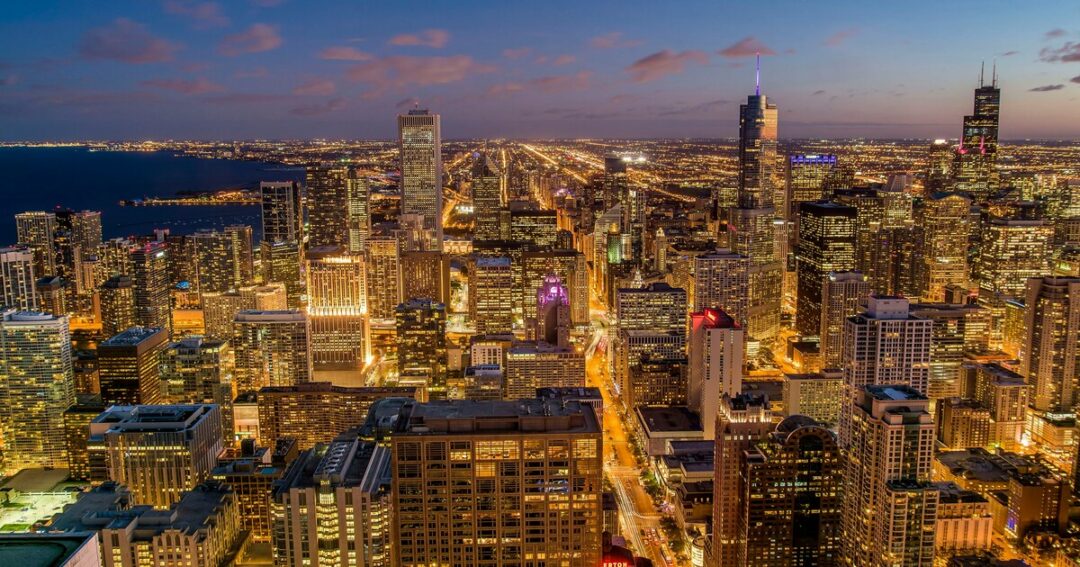
Chicago packs world-class art, lakefront skylines, and deep-dish pizza into one walkable downtown, but with so many options, a weekend trip can start to feel overwhelming fast.
This guide breaks down the best things to do in Chicago, from iconic skyline views to under-the-radar neighborhoods, so you can build an itinerary instead of just wandering the Loop wondering where to start. Whether you have two days or five, here’s what’s actually worth your time.
Things to Do in Chicago for Art & Architecture Lovers

Chicago is the birthplace of the modern skyscraper, and its downtown core reflects more than a century of architectural experimentation.
- Millennium Park — Home to Anish Kapoor’s Cloud Gate (better known as “The Bean”), plus the Frank Gehry-designed Jay Pritzker Pavilion, the Lurie Gardens, and free summer concerts. It’s one of the most-visited Chicago tourist attractions and completely free to explore.
- Art Institute of Chicago — Right next to Millennium Park, this museum holds more than 300,000 artworks spanning centuries, including one of the most significant Impressionist collections outside France.
- Chicago Architecture Center River Cruise — A boat tour along the Chicago River covering more than 40 landmark buildings, guided by architecture-focused commentary. It’s consistently rated one of the best ways to understand the city’s skyline.

Lake Michigan shapes almost everything about how Chicago feels, and the lakefront is where the city comes alive in warmer months.
- Navy Pier — Completed in 1916, Navy Pier stretches into Lake Michigan and features the Centennial Wheel, seasonal fireworks, live music, and boat cruises. It remains one of the most-visited Chicago tourist attractions in the Midwest.
- Lakefront Trail — An 18-mile path along Lake Michigan, popular for biking, running, or simply people-watching with a skyline backdrop.
- North Avenue Beach — A go-to summer spot for swimming, volleyball, and lakefront views without leaving downtown.
Chicago Sites to See for Skyline Views
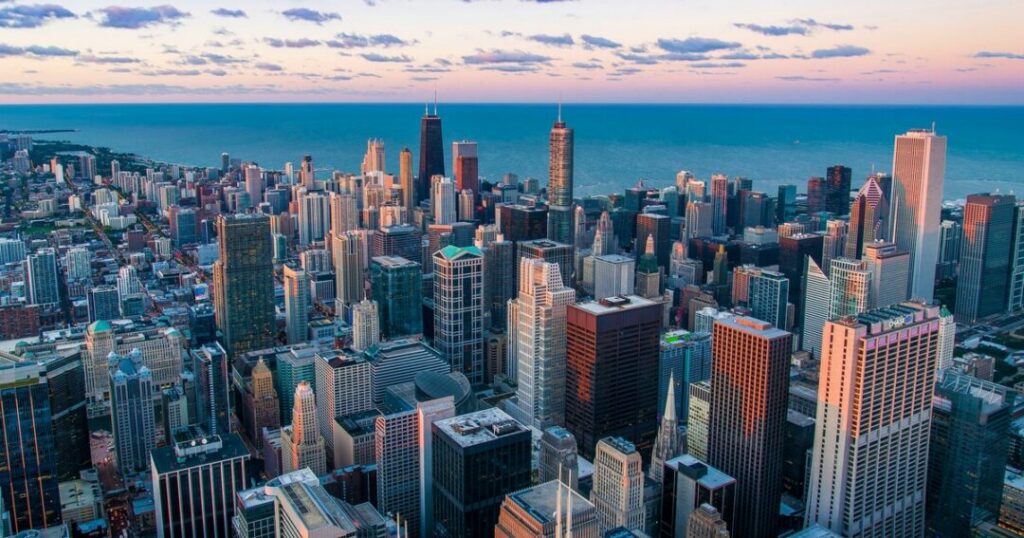
For first-timers, an observation deck is almost mandatory, and Chicago has two excellent options.
- Skydeck Chicago (Willis Tower) — Located on the 103rd floor of Willis Tower, which rises 1,450 feet to its roof (1,730 feet including the antennae). On a clear day, the Skydeck’s glass ledges offer views up to 50 miles across four states.
- 360 CHICAGO (John Hancock Center) — A slightly lower but arguably more central alternative, with the added thrill of TILT, a glass platform that leans out over Michigan Avenue.
These Chicago sites to see are best visited early morning or late evening to skip the longest lines, especially on weekends.
Family-Friendly Chicago Tourist Spots

Chicago’s museum campus makes it an easy city to explore with kids.
- Field Museum — Established in 1893, it’s home to SUE, the largest and most complete T. rex skeleton ever discovered, along with Egyptian mummies and dinosaur halls that keep kids engaged for hours.
- Shedd Aquarium — Opened in 1930 as a gift to the city, Shedd cares for more than 32,000 animals across 1,500+ species and was the first inland aquarium with a permanent saltwater collection.
- Adler Planetarium — Rounds out the Museum Campus with space exhibits and some of the best skyline views in the city from its lakefront perch.
Also Read: Festivals in America: The Complete Guide to the USA’s Most Famous Celebrations
Traveller’s Experience
[QUOTE: “We planned two hours at the Field Museum and stayed for five — SUE alone is worth the trip.” — suggested source: family travel blogger or TripAdvisor review]
Sites to See in Chicago Off the Beaten Path
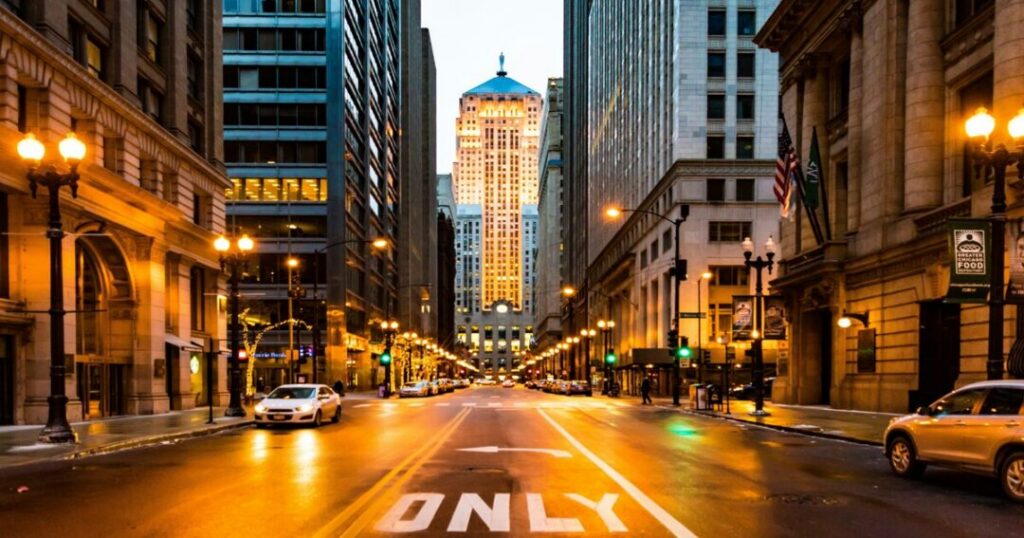
Once you’ve covered the highlights, these sites to see in Chicago reward a slower, more local pace.
- Wicker Park & Bucktown — Indie boutiques, street art, and some of the city’s best coffee shops, away from the downtown crush.
- Pilsen — A neighborhood known for vibrant murals and the National Museum of Mexican Art, one of the few Latino museums accredited by the American Alliance of Museums.
- Garfield Park Conservatory — A massive indoor botanical garden that’s free to enter and a welcome escape during Chicago’s colder months.
Where to Eat: Chicago’s Food Scene?

No list of Chicago attractions is complete without the food that put the city on the culinary map.
- Deep-dish pizza — Introduced in the 1940s at what is now Pizzeria Uno, this style is built in a cast-iron pan with a thick crust, chunky tomato sauce, and a heavy layer of mozzarella.
- Chicago-style hot dogs — Served on a poppy seed bun, loaded with mustard, relish, onions, tomato, pickle, sport peppers, and celery salt — and famously never with ketchup.
- Italian beef sandwiches — A West Side classic, best ordered “dipped” for extra flavor.
Also Read: Chicago Food: The Complete Guide to the Windy City’s Most Famous Eats
What is the Best Time to Visit Chicago?

The best time to visit is generally April to May or September to October, when temperatures are mild, crowds are manageable, and festival season is in full swing.
- Spring (Apr–May): Mild weather, lighter crowds, and the start of baseball season.
- Summer (Jun–Aug): Peak tourist season, with temperatures between 70–85°F (21–29°C) — ideal for lakefront activities but expect bigger crowds.
- Fall (Sep–Oct): Comfortable temperatures and fewer tourists, arguably the best window for skyline photography.
- Winter (Nov–Mar): Cold and often below freezing, but hotel and flight deals are at their cheapest. [STAT: average winter low temperature — verify against NOAA regional climate data]
How to Reach Chicago?
- By Air: Chicago is served by two airports — O’Hare International (ORD), about 17–18 miles from downtown, and Midway International (MDW), closer at roughly 8 miles from the Loop.
- By Train: The CTA Blue Line connects O’Hare to downtown in 40–50 minutes, while the Orange Line gets you from Midway to the Loop in about 25 minutes for a low flat fare.
- Getting Around: Once downtown, the CTA “L” train network and a genuinely walkable Loop mean a car is rarely necessary for a typical visit.
Also Read: Austin Festivals: The Ultimate Seasonal Guide to the Best Events
Conclusion About things to do in Chicago
Chicago rewards visitors who mix the postcard attractions with a slower neighborhood pace: skyline views from the Skydeck, an afternoon with SUE the T. rex, and a deep-dish dinner earned by walking the Lakefront Trail. Whatever your pace, the things to do in Chicago span skyline views, world-class art, and food that’s worth the trip on its own.
Plan your perfect trip with Explurger — download the app now.
Start with Millennium Park and the river cruise, build outward from there, and you’ll see why this city keeps first-time visitors coming back.
FAQs About Things to Do in Chicago
2. How many days do you need in Chicago?
Three to four days are generally enough to cover the major downtown attractions, a museum campus visit, and at least one neighborhood outside the Loop. Two days works for a quick trip focused only on the essentials like Millennium Park and Navy Pier.
3. Is Chicago walkable for tourists?
Yes. The Loop, Millennium Park, and the Museum Campus are all within walking distance of each other, and the Lakefront Trail connects many attractions on foot or by bike. For destinations farther out, the CTA "L" train is fast and affordable.
4. What is Chicago most famous for?
Chicago is known for its skyscraper architecture, Lake Michigan waterfront, deep-dish pizza, world-class museums like the Field Museum and Art Institute, and iconic public art such as Cloud Gate in Millennium Park.
5. What is the best time of year to visit Chicago?
April–May and September–October offer the most comfortable weather with manageable crowds. Summer is livelier but busier and pricier, while winter is cold but offers the cheapest flights and hotel rates for budget-conscious travelers.
6. Is Chicago expensive to visit?
Chicago sits in the mid-range for major U.S. cities. Many top attractions like Millennium Park and the Lakefront Trail are free, but paid sites like Skydeck Chicago, the Art Institute, and Shedd Aquarium add up quickly, so a multi-attraction pass can help control costs.