
658 Total Views
Most people treat things to do in Colombo as a stopover question — something to answer for a night or two before heading south to the beaches or up into tea country. That undersells the city. Colombo is where Portuguese, Dutch, and British colonial layers sit stacked on top of each other in a few square kilometres, where a Buddhist temple, a centuries-old Hindu kovil, and colonial-era churches share the same few blocks, and where a 2022 skyline landmark now towers over streets that have looked more or less the same since the 1800s.
This guide covers Colombo properly — the Fort district’s colonial history, a genuinely distinctive multi-faith heritage walk through Pettah, the city’s parks and waterfront, its record-setting tower, and two easy day-trip add-ons just outside the city limits. Save the spots that catch your eye to your Explurger Bucket List as you go, so you’ve got a running list of what’s planned and what’s already done by the time you land.
Colombo Fort: Where Dutch and British History Still Stand
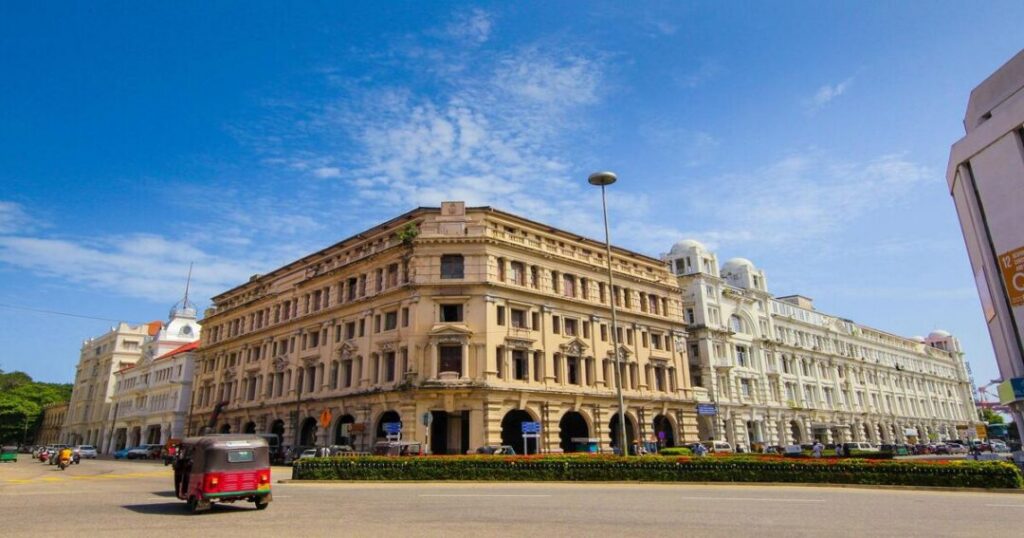
If you want to understand things to see in Colombo, start in the Fort district, because its buildings tell the city’s colonial story more honestly than any museum plaque could. The Portuguese built the first fortified structure here in the 16th century to protect their trading interests. The Dutch took over in the 17th century, expanding it with canals and their own boxy, red-roofed architecture. The British arrived in the early 19th century and layered neo-classical and Victorian buildings on top of what was already there — which is why walking through Fort today feels like reading three different centuries stacked on the same street grid.
[STAT: Colombo Fort’s colonial layers span roughly three centuries — Portuguese fortifications from the 1500s, Dutch expansion in the 1600s-1700s, and British neo-classical development from the early 1800s onward.]
The Old Dutch Hospital, believed to date to around 1681, is the oldest surviving building in Fort — a boxy, courtyard-centered structure built by the Dutch East India Company to treat sailors and officers docking at the nearby harbor. It’s since been converted into a heritage dining and shopping precinct, but its layout hasn’t changed much: the same central courtyard the Dutch built around now holds restaurant seating instead of hospital beds.
A few streets over stands the Colombo Fort Clock Tower, completed in 1857 and, unusually, doubling as a lighthouse until its light was decommissioned in 1952. At 29 metres, it was the tallest structure in Colombo when it was built, and it’s believed to be one of the only structures in the world that functions as both a clock tower and a lighthouse in the middle of a working city. [STAT: The Colombo Fort Clock Tower, completed in 1857, stood 29 metres tall and served as an active lighthouse until 1952.]
A Multi-Faith Heritage Walk Through Pettah
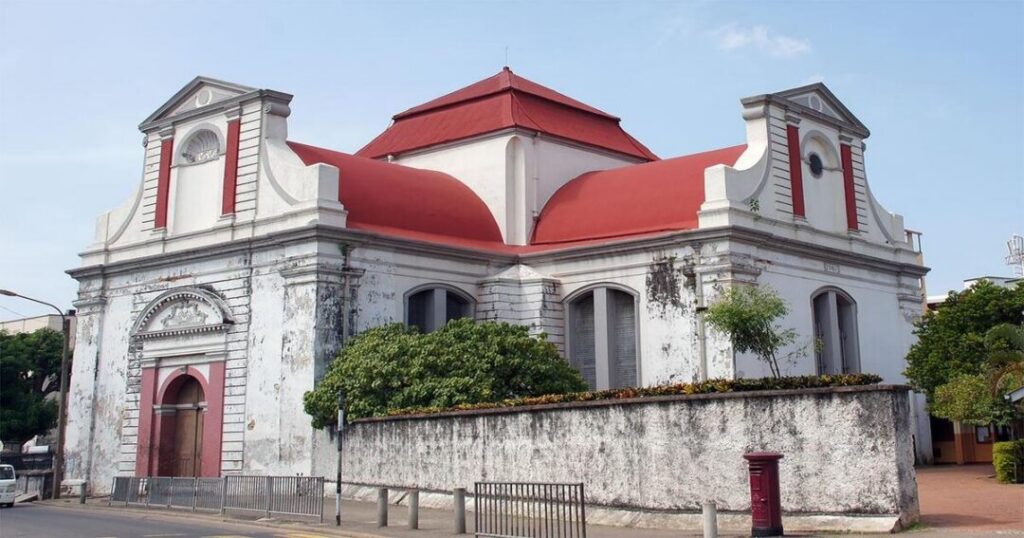
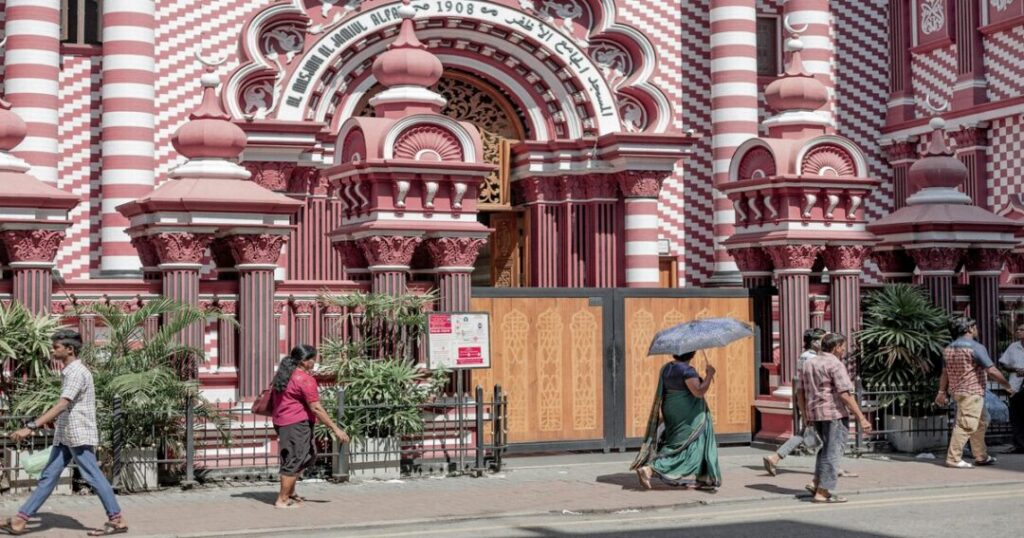
Just past Fort, in the market district of Pettah, sits one of Colombo’s most genuinely distinctive stretches — a handful of blocks where a major Buddhist temple, a historic Hindu kovil, and colonial-era mosques and churches sit within easy walking distance of one another, each with centuries of history behind it.
Gangaramaya Temple, founded in the late 19th century by the scholar-monk Hakkaduwe Sri Sumangala Nayaka Thera, blends Sri Lankan, Thai, Indian, and Chinese architectural styles into one temple complex that also houses a museum, a library, and an educational hall. Its annual Navam Perahera procession — first held in 1979 — fills the streets with decorated elephants, drummers, and dancers.
A short walk away, Sri Kailawasanathan Swami Devasthanam, founded in 1783 by Chetti merchant traders from South India, holds the title of Colombo’s oldest Hindu temple, dedicated primarily to Lord Shiva with a strong Ganesha presence. Nearby, the Old and New Kathiresan Temples are dedicated to Lord Murugan (Skanda), the Hindu god of war, and have stood in Pettah for more than a century.
Framing these together isn’t just convenient geography — it’s a genuine reflection of how Colombo’s trading-port history brought different communities to build, worship, and stay within the same few streets for over two centuries, and it’s one of the more quietly remarkable things to do in Colombo for anyone interested in more than just photo stops.
Galle Face Green and Colombo’s Waterfront
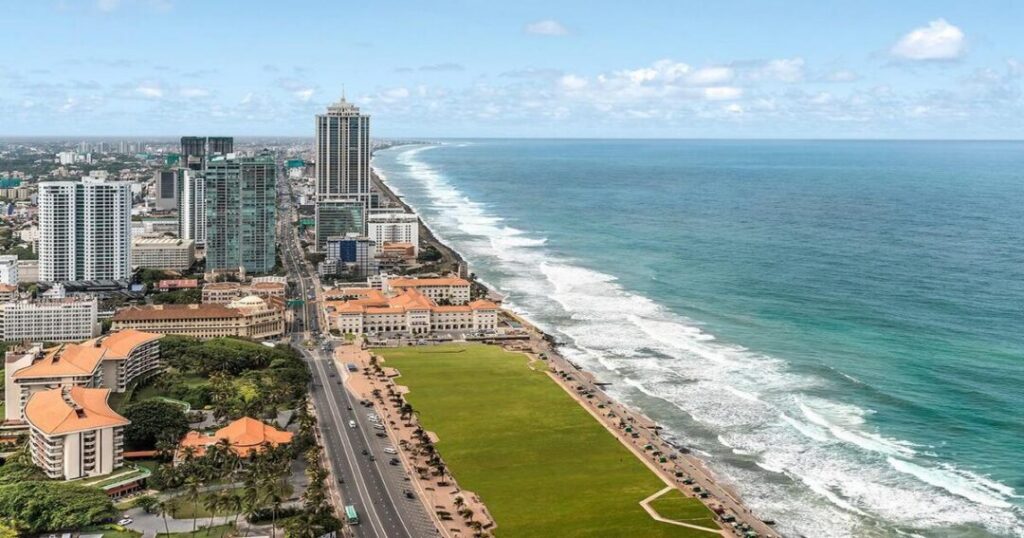
For a change of pace after Fort and Pettah’s density, Galle Face Green delivers exactly that. This half-kilometre stretch of open lawn along the Indian Ocean was laid out by the British in 1859, originally for horse racing, and has since become Colombo’s default spot for evening walks, kite flying, and picnics. [STAT: Galle Face Green stretches over half a kilometre along Colombo’s Indian Ocean coastline and was originally laid out by the British in 1859 for horse racing.]
Come at sunset and the Green transforms — street food vendors set up along the edges selling local snacks, and the crowd shifts from daytime joggers to families and couples watching the sun drop into the ocean. It’s one of the simplest, most reliably enjoyable things to do in Colombo Sri Lanka, and it costs nothing beyond whatever you spend on snacks.
Viharamahadevi Park and the National Museum
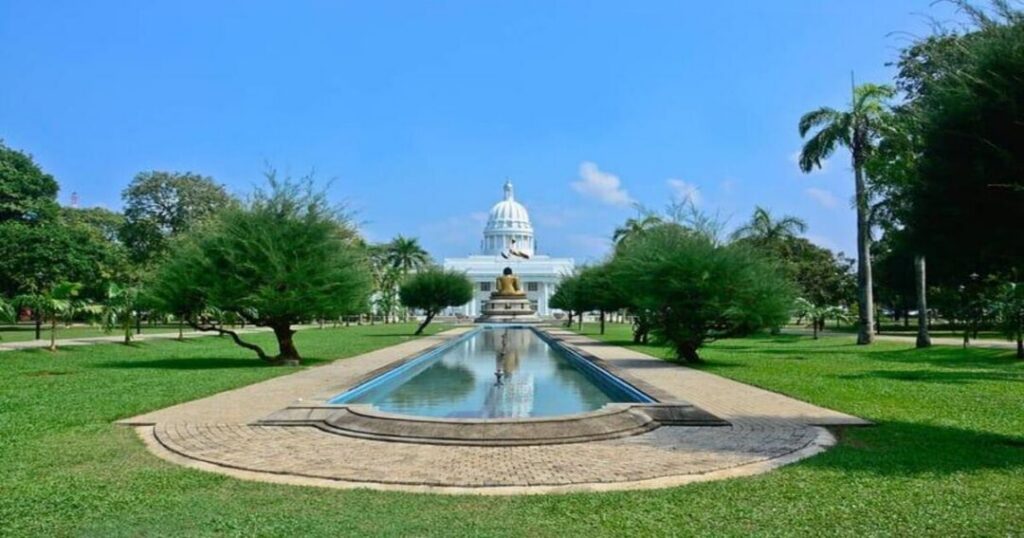
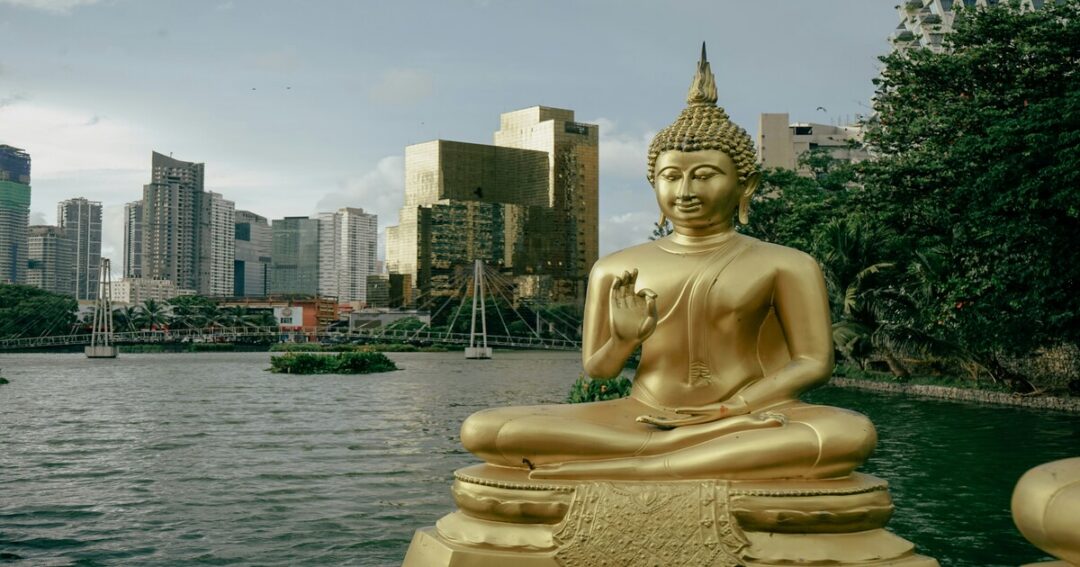
Named after Queen Viharamahadevi, mother of the historic King Dutugemunu, Viharamahadevi Park is Colombo’s largest and oldest public park — landscaped gardens, wide lawns, flowering trees, a small zoo, and a golden Buddha statue greeting visitors near the entrance.
Right next to it sits the Colombo National Museum, housed in a striking white neo-Baroque building and covering Sri Lanka’s history from its ancient kingdoms through the colonial period. Between the park and the museum, this pairing covers both a relaxed green break and a genuinely informative stop, making it an easy combination to fold into a single afternoon.
Independence Square and the Colombo Lotus Tower
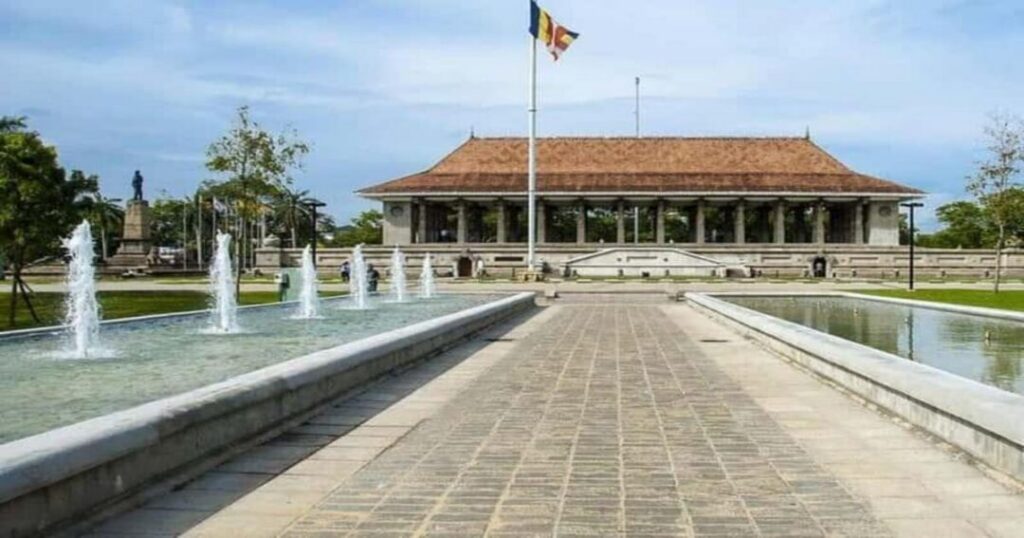
Independence Square commemorates Sri Lanka’s independence from British rule in 1948, centered on the Independence Memorial Hall — a stone building deliberately designed to echo the architecture of ancient Sri Lankan kingdoms rather than colonial styles, a symbolic choice given what it was built to celebrate.
Nearby, the newer Colombo Lotus Tower offers a sharp contrast in eras. Opened in September 2022 after a decade of construction, it stands 351.5 metres tall, making it the tallest self-supported structure in South Asia.
[STAT: The Colombo Lotus Tower, opened in 2022, stands 351.5 metres tall and is the tallest self-supported structure in South Asia.] Its lotus-shaped silhouette lights up in changing colors after dark, and its observation deck gives you the clearest full view of how much of Colombo — colonial core and modern skyline both — you’ve actually covered.
Also Read: Places to Visit in Diu: Forts, Beaches & Portuguese Heritage
Pettah Market: Colombo’s Busiest Bazaar
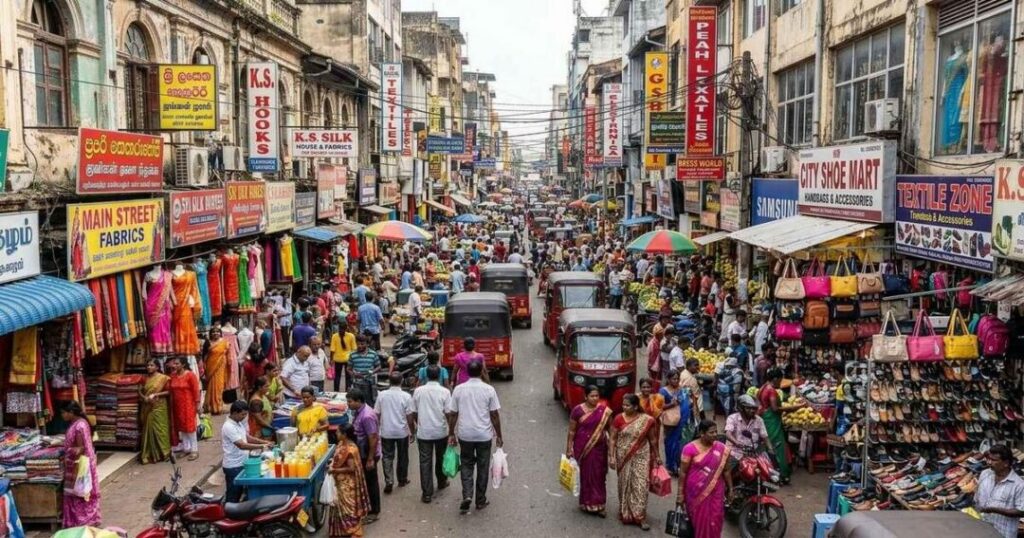
Beyond its temples, Pettah is also home to Pettah Market, one of the most chaotic and rewarding shopping stretches among Colombo’s attractions. It spans several city blocks, split loosely by specialty — spices and fresh produce in one stretch, textiles and fabric in another, electronics and household goods further along, jewelry and gold elsewhere.
It’s not a polished, tourist-curated market, and that’s the appeal. Prices run noticeably lower than in more visitor-oriented areas, but it helps to have a rough idea of which street sells what before you dive in, since the density of stalls can feel overwhelming on a first pass.
Also Read: 10 Offbeat Places to Visit in Ladakh
Beyond the City: Kelaniya Temple and Mount Lavinia Beach
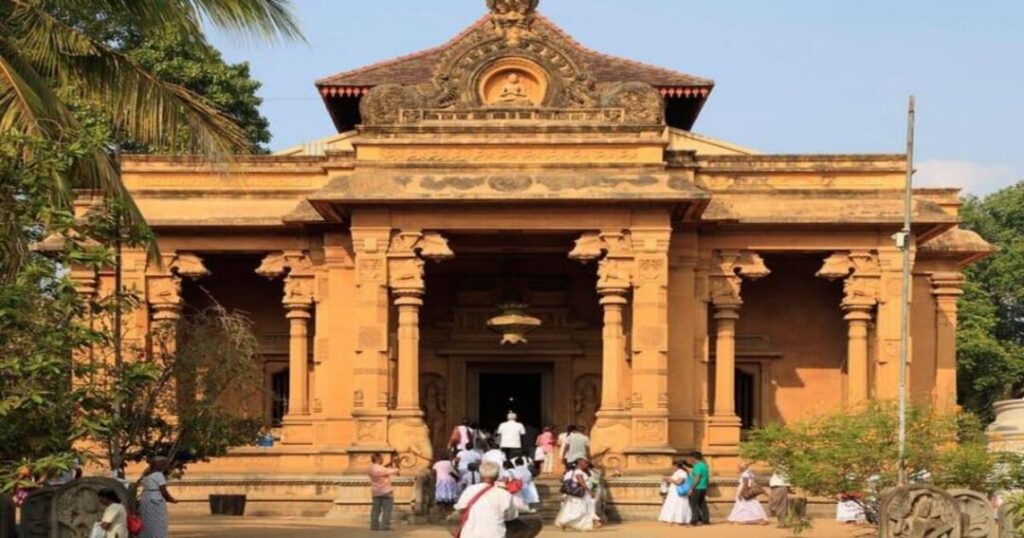
Two of the most-recommended additions to any Colombo itinerary technically sit just outside the city, but both are close enough to fold into a day easily.
Kelaniya Raja Maha Vihara, about 11 km northeast of central Colombo, is one of Sri Lanka’s most sacred Buddhist sites, with tradition holding that the Buddha himself visited the spot during his third and final trip to Sri Lanka. The original medieval temple was destroyed by the Portuguese in 1510 and rebuilt by King Kirti Sri Rajasinha in 1769 — meaning what stands today reflects an 18th-century reconstruction of a site with a much older sacred history.
Mount Lavinia Beach, roughly 12 km south of the city, is the easiest beach to reach directly from central Colombo without a longer coastal trip, making it a practical half-day add-on for anyone who wants sand and ocean air without leaving the greater Colombo area.
Not sure how to fit these two into a tight itinerary alongside everything else on this list? Ask NIVU AI inside the Explurger app — it can weigh your available time against your interests and suggest a realistic order to see things in, rather than just handing you a generic checklist.
What to Eat in Colombo?
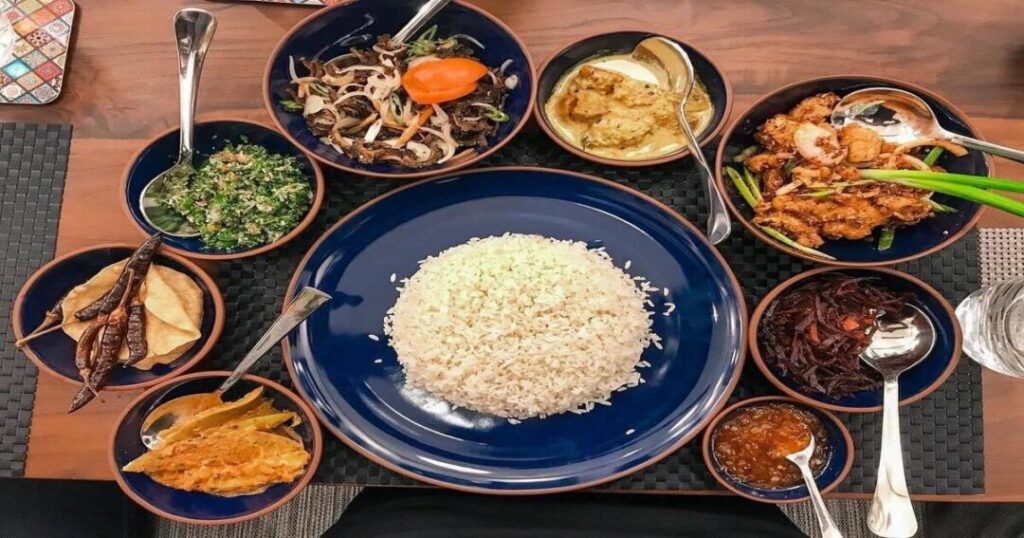
No list of colombo places to see feels complete without at least a nod to what you’ll actually be eating between stops. Hoppers (appa) — bowl-shaped rice-and-coconut-milk pancakes, often served with a fried egg cracked into the center — are a breakfast staple worth seeking out at any local café. Kottu roti, a stir-fried mix of chopped flatbread, vegetables, egg, and meat or seafood, cooked loudly on a hot griddle with rhythmic chopping that’s practically a street performance, is Colombo’s answer to late-night comfort food. And Ceylon tea, grown in the island’s central highlands, shows up everywhere from five-star hotel lounges to roadside stalls — it’s worth having at least once from each end of that spectrum to appreciate the range.
Also Read: The Endangered Lakes of Our Planet: A Crisis Hidden in Plain Sight
What is the Best Time to Visit Colombo?
The most comfortable window to visit is December through March, Colombo’s dry season, with temperatures generally between 23°C and 28°C — warm, but manageable for a full day of walking between Fort, Pettah, and the waterfront. Avoid the Southwest monsoon from May through August if you can, since heavy rainfall during this stretch makes extended outdoor exploring genuinely difficult, and a second, lighter rainy spell tends to run from September through November.
How to Reach Colombo?
Bandaranaike International Airport, Colombo’s main international gateway, sits about 32 km north of the city centre, with the journey into town taking roughly 30 minutes via the expressway depending on traffic. Colombo Fort railway station is the city’s main rail hub, connecting to destinations across the island including Kandy and Galle, and most of the attractions covered here — Fort, Pettah, Galle Face, and the parks — sit within a compact enough radius that a mix of walking and short tuk-tuk or taxi rides covers the city comfortably without needing a rental car.
Conclusion About things to do in Colombo
Colombo rewards the traveler who treats it as a real stop rather than a layover — colonial history in Fort, genuine multi-faith heritage in Pettah, waterfront evenings at Galle Face, and enough good food and easy day trips to fill two unhurried days. Wherever you land on this list of things to do in Colombo, save your must-see spots to your Explurger Bucket List before you go, and once you’ve walked these streets yourself, log each stop as an Explurge-in — your Automatic Travelogue will keep the whole trip mapped long after you’ve come home. Plan your Colombo days smarter with Explurger.
FAQs About Things to Do in Colombo
2. Is Colombo worth visiting for more than a day?
Yes — a lot of travelers treat it as a one-night stopover before heading to Sri Lanka's beaches or hill country, but Colombo genuinely rewards two full days. Between Fort's colonial architecture, Pettah's temples and market, the waterfront parks, and day-trip add-ons like Kelaniya Temple or Mount Lavinia Beach, there's enough here to fill two unhurried days rather than rushing through in an afternoon.
3. What is there to see in Colombo Fort?
Colombo Fort holds the city's clearest colonial history, spanning Portuguese, Dutch, and British layers. Highlights include the Old Dutch Hospital, dating to around 1681 and now a dining and shopping precinct, and the Colombo Fort Clock Tower, completed in 1857, which uniquely functioned as both a clock tower and an active lighthouse until 1952. Walking through Fort feels like moving through three centuries of colonial architecture within a few blocks.
4. Are Kelaniya Temple and Mount Lavinia Beach part of Colombo?
Not technically — Kelaniya Raja Maha Vihara sits about 11 km northeast of central Colombo, and Mount Lavinia Beach is roughly 12 km south. Both are commonly included in Colombo itineraries as easy day-trip add-ons rather than core city attractions, since they're close enough to reach within 30-45 minutes but sit outside the city's central districts.
5. What religious sites should I visit in Colombo?
Pettah offers the most concentrated religious heritage in the city: Gangaramaya Temple, a Buddhist complex founded in the late 19th century with Sri Lankan, Thai, Indian, and Chinese architectural influences; Sri Kailawasanathan Swami Devasthanam, Colombo's oldest Hindu temple, founded in 1783; and the Old and New Kathiresan Temples dedicated to Lord Murugan. Colonial-era churches and mosques sit within the same few blocks, making this stretch of Pettah a genuinely distinctive multi-faith walk.
6. What is the best time of year to visit Colombo?
December through March is Colombo's dry season and the most comfortable stretch for sightseeing, with temperatures typically between 23°C and 28°C. The Southwest monsoon runs from May through August with heavy rainfall that makes outdoor exploring difficult, and a second, lighter rainy period runs from September through November, so planning around the December-to-March window gives you the most reliable weather.