
3,900 Total Views
Hong Kong packs an unusual amount of contrast into a small footprint—a 552-meter peak looming over one of the world’s densest skylines, a century-old ferry still crossing the same harbor it always has, and a giant bronze Buddha sitting an hour away by cable car. Narrowing down the things to do in Hong Kong that are actually worth your time means mixing that old-and-new contrast deliberately rather than picking one lane. This guide covers the essential sights, lays out a practical three-day itinerary, and finishes with a quick-reference list of everything else worth knowing about.
Best Things to Do in Hong Kong
These five anchor almost every Hong Kong itinerary, spanning the city’s skyline, harbor, religious sites, and its most famous family attraction.
Victoria Peak
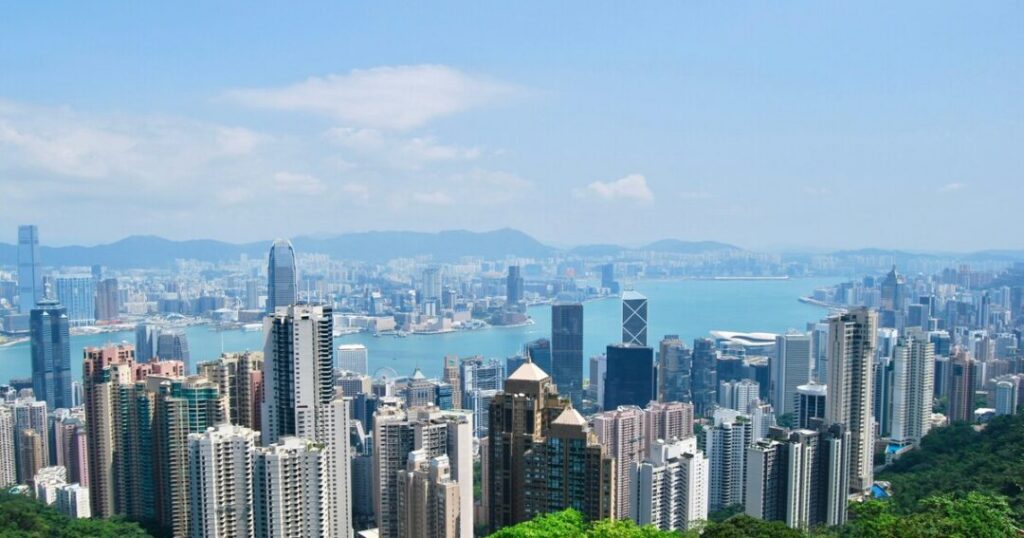
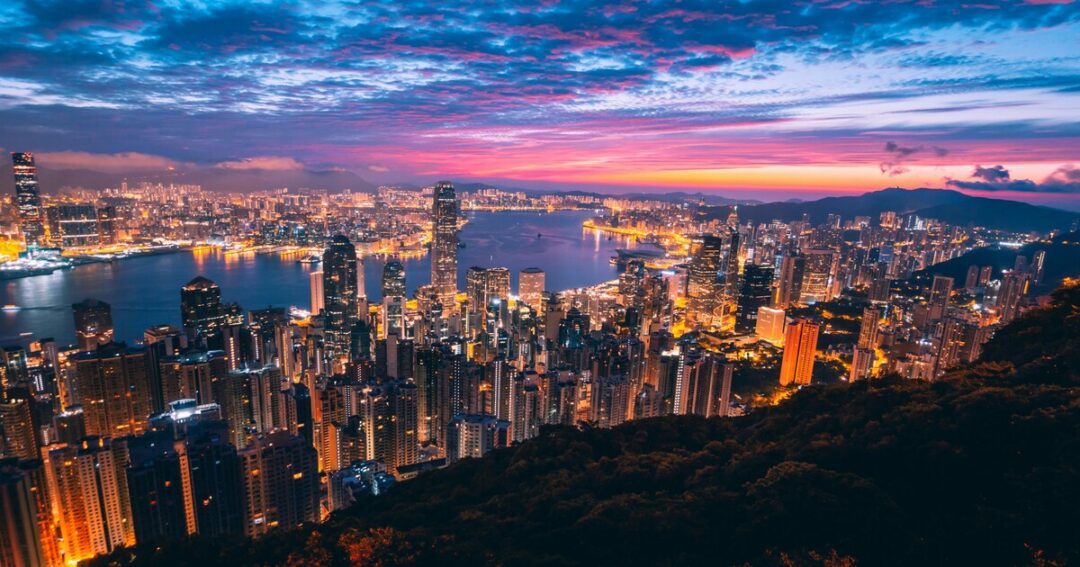
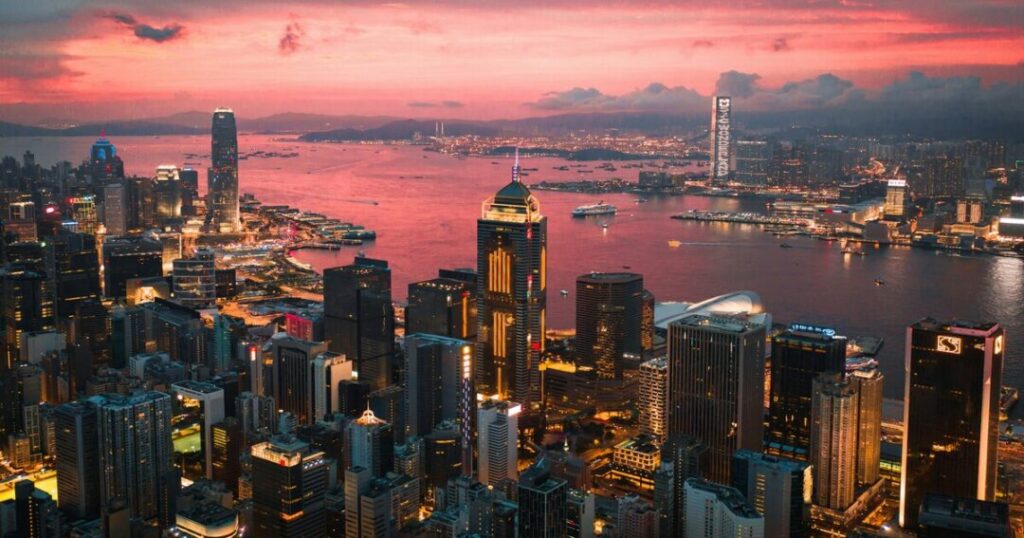
At 552 metres, Victoria Peak is the tallest hill on Hong Kong Island and the classic first stop for anyone wanting to actually see the skyline rather than just stand inside it. The Peak Tram funicular has been hauling passengers up from Central since 1888, one of the oldest funicular railways in the world still in regular operation, and it remains the primary way up for the roughly seven million people who visit each year. At the top, Sky Terrace 428 inside the Peak Tower offers the highest viewing platform on the mountain, looking down over Victoria Harbour, Kowloon, and, on a clear day, the hills beyond.
Star Ferry and Victoria Harbour
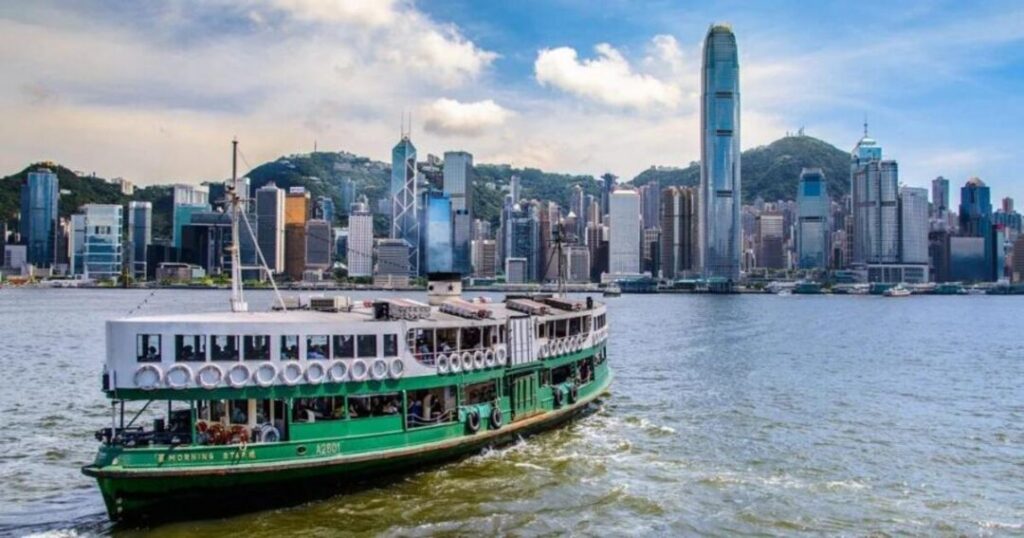
The Star Ferry has been crossing Victoria Harbour since 1888, when it began life as the Kowloon Ferry Company before taking its current name a decade later—today it still connects Central on Hong Kong Island with Tsim Sha Tsui in Kowloon, and a crossing was once named one of National Geographic Traveler’s “fifty places of a lifetime.” Before the Cross-Harbour Tunnel opened in 1972, it was the main way to cross between the island and the mainland side, and it remains cheap, scenic, and genuinely functional rather than purely a tourist ride. After dark, the same harbor hosts A Symphony of Lights, a synchronized light and sound show across nearly 40 buildings on both shores that’s held the Guinness World Record for the world’s largest permanent light and sound show since its 2004 debut, running nightly at 8 PM in good weather.
Also Read: Festivals in Hong Kong: 10 Celebrations Worth a Trip
Tian Tan Buddha and Po Lin Monastery
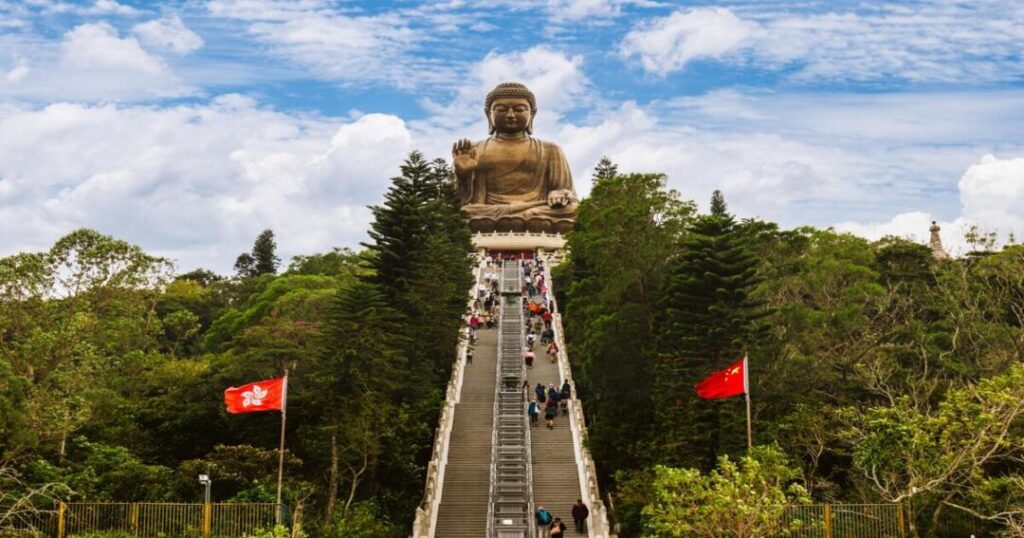
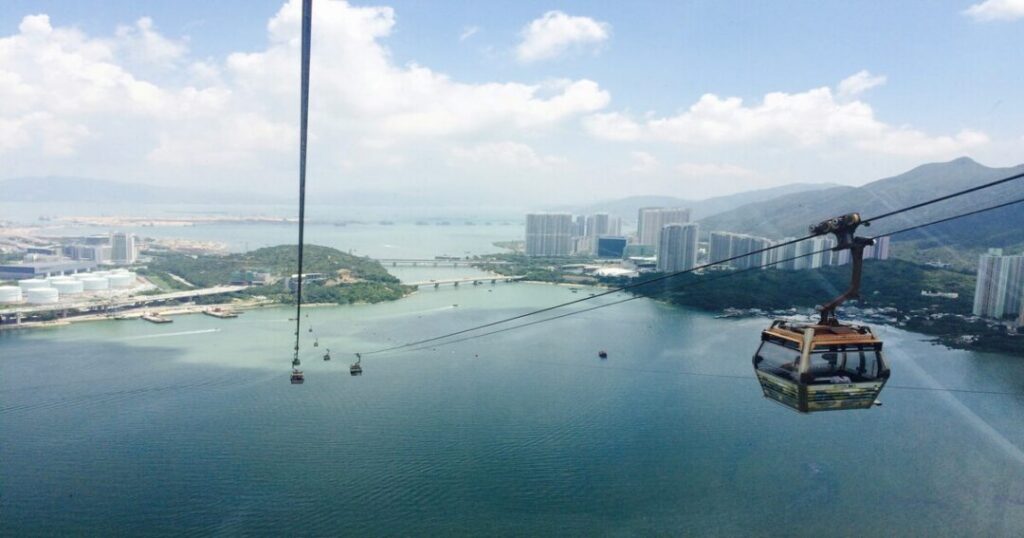
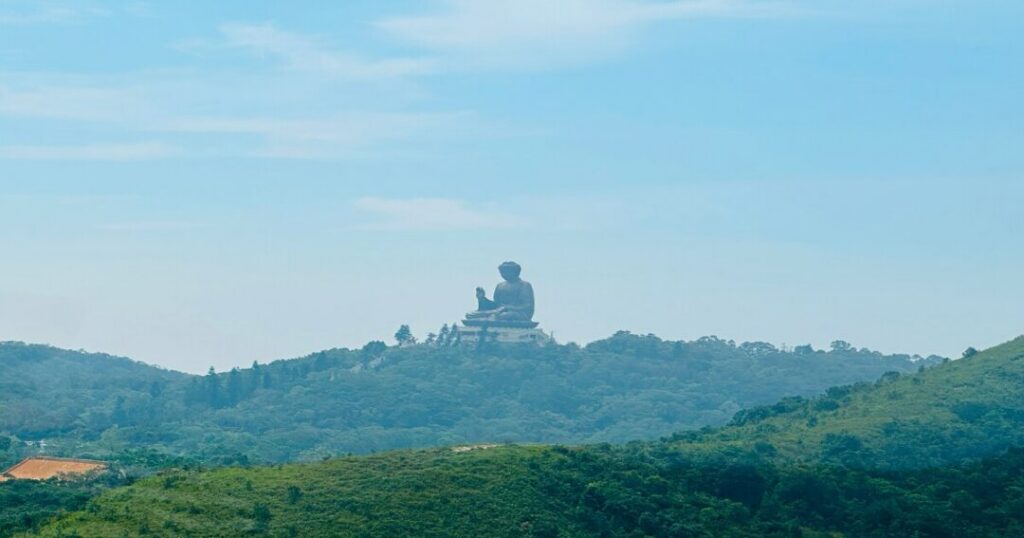
On Lantau Island, the Tian Tan Buddha—better known simply as the Big Buddha—rises 34 meters above Ngong Ping plateau, completed in 1993 and reached by climbing 268 steps from the base. It sits beside Po Lin Monastery, founded in 1906 and one of Hong Kong’s most important Buddhist sites, which still holds a seven-day meditation retreat every year during the final week of the first lunar month and serves an affordable vegetarian meal to visitors. Most people arrive via the Ngong Ping 360 cable car, a scenic ride up from Tung Chung that’s become as much a part of the experience as the statue itself.
Temple Street Night Market
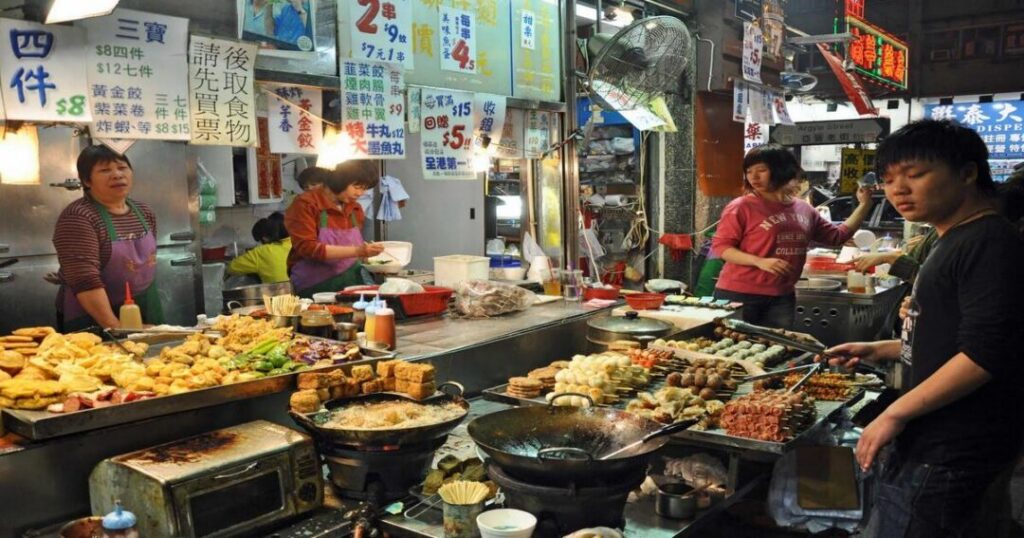
Temple Street in Kowloon’s Yau Ma Tei district has been a market since the 1920s, named for the Tin Hau temple that still stands there, and it runs daily from late afternoon until midnight, properly coming alive once the lights switch on after sunset. Stalls sell everything from electronics and clothing to Chinese antiques and souvenirs, food carts serve claypot rice and seafood late into the night, and fortune tellers and occasional Cantonese opera performances give it a genuinely local character that separates it from a purely tourist-focused market—haggling here is expected, not optional.
Also Read: Hong Kong Food: The Complete Guide to What to Eat and Where
Hong Kong Disneyland
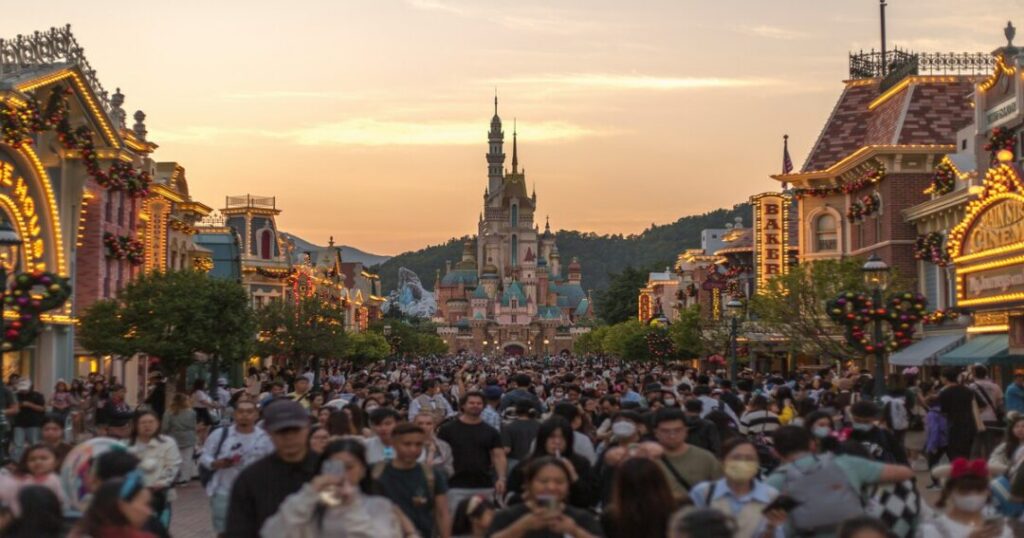
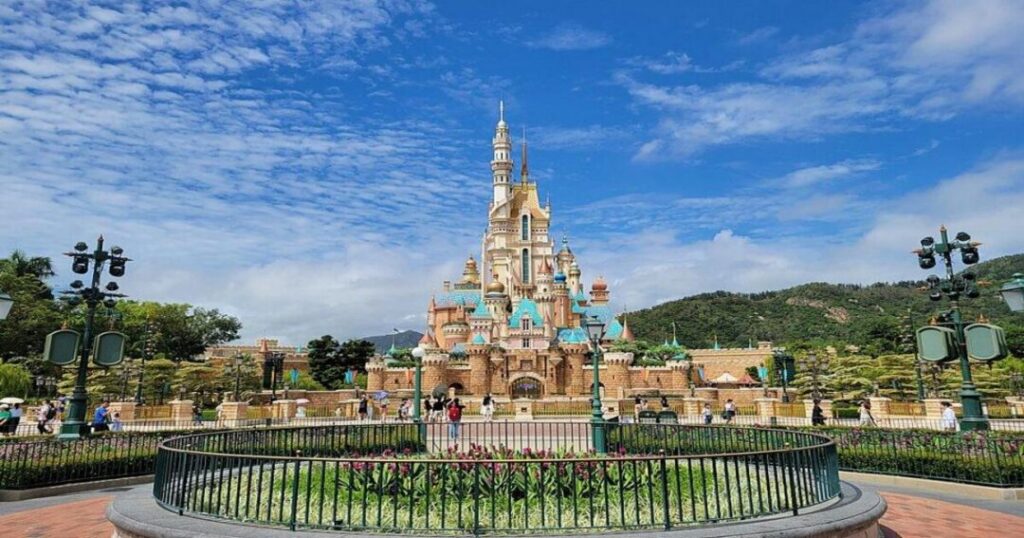
Hong Kong Disneyland opened on September 12, 2005, as the smallest of the Disney resort parks worldwide, spanning about 1.3 square kilometers across eight themed areas. It’s a joint venture between the Hong Kong government, which holds a 52% stake, and The Walt Disney Company at 48%, following Disney’s 2009 investment that increased its original share. It’s a full-day commitment best suited to families or dedicated Disney fans rather than a quick add-on, but its smaller size means it’s genuinely more walkable in a single day than Disney’s larger parks elsewhere.
First-Timer’s Itinerary: Things to Do in Hong Kong
Rather than repeating the list above, here’s how to actually sequence places to visit in Hong Kong across a first visit of about three days.
Day 1: Hong Kong Island
Start with Victoria Peak in the morning, when the air is clearest and the queues for the Peak Tram are shortest, then head down to Central by early afternoon for a Star Ferry crossing to Tsim Sha Tsui—the ride itself takes only minutes, but it’s worth timing your evening so you’re back on the harborfront by 8 PM to catch A Symphony of Lights from either shore.
Day 2: Lantau Island
Take the MTR to Tung Chung and ride the Ngong Ping 360 cable car up to see the Tian Tan Buddha and Po Lin Monastery, ideally arriving early to beat both the crowds and the midday heat. In the afternoon, continue on to Tai O, a fishing village on Lantau’s western shore built on stilt houses over tidal flats, about an hour by bus from Tung Chung or roughly 30 minutes from Ngong Ping—it’s a genuinely different pace from the rest of the city, with a fading but still visible fishing and trading heritage now sustained mostly by tourism.
Also Read: e-Visa for Indians: Your Complete Guide to Visa-Free, Visa on Arrival & e-Visa Travel
Day 3: Kowloon
Spend the day exploring Kowloon at street level, starting with an afternoon at the Ladies’ Market on Tung Choi Street in Mong Kok for clothing, souvenirs, and general haggling practice, before finishing at Temple Street Night Market once it properly gets going after sunset—the two markets have a genuinely different character, and doing both back-to-back makes for a good comparison of Kowloon’s shopping culture beyond the malls.
More Things to Do in Hong Kong: Quick Reference
For anyone comparing places to go in Hong Kong, places to visit in Hong Kong, places to see in Hong Kong, places to visit in HK, places of interest in Hong Kong, or Hong Kong places to see more broadly, here’s what else deserves a mention beyond the sights already covered:
- Wong Tai Sin Temple: Built in 1921 and dedicated to the Taoist deity Wong Tai Sin, this Kowloon temple is known as a place where “incense never dies out” and prayers are believed to be especially likely to be answered—visitors shake numbered bamboo sticks for kau chim fortune-telling, and the on-site Good Wish Garden includes a Nine Dragon Wall modeled on the one in Beijing.
- Central–Mid-Levels Escalator: An 800-meter outdoor covered escalator and walkway system rising 135 meters through the SoHo district, widely cited as the longest system of its kind in the world. It runs downhill from 6 to 10 AM and uphill for the rest of the day until midnight, and its opening helped turn SoHo into one of the city’s busiest restaurant and bar districts.
- Avenue of Stars: A Tsim Sha Tsui waterfront promenade honoring Hong Kong’s century-plus film industry, centered on a bronze Bruce Lee statue installed in 2005 for his 65th birth anniversary—free, open around the clock, and one of the better vantage points on the harbor for A Symphony of Lights.
Best Time to Visit Hong Kong
October through early December is Hong Kong’s best window, with clear, sunny days and comfortable temperatures between 22 and 28°C—outside of that, January and February bring cooler, milder weather and coincide with Chinese New Year and Lantern Festival celebrations, worth timing a trip around if you want the cultural angle. Late May through mid-September is typhoon season, with July through September carrying the highest storm risk even though they’re also peak tourist months; summer overall brings oppressive humidity and temperatures regularly above 31°C, so outside of festival timing, the shoulder months either side of summer tend to offer the best balance of weather and crowds.
How to Reach Hong Kong?
Hong Kong International Airport sits about 34 kilometers from Central, and the Airport Express train covers that distance in just 24 minutes, departing roughly every 10 to 15 minutes throughout the day—it’s the fastest and most reliable way into the city, with an Octopus card making payment straightforward across it and the rest of Hong Kong’s public transport. Airport buses run considerably cheaper but take close to an hour, while taxis take 30 to 45 minutes depending on traffic and destination. As one of Asia’s major aviation hubs, Hong Kong has direct flights from most large cities worldwide, making it as easy to reach as almost anywhere in the region.
Conclusion: Things to Do in Hong Kong
Between a century-old ferry, a mountaintop tram from the same era, and a cable car built decades later to reach a Buddha finished in 1993, the things to do in Hong Kong span more history than the city’s futuristic skyline lets on. Book the Ngong Ping cable car and Peak Tram slots early in high season, and the rest of the city tends to move fast enough to fit around them.
Planning a Hong Kong trip? Let the Explurger app help you time the harbour views, the cable cars, and the markets right.
FAQs About Things to Do in Hong Kong
2. How many days do you need in Hong Kong?
Three days works well for a first visit — one for Hong Kong Island's skyline and harbour, one for Lantau Island's Big Buddha and Tai O fishing village, and one for Kowloon's markets and street life.
3. What is A Symphony of Lights?
A nightly light and sound show across nearly 40 buildings on both sides of Victoria Harbour, running at 8 PM in good weather since its 2004 debut, and recognized by Guinness World Records as the world's largest permanent light and sound show.
4. How do you get to the Big Buddha in Hong Kong?
Take the MTR to Tung Chung on Lantau Island, then ride the Ngong Ping 360 cable car up to the Ngong Ping plateau, where the Tian Tan Buddha and Po Lin Monastery are located.
5. What is the best time to visit Hong Kong?
October through early December offers the clearest, most comfortable weather; late May through mid-September is typhoon season with hot, humid conditions, so the shoulder months tend to offer the best balance of weather and crowds.
6. How far is Hong Kong International Airport from the city center?
About 34 kilometres from Central, reachable by the Airport Express train in 24 minutes, or by taxi in 30 to 45 minutes depending on traffic.