
215 Total Views
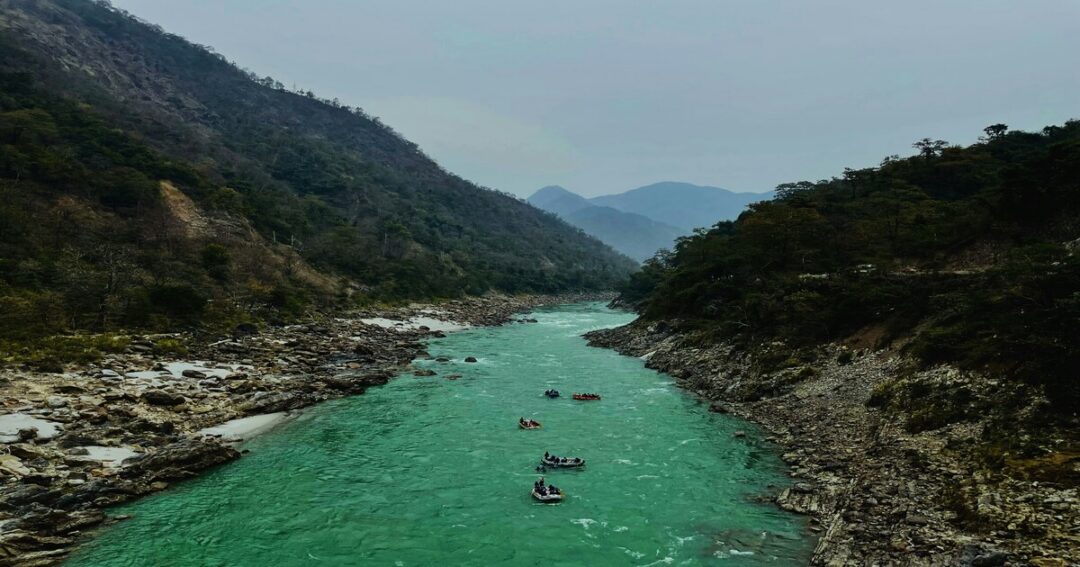
If you are tired of the crowded rafting stretches near Rishikesh, the Tons River might be exactly what you are looking for. Tucked away in the remote Tons Valley of Uttarakhand, this wild Himalayan river offers fast rapids, deep gorges, pine-covered slopes and quiet riverside camps. It is a rising favourite among adventure seekers who want raw nature along with a real adrenaline rush.
In this guide, you will find everything you need to plan your trip: an overview of the river, the Tons River map route, the best time for Tons River rafting, top experiences in Tons Valley Uttarakhand, travel tips and answers to common questions.
What Is the Tons River? An Overview
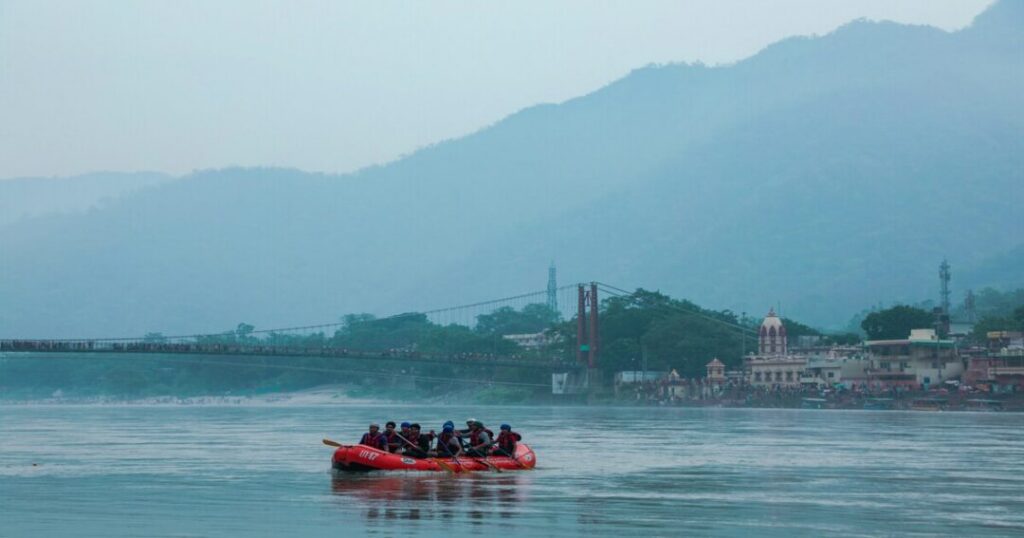
The Tons River is the largest tributary of the Yamuna and one of the most powerful rivers of the Garhwal Himalayas. It is known as the Tamsa in older texts and carries more water than the Yamuna itself at the point where the two meet.
Quick facts about the Tons River:
- Origin: Fed by glaciers near the Bandarpunch massif in the Uttarkashi district.
- Key tributaries: Rupin and Supin rivers join near Naitwar to form the Tons.
- Confluence: It meets the Yamuna near Kalsi in the Dehradun district.
- Region: Flows through the scenic Tons Valley in Uttarakhand, along the border with Himachal Pradesh in places.
- Famous for: White-water rafting, the Har Ki Dun and Kedarkantha treks, and untouched mountain villages.
Tons River Map: Understanding the Route
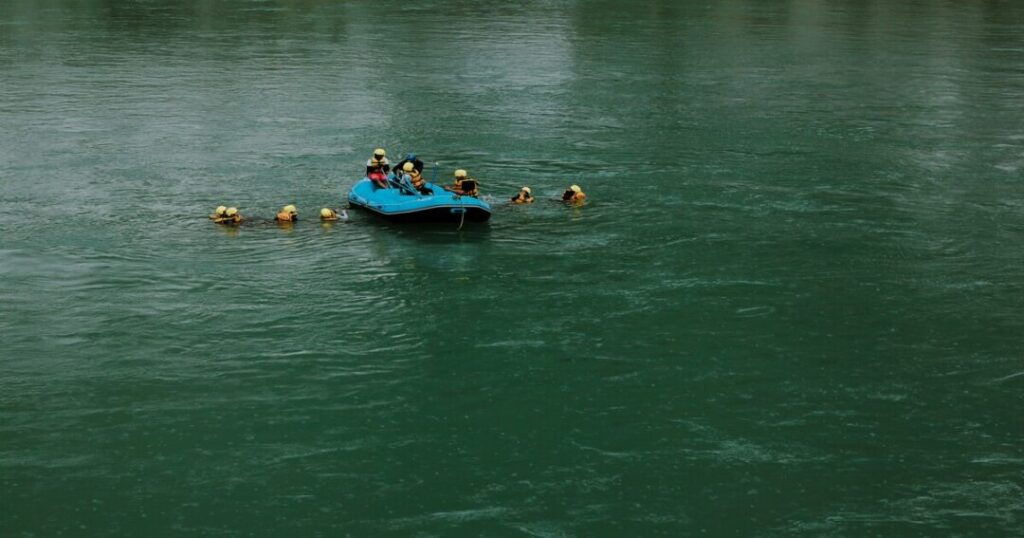
Before you plan a trip, it helps to understand the Tons River map. The river flows from the high Himalayan glaciers down through remote forests and villages before reaching the plains near Dehradun.
Here is a simple route guide to read the Tons River map:
- Bandarpunch and Har Ki Dun glaciers: The source region, reached only by trekking.
- Sankri and Taluka: The last motorable base villages and the starting point for Har Ki Dun and Kedarkantha treks.
- Naitwar: The meeting point of the Rupin and Supin rivers, which form the main Tons River.
- Mori: A popular base for camping and rafting, with road access from Dehradun.
- Tuni and Hanol: Further downstream, with ancient temples and quiet riverside scenery.
- Kalsi: Where the Tons River joins the Yamuna near Dehradun.
Tip: Search for the Tons River map on Google Maps, mark Mori, Naitwar and Sankri, and download offline maps because mobile network is patchy in the valley.
Why Tons River Rafting Is Special?
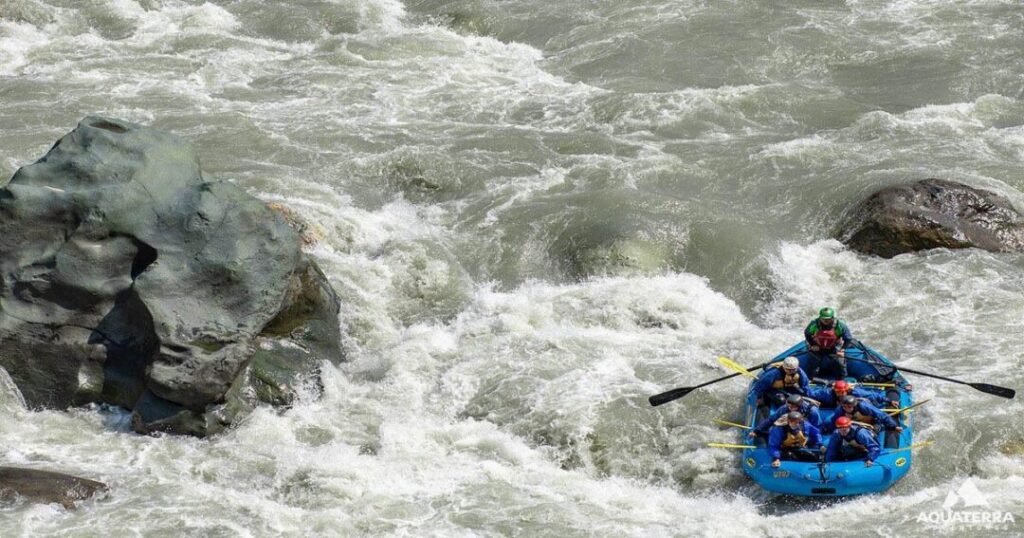
Tons River rafting is different from the commercial rafting you may have tried elsewhere. The river is wide, powerful and far less crowded, which gives you a more authentic wilderness experience.
What makes it stand out:
- Challenging rapids: The river offers a mix of moderate and exciting rapids, suitable for both beginners with a guide and experienced rafters.
- Scenic gorges: Rafting here comes with views of forested hills, rocky cliffs and small villages.
- Less crowd: Fewer rafting groups mean more peace and a more personal experience.
- Camping combo: Many operators combine rafting with riverside camping and bonfire nights.
Note: Rapid grades and the available rafting stretch can change with water levels and local rules, so always confirm with a licensed operator before booking.
Top Things to Do in Tons Valley Uttarakhand

Tons Valley Uttarakhand is more than just a rafting destination. It is a complete mountain getaway, and these are the best activities to add to your itinerary:
- White-water rafting: The main attraction, with an adrenaline-packed ride through the river’s rapids.
- Riverside camping: Pitch a tent on the banks, listen to the water and enjoy a bonfire under a sky full of stars.
- Kedarkantha trek: One of India’s best winter treks, starting from Sankri, famous for its snow-covered summit.
- Har Ki Dun trek: A beautiful valley trek that follows the Tons River upstream to its glacial origins.
- Village visits: Explore traditional Garhwali villages with wooden houses and warm hospitality.
- Temple visits: Visit local temples such as those dedicated to Someshwar and Duryodhan in the Har Ki Dun region.
- Bird watching and photography: The valley is full of Himalayan birds, forests and dramatic landscapes.
- Fishing and nature walks: Calm stretches along the river are ideal for slow, relaxed exploration.
Also Read: Places to Visit in Uttarakhand: 12 Stunning Destinations for Every Traveller
What is the Best Time for Tons River Rafting?
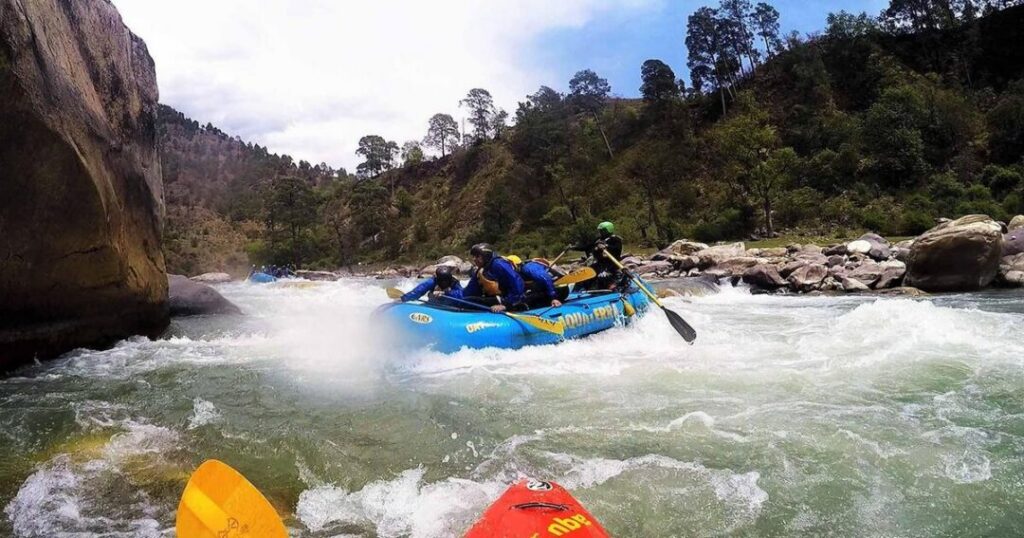
Choosing the right season is key to a safe and enjoyable trip to the Tons River.
| Season | Months | Suitability |
|---|---|---|
| Spring | March to May | Excellent. Pleasant weather and good water flow. |
| Summer | June | Good, but water levels rise as snow melts. |
| Monsoon | July to August | Not recommended. High water and landslide risk. |
| Autumn | September to November | Excellent. Clear skies, stable water and great views. |
| Winter | December to February | Very cold. Better for trekking than rafting. |
Best overall: Late September to November and March to May.
How to Reach Tons Valley Uttarakhand?
The valley is remote, but the journey itself is part of the charm.
- By air: The nearest airport is Jolly Grant Airport in Dehradun, roughly 190 to 200 km from Mori.
- By train: Dehradun railway station is the closest major railhead.
- By road: From Dehradun, drive via Vikasnagar, Chakrata or Purola to reach Mori. The drive takes around 7 to 8 hours depending on traffic and road conditions.
- Local transport: Shared jeeps and taxis run from Dehradun and Purola to Mori and Sankri.
Also Read: 10 Things to Do in Chakrata: The Complete Guide to Uttarakhand’s Hidden Hill Station
Essential Tips for Your Tons River Adventure
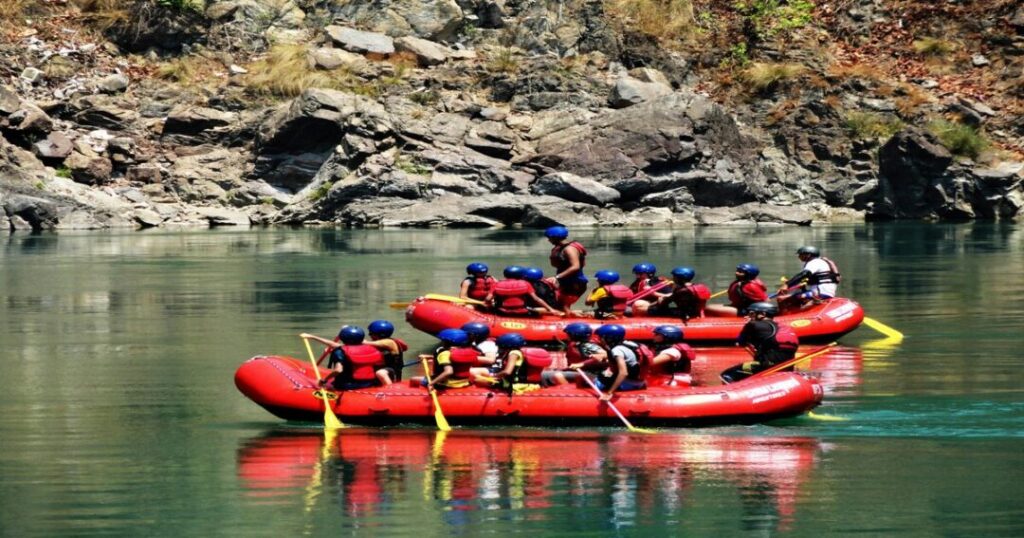
Follow these tips to make your trip safe and memorable:
- Book with a certified operator: Choose an operator that provides quality life jackets, helmets and trained river guides.
- Carry cash: ATMs are limited in the valley, so withdraw money in Dehradun or Purola.
- Pack smart: Bring quick-dry clothes, a warm jacket, sunscreen, a hat, sturdy sandals or water shoes, and a waterproof bag.
- Download offline maps: Save the Tons River map offline, because network coverage is weak.
- Respect the environment: Do not litter and avoid using plastic near the river.
- Check weather and water level: Always confirm river conditions before rafting.
- Follow your guide: Listen carefully to the safety briefing and follow instructions throughout the ride.
Also Read: Things to Do in Dhanaulti: Uttarakhand’s Quiet Detour Off the Mussoorie Road
Where to Stay Near the Tons River?
Stay options in the valley are simple but comfortable:
- Riverside camps: The most popular choice for rafting groups, with tents, meals and bonfire.
- Homestays: A great way to experience local culture and Garhwali food.
- Forest rest houses and guest houses: Basic, budget-friendly stays in places like Mori, Naitwar and Sankri.
Book in advance during peak season and festival weekends.
Must Read: Best Treks in Uttarakhand: Himalayan Trails for Trekkers
Conclusion: Is the Tons River Worth Visiting?
Absolutely. The Tons River combines everything an adventure lover could want: thrilling rapids, dramatic Himalayan scenery, authentic village culture and peaceful camping. Whether you come for Tons River rafting, to follow the Tons River map from glacier to confluence, or to explore the offbeat charm of Tons Valley Uttarakhand, this river promises memories that last long after the trip ends.
Plan your visit with Explurger app in the right season, book with a trusted operator and get ready for one of Uttarakhand’s most exciting white-water adventures.
FAQs About The Tons River
2. Is the Tons River good for rafting?
Yes. Tons River rafting is popular for its exciting rapids, scenic surroundings and less crowded stretches. It is a good option for people who want a more adventurous and offbeat experience than the busier rivers.
3. What is the best time for Tons River rafting?
The best months are March to May and late September to November. Avoid the monsoon season from July to August because of high water levels and landslide risk.
4. Where can I see the Tons River map?
You can find the Tons River map on Google Maps by searching for Mori, Naitwar, Sankri and Kalsi, which mark the main points along its course. Download the map offline before travelling.
5. Is Tons River rafting safe for beginners?
Yes, it can be, provided you go with a certified operator who gives a proper safety briefing and provides quality equipment. Beginners should choose the stretch recommended by their guide.
6. How do I reach Tons Valley Uttarakhand?
Fly or take a train to Dehradun, then travel by road to Mori or Sankri through Vikasnagar and Purola. Shared jeeps and private taxis are available.