
1,204 Total Views
If there is a single month in the Indian calendar where the country feels most completely itself, it is August. The monsoon is at its fullest — the rivers are high, the countryside is green in a way it is not in any other season, and the air smells of rain and wet earth. Into this landscape, India packs some of its most significant festivals: the national pride of Independence Day, the sibling devotion of Raksha Bandhan, the midnight birth of Lord Krishna on Janmashtami, the beginning of Kerala’s most spectacular harvest celebration, and — depending on the year — the opening of the Ganesh Chaturthi season that will transform Mumbai and Pune into the most festival-dense cities in the world.
August is also the month of Sawan — the holiest month in the Hindu calendar dedicated to Lord Shiva — which means that beyond the headline festivals, every Monday of the month is observed as Sawan Somvar, every temple with a Shiva Lingam is crowded with devotees, and the streets of cities like Varanasi and Rishikesh carry the specific electric charge of a month of continuous devotion.
This guide covers the top 10 festivals in India in August — what each is, where it is most celebrated, and what a visitor should know to experience it.
Top 10 Festivals in August in India in 2026
1. Independence Day — August 15
When: August 15 (fixed date every year)
Where: Pan-India — every city, town, and village; the primary celebration at Red Fort, Delhi Significance: India’s independence from British colonial rule in 1947
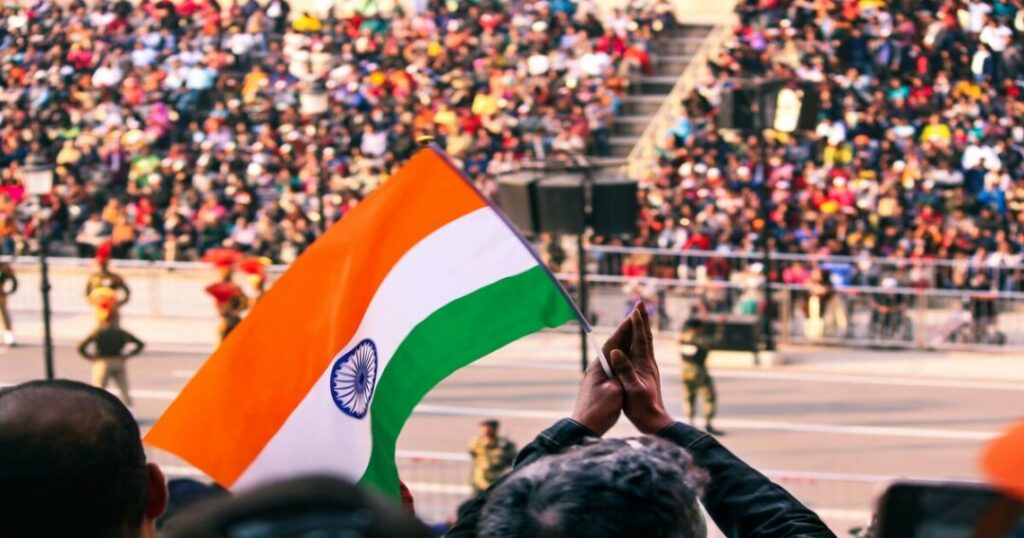
Independence Day is the most universally observed of all festivals in August in India — a national holiday on which India has celebrated its independence from British rule since the first flag-hoisting by Jawaharlal Nehru at Red Fort on August 15, 1947. The day’s defining ritual is the flag hoisting: the Prime Minister of India hoists the Tricolour at the Red Fort in Delhi and addresses the nation in a broadcast carried across every television and radio channel in the country.
Beyond Delhi, Independence Day unfolds as a deeply local celebration — flag-hoisting at every school, government office, and housing society across the country; parades and cultural performances; children dressed in saffron, white, and green; and the specific August tradition of kite flying, which turns the skies above cities like Delhi, Ahmedabad, and Lucknow into rivers of colour in the afternoon following the morning’s ceremonies.
What visitors should know: The Red Fort ceremony requires security clearance for attendance; most visitors watch the PM’s address on live broadcast. The best Independence Day experiences for tourists are often in smaller cities — the local parades, the school performances, the neighbourhood flag-hoistings — where the participation is more direct and the atmosphere more genuinely communal.
2. Raksha Bandhan — The Festival of Sibling Protection
When: Full moon day (Purnima) of the Shravan month — typically August.
Where: Pan-India; most elaborate in North India (Uttar Pradesh, Rajasthan, Madhya Pradesh); Maharashtra observes it alongside Narali Purnima Significance: Sacred bond between brothers and sisters
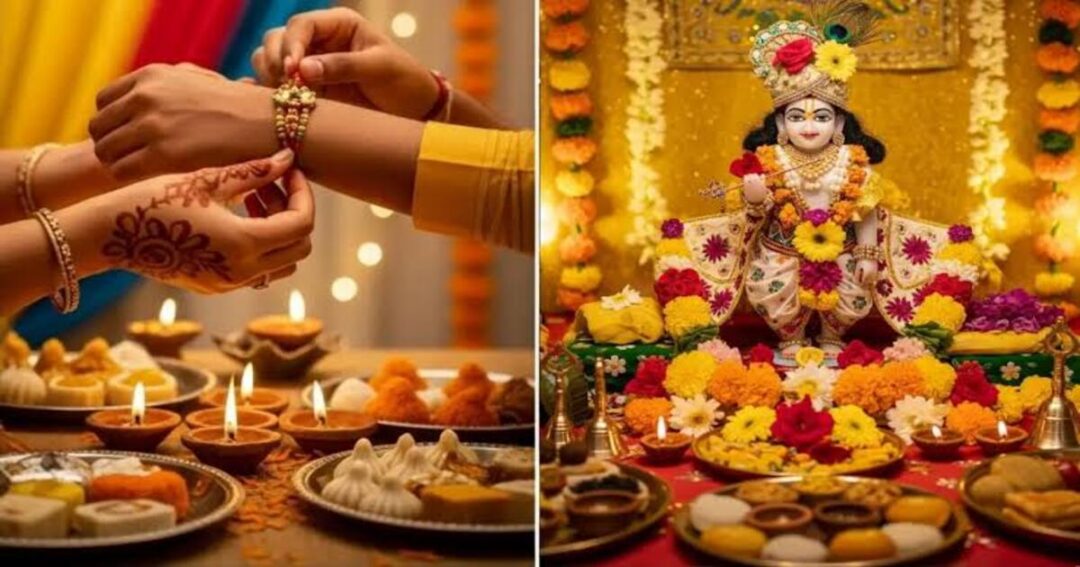
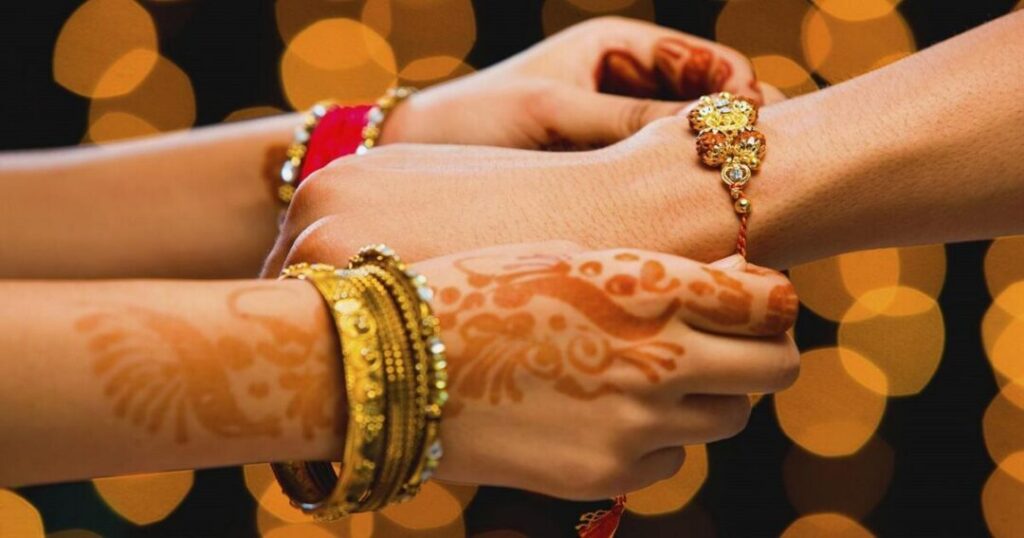
Raksha Bandhan (Raksha = protection, Bandhan = bond) is one of the most emotionally resonant of all August festivals in India — a celebration of the relationship between brothers and sisters in which a sister ties a rakhi (a decorated sacred thread) around her brother’s wrist, prays for his wellbeing, and receives in return a gift and his promise of lifelong protection. The rakhi is not merely decorative — it is a visible declaration of a relationship and a responsibility.
The ritual is ancient and the legends behind it are multiple: the god Indra’s wife tied a protective thread around his wrist before a battle; Draupadi tore a strip from her saree to bind Krishna’s bleeding wrist; the Rajput queen Karnavati sent a rakhi to Emperor Humayun seeking his protection. The festival transcends religion — Raksha Bandhan is observed by Hindu, Jain, and Sikh families and has become a broadly cultural celebration of sibling love.
Maharashtra’s Narali Purnima: On the same full moon day, Maharashtra’s fishing communities observe Narali Purnima — the festival marking the end of the monsoon fishing ban. Fishermen offer coconuts (naral) to the sea in gratitude and as a prayer for safe voyages; the first boats of the new fishing season are blessed and sent out. The dual celebration — sibling love inland, sea worship on the coast — makes this full moon day one of the most culturally layered days in the August festival calendar.
3. Janmashtami — The Midnight Birth of Lord Krishna
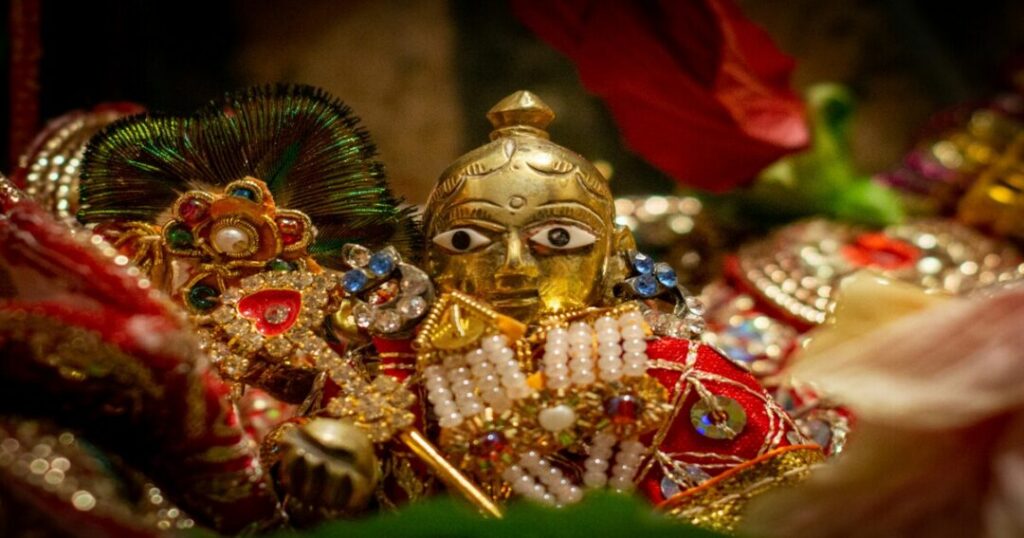
When: Eighth day (Ashtami) of the Krishna Paksha (dark fortnight) of Bhadrapada — typically August or early September Where: Pan-India; most celebrated in Mathura and Vrindavan (UP), Mumbai, Pune (Dahi Handi), and Dwarka (Gujarat) Significance: Birth anniversary of Lord Krishna — eighth avatar of Lord Vishnu
Janmashtami (also called Krishnashtami or Gokulashtami) is the birth celebration of Lord Krishna — and uniquely among Indian festivals, its central ritual takes place at midnight, the exact hour of Krishna’s birth. Temples across India keep vigil through the night with devotional singing (kirtan), the Ramayana and Mahabharata recited from scripture, and the moment of birth marked by the ringing of bells, the blowing of conch shells, and the breaking of the fast.
Mathura and Vrindavan — the birthplace and childhood home of Lord Krishna in Uttar Pradesh — are the most significant Janmashtami destinations in India. The celebrations here begin days in advance; the night of Janmashtami sees thousands of pilgrims filling the streets between the two temple towns.
Dahi Handi — Maharashtra’s Contribution: The day after Janmashtami (Nandotsav) is celebrated in Maharashtra with Dahi Handi — the formation of human pyramids to break earthen pots of curd (dahi) suspended high above the street, re-enacting young Krishna’s mischief of stealing butter from high-hung pots. Teams of young men (Govindas) in numbered formations compete to break pots at increasing heights; prize money runs into lakhs at the largest competitions in Mumbai.
4. Onam — Kerala’s Ten-Day Harvest Spectacle
When: August or September (Malayali calendar; Thiru Onam is the main day — the 22nd nakshatra Thiruvonam in the month of Chingam)
Where: Kerala — the state’s most important festival; celebrated by Keralites worldwide
Significance: Harvest festival; homecoming of mythical King Mahabali
Onam is the cultural and harvest apex of Kerala — a 10-day festival marking the annual homecoming of King Mahabali, whose reign is remembered as a golden age of equality and prosperity. According to the Vaishnava legend, Mahabali was pushed to the netherworld by Vamana (a dwarf avatar of Vishnu), but granted the boon of visiting his people once a year. Keralites celebrate his return with the fullness of their culture:
- Pookalam: Elaborately arranged flower carpets created at the entrance of every home — each day more elaborate than the last; the Thiru Onam pookalam is the most complex
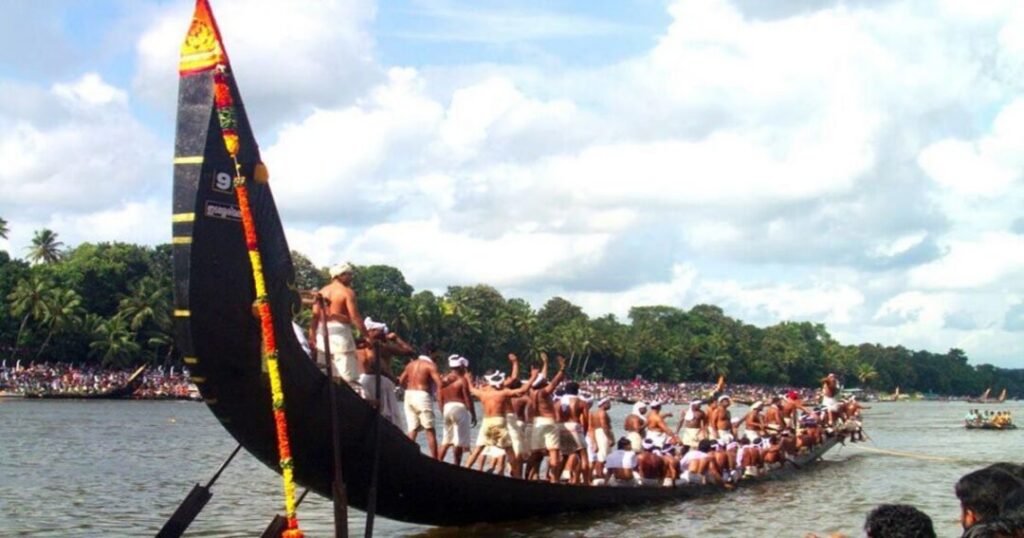
- Vallam Kali (Snake Boat Races): The most spectacular of Onam’s traditions — long, ornate snake boats (chundan vallam) rowed by teams of over 100 oarsmen to the rhythmic vanchipattu (boat song); the Nehru Trophy Boat Race at Punnamada Lake near Alappuzha is the most famous
- Onam Sadya: A 26-dish vegetarian feast served on a banana leaf — one of the finest ceremonial meals in India; the combination of rice, papadum, avial, olan, erissery, payasam, and dozens of other preparations represents the abundance of Mahabali’s reign
- Thiruvathira and Pulikali: Traditional dance forms performed during the festival — Thiruvathira by women, Pulikali (tiger dance with costumed performers) a specific tradition of Thrissur district
Also Read: Monsoon in Delhi in August: A Celebration Of Rain, Culture, Food and Fun
5. Nag Panchami — The Festival of Serpents
When: Fifth day (Panchami) of the Shukla Paksha (bright fortnight) of Shravan — typically August.
Where: Pan-India; particularly significant in Maharashtra, Karnataka, Rajasthan, and Uttar Pradesh; most famous observance at Battis Shirala, Maharashtra.
Significance: Worship of the serpent deity, associated with Lord Shiva and fertility
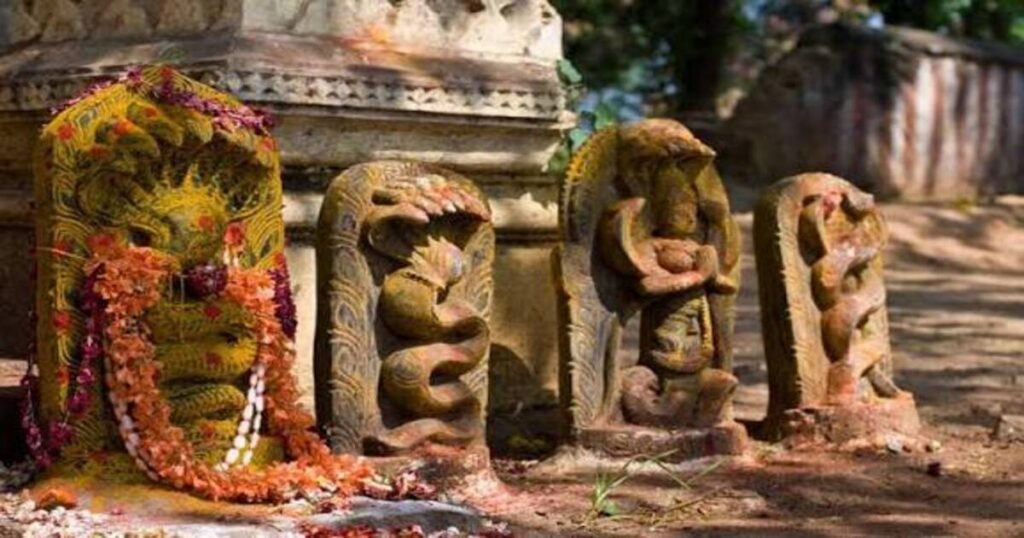
Nag Panchami is one of India’s most ancient and most distinctively Indian festivals — a day of worship dedicated to the Naga (serpent deity). This figure appears in Hindu, Buddhist, and Jain traditions alike as a symbol of fertility, protection, and the earth’s vital energy. On this day, images or live snakes are offered milk, flowers, and sandalwood paste; snake charmers bring their serpents to temples; and the specific mythological connection between the serpent Shesha (upon whom Lord Vishnu sleeps) and Lord Shiva (who wears snakes as ornaments) is celebrated.
The most extraordinary Nag Panchami celebration in India is at Battis Shirala in Sangli district, Maharashtra — a village where for centuries, live cobras were brought from the surrounding forest, handled by priests and devotees, and returned unharmed after the festival. Note: A court order in 2006 banned live snake worship at Battis Shirala following animal welfare concerns; since then, the festival has been primarily observed with snake idols, though the community continues to seek revival of the traditional practice. Even in its current form, the event draws enormous crowds and represents one of the most genuinely ancient festival traditions in India.
6. Hartalika Teej — North India’s Women’s Festival
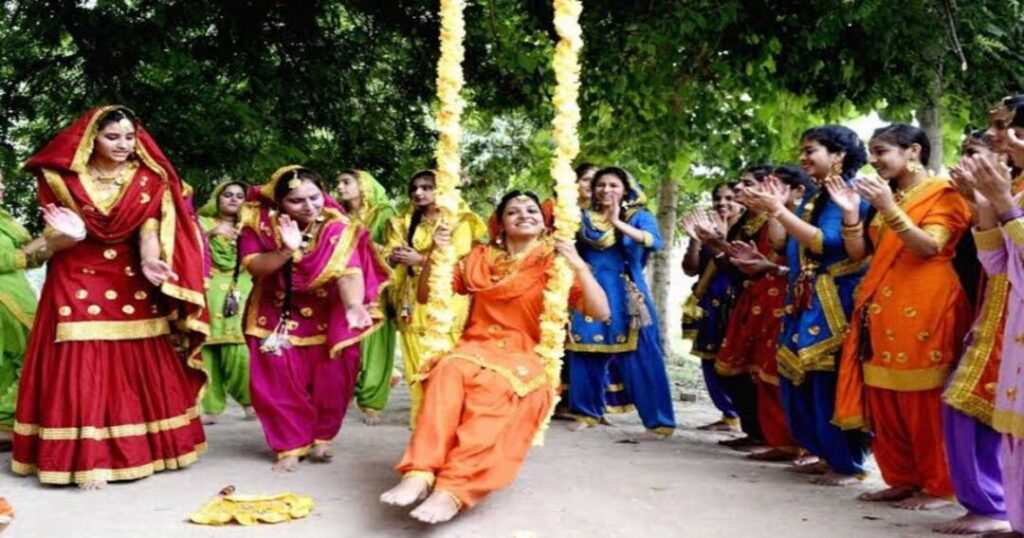
When: Third day (Tritiya) of the Shukla Paksha of Bhadrapada — typically August or September
Where: North India — Uttar Pradesh, Rajasthan, Bihar, Madhya Pradesh, Jharkhand
Significance: Women’s festival; worship of Goddess Parvati for marital happiness and the wellbeing of spouses
Hartalika Teej is a one-day festival observed by married and unmarried women who fast strictly through the day (no water, no food) and worship Goddess Parvati — celebrating the union of Parvati and Lord Shiva, which Parvati is said to have achieved through extraordinary penance. The name comes from Harat (abduction) and Aalika (female friend) — referring to the legend in which Parvati’s friend abducted her to prevent a forced marriage to Vishnu, allowing her to continue her penance for Shiva.
The festival is celebrated with the installation of sand images of Shiva and Parvati, puja through the day and night, and the exchange of solah shringar (16 traditional adornments) among women. Hartalika Teej is one of the most important fasting festivals in the North Indian women’s calendar — comparable in emotional weight to Karva Chauth, though it is observed without the moonrise ritual.
7. Varalakshmi Vratham — South India’s Wealth Festival
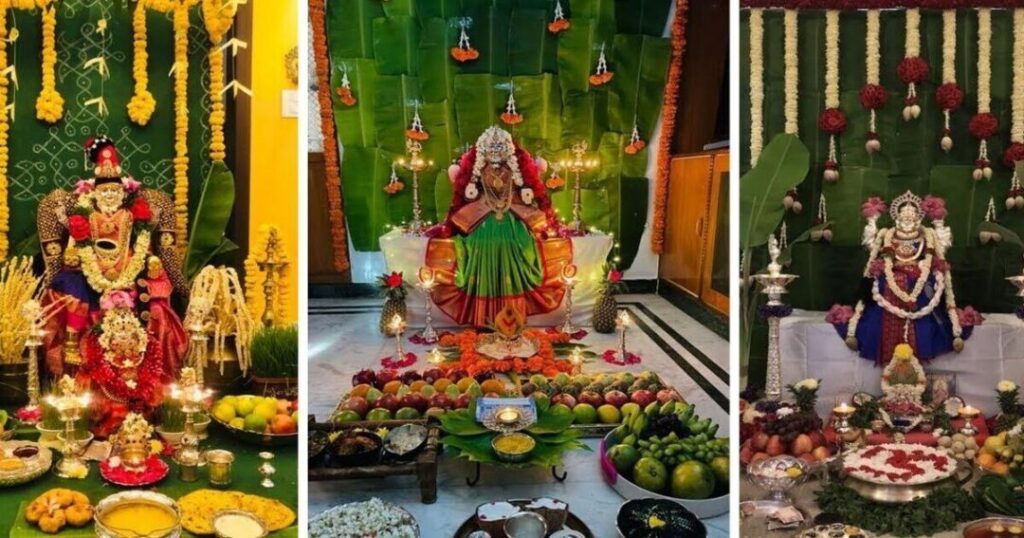
When: Second Friday before the full moon (Purnima) of Shravan — typically August
Where: Andhra Pradesh, Telangana, Karnataka, Tamil Nadu; celebrated in virtually every Telugu and Kannada-speaking household.
Significance: Women’s festival; worship of Goddess Varalakshmi for family prosperity
Varalakshmi Vratham is the most widely observed women’s festival in South India — a day of elaborate puja to Goddess Varalakshmi (a form of Lakshmi who grants boons) for the wellbeing and prosperity of the family. Married women decorate a pot (kalasham) with a face representing the goddess, adorn it with a saree and jewellery, and offer nine varieties of naivedyam (food offerings). Neighbours visit each other; kumkum (vermilion) and turmeric are exchanged; the vrata katha (the story of the festival’s significance) is read aloud.
8. Sawan Somvar — The Monday Pilgrimages of Shiva’s Month
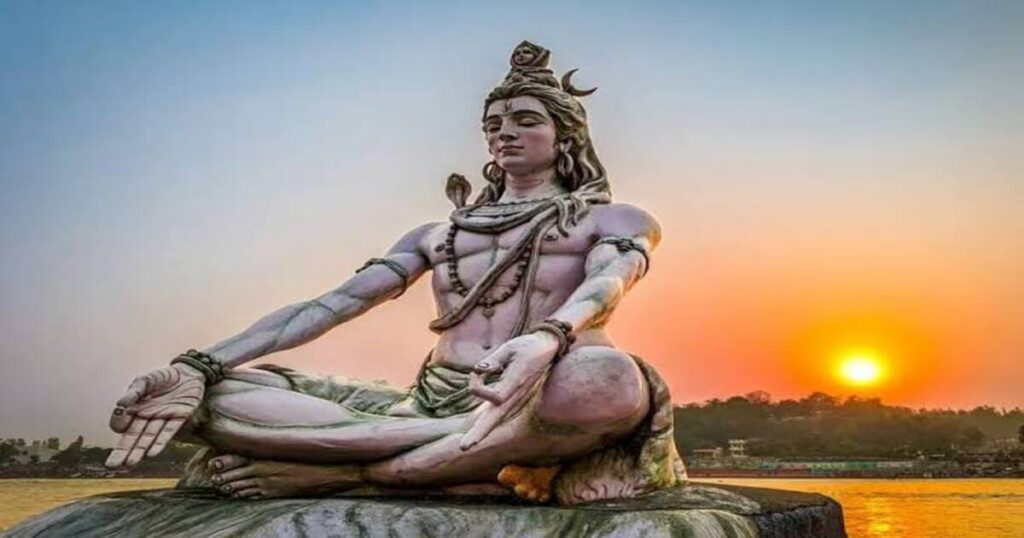
When: Every Monday of the Shravan month — all of August.
Where: Pan-India; most significant in Varanasi, Rishikesh, Haridwar, Ujjain, and all 12 Jyotirlinga temples. Significance: The holiest month for Lord Shiva; Monday (Somvar) is Shiva’s day
Sawan — the lunar month of Shravan, falling almost entirely in July–August — is the holiest month in the Hindu calendar for devotees of Lord Shiva. Every Monday of Sawan (Sawan Somvar) is a day of fasting and temple visit; the Kanwar Yatra — in which millions of devotees (Kanwariyas) walk barefoot to sacred rivers (primarily the Ganga at Haridwar, Gangotri, Sultanganj, or Rishikesh), collect the sacred water in decorated pots (kanwar), and carry it home to pour over a Shivling in their local temple — is one of the largest and most visually extraordinary mass pilgrimages in India. The saffron-clad Kanwariyas walking in their millions on the national highways of North India in July–August is one of the most distinctive sights of Indian August.
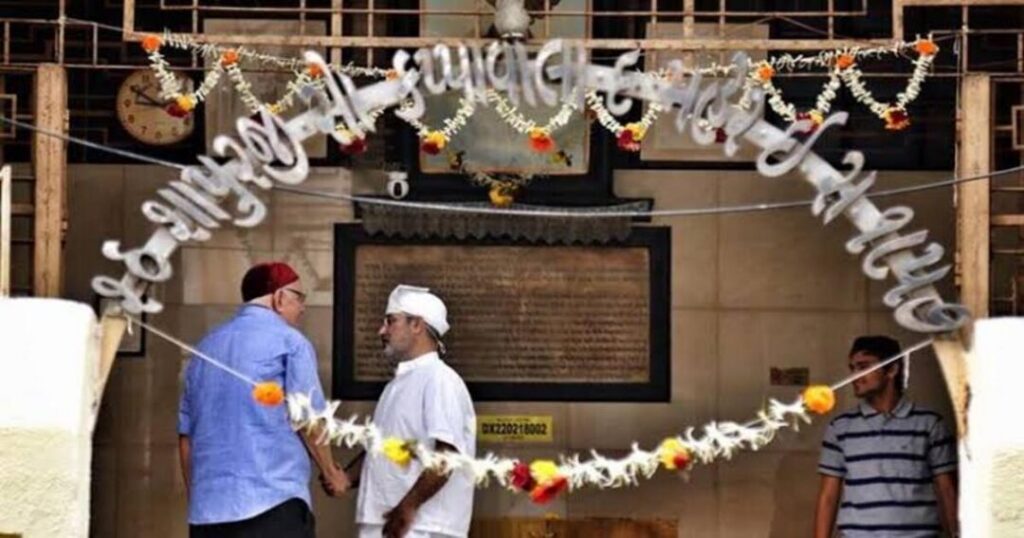
When: August (Shahenshahi calendar; date shifts yearly)
Where: Mumbai (largest Parsi community in India), Surat, Pune, Kolkata
Significance: Parsi New Year; ancient Zoroastrian celebration
Parsi New Year (Nowruz in the Fasli calendar, observed in March globally; Navroz or Pateti in the Shahenshahi calendar followed by most Indian Parsis) is the Zoroastrian New Year — one of the world’s oldest continuously observed festival traditions. The Parsi community in India, concentrated primarily in Mumbai and Gujarat, observes it with prayers at the Atash Behram (fire temple), the preparation of traditional foods (sweet ravo — semolina pudding; sali boti — lamb with crispy potato straws; lagan nu custard), and the wearing of traditional white sudreh and kusti (sacred garments).
Mumbai’s Parsi community — one of the most culturally influential communities in the city’s history — transforms its neighbourhoods (Dadar Parsi Colony, Tardeo) with rangoli, flowers, and the smell of incense and fresh flowers on this day.
Also Read: Long Weekend in August 2025: Top Escapes from Metro Cities in India
10. Nuakhai — Odisha’s Harvest Greeting
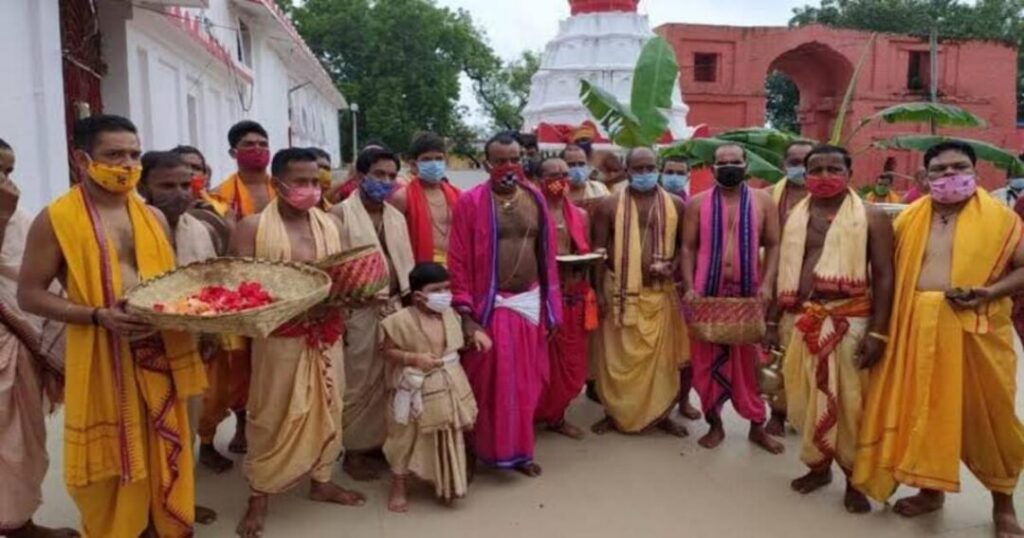
When: Day after Ganesh Chaturthi (Panchami of Bhadrapada Shukla) — typically August or September Where: Western Odisha primarily (Sambalpur, Bargarh, Bolangir); also Chhattisgarh
Significance: First harvest festival — greeting the new crop; one of Odisha’s most important folk festivals
Nuakhai (Nua = new, Khai = food/eating) is one of the finest examples of India’s August folk festivals — an agrarian festival in which the season’s newly harvested rice is offered first to the local deity (most significantly to Maa Samaleswari at Sambalpur) before being consumed by the household. The offering ritual (Nuakhai Bhetghat) is followed by family reunions, the exchange of greetings and sweets, and community celebrations that include traditional Sambalpuri folk dances and music.
Nuakhai is one of western Odisha’s most important festivals and the occasion that most clearly expresses the region’s distinct cultural identity — separate from coastal Odisha’s Puri-centric tradition — through its agricultural roots, Sambalpuri folk arts, and communal celebrations.
Festival Travel Tips — August in India
- Monsoon conditions: August is peak monsoon in most of India — carry waterproof gear, expect delays on mountain roads, and check weather conditions before planning travel to flood-prone areas
- Accommodation: Book well in advance for Onam in Kerala (particularly around Vallam Kali race dates), Janmashtami in Mathura/Vrindavan, and Independence Day in Delhi — all three are high-demand periods
- The Kanwar Yatra: The NH58 between Delhi and Haridwar is heavily congested during Sawan Mondays; plan road travel to the Himalayas carefully around these dates
- Food: Many festivals involve fasting days (Janmashtami, Hartalika Teej, Nag Panchami) — expect specific vrat (fasting) menus at restaurants across North India in August
Also Read: Deoria Tal: The Complete Guide to Uttarakhand’s Mirror Lake & Chandrashila Circuit
Conclusion About Festivals in August in India
August in India is the monsoon at its most beautiful and the festival calendar at its most generous — Independence Day, Raksha Bandhan, Janmashtami, Onam, Sawan, and the beginning of the Ganesh Chaturthi season together make it one of the finest months to visit the country.
Quick guide to the best festivals in August in India:
- Independence Day — August 15; Red Fort, Delhi; flag hoisting; kite flying
- Raksha Bandhan — full moon of Shravan; sibling festival; Narali Purnima in Maharashtra
- Janmashtami — Bhadrapada Ashtami; midnight birth of Krishna; Dahi Handi
- Onam — 10 days; Kerala; boat races; 26-dish Sadya; King Mahabali’s homecoming
- Nag Panchami — Shravan Shukla Panchami; serpent worship; Battis Shirala cobras
- Hartalika Teej — Bhadrapada Shukla Tritiya; North India; women’s fasting festival
- Varalakshmi Vratham — second Friday before Shravan Purnima; South India
- Sawan Somvar — every Monday of Shravan; Kanwar Yatra; Shiva devotion
- Parsi New Year — August (Shahenshahi); Mumbai Parsi community
- Nuakhai — day after Ganesh Chaturthi; western Odisha folk harvest festival
Download the Explurger app to discover what India travellers recommend for August festivals, find the best viewpoints for Dahi Handi, Vallam Kali boat races, and Independence Day celebrations, and log every rakhi, pookalam, and midnight bell on your Indian festival journey.
August is already raining. The flowers for the pookalam are already being gathered. The midnight bell for Krishna is already being prepared. India in August is always already beginning.
FAQs About Festivals in August in India
2. What is Janmashtami and when is it celebrated?
Janmashtami is the birth anniversary of Lord Krishna — the eighth avatar of Lord Vishnu — celebrated on the eighth day (Ashtami) of the Krishna Paksha (dark fortnight) of the Bhadrapada month, typically in August or early September. The central ritual takes place at midnight — the hour of Krishna's birth — with temple vigils, devotional singing, and the breaking of the fast at the stroke of midnight. The most significant celebrations are in Mathura and Vrindavan (Lord Krishna's birthplace and childhood home). In Maharashtra, the day after Janmashtami is celebrated as Dahi Handi — with human pyramids formed to break pots of curd suspended high above streets, re-enacting young Krishna's mischief.
3. What is Onam and where is it celebrated?
Onam is Kerala's most important festival — a 10-day harvest celebration marking the annual homecoming of King Mahabali, whose legendary reign is remembered as a golden age. Celebrated in August or September (Chingam month of the Malayali calendar), Onam is observed with: Pookalam (daily flower carpets at home entrances, each more elaborate than the last), Vallam Kali (snake boat races — the Nehru Trophy at Punnamada Lake near Alappuzha is the most famous), Onam Sadya (a 26-dish vegetarian feast on banana leaves — one of the finest ceremonial meals in India), and traditional dance forms including Thiruvathira and Pulikali. Onam is celebrated by Keralites worldwide regardless of religion.
4. What is Raksha Bandhan?
Raksha Bandhan (Raksha = protection, Bandhan = bond) is a festival observed on the full moon of the Shravan month (typically August) in which a sister ties a rakhi (sacred thread) around her brother's wrist, prays for his wellbeing, and receives a gift and his promise of protection in return. The festival transcends religion — observed by Hindu, Jain, and Sikh families — and has become a broadly cultural celebration of sibling love across India. In Maharashtra, the same day is observed as Narali Purnima — when fishing communities offer coconuts to the sea to mark the end of the monsoon fishing ban and the beginning of the new fishing season.
5. What is Nuakhai?
Nuakhai (Nua = new, Khai = food) is one of India's most significant August folk festivals — an agrarian festival of western Odisha (Sambalpur, Bargarh) and Chhattisgarh, observed on the day after Ganesh Chaturthi. The season's newly harvested rice is offered to the local deity (primarily Maa Samaleswari at Sambalpur) before being consumed by the household, followed by family reunions, community celebrations, and traditional Sambalpuri folk music and dance. Nuakhai is one of the clearest expressions of western Odisha's distinct cultural identity.