

727 Total Views
There is a map on a wall at the United Nations Environment Programme headquarters in Nairobi that shows the surface water bodies of the world — rivers, lakes, reservoirs, wetlands — and tracks what has happened to them over the past sixty years. It is not a comfortable map to look at. Surface water is shrinking or disappearing entirely in 364 basins worldwide, according to a 2024 UNEP and UN-Water report. An estimated 93.1 million people live in those areas. More than half of the world’s five million lakes are currently endangered.
Lakes do not disappear overnight. They shrink across decades — their shorelines retreating year by year, their depths declining season by season, their salinity rising as the freshwater that dilutes them diminishes. The ecological collapse that follows is rarely dramatic in the way that floods or wildfires are dramatic. It is quiet, incremental, and by the time it becomes visible it has usually already become irreversible.
The World’s Most Endangered Lakes — Six Critical Cases
1. The Aral Sea — The Cautionary Tale That Was Not Heeded
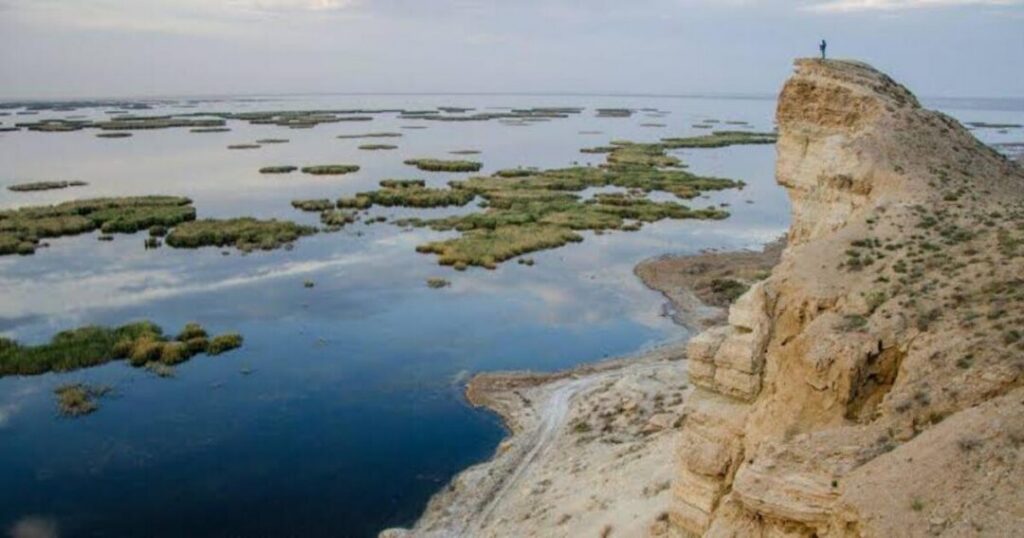
The Aral Sea is the most famous and most devastating example of deliberate lake destruction in recorded history — and the fact that it is so well-known, so thoroughly documented, so universally described as a catastrophe, while similar processes proceed around the world, tells us something important about the limits of environmental awareness as a force for environmental protection.
At a glance:
- 1960 area: ~68,000 km² — fourth-largest inland water body on Earth
- Primary cause: Soviet diversion of the Syr Darya and Amu Darya rivers in the 1960s for cotton and wheat irrigation
- Fish production lost: ~40,000 tonnes annually — collapsed entirely
- Current status: Two small saline remnants; South Aral Sea effectively gone
In 1960, the Aral Sea had a surface area of approximately 68,000 square kilometres. Its name, in Mongolian and Turkic languages, means “Sea of Islands” — a reference to the more than 1,100 islands that once dotted its waters. The lake supported a complex ecosystem of over 300 bird species, 250 aquatic invertebrates, and numerous fish species. The Soviet engineers who diverted its tributary rivers in the 1960s understood that the sea would shrink. The trade-off was made consciously: agricultural production in exchange for a lake.
The exposed lakebed — impregnated with agricultural chemicals, pesticide residues, and salt — became a source of toxic dust storms the UN estimated deposited 200,000 tonnes of contaminated material per day across a 300-kilometre radius. Cancer rates, infant mortality, and respiratory disease in surrounding communities increased dramatically. Today, the North Aral Sea has partially recovered following Kazakhstan’s construction of the Kokaral Dam in 2005 — a rare conservation success. The South Aral Sea is effectively gone.
2. Lake Urmia (Iran) — The Drying of 12,000 Years
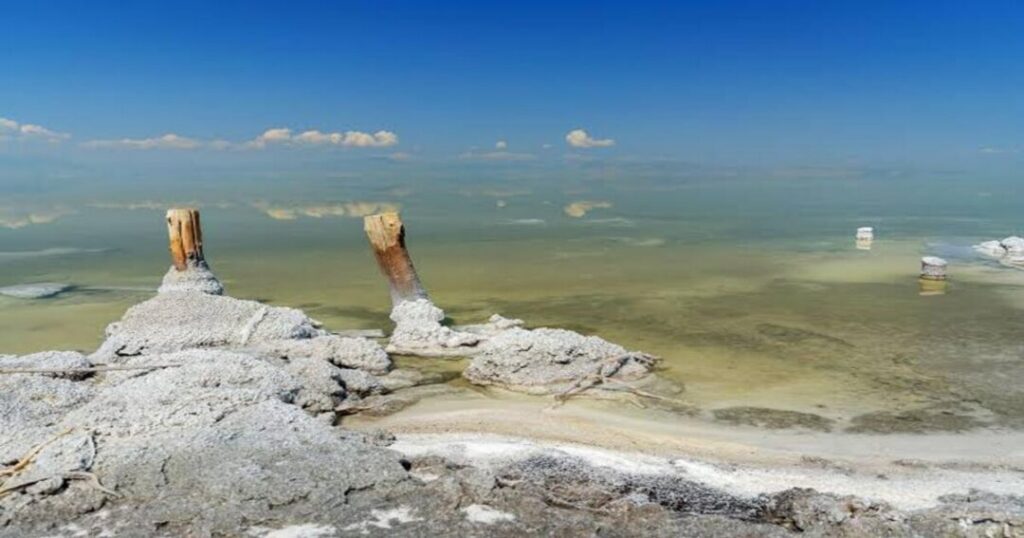
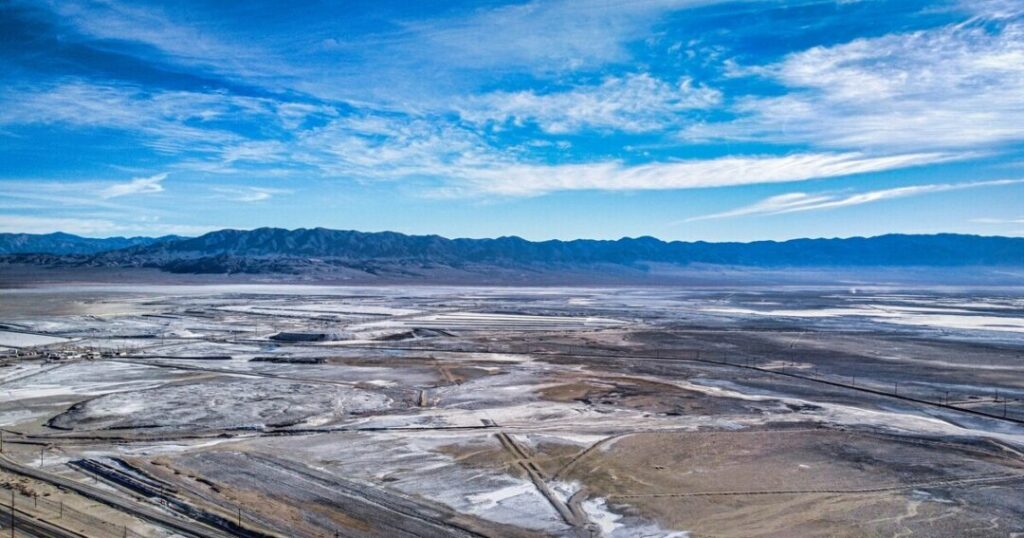
In the northwestern corner of Iran, there is a vast salt flat where the largest lake in the Middle East used to be.
At a glance:
- Maximum area: ~5,200 km² — sixth-largest saline lake on Earth
- Area lost since 1995: ~90%
- Last complete drying before 2023: ~12,000 years ago
- Designations: UNESCO Biosphere Reserve, Ramsar Wetland, national park — all insufficient
The lake’s decline began in 1995. Irrigated agricultural land in the basin expanded from approximately 300,000 hectares in 1979 to 570,000 hectares by 2022. In 2023, satellite imagery captured by NASA’s Landsat 9 confirmed what Iranian scientists had been warning for years: the lake had almost entirely dried up — for the first time in 12,000 years.
The lake’s hypersaline waters sustained migratory flocks of up to 300,000 flamingos along with white pelicans, white-headed ducks, and numerous other waterbirds. All of that has largely collapsed. The exposed salt flat now generates “salt storms” that damage surrounding cropland and threaten human respiratory health. Former President Rouhani stated that the lake’s demise could affect 50 million Iranians. The Urmia Lake Restoration Programme was established in 2013. By 2023, it had failed to prevent the lake’s near-complete disappearance.
Also Read: Kashmir Great Lakes Trek: The Most Beautiful Trek in India
At a glance:
- 1960s area: ~25,000 km² — sixth-largest inland water body in the world
- Current area: ~5% of former size
- People dependent on the basin: More than 40 million across Chad, Cameroon, Nigeria, Niger
- Primary causes: Sahel droughts (1970s–80s) + accelerating irrigation withdrawals + climate change
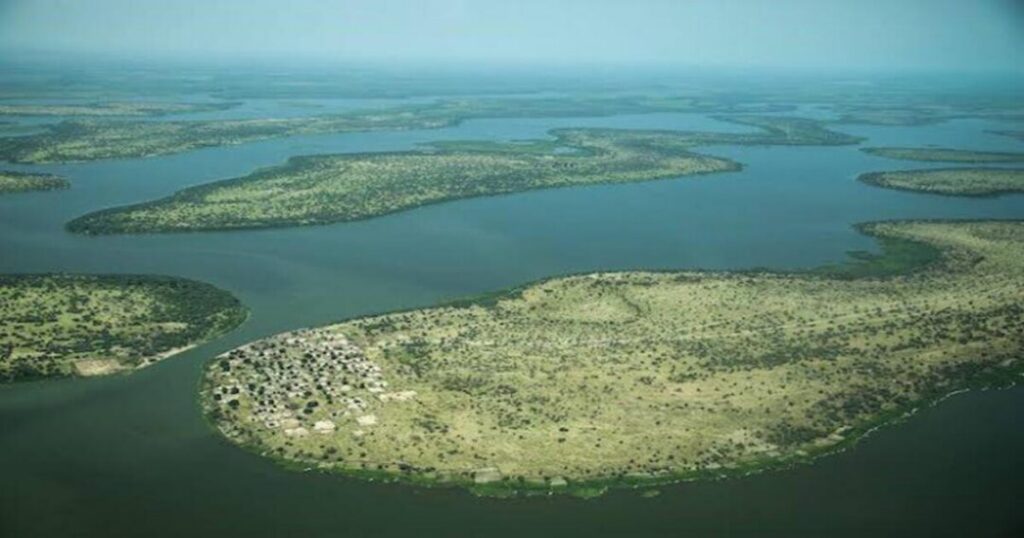
Lake Chad sits at the intersection of four nations — Chad, Cameroon, Nigeria, and Niger. The Sahel droughts of the 1970s and 1980s dramatically reduced rainfall across the basin; the lake shrank from 25,000 square kilometres to under 2,000 square kilometres by the early 1980s. It partially recovered, only to face accelerating pressure from irrigation withdrawals and the long-term drying of the Sahel under climate change.
The shrinking of Lake Chad has been cited by researchers as a contributing factor to resource conflicts in the region — competition for diminishing water and fishing grounds among communities in four countries, some entangled with the broader Sahel crisis. The lake’s fish populations, which once fed millions, have severely declined.
Also Read: Top 10 Must Visit Valleys in India
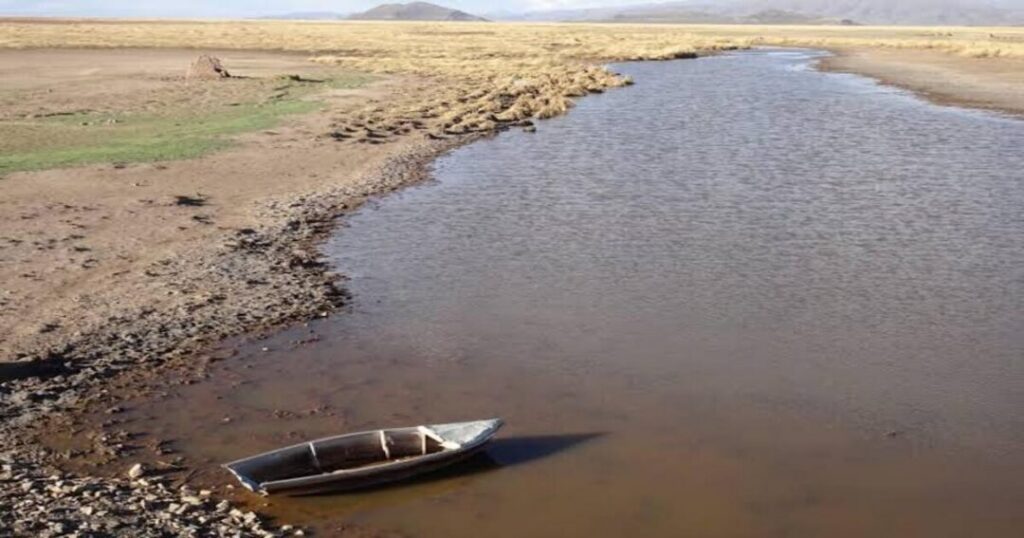
4. Lake Poopó (Bolivia) — The Lake That Simply Disappeared
At a glance:
- Former status: Bolivia’s second-largest lake; altitude ~3,686 m
- Date of complete drying: December 2015
- Primary causes: El Niño drought + altiplano warming + mining sediment load + water diversion
- Community impact: Urus-Muratos Indigenous community largely displaced
In December 2015, Bolivia’s Lake Poopó dried up completely. The sediment load from the local mining industry had significantly reduced the lake’s depth over decades, making it acutely vulnerable to the extended El Niño drought of 2015. More than 200 species were catastrophically affected. The Urus-Muratos community, whose identity and livelihood were inseparable from the lake, was largely displaced — a quiet instance of climate-driven displacement that received limited international attention relative to its human significance.
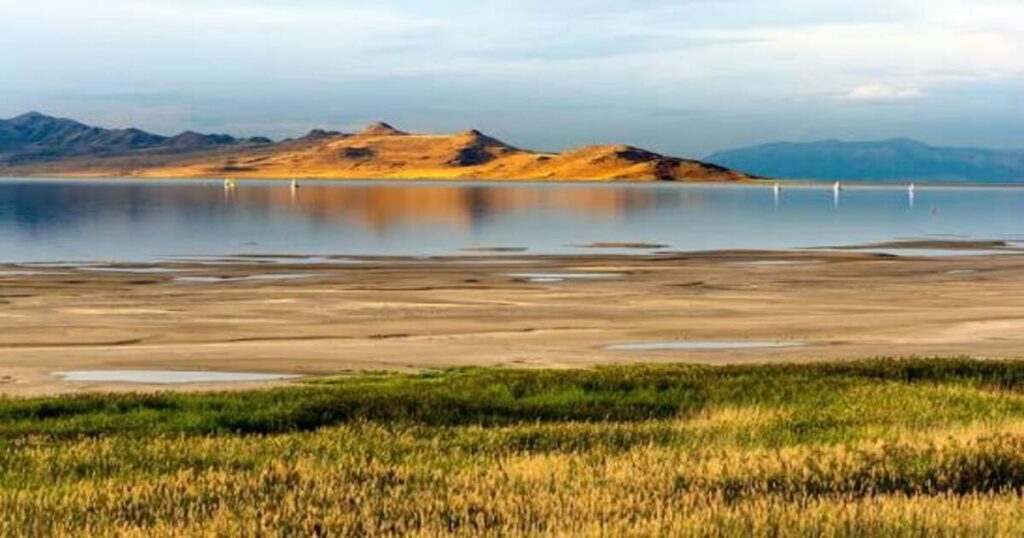
5. The Great Salt Lake (USA) — America’s Slow Emergency
At a glance:
- Status: Largest saline lake in the Western Hemisphere
- Area lost since 1980s: ~50% of surface area
- Volume lost since 1980s: ~75%
- Exposed lakebed hazard: Arsenic, mercury, and heavy metals from over a century of mining
The Great Salt Lake supports brine shrimp populations that are the primary food source for millions of migratory birds on the Pacific Flyway, and a mineral extraction industry worth billions of dollars. In 2022, the New York Times described its situation as an “environmental nuclear bomb.” As the lake shrinks, heavy metal contaminants in the exposed lakebed are released to the wind, threatening the air quality of the Salt Lake City metropolitan area and its three million residents. In 2023, Utah Governor Spencer Cox pledged to restore the lake before the 2034 Winter Olympics — a commitment scientists noted would require fundamental changes to water allocation across the entire state.
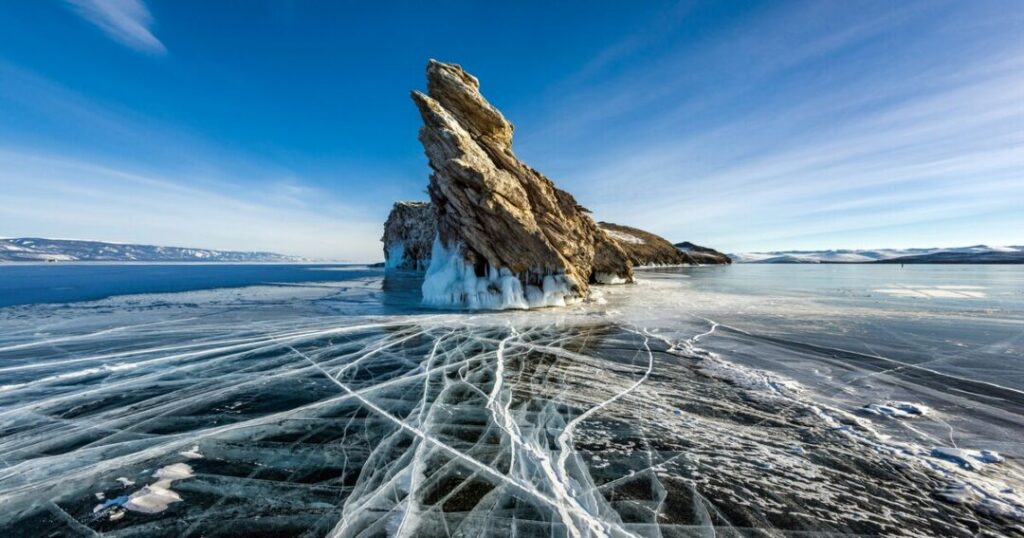
6. Lake Baikal (Russia) — Ancient, Deep, and Quietly Threatened
At a glance:
- Status: World’s largest freshwater lake by volume; world’s oldest and deepest lake
- Freshwater held: ~20% of all unfrozen surface freshwater on Earth
- Age: ~25–30 million years
- Unique species: 1,500–1,800 species, majority endemic; only exclusively freshwater seal (Pusa sibirica)
- Primary threat: Warming water temperature disrupting endemic ecosystem — not yet catastrophic shrinkage
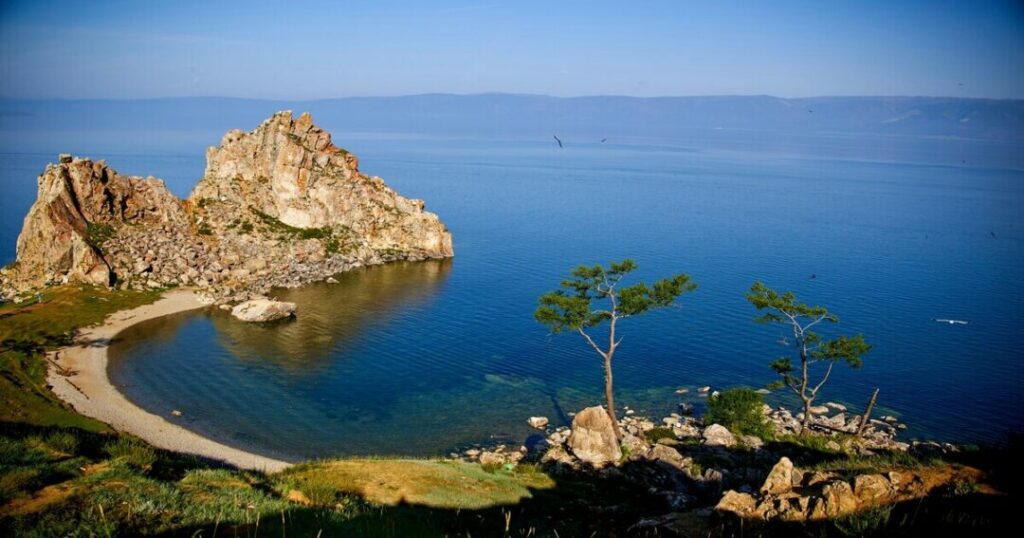
Unlike the Aral Sea or Lake Urmia, Baikal has not yet experienced catastrophic shrinkage. Its threats are different and in some ways more insidious: the lake has warmed significantly since the mid-20th century, reshaping its ecosystem. The endemic algae that form the base of Baikal’s food web are shifting. Invasive species are gaining ground. The specific ecological relationships that evolved over millions of years in Baikal’s cold, extraordinarily clear, nutrient-poor waters are being disrupted by temperature change that, across geological time, is occurring almost instantaneously.
Baikal is a reminder that endangerment does not always announce itself through visible shrinkage. A lake can retain its volume while losing the conditions that make it what it is.
Also Read: 10 Oldest Forests in the World: Exploring Earth’s Ancient Forests
What Is Being Lost — Beyond the Water?
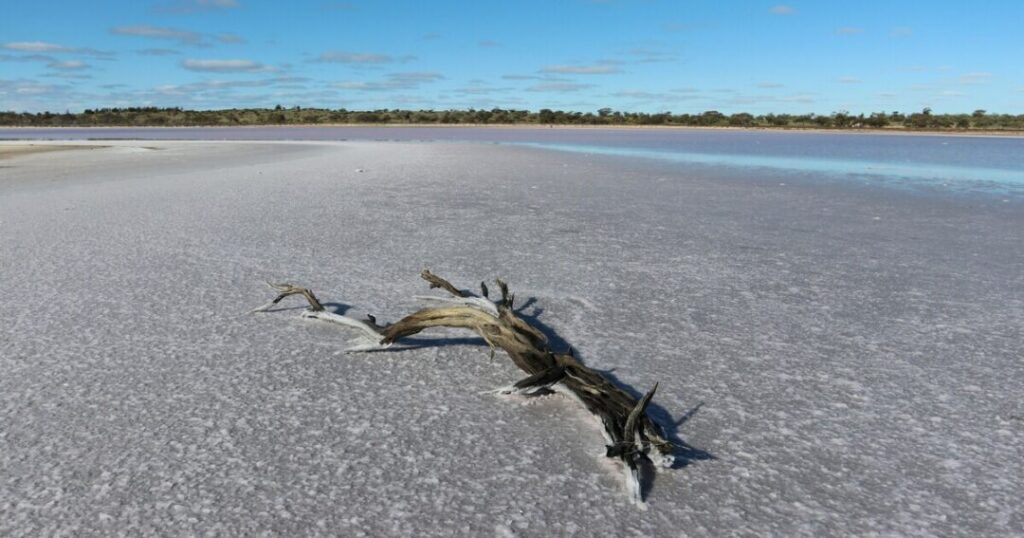
Every disappearing lake takes with it a specific world. Not a generic “ecosystem” but a particular configuration of species, relationships, and conditions that evolved over hundreds of thousands of years in response to the exact chemistry, depth, temperature, and seasonal rhythm of that specific body of water. The Aral Sea’s endemic fish species are gone. The Urus-Muratos’ relationship with Lake Poopó — documented in their language, ceremonies, material culture, and oral history — has been severed. The flamingos that fed on Urmia’s brine shrimp have largely stopped coming.
These losses are not merely ecological. Lakes are cultural archives — they carry the histories of the communities that have lived around them, the stories told about them, the economies built on them. When a lake disappears, those archives disappear with it.
There is also a feedback loop that makes lake loss self-accelerating: lakes moderate local climates; when they shrink, surrounding regions become hotter and drier; hotter, drier conditions accelerate evaporation from the remaining surface; the salt and dust released from exposed lakebeds poison surrounding agricultural land, making communities more dependent on irrigation from other sources, which reduces inflow to lakes further downstream. The system accelerates its own collapse.
Also Read: Bhrigu Lake Trek: Complete Guide
Endangered Lakes at a Glance — The Numbers
| Statistic | Figure | Source |
| Lakes currently endangered worldwide | More than half of ~5 million | Earth Policy Institute |
| Basins with shrinking surface water | 364 | UNEP/UN-Water 2024 |
| People affected in those basins | 93.1 million | UNEP/UN-Water 2024 |
| Aral Sea: area lost since 1960 | ~60,000 km² | Multiple sources |
| Lake Urmia: area lost since 1995 | ~90% | NASA Landsat 9, 2023 |
| Lake Chad: area today vs 1960s | ~5% of former size | NCBI, multiple |
| Great Salt Lake: volume lost since 1980s | ~75% | Utah DNR |
| Agricultural share of global freshwater use | ~70% | UN-Water |
The Scale of the Endangered Earth’s Freshwater Crisis
Lakes cover approximately 3.7 percent of Earth’s non-glaciated land surface. They are not merely scenic features of the landscape. Lakes hold 87 percent of the world’s liquid surface freshwater. They regulate regional climates, moderating temperatures in surrounding areas by storing heat in summer and releasing it in winter. They are the primary water source for billions of people and the habitat of a disproportionate share of Earth’s freshwater biodiversity — including thousands of species of fish, invertebrates, and waterbirds found nowhere else.
When a lake shrinks, it does not simply become a smaller lake. It becomes a different ecosystem with different chemistry, different temperature profiles, different salinity levels, and different capacity to sustain the species that evolved in its specific conditions. When a lake disappears entirely, it leaves behind something that no ecological restoration programme has ever fully reversed: a salt flat, a dust basin, or a toxic wasteland spreading contamination across hundreds of kilometres of formerly productive land.
Also Read: Top Endangered Animals That You Can See in Indian National Parks
Why Endangered Lakes Are Disappearing — The Multi-Cause Crisis
No single cause explains the global loss of lakes. In almost every case of a disappearing lake, the honest account requires all of the following simultaneously:
- Agricultural irrigation — accounting for approximately 70 percent of global freshwater withdrawals, irrigation systems systematically divert the rivers and streams that feed lakes, often reducing inflows to fractions of their natural levels. This is the dominant cause in the Aral Sea, Lake Urmia, Lake Chad, and the Great Salt Lake
- Climate change — reducing precipitation in many lake-bearing regions and accelerating evaporation, particularly in the semi-arid zones where many of the world’s largest lakes are located. A warming atmosphere holds more moisture, pulling water from lake surfaces at increasing rates
- Dam construction — blocking the downstream flow of rivers to lake basins; the rivers feeding Lake Urmia now supply over 30 dams before what remains reaches the lake
- Industrial pollution and mining — altering lake chemistry and reducing water quality; Lake Poopó’s depth was reduced by sediment from mining operations for decades before its final collapse
- Urban expansion — increasing municipal water demand while reducing the surrounding wetlands that buffer lake ecosystems from seasonal shocks
- Groundwater extraction — pumping from aquifers connected to lake systems, reducing the subterranean inflow that sustains lake levels between rain events
The interaction of these causes is what makes lake loss so difficult to reverse. Fix one, and the others continue. The system is not linear — it accelerates.
What Can Be Done — Restoring the Endangered Planet’s Lakes?
The North Aral Sea offers the only significant success story in modern lake conservation. Kazakhstan’s construction of the Kokaral Dam in 2005, built with World Bank support, raised water levels in the northern basin by approximately three metres within a year. Fish returned. Some fishing communities resumed work. The South Aral Sea continued to disappear.
The lesson is simultaneously hopeful and cautionary: recovery is possible when inflow is restored — but the conditions that allow it are rare.
What is required across every endangered lake system:
- Reduce agricultural water use — through more efficient irrigation technologies, crop choice changes, and binding water allocation limits
- Restore river flows — by removing or modifying dams, and by enforcing minimum environmental flows to lake basins
- Regulate groundwater extraction — from aquifer systems connected to lake hydrology
- Address climate change directly — the compounding pressure of warming and changing precipitation cannot be managed at the lake level alone; it requires action at the emissions level
- Establish enforceable international agreements — for shared lake basins spanning multiple nations (Lake Chad: 4 countries; Aral Sea basin: 5 countries)
- Invest in Indigenous and local community knowledge — the communities most directly affected by lake loss often hold the most detailed understanding of how those lakes actually function
None of these things are technically impossible. All of them require a political will and a time horizon that have proved, so far, consistently insufficient to the scale of the problem.
Also Read: 10 Largest National Parks in India: Explore the Biggest Wildlife Sanctuaries
Conclusion About Endangered Lakes
In the summer of 2023, a group of Iranian women staged a performance on the dry bed of Lake Urmia — dancing on salt where water had been for 12,000 years. The photographs are difficult to look at: human figures small against the vast white expanse, the mountains of northwestern Iran visible in the distance, the absence of water everywhere.
This is what the endangered earth looks like at the scale of a lake. Not dramatic. Not sudden. A slow withdrawal of something that was always there, that everyone assumed would always be there, until the morning when someone walked out to the shore and found the shore had moved again — and was now so far away it could not be seen.
The world’s lakes are not disappearing because they have to. They are disappearing because of decisions — about how to use water, how to grow food, how to weigh the short-term requirements of irrigation against the long-term requirements of a functioning hydrological system. Those decisions can be made differently. The North Aral Sea is proof that they can. The South Aral Sea, and Lake Urmia, and Lake Chad, and Lake Poopó, are proof of what happens when they are not.
Explore the world’s most urgent environmental stories on the Explurger app — connect with travellers, scientists, and communities working to document what remains of the endangered earth, and log your own witness to the landscapes that are changing faster than the maps that describe them.
FAQs About Endangered Lakes
2. Why are lakes disappearing?
Endangered lakes are disappearing due to a multi-cause crisis: 1. Agricultural irrigation (~70% of global freshwater withdrawals) diverts tributary rivers; 2. Climate change reduces precipitation and accelerates evaporation; 3. Dam construction blocks river flow; 4. Mining and industrial pollution alter lake chemistry; 5. Urban expansion increases demand while reducing buffer wetlands; 6. Groundwater extraction depletes subterranean lake inflows. In virtually every case, multiple causes operate simultaneously and reinforce each other. A 2024 UNEP report found surface water shrinking in 364 basins worldwide, affecting 93.1 million people.
3. Can a disappearing lake be restored?
Restoration is possible but rare. The most successful case is the North Aral Sea — Kazakhstan's Kokaral Dam (2005, World Bank support) raised water levels by approximately three metres within a year and allowed fish to return. However, the South Aral Sea continued to disappear. No saline lake has ever been fully restored after catastrophic decline. Restoration requires reducing agricultural withdrawals, restoring river inflows, and addressing long-term climate pressures — conditions that have proven extremely difficult to achieve politically.
4. How many lakes are endangered worldwide?
According to the Earth Policy Institute, more than half of the world's estimated five million lakes are currently endangered. A 2024 UNEP/UN-Water report found surface water shrinking in 364 basins worldwide, affecting 93.1 million people. Thousands of lakes in China have already disappeared entirely. The crisis is global but most acute in semi-arid regions where agricultural demand is highest and precipitation is most vulnerable to climate change.