
489 Total Views
Bhubaneswar, the capital of Odisha, is often called the Temple City of India—sources vary on exactly how many temples once stood here (estimates range from 700 to several thousand across different eras), but around 700 survive today, spanning over a thousand years of continuous temple-building. If you’re planning things to do in Bhubaneswar, the city works well as a compact base: its own temples and caves can be covered in a day or two, and Konark, Puri, and Chilika Lake are all close enough for day trips. Here are the 10 best places to build your itinerary around.
Things to Do in Bhubaneswar: Top 10 Attractions and Places to Visit
1. Lingaraj Temple
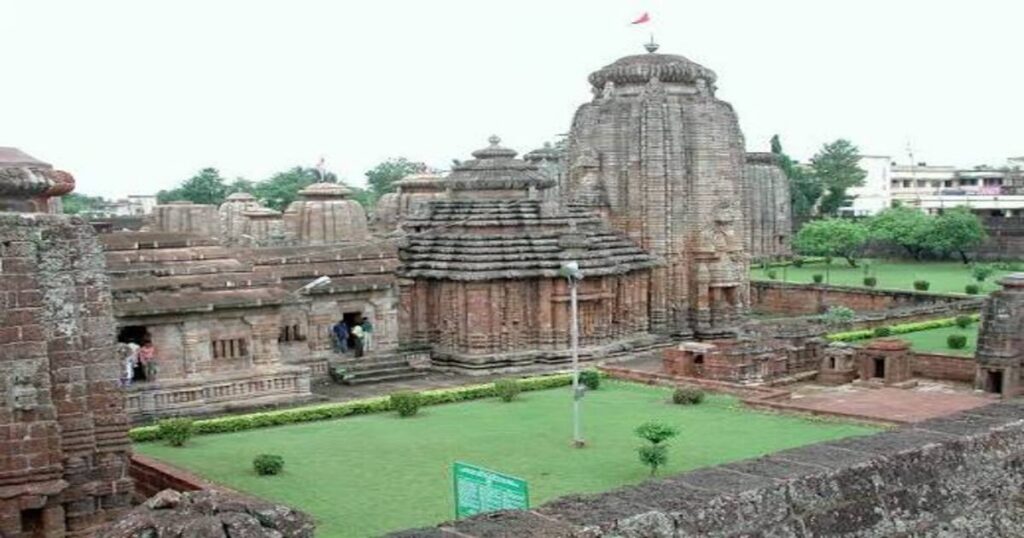
The largest and most important temple in the city, Lingaraj, was built in the 11th century under King Jajati Keshari of the Somavamsi dynasty, though local tradition holds the shivalinga inside was worshipped even earlier. Dedicated to Harihara (a fused form of Shiva and Vishnu), its 55-meter vimana dominates the skyline. Only Hindus are allowed inside the main compound; others can view it from the Vivekananda platform just outside.
2. Mukteshwar Temple
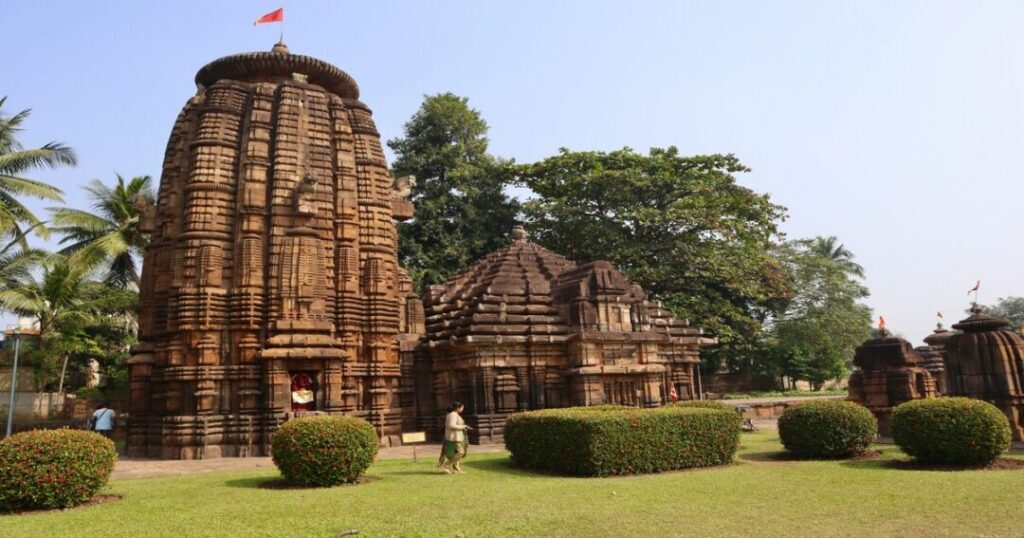
Built around 950–975 CE, Mukteshwar is widely called the “gem of Odisha architecture.” Its claim to fame is the torana—an ornately carved arched gateway that’s one of the most photographed structures in Indian temple architecture—set within a compact octagonal compound. It’s smaller than Lingaraj but architecturally more influential on everything built after it.
Also read: Tourist Places In Odisha: Temples, Beaches, Wildlife, And Hidden Gems
3. Rajarani Temple
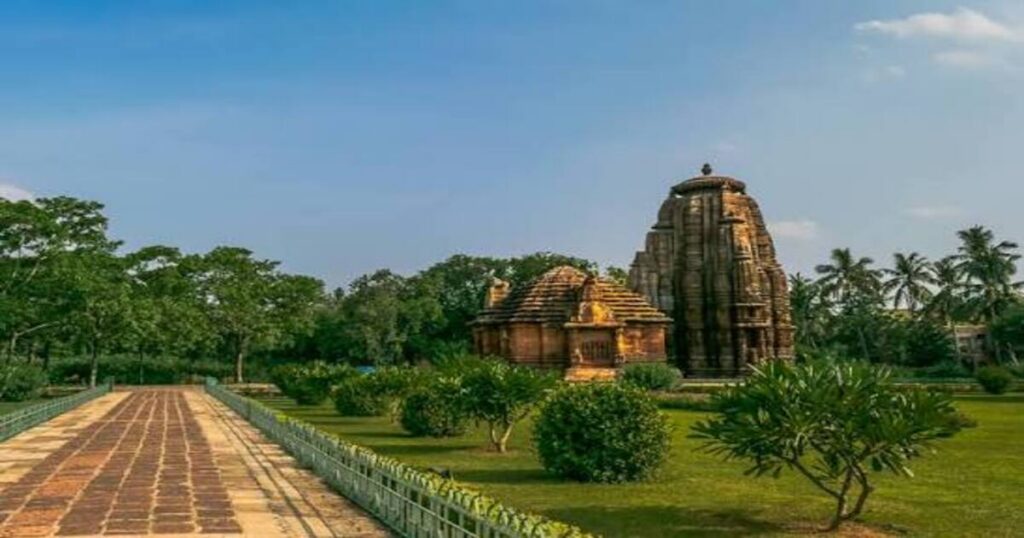
Known locally as the “Love Temple” for its sculpted couples and nayika figures, Rajarani is unusual for having no presiding deity — the original idol was lost when the sanctum collapsed centuries ago and was never replaced. Built from a distinctive red-and-yellow sandstone (locally called “raja rani”), it’s now a ticketed ASI monument and one of the most photogenic stops on this list.
4. Parasurameswara Temple
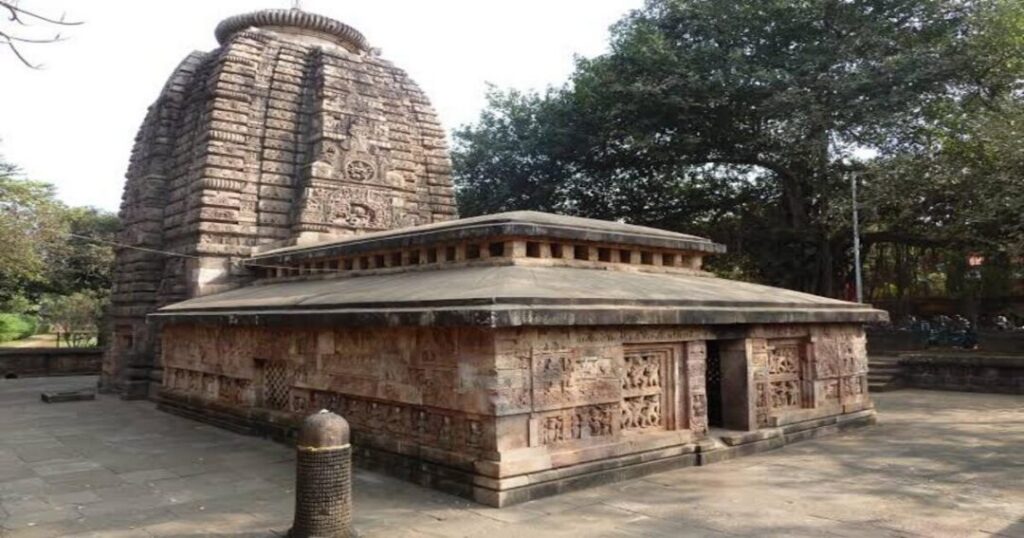
The oldest fully preserved temple in Bhubaneswar, dating to roughly 650 CE under the Shailodbhava dynasty. It’s a useful stop for understanding how the city’s temple architecture evolved—it was among the first to add a jagamohana (assembly hall) in front of the sanctum, a feature later temples like Mukteshwar and Lingaraj expanded on.
5. Udayagiri and Khandagiri Caves
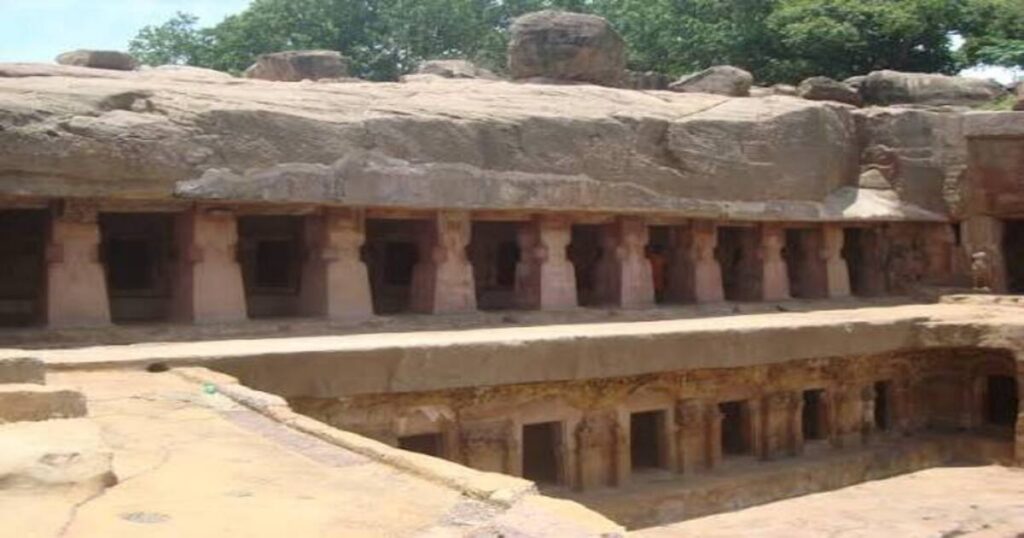
These twin hills of rock-cut caves, carved in the 2nd century BCE under the Jain king Kharavela, once numbered over a hundred; around 33 survive. The Hathigumpha inscription on Udayagiri records Kharavela’s reign in Brahmi script, and the double-story Ranigumpha is the most striking single structure. Give this an hour — it rewards slow walking more than most stops here.
6. Dhauli and the Shanti Stupa
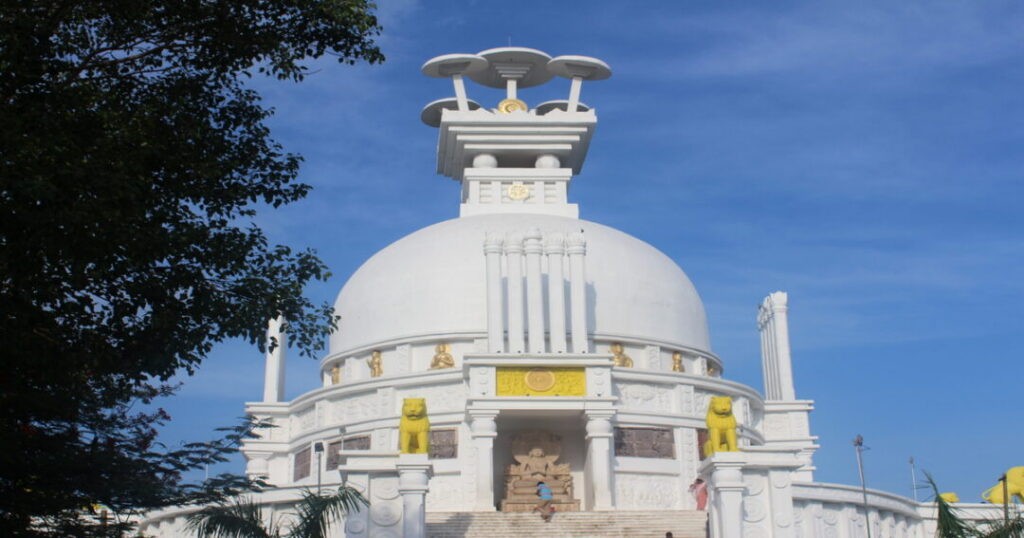
Dhauli marks the site of the Kalinga War, the battle that is said to have pushed Emperor Ashoka toward Buddhism. Ashokan rock edicts are still visible at the base of the hill, and a Shanti Stupa (Peace Pagoda) was added on top in 1972 by Japanese and Indian Buddhist organizations. It’s a quieter, more reflective visit than the temple circuit.
7. Nandankanan Zoological Park
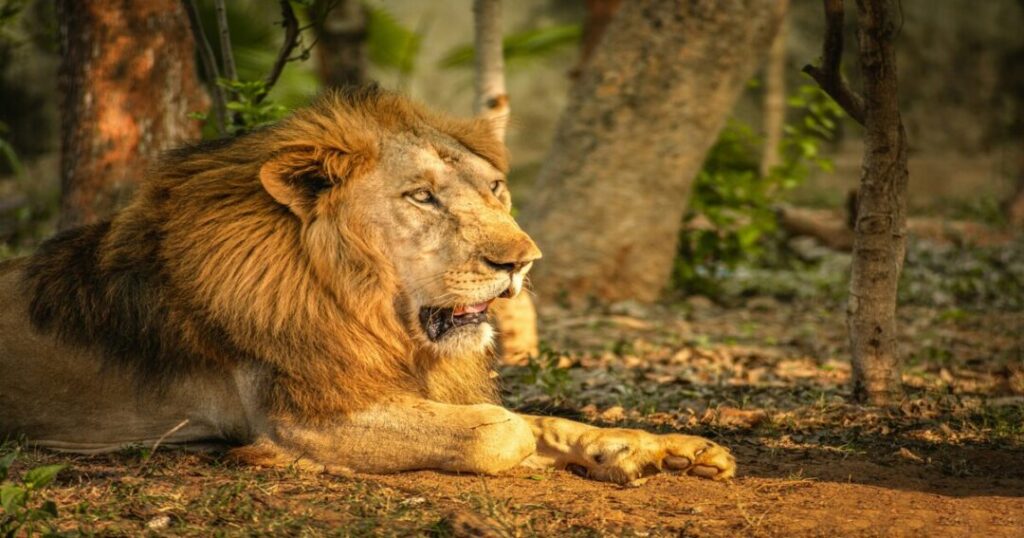
A combined zoo and botanical garden roughly 15 km from the city center, Nandankanan is best known as the first zoo in the world to successfully breed white tigers, starting in 1980, and for running India’s first white tiger safari from 1991. It’s an easy half-day add-on, especially if you’re traveling with kids.
Also read: Odisha Food: A Cultural Guide to the Cuisine of Utkala
8. Konark Sun Temple (Day Trip)
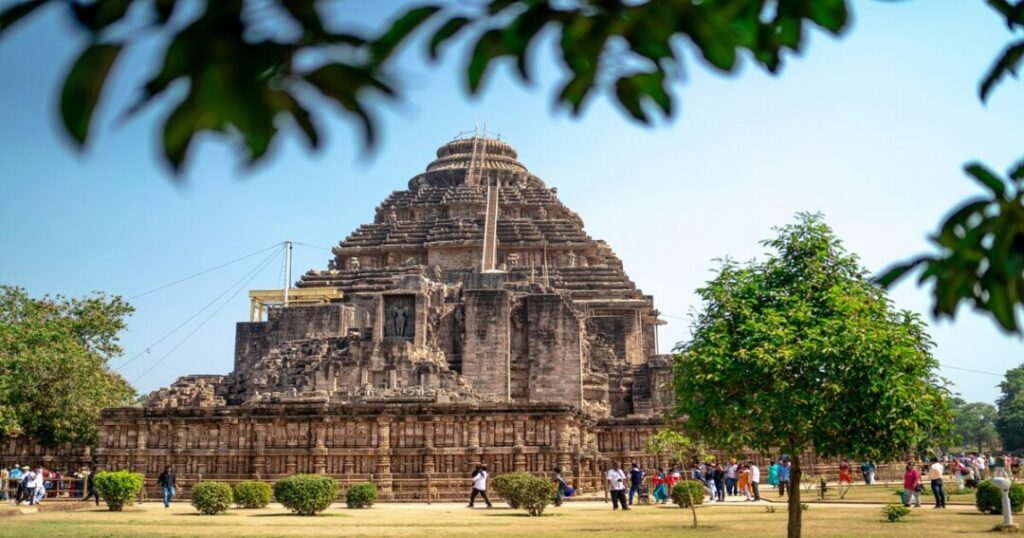
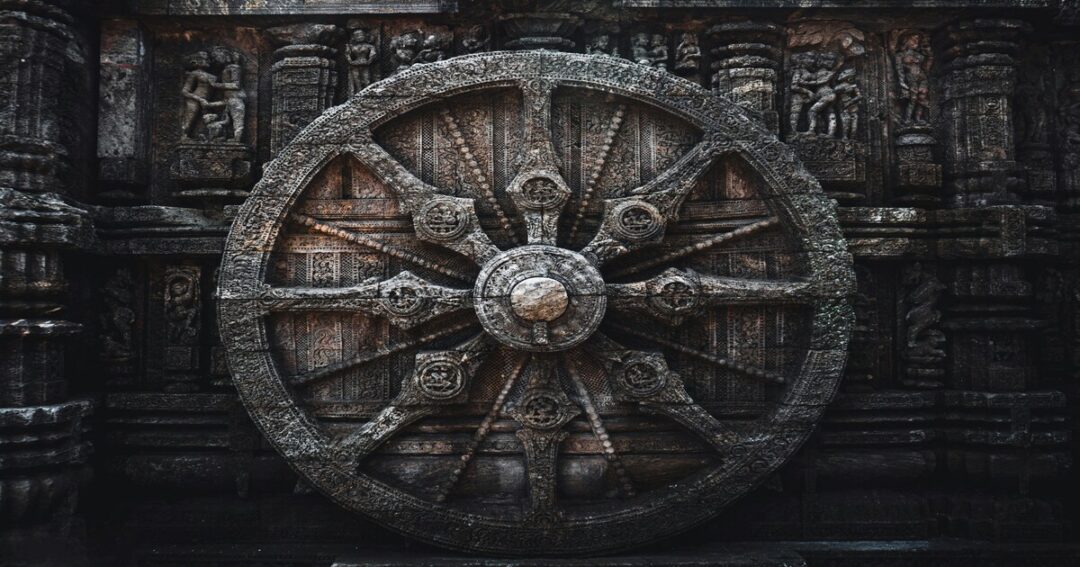
About 65 km from Bhubaneswar, this 13th-century UNESCO World Heritage Site was built by King Narasimhadeva I as a giant stone chariot for the sun god Surya—24 carved wheels (12 to a side) and a team of horses, all symbolic of the calendar and time. It’s the single most-visited day trip from Bhubaneswar and deserves at least half a day.
9. Puri: Jagannath Temple and Beach (Day Trip)
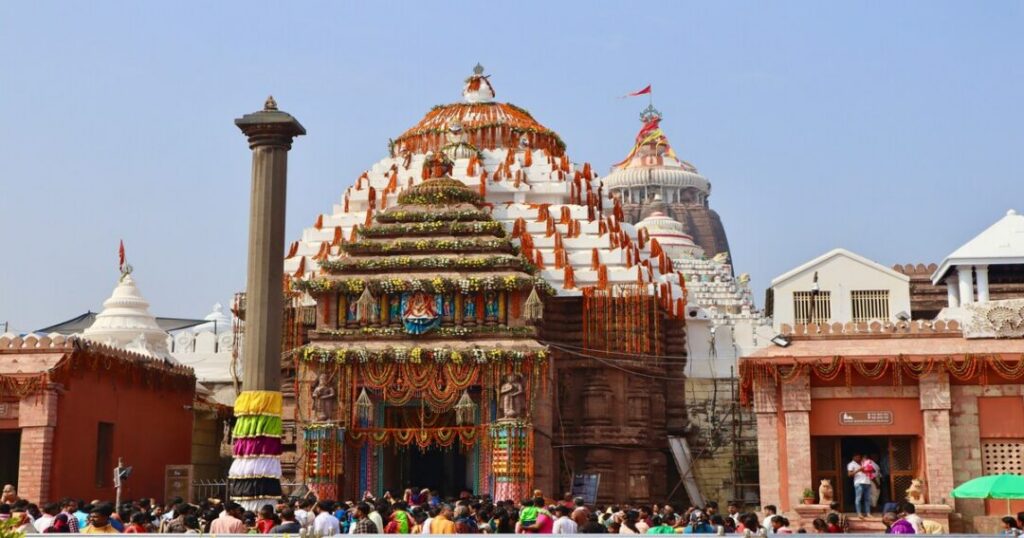
Roughly 60 km away (about 1.5 hours by road), Puri centers on the Jagannath Temple, one of Hinduism’s Char Dham sites and home to the annual Rath Yatra chariot festival held each year in the Ashada month. Beyond the temple, Puri’s beach and seafront make it easy to combine pilgrimage with a relaxed coastal stop.
10. Chilika Lake and Satapada (Day Trip)
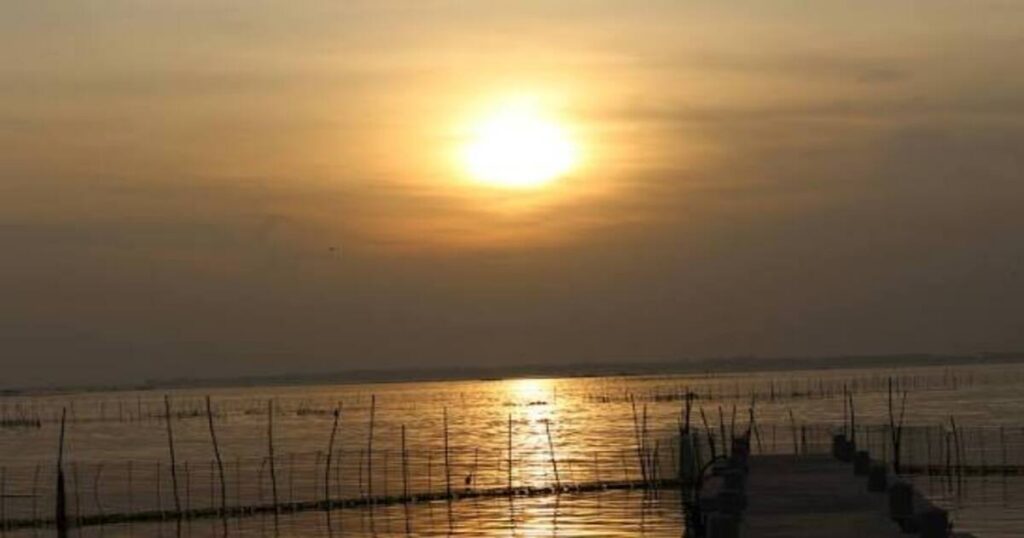
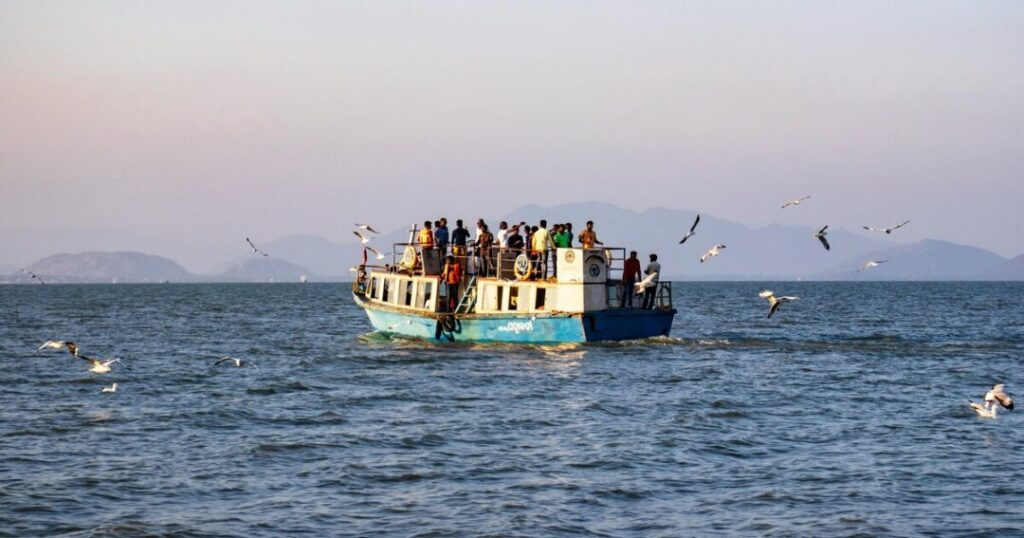
Asia’s largest brackish-water lagoon, about 100 km from Bhubaneswar, Chilika is a Ramsar wetland home to Irrawaddy dolphins and hundreds of migratory bird species in the winter. Satapada, on the lake’s edge, is the main jumping-off point for boat rides to spot dolphins and visit Nalabana Island’s bird sanctuary.
Also read: Diamond Triangle Of Odisha: Exploring The Ancient Buddhist Heritage Circuit
Best Time for Things to Do in Bhubaneswar
October to February is the best window for sightseeing in Bhubaneswar—daytime temperatures sit around 15–22°C, comfortable for walking between temples and caves. March to May turns hot, with temperatures climbing past 36°C, while the monsoon (June to September) brings heavy rainfall, especially in August, and can disrupt day trips to Konark and Chilika. If your visit includes Puri’s Rath Yatra, plan around the Ashada month specifically, since it draws large crowds.
Also read: India’s Most Scenic Coastal Road Trips To Add To Your 2026 Bucket List
How to Reach Bhubaneswar: Your Guide to Things to Do
Biju Patnaik International Airport (BBI) sits just 3 km from the city center and connects to most major Indian cities, with a growing number of international routes. Bhubaneswar’s railway station is a major junction on the Howrah–Chennai main line, making it one of the better-connected cities in eastern India by rail. Once you’re in the city, autos, taxis, and app-based rides (Ola/Uber) cover local transport easily, and the same options work for day trips to Konark, Puri, and Chilika.
Conclusion: Things to Do in Bhubaneswar
Whether you spell it “Bhubaneswar” or the older “Bhuvneshwar,” places to visit here range from 7th-century temples to Jain caves, a peace pagoda, and a genuinely excellent wildlife park—all before you even leave city limits. Add Konark’s Sun Temple, Puri’s Jagannath Temple, and Chilika’s dolphins as day trips, and you’ve got one of eastern India’s most complete short itineraries. Plan for two to three days, travel between October and February if you can, and these 10 things to do in Bhubaneswar will fill your trip without needing to look much further.
FAQs About Things to Do in Bhubaneswar
2. What are the best places to visit near Bhubaneswar in a day?
Konark and Puri are the two most popular day trips, and both can technically be combined into one long day, though it's rushed. Chilika Lake is a separate day trip on its own, ideally done from the Puri side (Satapada) rather than doubling back through Bhubaneswar, since it cuts travel time significantly.
3. What are the best places to see near Bhubaneswar for a day trip?
Beyond Konark, Puri, and Chilika, Dhauli and Nandankanan are close enough to combine with a half-day in the city itself rather than needing a separate outing. If you have more time, Chilika's Satapada side offers boat rides and bird-watching that are worth a slower, unhurried day rather than rushing back the same evening.
4. How many days do you need for Bhubaneswar sightseeing?
Two to three days works well: one day for the city's own temples and caves, one day for Konark and Puri together, and a third for Chilika Lake if dolphin-watching and birding interest you. It's possible to compress this into two days, but Chilika specifically needs a half-day minimum to be worthwhile.
5. Which are the top attractions near Bhubaneswar besides Konark and Puri?
Chilika Lake is the clear third option, but Nandankanan Zoological Park and Dhauli's Shanti Stupa are both closer and quicker if you're short on time. None of these require an overnight stay away from Bhubaneswar, which makes the city a practical base for the whole region.
6. What are some offbeat Bhubaneswar things to see beyond temples?
Nandankanan Zoological Park is the most obvious non-temple stop, given its white tiger breeding program. Dhauli's Ashokan edicts and Shanti Stupa also offer a different angle—more about ancient political history than religious architecture—and tend to be far less crowded than the main temple circuit.