
487 Total Views
Iceland food was shaped almost entirely by one fact: for most of the country’s history, nothing grew easily, nothing lasted long without help, and nothing could be wasted. What came out of that constraint is a cuisine built on fermentation, drying, and using literally every part of the animal—alongside a few genuinely strange geothermal cooking tricks unique to a volcanic island. Here are 11 dishes that explain how Icelanders actually ate and, in many cases, still do.
Iceland Food: 10 Traditional Dishes That Define the Cuisine
1. Skyr
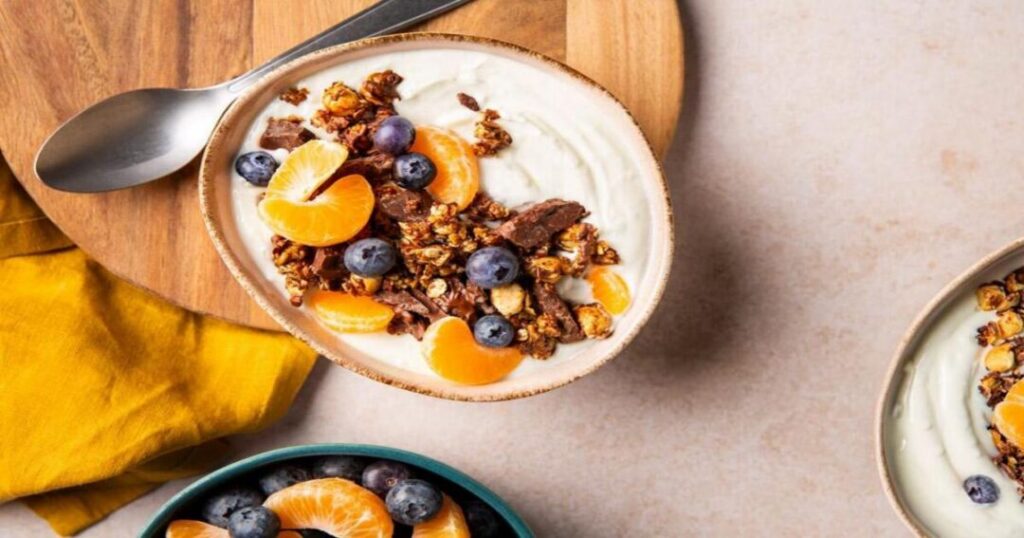
Brought to Iceland by Norse settlers in the 9th century, skyr is technically a soft cheese rather than a yogurt, made from the skim milk left over once cream was separated for butter. It shows up in the medieval Icelandic sagas, and fossilized skyr from centuries ago is on display at the National Museum of Iceland—making it one of the few Viking-era foods Icelanders still eat daily, largely unchanged.
2. Hákarl
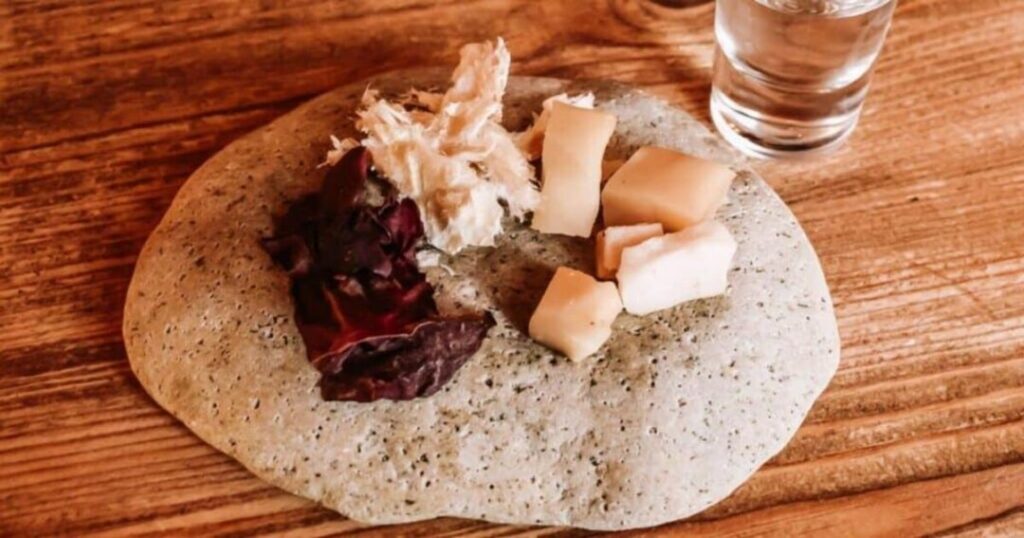
Greenland shark meat is toxic when fresh, so Vikings developed a fix: bury it in gravelly sand for weeks, then hang it to dry for months. The fermentation process neutralizes the toxins, and the result is hákarl—pungent, ammonia-forward, and usually eaten in small cubes, often alongside a shot of Brennivín to help it go down. It’s less an everyday food today and more a rite of passage for visitors.
Also read: Chicago Food: The Complete Guide to the Windy City’s Most Famous Eats
3. Rúgbrauð (Hverabrauð)
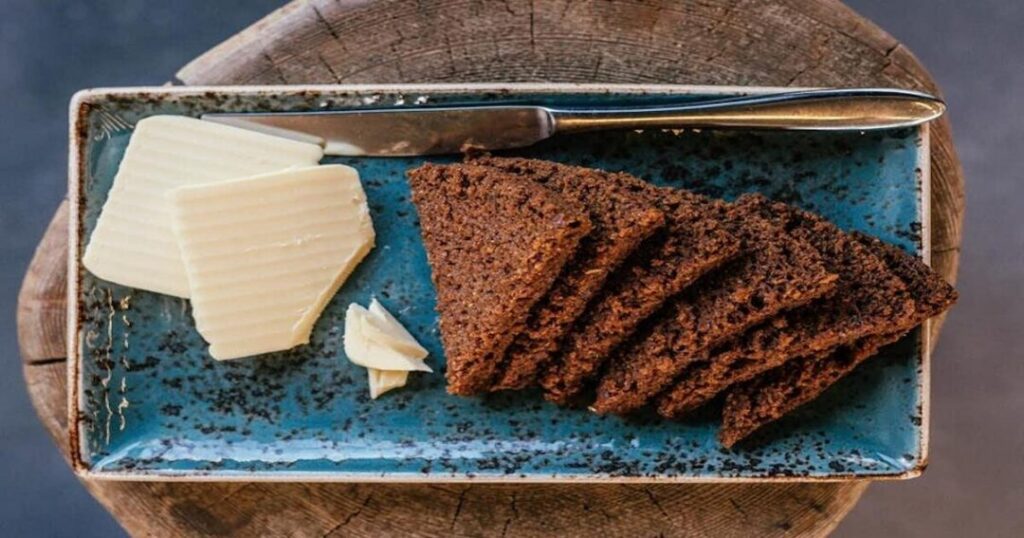
With little wood available for fuel, Icelanders started burying pots of rye dough near natural hot springs and letting the geothermal heat slow-bake the bread underground for up to 24 hours. First recorded in the 18th century, rúgbrauð became a dietary staple during the famines and volcanic disruptions of that era, and the slow bake breaks down the rye’s starches into something dense, dark, and naturally sweet.
4. Plokkfiskur
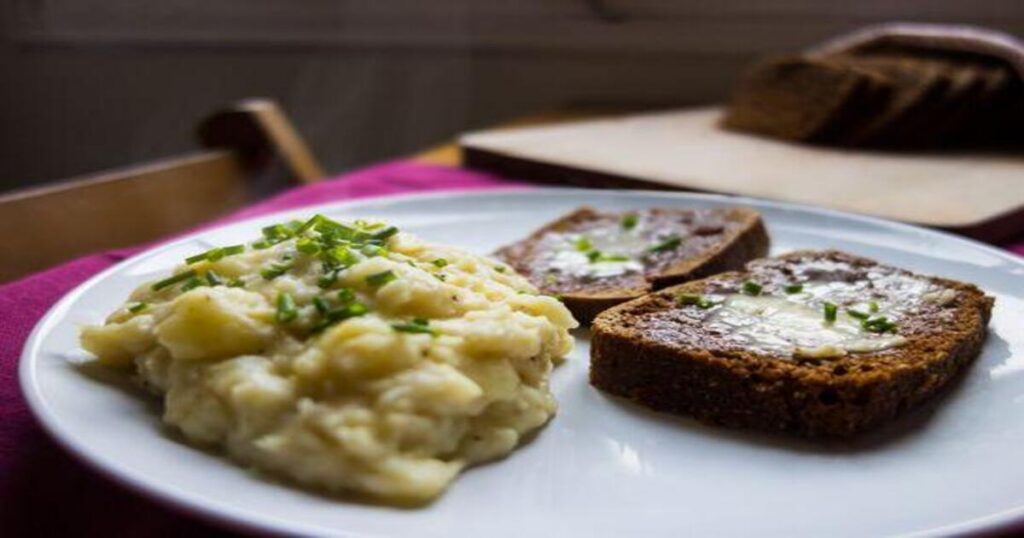
A “mashed fish” dish built from leftover boiled cod or haddock, potatoes, onions, and a béchamel sauce, plokkfiskur started as a practical way to stretch whatever fish was left over into another meal. It’s since moved from frugal necessity to comfort-food status, showing up on both home tables and upscale restaurant menus without losing its humble character.
5. Kjötsúpa
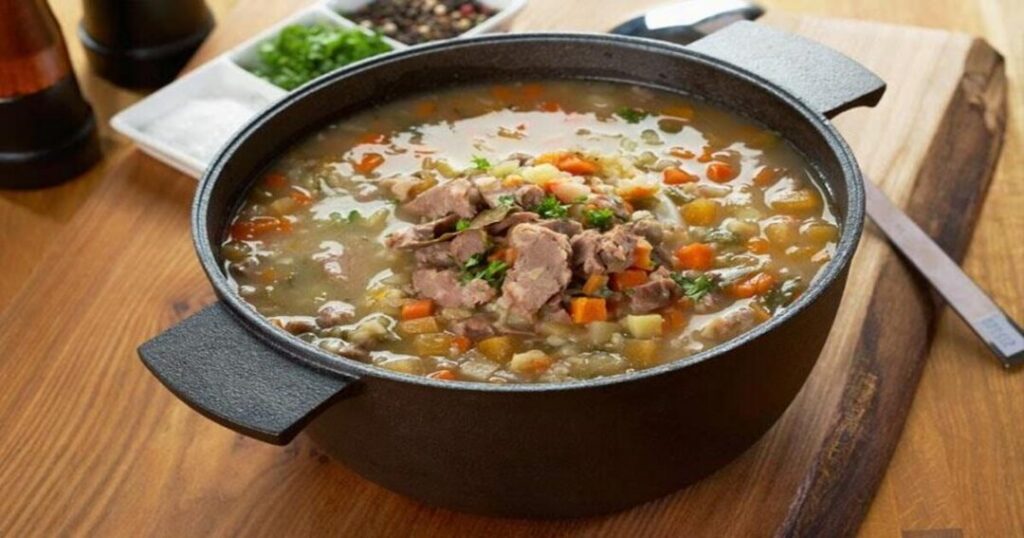
Iceland’s lamb soup dates back close to the settlement period around 900 CE, built around root vegetables and whatever lamb cuts a family could spare, and is kept deliberately simple since spices were historically expensive to import. It’s still treated as an informal cold and flu remedy today, not unlike chicken soup elsewhere, and remains a fixture at Icelandic family gatherings and festivals.
6. Harðfiskur
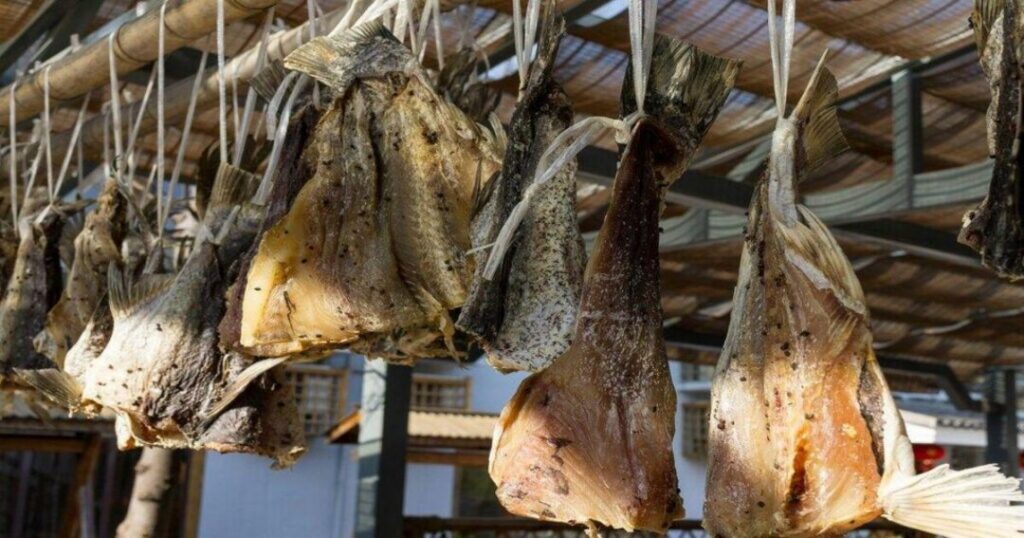
Cod, haddock, or wolffish are gutted, hung on wooden racks, and left to cure in the cold Atlantic wind rather than smoked or salted—a method going back to Iceland’s settlement in 874. Dried fish was so central to survival that it was used as a form of currency in the 15th century. Today it’s pounded soft with a mallet and eaten spread thickly with butter, still one of the country’s most popular snacks.
Also read: Bahamian Food: The Complete Guide to Bahamas Cuisine, Dishes & Recipes
7. Svið
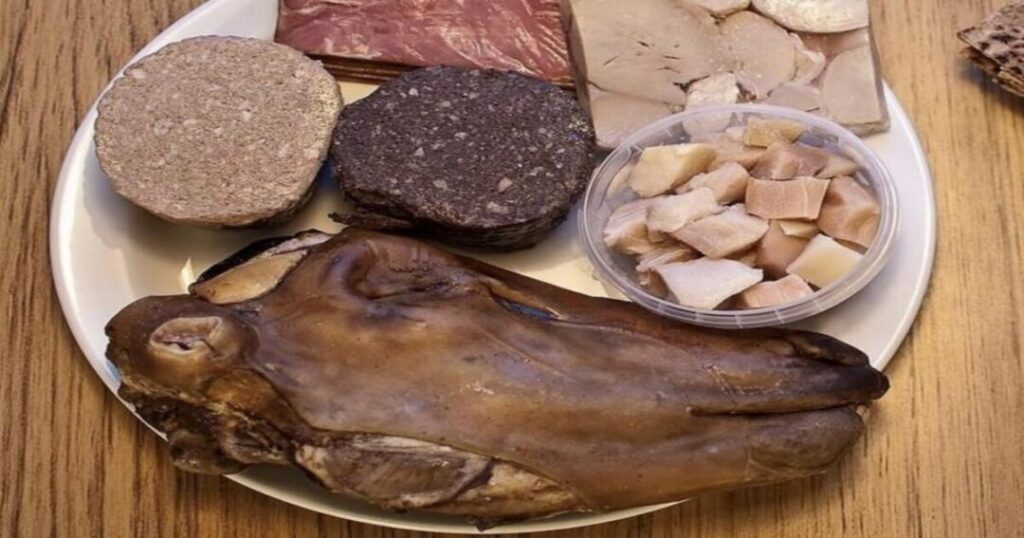
A sheep’s head, split in half, singed to remove the wool, and boiled for over an hour after the brain is removed—svið is the clearest example of Iceland’s no-waste food philosophy, documented in cookbooks and folklore since at least the 1800s. It’s typically served with mashed turnip or potato, and while less common as daily food now, it remains a centerpiece of þorramatur, the traditional food spread served at the midwinter Þorrablót festival.
8. Pylsur (Icelandic Hot Dog)
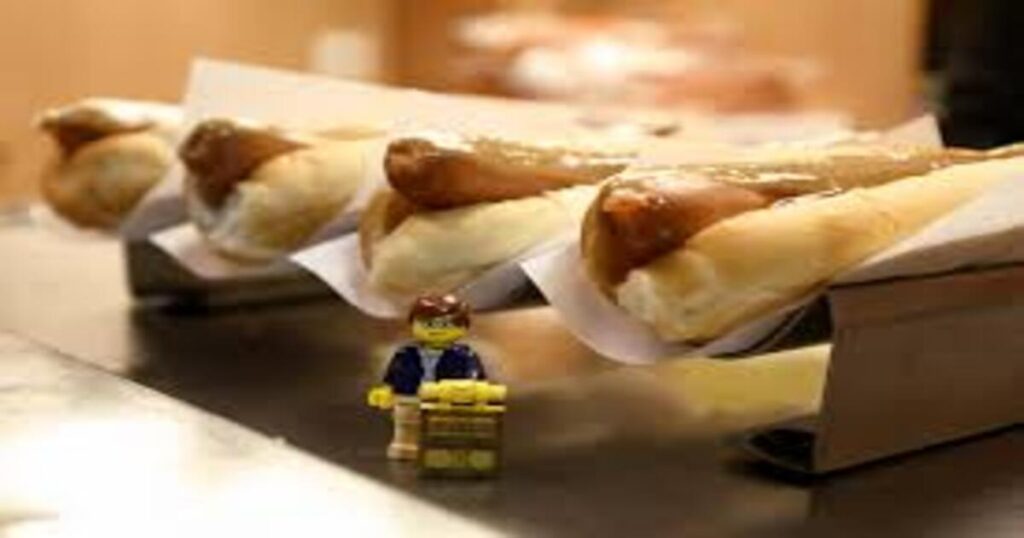
The hot dog likely arrived with Danish influence in the early 20th century, but Iceland had no pig farms at the time, so the local version leaned on lamb instead—beef for fat, pork for texture, and lamb for a distinct gaminess. Bæjarins Beztu Pylsur, opened in 1937 in central Reykjavik, is generally credited with cementing the dish’s place in Icelandic food culture, and for decades it was close to the only real fast food available in the country.
9. Brennivín
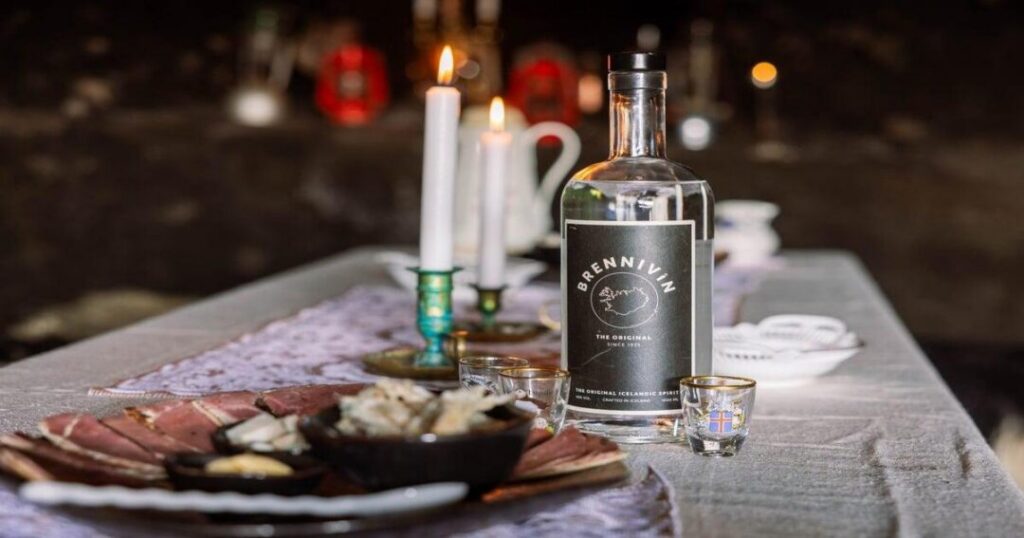
First sold in 1935, this caraway-flavored schnapps made from fermented potatoes earned the nickname “svarti dauði” (“black death”) thanks to its stark black label with a white skull, originally designed to discourage overconsumption. The strategy backfired completely—the ominous branding became part of its appeal—and it’s now the traditional accompaniment to hákarl specifically, cutting through the shark’s intensity.
Also read: Belgium Food: The Complete Guide to Famous Belgian Dishes & Cuisine
10. Slátur (Blóðmör)
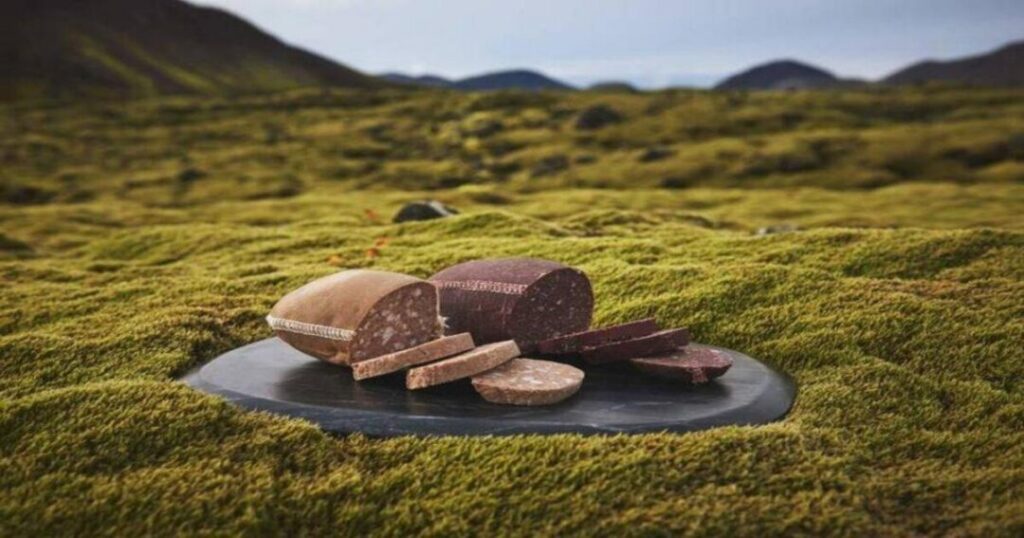
Slátur—literally “slaughter”—refers to a pair of traditional sausages made from sheep’s innards: blóðmör (blood pudding, made from lamb’s blood, suet, rye, and oats, traditionally stuffed into a stomach casing) and lifrarpylsa (liver sausage), similar in spirit to Scottish haggis. Made in nearly every Icelandic home well into the mid-20th century, often as a family activity, it’s now mostly experienced through the Þorrablót midwinter feast rather than everyday cooking.
Conclusion: Iceland Food
Almost every dish on this list exists because Iceland’s early settlers had to make survival work with volcanic soil, brutal winters, and no reliable way to import much of anything—and centuries later, Icelanders are still eating versions of the same food, by choice rather than necessity. Iceland food rewards curiosity more than caution: skyr and kjötsúpa will feel immediately familiar, while hákarl and svið ask a little more of you, but both ends of that spectrum tell the same story about how this island fed itself.
FAQs About Iceland Food
2. Is Icelandic food generally fish-heavy or meat-heavy?
Both, in roughly equal measure—cod and haddock dominate dishes like plokkfiskur and harðfiskur, while lamb is the backbone of kjötsúpa, pylsur, and svið, reflecting Iceland's dual reliance on fishing and sheep farming throughout its history.
3. Why does so much traditional Icelandic food involve fermentation or drying?
Iceland's isolation and harsh climate meant fresh food often couldn't be preserved through conventional means, so drying (harðfiskur), fermentation (hákarl, skyr), and geothermal slow-baking (rúgbrauð) all developed as practical survival techniques rather than flavor choices, though the flavors stuck around long after the necessity faded.
4. What is þorramatur, and how does it relate to these dishes?
Þorramatur is a buffet-style spread of traditional Icelandic foods—including svið, slátur, and hákarl—served especially during the midwinter Þorrablót festival each January and February; it's less an ancient unbroken tradition and more a 1950s revival that turned older survival foods into a celebrated cultural event.
5. What should a first-time visitor actually try, versus what's more of a novelty?
Skyr, kjötsúpa, pylsur, and harðfiskur are all genuinely enjoyable and eaten regularly by Icelanders; hákarl and svið are worth trying once for the cultural experience but are approached by most Icelanders today as occasional or festival food rather than daily eating.
6. Is Brennivín really as harsh as its "Black Death" nickname suggests?
It's a strong, caraway-forward schnapps at around 40% ABV—sharp and bitter rather than actually dangerous, with the "Black Death" name coming from its skull-and-crossbones-style label rather than the drink's actual effect.
7. What makes rúgbrauð different from other rye breads?
The geothermal baking method is the key difference—dough is buried near natural hot springs and slow-cooked underground for up to 24 hours, a technique tied directly to Iceland's volcanic geography and its historic shortage of firewood, giving the bread a uniquely dense, dark, and naturally sweet character.