

1,525 Total Views
Bahamian food is island cooking at its most honest — built around the Atlantic Ocean that surrounds the 700 islands of the archipelago, shaped by the African, Caribbean, and European heritage of the Bahamian people, and grounded in ingredients that the sea and the soil provide. Conch from the turquoise shallows. Grouper and snapper pulled from reefs that have been feeding these communities for generations. Pigeon peas and rice slow-cooked together until the whole pot is fragrant with thyme and tomato. Guava duff boiled in cloth and served with a butter-rum sauce that no dessert in any other country quite matches.
Bahama cuisine is sometimes overshadowed by the resort buffets and the tourist menus that occupy the foreground of visitor experience. But the real Bahamas food — the conch salad made at a roadside stand in Arawak Cay, the stewed fish eaten for breakfast with a slab of johnny cake, the fire engine served at a corner spot for the working morning — is one of the most distinctive and most satisfying food cultures in the Caribbean. This guide covers it all.
Top 10 Famous Bahamian Dishes in 2026
1. Cracked Conch — The National Dish
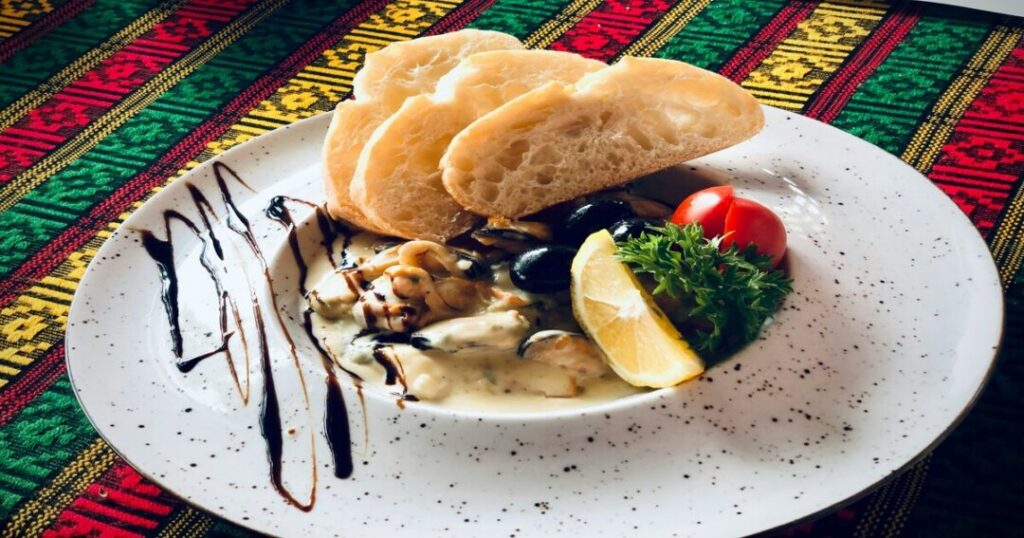
Conch is the national dish of the Bahamas — and cracked conch is its most famous preparation. Conch (Aliger gigas, formerly Aliger gigas), pronounced “konk,” is a large queen sea snail whose firm, white, slightly chewy meat has been eaten in the Bahamas since before the arrival of Christopher Columbus. The word “cracked” refers to the traditional method of tenderising the tough meat: the conch is beaten with a meat mallet until it softens, then coated in a seasoned batter of flour, egg, garlic powder, thyme, salt, and pepper, and deep-fried until the exterior is a deep golden brown and shatteringly crispy.
Cracked conch is served with a spritz of fresh lime juice and a side of goat pepper sauce — the specific Bahamian hot pepper that gives the dish its local character. It’s eaten as a main with peas n’ rice and coleslaw, or as an appetizer with french fries on a sweet bread roll. Every conch shack in Nassau has its version. Every version is slightly different. The best ones are found at roadside stands where the oil is fresh and the conch was in the water this morning.
Also Read: Belgium Food: The Complete Guide to Famous Belgian Dishes & Cuisine
2. Conch Fritters — The Essential Bahamian Snack
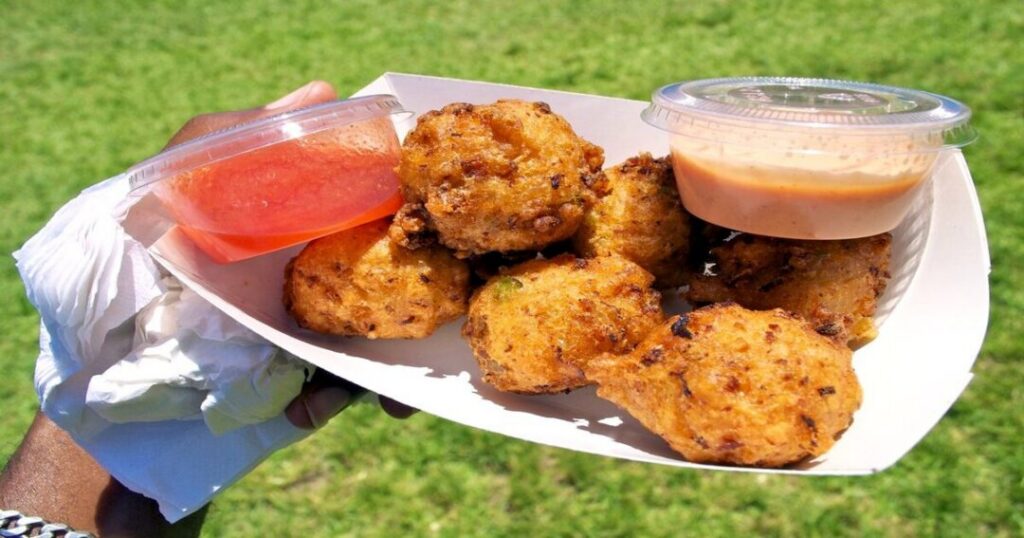
Conch fritters are the most versatile preparation in Bahamas cuisine — diced conch meat combined with bell peppers, onions, celery, garlic, and seasonings, mixed into a thick batter and deep-fried into golden nuggets that are crispy on the outside and soft and savoury within. Unlike cracked conch (which is a whole piece of tenderised conch in batter), conch fritters are mixed through the dough — making every bite a combination of conch, vegetable, and spice in a single crunchy mouthful.
The dipping sauce is the critical accompaniment: typically a combination of lime juice, mayonnaise, ketchup, and hot sauce — sometimes with a fresh squeeze of sour orange. Conch fritters are the standard Bahamian appetizer at every celebration, beachside restaurant, and family gathering on the islands. They are eaten standing up at a bar, at a picnic table on the sand, and at the finest Nassau restaurants — the preparation is the same across all of them.
3. Conch Salad — The Bahamian Ceviche
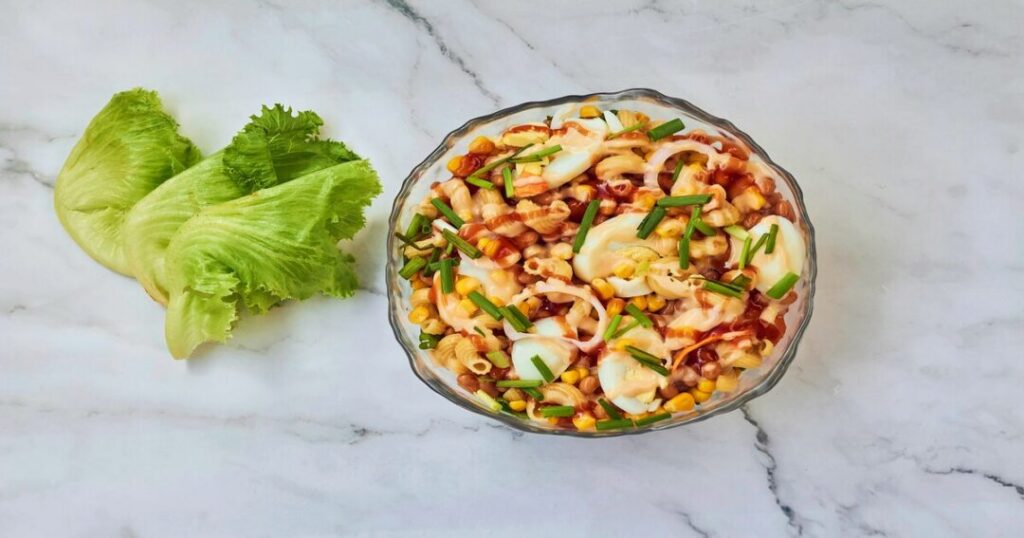
Conch salad is the most distinctive preparation in all Bahamas cuisine and the dish most food travellers describe as the single best thing they ate in the Bahamas. It is made entirely from raw conch — diced fine, tossed with freshly squeezed key lime juice and sour orange juice, diced bell peppers (green and yellow), tomatoes, onions, and goat pepper or scotch bonnet for heat. The acid from the citrus juice denatures the conch protein in the same way that lime juice “cooks” fish in ceviche — the result is firm, slightly translucent, and intensely fresh.
The best Bahamas conch salad is made to order by a conch salad vendor who cracks and dices the conch in front of you, squeezes the citrus directly into the bowl, and adjusts the heat to your specification. The entire preparation takes less than three minutes. Arawak Cay (the Fish Fry) in Nassau is the most famous location — a strip of conch shacks along the water where the salad is assembled with the skill and speed of something that has been made the same way for generations.
4. Peas n’ Rice — The Bahamian Staple
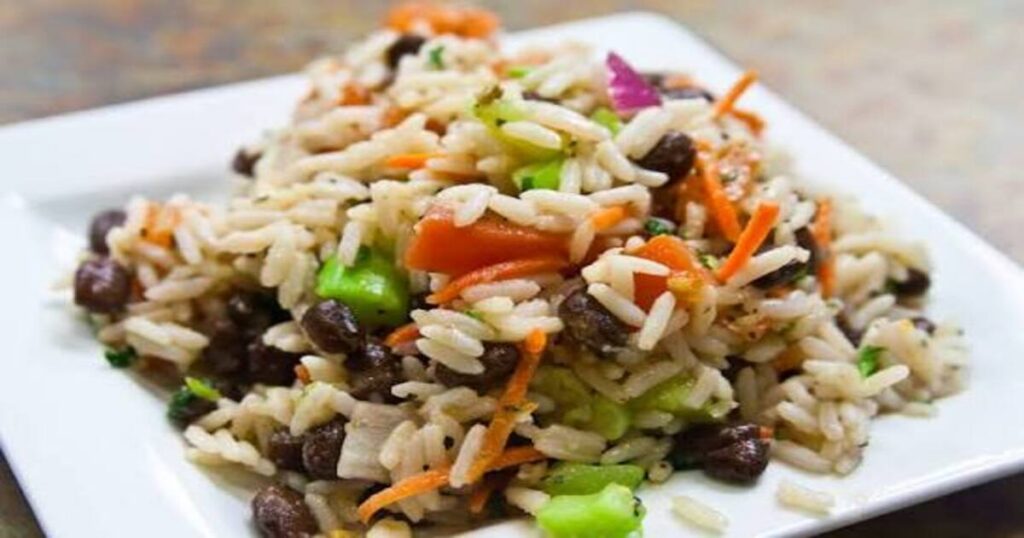
Peas n’ rice is the essential Bahamas dish — the side that appears at every meal, every festival, every family table across the 700 islands. Despite its name, the “peas” are pigeon peas (Cajanus cajan) — a legume that provides the dish’s distinctive earthiness and protein — cooked together with long-grain rice, salted pork (or bacon), tomatoes, onions, celery, tomato paste, and thyme into a single fragrant pot. The rice absorbs the flavour of everything around it; the pigeon peas provide texture and substance; the whole thing is seasoned with the specific Bahamian spice combination that makes it immediately recognisable.
Peas n’ rice is the accompaniment to cracked conch, to fried fish, to stewed chicken, to virtually every main dish in Bahama cuisine. It is the baseline of the Bahamian plate — the thing that everything else is built around.
5. Stewed Fish — The Bahamian Breakfast
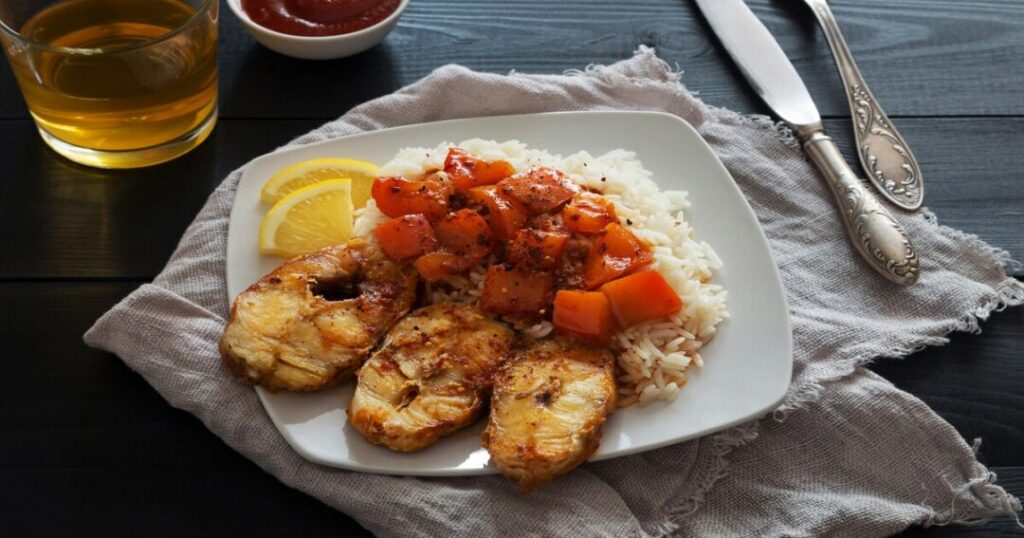
Stewed fish is the definitive Bahamian breakfast and one of the most uniquely Bahamian dishes in the entire cuisine — grouper or snapper slow-cooked in a deeply flavoured broth with onions, tomatoes, celery, potatoes, hot pepper, and island thyme until the fish is tender and the sauce is rich and dark. The stew is served with a thick wedge of johnnycake to mop up the sauce, or with grits on the side. It is a morning dish — the specific meal that Bahamians eat before a long day of work — and it is available at roadside shacks from before sunrise.
The specific combination of fresh grouper, lime, allspice, and the slow cooking time gives Bahamian stewed fish its character: simultaneously delicate (the fresh fish) and bold (the spiced broth). No two versions are identical — every cook adds something of their own, a splash of sherry here, an extra hot pepper there — but the fundamental balance of fish, citrus, and allspice is consistent.
6. Johnny Cake — The Island Bread
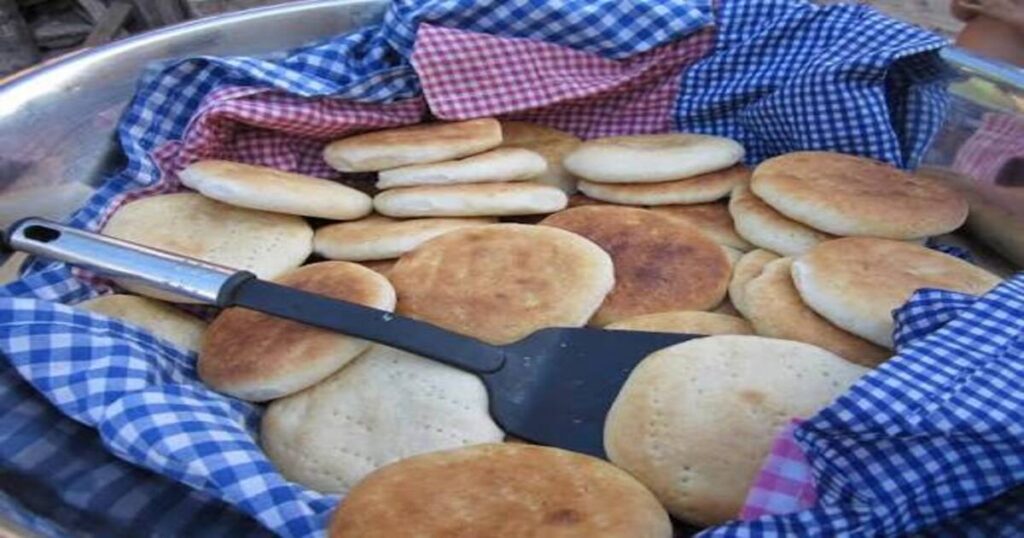
Johnny cake (also called johnny bread) is the bread of the Bahamas — a dense, slightly sweet quick bread made with flour, butter, milk, sugar, and baking powder, baked until lightly golden, and served in wedge-shaped pieces straight from the oven. The texture sits between bread and cake — it is softer and richer than standard bread but not sweet enough to be a pastry. It is eaten with butter for breakfast, served alongside stews and curries to mop up sauces, and paired with stewed fish and souse throughout the islands.
The history of johnny cake in the Bahamas connects to the broader Atlantic history of flatbreads brought to the Caribbean during the colonial era. The Bahamian version — made with wheat flour rather than the cornmeal of older American johnny cakes — is the island’s specific interpretation and one of the most important staple preparations in Bahamian cuisine.
7. Souse — The Weekend Soup
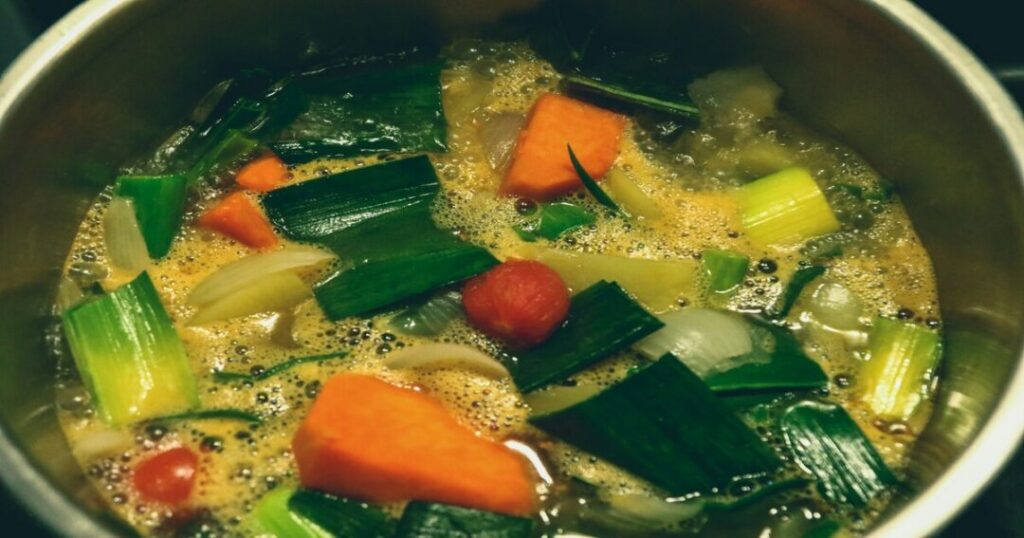
Souse is a light but intensely flavoured Bahamian soup made with chicken (most commonly), lime juice, potatoes, onions, celery, and allspice — cooked until the chicken is falling-tender and the broth is sour, fragrant, and warming. The fish version — boiled fish — is made with grouper or snapper instead of chicken and is one of the most popular Bahamian breakfast preparations. Souse is a Saturday-and-Sunday-morning dish — the soup that Bahamians make on weekends when there is time to cook properly, and it is frequently cited as the most effective hangover cure in the islands.
The lime is structural in souse — not a garnish but the primary acidic element that balances the richness of the chicken and gives the broth its defining freshness. Served with johnnycake on the side.
8. Fire Engine — Bahamian Comfort Breakfast
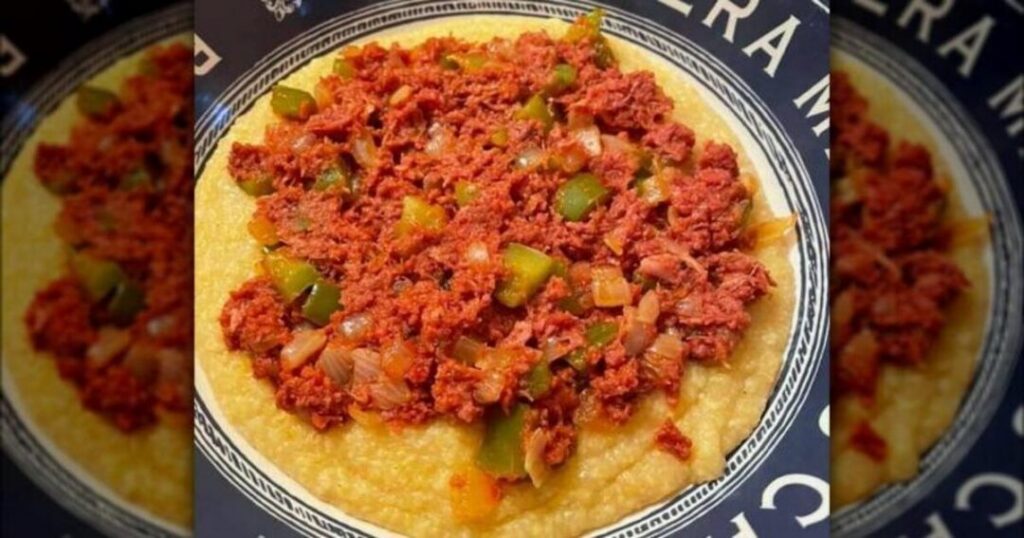
Fire Engine is one of the most distinctively Bahamian of all Bahama dishes — a humble, comforting breakfast preparation of steamed corned beef (canned) sautéed with onions, green peppers, celery, tomato paste, thyme, and seasoning, served over grits drenched in butter or white rice. The name is believed to derive either from the deep red colour of the tomato-heavy sauce or from the association with hot, spicy peppers — the origin is debated, but the dish itself is beloved and ubiquitous.
Fire Engine is the most affordable and most accessible meal in the Bahamian food vocabulary — the breakfast of construction workers, fishermen, and the early morning working population of Nassau and the Out Islands. It is also the most frequently cited hangover cure alongside souse.
9. Baked Macaroni — The Bahamian Mac & Cheese
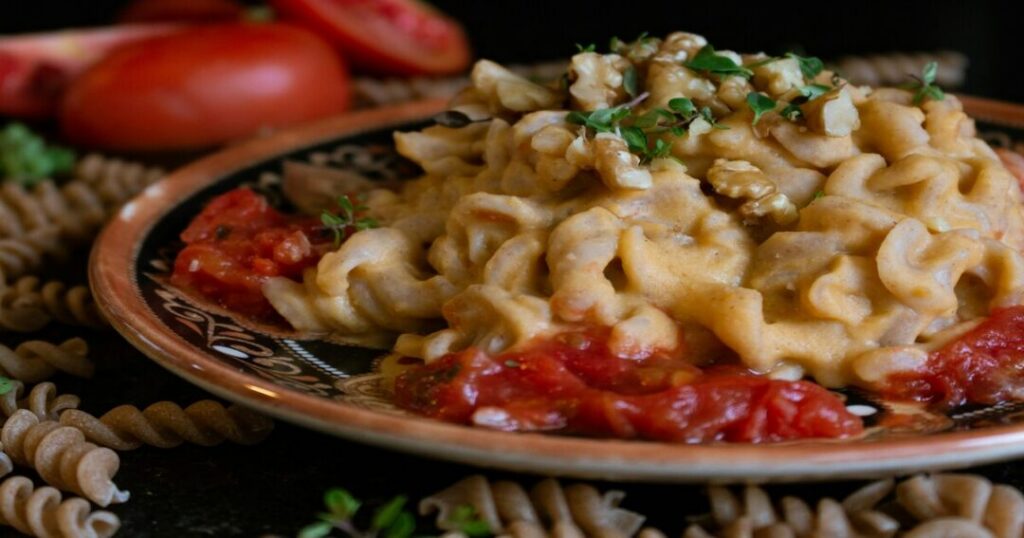
Bahamian baked macaroni is not the American mac and cheese you might expect — it is something more substantial and more specific. Large tubular pasta (macaroni) is combined with mild cheddar cheese, yellow onions, bell peppers, eggs, and evaporated milk — sometimes with goat pepper or scotch bonnet for heat — and baked until the top is golden, the interior is custard-firm, and the whole dish has a specific solidity that makes it cut into squares like a casserole. It is a side dish and a comfort food simultaneously — served at family dinners, at Junkanoo celebrations, at Sunday lunch after church, and at the roadside restaurants that feed Nassau’s working population.
10. Rock Lobster (Crawfish) — The Bahamian Luxury
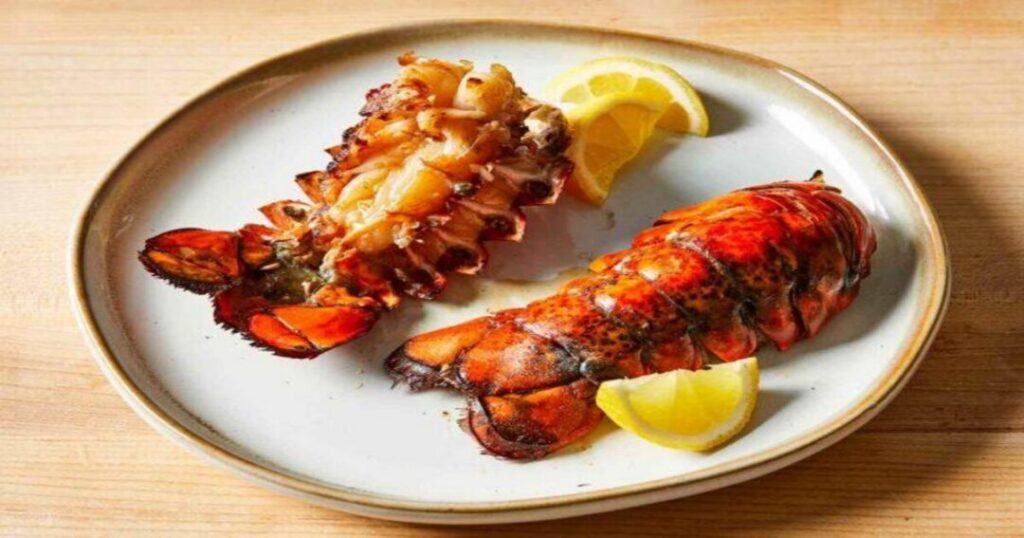
Rock lobster — called crawfish locally — is the premium protein of Bahamas cuisine: the spiny, clawless Caribbean lobster (Panulirus argus) that inhabits the coral reefs of the Bahamian archipelago. Unlike the cold-water lobsters of Maine and Canada, rock lobster has no claws — the meat is entirely in the tail, and it is sweeter, firmer, and more intensely flavoured than its northern cousins. It is served broiled with garlic butter, steamed with lime and mango salsa, minced into salads, or incorporated into the various stews and curries that form the celebratory end of Bahamian cooking.
Rock lobster season (August to March) is when Bahamian fishing communities celebrate their catch — the lobsters are grilled on the beach, shared with neighbours, and eaten with peas n’ rice under whatever trees are nearby.
Also Read: Austrian Food: The Complete Guide to Famous Austrian Dishes & Cuisine
Bahamas Conch Salad — The Deep Dive
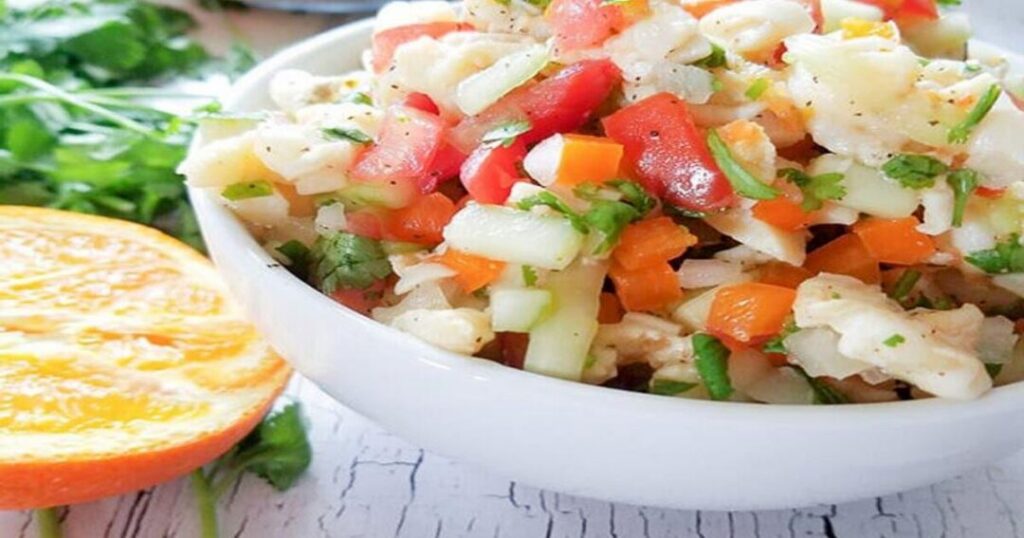
Bahamas conch salad deserves its own section because it is the single most distinctive and most irreplaceable preparation in Bahamian food culture — the dish that separates authentic Bahamian cuisine from anything you will find anywhere else in the Caribbean.
The method: A conch salad vendor cracks a fresh queen conch shell, removes the meat, and dices it fine on a board — quick, practiced movements developed over years of making thousands of salads. Fresh key lime juice is squeezed directly over the conch; sour orange juice follows. Finely diced onion, bell pepper (green and sometimes yellow), tomato, and goat pepper are added. Everything is tossed together. The citrus acid begins working on the conch protein immediately — by the time the salad reaches you, it has softened slightly from the acid cure.
What makes it special: The freshness is total — the conch was alive this morning, the limes were squeezed seconds ago, the peppers are garden-fresh. The heat from the goat pepper builds slowly. The combination of sour (lime), bright (tomato), sharp (raw onion), and the specific ocean flavour of the raw conch is unlike any other preparation in the Caribbean.
Variations: Some vendors add pineapple or mango for a tropical sweetness; others add scotch bonnet for more intense heat; some squeeze sour orange juice as the primary acid rather than lime. The core — raw conch + citrus + pepper + onion — is constant.
Where to find the best: Nassau’s Arawak Cay (the Fish Fry) is the most famous concentration of conch salad vendors. The Out Islands — particularly Exuma and Eleuthera — have their own beloved vendors whose versions are considered equally authentic.
Bahamian Appetizers — What Starts the Meal
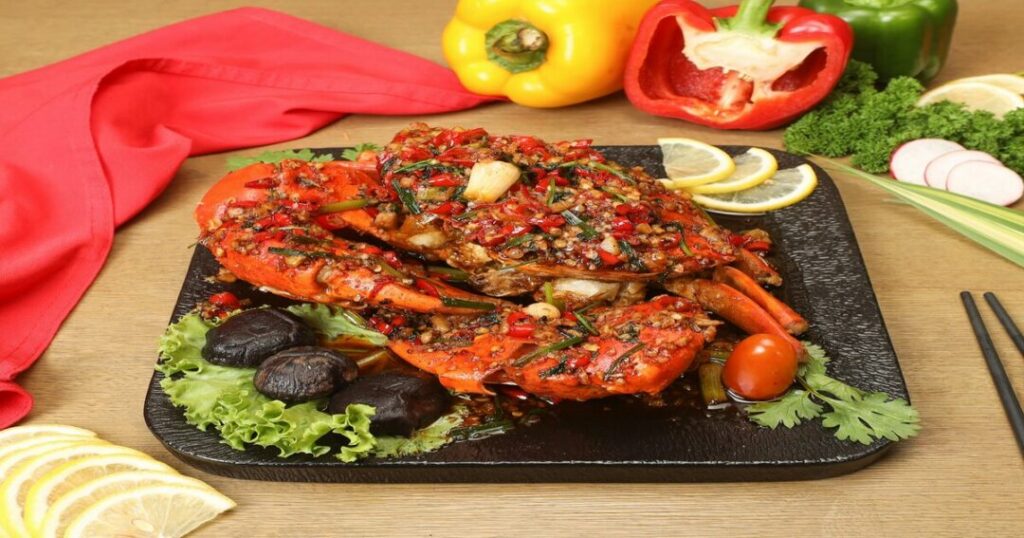
The Bahamian appetizer tradition is centred entirely on conch — the sea snail that functions as the culinary foundation of the entire cuisine. The three essential Bahamian starters:
Conch Fritters: The default Bahamian appetizer — diced conch mixed into seasoned batter and deep-fried, served with lime-ketchup-hot sauce dip. Found at every restaurant, bar, and beach shack in the islands.
Conch Salad: Raw conch dressed with citrus and peppers — when served in smaller portions as a starter, it functions as the finest and freshest appetizer in the Bahamian repertoire.
Baked Stuffed Crab: Dungeness crab meat removed from the shell, cooked with breadcrumbs, butter, onions, bell peppers, thyme, and lemon juice, stuffed back into the crab shell, and baked until golden. A more substantial and more elaborate starter than the conch preparations — the sweet crab meat with the butter and herbs is one of the finest things the Bahamas produces from the sea.
Conch Chowder (as a starter): A tomato-based soup with tenderised conch, potatoes, carrots, onions, celery, fresh herbs, and hot sauce — served as a bowl starter before the main meal, or as a light lunch on its own.
Also Read: Famous Vietnamese Food: The Complete Guide to Top Vietnamese Dishes & Cuisine
Bahamian Curry — The Spiced Island Preparation
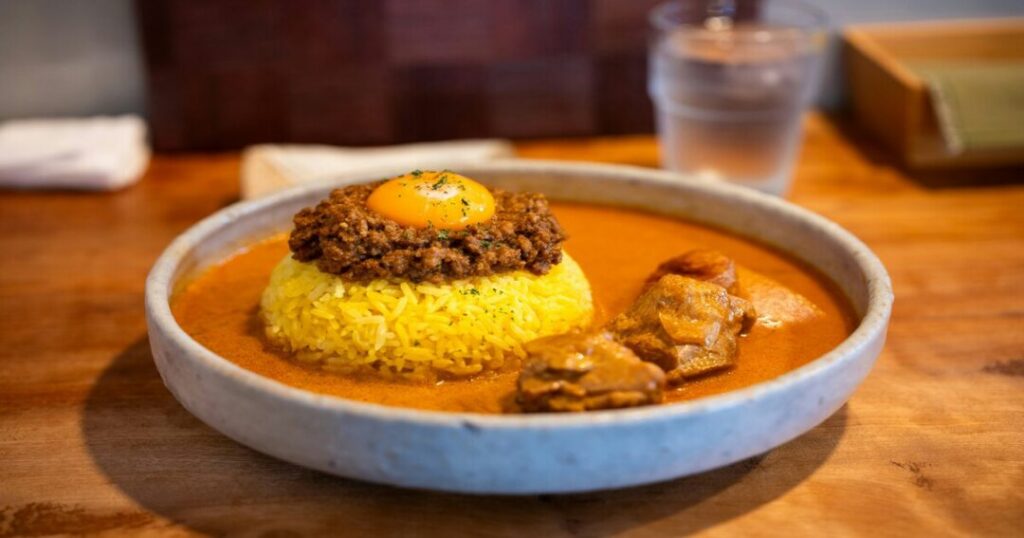
Bahamian curry is one of the most underappreciated preparations in Bahamian cuisine — a spiced, coconut-influenced curry that reflects the diverse cultural heritage of the islands (including South Asian influences that arrived through Caribbean trading routes) and the availability of the islands’ finest proteins.
The most common Bahamian curry preparations:
Chicken Curry: The most widely available — chicken pieces cooked in a sauce of curry powder, coconut milk, tomatoes, onions, garlic, ginger, scotch bonnet pepper, and local spices. The Bahamian version tends toward a mild-to-medium heat with a coconut milk richness that balances the curry spice. Served with white rice or peas n’ rice and johnnycake.
Shrimp Curry: The Atlantic shrimps of the Bahamian waters cooked in curry with coconut milk, tomatoes, and local spices — one of the finest curry preparations in the islands, particularly when made with fresh local shrimp rather than imported.
Fish Curry: Grouper or snapper in a light curry sauce — the delicate fish meat requires a gentler hand with the spicing than chicken, but the result is one of the most elegant preparations in Bahamian cooking.
Plantain in Curry: Fried plantain is used as both an ingredient within curries and as a side alongside them — the sweet, starchy plantain absorbs the curry sauce and provides a textural counterpoint to the protein.
Bahamian curry is typically milder than Indian or Thai curry — the emphasis is on the coconut milk richness and the local spice balance rather than heat intensity, though goat pepper or scotch bonnet can be added by those who want more fire.
Bahamian Desserts — The Sweet Side of the Islands
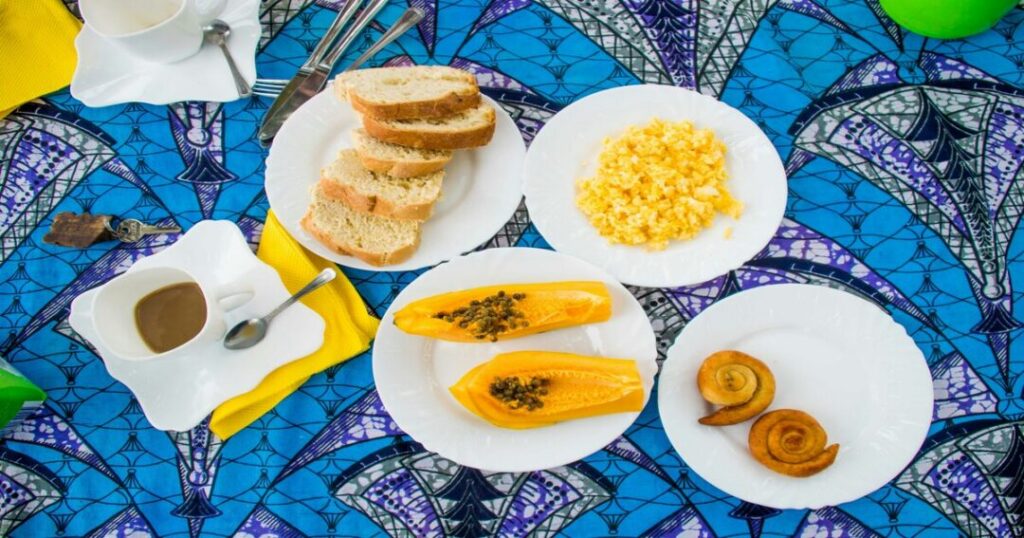
Bahamian desserts are built around tropical fruit and the specific Bahamian tradition of rum-enriched sweets — the islands have been surrounded by rum culture since the colonial era, and it shows up in the dessert table in the most satisfying ways.
1. Guava Duff — The Most Quintessential Bahamian Dessert
Guava duff is the dessert that defines Bahamas dessert recipes — a traditional Bahamian preparation in which guava fruit (the pink-fleshed tropical guava native to the Caribbean) is mashed, seasoned with cinnamon and nutmeg, rolled into a dough made with flour, butter, and eggs, tied in a cloth, and boiled or steamed until the dough is soft and the guava filling is fragrant and sweet. It is served sliced, with a butter-rum-sugar sauce poured over the top.
The combination of the soft, slightly dense dough with the tropical guava interior and the warm rum sauce is entirely specific to the Bahamas — no other Caribbean country makes anything quite like guava duff, and the dish is inseparable from Bahamian identity. It is served at Independence Day celebrations (July 10), Christmas, and any family gathering worth the name.
2. Rum Cake — The Celebration Sweet
Bahamian rum cake is a dense, moist cake soaked in dark rum syrup — the rum is both baked into the batter and poured over the finished cake to create a confection that is simultaneously cake, pudding, and drink. The best versions use aged dark rum from the Caribbean; the result is a cake that keeps well, travels without refrigeration, and tastes better on Day 2 than Day 1 as the rum syrup continues to soak into the crumb.
Rum cake is the standard celebration and gift-giving sweet of the Bahamas — sold at markets, festivals, and shops across Nassau and the Out Islands.
3. Coconut Tart — The Everyday Pastry
Coconut tart is a Bahamian pastry of short, buttery pastry shell filled with freshly grated coconut cooked with sugar, cinnamon, and vanilla into a sweet, chewy filling — the Caribbean coconut’s natural richness concentrated by cooking into something denser and more intensely flavoured than fresh coconut alone. Coconut tarts are the everyday Bahamian dessert found at bakeries, school canteens, and home kitchens throughout the islands.
4. Sapodilla Pudding — The Forgotten Tropical Dessert
Sapodilla pudding is made from the sapodilla (Manilkara zapota) — a brown-skinned, malt-flavoured tropical fruit that grows across the Caribbean — mashed and combined with evaporated milk, eggs, sugar, cinnamon, and nutmeg, baked into a dense pudding that tastes of caramel and tropical fruit simultaneously. Sapodilla pudding is one of the most distinctively Bahamian of Bahamas dessert recipes — the sapodilla fruit is not widely known outside the Caribbean, and its malt-honey flavour gives the pudding a character that no other fruit produces.
5. Pineapple Upside-Down Cake (Eleuthera Style)
The island of Eleuthera — known for producing the finest pineapples in the Caribbean — has its own pineapple-forward dessert tradition. Eleuthera pineapples are smaller, sweeter, and more intensely flavoured than the commercial varieties found globally; the local pineapple upside-down cake uses fresh Eleuthera pineapple caramelised in brown sugar and butter, placed below a vanilla sponge batter and baked until the pineapple is deeply caramelised. The result is one of the finest versions of this dessert anywhere.
Bahamian Drinks — Sky Juice, Switcha & Rum
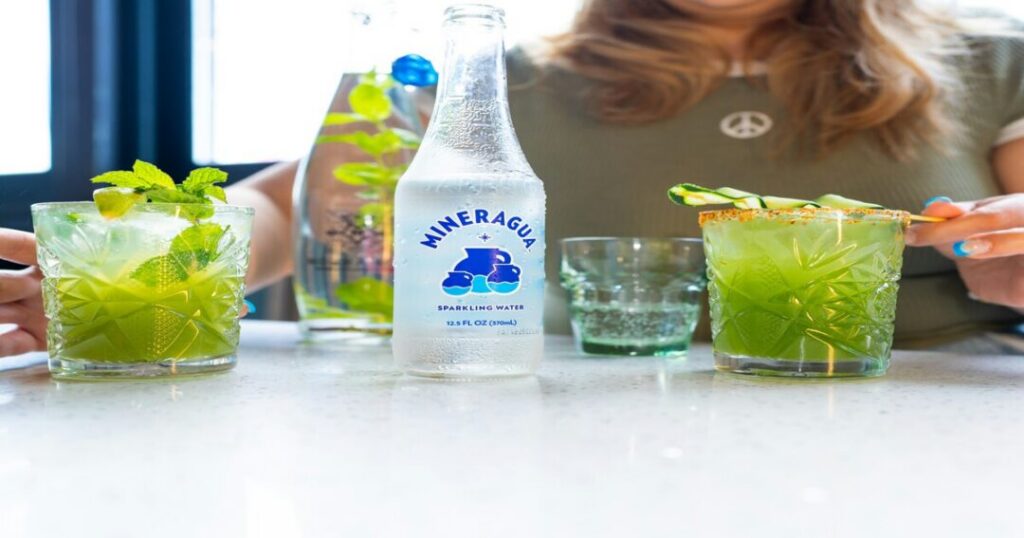
Sky Juice: The most distinctive Bahamian cocktail — coconut water, gin, and sweetened condensed milk, shaken with ice and served cold. The name refers to the coconut water’s origin (from the coconut palm reaching toward the sky) and the cocktail’s ability to make the afternoon disappear. Sweet, slightly creamy, and deceptively strong.
Switcha: The Bahamian version of lemonade — made with native Bahamian limes (smaller and more aromatic than standard limes), sugar, and water. The specific Bahamian lime variety gives Switcha a floral, intensely citrusy quality that regular lemonade cannot replicate.
Goombay Smash: The rum-based Bahamian cocktail that combines coconut rum, dark rum, pineapple juice, and orange juice — named after the Goombay music tradition that is the heartbeat of Bahamian festival culture.
Kalik: The local Bahamian beer — crisp, light, and cold; the beer that appears in every photograph of a Bahamian beach meal.
Also Read: Varanasi Food: The Complete Guide to Banaras Street Food, Dishes & Famous Sweets
Conclusion About Bahamian food
Bahamian food is the food of the Atlantic — built from what the turquoise sea provides, shaped by the African hands that created the cooking traditions, and seasoned with the specific combination of lime, allspice, thyme, and goat pepper that makes every dish immediately and unmistakably Bahamian. The conch is fresh. The fish was caught this morning. The guava duff is on the stove.
Quick guide to famous Bahama dishes:
- Cracked Conch — national dish; pounded, battered, deep-fried; with lime and goat pepper
- Conch Fritters — diced conch in seasoned batter; universal Bahamian appetizer
- Conch Salad — raw conch + citrus + peppers; Bahamian ceviche; Arawak Cay
- Peas n’ Rice — pigeon peas, rice, salted pork, thyme; the essential side
- Stewed Fish — grouper/snapper in spiced broth; Bahamian breakfast with johnnycake
- Johnny Cake — dense, slightly sweet island bread; served with everything
- Souse — chicken-lime-potato soup; weekend morning; hangover cure
- Fire Engine — corned beef + tomato + grits; humble, beloved breakfast
- Baked Macaroni — firm, baked mac & cheese with evaporated milk and eggs
- Rock Lobster (Crawfish) — spiny Caribbean lobster; broiled, steamed, or curried
Bahamian Desserts: Guava duff (the national dessert), Rum cake, Coconut tart, Sapodilla pudding Bahamian Drinks: Sky Juice (coconut water + gin + condensed milk), Switcha (Bahamian limeade), Goombay Smash, Kalik beer
Download the Explurger app to discover what Bahamas food lovers and Nassau travellers actually recommend, find the finest conch salad vendors and Fish Fry stalls beyond the tourist circuit, and log every fritter, duff, and Fish Fry sunset on your Bahamian food journey.
The conch is already being cracked. The guava duff is already on the stove. The Bahamas’ table is always already ready.
FAQs About Bahamian Food
2. What is Bahamas conch salad?
Bahamas conch salad is a raw conch preparation similar to ceviche — fresh queen conch meat, diced fine, dressed with freshly squeezed key lime juice and sour orange juice, combined with diced bell peppers, tomatoes, onions, and goat pepper or scotch bonnet for heat. The citrus acid denatures the conch protein in the same way lime "cooks" fish in ceviche. The best conch salad is made to order by a vendor at Nassau's Arawak Cay (the Fish Fry), where the conch is cracked, diced, and dressed in front of you within minutes.
3. What are Bahamian appetizers?
The essential Bahamian appetizers are: 1. Conch fritters (diced conch in seasoned batter, deep-fried, with lime-ketchup-hot sauce dip — the universal Bahamian starter), 2. Conch salad (raw conch + citrus + peppers + onion — the finest Bahamian starter), 3. Baked stuffed crab (Dungeness crab meat + breadcrumbs + butter + herbs, baked in crab shell — the most elegant Bahamian appetizer), 4. Conch chowder (tomato-based conch soup with potatoes and vegetables — served as a starter or light meal).
4. What are the most famous Bahamian desserts?
he most famous Bahamian desserts are: 1. Guava duff — the most quintessential Bahamian dessert; guava rolled in dough, boiled or steamed in cloth, served with rum-butter sauce; inseparable from Bahamian identity and served at Independence Day and family celebrations, 2. Rum cake — dense, moist cake soaked in dark rum syrup; the standard Bahamian celebration and gift-giving sweet, 3. Coconut tart — short pastry shell with sweetened, spiced fresh coconut filling; the everyday Bahamian bakery pastry, 4. Sapodilla pudding — made from the malt-flavoured sapodilla fruit with evaporated milk and spices; one of the most distinctively Bahamian of all Bahamas dessert recipes, 5. Pineapple upside-down cake (Eleuthera style — using the island's famously sweet local pineapple).
5. What is Bahamian curry?
Bahamian curry is a coconut milk-enriched, mildly spiced curry that reflects the diverse cultural influences of the Caribbean islands. The most common versions are chicken curry (curry powder + coconut milk + tomatoes + scotch bonnet + local spices), shrimp curry (Atlantic shrimp in light coconut curry sauce), and fish curry (grouper or snapper in a gentle curry preparation). Fried plantain is used both as an ingredient within Bahamian curries and as a side alongside them. Bahamas cuisine recipes for curry are milder than South Asian curries — the emphasis is on coconut milk richness and local spice balance rather than intensity of heat. Served with peas n' rice or johnnycake.