
371 Total Views
Chitrakoot sits quietly on the Uttar Pradesh–Madhya Pradesh border, wrapped in forested hills and river ghats that most travelers only discover once they’ve already been everywhere else in central India.
The Chitrakoot attractions here center on stories from the Ramayana, but you don’t need to be a pilgrim to enjoy them. Sacred ghats, hilltop temples, hidden caves, and quiet nature spots make this an easy two- to three-day trip for families and curious travelers alike. Add the ones that interest you to your Explurger Bucket List as you read, and you’ll have a ready-made shortlist by the time you land.
Chitrakoot Attractions Along the Sacred Ramghat
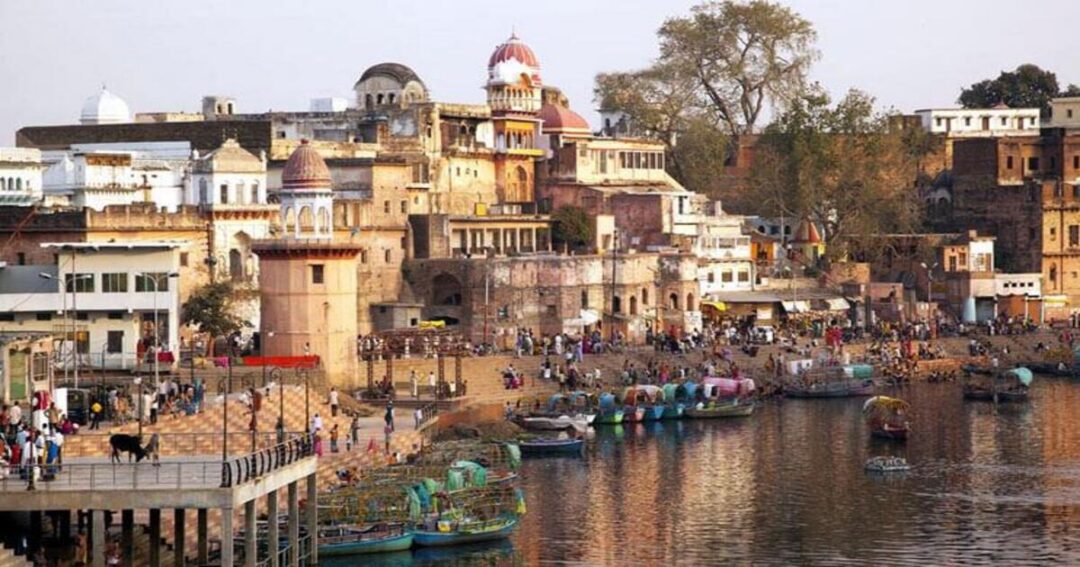
Ramghat, on the banks of the Mandakini River, is where most Chitrakoot itineraries begin.
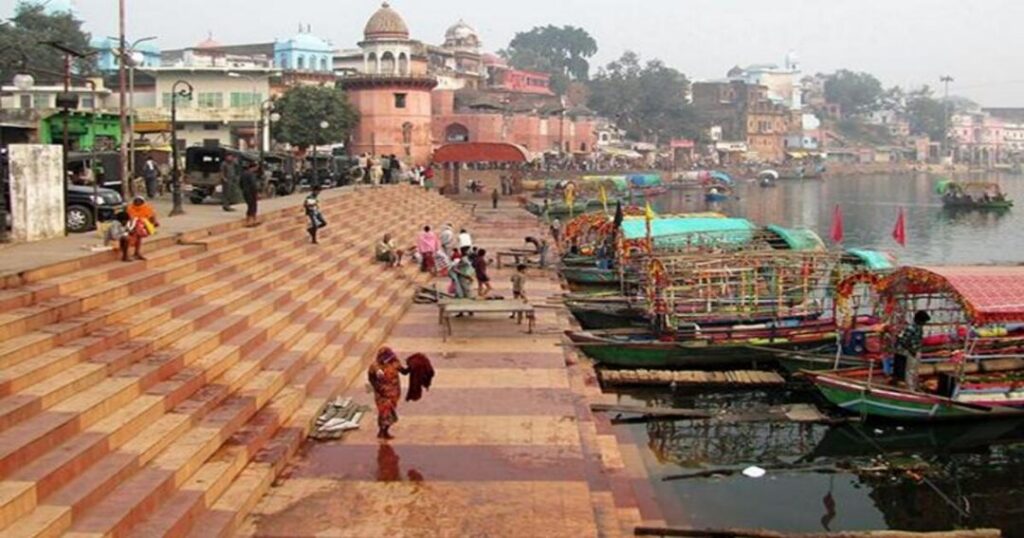
- Ramghat—Believed to be where Lord Rama, Sita, and Lakshmana rested during their exile and where the poet Tulsidas is said to have sat by the river while composing the Ramcharitmanas.
- Evening aarti—A daily riverside ritual draws both pilgrims and casual visitors for the lamps and chanting along the ghat steps.
- Boat rides — Short boat trips along the Mandakini offer a quieter view of the ghats away from the crowds.
Chitrakoot Attractions for Ramayana Pilgrims
Several of the most visited Chitrakoot sightseeing places are directly tied to the Ramayana narrative.
- Kamadgiri—Considered the spiritual heart of Chitrakoot, this forested hill straddles the UP–MP border and is ringed by temples devotees circle on foot as a form of worship.
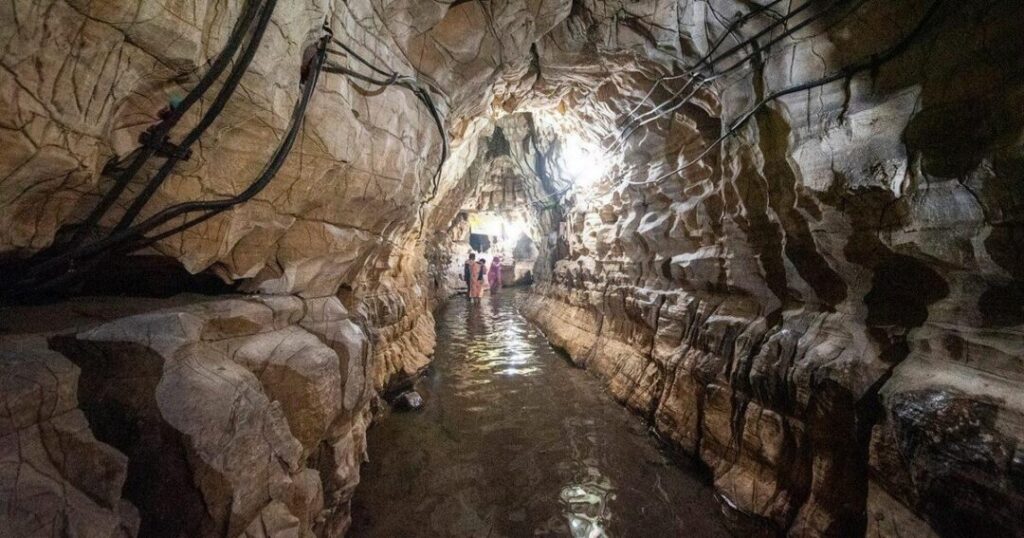
- Gupt Godavari — A pair of caves about 18 km from town, one with a narrow crawl-through entrance and another with a stream flowing inside; Rama and Lakshmana are said to have sheltered here during their exile.
- Hanuman Dhara — A hilltop temple with sweeping views of the town, linked to the legend of Hanuman resting here after setting Lanka ablaze.
- Sati Anasuya Temple—A forest ashram associated with the sage Atri and his wife Anasuya, set in a peaceful, tree-lined stretch outside the main town.
Chitrakoot Attractions for Nature & Family Trips
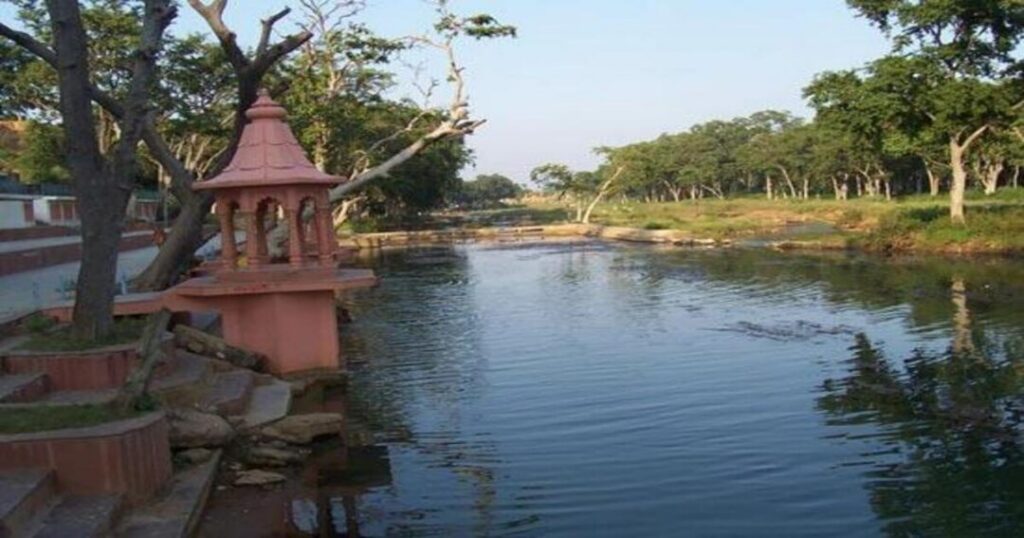
If you’d rather balance temple-hopping with something quieter, these are among the best places to visit in Chitrakoot for a slower pace.
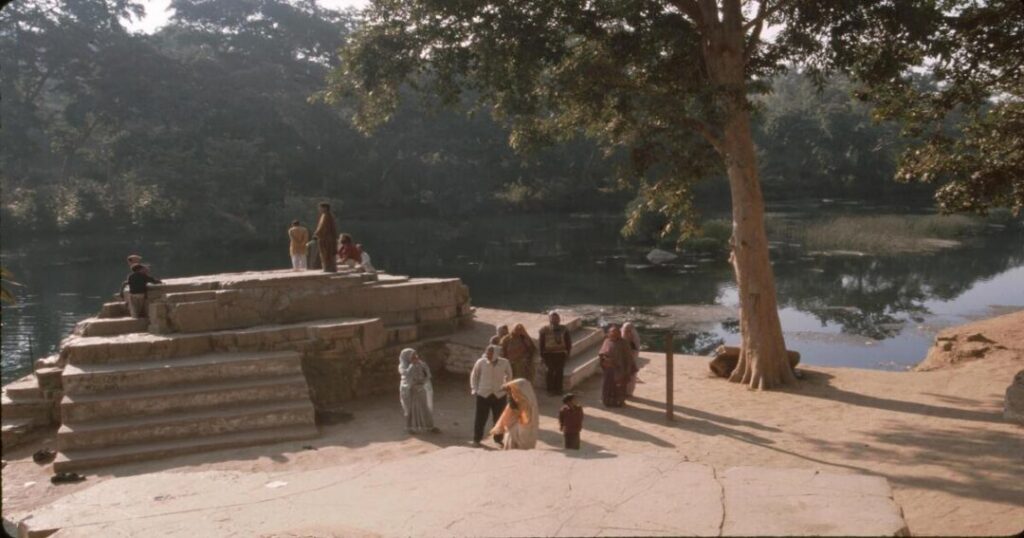
- Sphatik Shila — A crystal rock formation along the riverbank, said to bear Sita’s footprints, set in a calm, less-crowded spot popular for photography.
- Janki Kund — A tranquil riverside stretch a short drive from Ramghat, good for a quiet walk or a break between temple visits.
- Kamadgiri deer park area — Pockets of greenery near the hill make for an easy, low-effort nature stop, especially with kids in tow.
Also read: More Than Just Tigers: Places to Visit in Madhya Pradesh
Chitrakoot Attractions Beyond the Main Tourist Circuit
Once you’ve covered the core sites, a few places to visit near Chitrakoot round out a longer trip.
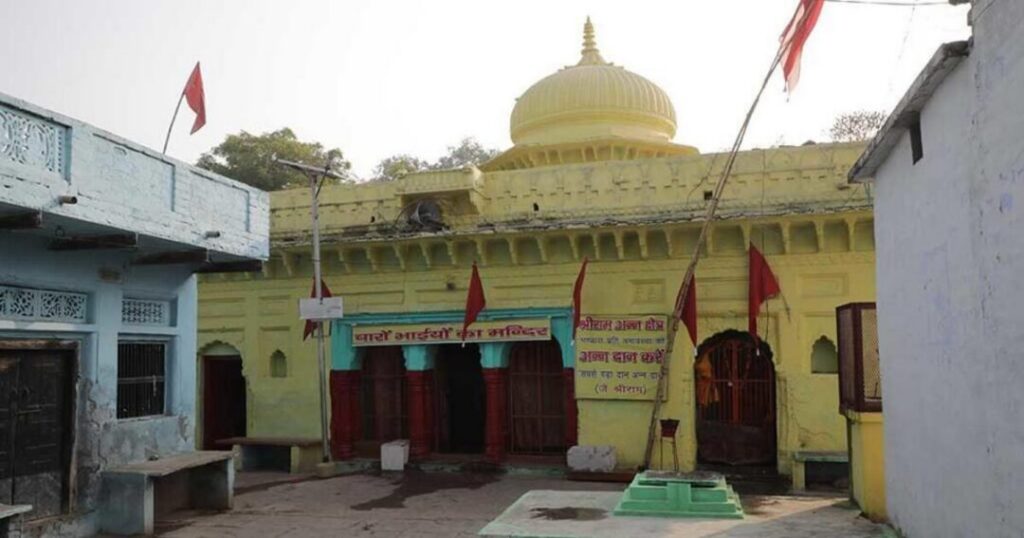
- Bharat Milap Temple (Bharat Koop)—Marks the spot where Bharat is said to have met Rama during the exile, a quieter stop away from the main pilgrim crush.
- Devangana Waterfall — A seasonal waterfall best visited just after the monsoon, when the surrounding hills are at their greenest.
- Satna and Panna — Both within day-trip range for travelers who want to extend their stay with Panna National Park’s wildlife or Satna’s temple circuit.
Not sure how to fit all this into a short trip? Ask NIVU AI in the Explurger app to build a day-by-day plan based on how many days you have and whether you’re prioritizing temples, nature, or a mix of both.
Things to Do in Chitrakoot: Local Experiences & Food
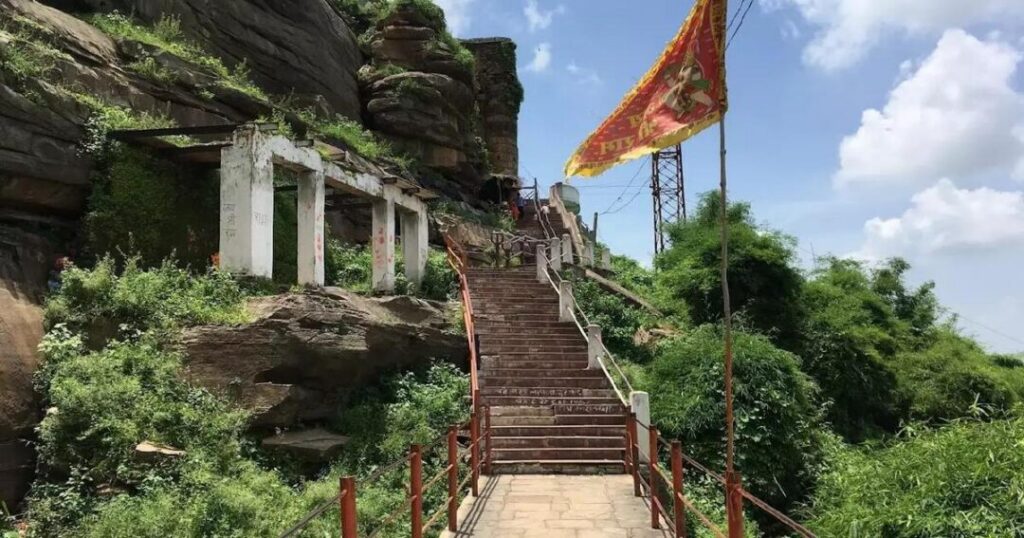
Beyond sightseeing, a few things to do in Chitrakoot are worth building into your schedule.
- Try local Uttar Pradesh and Bundelkhandi thalis at small eateries near Ramghat, typically simple, home-style vegetarian meals.
- Pick up religious souvenirs and handicrafts from stalls lining the main pilgrim route.
- Time a visit around Diwali or Ram Navami if you want to see Chitrakoot’s ghats at their most festive and crowded.
Also read: 10 Best Tourist Places Near Indore for Your Next Weekend Getaway
Chitrakoot Best Time to Visit
The most comfortable window is October to March, when temperatures generally range between 10°C and 25°C.
- Winter (Nov–Feb): Cool and pleasant, the best season for both temple visits and walking tours.
- Summer (Apr–Jun): Extremely hot, with temperatures climbing as high as 47°C; best avoided unless necessary.
- Monsoon (Jul–Sep): Hot and humid but green, with August through October also considered good for visiting once the rains ease and the hills turn lush.
How to Reach Chitrakoot?
- By Rail: The nearest railway station is Chitrakoot Dham Karwi, about 8–11 km from town, with direct trains from Delhi, Prayagraj, Jhansi, Kanpur, and Lucknow.
- By Air: The closest airports are Prayagraj (around 135 km), Khajuraho (around 175 km), and Varanasi (around 275 km), all with regular flights to Delhi.
- By Road: Well connected by bus to Agra, Prayagraj, Jhansi, Kanpur, and Lucknow; the drive from Prayagraj takes about 3 hours, while Satna is roughly 2 hours away via a well-maintained road.
Conclusion: Chitrakoot Attractions
Chitrakoot rewards travelers willing to slow down: a quiet evening at Ramghat, a walk around Kamadgiri, or an afternoon spent at Sphatik Shila away from the crowds. Whether you’re drawn by the mythology or just the scenery, the Chitrakoot attractions covered here work for pilgrims and casual travelers in equal measure. Save your shortlist to your bucket list, and once you’re home, your automatic travelogue will have every ghat and temple mapped as part of your travel history.
Plan your perfect trip with the Explurger Travel App—download the app now.
Start with Ramghat and Kamadgiri, then build the rest of your Chitrakoot trip around how much time you have left.
FAQs About Chitrakoot Attractions
2. How many days do you need in Chitrakoot?
Two to three days are generally enough to cover the main temples, ghats, and caves without rushing. Travelers wanting to extend the trip often add a day for nearby Satna or Panna National Park.
3. Is Chitrakoot good for a family trip?
Yes, Chitrakoot suits families well since most sites involve short walks or boat rides rather than strenuous activity, and the riverside evening aarti is a gentle, accessible experience for children and older travelers alike.
4. What is Chitrakoot famous for?
Chitrakoot is famous for its deep ties to the Ramayana, believed to be where Rama, Sita, and Lakshmana spent part of their fourteen-year exile. Its temples, ghats, and forested hills draw both pilgrims and general travelers interested in mythology and nature.
5. What is the best time to visit Chitrakoot?
October to March offers the most comfortable weather, with cool temperatures ideal for walking between temples and ghats. Summers turn extremely hot, so it's best to plan around the winter or early post-monsoon months instead.
6. Are there places to visit near Chitrakoot worth a day trip?
Yes, Satna and Panna National Park are both within a couple of hours' drive and make for solid add-ons if you have extra time. Panna is particularly worth it for travelers interested in wildlife alongside Chitrakoot's spiritual sites.
7. Is Chitrakoot only for religious travelers?
No. While many Chitrakoot attractions carry religious significance, the riverside ghats, hill views, and forest trails appeal to general leisure travelers as well, and the pace of a Chitrakoot trip suits anyone looking for a slower, scenic break.
8. How do I get around Chitrakoot once I've arrived?
Auto-rickshaws and shared taxis cover the town easily, and many of the closer sites like Ramghat, Kamadgiri, and Sati Anasuya are within a short drive of each other. Sites further out, like Gupt Godavari, are best reached by pre-arranged taxi for the day.