
442 Total Views
Places to visit in Mathura almost never stay confined to Mathura itself — this is the anchor city of Braj Bhoomi, the wider region where Hindu tradition places nearly every major event of Krishna’s early life, and most trips here naturally stretch a few kilometres down the road into Vrindavan without anyone treating it as a separate destination. Beyond the temples, Mathura carries a second, quieter identity: it was once one of ancient India’s great centers of Buddhist and Jain art, producing sculpture that shaped Indian visual culture for centuries.
This guide covers both sides of the city — its temples and pilgrimage sites, and its deeper art history — along with Vrindavan’s essentials, the experience of Holi here, and the practical details you’ll need to plan the trip. Save the spots that stand out to your Explurger Bucket List as you go.
Krishna Janmasthan: The Sacred Heart of Mathura
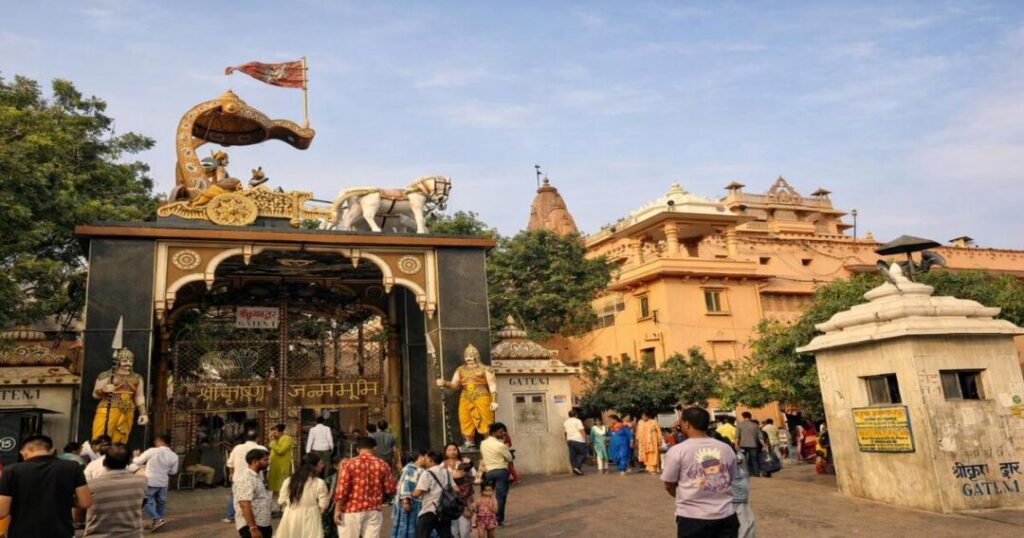
Krishna Janmasthan is where most visitors begin, and for good reason — Hindu tradition holds this as the exact birthplace of Lord Krishna, built around the site believed to be the prison cell where Krishna was born to Devaki and Vasudev during the reign of the tyrant king Kansa. Pilgrims come here specifically to stand at that point of origin, and the complex draws especially large crowds during Janmashtami, Krishna’s birthday celebration, when the temple stays active with prayer and celebration late into the night.
The temple complex has been rebuilt and expanded across many centuries as devotion to the site continued, and today it functions as one of the most significant pilgrimage stops among attractions in Mathura, drawing visitors from across India and abroad year-round, not just during major festivals.
Dwarkadhish Temple: Mathura’s Regal Krishna Shrine
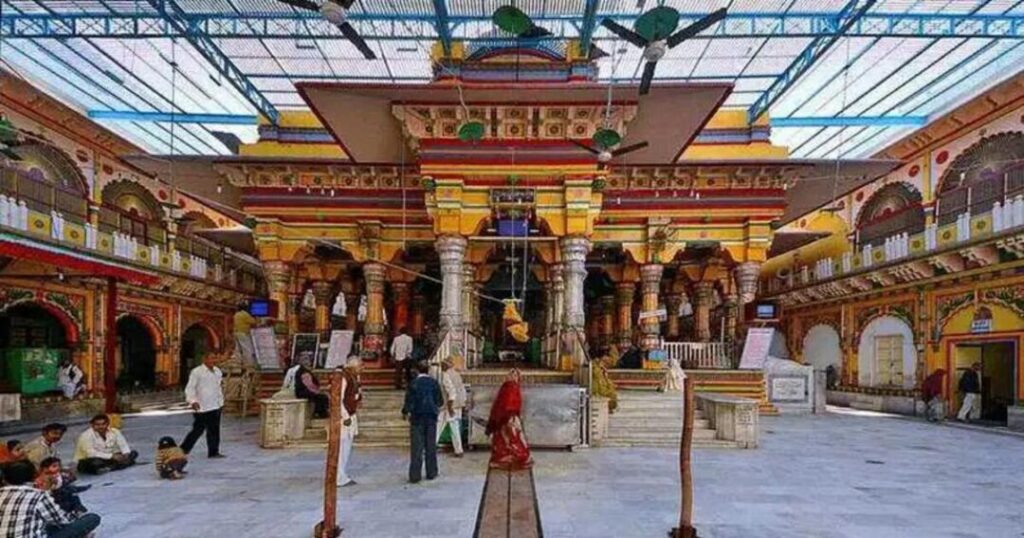
If Krishna Janmasthan represents his birth, the Dwarkadhish Temple represents a very different side of him — not the playful child of Vrindavan’s stories, but Dwarkadhish, the majestic king of Dwarka. Built in 1814 by Seth Gokul Das Parikh, a treasurer in the Scindia royal court of Gwalior and a devoted follower of Krishna, the temple has stood as one of Mathura’s central Vaishnava sites for over two centuries.
Its history carries real weight beyond religious significance too: during the tumultuous 1857 uprising against British rule, the temple served as a cultural and spiritual anchor for the city, helping preserve Vaishnava tradition through a period of widespread unrest. Its architecture — richly carved pillars and detailed craftsmanship throughout — remains one of the more photographed interiors among Mathura places to see.
Vishram Ghat and the Yamuna’s 25 Ghats
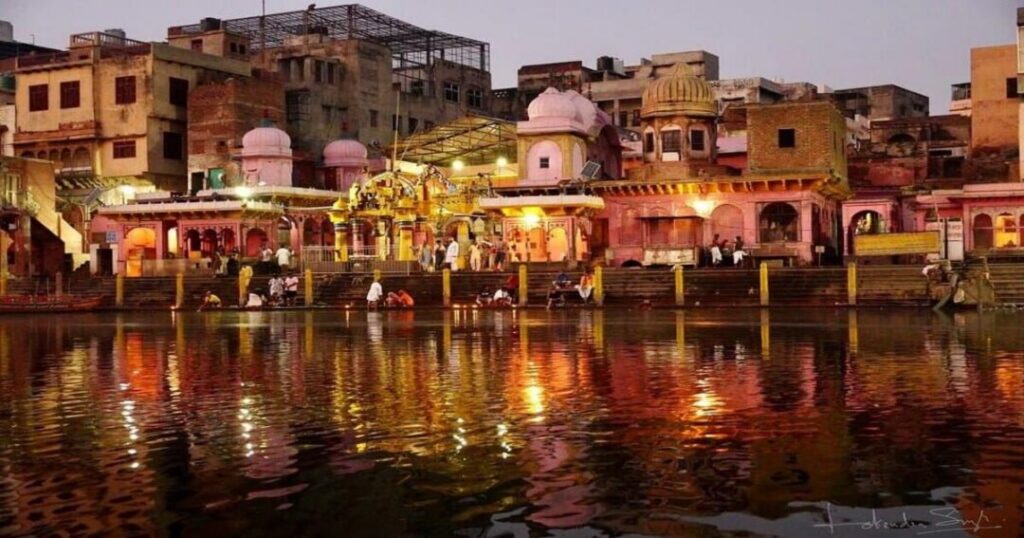
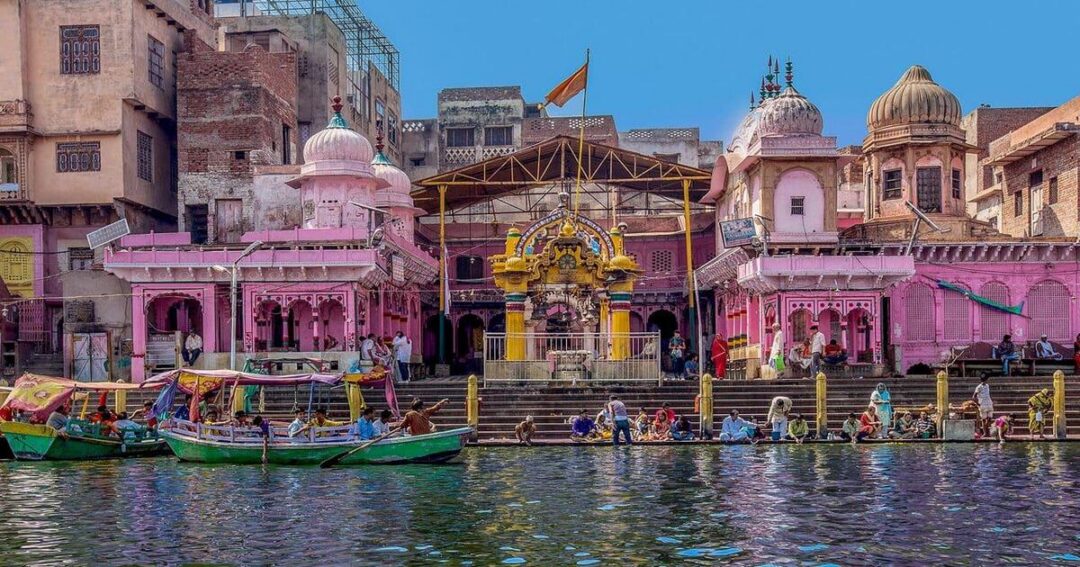
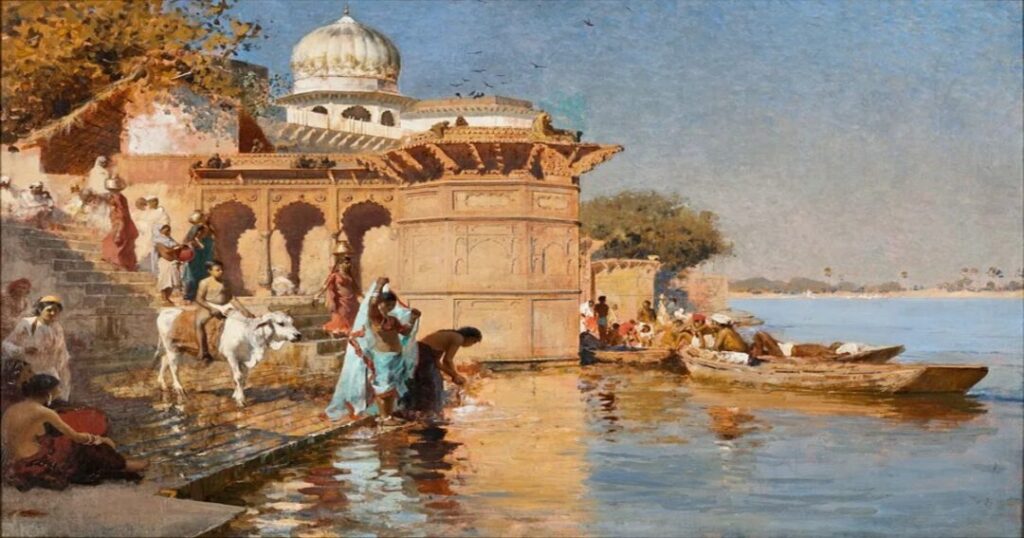
Vishram Ghat sits at the center of a chain of 25 ghats lining the Yamuna River through Mathura, and it holds particular significance as the starting and ending point of the traditional parikrama (circumambulation route) around the city. Local tradition holds that Krishna rested here after defeating the demon king Kansa — “Vishram” itself translates to “rest.”
In the evenings, Vishram Ghat comes alive with aarti ceremonies along the riverbank, drawing both pilgrims and visitors simply there to watch. It’s one of the more atmospheric stops among Mathura sightseeing places, especially if you time your visit for early evening rather than midday.
Also Read: Top 10 Places to Visit in Agra Beyond the Taj Mahal
The Mathura Museum: Where Krishna’s City Met Buddhist and Jain Art
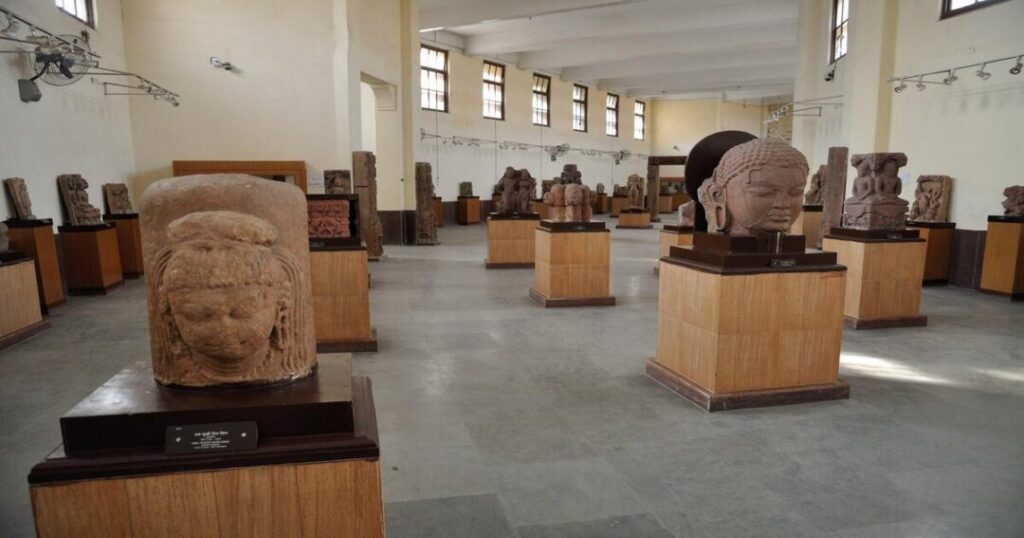
Here’s the side of Mathura most visitors miss entirely: centuries before it became synonymous with Krishna devotion in its current form, Mathura was one of ancient India’s most important centers of Buddhist and Jain sculpture, and the Government Museum here — established in 1874 — holds one of the country’s finest collections proving it.
The Mathura School of Art flourished here from roughly the 2nd century BCE through the 12th century CE, reaching its most influential period under Kushan and Gupta patronage between the 1st and 6th centuries CE. [STAT: The Mathura School of Art is considered a foundational tradition of classical Indian sculpture, with its most distinctive work produced under Kushan and Gupta patronage between the 1st and 6th centuries CE.] Kushan rulers were major patrons of Buddhism, and their support helped standardize and popularize Buddha imagery across the region — much of it carved from the distinctive mottled red sandstone quarried near Mathura, which was then exported and copied across northern India.
The museum’s collection reflects this layered history directly: alongside Hindu deity sculptures, you’ll find Buddha images and Jain Tirthankara figures carved in that same red sandstone, evidence that this was a genuinely multi-religious artistic center long before Braj Bhoomi’s Krishna-focused identity took its current shape. Many art historians consider the Mathura style foundational to Indian classical sculpture more broadly — a claim you can verify for yourself by comparing the pieces here to later sculpture elsewhere in the country.
Also Read: Religious Places in India: The Complete Guide to India’s Most Sacred Sites
Vrindavan’s Essential Temples: Banke Bihari, ISKCON and Prem Mandir
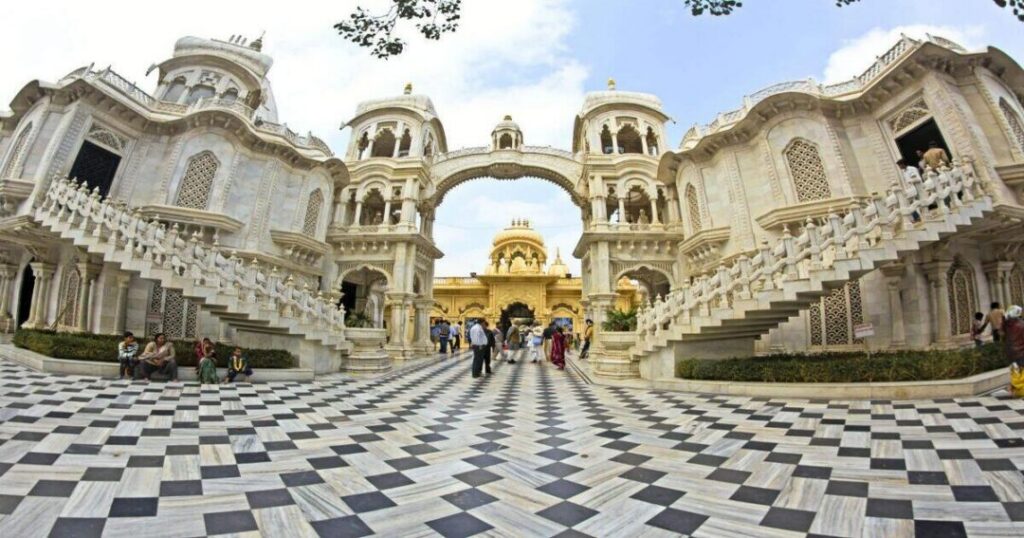
A few kilometres from Mathura, Vrindavan holds its own cluster of essential stops, and skipping it while covering Mathura would leave out most of what draws people to this region in the first place.
Banke Bihari Temple, built in 1862, is Vrindavan’s most visited temple. Its story traces back to the saint-musician Swami Haridas, who settled in a secluded grove now known as Nidhivan to practice devotion and meditation. The Krishna idol he worshipped there — originally called “Kunj-Bihari” — was eventually moved to the newly built Banke Bihari Temple once construction was complete, and it remains there today.
ISKCON Vrindavan (the Krishna-Balaram Mandir) draws a significant international crowd, reflecting the global reach of the Hare Krishna movement that grew out of Vrindavan’s spiritual tradition. Prem Mandir, considerably more modern, has become known for its elaborate architecture and evening light displays, offering a strikingly different visual experience from the older temples nearby.
Nidhivan: Vrindavan’s Mysterious Sacred Grove
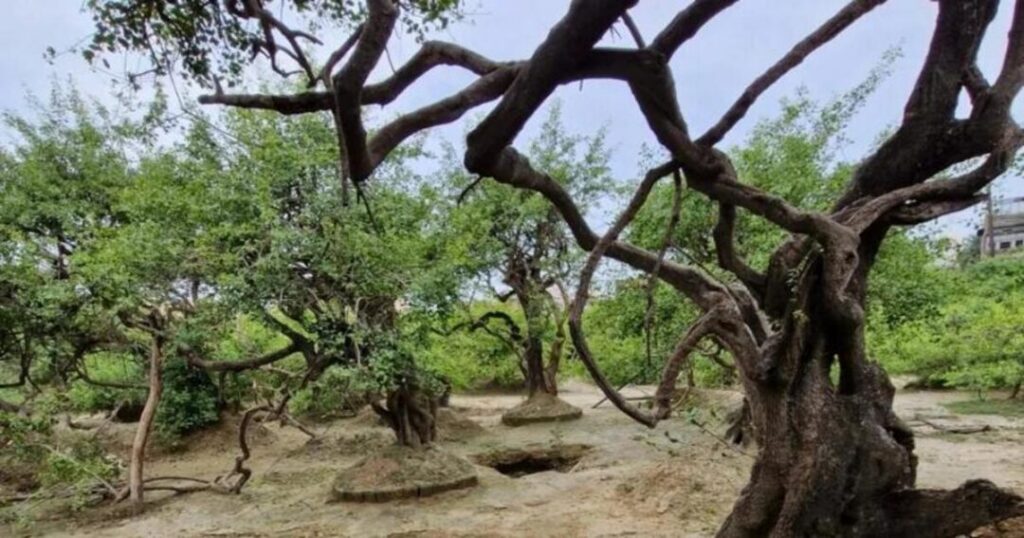
Nidhivan deserves its own mention beyond its connection to Banke Bihari’s origin story. Local tradition holds that Krishna performs his nightly raas-leela — a divine dance with Radha and the gopis — here after the grove closes each evening, and the forest itself is considered too sacred and mysterious for anyone to remain inside after dusk. The Tulsi plants throughout the grove grow with distinctively entwined trunks, said locally to represent the gopis themselves. It’s a quieter, more contemplative stop among Mathura tour places, best visited in daylight hours when the grove is open to the public.
Kusum Sarovar: Braj’s Most Picturesque Sacred Reservoir
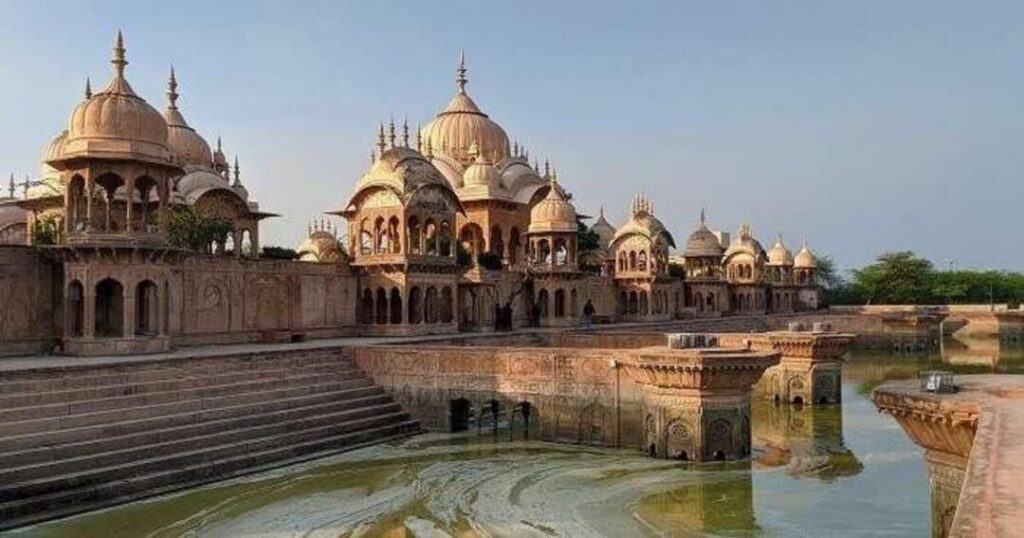
Located near Govardhan, about 25 km from Mathura, Kusum Sarovar is one of Braj Bhoomi’s most scenic and serene landmarks. According to Hindu tradition, this is where Radha and the gopis gathered flowers (kusum) and met Lord Krishna.
The 18th-century sandstone reservoir, built by the Jat rulers of Bharatpur, is renowned for its elegant ghats, intricately carved cenotaphs, and stunning Rajput architecture. Away from the crowds of Mathura and Vrindavan, Kusum Sarovar offers a peaceful retreat, especially at sunrise and sunset, when its sandstone pavilions reflect beautifully in the tranquil waters. It’s a must-visit for anyone exploring the Govardhan Parikrama or the wider Braj circuit.
Also Read: Long Weekend in August 2025: Top Escapes from Metro Cities in India
Experiencing Holi in Mathura, Vrindavan and Barsana
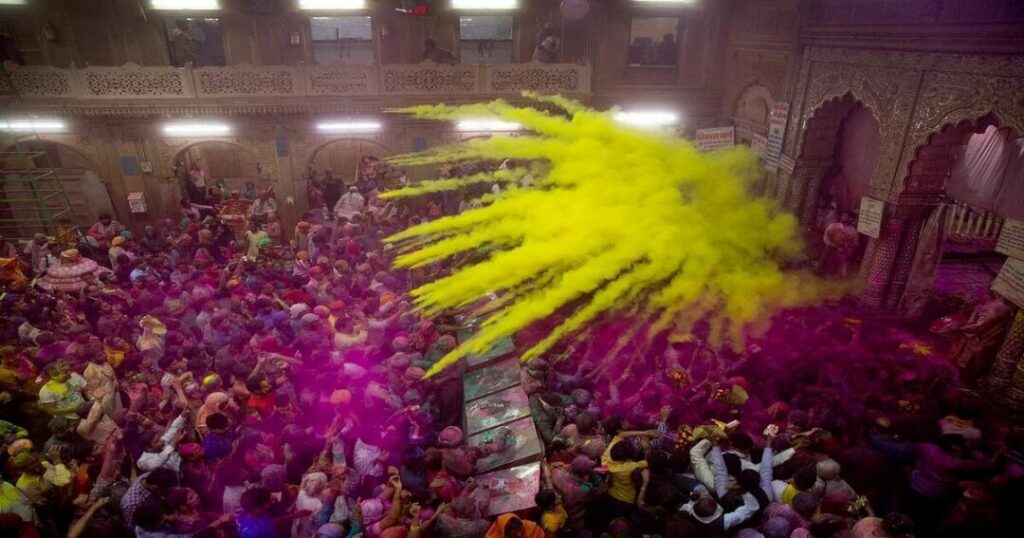
No guide to this region is complete without Holi, even though it’s a seasonal experience rather than a year-round attraction. Mathura and its surrounding towns celebrate Holi with a scale and duration found almost nowhere else in India, stretching across roughly ten days rather than a single occasion.
The most famous of these is Lathmar Holi in Barsana, held about a week to ten days before the main festival, where local women play-fight men with wooden sticks (lathis) while the men defend themselves with shields — a boisterous, theatrical reenactment of Krishna’s own playful teasing of the gopis. A gentler counterpart, Phoolon Ki Holi, takes place at Vrindavan’s Banke Bihari Temple, where priests shower devotees with flowers instead of colored powder.
If you’re planning around Holi specifically, book accommodations three to four weeks ahead — rooms fill quickly and roads near the major temples stay busy for extended hours during the celebration window. Trying to work out exactly which days align with Lathmar Holi or the main Holi date for your travel year? NIVU AI inside the Explurger app can help you check the shifting lunar-calendar dates against your own travel window rather than relying on a fixed date that changes annually.
What is the Best Time to Visit Mathura?
The most comfortable stretch to visit is October through March, when temperatures generally sit between a cool 5°C and a manageable 27°C — a considerable improvement over Mathura’s punishing summer heat. This window also happens to include Holi, which typically falls in late February or March depending on the lunar calendar, and Janmashtami, which falls in August or September, so plan around whichever occasion matters most to your visit.
How to Reach Mathura?
Mathura sits roughly 160 km from Delhi, with train travel being the fastest and most convenient option — trains from Delhi typically take around 2 hours via Nizamuddin station, with fares ranging widely depending on class. Buses from Delhi’s Anand Vihar or Kashmiri Gate terminals take a bit longer, generally 3.5 to 4 hours depending on traffic. Once in Mathura, Vrindavan is a short 15–20 minute auto-rickshaw or shared-taxi ride away, making it easy to cover both in a single well-planned day or a relaxed two-day trip.
Conclusion About Places to visit in Mathura
Whether you come for Krishna Janmasthan’s pilgrimage significance, the Mathura Museum’s centuries-older art history, or the sheer color of Holi in Barsana, places to visit in Mathura cover a genuinely wider story than most guides let on. Save the stops that matter most to you to your Explurger Bucket List, and once you’ve made the trip, log it as an Explurge-in — your Automatic Travelogue will keep it mapped alongside every other place you’ve explored. Plan your Mathura-Vrindavan trip with Explurger, start to finish.
FAQs About Places to visit in Mathura
2. Is Vrindavan part of Mathura or a separate place?
Technically, Vrindavan is a separate town a few kilometres from Mathura city, but the two are almost always visited together as part of the same trip, since Vrindavan holds many of the most significant sites connected to Krishna's early life. A short 15–20 minute ride connects them, making it practical to treat them as one combined destination when planning.
3. What is unique about the Mathura Museum?
The Mathura Museum, established in 1874, houses one of India's finest collections from the Mathura School of Art, which flourished from around the 2nd century BCE through the 12th century CE and reached its peak under Kushan and Gupta patronage. It holds Buddha images, Jain Tirthankara sculptures, and Hindu deity carvings side by side, reflecting Mathura's history as a major multi-religious art center long before its current Krishna-focused identity took shape.
4. When is Holi celebrated in Mathura and Vrindavan?
Holi celebrations here stretch across roughly ten days rather than a single day. Lathmar Holi at Barsana, where women playfully strike men with sticks in a reenactment of Krishna's teasing, typically falls about a week to ten days before the main festival. Phoolon Ki Holi, a gentler flower-based celebration, happens at Vrindavan's Banke Bihari Temple shortly before the main Holi date, which itself shifts each year based on the lunar calendar, usually landing in late February or March.
5. What is the significance of Vishram Ghat?
Vishram Ghat is the central ghat among the 25 lining the Yamuna in Mathura, and it marks both the start and end point of the traditional parikrama route around the city. Local tradition holds that Krishna rested here after defeating the demon king Kansa, and the ghat remains a lively spot for evening aarti ceremonies that draw both pilgrims and visitors.
6. What is Nidhivan known for?
Nidhivan is a sacred grove in Vrindavan believed to be where Krishna performs a nightly divine dance with Radha and the gopis after the grove closes to visitors each evening. Its Tulsi plants grow with distinctively entwined trunks, said to represent the gopis themselves, and it's also connected to the saint Swami Haridas, whose devotion here eventually led to the founding of the nearby Banke Bihari Temple.