
1,268 Total Views
The Meesapulimala trek climbs to the second-highest peak in the Western Ghats, and unlike a lot of South Indian treks, it’s not a free-for-all — this is a strictly permitted route managed by the Kerala Forest Development Corporation, which means the booking process matters just as much as the route itself. This guide covers both the standard day trek and the overnight sunrise-with-tent-stay version, plus the wildlife and monsoon realities worth knowing before you go.
Meesapulimala Overview: Kerala’s Second-Highest Peak
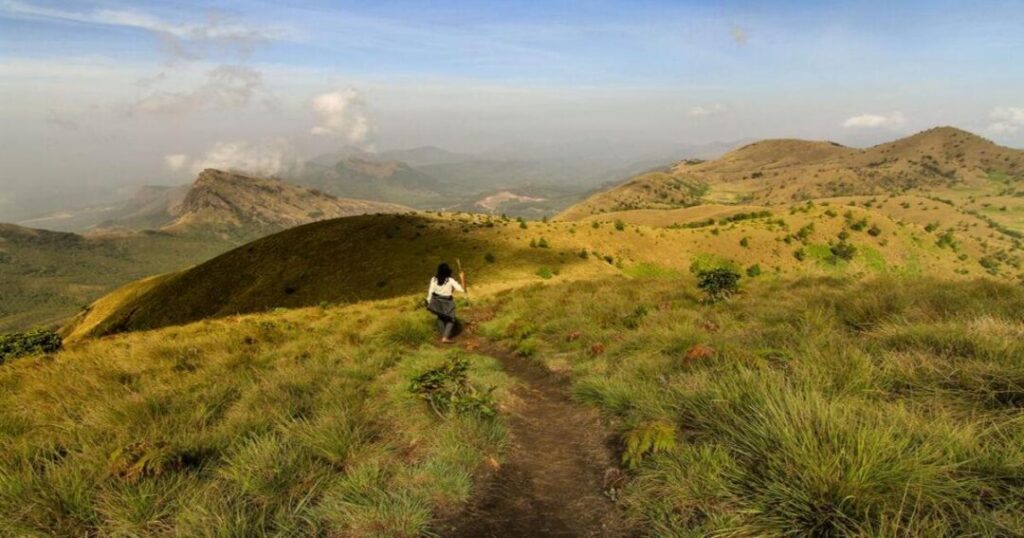
Meesapulimala sits at roughly 2,640m, making it the second-highest peak in the Western Ghats after Anamudi, located between the Anaimalai and Palani hill ranges near Suryanelli, about 20km from Munnar. The trail moves through grasslands, shola forest, rocky ridges, and mountain streams, and once every 12 years the slopes bloom with Neelakurinji flowers — the same rare flowering event Munnar’s Eravikulam National Park is known for.
Meesapulimala Base Camp: Suryanelli and What to Expect?
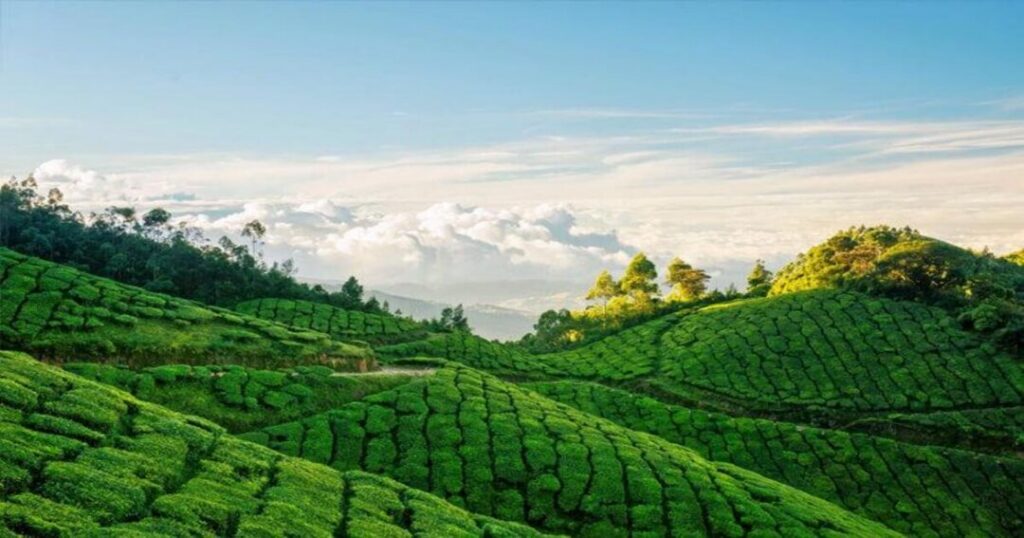
The Meesapulimala base camp sits in the village of Suryanelli, inside a reserve forest, and functions as the starting point for both the day trek and the overnight version. KFDC runs the accommodation options here directly — a basic tented base camp, a “Sky Cottage” with mountain views, and the more remote “Rhodo Mansion” further up the trail. Getting to the base camp from Munnar typically means arranging jeep transport, since the roads aren’t suited to standard vehicles for the final stretch.
Route: Day Trek vs. Meesapulimala Sunrise Trek With Tent Stay
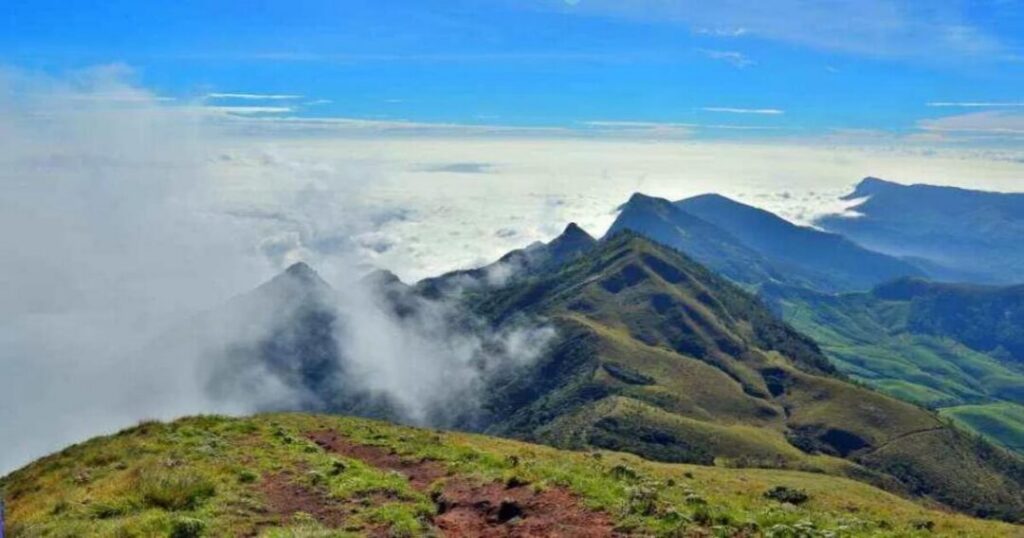
There are genuinely two different ways to do this trek, and it’s worth deciding which one fits your trip before booking. The standard day trek covers roughly 11km round-trip from the KFDC base camp through Rhodo Valley (a longer 15km alternative starts from Kurangini), taking about 4-5 hours to reach the summit and back, typically starting early morning with breakfast and a guide briefing before setting off.
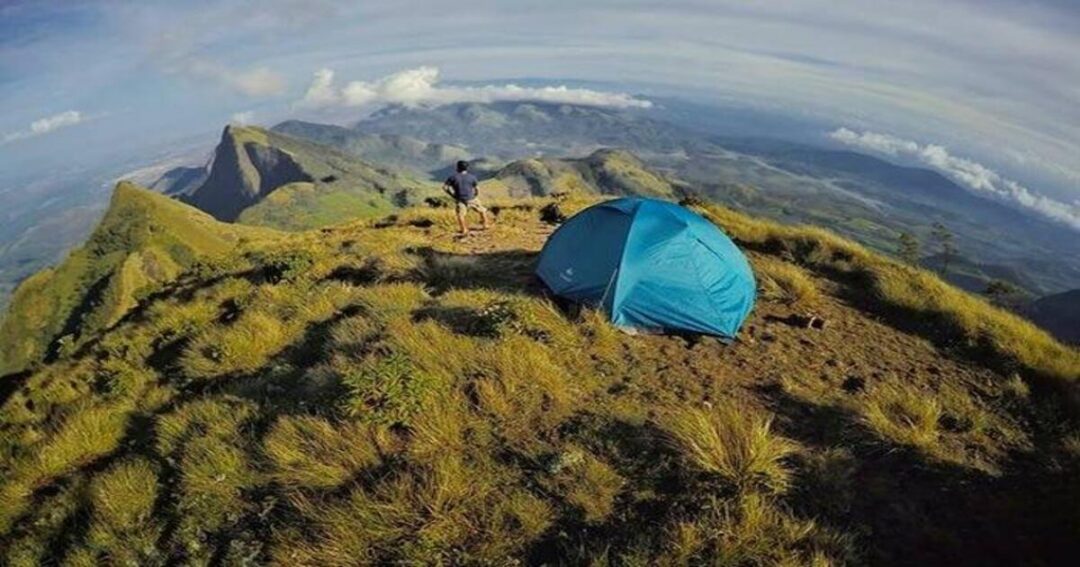
The Meesapulimala sunrise trek with tent stay is the overnight version, and it’s built specifically around catching sunrise from the summit or from camp. You hike in during the afternoon, set up in designated tents inside the reserve forest, and either wake before dawn to hike up for sunrise or catch it directly from camp depending on the package. Evenings typically include a bonfire and dinner at the campsite before an early start the next morning. If clear-sky sunrise views over a sea of clouds are the whole point of your trip, the overnight version is the one that actually delivers that — the day trek’s timing makes sunrise at the summit itself harder to guarantee.
Also Read: Himalayan Treks to Ancient Shiva Temples: The Complete Guide
Wildlife and Monsoon Practicalities on the Meesapulimala Trek
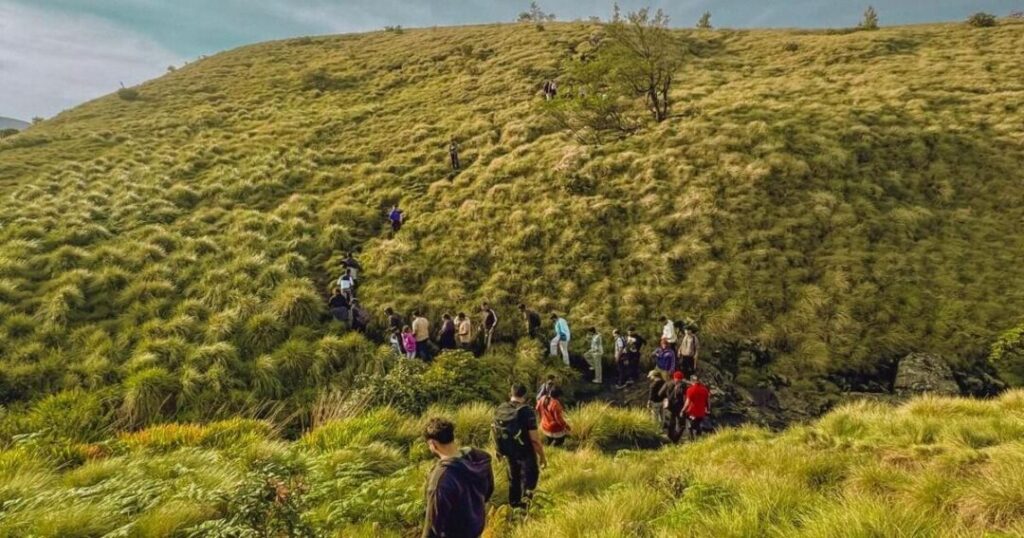
This is worth real attention rather than a passing mention, since it directly affects when and how you should plan this trek. Meesapulimala’s grasslands and shola forest are home to elephants, gaur (Indian bison), Nilgiri tahr (a wild goat found only in the Western Ghats), sambar deer, sloth bears, and wild dogs — a genuinely rich patch of Western Ghats biodiversity, and part of why the route is under forest department control in the first place. Sightings aren’t guaranteed and forest guides accompanying every group are trained to manage encounters, but it’s a real reason the trek is always done with an assigned guide rather than independently.
The monsoon months bring a different, much more immediate practical concern: leeches. They’re highly active on this trail during the rainy season, and the summit is frequently shrouded in thick fog during this period, which can completely obscure the views that make the trek worth doing in the first place. [STAT: The recommended trekking window for Meesapulimala runs September through May, with monsoon months specifically flagged for both leech activity and fog-obscured summit views.] If you do end up trekking in or near monsoon season, carrying salt or antiseptic like Dettol and wearing leech socks are the standard local advice — not optional extras.
Meesapulimala Trek Booking: Permits and How to Reserve
Because this is a forest-department-controlled route, Meesapulimala trek booking works differently than most South Indian treks, and it’s worth understanding the actual process rather than assuming you can just show up. The trek requires a permit from the Kerala Forest Development Corporation, and the trail is actively supervised by forest department officials — this isn’t a formality, it’s enforced.
The practical process: you book through the official KFDC website or an authorized local operator to check date availability and complete payment online, then you need to collect a hard copy of the signed permit from the Munnar Forest Department (KFDC) office before heading to the base camp — you can’t simply show up at Suryanelli with an online confirmation and start walking. The base permit fee runs around ₹1,000 without accommodation, and jeep transport from Munnar to the base camp is typically billed separately, around ₹2,000. Given how popular weekend slots get, booking 2-4 weeks ahead is genuinely advisable rather than a formality — this applies whether you’re doing the day trek or the overnight tent-stay version.
Also Read: Madhugiri Trek: Distance, Difficulty, Cost & Booking Guide
Meesapulimala Trek Package: What’s Included and What It Costs?
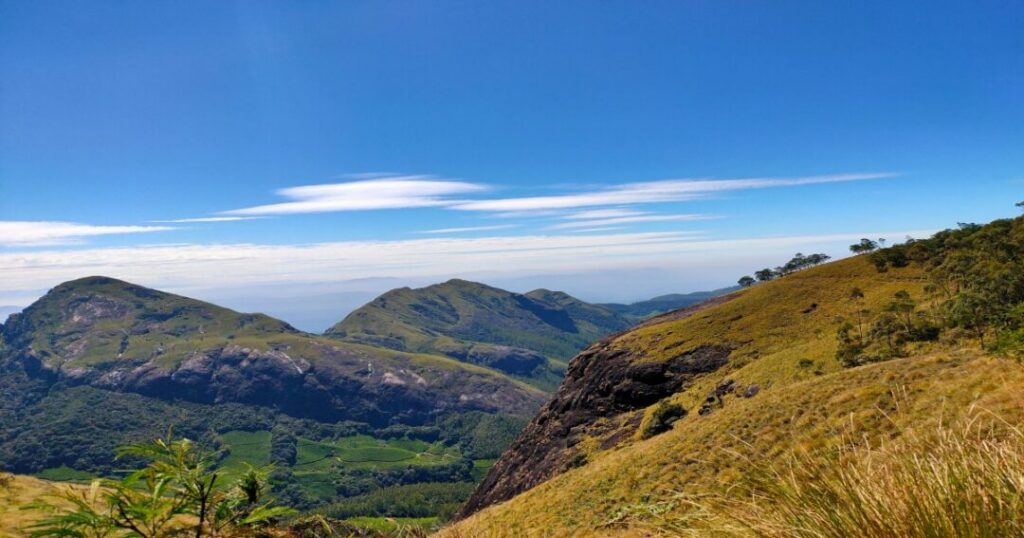
A typical Meesapulimala trek package — whether booked directly through KFDC or through a private trekking operator — bundles the permit, jeep transfer from Munnar, a guide, meals, and either a tent or cottage stay for the overnight version. Prices commonly range from roughly ₹2,000 to ₹5,000 per person depending on what’s included, with tent accommodation for two typically running around ₹4,000 for the pair. It’s worth checking exactly what a quoted package includes before booking — some operator packages bundle everything above into one price, while others charge the KFDC permit and jeep transfer separately on top of their own service fee.
Kolukkumalai: A Nearby Add-On Worth Knowing About
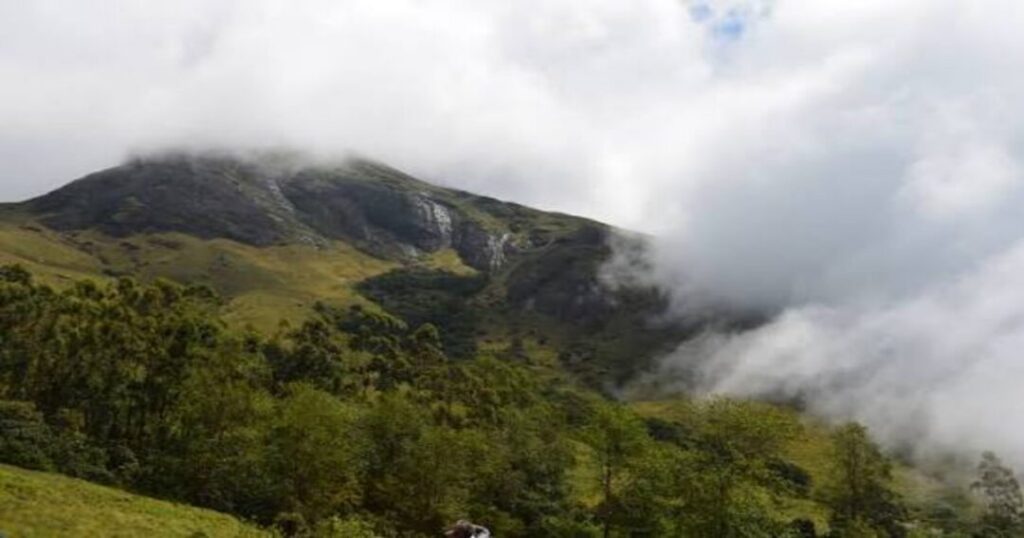
If you’re already making the trip out to Suryanelli, Kolukkumalai — often billed as the world’s highest tea estate — sits close enough to be a common add-on for travelers combining both in one Munnar trip. It’s a genuinely separate attraction from Meesapulimala with its own access and timing considerations, so it’s worth treating as a second stop on your itinerary rather than assuming the two are part of the same booking or route.
Also Read: Markha Valley Trek: The Complete Guide to Ladakh’s Most Iconic Trail
What is the Best Time to Visit and How to Reach Meesapulimala?
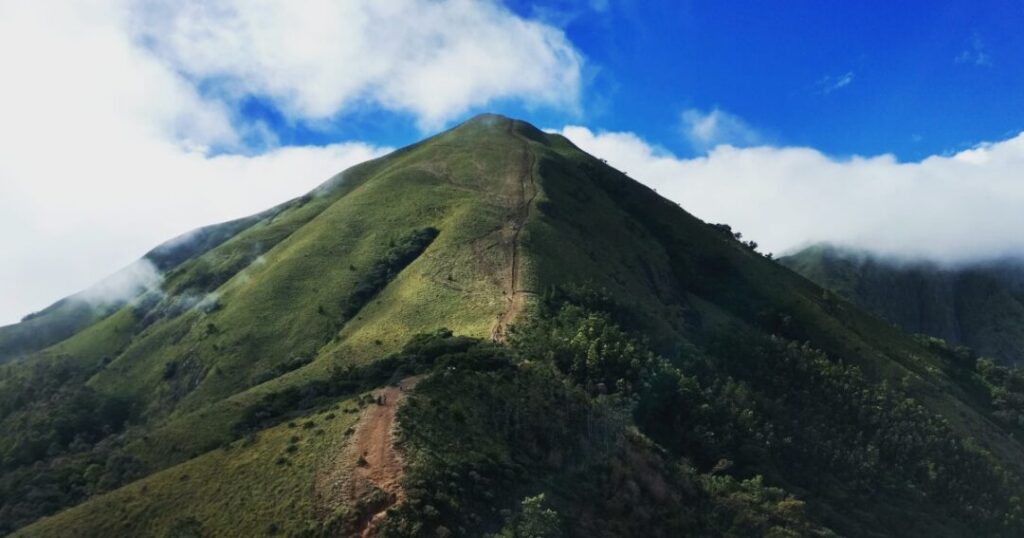
The best window for this trek runs September through February, with December and January offering the clearest skies and the best odds of catching a genuine “sea of clouds” sunrise. Summer turns hot and monsoon months bring the leech and fog issues covered above, so the winter stretch is where most experienced local guides point first-time trekkers.
To reach the base camp, most travelers fly or take a train to Kochi, then drive roughly 4-5 hours to Munnar, and from Munnar it’s a further drive (with jeep transfer required for the final stretch) to Suryanelli, about 20km away.
Conclusion About Meesapulimala trek
The Meesapulimala trek rewards travelers willing to work through its permit process — a sunrise over the Western Ghats’ second-highest peak, with the sea of clouds beneath you, isn’t something a casual walk-up trek can match. Save the booking details and package options to your Explurger Bucket List, and once you’ve made the climb, your Automatic Travelogue will have it mapped alongside every other Western Ghats trip you take. Let Explurger help you book the Meesapulimala trek without the permit paperwork catching you off guard.
FAQs About Meesapulimala trek
2. Do I need a permit for the Meesapulimala trek?
Yes. It's a forest-department-controlled route requiring a Kerala Forest Development Corporation (KFDC) permit, and the trail is actively supervised by forest officials. Permits must be collected in hard copy from the Munnar KFDC office before starting.
3. How do I book the Meesapulimala sunrise trek with tent stay?
Book through the official KFDC website or an authorized local operator to secure your date and pay online, then collect the signed permit hard copy from the Munnar Forest Department office. Booking 2-4 weeks ahead is recommended, especially for weekends.
4. What is included in a Meesapulimala trek package?
Typical packages include the KFDC permit, jeep transfer from Munnar to the base camp, a guide, meals, and either tent or cottage accommodation for overnight trips, usually priced between ₹2,000 and ₹5,000 per person.
5. Are there leeches on the Meesapulimala trek?
Yes, particularly during monsoon months when they're highly active. Carrying salt or Dettol and wearing leech socks is standard local advice if trekking near the rainy season.
6. What wildlife might I see on the Meesapulimala trek?
Elephants, gaur, Nilgiri tahr, sambar deer, sloth bears, and wild dogs all inhabit the area, though sightings aren't guaranteed. Forest guides accompany every group and are trained to manage wildlife encounters.