
280 Total Views
A city can end in an afternoon or over generations. Mount Vesuvius buried Pompeii in a matter of hours; an earthquake in 363 AD helped push Petra toward abandonment; Rome besieged Carthage for nearly three years and then razed it. The best-known Ancient Cities that were lost to these three forces — volcanic eruption, earthquake and war — share an unexpected feature: what destroyed them also froze or exposed them, so that archaeologists can still read their streets, houses and temples today. This guide takes ten of them, four destroyed by volcanoes, two by earthquakes and four by war, and for each says what happened, what survives and what you can see. The final sections cover smaller towns, hidden and lost cities, and the practical question of which ones you can visit now.
Top 10 Ancient Cities Destroyed by Volcanoes, Earthquakes and War
The list is grouped by cause: four destroyed by volcanic eruption, two by earthquake and four by war or conquest. The groupings are not always clean, and where the cause is debated, the entry says so.
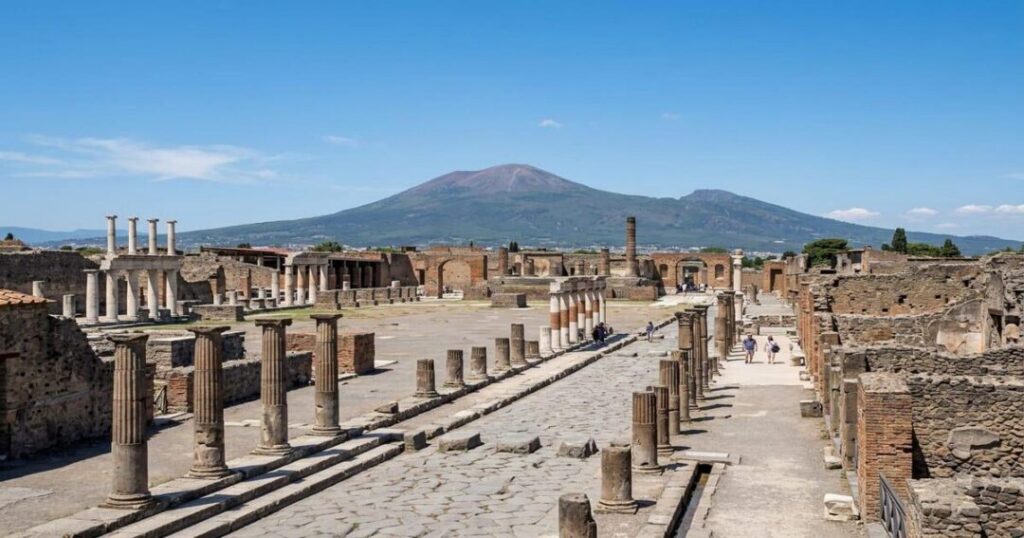
1. Pompeii, Italy: Buried by Vesuvius in AD 79
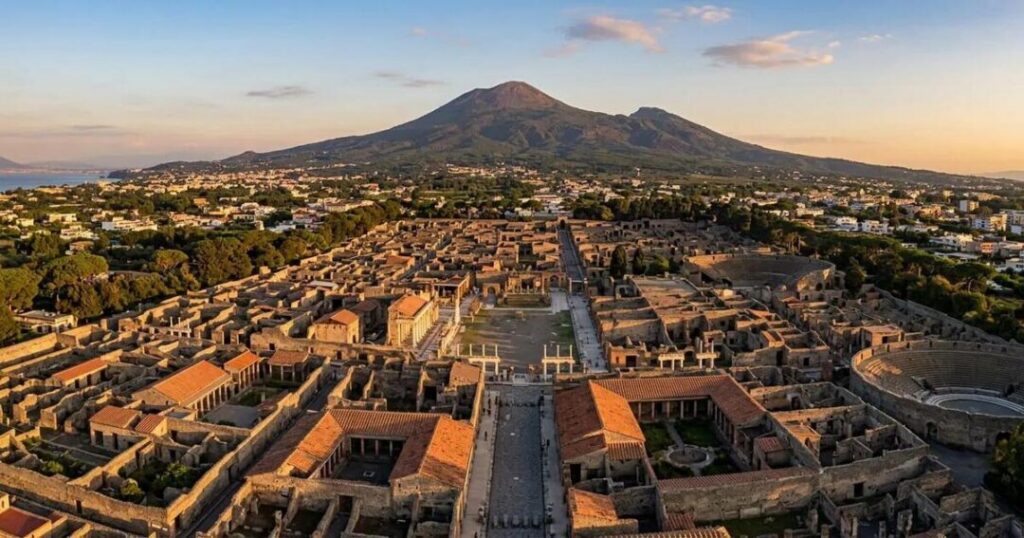
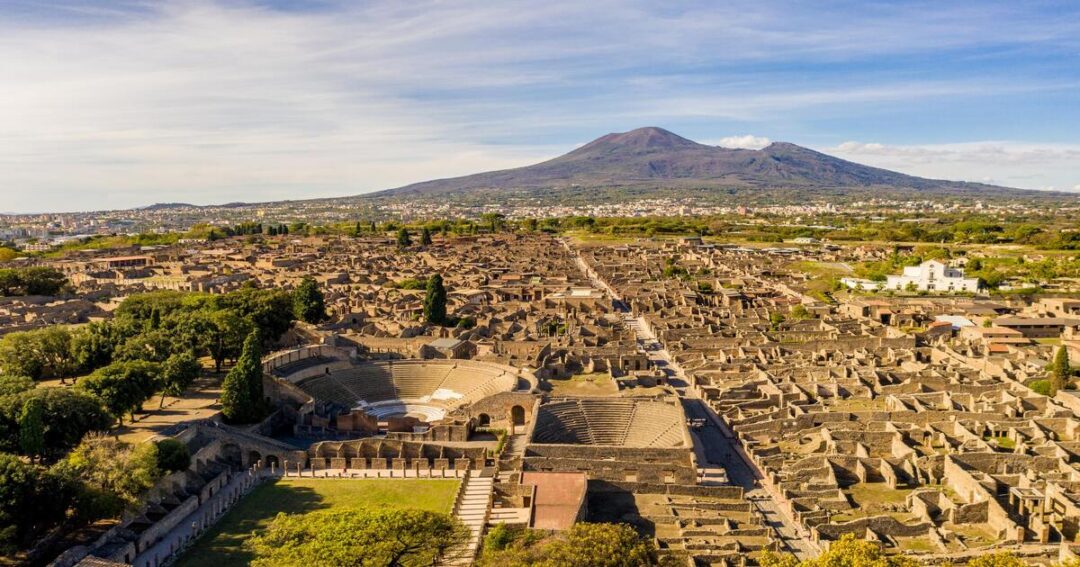
The eruption of Mount Vesuvius in AD 79 buried Pompeii under roughly four to six metres of ash and pumice. The date is itself debated: it was long placed in August, a charcoal inscription found in 2018 bears the date 17 October, and a 2022 study proposed 24 to 25 October. Estimates of the population range from 10,000 to 20,000. Pompeii was identified by name in 1763, and in 1863 Giuseppe Fiorelli introduced the technique of pouring plaster into voids left by bodies to create casts of victims. Visitors can see the Forum, the House of the Faun and the amphitheatre, built around 70 BC. UNESCO inscribed the site in 1997. It draws about 2.5 million visitors a year, and in 2024 the management set a limit of 20,000 personalised tickets per day.
2. Herculaneum, Italy: The Wealthier Neighbour
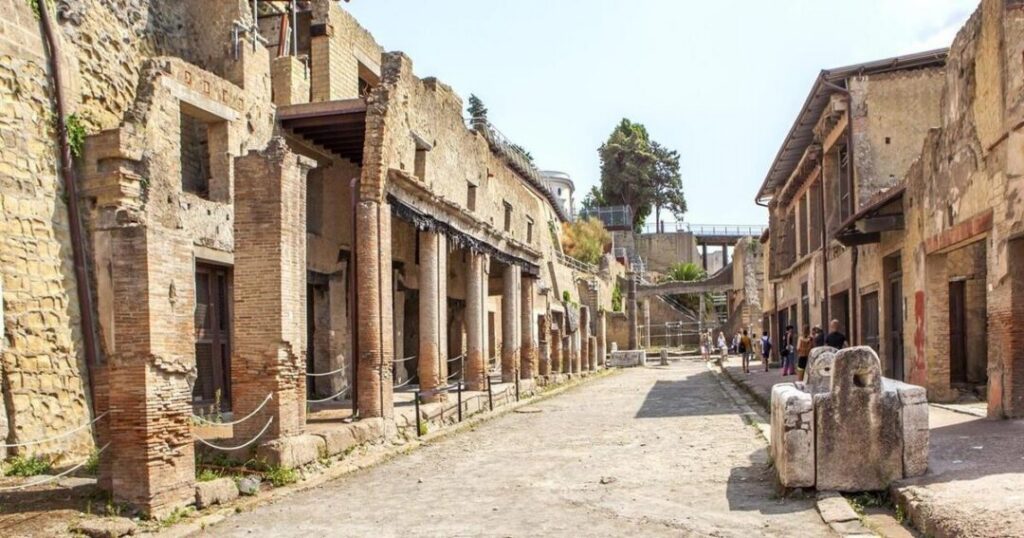
About 5,000 people lived in Herculaneum, a seaside retreat for Rome’s elite. Six successive flows and surges of volcanic material reached the town at about 160 km/h, and it lies under roughly 20 metres of deposits, far deeper than Pompeii’s four metres. The heat carbonised wooden roofs, beds, doors, food and papyrus. Blackened scrolls were recovered from the Villa of the Papyri in 1752 to 1754, and in 2024 a team used AI to reveal hundreds of words from one of them, about 5 percent of a scroll. In the boat houses and on the beach, 340 bodies have been identified. Over 75 percent of Herculaneum remains buried.
3. Akrotiri, Greece: A Bronze Age Town Without Bodies
Akrotiri, on Santorini, was buried by the Minoan eruption, which is dated to roughly 1600 BC although the exact year is unsettled: radiocarbon ranges fall in the 17th to 16th centuries BC, while pottery and Egyptian chronology point to about 1550 to 1480 BC. The eruption rates 7 on the Volcanic Explosivity Index. No human remains have been found, and only one gold object has been recovered, which suggests the islanders left before the end. Excavation began in 1967 under Spyridon Marinatos, and the ash preserved multi-storey buildings, paved streets, drainage systems and frescoes such as the Blue Monkeys and the Spring Fresco. A protective roof collapsed in 2005, killing one visitor, and the site stayed closed until April 2012.
4. Joya de Cerén, El Salvador: The Pompeii of the Americas
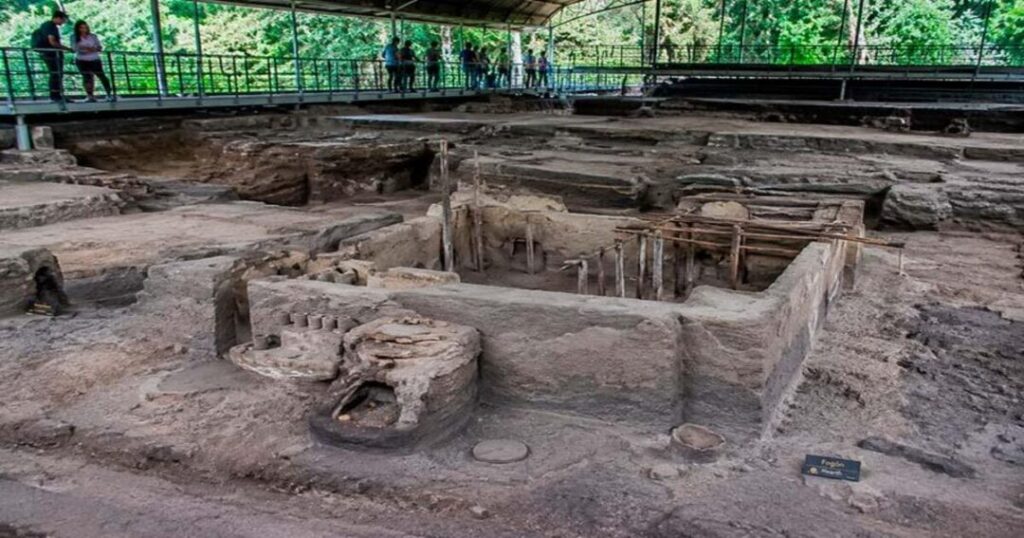
Around AD 600, an eruption of the Loma Caldera volcano buried this Maya farming village under four to eight metres of ash that settled within hours. A bulldozer driver found it in 1976 while levelling ground for a government agricultural project. Houses, storehouses, kitchens, workshops, a religious structure and a communal sauna survive, along with remains of crops including guava, agave, cacao and manioc. No human remains have been found. UNESCO inscribed Joya de Cerén in 1993. It lies about 36 km northwest of San Salvador.
5. Petra, Jordan: Weakened by Earthquakes
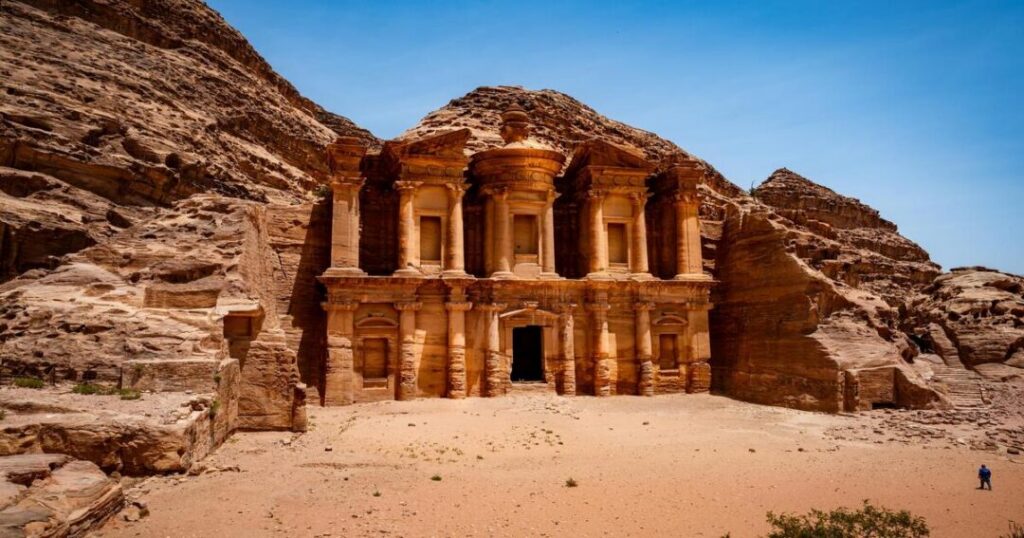
The Nabataeans made Petra their capital in the 2nd century BC, controlling water through dams, cisterns and conduits. Rome annexed the kingdom in 106 AD. A 363 earthquake destroyed many buildings and damaged the water system, and the city shrank and was largely abandoned by the early Islamic era. Johann Ludwig Burckhardt described it to the Western world in 1812. UNESCO listed it in 1985, and a 2007 public poll named it one of the New 7 Wonders. The Treasury is the most elaborate carved facade, and the Monastery, about 45 metres tall, is the largest monument. Petra drew about 1.1 to 1.2 million visitors in 2019, and flash flooding is among the threats to the site.
6. Arg-e Bam, Iran: The Citadel That Fell in 2003
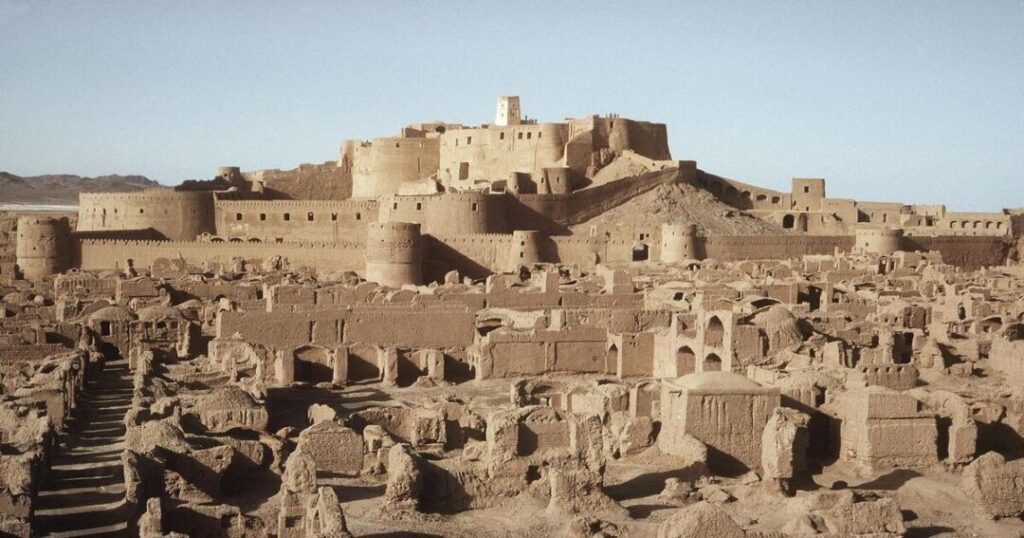
The citadel at Bam can be traced to at least the Achaemenid era, with a Parthian-era core and Sassanid fortifications between 224 and 637 AD. On 26 December 2003, a magnitude 6.6 earthquake killed about 26,200 people and destroyed roughly 70 percent of the city’s buildings; the citadel was almost completely destroyed. UNESCO inscribed Bam and its cultural landscape in 2004 and listed it as endangered from 2004 to 2013. Restoration continues, but as of January 2026 the city still lacked crucial infrastructure, including paved roads.
7. Carthage, Tunisia: Razed by Rome
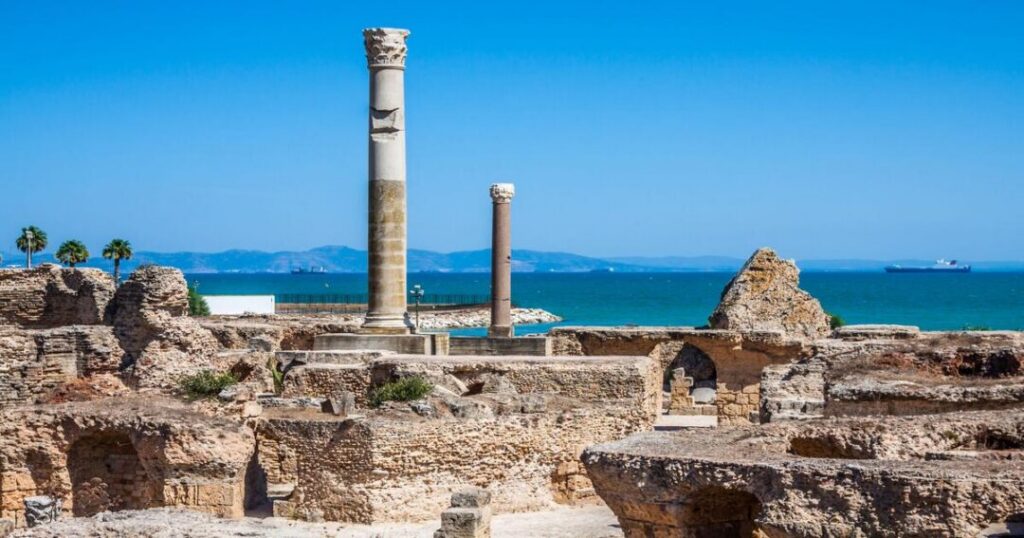
Rome besieged Carthage for nearly three years during the Third Punic War, and in 146 BC, Scipio Aemilianus razed it; about 50,000 Carthaginians were sold into slavery. The story that the ground was sown with salt has circulated since at least 1863, and there is no evidence for it. Julius Caesar founded a new city on the site between 49 and 44 BC, and it grew into a major city of the Roman Empire. The Baths of Antoninus were still functioning in the Arab period. The ruins, including the Tophet, an ancient infant cemetery whose purpose scholars debate, lie about 15 km east-northeast of Tunis, and UNESCO listed them in 1979.
8. Persepolis, Iran: Burned by Alexander
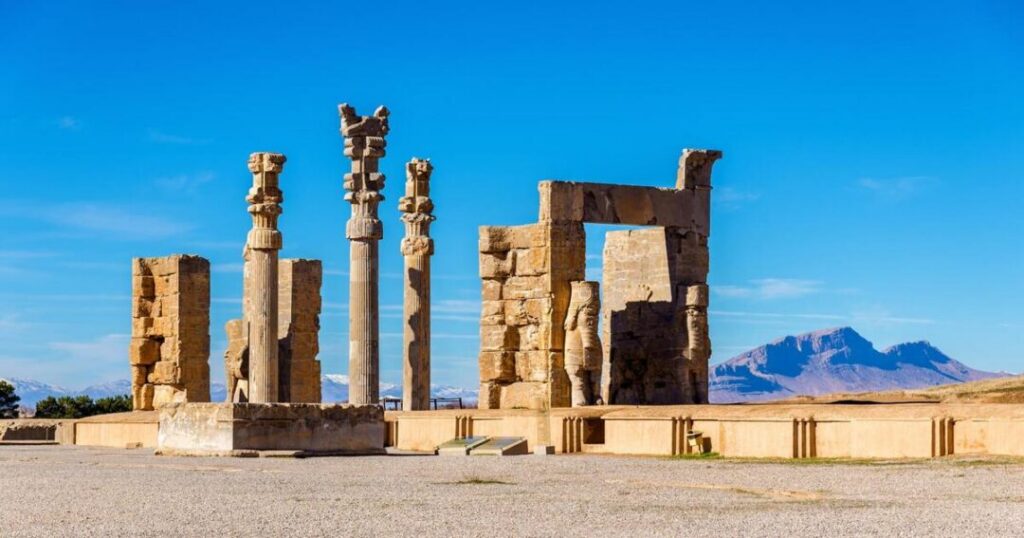
Construction began around 519 BC under Darius I, and Xerxes I and Artaxerxes I added further structures. Persepolis was a ceremonial capital, most likely used for Nowruz, when nobles and tributary peoples brought gifts to the king. Its Apadana, the largest palace, was used for official audiences, and the Gate of All Nations is flanked by lamassu statues. Alexander the Great’s army took the city in 330 BC, and a fire destroyed much of its wooden structure. Whether the fire was deliberate is unclear: one theory is revenge for the Persian burning of Athens, another credits a drunken suggestion attributed to the courtesan Thaïs. UNESCO listed it in 1979.
9. Palmyra, Syria: Destroyed Twice
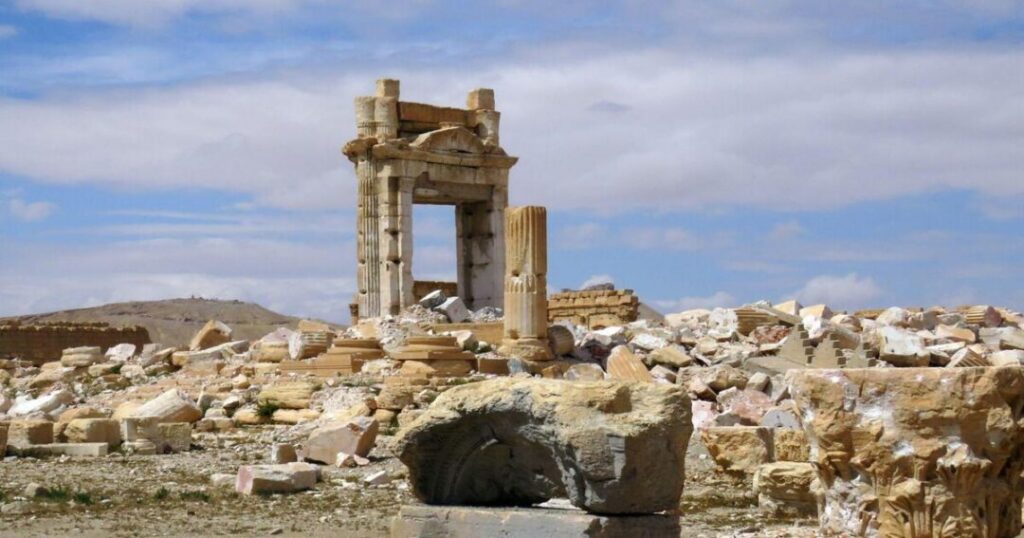
In 273 AD, Emperor Aurelian levelled Palmyra after Queen Zenobia rebelled against Rome; Diocletian later restored it at a reduced size. In 1932 the residents moved to the new village of Tadmur, which opened the ancient site to excavation. ISIS captured the city in May 2015 and held it until March 2016, then again from December 2016 to March 2017, destroying the Temple of Baalshamin on 23 August 2015 and the cella of the Temple of Bel on 30 August 2015, and damaging the Monumental Arch in October 2015. UNESCO listed Palmyra in 1980 and has listed it as endangered since 2013. As of June 2026, restoration work was limited to surveys and damage assessments.
10. Troy, Turkey: Where Legend and Layers Meet
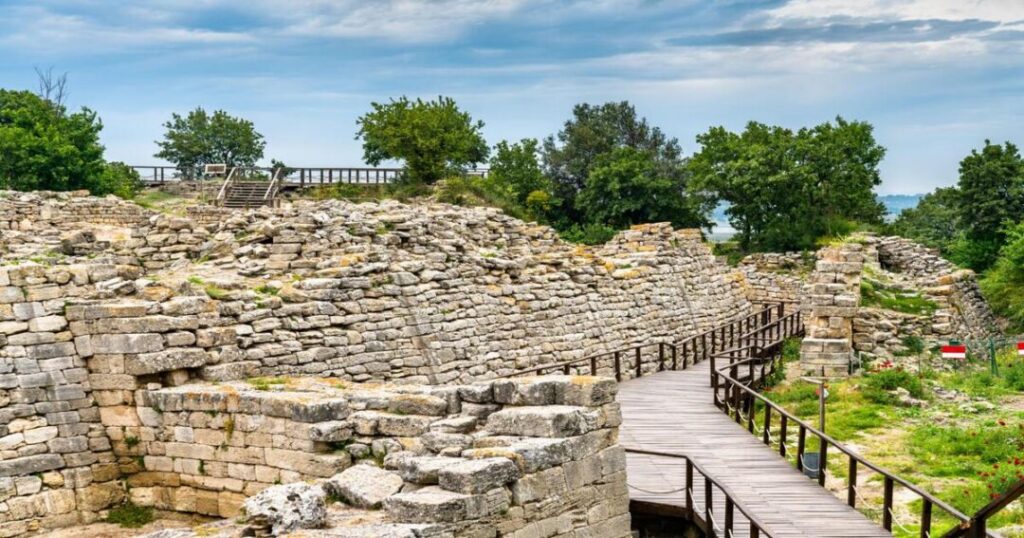
Troy is a mound at Hisarlik, in present-day Çanakkale, with nine main settlement layers. Troy VI was destroyed around 1300 BC, probably by an earthquake, while Troy VIIa, destroyed around 1180 BC, shows signs of enemy attack. Heinrich Schliemann began excavating in April 1870. Hittite records mention a city called Wilusa, which is generally identified with Troy, but the sources consulted say there is no definitive evidence for a Greek attack or for the specific events of the Iliad. UNESCO listed the site in 1998, and the Troy Museum opened in 2018 near the site.
Ancient Cities in the World: A Map by Region and Cause
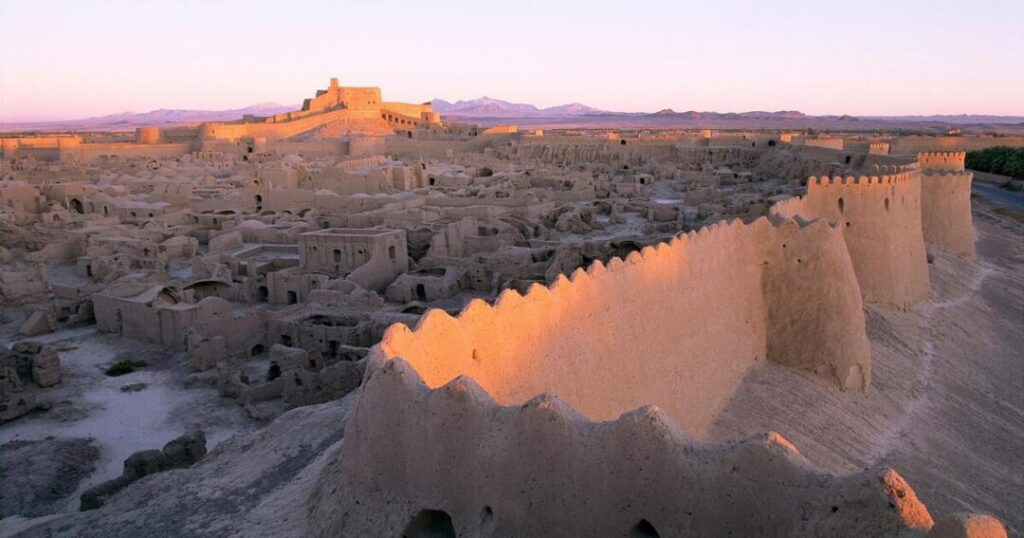
Looking at the Ancient Cities in the World that fell to nature or conquest, the list has a clear geography. Southern Italy and the Aegean hold the volcano stories, the eastern Mediterranean and Middle East hold most of the war stories, and one site in Central America shows the pattern repeating far from Europe.
By Region
- Europe: Pompeii and Herculaneum (Italy), Akrotiri (Greece).
- Middle East and Western Asia: Petra (Jordan), Arg-e Bam and Persepolis (Iran), Palmyra (Syria) and Troy (Turkey).
- North Africa: Carthage (Tunisia).
- Central America: Joya de Cerén (El Salvador).
By Cause
Volcanic eruption preserved cities such as Pompeii, Herculaneum, Akrotiri and Joya de Cerén in layers of ash. Earthquakes weakened Petra and Bam, and may have ended Troy VI, War ended Carthage, Persepolis, Palmyra and Troy VIIa. In practice the causes overlap: Petra’s decline also reflects shifting trade routes, and Troy’s destruction layers show both earthquake and attack.
Also Read: Diamond Triangle Of Odisha: Exploring The Ancient Buddhist Heritage Circuit
Ancient Town Ruins: Small Settlements Frozen in Time
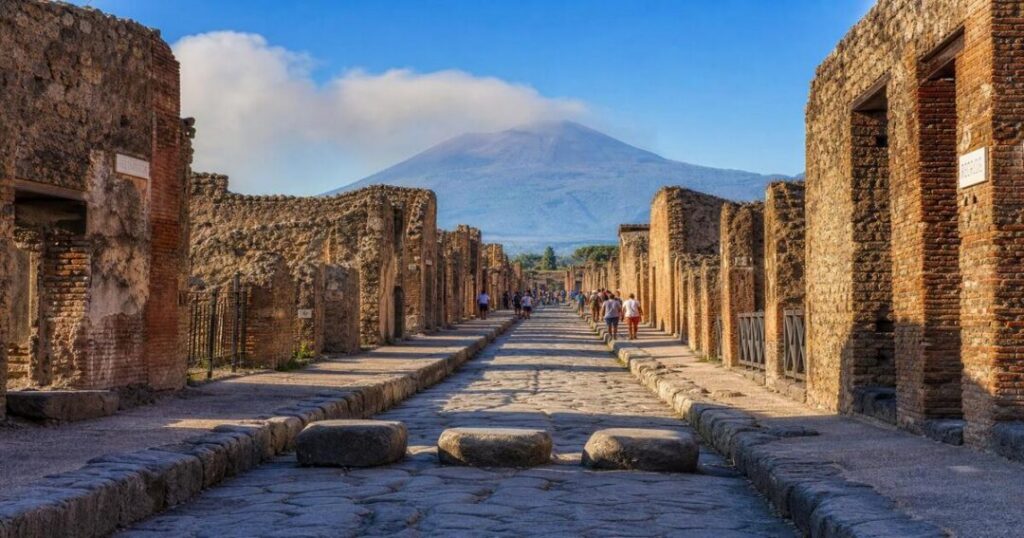
Not every site on this list was a great capital. An ancient town such as Herculaneum, home to about 5,000 people, or the farming village of Joya de Cerén often tells you more about daily life than a palace does. Herculaneum preserved wooden furniture and food, Joya de Cerén preserved kitchens, storehouses and a communal sauna, and Akrotiri preserved multi-storey houses with drainage. Because ordinary buildings survive, these smaller settlements are where you see how people actually lived.
Also Read: 10 Lost Cities Around the World Every Traveler Should Visit
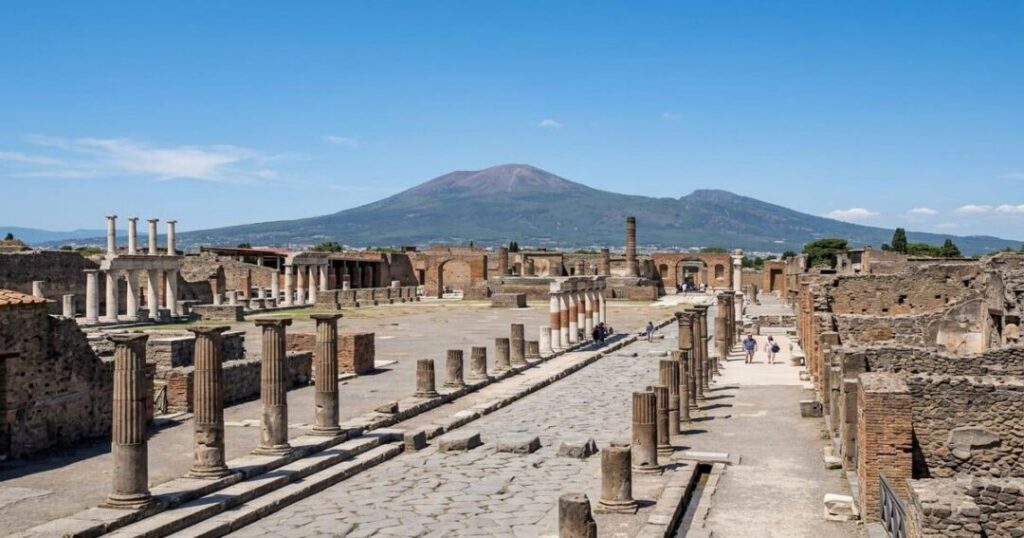
Several of these places spent centuries out of sight. The term ancient hidden cities fits Joya de Cerén, which was found by a bulldozer in 1976, and Herculaneum, where more than three-quarters of the town remains buried. Among the ancient lost cities of the world, Petra stands out: after the Crusaders left in 1189, the site was lost to the Western world until Burckhardt described it in 1812, and Pompeii’s walls were encountered in 1592 and kept secret before systematic excavation began in the mid-18th century. Troy is a different kind of lost city, one whose name survived in poetry while its location had to be rediscovered by archaeologists.
Also Read: Places to Visit in Gujarat: From Ancient Cities to Salt Deserts
Ancient Cities to Visit: Planning Notes
If you are choosing ancient cities to visit, the first question is access, because some of the most famous sites are in countries with serious travel warnings.
Easiest to Visit
- Pompeii and Herculaneum: From Naples, the Circumvesuviana railway runs to the Pompei Scavi – Villa dei Misteri stop in about 35 to 40 minutes. Plan about three hours for the highlights, most of a day for a fuller visit, and book ahead in busy periods. Wear comfortable shoes for the uneven ancient paving, and bring water.
- Akrotiri: Open to visitors since April 2012.
- Petra, Carthage and Troy: All are UNESCO sites with established visitor access; check current conditions, since flash flooding has affected Petra.
- Joya de Cerén: About 36 km northwest of San Salvador.
Check Advisories First
As of the dates of the advisories consulted, the U.S. State Department rated Syria Level 4, “Do not travel,” in an advisory issued on August 7, 2026, citing terrorism, armed conflict, kidnapping and crime, and rated Iran Level 4 in an advisory issued December 5, 2025, citing terrorism, unrest, wrongful detention and exit bans. Palmyra, Persepolis and Arg-e Bam are therefore difficult choices at present, and travelers should read the latest official guidance for their own nationality before making any plan.
Also Read: Georgia: A Land of Wine, Ancient Churches, and Surprisingly Few Tourist Crowds
Conclusion: What Destruction Preserved
The most striking thing about these Ancient Cities is how much of each one survives because of how it ended. Ash preserved bread and papyrus, an earthquake left a citadel to be rebuilt stone by stone, and even a city razed to the ground left foundations that a new city grew over. Choose one that suits your appetite for travel, start with Pompeii or Herculaneum if you want an easy first visit, and read the latest advisory before you go anywhere else.
Dreaming of walking through a buried city? Use the Explurger app to plan your route and meet fellow travelers heading to the ruins.
FAQs About Ancient Cities
2. When was Pompeii destroyed?
In AD 79, when Mount Vesuvius erupted. The month is debated: it was long thought to be August, but a charcoal inscription found in 2018 bears the date 17 October, and a 2022 study proposed 24 to 25 October.
3. Which ancient cities can you visit today?
Pompeii, Herculaneum, Akrotiri, Petra, Carthage, Troy and Joya de Cerén all have established visitor access. Palmyra, Persepolis and Arg-e Bam are in countries where the U.S. State Department currently advises against travel, so check official guidance first.
4. Was Carthage really covered in salt?
There is no evidence for it. The claim that the ground was sown with salt has circulated only since at least 1863. Rome razed the city in 146 BC, and Julius Caesar founded a new city on the site between 49 and 44 BC.
5. Why were no bodies found at Akrotiri?
No human remains have been found, which suggests the residents left before the final eruption. Thin early ash layers point to a few months' warning, and earthquakes months earlier likely prompted people to leave.
6. What is the Pompeii of the Americas?
Joya de Cerén, a Maya farming village in El Salvador buried by an eruption of the Loma Caldera volcano around AD 600. It was found by a bulldozer driver in 1976 and listed by UNESCO in 1993.