
66 Total Views
Ho Chi Minh City — still called Saigon by most of its own residents — moves at a pace that can feel disorienting on arrival: motorbikes in their thousands, war history a block away from rooftop bars, and a downtown grid where French colonial buildings sit beside the tallest towers in the country. Figuring out the things to do in ho chi minh that are worth your time means balancing that history with the city’s newer skyline and street life — this is as true whether you’re searching things to do in ho chi minh vietnam from abroad or already on the ground. This guide covers the essential sights, lays out a practical three-day itinerary, and finishes with a quick-reference list of everything else worth knowing about.
Best Things to Do in Ho Chi Minh
These are the sights that anchor almost every Ho Chi Minh City trip, from its most sobering museum to its liveliest market.
1. War Remnants Museum
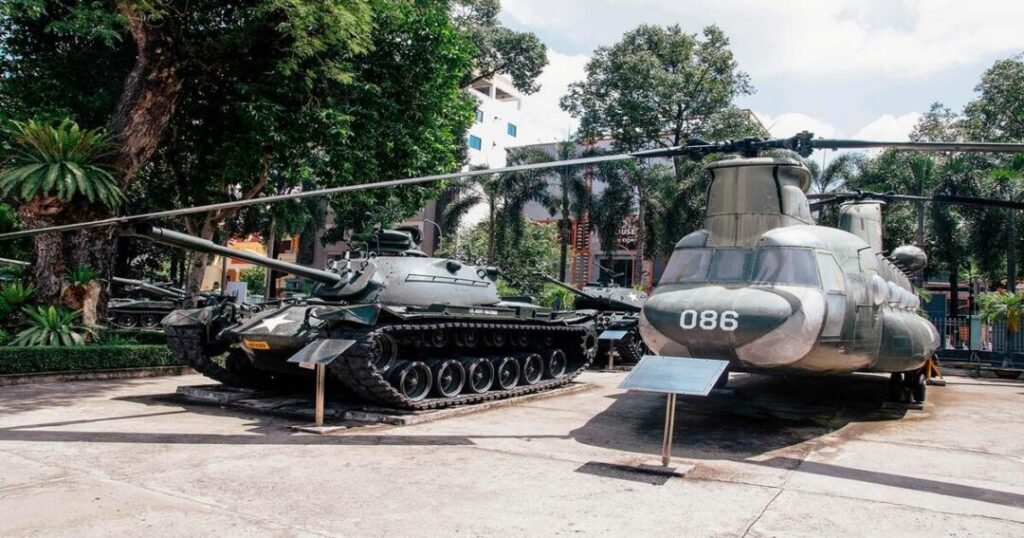
Opened in 1975 and now one of the most visited museums in the country, the War Remnants Museum documents the Vietnam War through photography, captured and reconstructed weaponry, and reconstructions of the “tiger cages” used to hold political prisoners. It’s organized into thematic rooms covering different aspects of the conflict and its aftermath, and the subject matter is genuinely heavy — it’s not considered appropriate for younger children, but it’s one of the most direct ways to understand the war’s toll from a Vietnamese perspective.
2. Reunification Palace
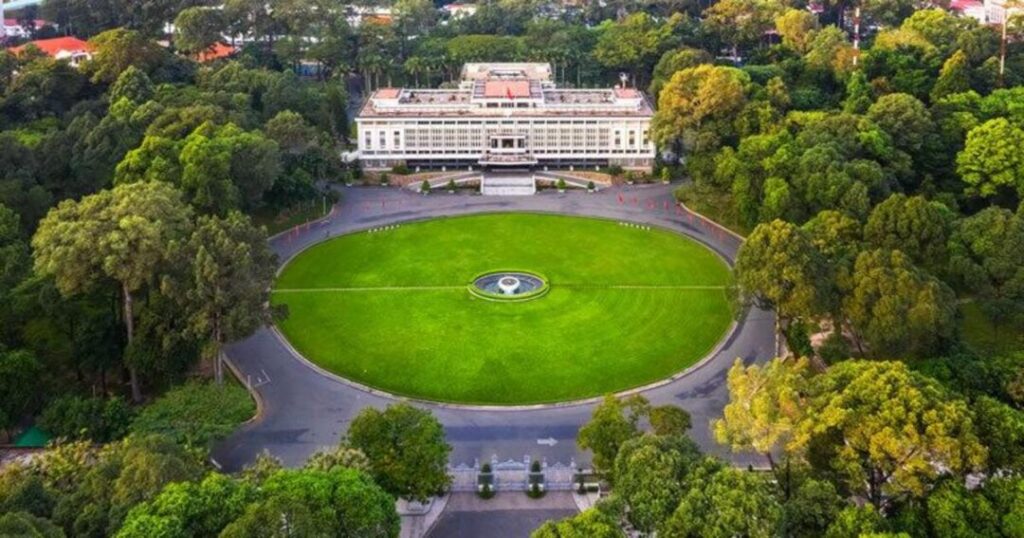
Reunification Palace, formerly Independence Palace, is where a North Vietnamese tank crashed through the gates on April 30, 1975, an event that effectively ended the war and gave the building its current name. Inside, the palace is preserved largely as it was under the former South Vietnamese government, with period-accurate meeting rooms, a war command bunker, and a replica of the fighter jet that bombed the palace in 1975 displayed on the rooftop helipad.
3. Notre-Dame Cathedral Basilica and Saigon Central Post Office
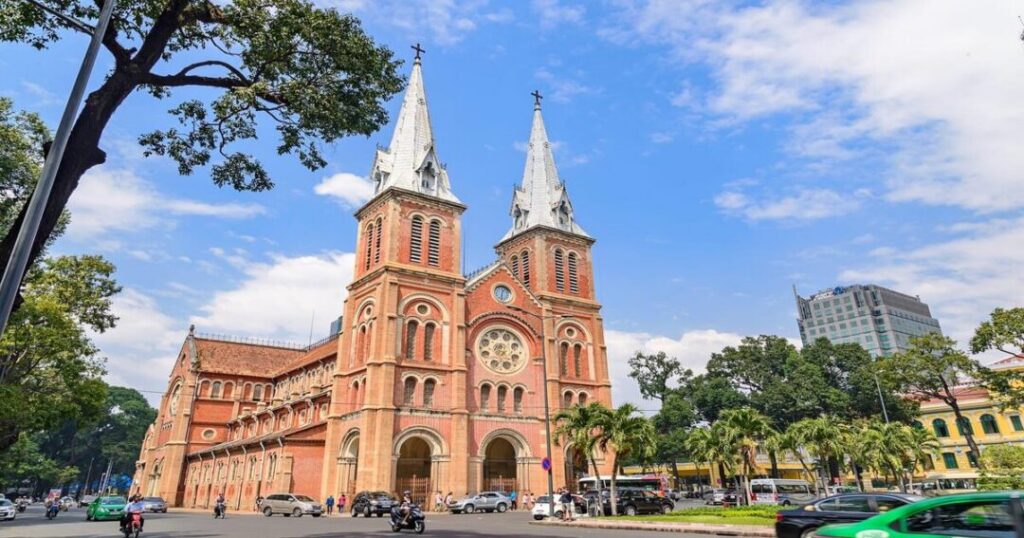
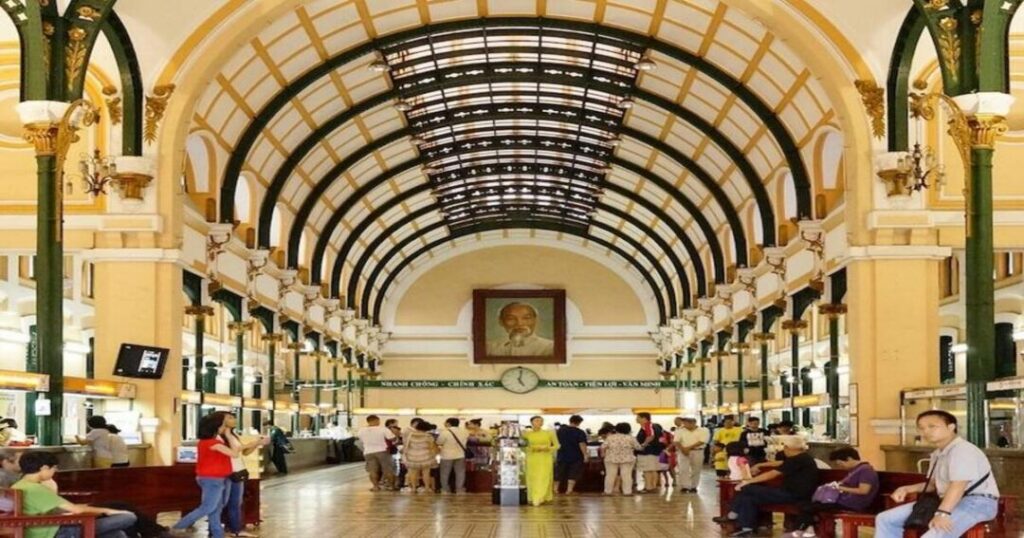
Sitting directly across from each other, these two French colonial landmarks are usually visited together. The Notre-Dame Cathedral Basilica of Saigon, a red-brick structure built between 1863 and 1880 with twin bell towers and stained-glass windows, has had its interior closed for renovation since 2017, though the exterior remains one of the most photographed spots downtown and Mass is still held Sunday mornings. Across the square, the Saigon Central Post Office was designed by Gustave Eiffel — the same engineer behind the Eiffel Tower — and remains a fully functioning post office today, with vaulted ceilings, historical maps on display, and counters where visitors can still buy stamps and send postcards home.
4. Ben Thanh Market
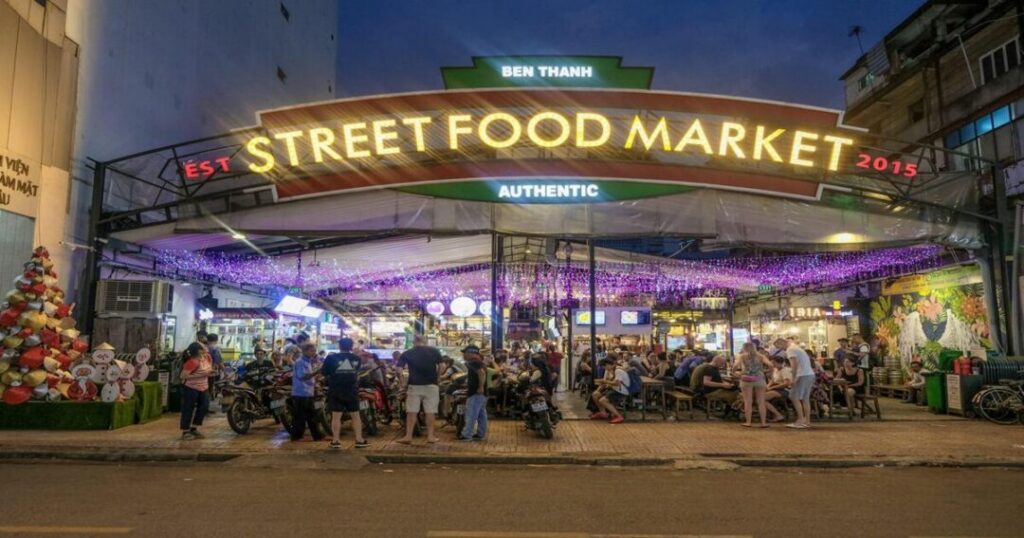
One of the oldest markets in Vietnam, Ben Thanh is the classic first stop for anyone visiting Ho Chi Minh City, packed with stalls selling produce, spices, textiles, souvenirs, and street food, all under one roof filled with the smell of grilled meats and pho. Haggling is expected here rather than optional — starting an offer at around half the asking price is the standard local approach — and the market’s night market stalls outside pick up a different, more food-focused energy after dark.
5. Cu Chi Tunnels
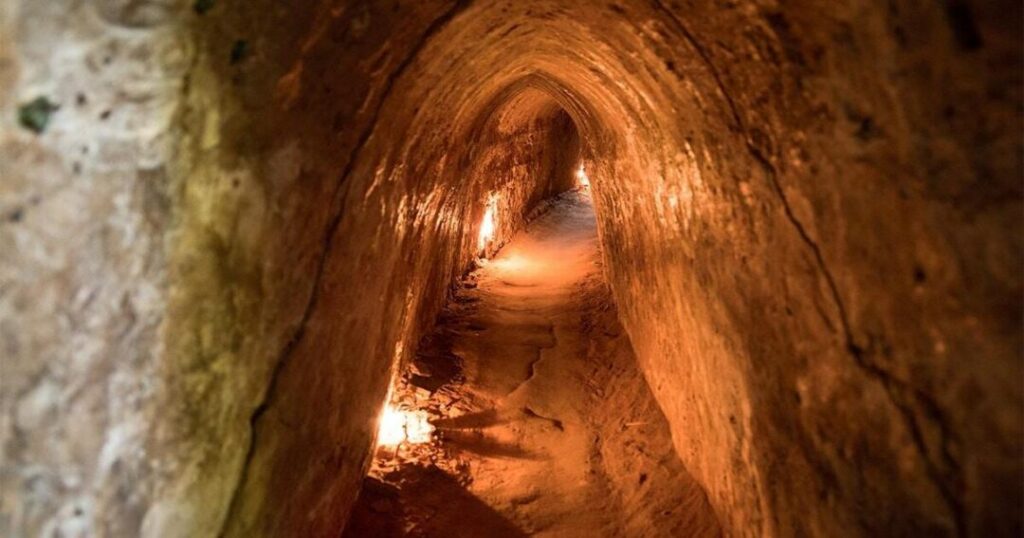
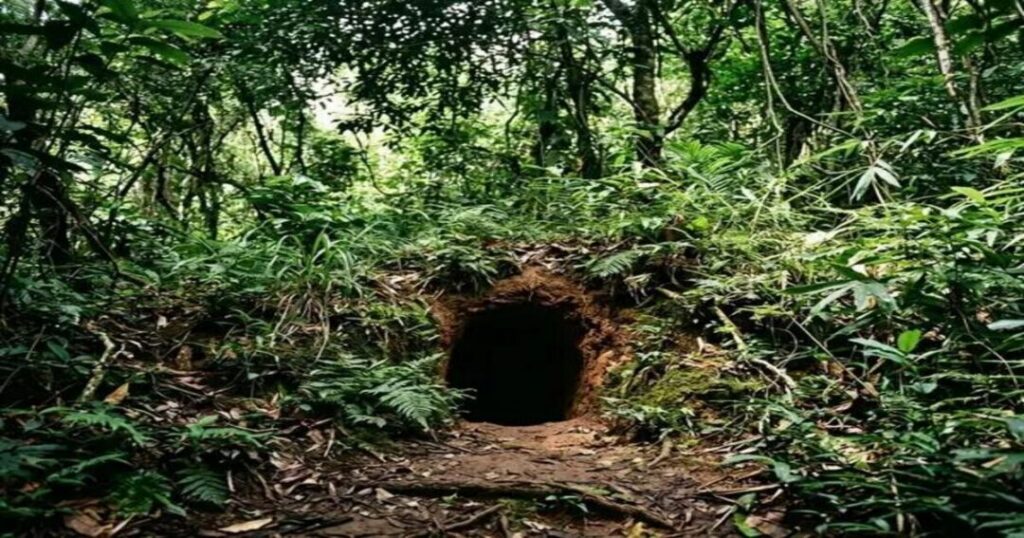
About 60 kilometres northeast of the city in Cu Chi District lies one of Vietnam’s most visited war sites: a network of tunnels that grew to roughly 250 kilometres in length during the conflict, of which around 120 kilometres are preserved today. Construction actually began in 1948 during the French Indochina War and continued for 25 years, and the tunnels later became central to Viet Cong operations, sheltering thousands of fighters and serving as supply routes, hospitals, and living quarters. Visitors can crawl through widened sections of the original tunnels and explore reconstructed underground rooms at either of the two main visitor sites, Ben Dinh or Ben Duoc, usually as a half-day or full-day tour from the city.
A First-Timer’s Itinerary for Things to Do in Ho Chi Minh City
Rather than repeating the list above, here’s how to actually sequence things to do in ho chi minh city across a first visit of about three days.
Day 1: Downtown History Loop
Start at the War Remnants Museum in the morning, when it’s coolest and least crowded, then walk or take a short ride to Reunification Palace for early afternoon. From there, it’s a short walk to the Notre-Dame Cathedral Basilica and Saigon Central Post Office, both within the same square, making for an easy downtown loop that covers the city’s colonial and wartime history in a single day.
Day 2: Skyline and Street Life
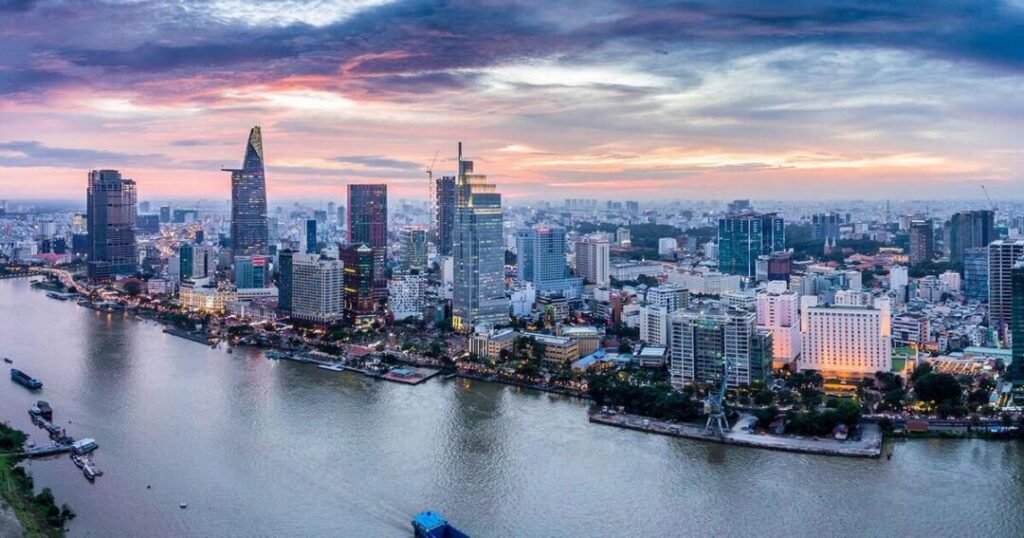
Spend the morning at Ben Thanh Market, then head up for city views at either the Bitexco Financial Tower’s Saigon Skydeck, on the 49th floor, or the newer and considerably higher Landmark 81 Skyview, which spans floors 79 to 81 of Vietnam’s tallest building at 461.3 metres — both opened as observation decks within the last decade and offer genuinely different vantage points on the same city. As night falls, Bui Vien Walking Street in District 1 becomes the district’s main nightlife strip, closed to traffic and lined with bars, street food vendors, and live music spilling onto the pavement.
Day 3: Cu Chi Tunnels and Cholon
Book an early half-day or full-day tour out to the Cu Chi Tunnels covered above — most tours leave the city before 8 AM to beat both the heat and the crowds. Back in the city by afternoon, spend the remaining daylight in Cholon, Ho Chi Minh City’s Chinatown in District 5, centered on Thien Hau Pagoda, built by Chinese immigrants around 1760 and dedicated to Thien Hau (Mazu), the goddess of seafarers — its courtyard layout, sky wells, and elaborate ceramic and wood carvings make it one of the most atmospheric temples in the city, and it remains a genuine gathering point for the local Chinese-Vietnamese community.
More Ho Chi Minh City Attractions: Quick Reference
For anyone comparing places to visit in ho chi minh city, ho chi minh city attractions, ho chi minh attractions, or ho chi minh tourist attractions more broadly, here’s what else is worth knowing beyond the sights already covered:
- Jade Emperor Pagoda: A Taoist temple built by the local Cantonese community in the early 20th century, thick with incense smoke and packed with elaborate carved figures — one of the most visually striking, if less polished, temples in the city.
- Saigon Zoo and Botanical Gardens: Established in 1864 and opened to the public in 1869, this is one of the oldest continuously operating zoos in the world, spanning 20 hectares in District 1 with around 2,000 animals, a historic botanical collection, and the Museum of Vietnamese History on its grounds.
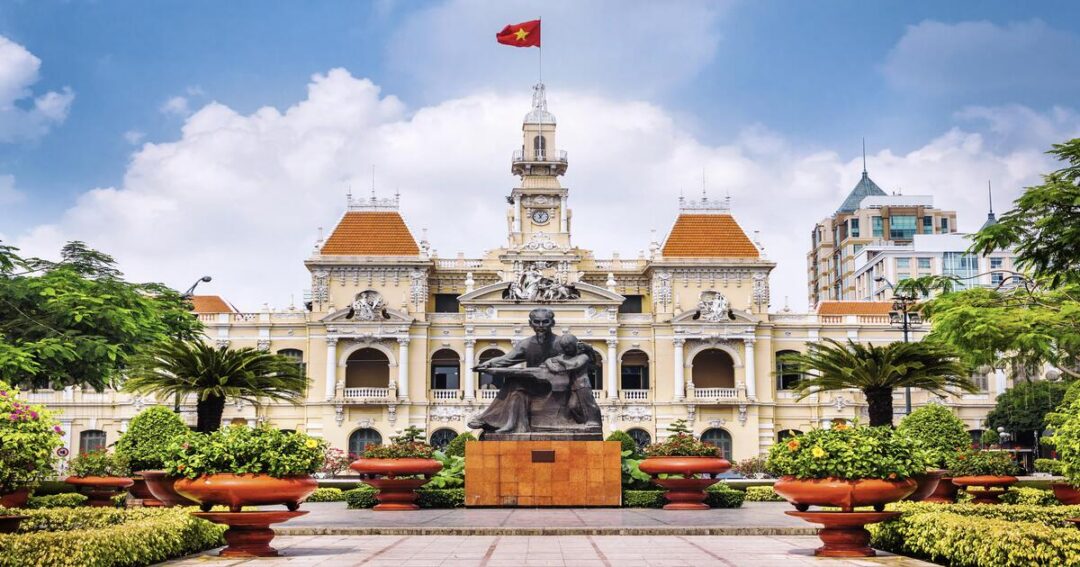
- Nguyen Hue Walking Street: A 670-metre pedestrian boulevard in front of Ho Chi Minh City Hall, fully car-free on weekend evenings and transformed into an elaborate flower display every Lunar New Year, a tradition running since 2004.
Also Read: Places to Visit in Phu Quoc, Vietnam: Top Things to Do, Beaches & Islands
What is the Best Time to Visit Ho Chi Minh City?
December through February is the best window, combining the dry season’s lowest humidity with the coolest temperatures the city sees all year, typically in the low-to-mid 30s Celsius; the only thing to plan around is Tet (Lunar New Year), which falls in this window and temporarily closes many businesses as locals travel home. March and April stay dry but get progressively hotter and more humid, while May through November is the rainy season, marked by brief, heavy daily downpours rather than continuous rain — September tends to be the most uncomfortable month humidity-wise, with rainfall peaking between June and October.
How to Reach Ho Chi Minh City?
Tan Son Nhat International Airport sits only about 8 kilometres from downtown District 1, making it one of the more conveniently located major airports in Southeast Asia, with a car journey taking roughly 25 minutes in light traffic. Metered taxis and ride-hailing apps are the simplest way into the city, while airport buses (routes 109 and 152) run considerably cheaper if slower, connecting to the city center in 45 minutes to an hour. As Vietnam’s main international gateway alongside Hanoi, Tan Son Nhat has direct flights from most major Southeast Asian, East Asian, and a growing number of long-haul international hubs.
Also Read: Things to Do in Hanoi: The Complete Guide
Conclusion About things to do in ho chi minh
Between war-era museums, French colonial landmarks, and a skyline that’s grown taller every few years, the things to do in ho chi minh mostly come down to pacing — heavy history in the morning, rooftop views or street life once the heat breaks. Book the Cu Chi Tunnels day trip early, and the rest of the city tends to fit comfortably around it.
Planning a Ho Chi Minh City trip? Let the Explurger app help you sequence the sights, the day trips, and the heat right.
FAQs about things to do in ho chi minh
2. How many days do you need in Ho Chi Minh City?
Three days is comfortable for a first visit — one for the downtown history sites, one for the city's skyline and markets, and one for a day trip to the Cu Chi Tunnels combined with Cholon's Chinatown.
3. Is the Cu Chi Tunnels day trip worth it?
Yes for most visitors — it's about 60 km from the city and offers a genuinely different, hands-on way to understand the Vietnam War, including crawling through widened tunnel sections and reconstructed underground rooms.
4. What is the best time to visit Ho Chi Minh City?
December through February offers the driest, coolest, and least humid conditions, though it's worth planning around Tet (Lunar New Year), which falls in this window and temporarily closes many businesses.
5. How far is Tan Son Nhat Airport from the city center?
About 8 kilometres, roughly a 25-minute drive in light traffic, making it one of the more centrally located major airports in the region.
6. What is Bui Vien Walking Street?
A pedestrianized nightlife strip in District 1 popular with backpackers and younger travelers, lined with bars, street food stalls, and live music, especially lively after dark.